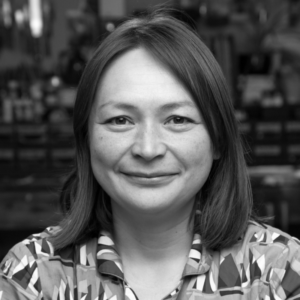
Pauline Clough has been creating vibrant textural pastel works for over 40 years. She originally studied at Bournville Art School in Birmingham before becoming a Heraldic Embroidery Designer in Solihull Warwickshire. After marriage she moved to Sussex in 1969 and had a family, where she lives and works to this day. Pauline gained membership to the Pastel Society in 1982 and has served as a Council Member for many years. She has exhibited in many prestigious shows throughout her career including at the Royal Academy, the RWA, The Royal Institute of Painters in Watercolour and the Pastel Society.
Lisa: What is your artistic background? Did you go to Art School?
Pauline: Yes I went to Bournville Art School (my teacher was Mrs Devey in 1959). I have painted in my studio at home since the 1970’s, and I used to teach a little.
Lisa: How long have you been working with pastel for?
Pauline: About 40 years.
Lisa: There is often a textural quality to your work. What techniques do you use to create these effects?
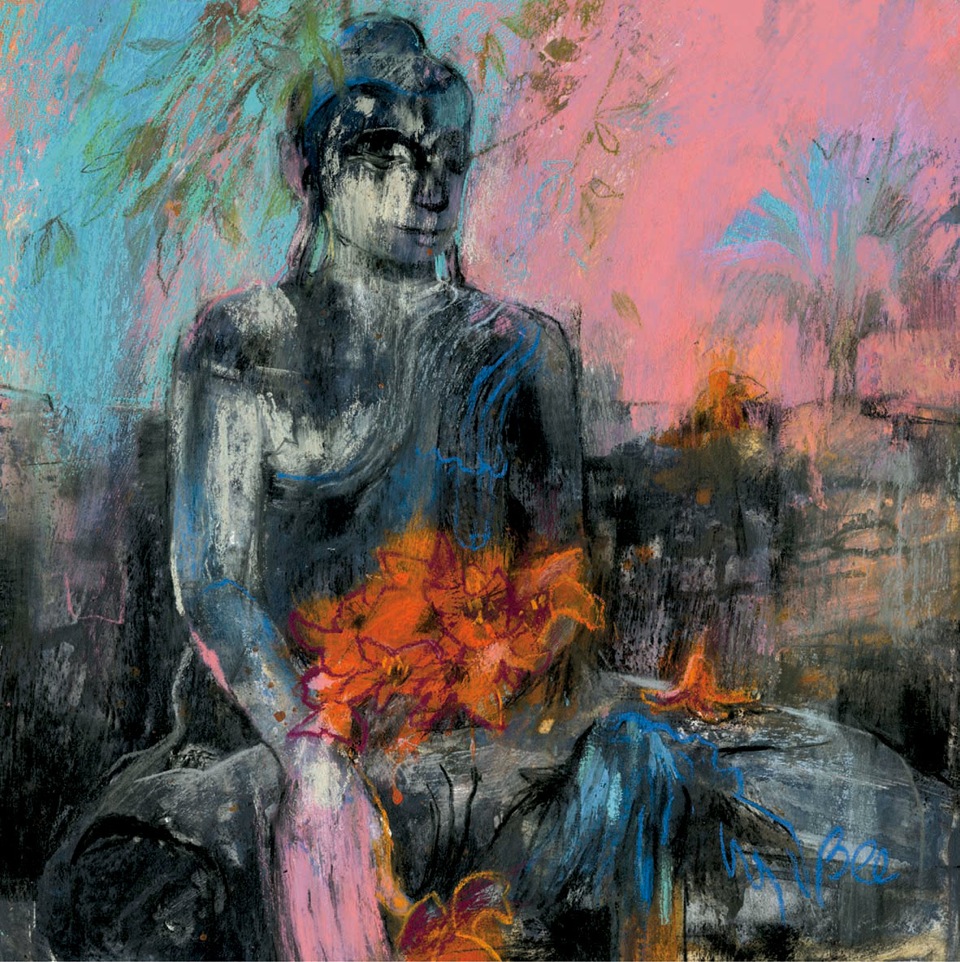
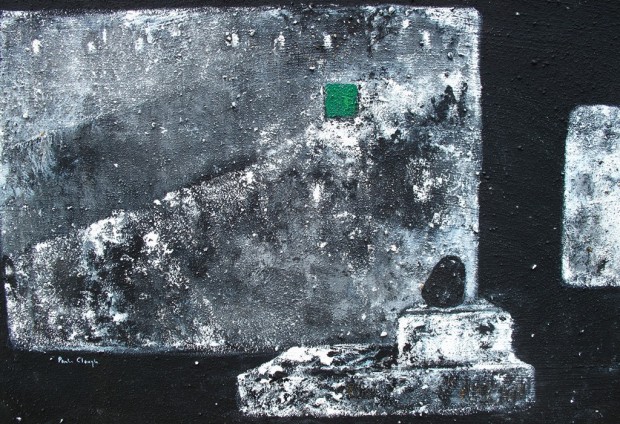
Pauline: I sometimes mix paint with grit and sand, and then apply pastel over the top. An example of using some of these techniques can be seen in the black and white ‘Lanzarote’ picture (pictured below).
Lisa: What sort of subject matter do you enjoy painting?
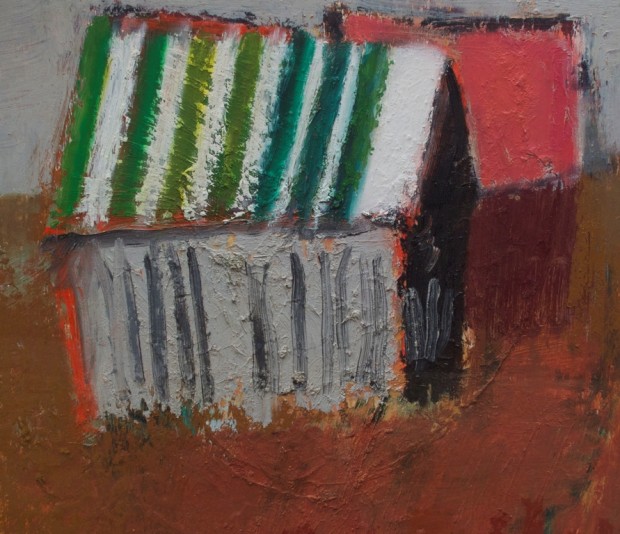
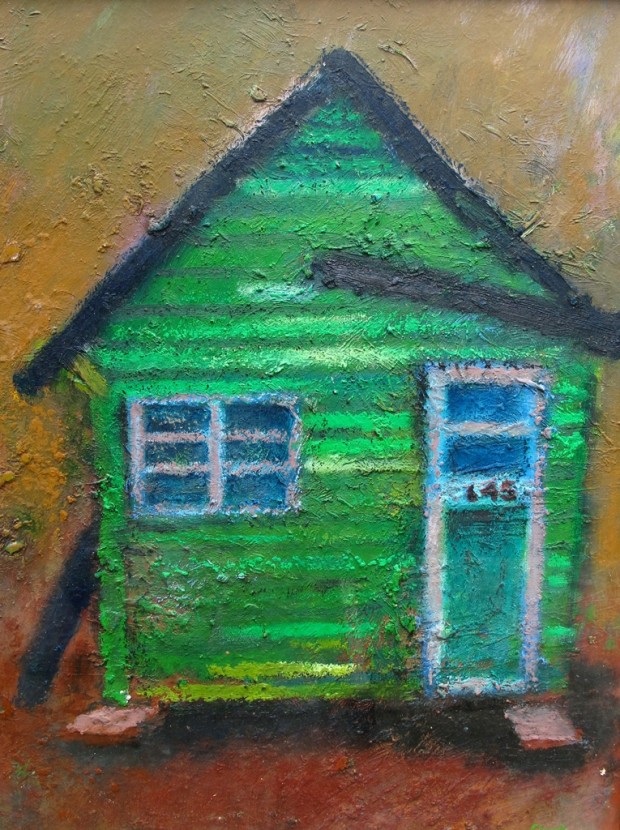
Pauline: I have enjoyed painting characterful structures such the viaduct in Balcombe. I find roof tops and wooden doors good subjects because of their colour and texture. Wooden buildings, for example like the huts at Dungeness (pictured) are interesting because of their sense of isolation. I also paint landscapes and a few portraits. I am quite flexible about the subject matter.
Lisa: Do you always make your work in front of the subject or do you tend to work from sketches/photos?
Pauline: I prefer to work in front of the subject, but now due to living with Parkinson’s it can sometimes be harder to get to the subject. However I have adapted the subject matter to whatever I can get to. The horses in the field at end of garden are a favourite subject to work from.
Lisa: What is your preferred surface for pastel painting?
Pauline: Currently sandpaper boards when using oil pastel. Watercolour paper with soft pastel (sometimes mixing pastel and watercolour)
Lisa: What do you do if it feels as if a pastel painting isn’t going right? Do you have any problem solving techniques?
Pauline: I pause the work, and will possibly test the subject with a different medium. Typically I might have several works going on concurrently. I sometimes vary the angle or perspective of the work to trigger new thoughts on the subject.
Lisa: Do you have a favourite brand of pastels?
Pauline: I quite like to make my own soft pastels from pigment. I used to like Grumbacher but they don’t seem to be available these days.
Lisa: Are there any other pastellists that you particularly admire?
Pauline: Degas, Mary Cassatt
Lisa: Where online or in the flesh can we view more of your work?
Pauline: At my home or otherwise, there are a few on the the Mall galleries site http://www.mallgalleries.org.