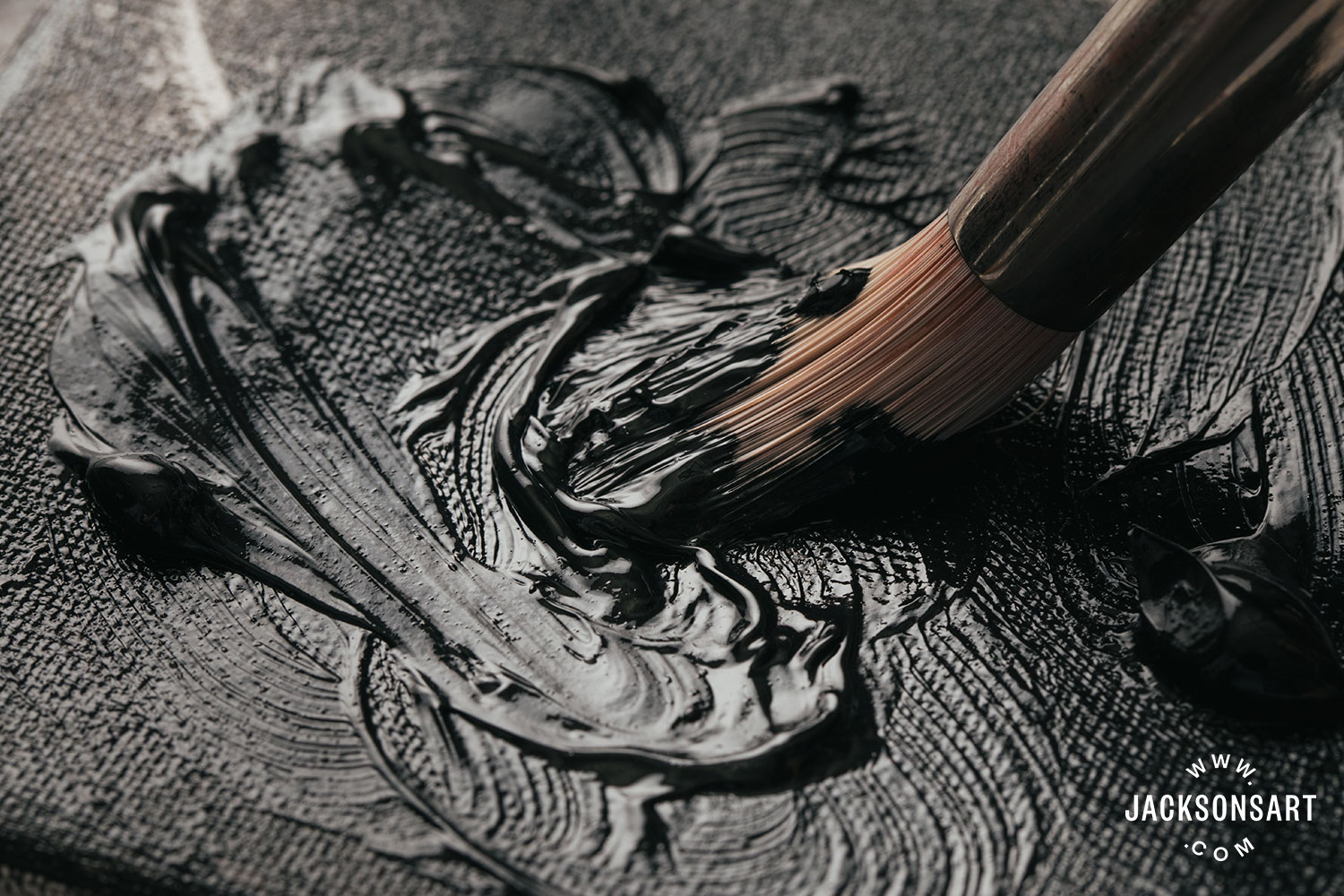
Artist and textile designer, Maggie Levien explores the effects of painting with acrylic on different substrates. ‘I’ve always been drawn to texture, whether creating artwork for my textile designs or as an essential element in my paintings. The surfaces we choose to paint on can significantly help us as artists to capture a mood and add richness to a painting.’

By Maggie Levien
Why acrylics?
I started using acrylics as a starting point to explore a thicker paint medium and as a stepping stone to oils but I’ve found they have a quality of their own and flexibility of use which I’m really enjoying.
I use Golden acrylics heavy body. A high quality paint—it has a smooth buttery consistency which is a joy to work with and comes in a rich and broad range of colours. I would recommend acrylics as a first medium to try as they dry quickly and can be used straight out of the tube.
Surfaces—effects, ideas and what I love about them…
Cardboard
Lots of positives for cardboard – it has a fabulous ridged texture to create distinctive artwork and comes with a ready made tonal ‘ground’. It’s also free! Acrylic is the perfect medium to use with cardboard as it dries quickly and acts as a sort of preservative, sealing the ground. I have painted direct onto cardboard with acrylics using Jackson’s Acrylic Fluid Gloss Medium as a paint thinner—it also adds a touch of gloss. Tip -You can further preserve your artwork by using an acrylic varnish on the front and back.
[Editor’s note: adhesives used in the manufacture of cardboard are not guaranteed to be acid free, and cardboard by its very nature is not made to last. Therefore we cannot guarantee the longevity of acrylic paintings made on cardboard.]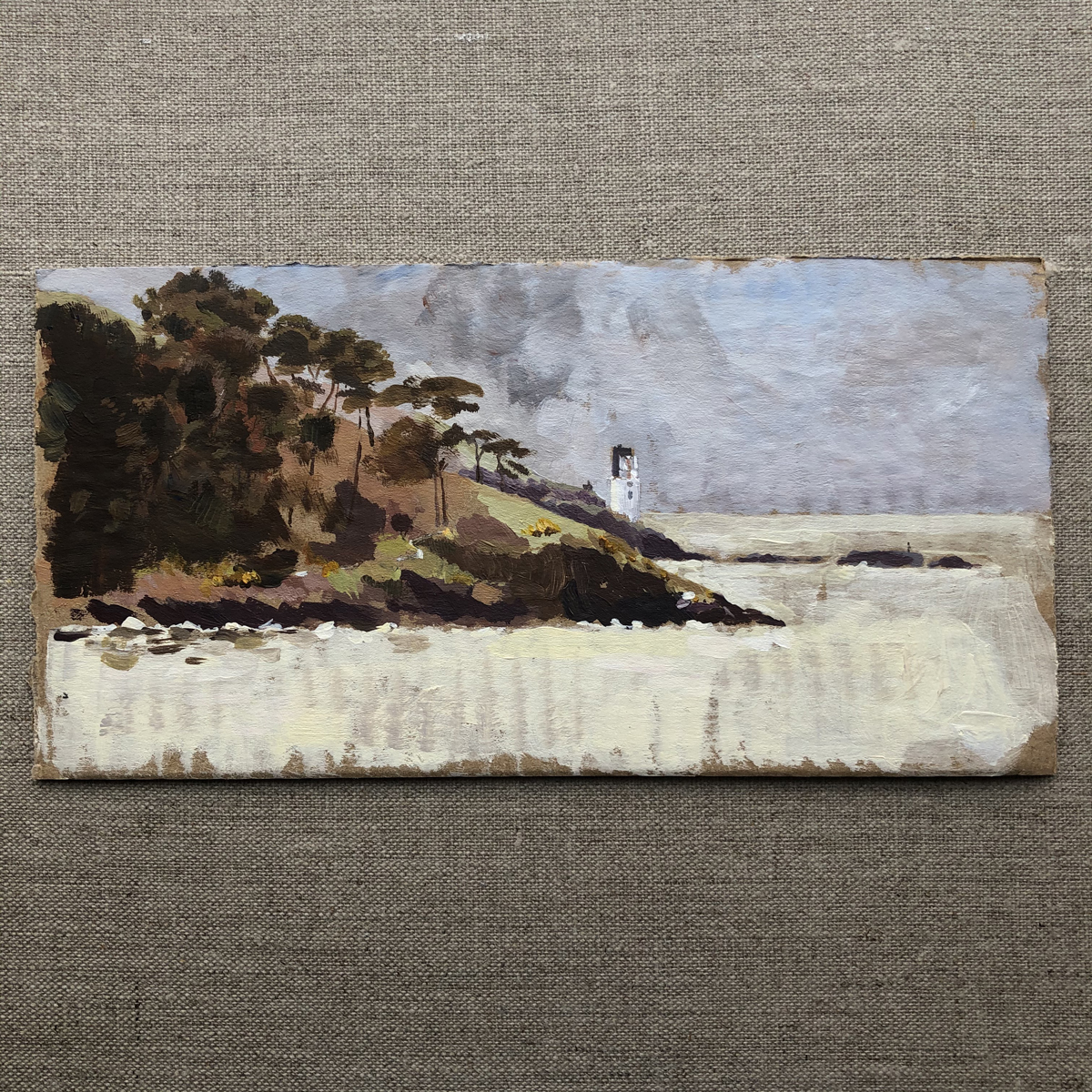
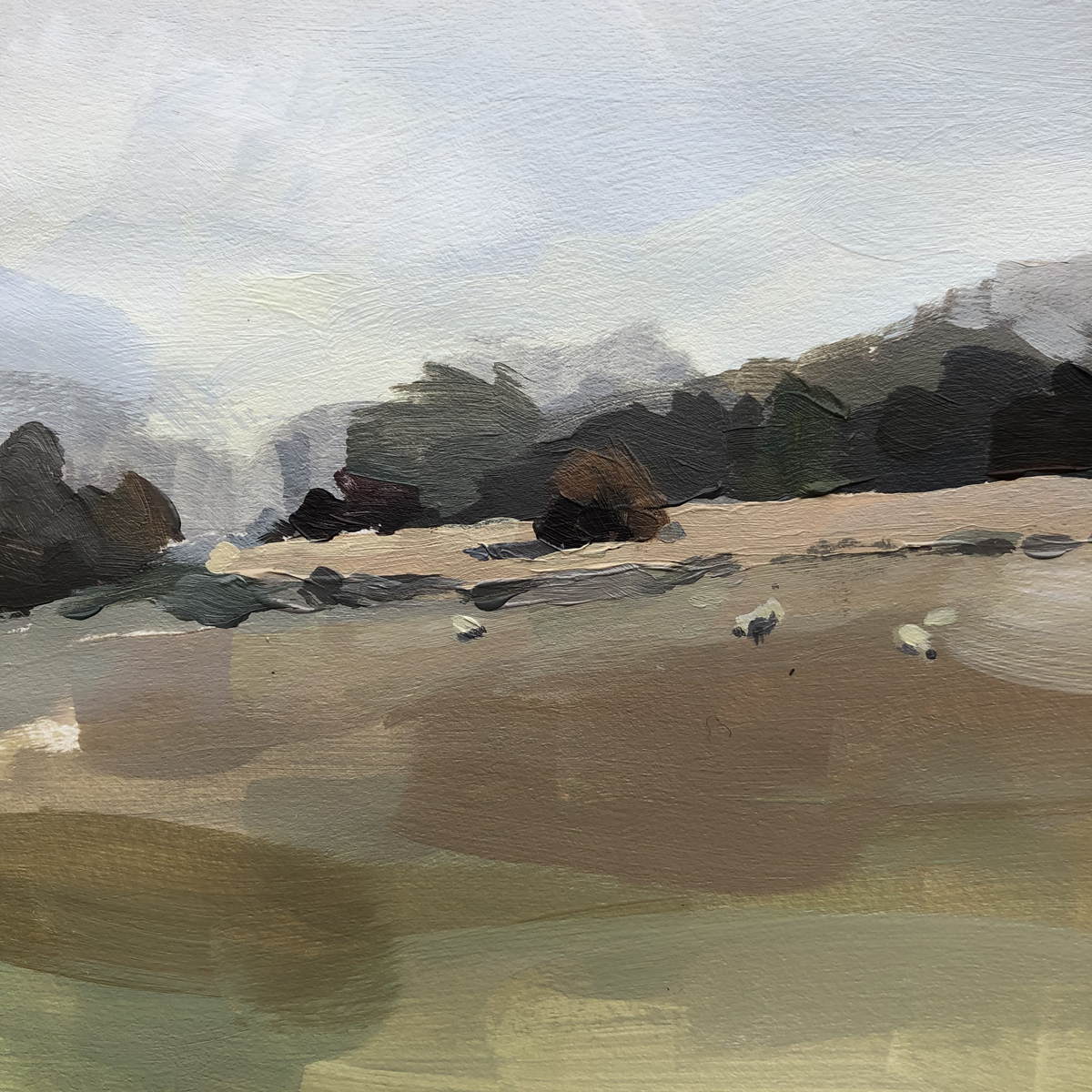
Painting in a sketchbook with acrylics
Working in a sketchbook I find encourages a feeling of experimentation and play which I think is vital when trying new things. Using acrylic on paper gives a beautiful smooth finish and means you can really see the brush strokes. The beauty of acrylic is that it dries quickly, particularly if you use an acrylic medium so there is no danger of pages sticking together.
Painting on linen – Jackson’s Ultra-lite linen board
I enjoy the small sizes which are ideal for studies, such as 5 x 7 in. Coming from a textile background, it really appeals to me to paint onto linen – in my textile designs I used to create linen textures to print as I love the texture so much.
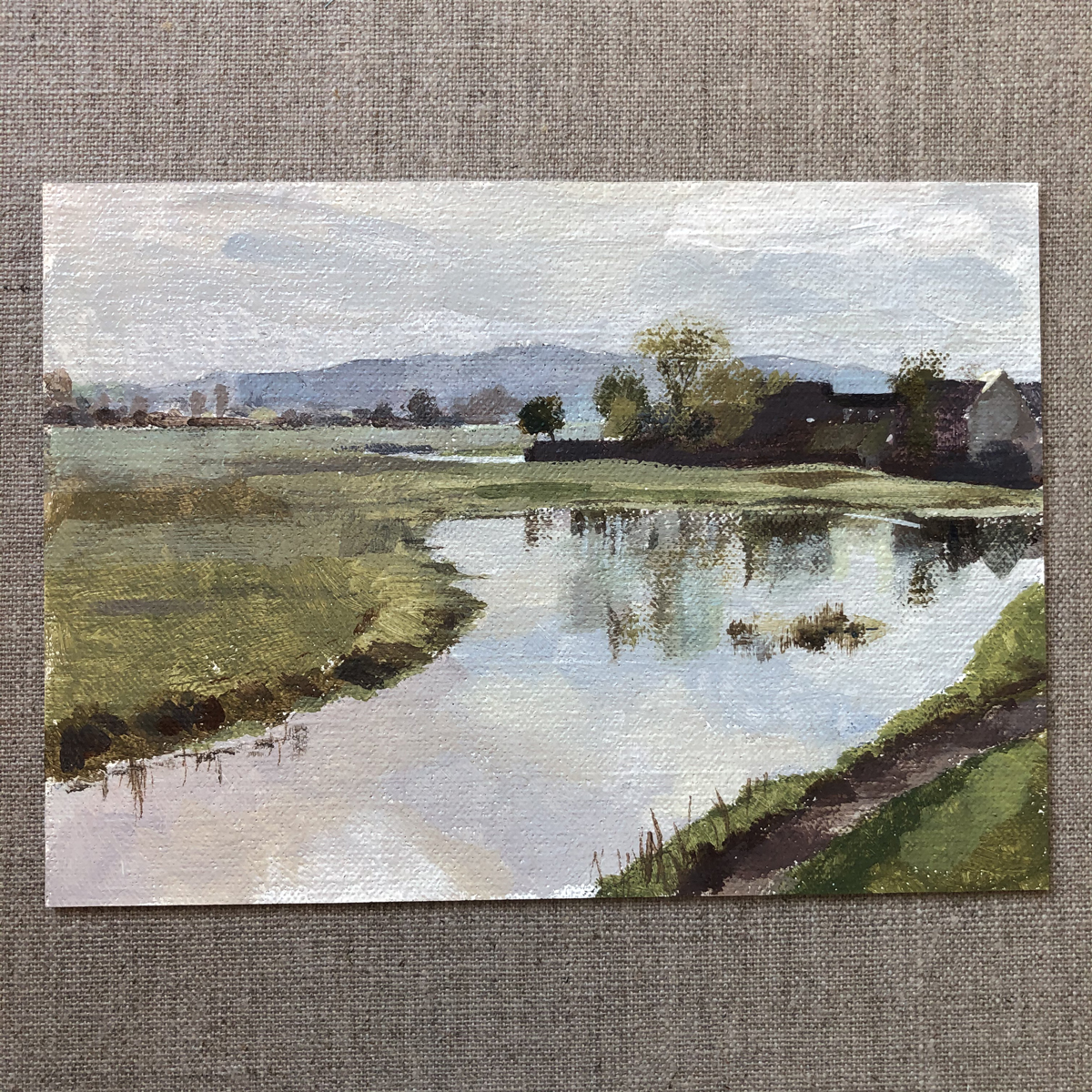
On a linen board, using a ‘dry’ brush (thick paint with little or no water), if you drag the brush across the surface you get a beautiful crumbly texture – perfect for capturing reflections and layering one colour over another. The rougher the grain of the fabric the crumblier the texture. Tip—try out the brush strokes on some fabric to experiment before painting on the board.

The ultra-lite linen boards come ready primed, suitable for oil or acrylic and the creamy coloured surface is ideal to draw on. The handmade linen boards can be painted on direct or primed with a layer of gesso to whiten the surface.
They look gorgeous unframed—I like to prop mine up on a shelf in between books.
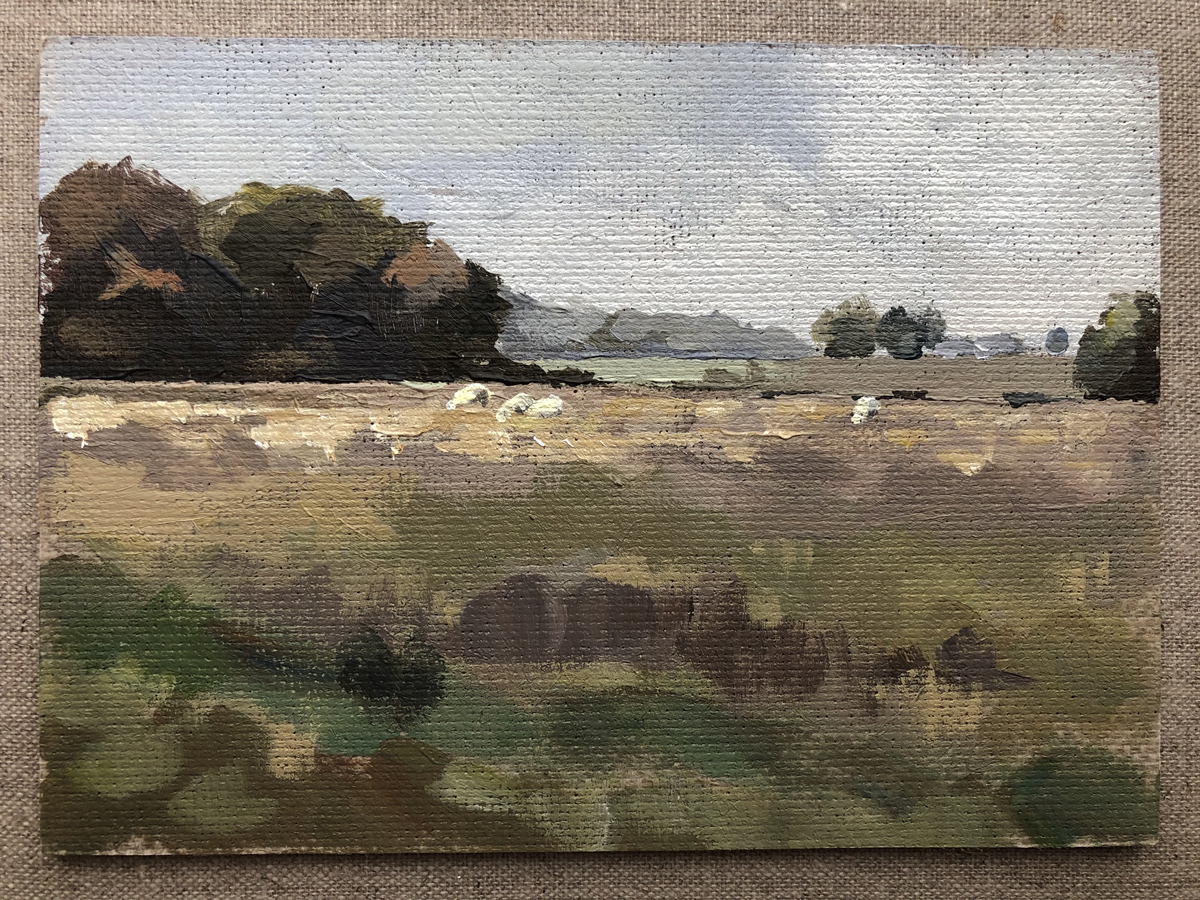
acrylic painted on Handmade linen board 7 x 5 in
Wooden panels
I’ve recently started experimenting with wooden panels—5 mm 5 x 7 in and 6 x 6 in Jackson’s Wooden Painting Panel. They have a wood grain—initially, I wasn’t sure about it but after experimenting with them I now love it, and particularly with a coastal subject the wood grain showing through the paint really enhances the mood. Tip—if you are going to use the grain as part of the look then choose whether you’d like it to run vertically or horizontally. I usually paint one layer of gesso onto the board to give a white surface which is easier to draw onto though you could paint direct. If you want a smooth grain free surface then paint around three layers of an acrylic gesso on the wood, drying between layers before painting. You can sand it too (with 200-300 fine grade sandpaper) between layers if you want a really smooth finish!
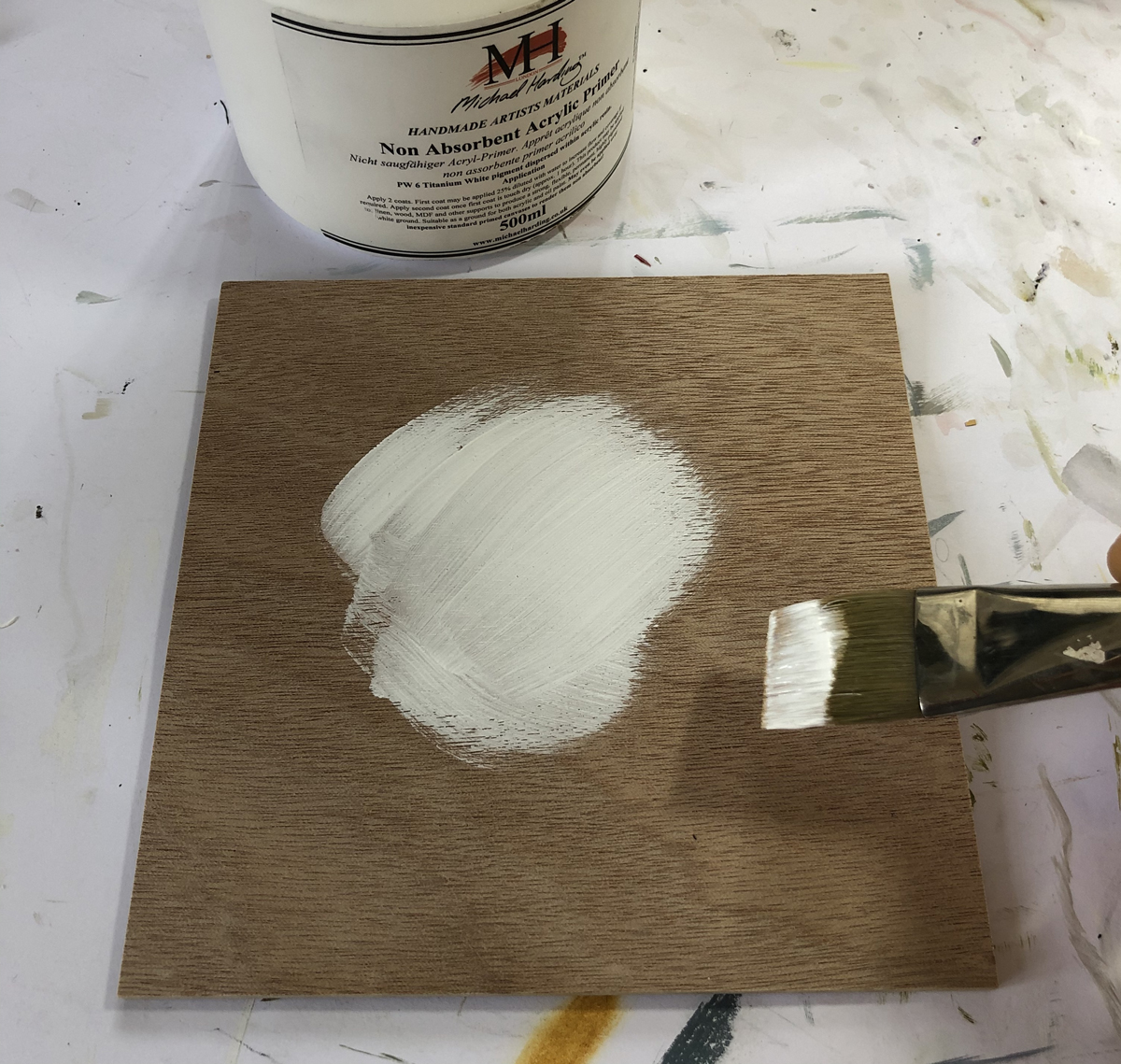
I’ve been using Michael Harding non-absorbant gesso but there are many gesso’s available which will do the job perfectly.


Maggie Levien

Maggie graduated with a first class degree in Textile Design from Manchester Metropolitan University and after working for Osborne and Little as a textile designer for 5 years set up her own company. Over the past 14 years she has designed collections of fabric (printed and woven) and wallpaper under her own name for Sanderson and John Lewis.
“After completing a recent watercolour course, a strong desire to return to my original loves of drawing and painting has taken precedence. I’ve always been inspired by the natural world – from botanical themes in my design work and now the colour and light of the British landscape and coast. I’m loving the painting journey, the exploring of new materials and seeing where it takes me”
A website is being planned and you can find me on instagram @maggielevien