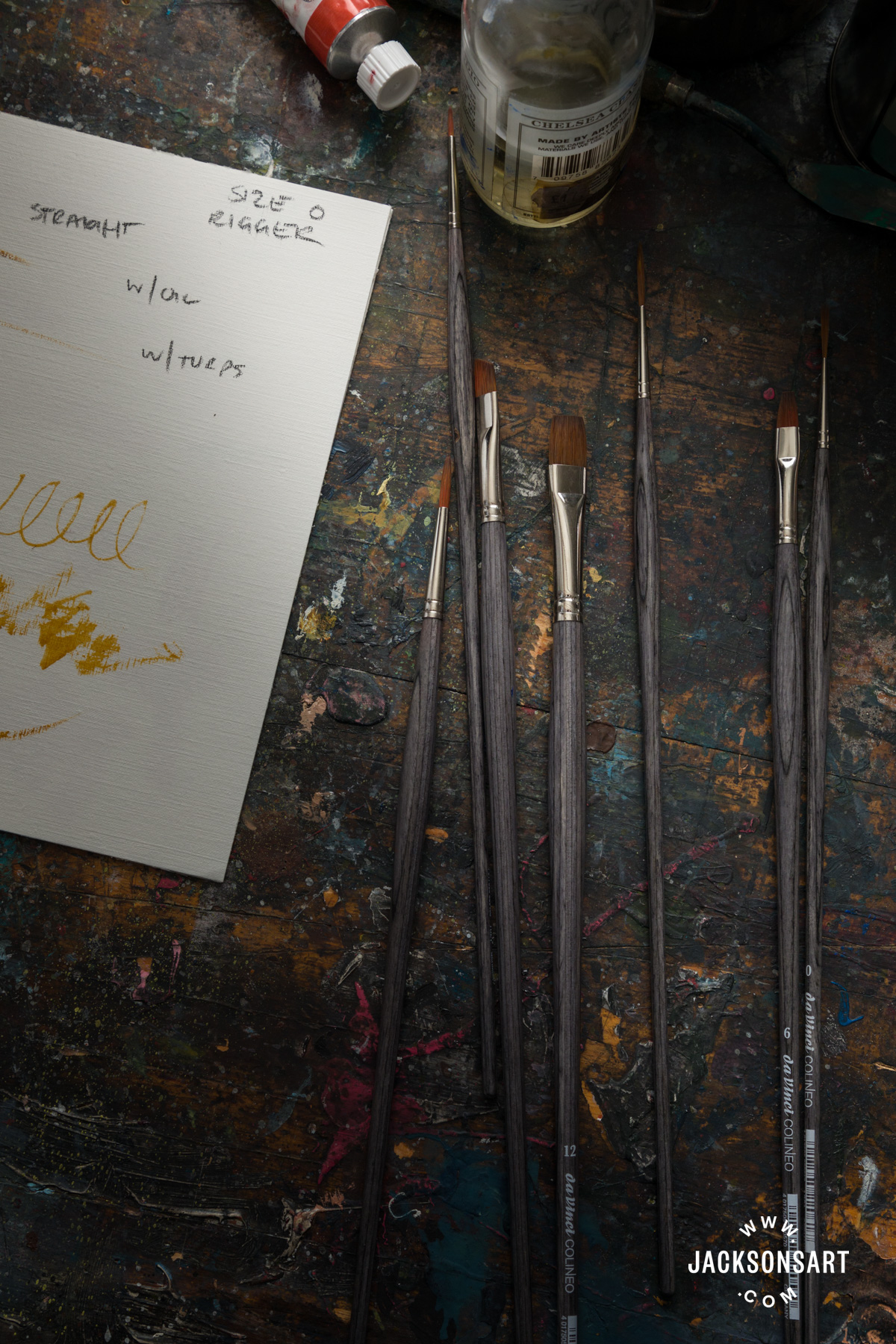
Da Vinci Colineo Synthetic Oil Brushes are a great alternative to the traditional animal-hair brushes that have been available for centuries. The advances in synthetic brushes are leaving their mark on the art world and are easily becoming comparable to traditional hair brushes. As the demand increases for better flow of paint and consistency, synthetics are slowly getting better and better, and the quality is matching that of its competitor the natural hair brush. In this article, I test out four different tip shapes of Da Vinci Colineo Synthetic Oil Brushes in varying sizes using oil and acrylic paint and discuss some of the different results from each.
Review of Da Vinci Colineo Synthetic Oil Brushes
Artist brushes are personal to each artist, and the choice of brush can greatly affect the work created. Like any craftsman, the tools we use, how they’re used, cleaned, made etc., make each artist different. The personal needs of the artist, as well as the functionality of the brush chosen, can dictate the work created.
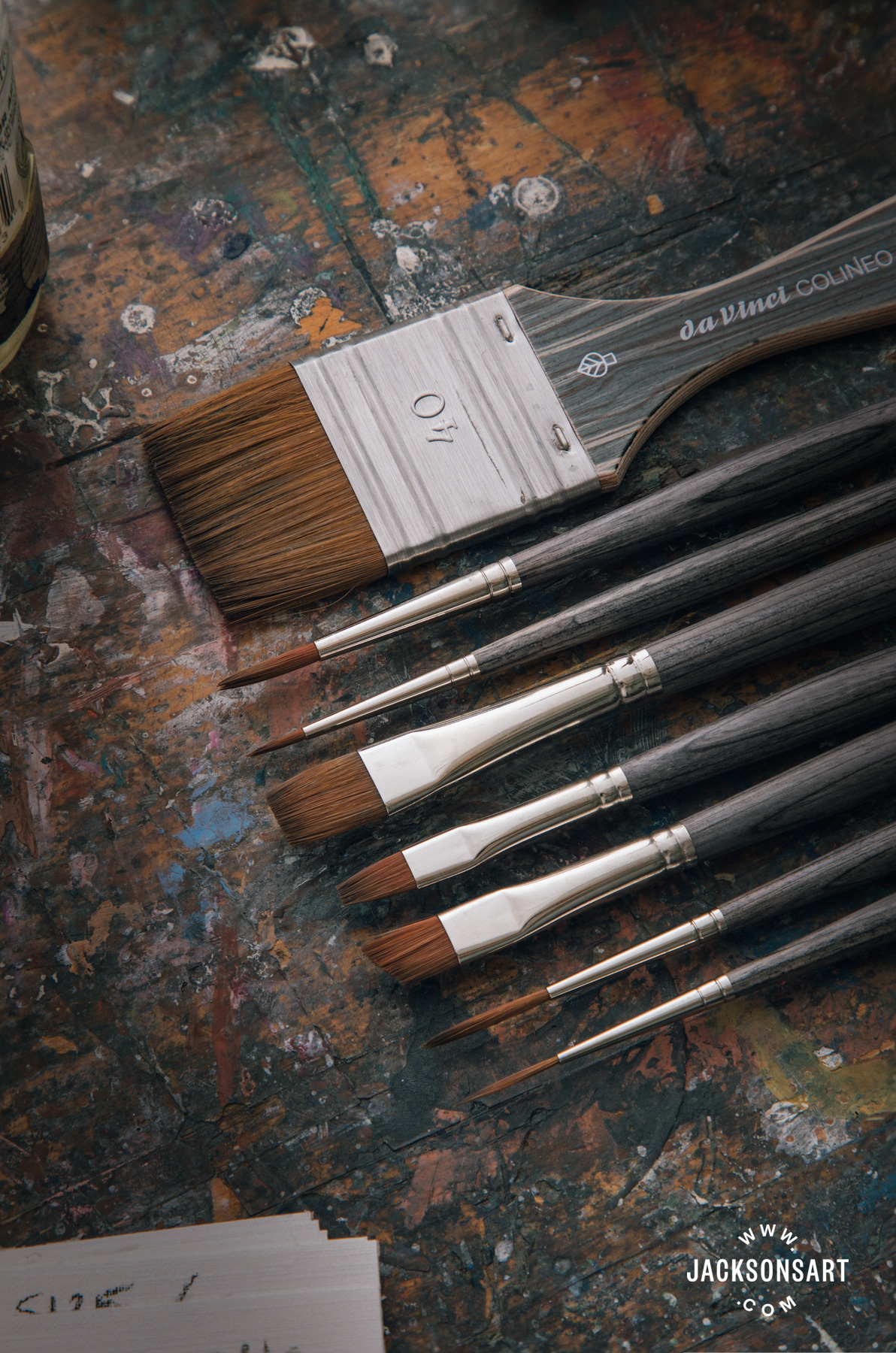
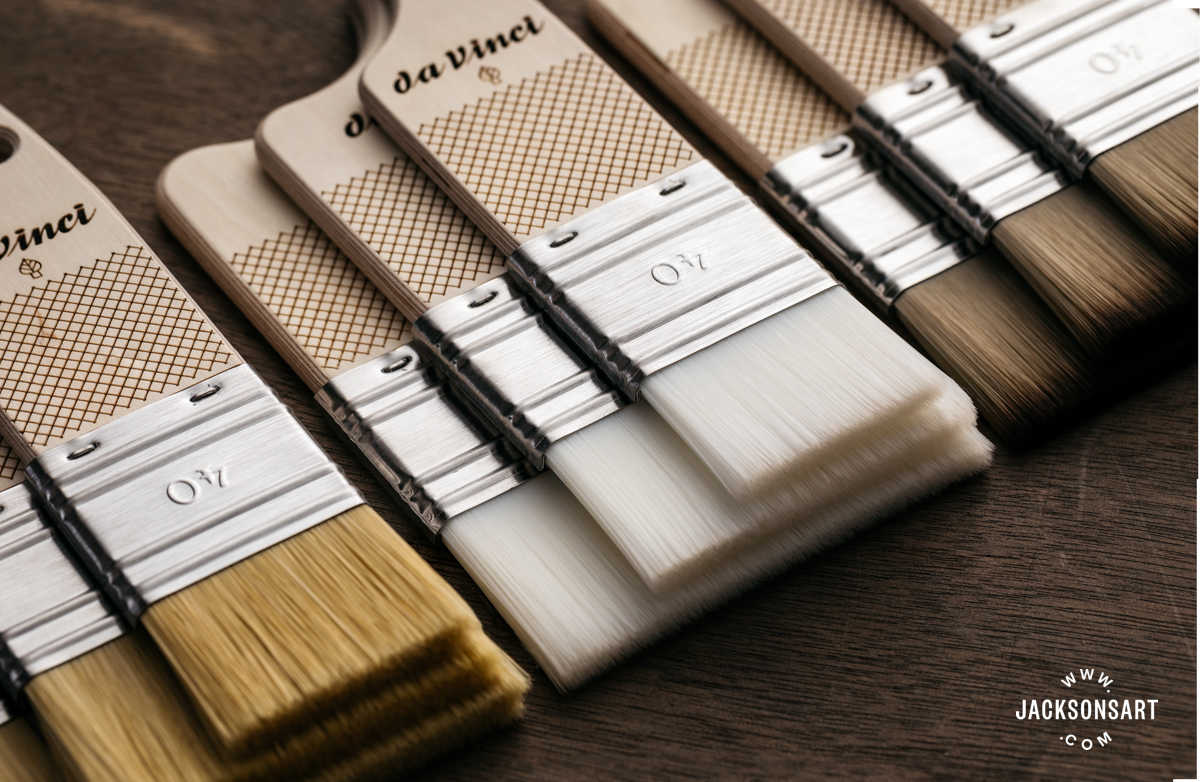
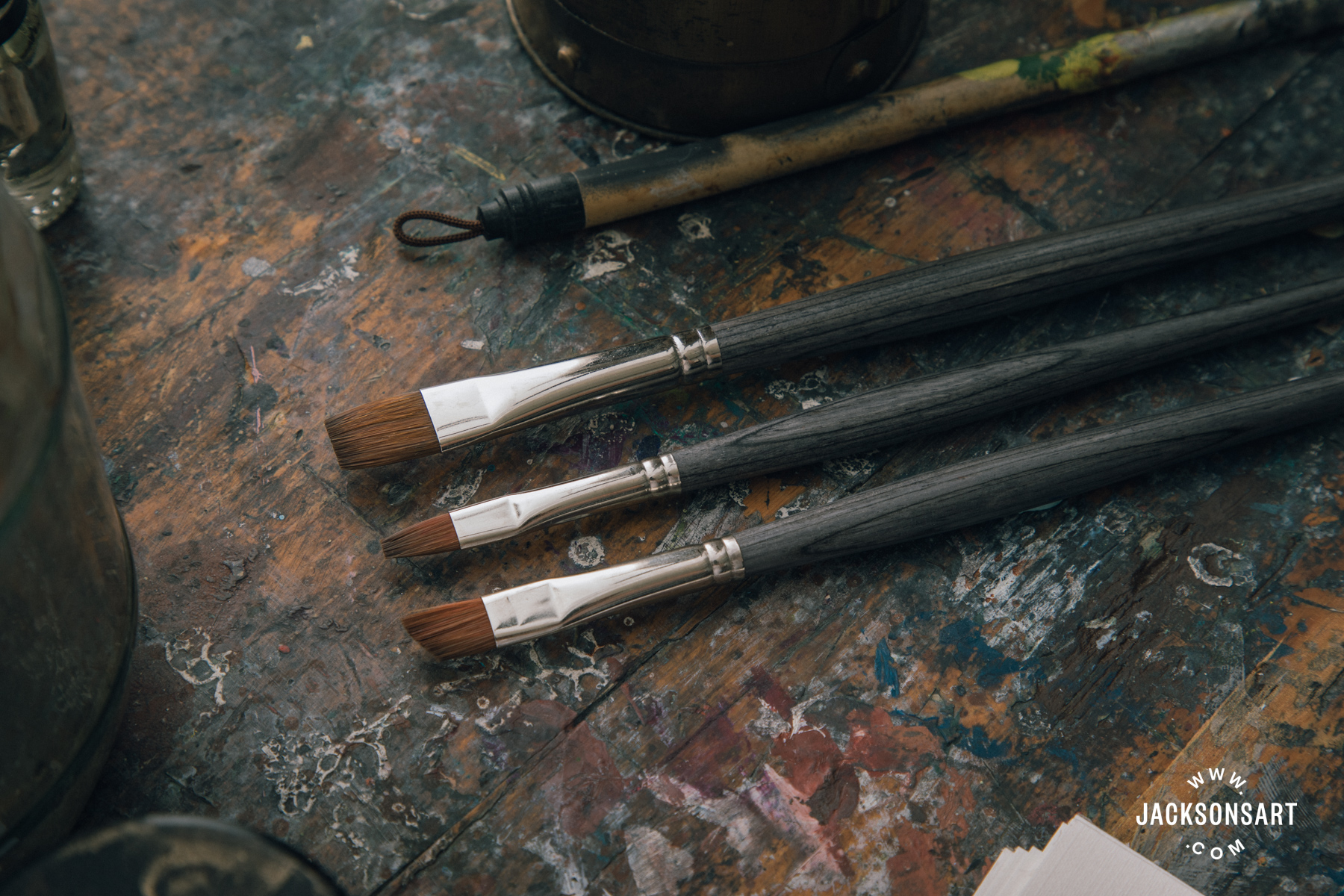
These particular synthetic tips have very similar characteristics to sable hair, so the brushes offer precision, high elasticity, and a beautiful softness. They have long handles made of water-resistant, laminated wood, and silver-coloured ferrules, with oblique coloured tips.
Da Vinci Colineo Synthetic Oil Brushes are lightweight and have a nice spring when you put the brush onto the surface. Due to the softness of the bristles, I would be less inclined to use them on a rough surface or for the start of a painting, rather they would be perfectly suitable for glazing, blending, and soft layering with very fluid paint. They are a perfect synthetic equivalent for a sable brush.
Testing the Brushes With Oil Paint
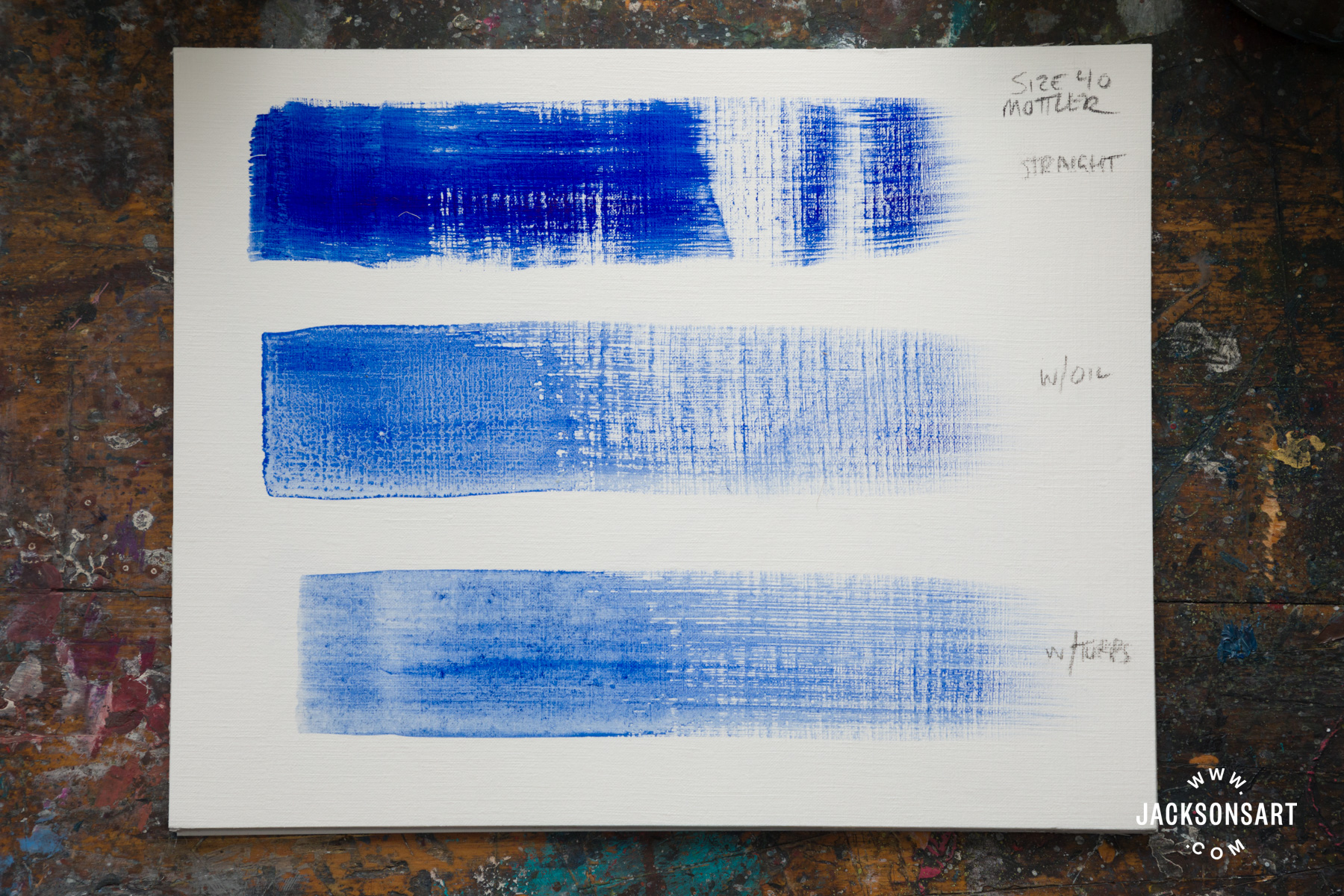
The Da Vinci Colineo Synthetic Oil brushes that I tested had a variety of lengths and shapes, whether it be mottler, flat, round, or rigger. All were tested out using Jackson’s Oil Paper Block using oil paint and acrylic paint. For the tests with oil paint, I applied the paint thickly, as well as oiled it down with linseed oil, and then mixed it with a little odourless solvent.
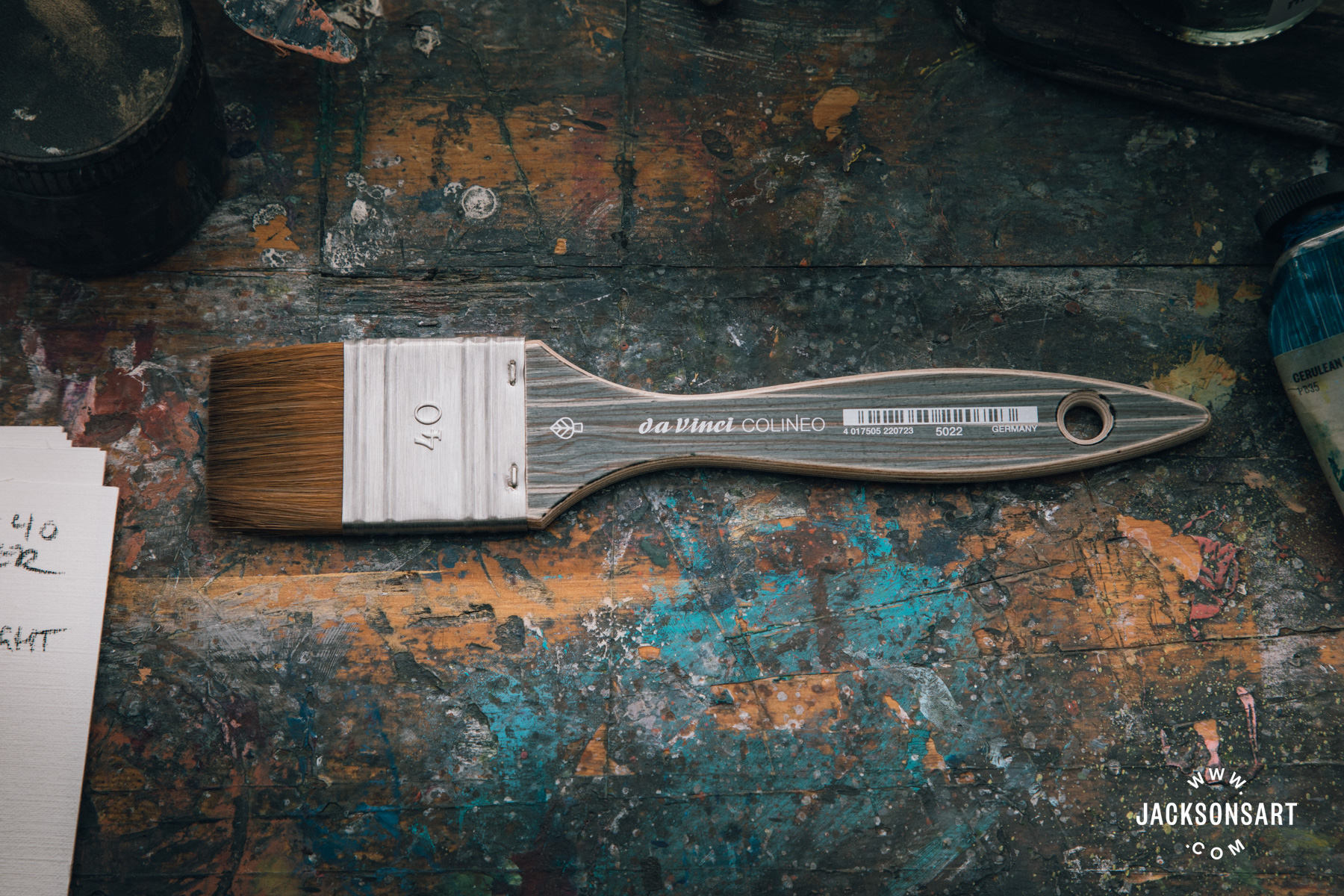
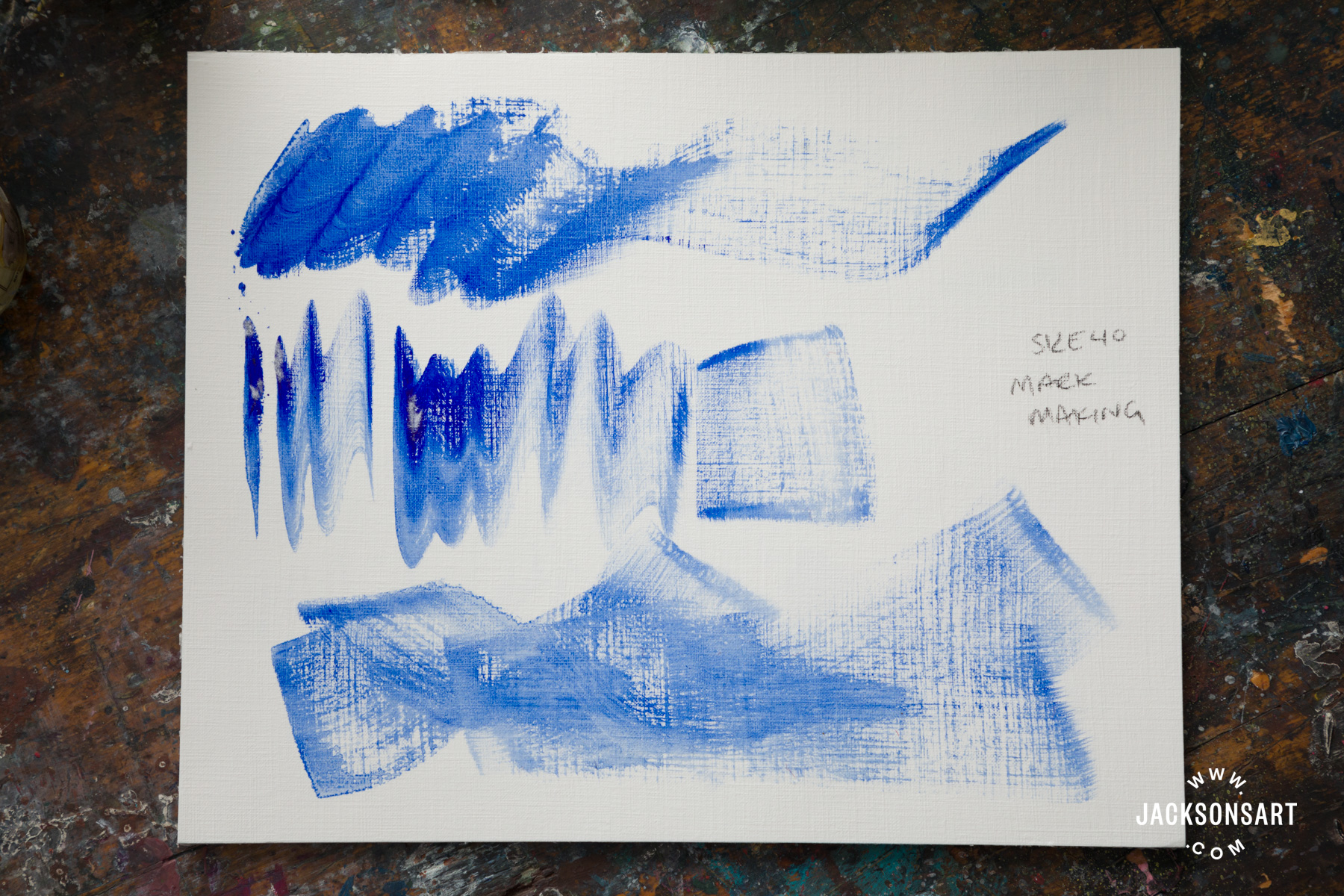
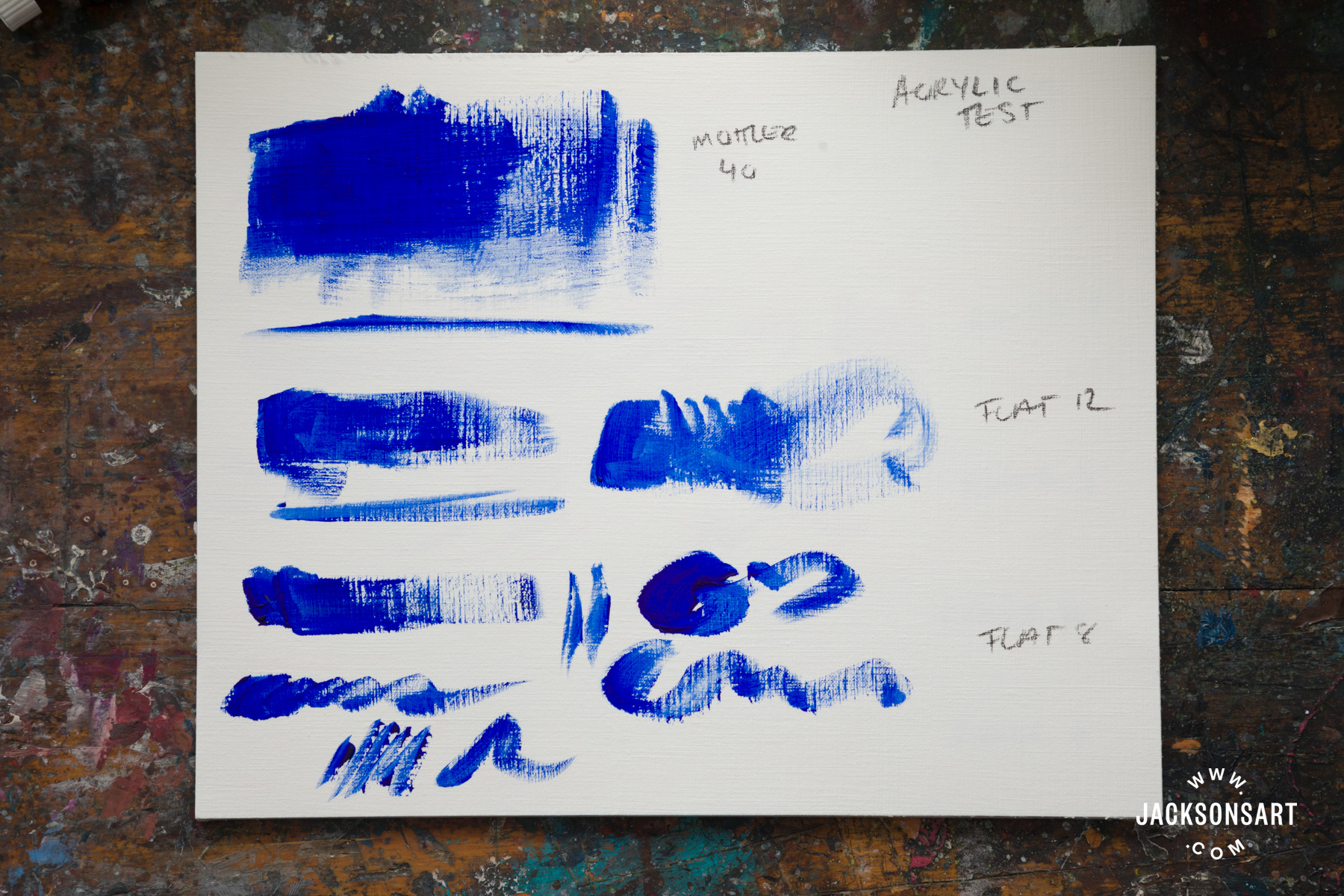
Da Vinci Colineo Oil Brush Series 5022 Synthetic Fibre Mottler 40
I tested out the size 40 brush of this model, a great size to work with and even for such a large brush it still had a lovely softness to its bristles. The wooden handle is wider than others tested but it hasn’t added much weight to the brush itself. Its application of paint was great, big bold thick brush marks are juxtaposed to the thinner marks it’s capable of when using the side of the brush or by tapering your hand movements. Light and small enough to be versatile when used on its side, the mottler brush would be the perfect tool to make big brush marks, glaze large areas, as well as softening larger areas of paint.
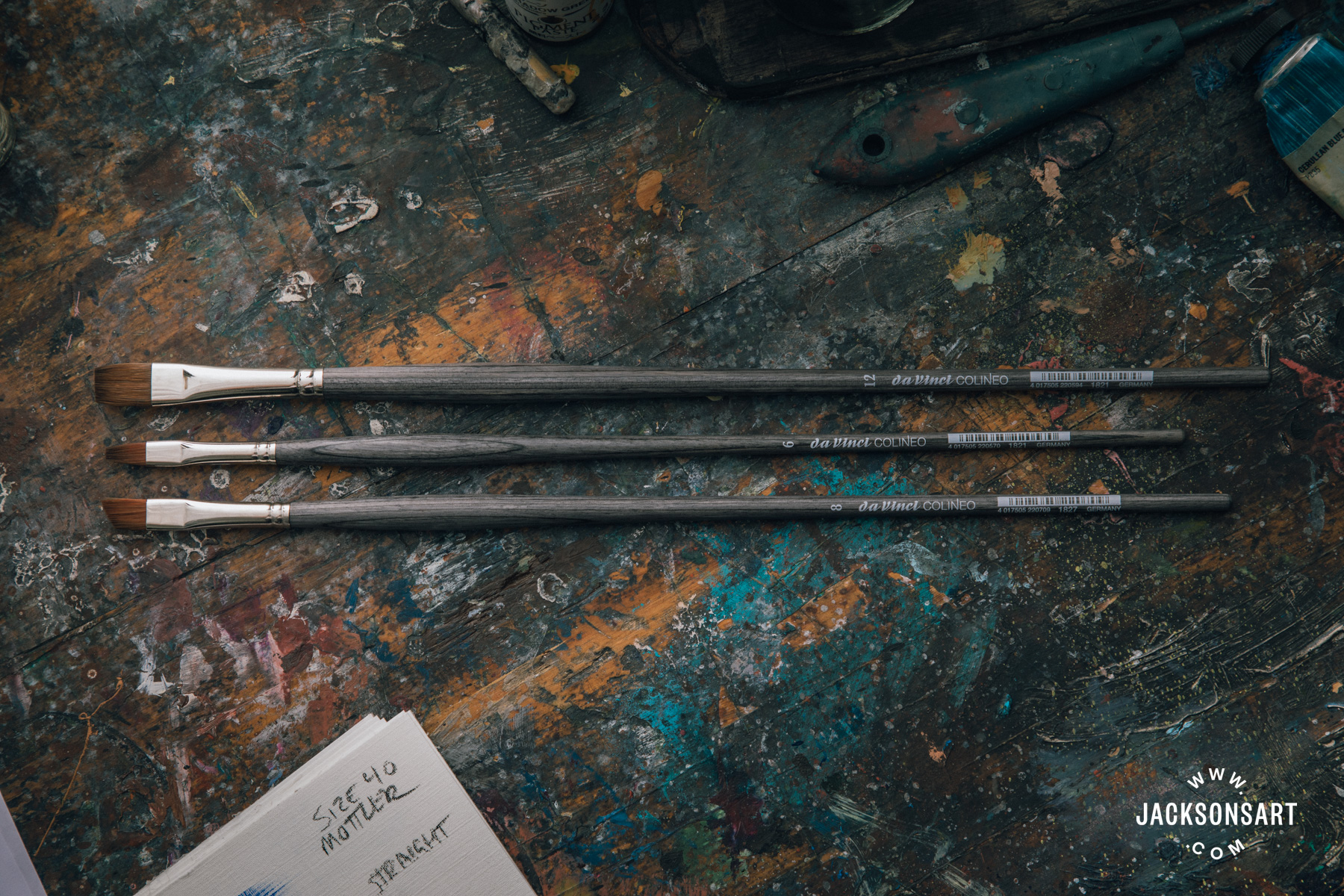
Da Vinci Colineo Oil Brush Series 1821 Synthetic Fibre Flat Sizes 6, 8, and 12
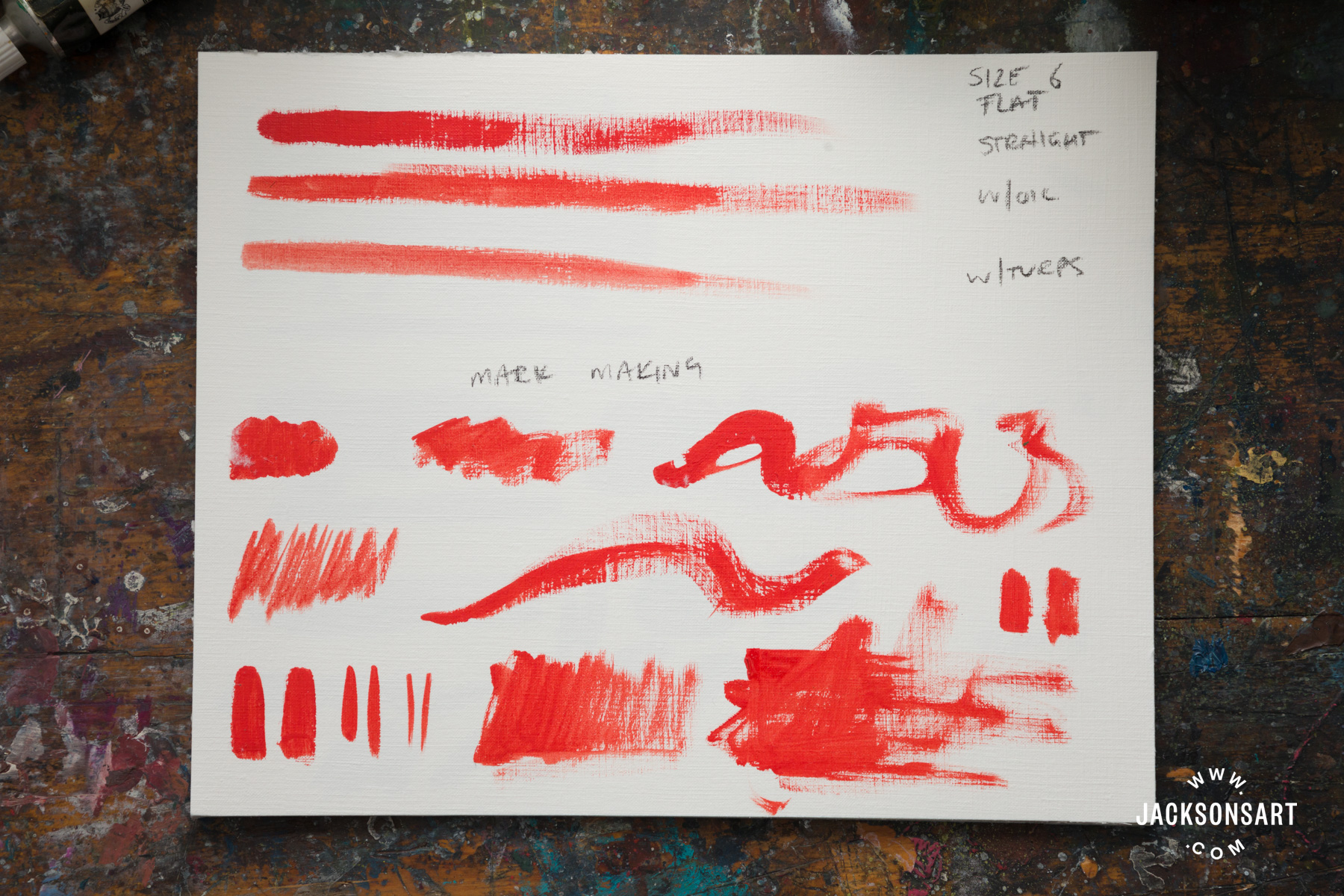
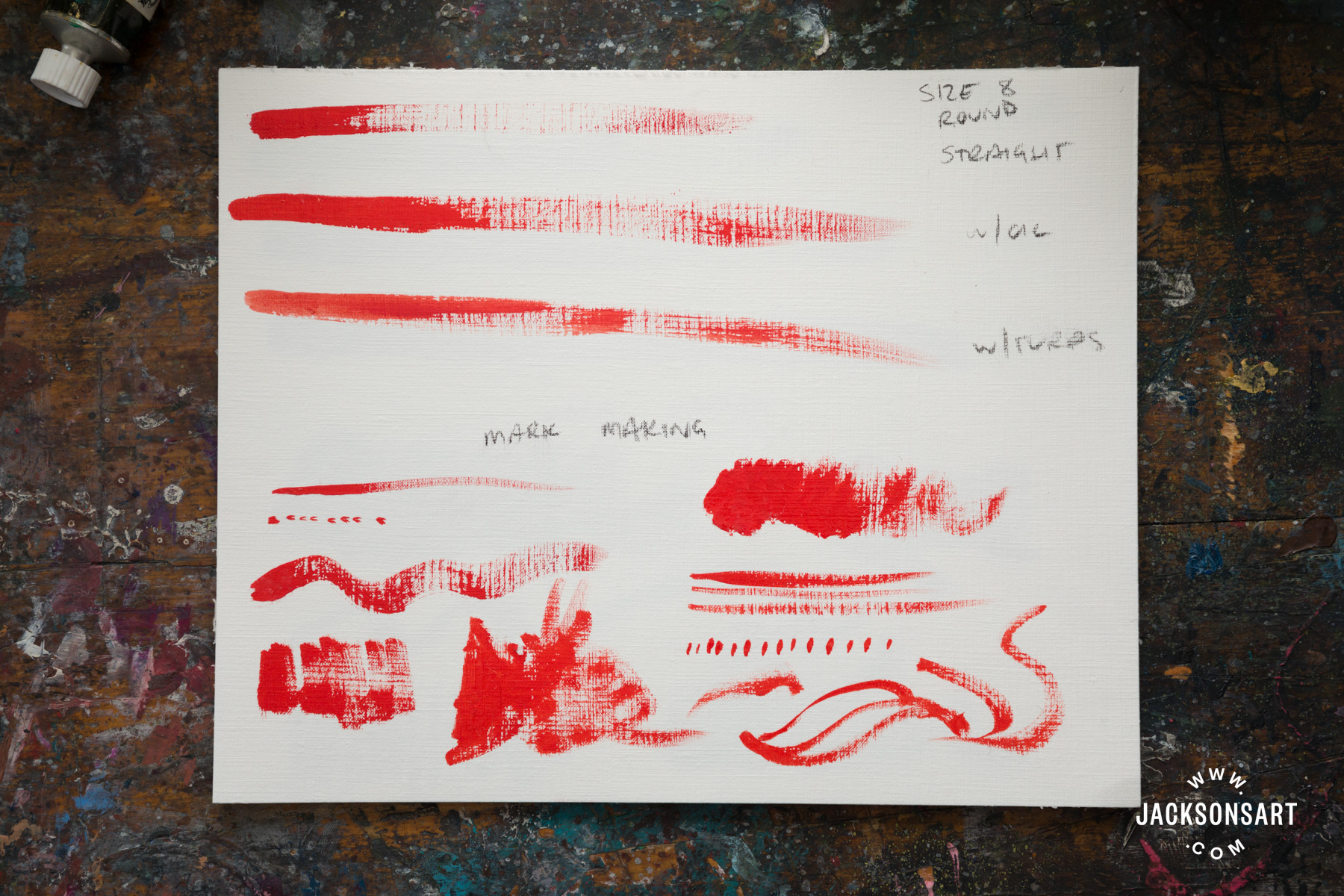
Even though I had previously mentioned that these brushes would be best suited for glazing or softer work, the flats did work out more versatile than the other tip types. The flat brushes made some nice chunky solid marks, as well as longer flowing strokes. I felt the shorter tip was able to hold more paint than the rigger or rounds. These brushes worked best across each of the tests for paint consistency.
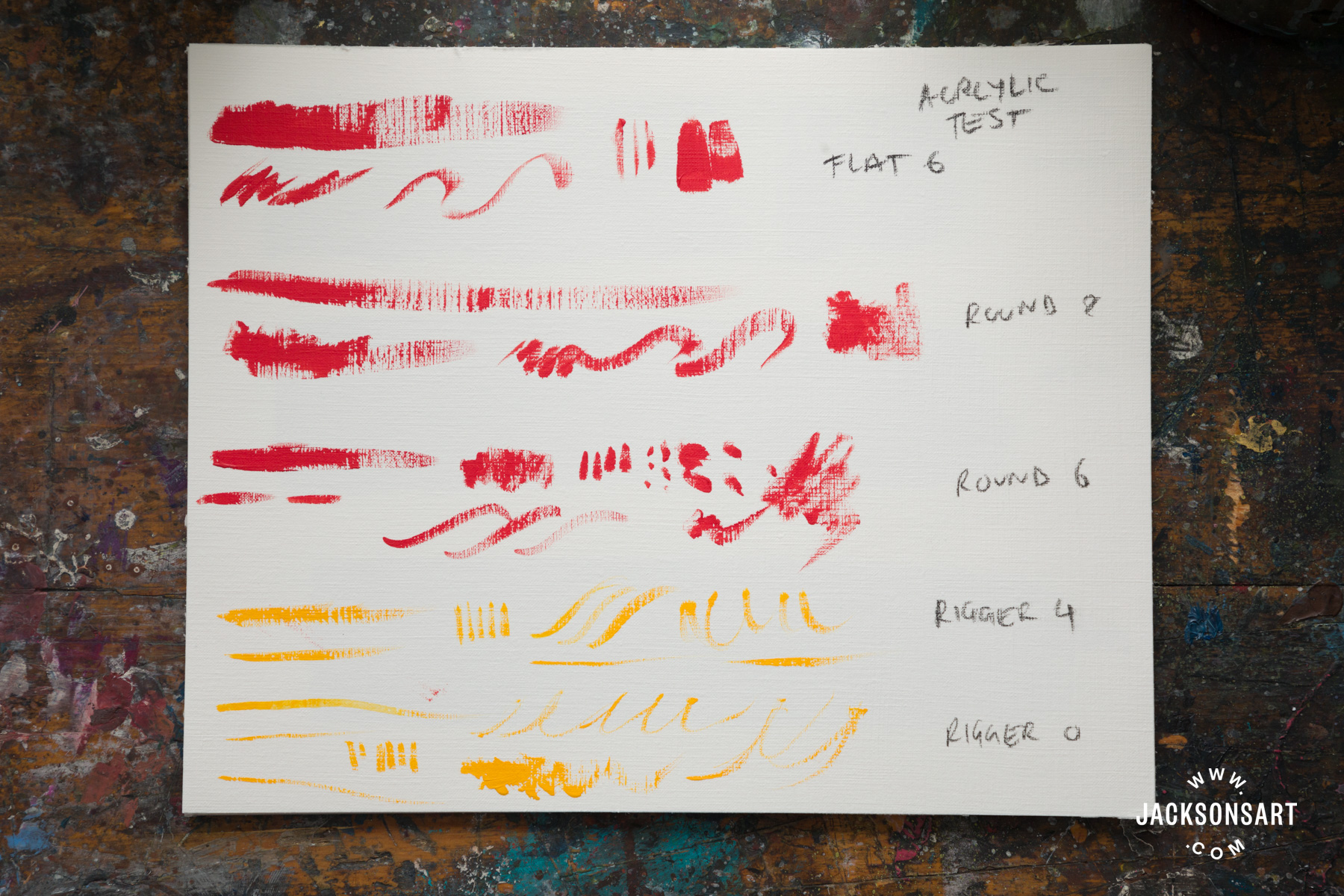
Da Vinci Colineo Oil Brush Series 1821 Synthetic Fibre Flat Size 6
Da Vinci Colineo Oil Brush Series 1821 Synthetic Fibre Flat Size 8
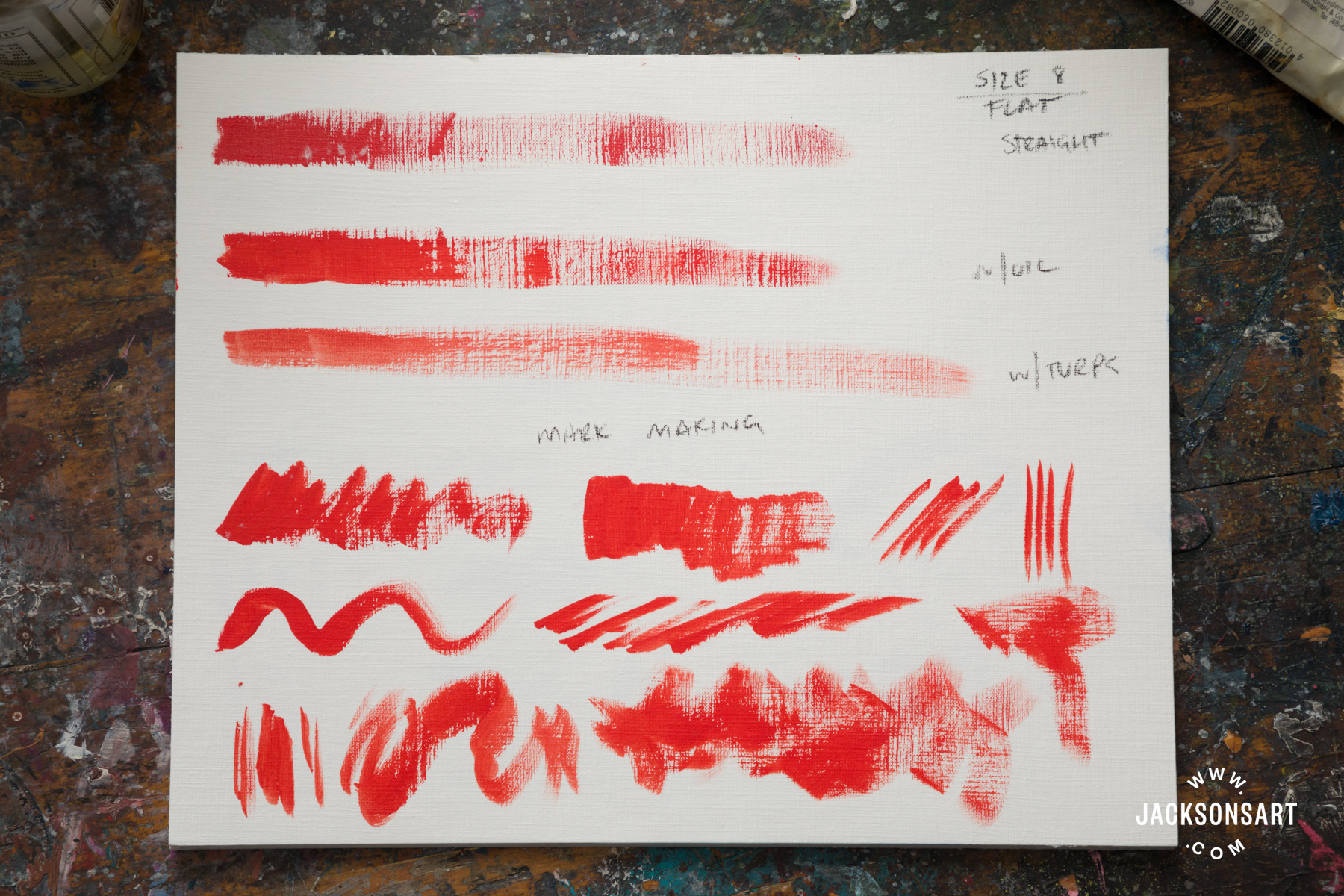
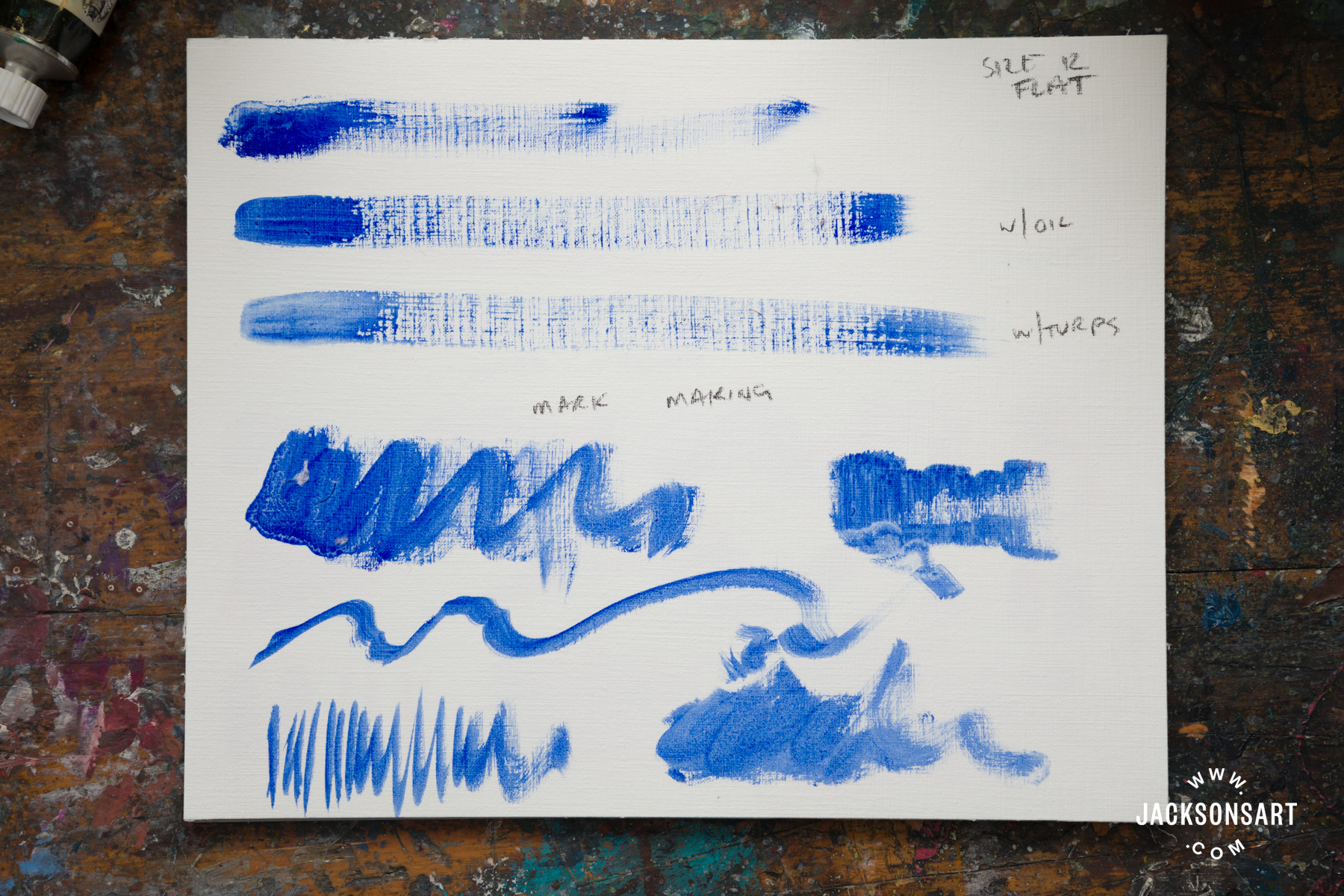
Da Vinci Colineo Oil Brush Series 1621 Synthetic Fibre Round Sizes 2 and 8
The Synthetic round brushes had a really lovely soft touch when using them. These are brushes that would be best suited for applying soft detailing and blending. In saying that, the variety of possible marks makes these a versatile brush also. They could be great for those brush mark accents your painting needs. I have similar brushes in natural sable hair and these do feel similar in the way they apply paint.
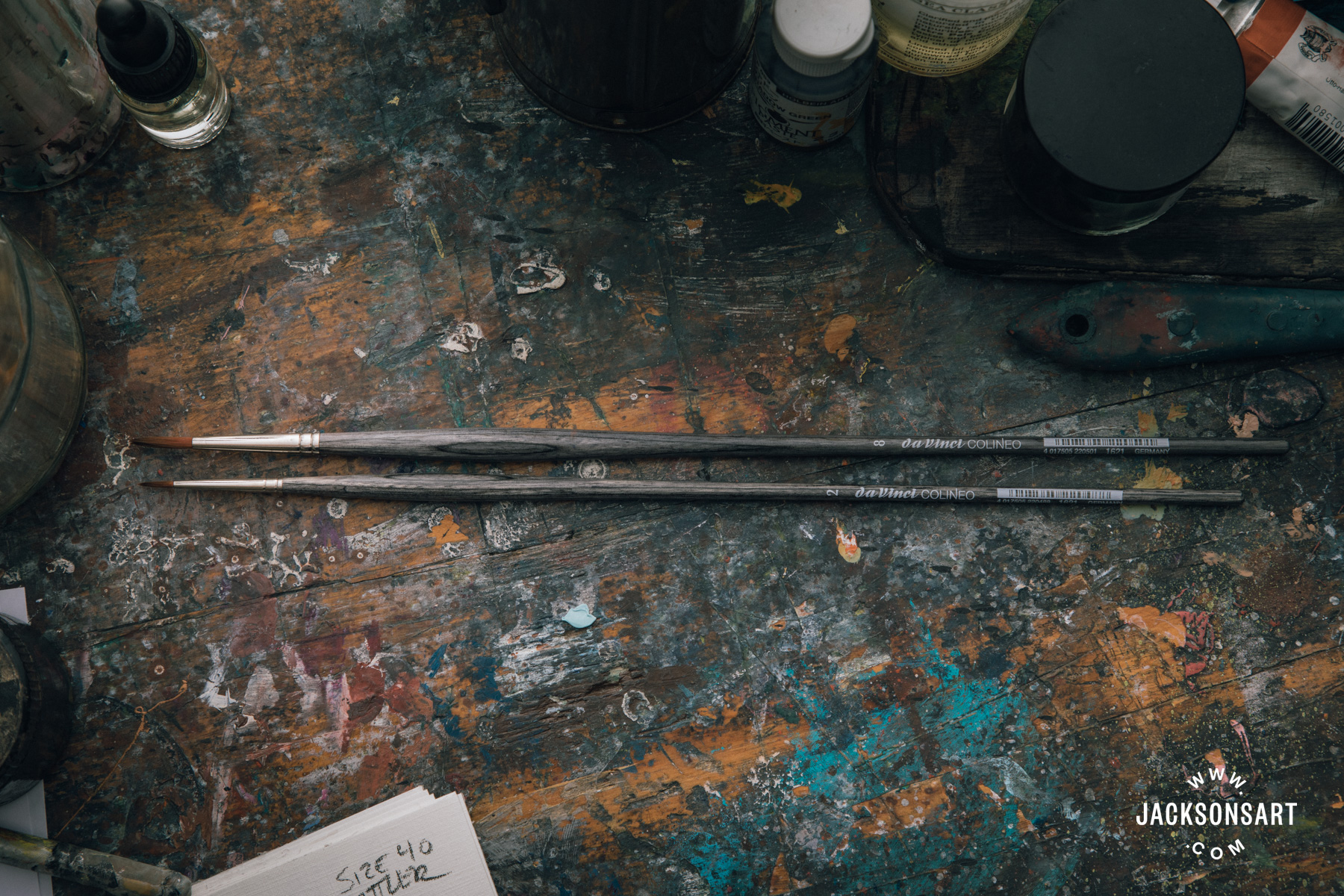
Da Vinci Colineo Oil Brush Series 1621 Synthetic Fibre Round Size 2
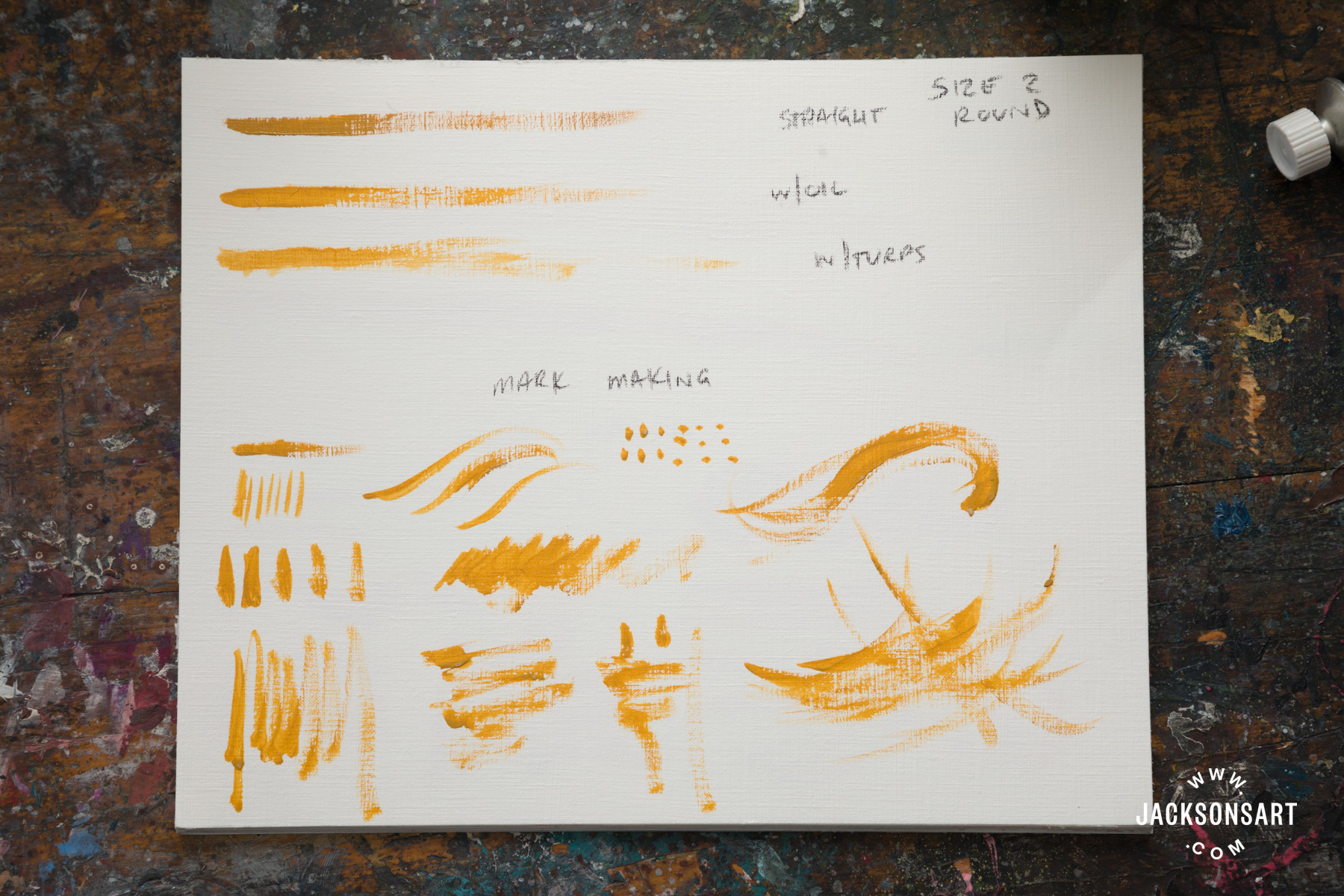
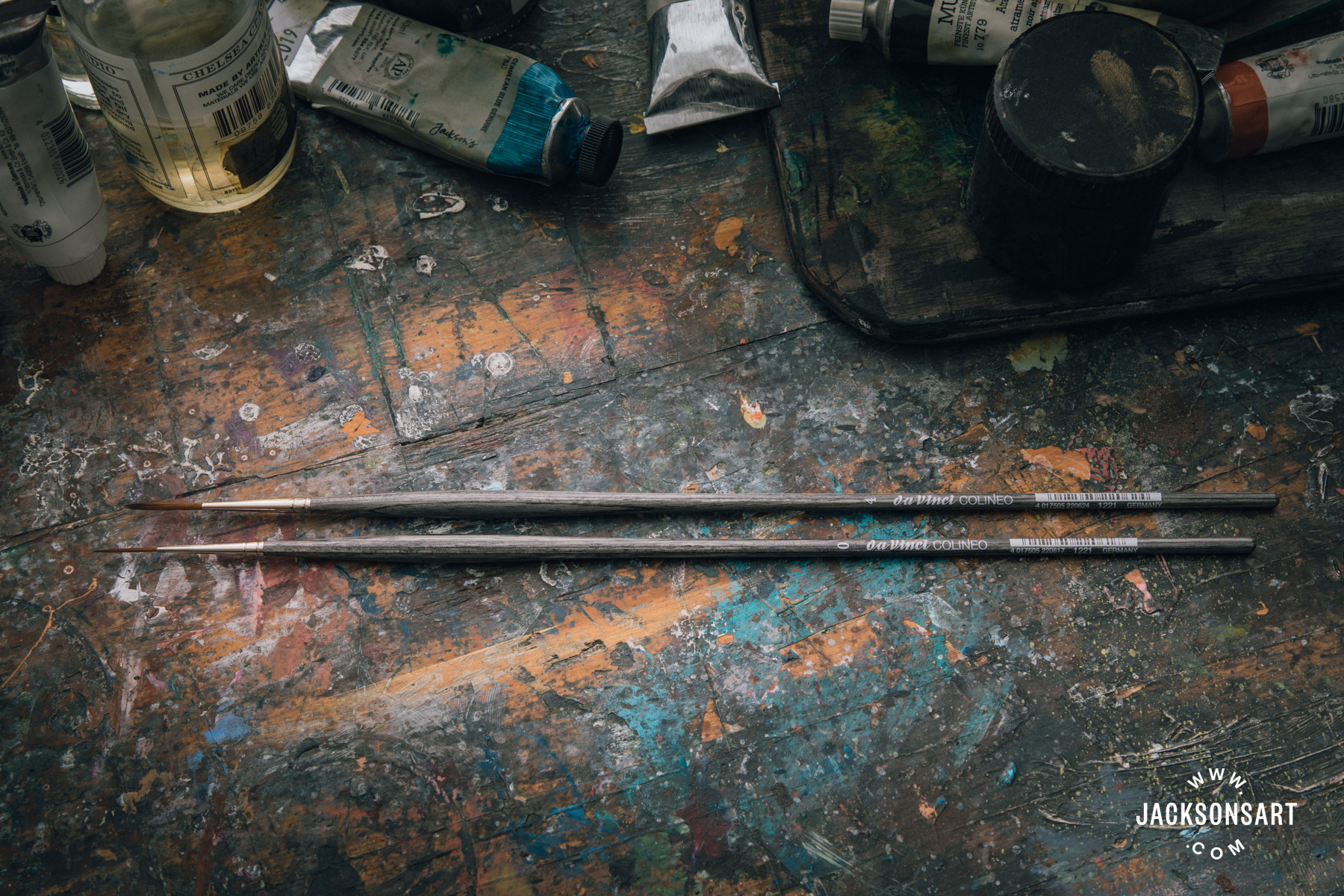
Da Vinci Colineo Oil Brush Synthetic Fibre Rigger Sizes 0 and 4
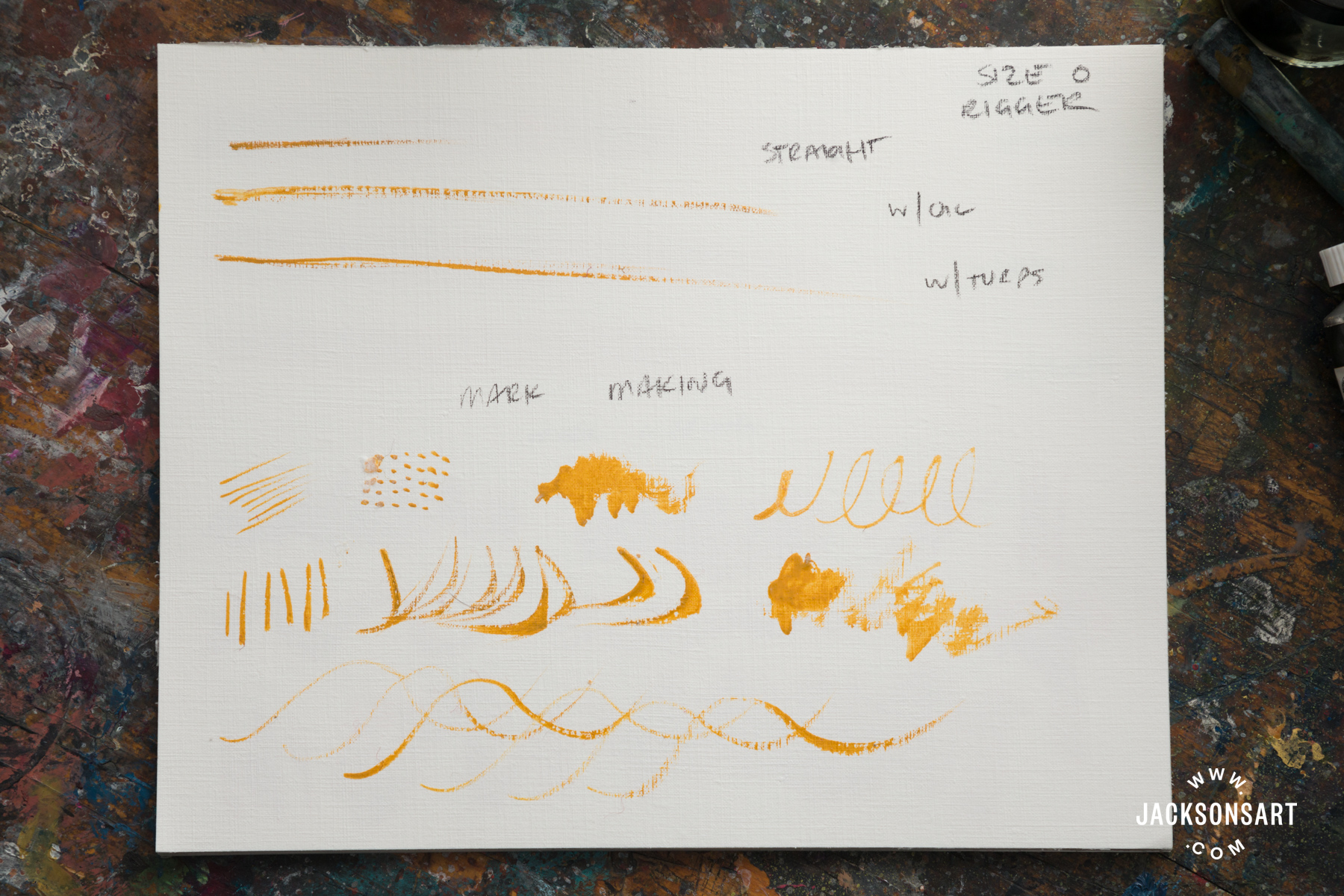
The riggers were the last brushes I tested. These aren’t normally a shape or size I use so I left them to last to see what they were capable of. Known for detailing, riggers usually are used for longer smooth lines, whether straight or curved. I would say that when using these you want the paint to be a lot more flowing. If using oils I would use more oil with your paint and if using acrylic, more water, in order to get the paint flowing enough to get the brush to do what it is designed for. Both sizes were great but I liked the smaller 0 size, something I would use for details especially when painting hair or eyes on a portrait for example.
Da Vinci Colineo Oil Brush Synthetic Fibre Rigger Size 0
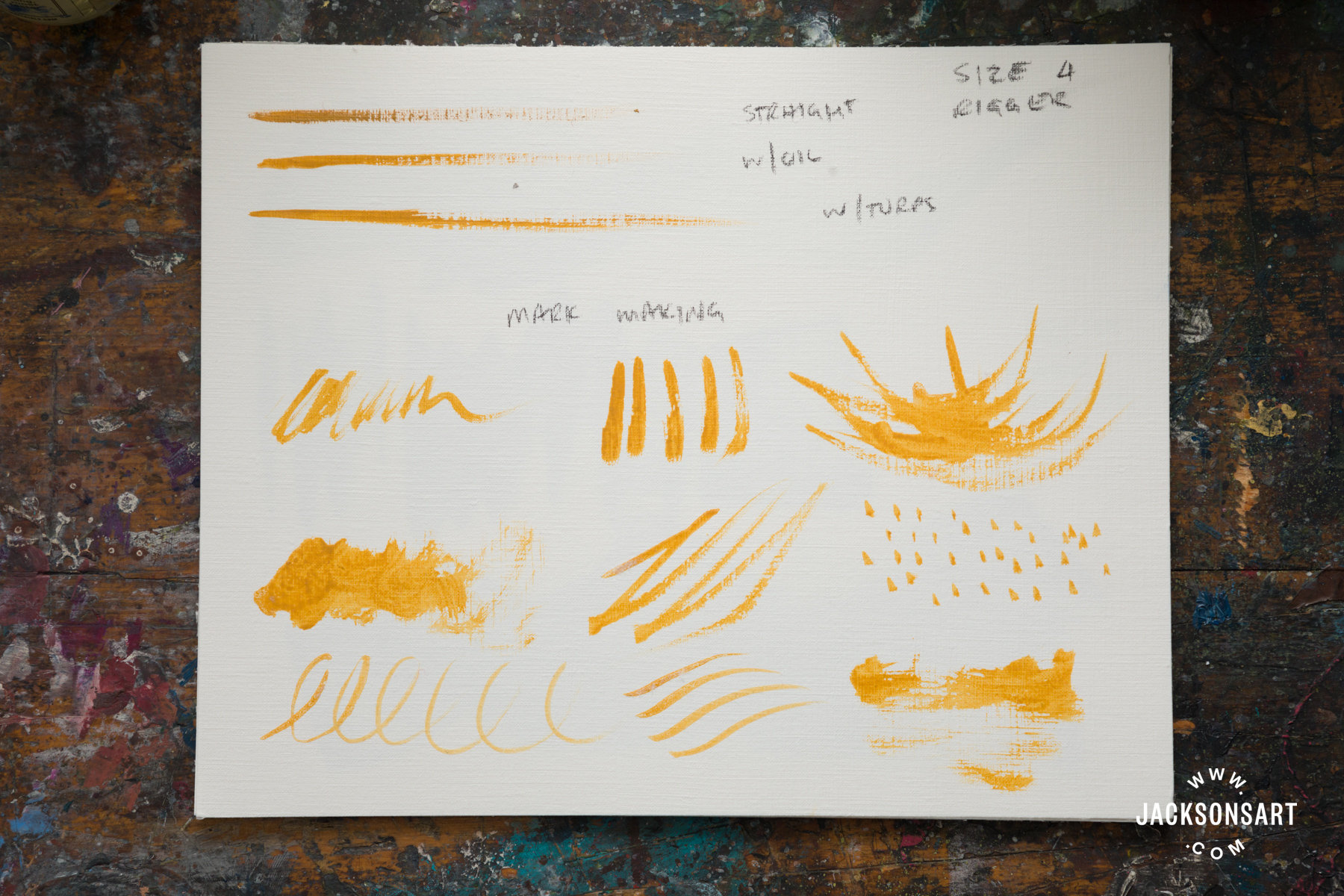
Testing the Brushes With Acrylic Paint
I did the aforementioned brush tests also using acrylic paint to see if there was a difference in the application of paint and honestly, they applied the paint exactly the same. I only tested using the paint straight from the tube and with a little water, but the application and flow of paint were the same. So if you’re a painter who uses acrylic paint, these brushes are also a great addition to your synthetic brush arsenal. If you’re a watercolour painter, it’s best to use specific watercolour brushes. They have been reviewed before and you can read about those brushes here: Da Vinci Colineo: Vegan Brushes for Watercolour
Cleaning Synthetic Oil Brushes
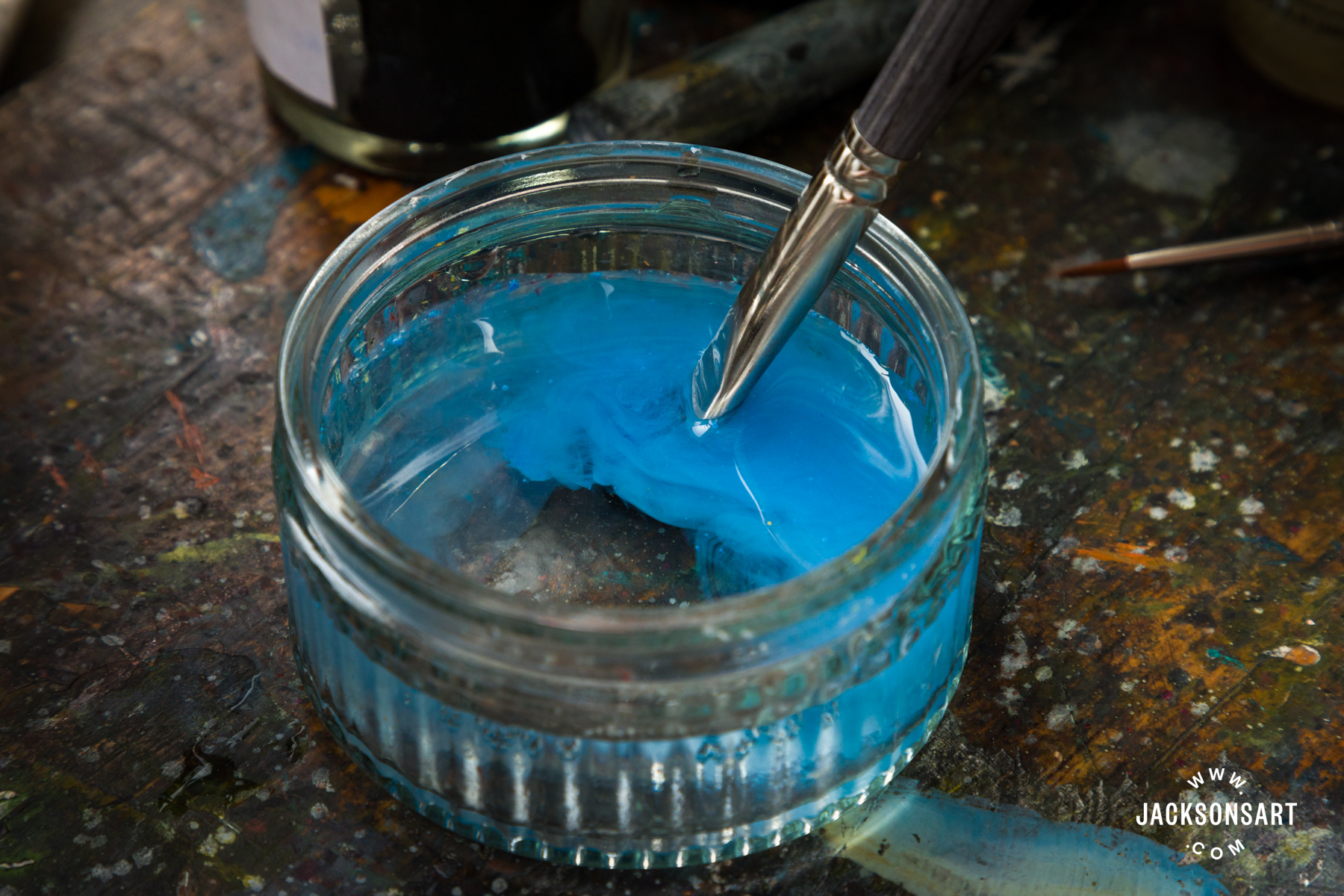
One thing I love most about synthetic brushes is how easy they are to clean. Whether it be oil or acrylic paint, both clean-ups were easy. The pigment came off the brush hair very easily and the fibres kept their shape nicely. Natural hair brushes can hold on to more paint which often makes clean-up longer and more time-consuming, however, with the benefits of natural hair applications, these brushes beat them in regards to cleaning. If you’re curious as to how they hold up over time, there’s a great article written after using them for a few months here: Da Vinci Colineo Brushes Reviewed After Six Months of Painting
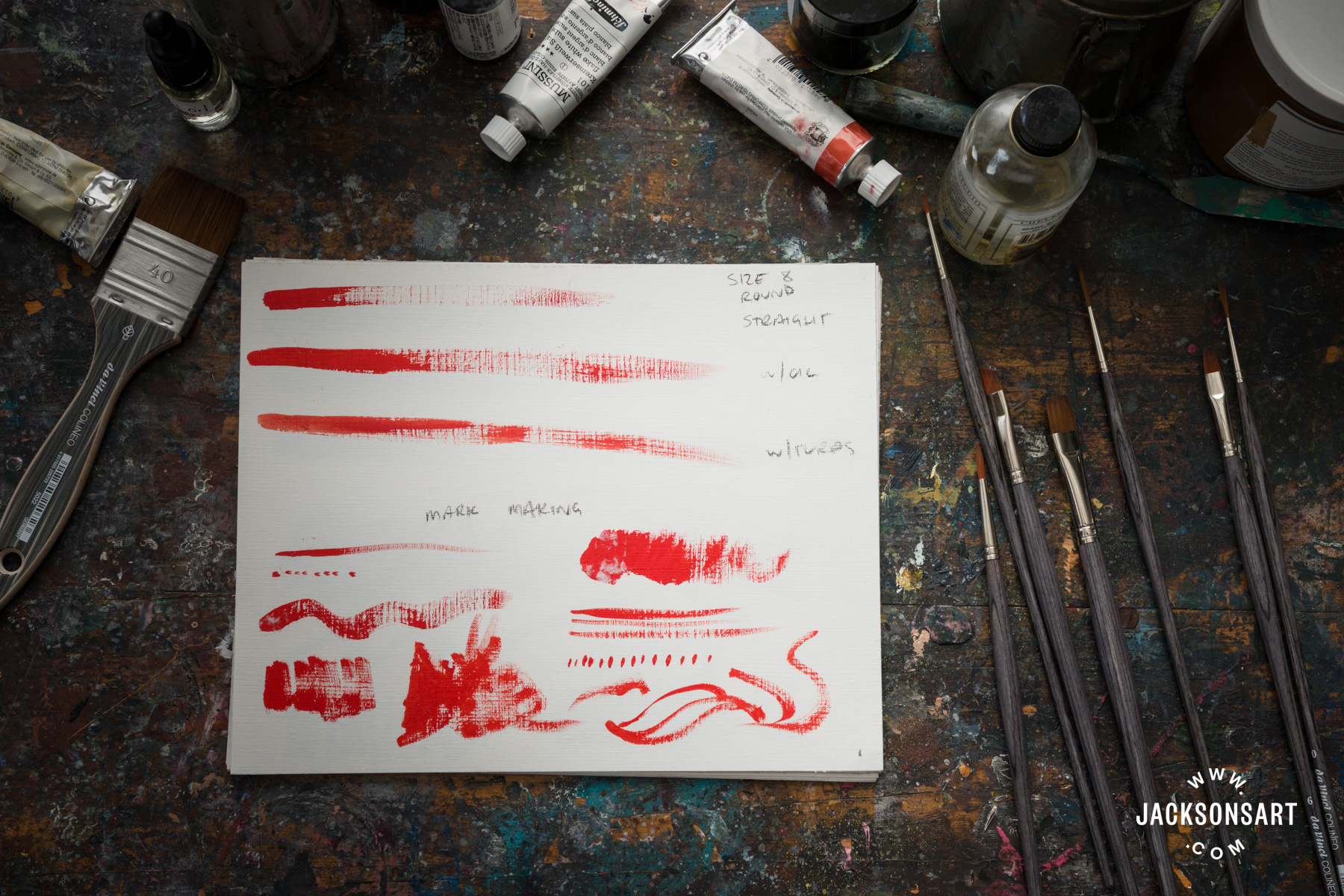
Da Vinci Colineo Synthetic Oil Brushes have been a pleasure to test out and review. A definite alternative to a natural hair sable or soft hair brush. Personally, a brush I would use on a multiple session painting where I’m adding softer transitions/details, or if I were to be unifying larger areas using the mottler size 40. Being easier to clean and to hold their shape, I would say they are a superior choice to a natural-hair softer brush.
Further Reading
How Da Vinci Watercolour Brushes Are Made
Artist Review: Da Vinci Professional Brush Soap
Da Vinci Colineo Brushes Reviewed After Six Months of Painting
How To Tell When Your Painting is Finished
Shop Da Vinci Colineo Synthetic Fibre Oil Brushes on jacksonsart.com