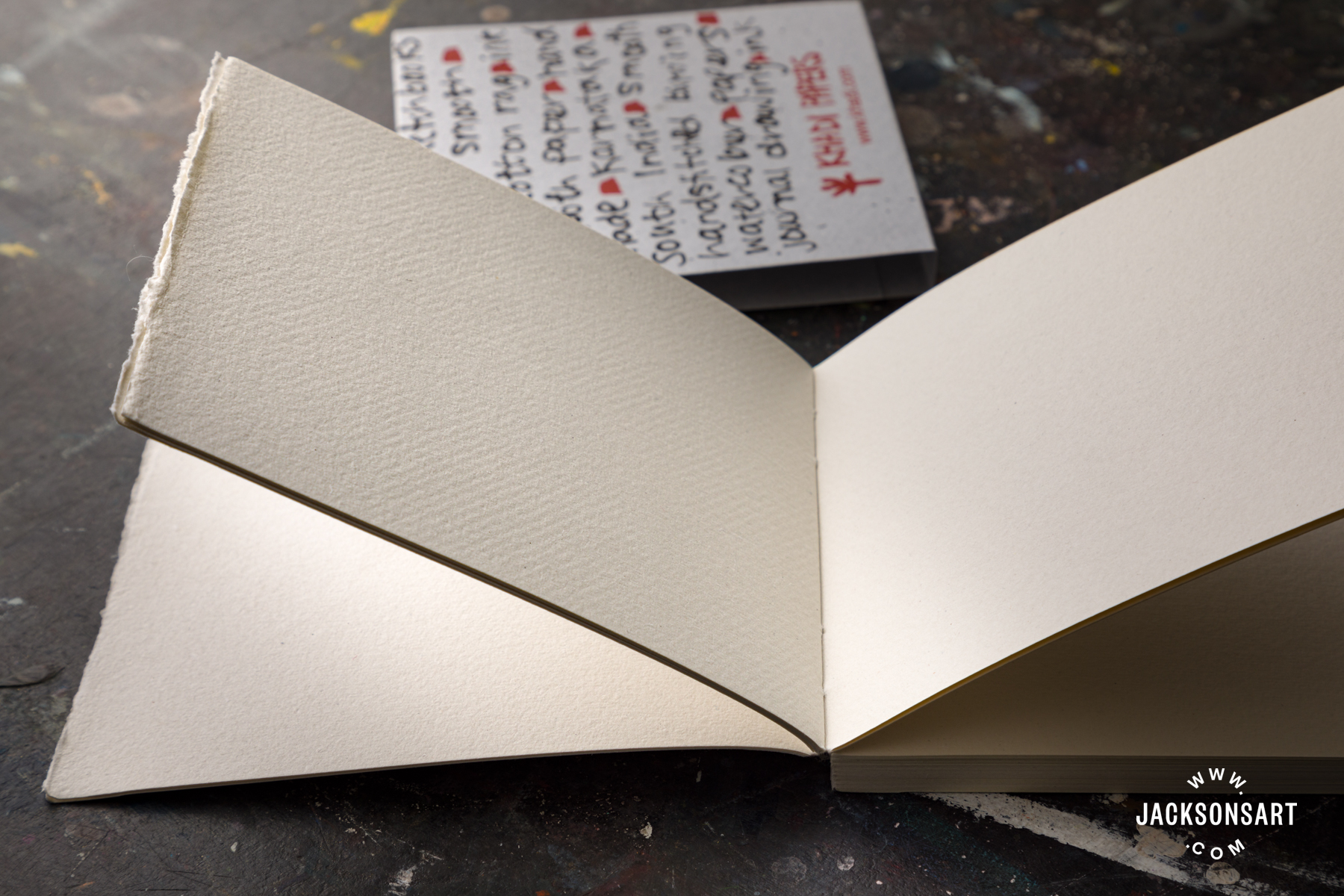
Grafix Dura-lar paper combines the best features of Mylar and Acetate to provide a highly versatile polyester film that will not tear, absorb moisture or discolour with age. In this Artist Review of the Month, Kolkata based artist Rupam Gupta shares how he uses the heat resistant, acid-free and archival paper with a variety of wet and dry media.
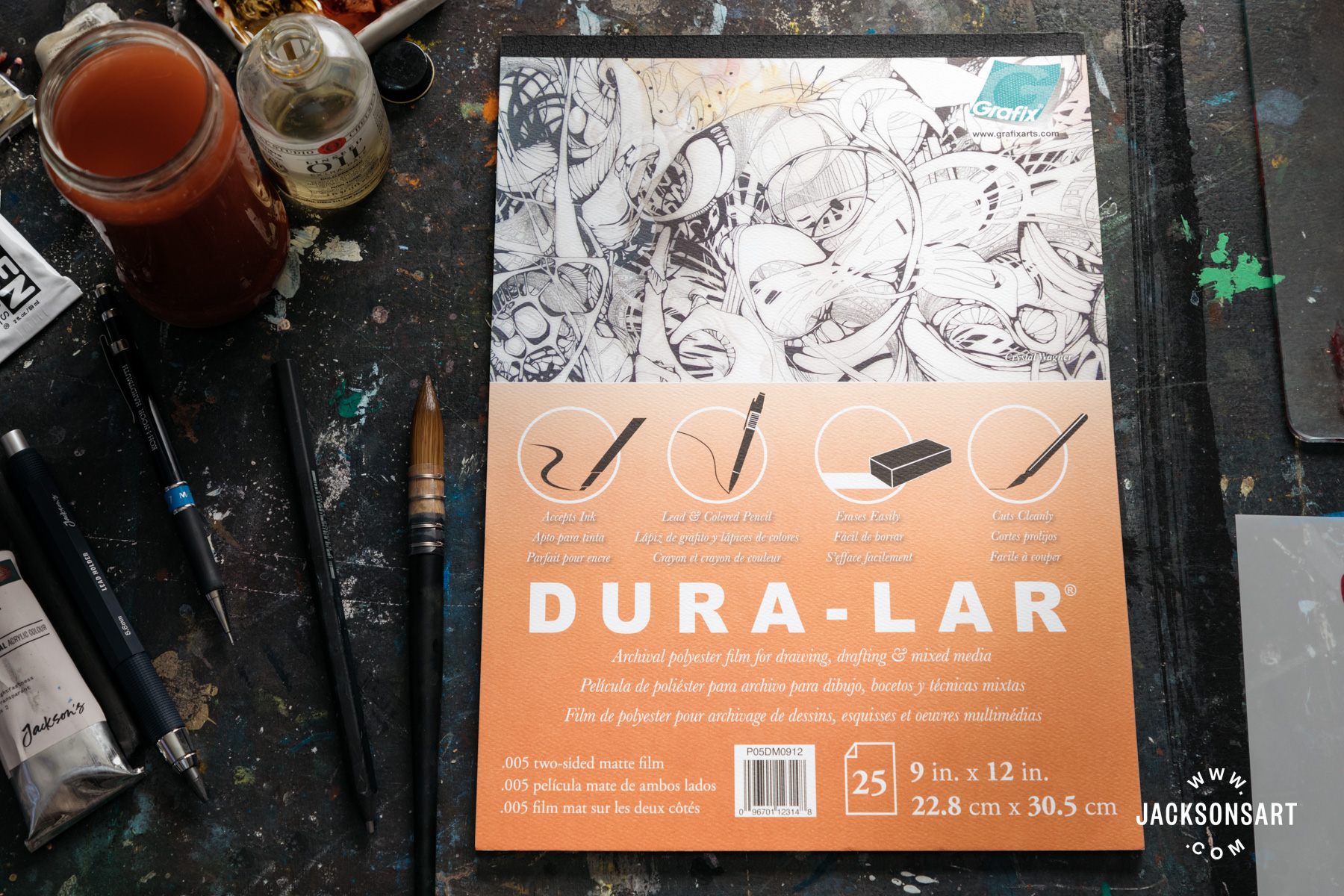
Artist Review of Grafix Dura-lar Gummed Pads
by Rupam Gupta
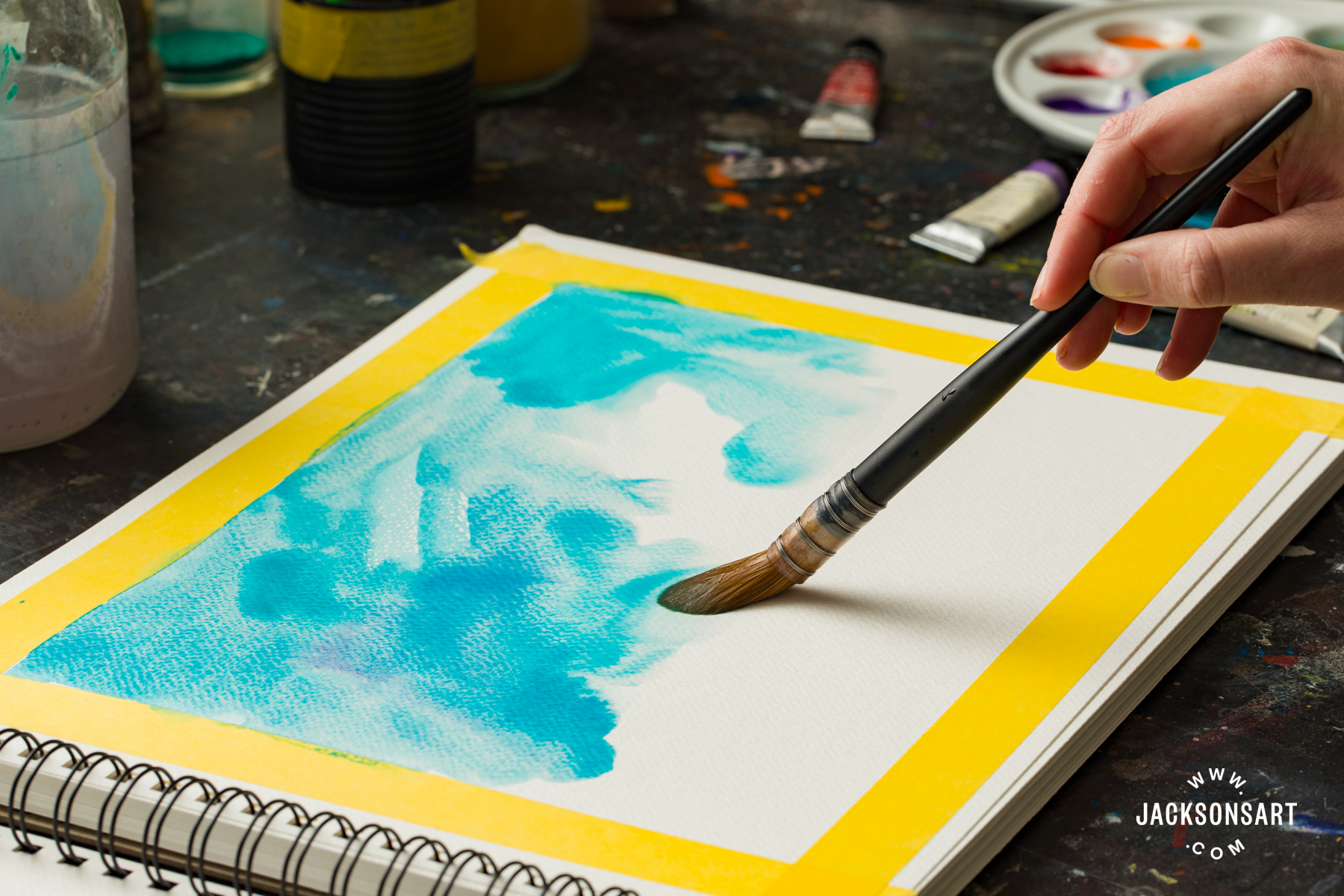
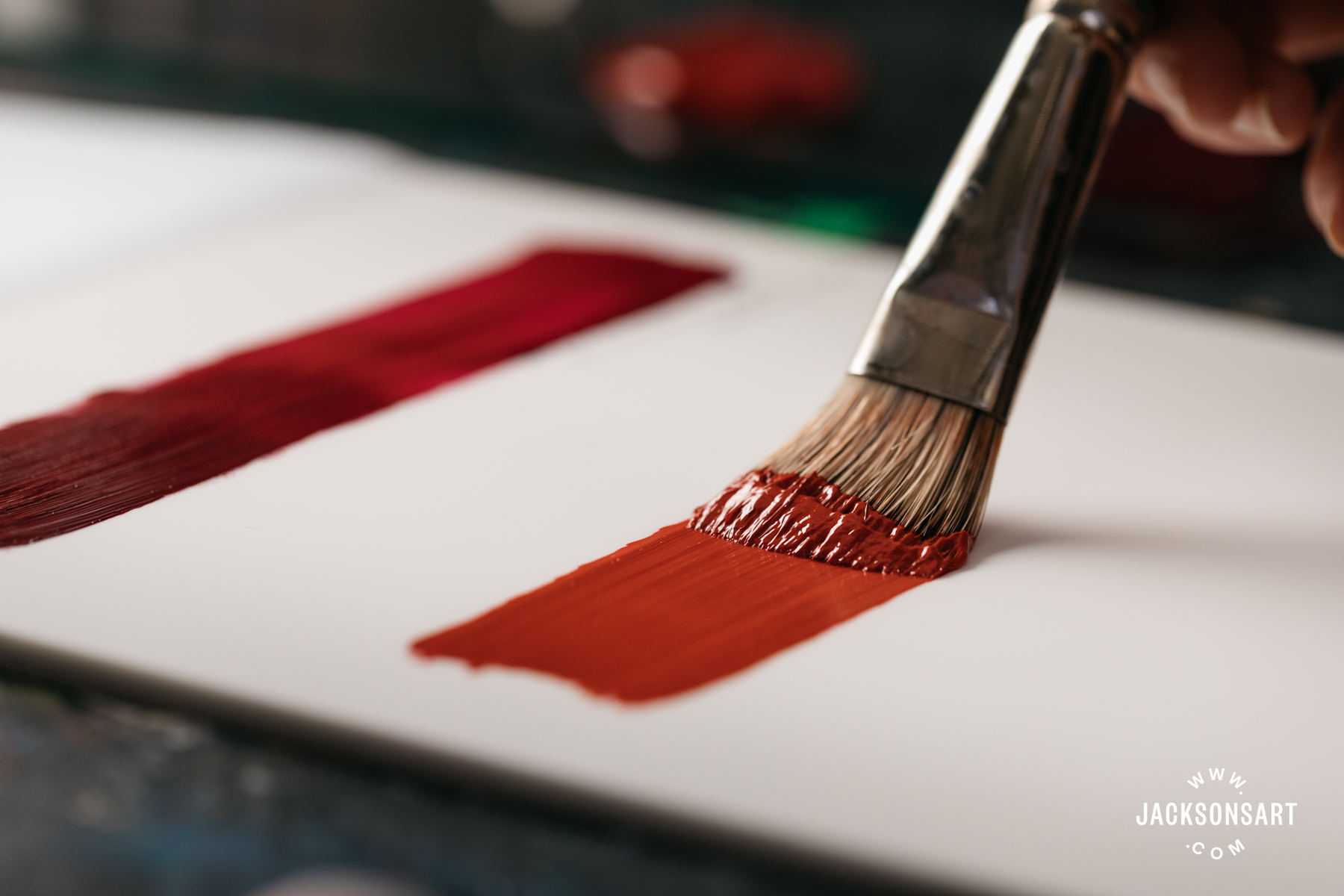
Grafix Dura-lar is a unique painting surface. It’s like a sheet of thick plastic that you can draw and paint on. It’s non-absorbent and smooth, which feels quite different from most substrates, but it somehow still accepts most art media. A perfect surface for oil paint sketches as you can just start painting without any preparation! I find it great for quick sessions and small studies as it’s a truly no-fuss product. These super lightweight sheets can also be used for painting en plein air.
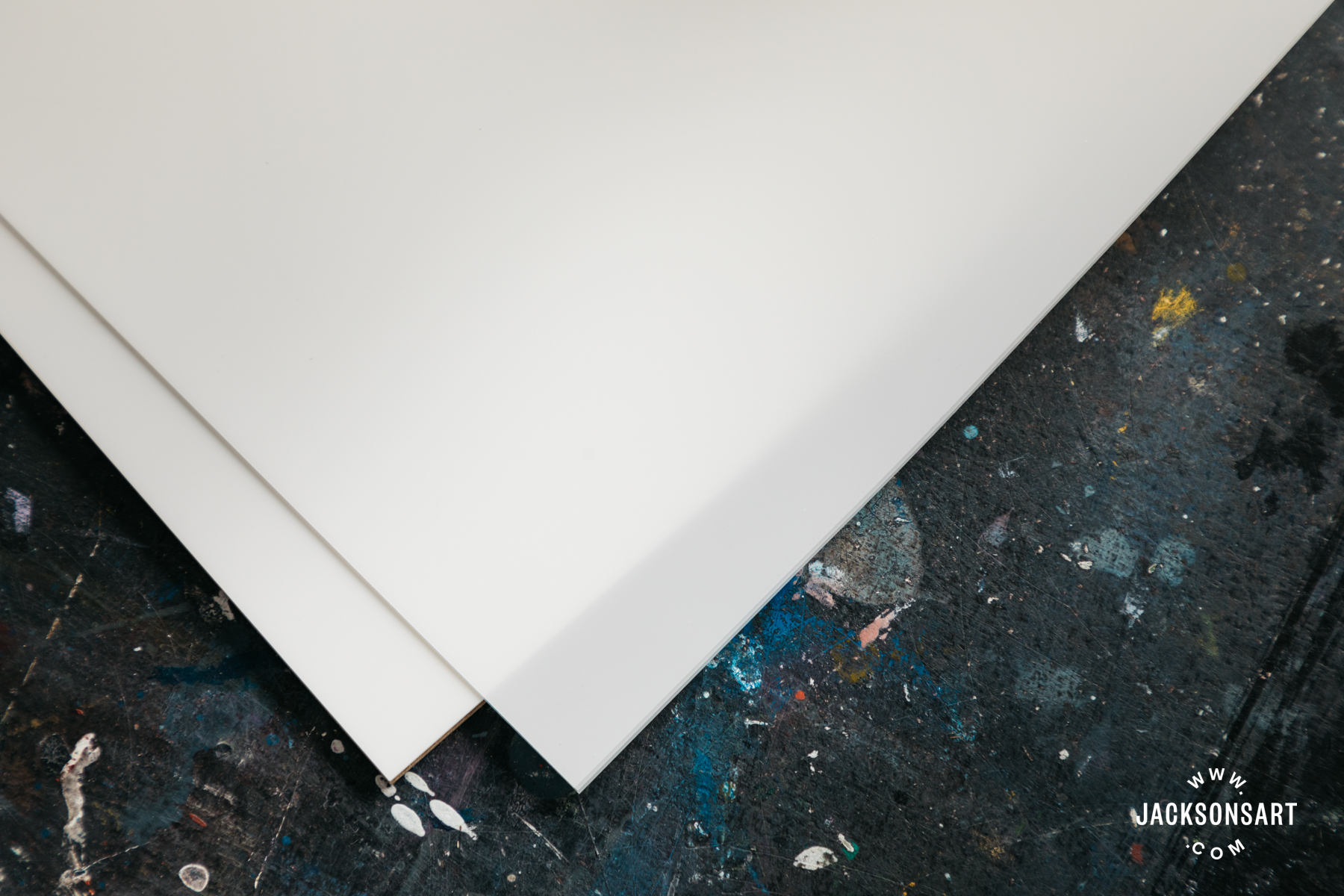
However, since it is plastic, It might feel weird to paint on at first, especially if you work in thin layers and definitely if you use synthetic bristle brushes. But as the layers build up, or if you paint thick, you won’t notice much difference between painting on this to any of the regular smooth surfaces.
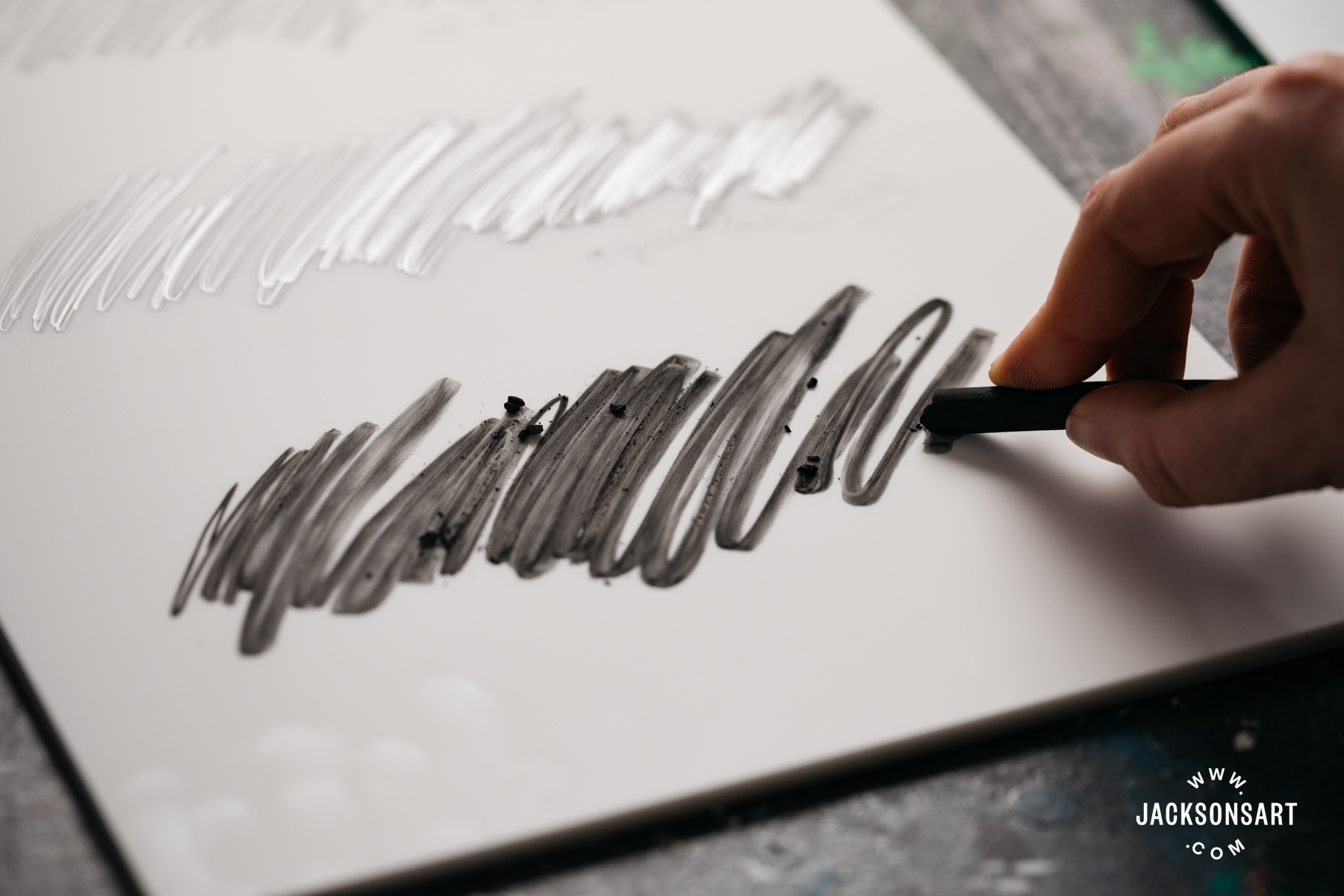
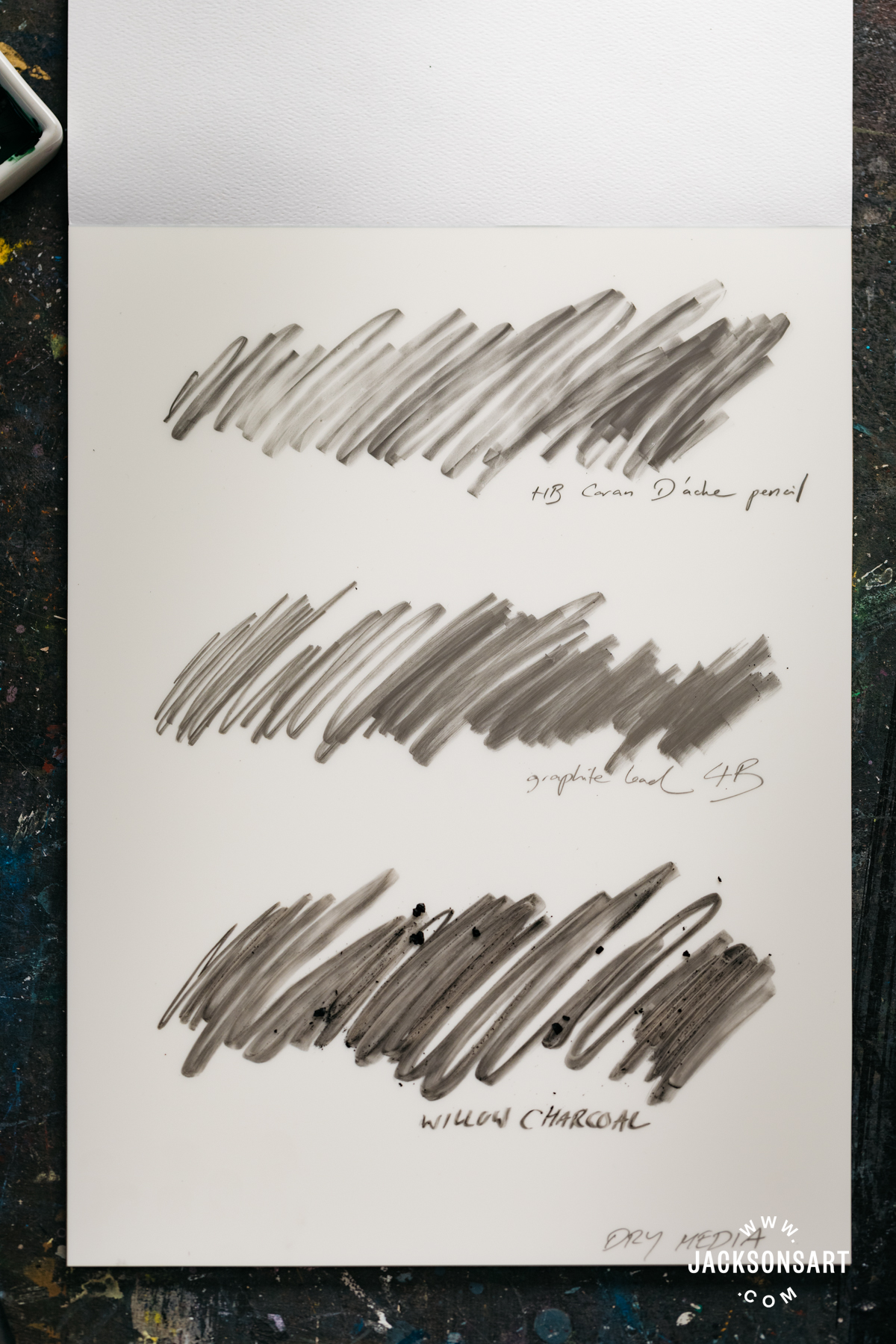
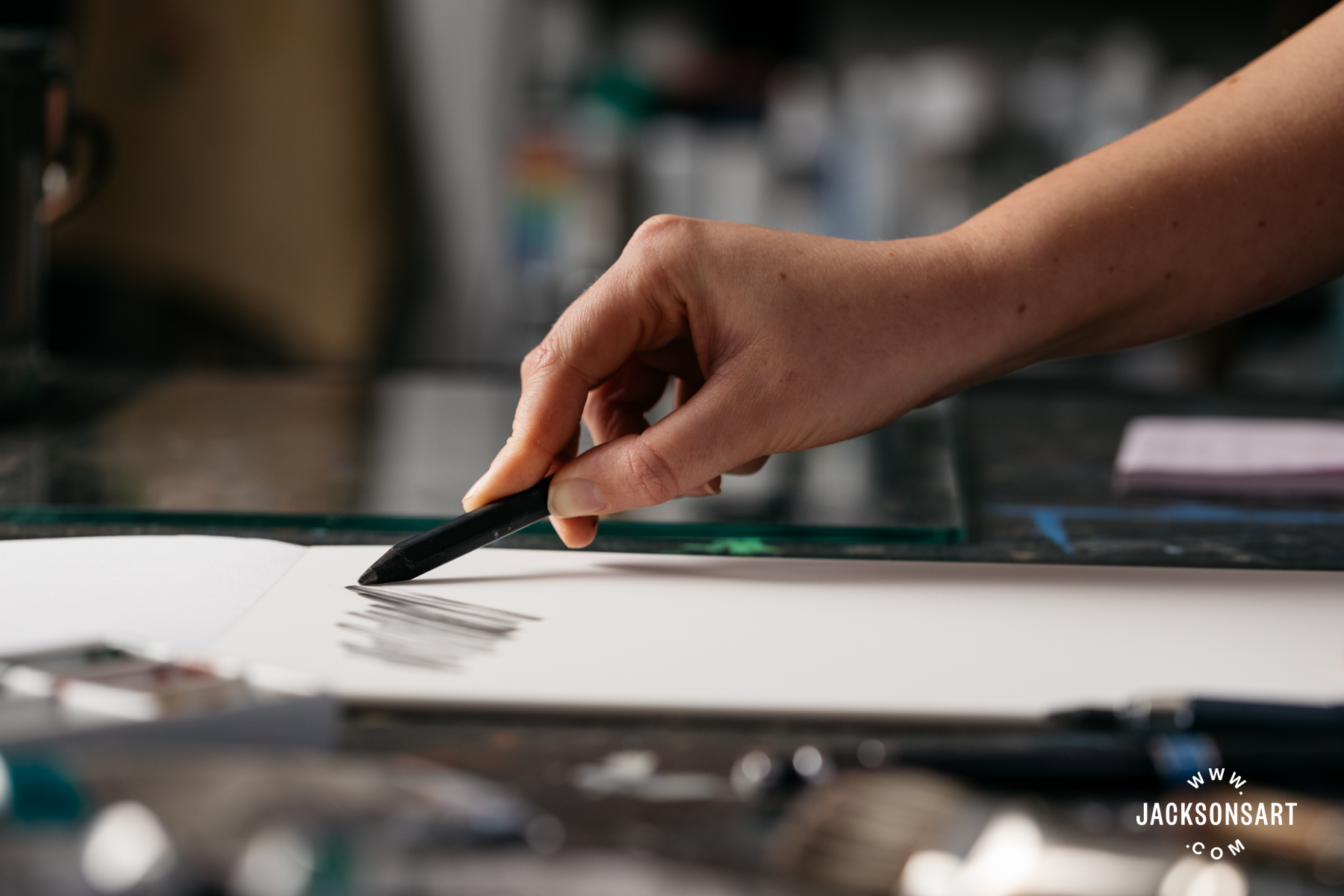
Grafix Dura-lar also works great with dry media and for graphite or charcoal sketches. It does not feel the same as paper with a tooth, but it does not feel super slippery as well. I find pastel pencils don’t smudge as much on this surface, which is a plus in my eyes. You can paint and draw directly or mount the sheet on a rigid surface for better protection, I’d say mounting is a must for framing though.
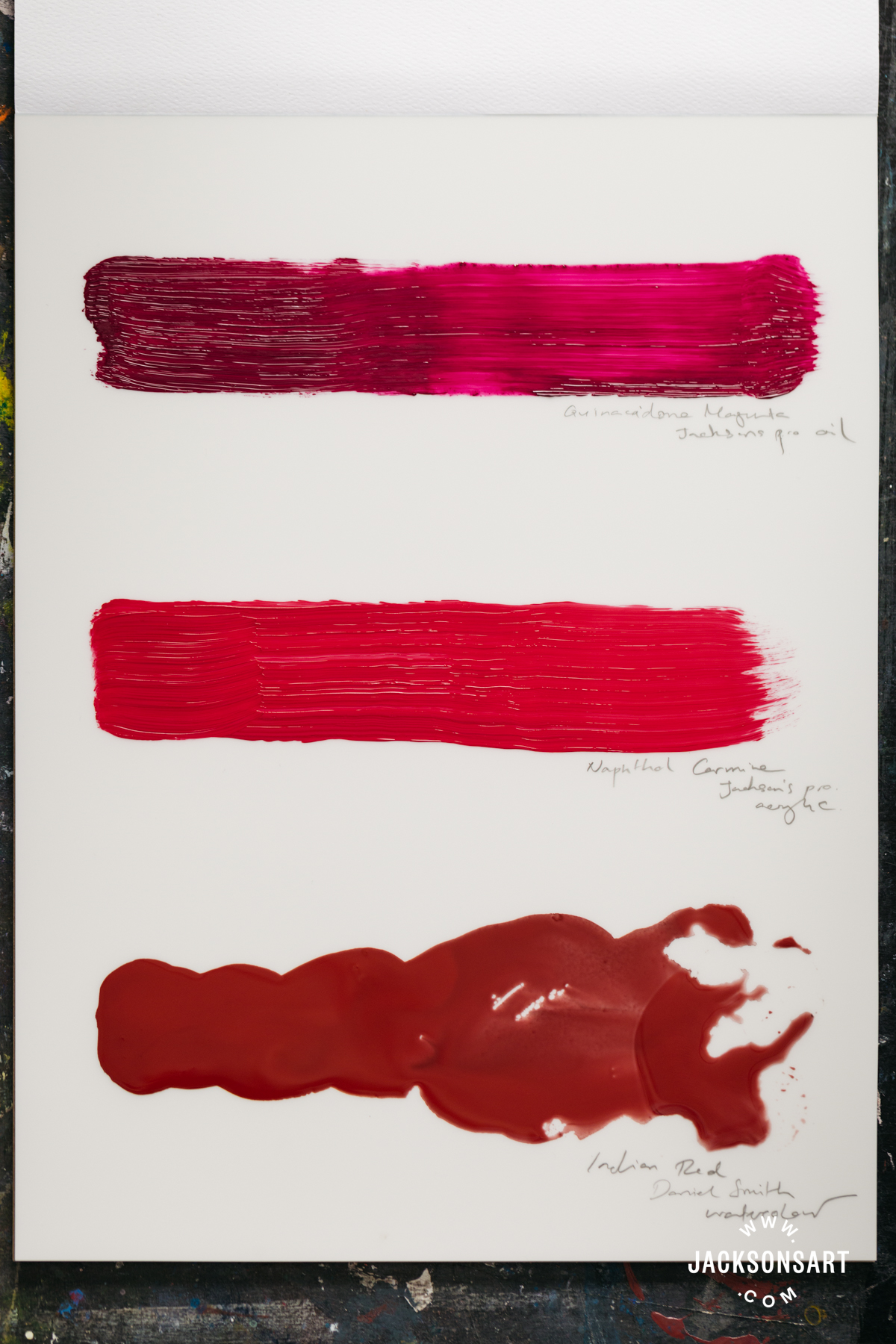
Its semi-transparent film is great for copying the underdrawing directly without the hassle of transferring the artwork using transfer paper or a projector. You can either sketch directly on the surface or if you have a preferred surface for drawings and/or wish to keep the drawings separate for sale, you can do your drawings on your preferred surface and then just place the Dura-lar paper over your drawing to basically trace it on this painting surface directly, like you would using a lightbox but without using a lightbox! And then you paint however you normally would, you can fix your drawings using a fixative or with a transparent wash of acrylics should you so choose.
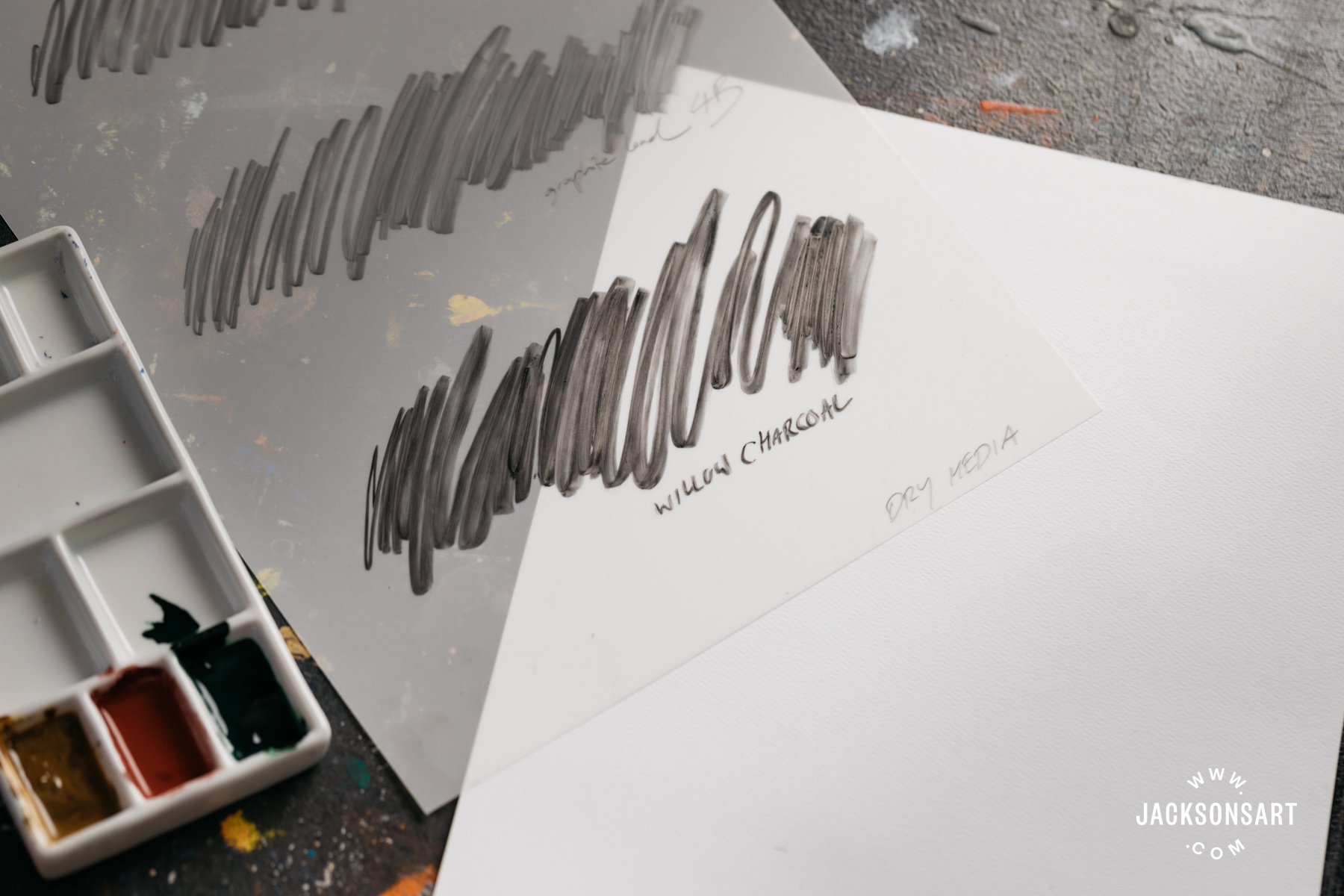
One thing to note is that you need an opaque background to be able to see/judge the colours when painting. Once the sketch is traced, you can either paint the back of the sheet with opaque paint or gesso or use a blank sheet of paper underneath it when you paint and display.
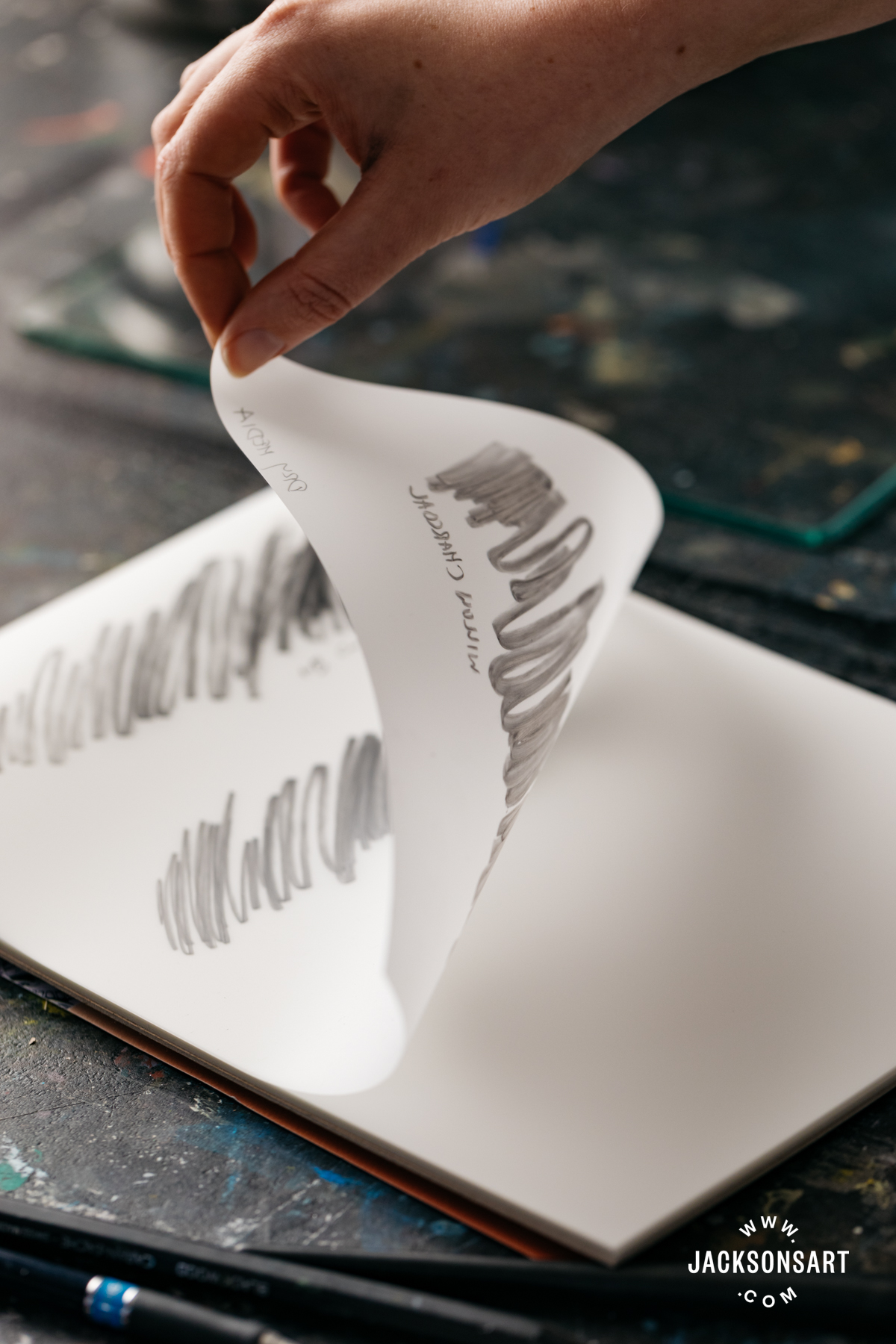
You can also experiment with different colours of paper behind your painting for instant temperature or value shifts, there are no limits! Overall, I really like this product and totally recommend it if you want to try a unique substrate for your next project or just want to experiment and make some fun art.
About Rupam Gupta
Rupam is an independent illustrator currently based in Kolkata, India, who works primarily in the horror and science-fantasy genres. His art is defined by its emotional darkness and its emphasis on characters and story. Although he absolutely adores oil paints, Rupam’s first love, and medium of choice, is gouache and poster colours.
Further Reading
Inside the Sketchbook of Frances Ives
The Making of The Peasants, a Painted Film
In Conversation With John Cogley, Daniel Smith
Shop Grafix Dura-lar Gummed Paper Pads on jacksonsart.com