



The beginning of the New Year is a great time to assess your artistic practice and re-align it with your goals. Many artists make resolutions revolving around spending more time in their studio, reinventing their practices and increasing their productivity. I have split these three common artistic resolutions into bite-sized ideas to try and help these goals feel more achievable.
1. Spend More Time in the Studio
-
Alter your way of working; make it smaller and faster
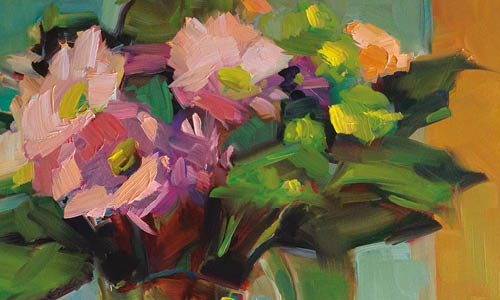
Creating smaller, faster pieces is one way to increase the amount of time you spend making and thinking about your practice. Working in this way can also be incredibly useful to your practice as producing work faster may encourage you to focus less on thinking and more on mark making, revealing some interesting and instinctive methods of expression. It can also reduce the pressure of making something perfect as each work is created so quickly; this can allow space for experimentation.
If you’re struggling to think of ways to paint faster, try reading Artist and Illustrators’ article ‘How to Make Small, Quick Paintings‘ written by Patti McNutt. Patti explains how to use home-made shadow boxes to set up a subject. They then talk through making multiple quick studies from it to produce paintings like their example below.
-
Reinvent your studio space:
An ‘Artist’s Studio’ is an umbrella term for a myriad of spaces. Although one might first think of a white walled space, many residencies convert the most unconventional places into studios as shown in Artsy’s article ‘11 of the World’s Most Unusual Artist Residencies’. A studio can be anywhere you like and take any form; reinvent your definition of a studio space to make it fit your practice and your life.
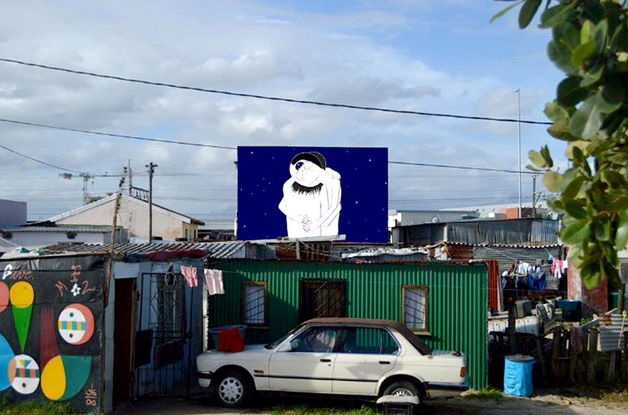
Examples of how to reinvent your studio:
-
Take your projects with you
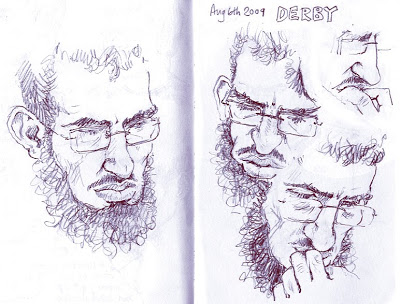
A studio space doesn’t have to be a constant physical space, it can be a repeated moment in time. An example of this could be your daily commute: spend your time making automatic drawings and life drawings and bam! You’ve got yourself a moving studio. Not only will such a practice improve your observation-drawing skills, it will provide you with fresh new subjects every single day to work from (plus, you never know what interesting things you might spot on public transport when you begin actively looking!). It can also transform a previously uninspiring moment to a creative one, allowing you to spend more time making. Don’t worry if this is outside your normal practice – pushing through discomfort is one of the best and most revealing ways to learn!
If you’re worried about painting in public, try reading Lynne Chapman’s article ‘How To Draw People: Sketching in Public Places‘. She talks through her process of choosing a subject and drawing them as well as how she deals with the anxiety of making work in such an open setting. You can read more of her articles here on her website.
-
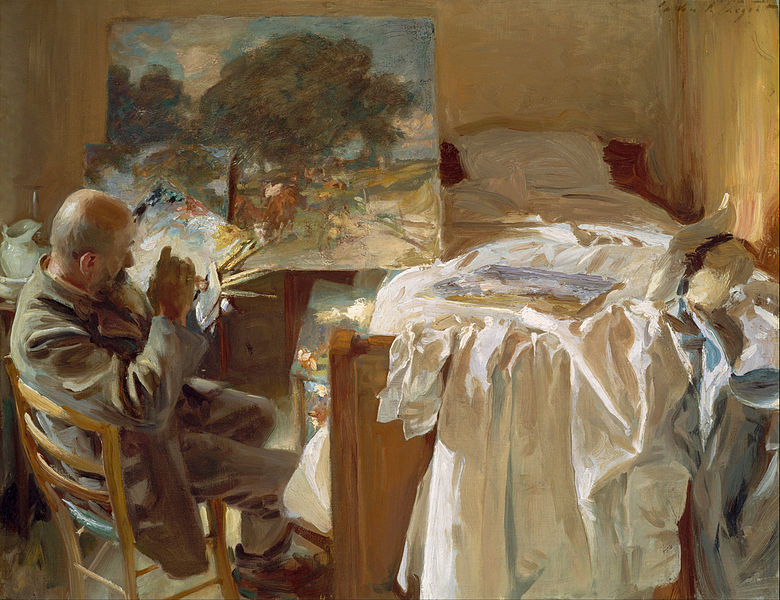
Build a mini studio in your home
A studio outside your home can be great, but having to travel there to make work can halt small creative ideas in their tracks. Try setting up a desk, wall space, chair, bean bag or any other kind of space that suits you and use it as your thinking space. Whether you actually make work there or just spend time mulling things over in your sketchbook is up to you, but having a designated space allows you to snag those little gems of ideas before they float away.
Ikea’s ‘Ideas’ section on their website is a great place to learn about transforming even the smallest of spaces into functional studio spaces. Jackson’s table easels are ideal for small areas, as are many of our other storage options.
2. Reinvent your practice
-
Educate yourself
Feeling bored with your practice? Educating yourself on a completely new and potentially unrelated subject can do wonders for your enthusiasm. The distinguished Professor of Philosophy, Graham Harman, explains that writing for scholarships and prizes is often a source of inspiration for him as he is forced to find the cross-overs between his current knowledge and the new, unexpected brief. He finds this regularly reinvents his ways of thinking, pulling him out of creative blocks (read Harman’s books on the metaphysics of objects here).
Artistic blocks can be very similar to writing blocks. Forcing yourself to make art about a new subject or injecting a new perspective into your practice can shake up your ideas, helping you find new ways to consider your work. My most successful shake-ups have been when I studied something completely unrelated to my practice (e.g. object theory, neuroscience, chemistry, specific areas of mathematics) and then forced myself to investigate the resulting interests via making art about them. Even if they only end up being temporary projects, they help my art practice develop as a whole.
Liz K Miller is an excellent example of an artist who combines two independent interests to create her practice. Read her interview with Jackson’s Art Blog here: The Work of Liz K Miller: Where Music and Art Collide
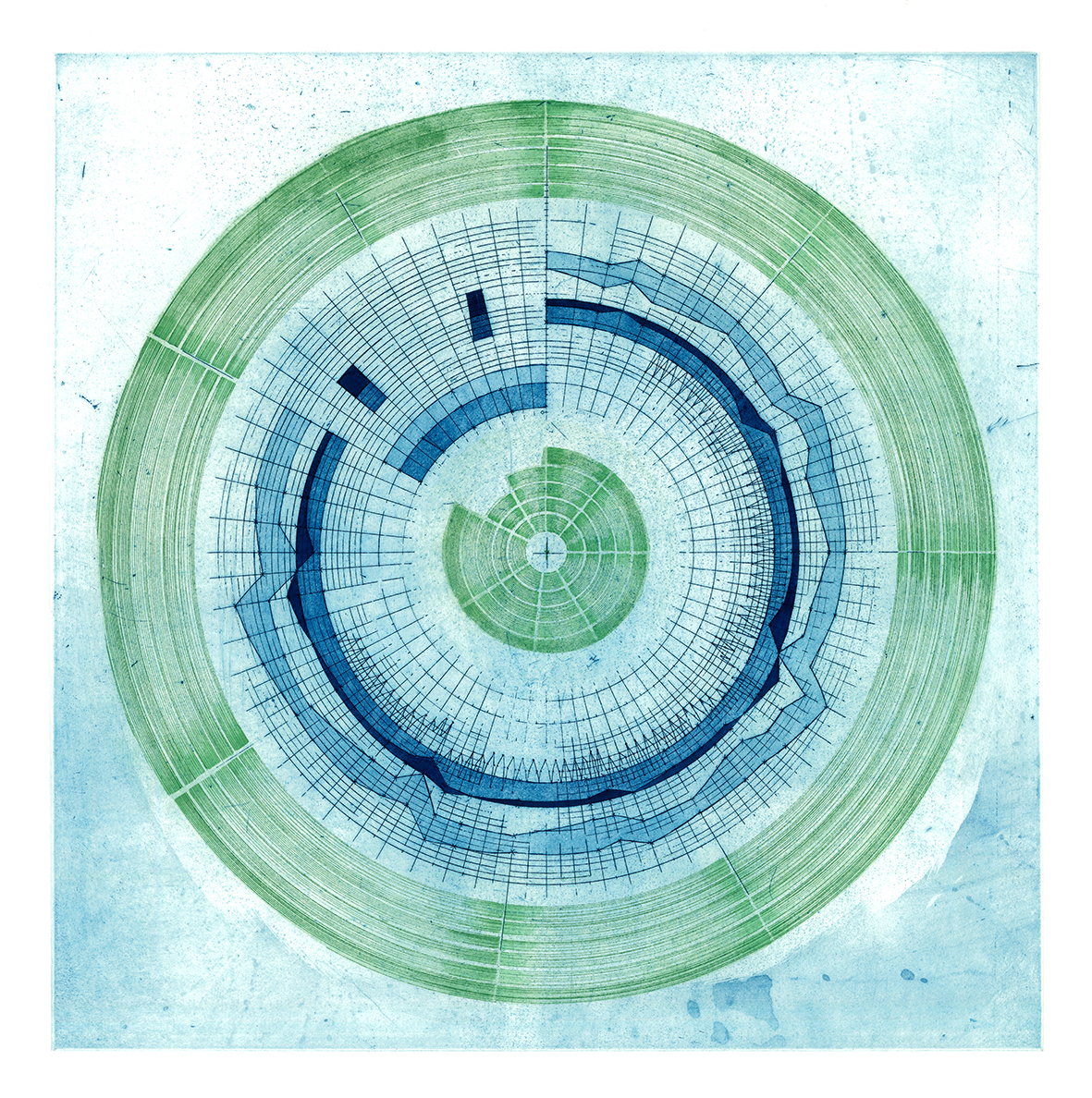
Liz K. Miller
Etching, 50 X 50 cm, 2017. Courtesy of Liz K Miller.
-
Learn a new medium
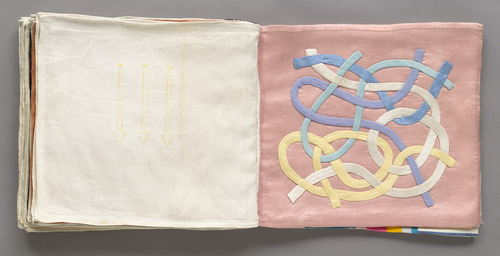
Learning a new medium is very similar to educating yourself – working with different materials provides a completely new way of thinking. Many artists jump from medium to medium throughout their career; Louise Bourgeois is a classic example of an artist who works in an incredible span of materials and genres including drawing, painting and sculpture. Read more about her and view MoMA’s digital archive of her work.

-
Reconsider your focal subject
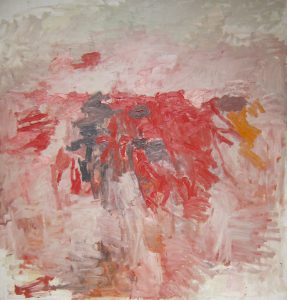
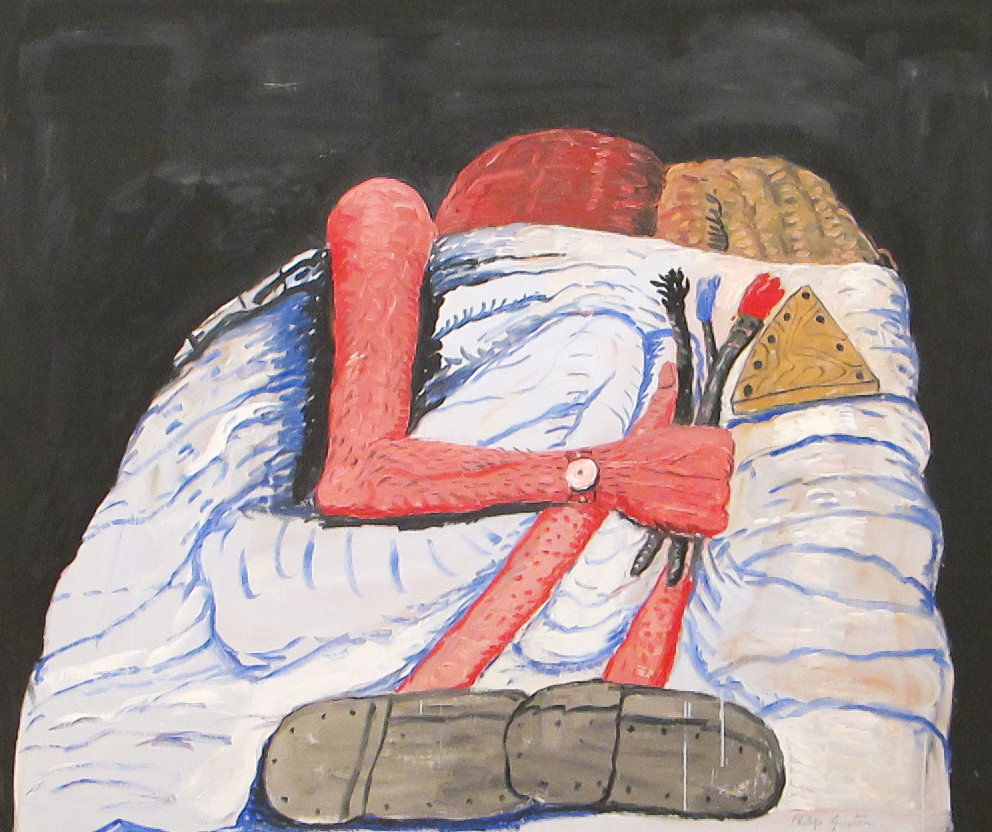
The new year is a great chance to reassess your entire practice; perhaps it’s time to strip it to the bones and start again? Many artists dramatically change their ways of working throughout their career. During the 1960s, Philip Guston abandoned ‘pure abstraction’ and transitioned to a more representational, cartoonish rendering of various personal situations, symbols and objects.
3. Increase your productivity
-
Defeat artists block by setting yourself strict deadlines
An artistic practice can often feel infinite, like it’s stretching off into the future. While this can be brilliant, this amount of time available can reduce the pressure and therefore an artist’s productivity. For some artists, setting achievable deadlines can kickstart their productivity as it reduces the amount of time available for self doubt and changing plans.
Whether this is a deadline you set yourself or something you arrange with other people, you can curate this experience to not only fit, but enhance your practice. For example, you could aim to finish a painting in a month, try to teach yourself something new in two weeks, or arrange to hold a collaborative exhibition in a year’s time.
-
Increase your engagement
Developing your social media platforms can encourage you to be more productive, get your work seen and help you meet new creative people. Try joining in with hashtags such as #drawingaday, #paintingoftheday, #carveouttimeforart and #makearteveryday. There’s also specific monthly hashtags such as #inktober for October. Instagram is a very interactive platform that has a huge hub of artists – if you’d like, you could even follow us!
There are many excellent articles on the internet about increasing your social media engagement, but I particularly like Create Beautifully’s blog post ’80+ Hashtags for Artists’. Give it a read here.
The most important thing
The most important thing, as Maggi Hambling says, “If you’re going to be an artist, you have to make your art your best friend – so whatever you’re feeling, you can go to it. If you’re tired, bored, happy, randy or sad, you go to your work and have a conversation.”

