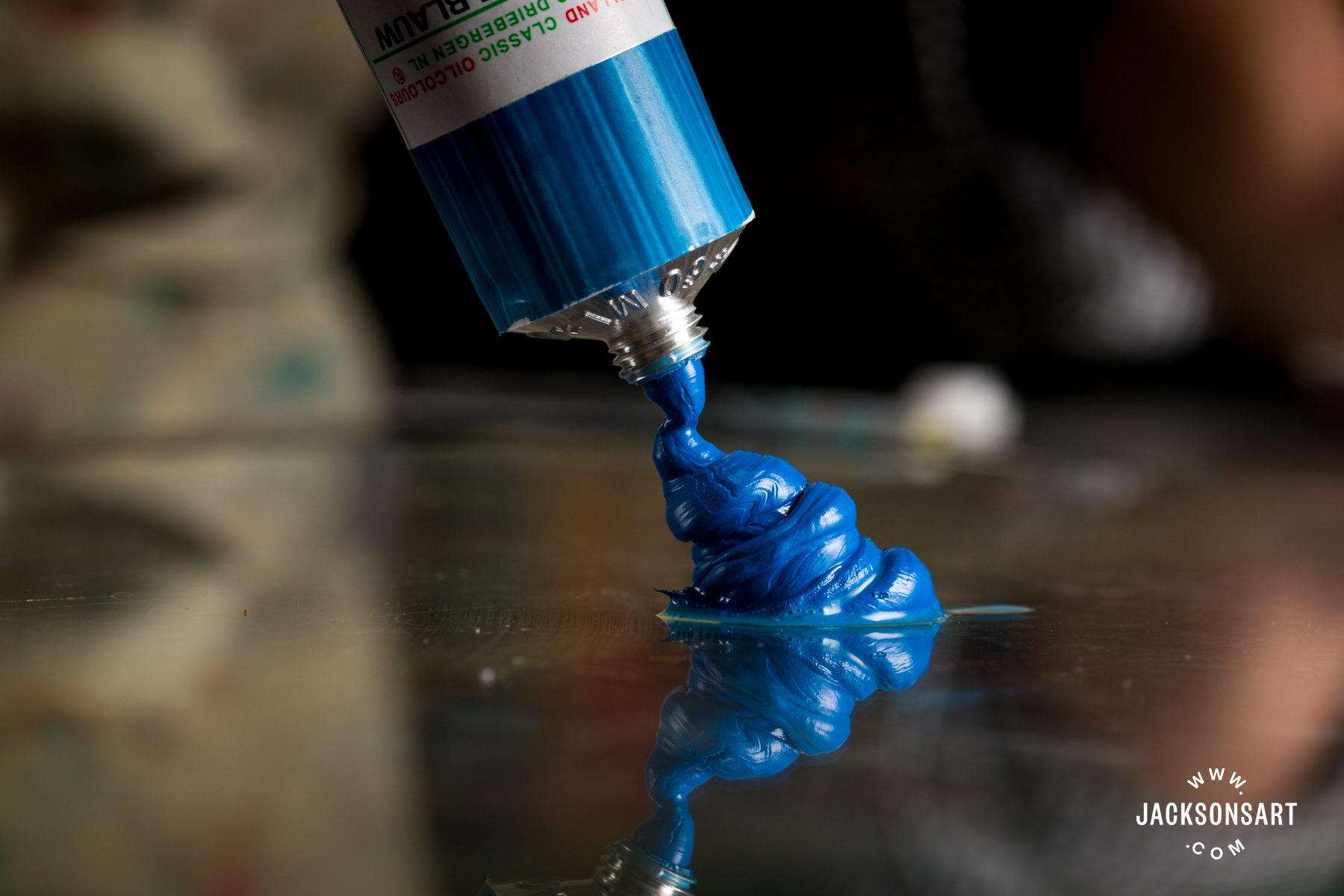
Eight new colours have recently been added to the Michael Harding range of oil paints.
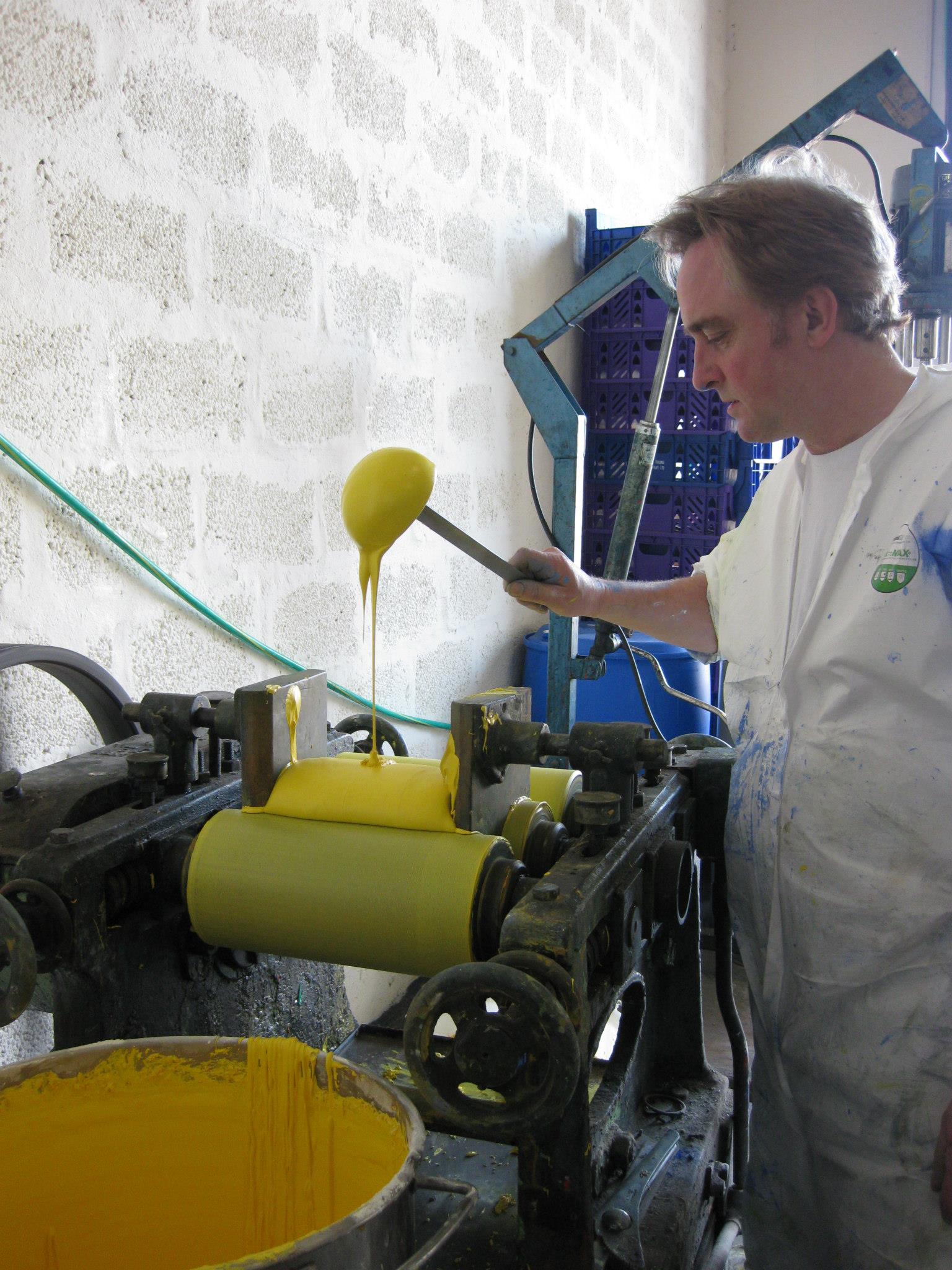
Michael Harding paints are made by hand, using techniques which date back to the days of the Old Masters. There is a very simple reason for this painstaking process. Harding’s past as an artist and painter compelled him to want to create colours that were true and vibrant, and paint which was beautiful and durable.
New Lead Colours:
As with all lead-based pigments these must be considered toxic.
The lead whites have a high lead content and so cannot be sold in conventional tubes for health and safety reasons; these are supplied in a 250ml cartridge, requiring an applicator gun tool (sold separately).
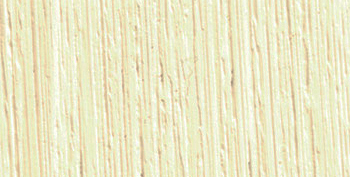
Cremnitz White in Linseed Oil
Average speed drying, low oil content, considered toxic (lead carbonate).
Both this lead white and the walnut oil one below are replacing the old Michael Harding lead whites whose pigment is no longer available, they are now using an industrially made lead carbonate pigment. Toxic, caution, always read the safety labels.
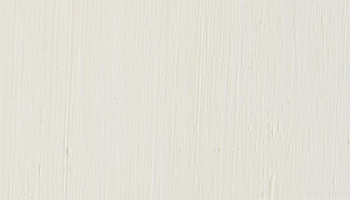
Cremnitz White in Walnut Oil
Average speed drying, higher oil content, considered toxic (lead carbonate).
The lead white is ground in walnut oil. Experience the feel of an oil that would have been popular with the European artist of the previous centuries. Contrary to inaccurate information walnut oil does not go rancid. As walnut oil has slightly less wetting ability then linseed it takes less pigment to achieve a workable paste resulting in a greater translucency. It has the ability to dry reasonably quickly and is a must try of the lead whites range.
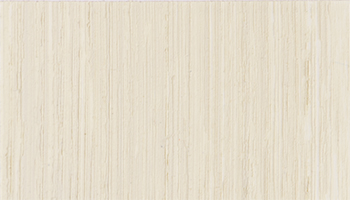
Stack Lead White
Extremely fast drying, very low oil content, considered toxic (lead carbonate).
Proudly made by Michael Harding himself according to the Old Dutch method of suspending lead strips over vinegar and burying under horse dung! This produces a white like no other in terms of handling and would have been familiar to the old masters. They have also had scientific testing completed confirming this.
This warm opaque white handles with the ‘stringy’ quality sort after by the Old Masters. This paint mixes exceptionally well and has an outstanding brushing quality.
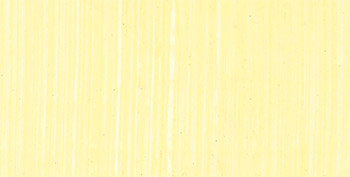
Lead Tin Yellow Light
Fast drying, low oil content, considered toxic (lead stannate).
A very pale, subtle, light yellow with high covering power going back many centuries. Again would have been a familiar pigment to the Masters.
A soft, lemony shade of yellow, Lead Tin Yellow Light is a fantastic product to blend with blues to produce subtle, muted greens. Favoured in the past by artists such as Vermeer, this type paint has a good coverage and is ideal for painting draperies and fur.
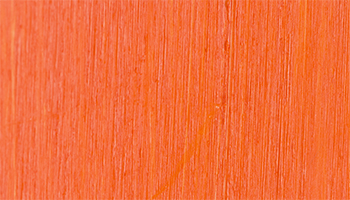
Red Lead also known as Minium
Extremely fast drying, very low oil content, considered toxic (lead tetroxide).
Despite the name it is visually an orange similar to a Cadmium Orange, highly opaque with staggering covering power. Again, dating back to very early times perhaps even to the time of the Romans it was commonly used during the 1300s by European, Byzantine and Persian manuscript illustrators.
Three more new colours:
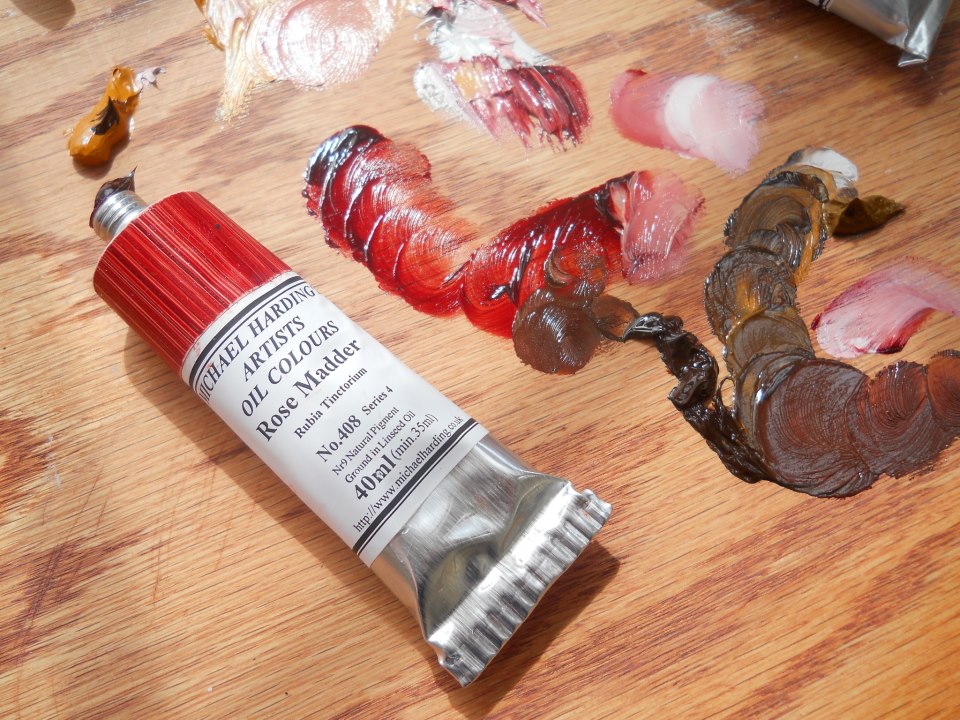
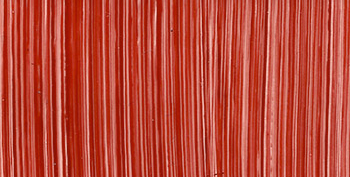
Rose Madder
Average speed drying, and not toxic, high oil content.
Not tested for lightfastness (this pigment is known to be fugitive, i.e. not lightfast).
Rose Madder is a claret coloured lake pigment, sourced from Rubia Tinctorum (the common madder plant). The Egyptians were the first to hone this lake pigment technique and it is believed that Rubia Tinctorum was grown widely across Asia and Egypt in the 1500’s. The famous red coats worn by the British Army in the 17th century were dyed with madder.
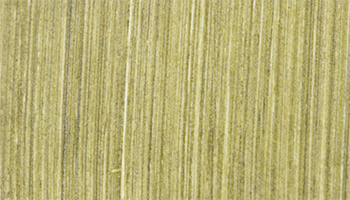
Italian Green Umber
Ground in linseed oil, fast drying, and not toxic.
Green Umber is an inorganic pigment (not plant-based) especially chosen for its deep green warm semi-transparent undertone. It is a natural earth from Italy with the ability to dry very quickly. It is ideal for not just the landscape plein air painter but also for a portrait artist for creating shadows.
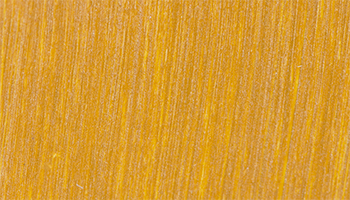
French Yellow Ochre
Ground in linseed oil, fast drying, and not toxic.
A glowing natural yellow with beautiful golden tones it is a unique ocher colour without duplication. Ochre, an iron oxide earth pigment, can be traced back to paintings from the Middle Stone Age. Landscapes painters and portrait painters alike will find uses for this soft, natural yellow pigment. Being an iron-based inorganic earth colour its drying speed is of course fast and can be described as semi transparent.
Click on the underlined links to go to the paints on the Jackson’s Art Supplies website.
As always- standard UK shipping is free with orders of £39 or more and just £3.95 for orders under £39.