



As artists, it’s a good idea to have an Artist Biography, Artist Statement, and Artwork Description ready for anything including exhibitions, competition submissions, or applications for funding. Here is a guide to help you identify the important information to share about you and your art practice.
Contents

Artist Biography
What is an Artist Biography?
A concise description of the artist, written in the third person eg. “He”, “She”, “They”.
What is an Artist Biography for?
An Artist Biography presents facts about your development as an artist. It presents a context for your work. A selection panel will be often interested in where or how you learned your skills as it can lend a degree of understanding of why you make what you make.
What should I write in my Artist Biography?
Where are you from?
Where are you currently based?
If you studied, where did you study? Or maybe you are self taught?
What is your main artistic inspiration?
What mediums do you work with?
Does your work belong in any collections?
Do you belong to any art collectives, societies or organisations?
Example: Claude Monet is a painter living and working in Paris, France. His impressionistic style is concerned with capturing light and organic forms in the natural world. Monet studied oil painting and drawing at the Academie Suisse where developed his landscape works to render the beauty of the world around us. A visionary artist, Monet pushes the boundaries of classical painting techniques and his paintings have been exhibited worldwide, most notably in the Paris Salon de 1874. His works are housed in the most prestigious, public and private collections in the world.
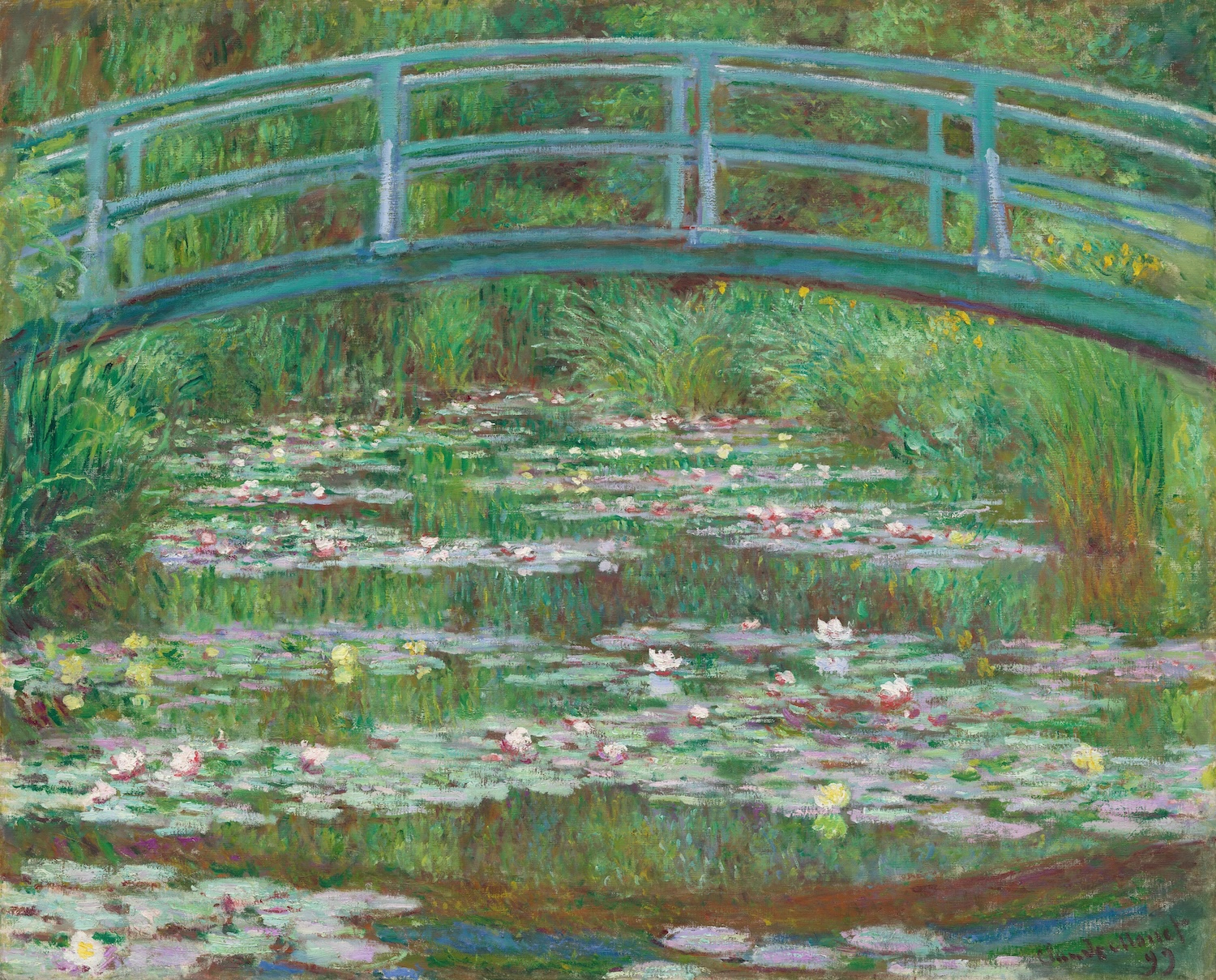
Claude Monet
Oil on canvas, 81.3 x 101.6 cm | 32 x 40 in
National Gallery of Art
Artist Statement
What is an Artist Statement?
A focussed description of the artists work and practice, written in the first person eg. “I”, “My”, “Our”.
What is an Artist Statement for?
An Artist Statement communicates the main concerns within your practice. You might consider it a shortcut to understanding what your artwork is about – so that a selection panel, who sometimes have limited time – can get an idea of your work in as short a time as possible.
What should I write in my Artist Statement?
What are the main the subjects or ideas in your works? Why do you do what you do? Is there a relationship between your imagery and the mediums you work with? What is the main idea behind your work?
Rather than simply stating how, what and why, try writing a few drafts to blend these ideas into a cohesive Artist Statement and make sure you are referring to the specific works you are entering into the competition.
Example: “For me, a landscape does not exist in its own right, since its appearance changes at every moment, but the surrounding atmosphere brings it to life… the air and the light which vary continually. For me, it is only the surrounding atmosphere which gives subjects their true value. Using bright oil colour, I like to paint as a bird sings, recording the passing of time through changes in light.”
Example: “For me, a landscape does not exist in its own right, since its appearance changes at every moment, but the surrounding atmosphere brings it to life… the air and the light which vary continually. For me, it is only the surrounding atmosphere which gives subjects their true value. Using bright oil colour, I like to paint as a bird sings, recording the passing of time through changes in light.”
Artwork Description
What is an Artwork Description?
An in-depth description of the process behind the making of your artwork.
What is an Artwork Description for?
The artwork description provides a well-rounded picture of the physical aspects of an artwork. There are limitations to judging a painting, drawing, or print virtually, so the Artwork Description is a helpful way for the judges to better understand how you have used your materials. Please remember that you won’t be judged on the artwork description alone or on how complex your technique is.
What should I write in my Artwork Description?
Think of it as telling a story of how the work came into being.
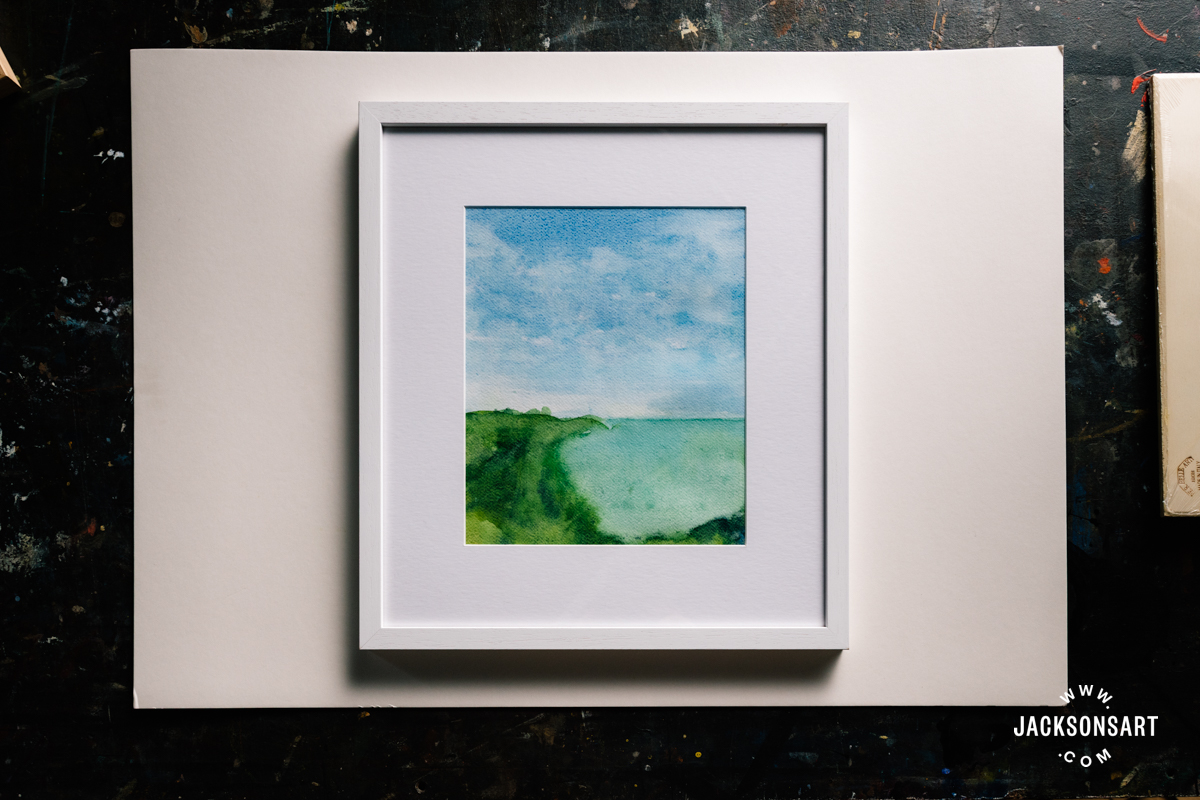
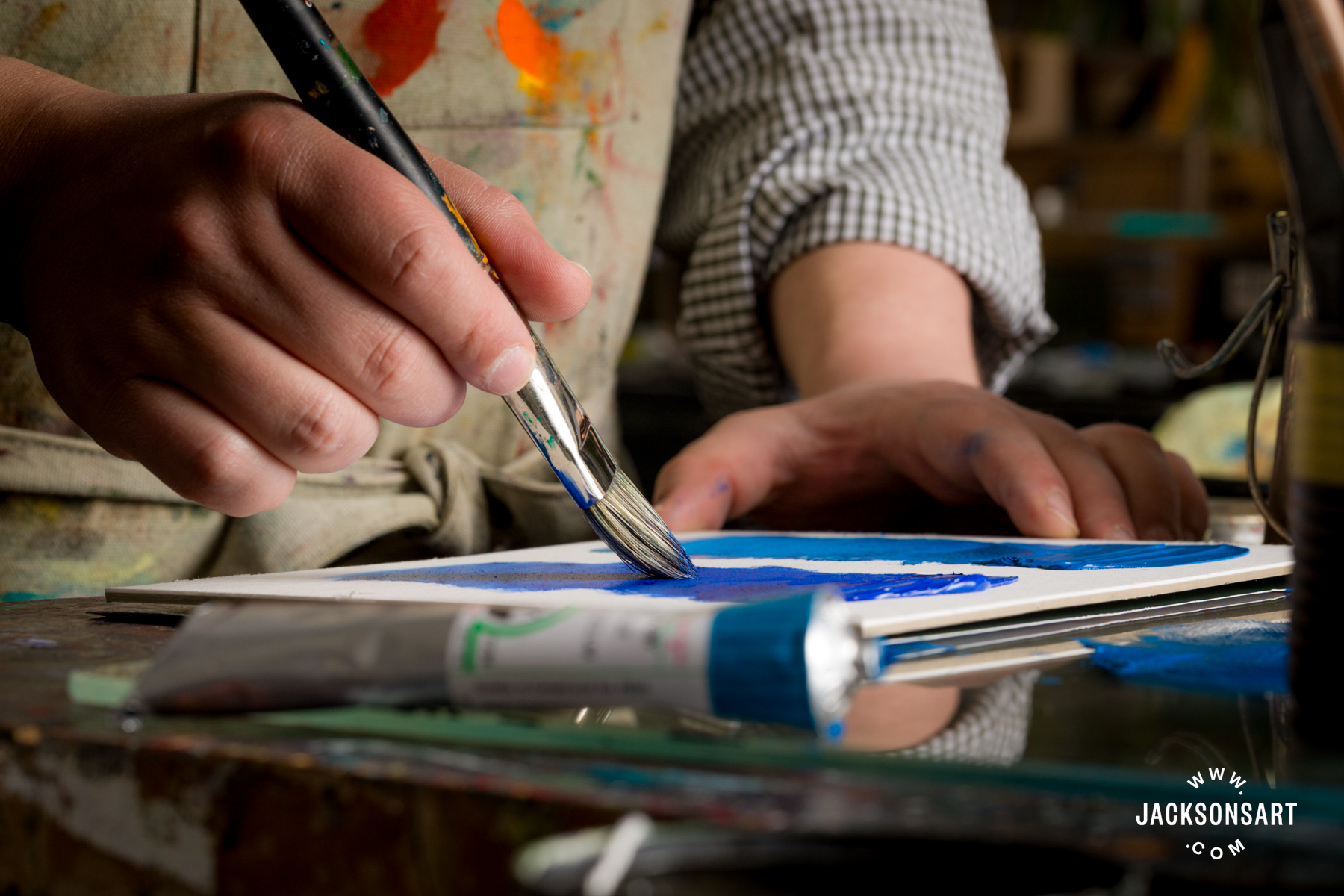
How have you applied the paint? For example, was your painting built up with glazes of paint thinned with a medium? Or perhaps thick impasto gestures laid on with a palette knife.
How did you prepare the canvas, board, or paper before working? For example, did you apply gesso or a ground? Did you tone it with a colour?
Are there mixed media elements, and if so how and where have they been integrated?
What printmaking processes did you use, how many layers and colours are there?
Example: “I used a readymade canvas and primed it with a pale grey pink. I didn’t do an underdrawing– just a few initial strokes of paint to loosely indicate the composition. I blocked in the main shapes with dilute washes of colour tinted with white, but intentionally left the primed canvas bare in lots of areas so it can show through. After this initial layer, I didn’t thin or extend the paint with a medium at all. The paint has been applied quickly in thick, impasto gestures using flat brushes, and I mixed my colours directly on the canvas instead of on a palette. I worked wet-in-wet for most of the painting, with some dry-brush strokes using a small, round brush for the details.”
We hope this helps you write your Artist Biography, Artist Statement, and Artwork Description, and perhaps in doing so, also helps to bring your practice into focus.
Shop Art Materials at jacksonsart.com

16 thoughts on “How to Write an Artist Biography, Artist Statement, and Artwork Description”
Thank you for the great advice.
Hello Irene,
You’re welcome! Thank you for letting us know.
Kind regards,
Clare
Very helpful, thanks 🙂
You’re welcome. Thank you for letting us know.
Thank you for sharing this.
You’re very welcome.
I need to modify my biography to make it
third person. Can I do that
Hi Kathleen,
You can alter your entry forms right up until the submission deadline.
If you have any questions, please email [email protected]
Kind regards,
Clare
Great advice, thank you!
Thank you Clare. Just so I’m clear is it
180 – 200 words for the statement and
another 180 – 200 words for biog?
Hi James,
Thanks for your question. The entry forms allows a maximum of 180 words for the Artist Biography and maximum of 200 words for the Artwork Statement.
Best,
Clare
Thank you for this ♥️ it is very helpful
Thank you for this invaluable help
You’re very welcome
Can’t thank you enough for this
information. I’ve been researching this
on the internet but was just left
confused. This is so clearly written, am
now much more confident to start
writing.
I’m so glad it was helpful for you Diannah, thanks for letting us know.
Comments are closed.