

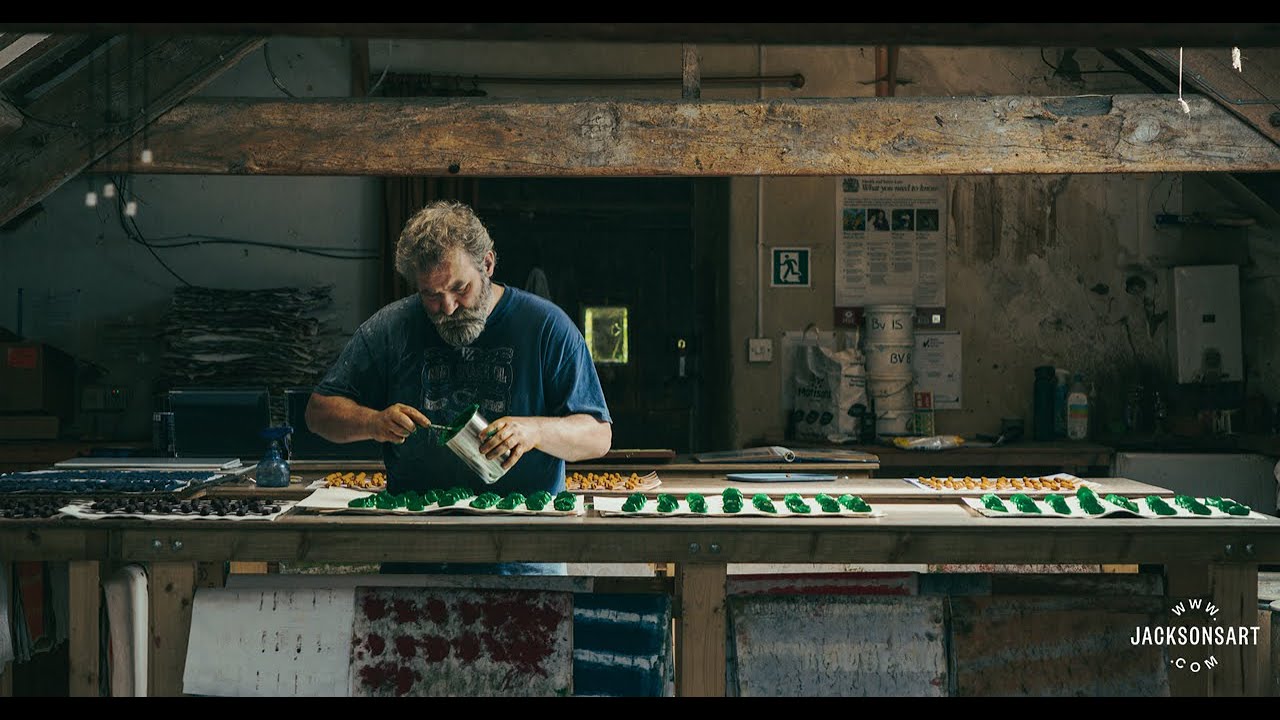


Unison Colour was founded by artist John Hersey in 1987. Light and colour were a life-long obsession, and when he found that industrially made pastels could not give him what he was looking for, he set about creating his own soft pastels. Today, Unison Colour are renowned all over the world for the creaminess and intensity of their handmade soft pastels. Each pastel is made in Northumberland, UK.

Soft pastel is one of the most direct approaches an artist can take to colour. Unison Colour pastels contain very little binder, making them the closest to painting with pure pigment as an artist can get. We paid Unison Colour a visit to watch the soft pastel-making process from beginning to end, and find out more about the unique colour vision behind them.
The Soft Pastel-Making Process
The pastels are made according to the original recipes created by John Hersey. Each recipe takes into account the individual properties of the pigments used, and each colour pastel needs to be made slightly differently to account for these characteristics.
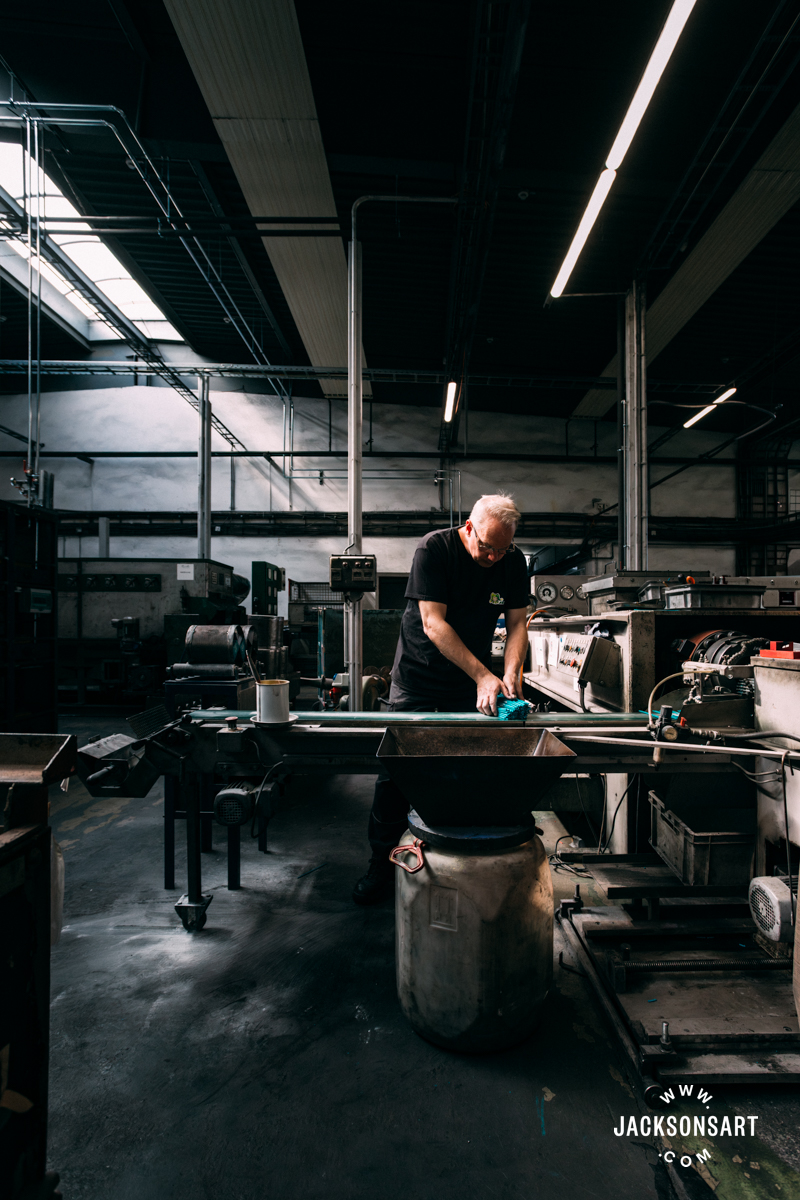
The essential ingredients of Unison Colour soft pastels are pigment and kaolin clay. These are mixed with water in a food processor to make a paste (this process used to be done by hand using a pestle and mortar).

The mixture is divided and placed onto blotting paper to wick out the moisture.

The mixture can’t be rolled into pastels if it is too moist, so they are given a squeeze to remove any excess water, and then they are ready to be rolled by hand. It takes a number of months to master rolling pastels, which involves gently rolling with the fingers and the palm of the hand. Each pastel maker finds their own technique.

The pastels are cut using two palette knives with a pastel in between, to make sure each pastel is the same length.

Once the pastels are rolled, they need to fully dry out. In many artist colours, the pigments affect the drying time of the paint, and the same goes for soft pastels. The drying time ranges between 1 and 4 days, and different pastels need to dry in different conditions – some can be left overnight on the table, while others need to be placed in a heated cupboard. Once the pastels have dried out, the labels are applied by hand.

Unison Colour’s Vision
When John Hersey, his wife Kate, and their children moved to the Old Rectory in Thorneyburn in 1980, the rugged moorland and rolling hills of the Tarset Valley became a source of colour inspiration. John’s vision was to create colour harmony by making pastels grouped into related tones – rather than simply adding black or white to produce tints and shades, each pastel is a stand-alone colour. This idea is where the company name comes from: the colours are in unison with one another.
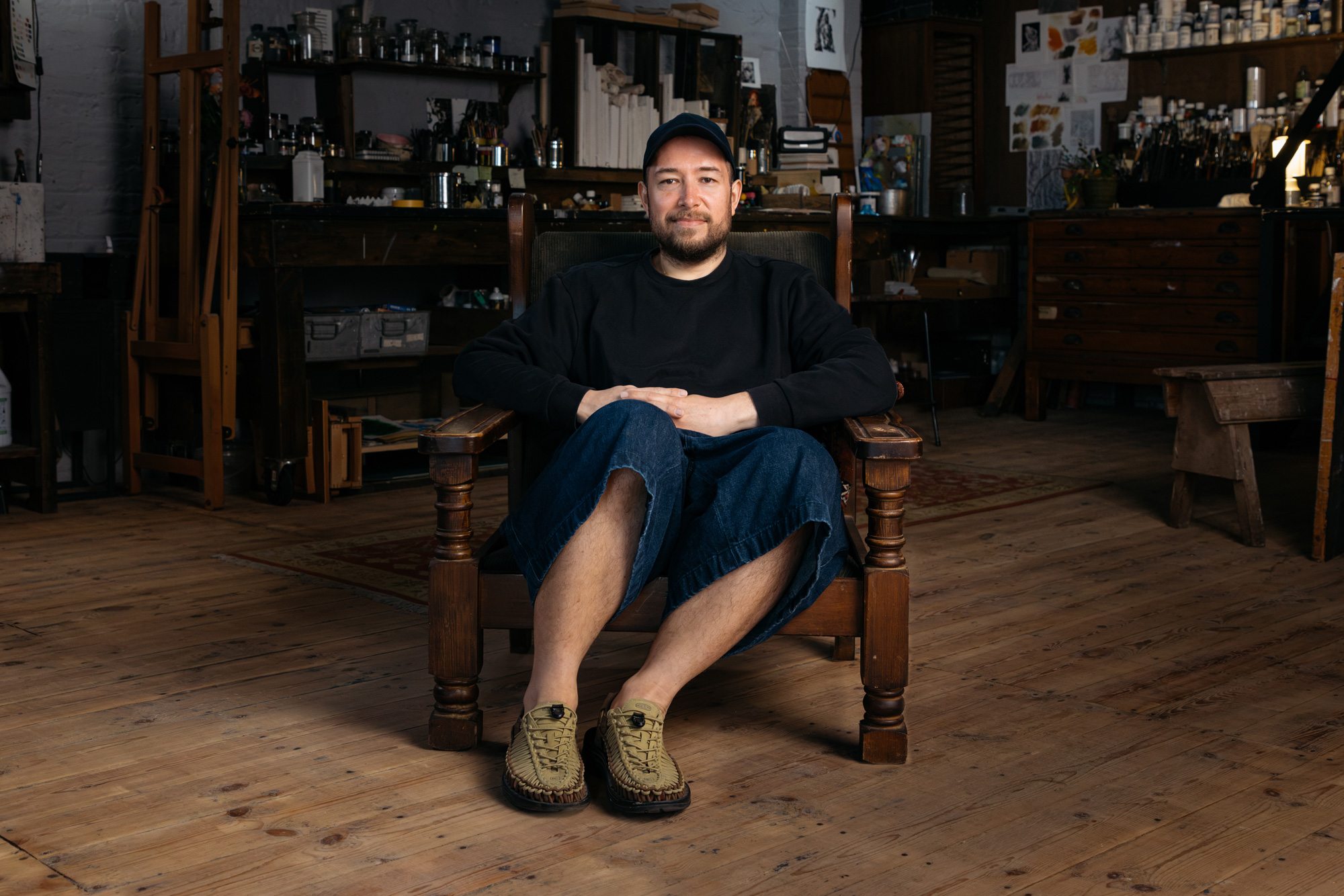
The company, now run by John’s wife Kate and their son Dan Hersey, employs a small team from the local community. They roll, label, and pack half a million soft pastels each year. Despite this growth, Unison Colour still make their pastels according to John Hersey’s original approach to colour relationships and harmony.
Watch our On Location film to see soft pastels being made at Unison Colour:
Unison Colour Soft Pastels at Jacksonsart.com

16 thoughts on “On Location at Unison Colour”
It’s a pleasure to see where these pastels are made and to
know so much care and attention is afforded to each
individual stick of colour by a lovely small group of
dedicated people. It gives a different perspective to the
artist and lovers of art to know the process and the final
product it provides, namely a piece of art from start to
finish that one can enjoy for many years to come. Thank
you for this wonderful video and explanation. Maggie Daly
Hi Maggie, Thanks for your feedback, we’re glad you enjoyed the video. It is a really fascinating process for sure.
Interesting to see how the creation of
the pastels is very similar to the pastels
final role ie, being worked with by an
artist, in a studio with music on in the
background.. even has the messy hands
too!
Yes, they seem go come full circle, it’s true. Thanks for your feedback James, glad you enjoyed the video.
Magical film thank you, so peaceful to watch
and the colours and process are
mesmerising! Real craftsmanship.
Thank you Lucy! Nice to hear from you and thank you for your feedback.
very touching video. tiny details connect
the picture together and make it whole. I
seemed to have spied on how miracles
work and I want to immediately run and
create my own fairy tale with these
small pieces of chalk. and it seems that
everyone can create their own
masterpiece.
Thank you for your feedback Iryna. Happy painting!
I didn’t think I could love my Unison
pastels more than I already do but this
film made me fully appreciate the truly
individual hand made nature of the
sticks and the environment where they
are made.
That’s great to hear Angie, thanks for your comment.
I feel the same way, and they really are the
best pastels, so pigmented, yet don’t fall out
of the tube before you get them to the paper!
This video of you lovingly blending,
making and labelling your pastels in
such a magically natural space was
most moving… and it made me truly
envious of you… but in a good way! ❤
I now want to get the whole range! But
I will have to get it little by little.
Whatever the price, they will be worth
it to paint with “good vibe” infused
pastels.
It is a lovely place and they make great pastels!
I use no other. Coulors are sublime and no grittiness
whatsoever. They are superb.
Yes, they are excellent pastels!
I love the Unison range. I live about 20 miles away from them but have never visited. A fascinating video, though I’ve often wondered about the workplace health and safety implications of producing a product made with finely powdered pigments and pigment pastes. When I use pastels, I have to put in place measures to deal with floating dust and the general clean-up.
Comments are closed.