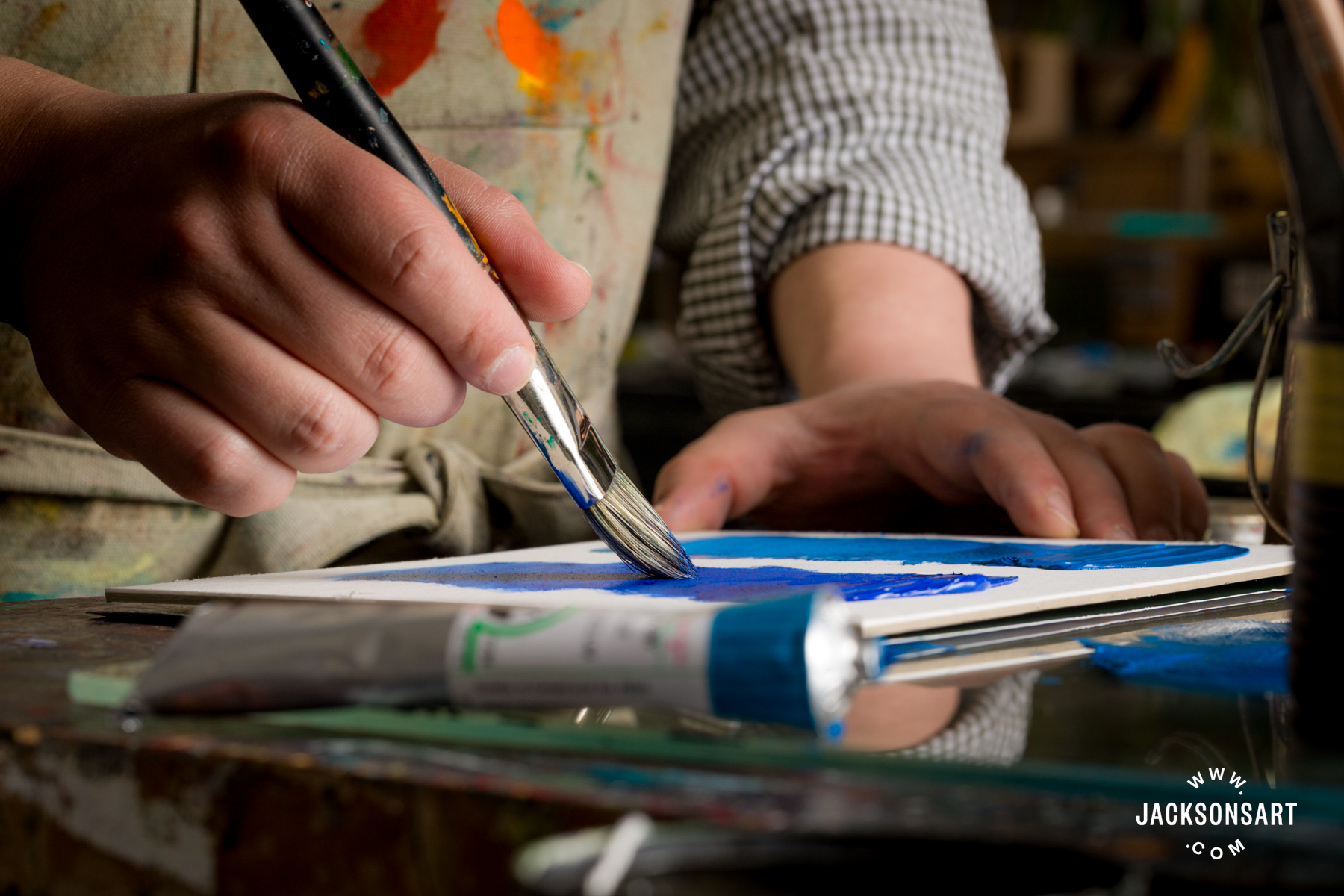
Art is more than just a creative outlet; it can be a powerful tool for improving mental health. Whether it’s painting, printmaking, or sculpture, engaging in an artistic activity can aid relaxation and boost your mood. It can also reduce mental health issues such as anxiety and depression. This is according to the 2,000 Jackson’s customers we surveyed in our recent study, searching for answers to our question: does art really benefit our mental health?
UK Survey Links Creativity to Better Mental Health
To get a fair representation, we also surveyed 2,000 UK-based adults who do not shop with Jackson’s, revealing that only a small percentage (15%) are taking advantage of the benefits art can bring.
Despite this, our data showed nearly half (47%) of the public believe taking up a new hobby would benefit their mental health. Our study proves that art, through its many forms, can improve your general wellbeing over time.
The Emotional Impact of Creating Art
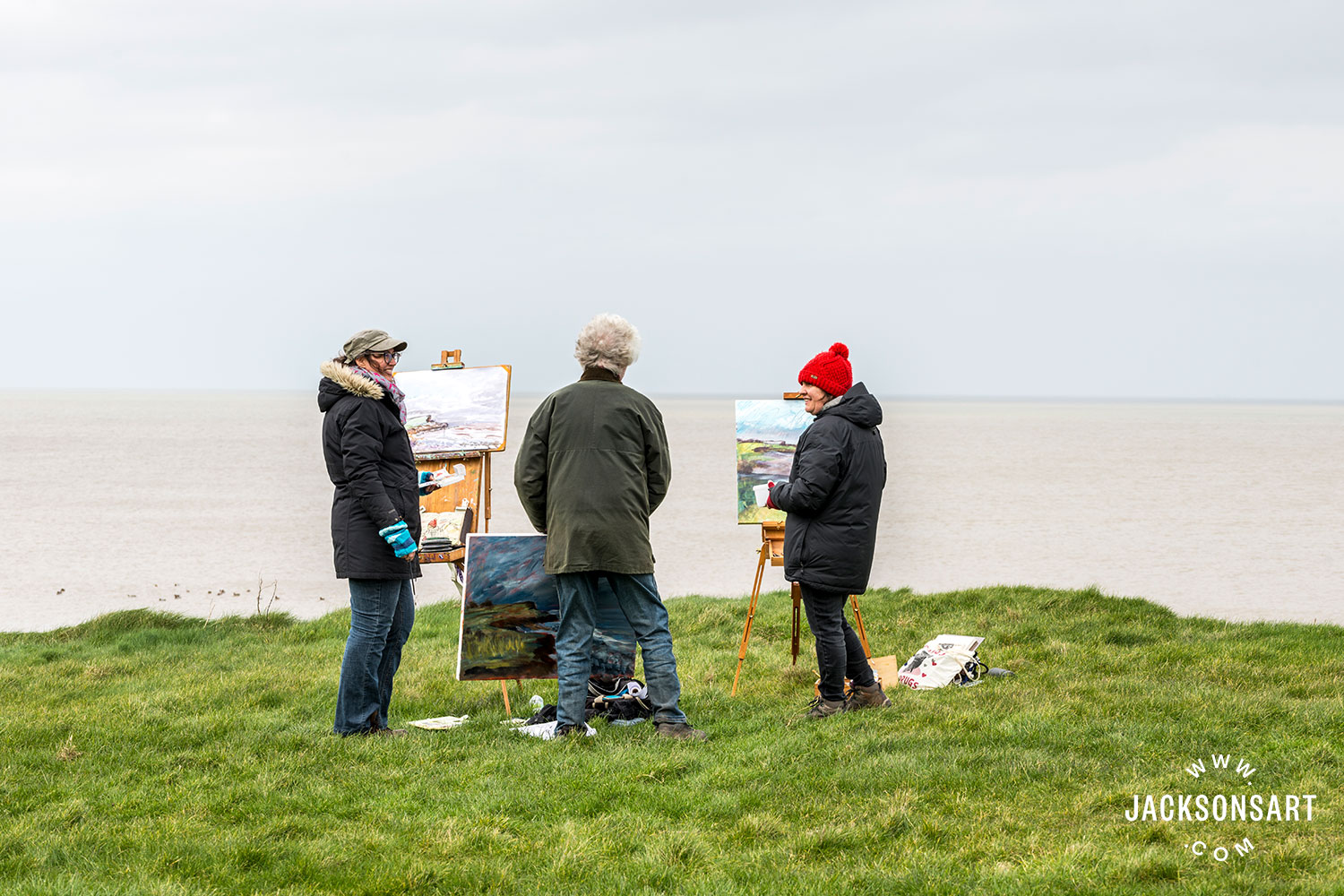
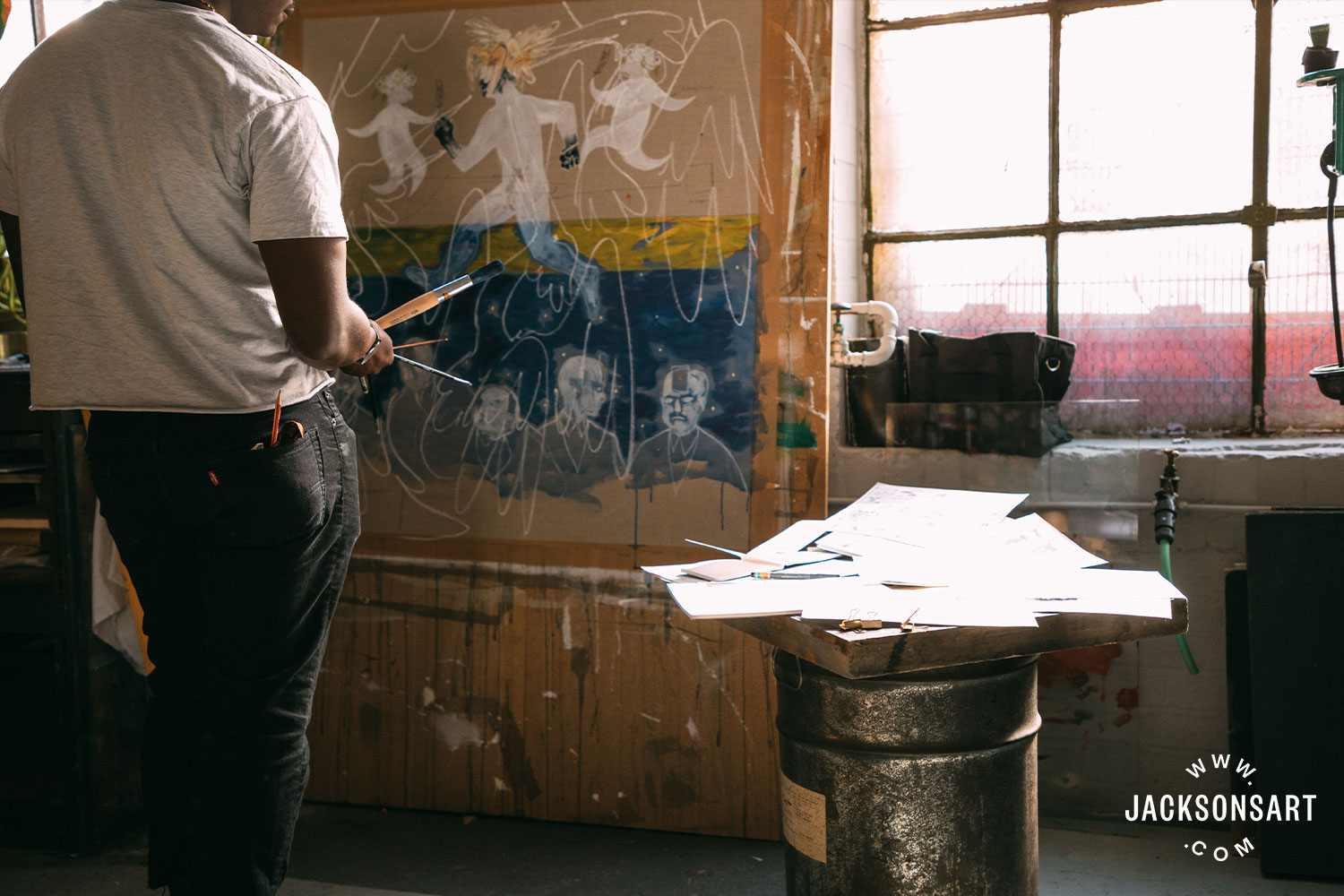
For most people who engage in artistic hobbies as a pastime, creating and experiencing art can allow you to access the benefits of mindfulness and keep you engaged in the present. For those who are easily overwhelmed or struggle with mental health issues, it can provide a means of expressing emotions and managing them.
According to our study, over a fifth (21%) of artists claim that art helps them feel relaxed, whilst a further 20% say art helps boost their confidence and self-esteem.
Similarly, 9% of art hobbyists say that being creative reduces their symptoms of anxiety and depression.
How Art Makes You Feel, According to Artists:
1. Helps me relax – 21%
2. Boosts mood, confidence, and self-esteem – 20%
3. Makes me feel accomplished through perseverance – 13%
4. Helps manage negative mood and thoughts – 10%
5. Reduces anxiety and depression – 9%
6. Helps me be more social and less lonely – 6%
We can assume that the reason nearly all artists agree that art has improved their mental health is because it offers a blend of mindfulness, emotional release, and meditation. Creating art is a unique experience for all, and allows the artist to shift their focus from any troubles they might have, and be lost in the moment for a little while. Whether it’s drawing, painting, or even just doodling in a notebook, taking the time to quieten the mind and create something brand new can provide a calming, cathartic experience that many may find grounding.
Not to mention, art can also provide people with a way to express themselves without having to put it into words, something that can have huge value for those who might be struggling with their mental health. Joining an art class can provide people with additional benefits through social interaction. Talking and creating with like-minded people is an experience that some people don’t often have, so this can be a way of really boosting mental wellbeing with the powers of creativity.
But What Are the Most Popular Arts Activities to Help You ‘Switch Off’?
According to our data, colouring books are the most inclusive artistic pastime and are particularly popular with 18–24-year-olds but are also the most enjoyed art activity for the over 65s (20%).
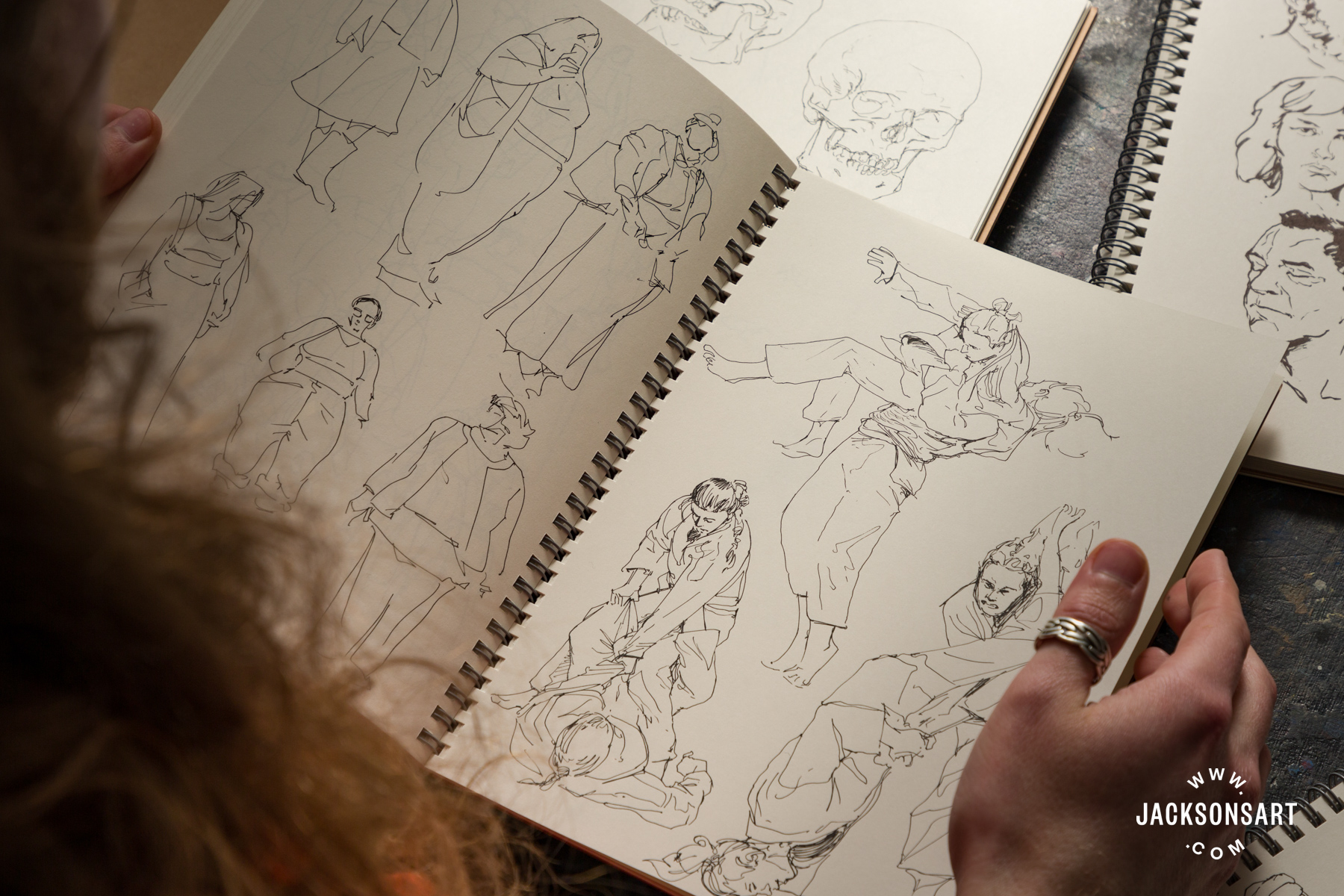
However, drawing, sketching, and doodling is the ultimate winner for the most popular art activity to do in the UK, with 59% of people saying they get their sketchbooks out to unwind. The popularity of drawing may be down to the allure of spontaneous creativity. Drawing also requires very little equipment which means that it can be done almost anywhere, making it even more accessible.
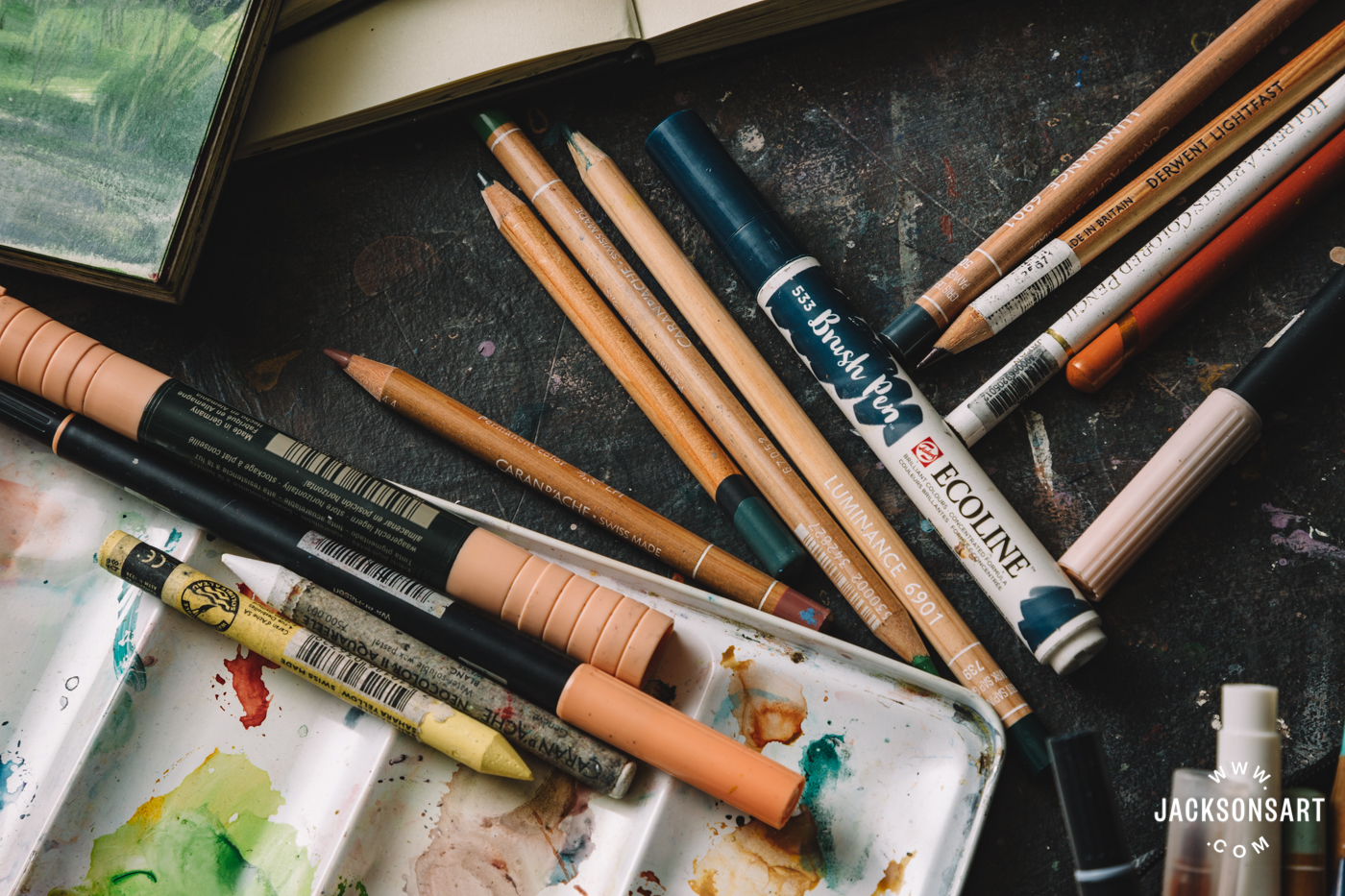
The Most Popular Arts and Crafts Activities to Help ‘Unwind and Switch Off’:
1. Drawing, sketching, or doodling – 59%
2. Colouring books – 33%
3. Painting – 30%
4. Textile crafts (embroidery, knitting, crochet) – 28%
5. Digital art – 23%
6. Mixed media – 23%
How Does Art Compare to Other Hobbies for Mental Health?
When it comes to the UK’s most popular hobbies, our study showed that most people tend to turn to activities that provide positive wellbeing, both physically, emotionally, and mentally.
From our research, exercise takes the top spot, with over half (51%) of people choosing it as their favourite activity. This is unsurprising, as it’s well known that exercise produces endorphins, and is proven to boost your mood.
The second most popular was listening to music and spending quality time with family and friends, with 47% of people choosing both.
Artistic hobbies are well-loved, with 20% of people choosing crafts, and 15% identifying art as their main hobby.
Top 10 Most Popular Hobbies Amongst the Public:
1. Exercise – 51%
2. Listening to music – 47%
3. Spending time with friends and family – 47%
4. Sleeping – 37%
5. Gardening – 31%
6. Socialising – 26%
7. Crafts – 20%
8. Meditation – 17%
9. Art – 15%
10. Journaling – 5%
Women are more likely to take part in textile crafts such as embroidery, crochet, and knitting. This comes as 38% say this hobby helps them relax compared to only 16% of men.
The Most Popular Subjects for Artists
Thinking about painting or drawing to help yourself relax? These are the most popular subjects amongst artists, according to our research:
1. Landscape – 11%
2. Nature – 9%
3. Seascape – 7%
4. Botanical – 6%
5. Everyday life – 5%
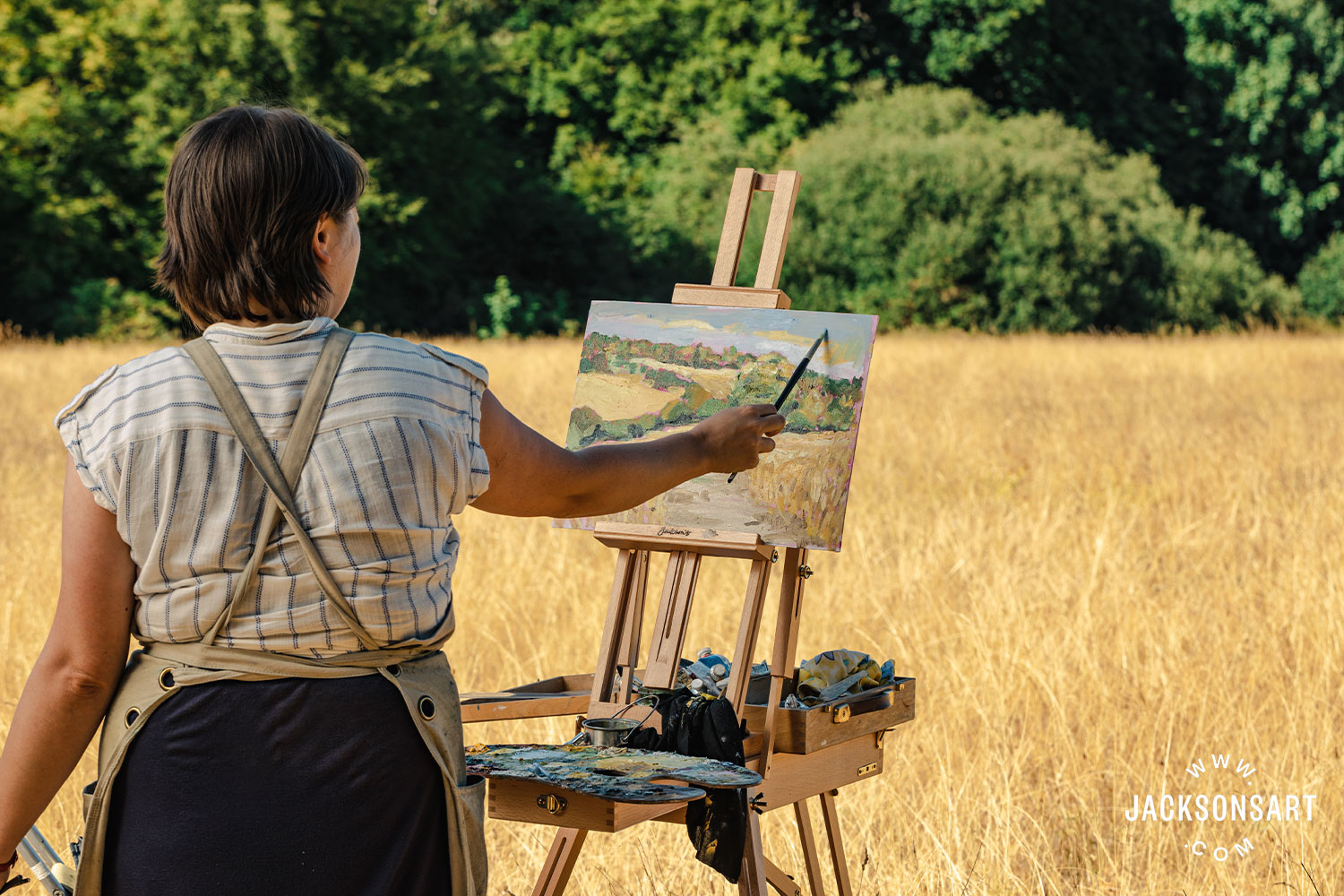
With landscape being the most popular subject for artists in the UK, we’ve put together a materials list to get you started in plein air painting (a French term meaning ‘in the open air’).
This is the act of creating artworks outdoors, recording the natural light and atmosphere of a landscape from direct observation onto canvas or paper. This approach allows artists to not only depict how a landscape looks, but also how it feels on a personal level. It was famously embraced by Impressionist artists such as Monet and Renoir.
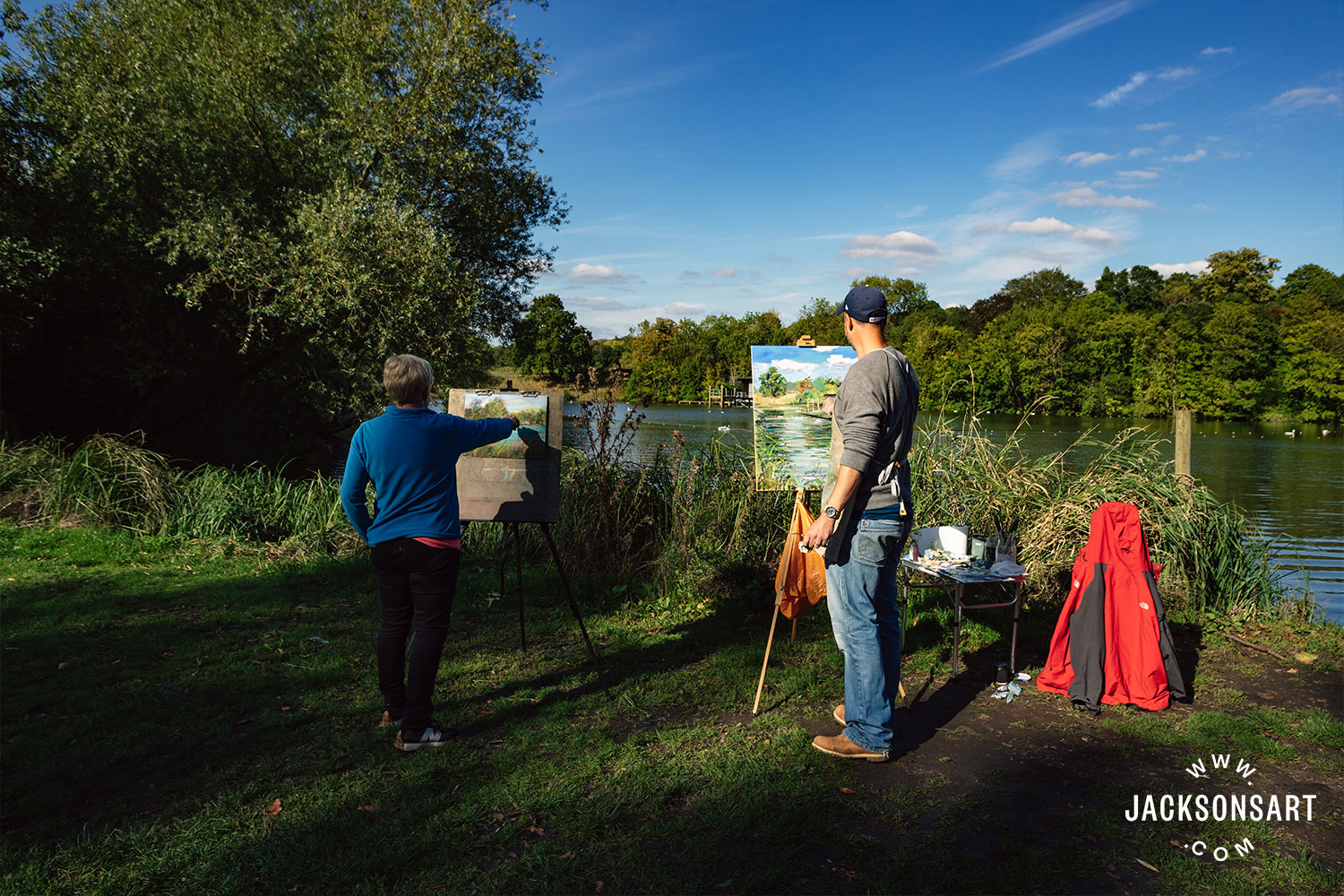
Our Top Tips on Plein Air Painting
Choose portable supplies
Painting outdoors means that you will need to carry your equipment wherever you choose to go, so starting with a compact painting set, like a watercolour tin or a palette, is an ideal choice.
Travel-friendly brushes
Compact travel brushes are less likely to be damaged in transit and are easy to pack.
Pick the Right Surface
Stretched canvas or canvas panels are great for field easels because they’re light and easy to transport.
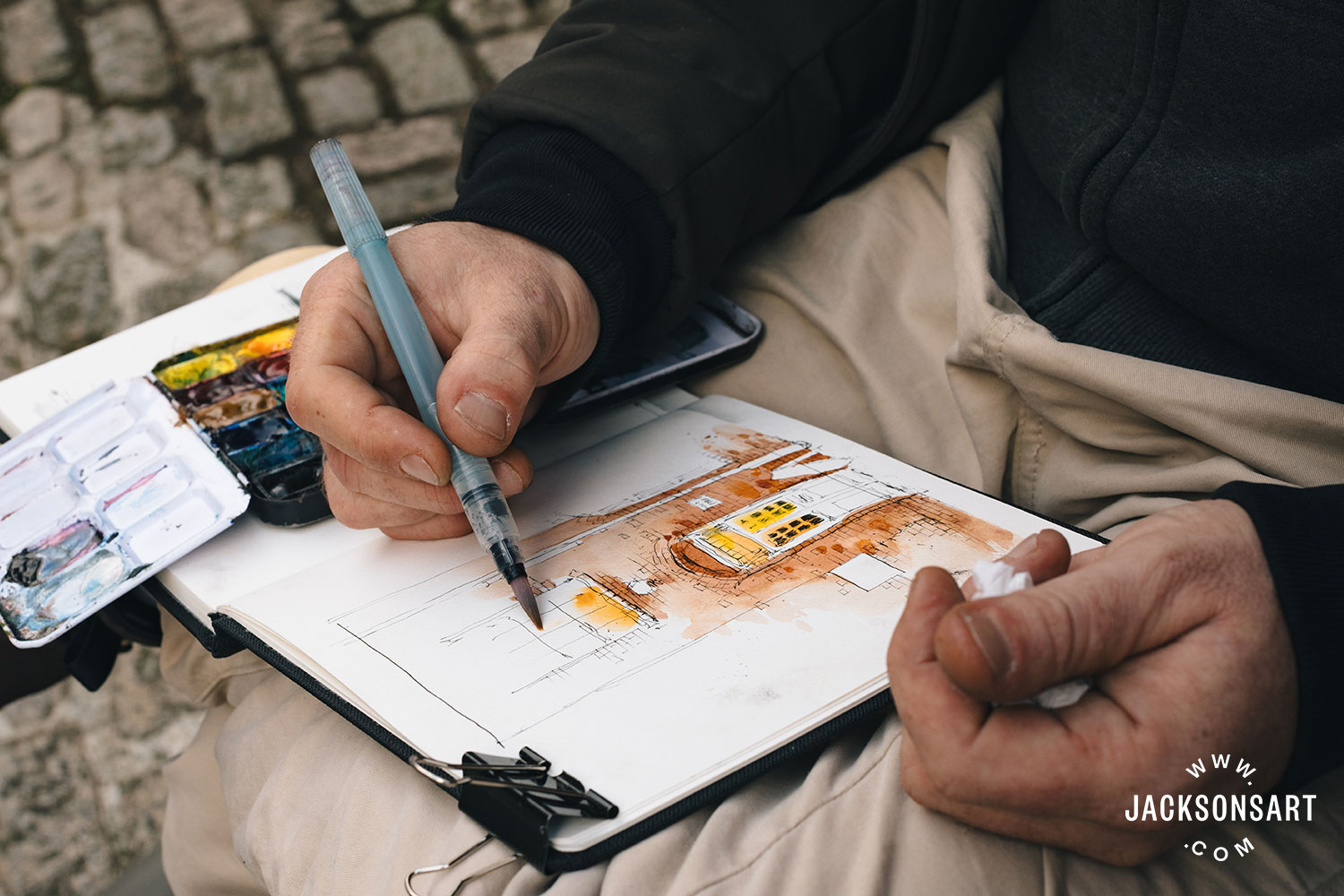
Utilise a sketchbook
A hardback sketchbook is a practical choice for artists travelling light and wish to make quick drawings, either as work in its own right or as a plan for a work of art in another media.
Add comfort items
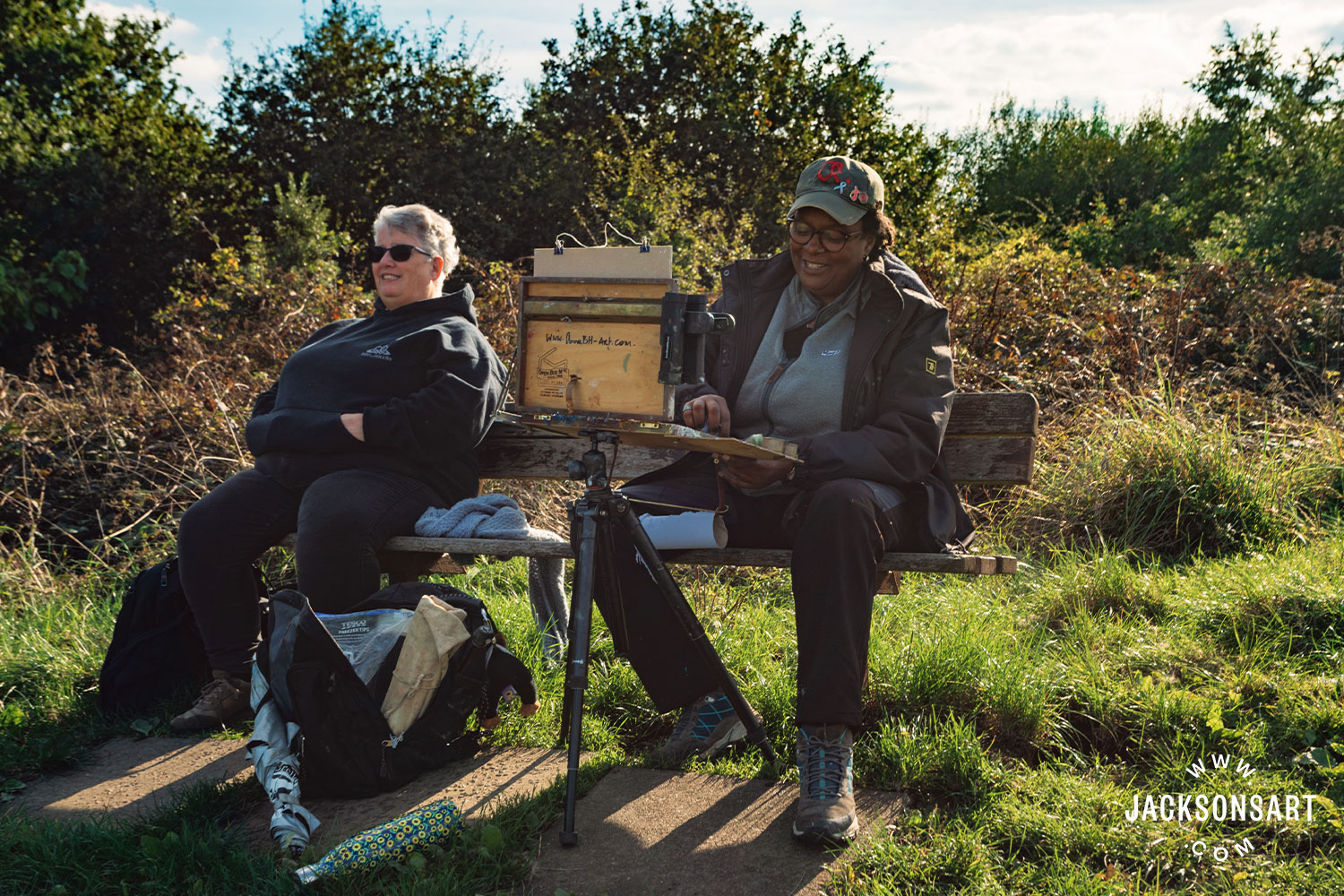
If you’re going plein art painting, remember to take necessities like a comfortable folding chair, a water bottle, and a sun hat. You want to make sure you’re looking after yourself whilst staying creative.
Conclusion
Our research has found that most people in the UK care deeply about their mental wellbeing, and that artists themselves acknowledge how important it is to their everyday lives.
Whether it’s painting or crafting, it seems that people in the UK are aware how important artistic hobbies are for their general wellbeing.
If you ever struggle to justify allowing time to make art or to engage with creative experiments, just remember that it is proven to help boost your sense of wellbeing, and that you owe it to your mental health to commit to your creativity. Why not make time to try a new medium, a new approach, or join a new drawing class, to access the mood-boosting benefits of making art.
Further Reading
Expert Advice on Working with Galleries
Six New Daniel Smith Watercolours for Your Palette
The Science Behind Black Paints
Review of Holbein Chromashine and Chroma Pearl Watercolours
Shop Art Materials on jacksonsart.com