




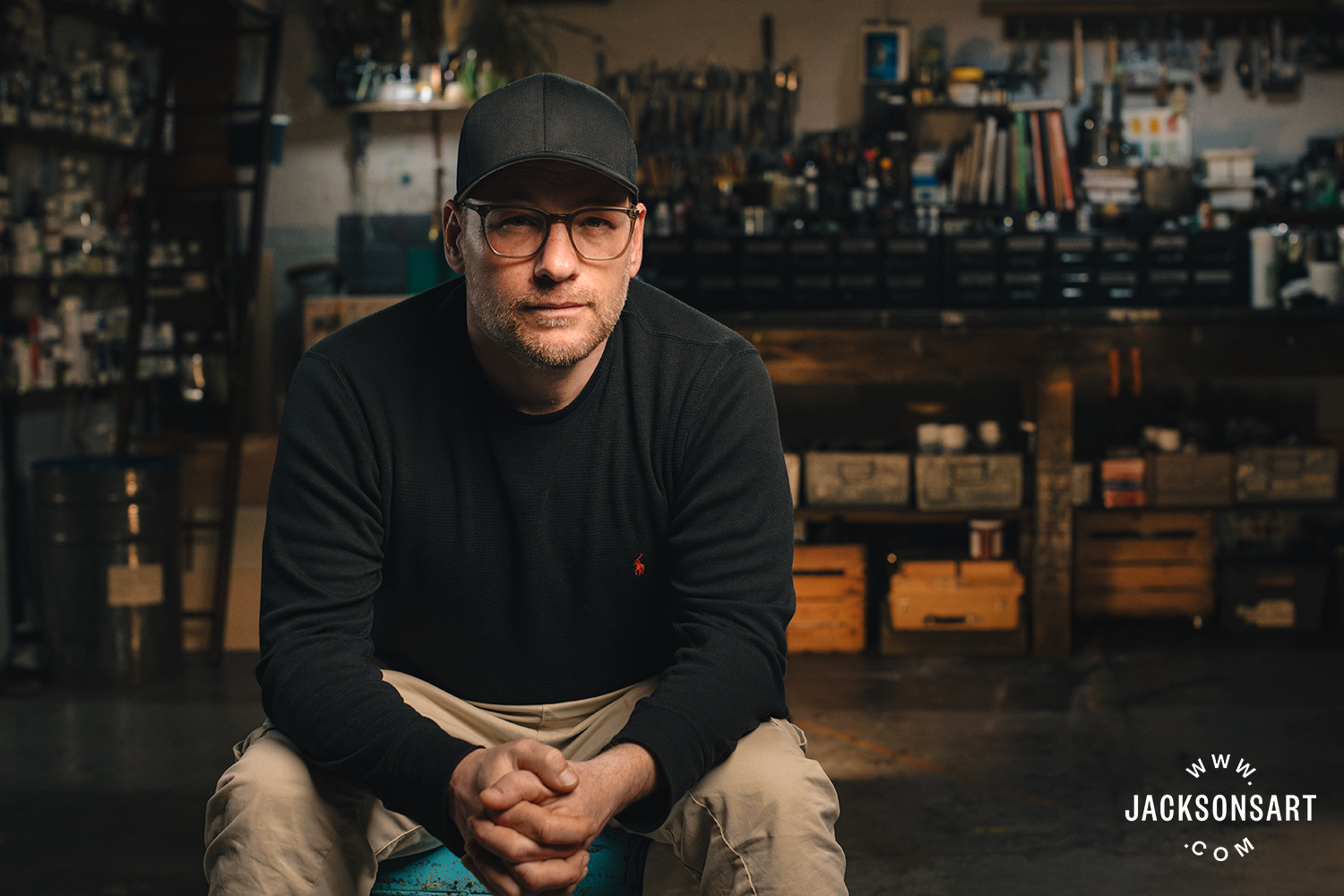
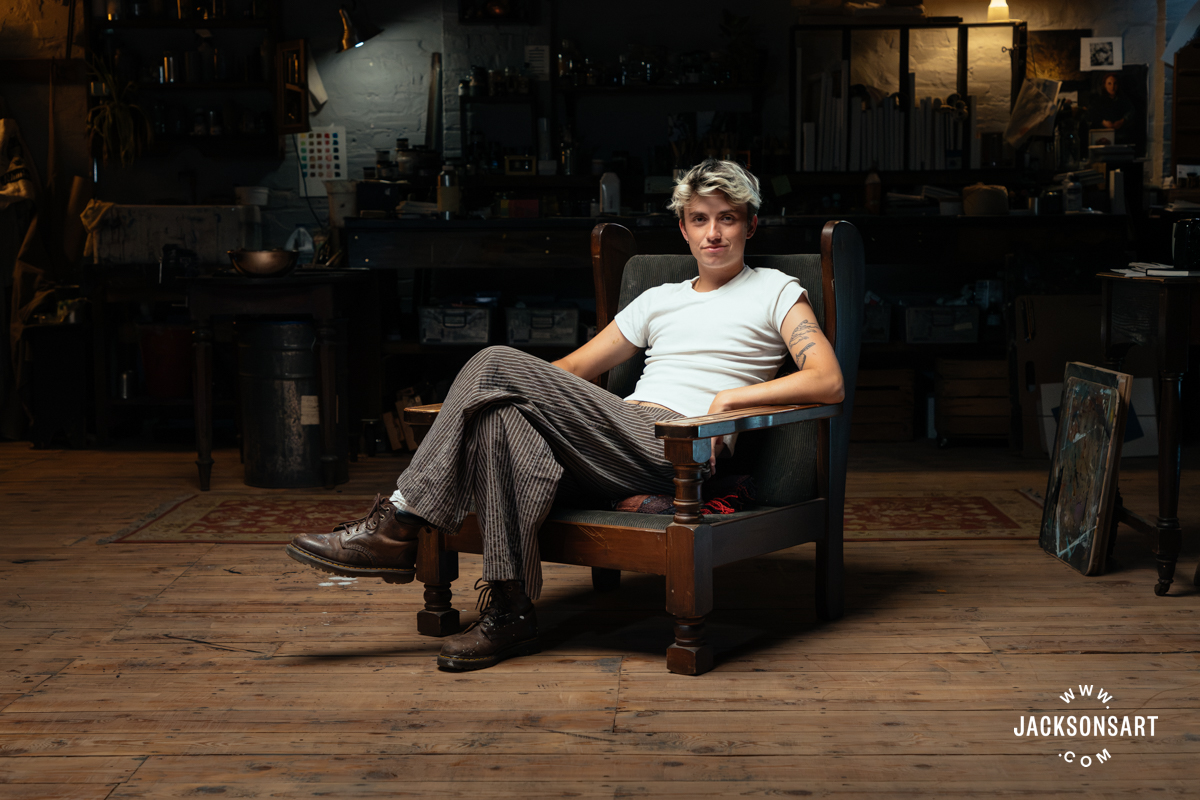
Gris is a Berlin-based artist, musician, and teacher. In the latest of our Artist Insights series, he shares how being part of the Berlin graffiti scene informed his urban sketching practice, tips for making the most of your painting materials, and how he makes a positive out of mistakes in his drawing.
Contents
0:00 “Painting is like breathing to me because I don’t think about it”
0:20 Introduction
0:33 “I realised I wanted to be an artist when I was a kid, but I did not plan it”
1:10 “If I talk about my education, I have to talk about graffiti”
1:35 “There was a small time when I wanted to be an artist, but I wasn’t brave enough. I wanted to be an art teacher”
2:13 “I learnt the most while riding on the train to the university”
2:56 “I’m trying to find good motives in lame motives, and I want to give them more life”
3:60 “I love using watercolour because you cannot plan it 100%”
5:00 “These are the colours that I have to have in my box otherwise, I would get nervous”
5:55 “Schmincke – it’s like a marriage, and I’m proud that I married the right colour company”
7:37 “If I sketch it rawly and fast, when it’s working, I’m done”
8:34 “I want crisp lines”
8:54 “A sketcher can do anything he or she wants”
9:36 “A small box, a small sketchbook, a waterbrush, and that’s it”
10:04 “A lot of good stories began because of being approached or disturbed while sketching”
11:36 “Graffiti is part of the hip-hop culture, and the music I make is a part of the hip-hop culture, so it’s stuck together”
12:56 “A typical working day is a typical day for me”
14:18 “It is a very, very good job, and I love it, but if you teach painting for 6 hours a day, you won’t get in the studio and paint in the evening”
15:32 “Get cotton paper if you want to have the magic of watercolour”
17:29 “If you have a good brush with natural hair and you care about it, it will last longer than you”
18:46 “Do the minimum of work, until it works”
19:50 Credits
Extract
I wanted to be an artist when I was a kid but didn’t plan it. I can’t really remember my earliest creative memory because I think any kid is creative with painting, drawing, and sketching, but I think it was in 1988. I made my first watercolour at my aunt’s house. It was a Christmas bauble and I can remember because I think this was a point where it started being something more or something different from childhood creativity.
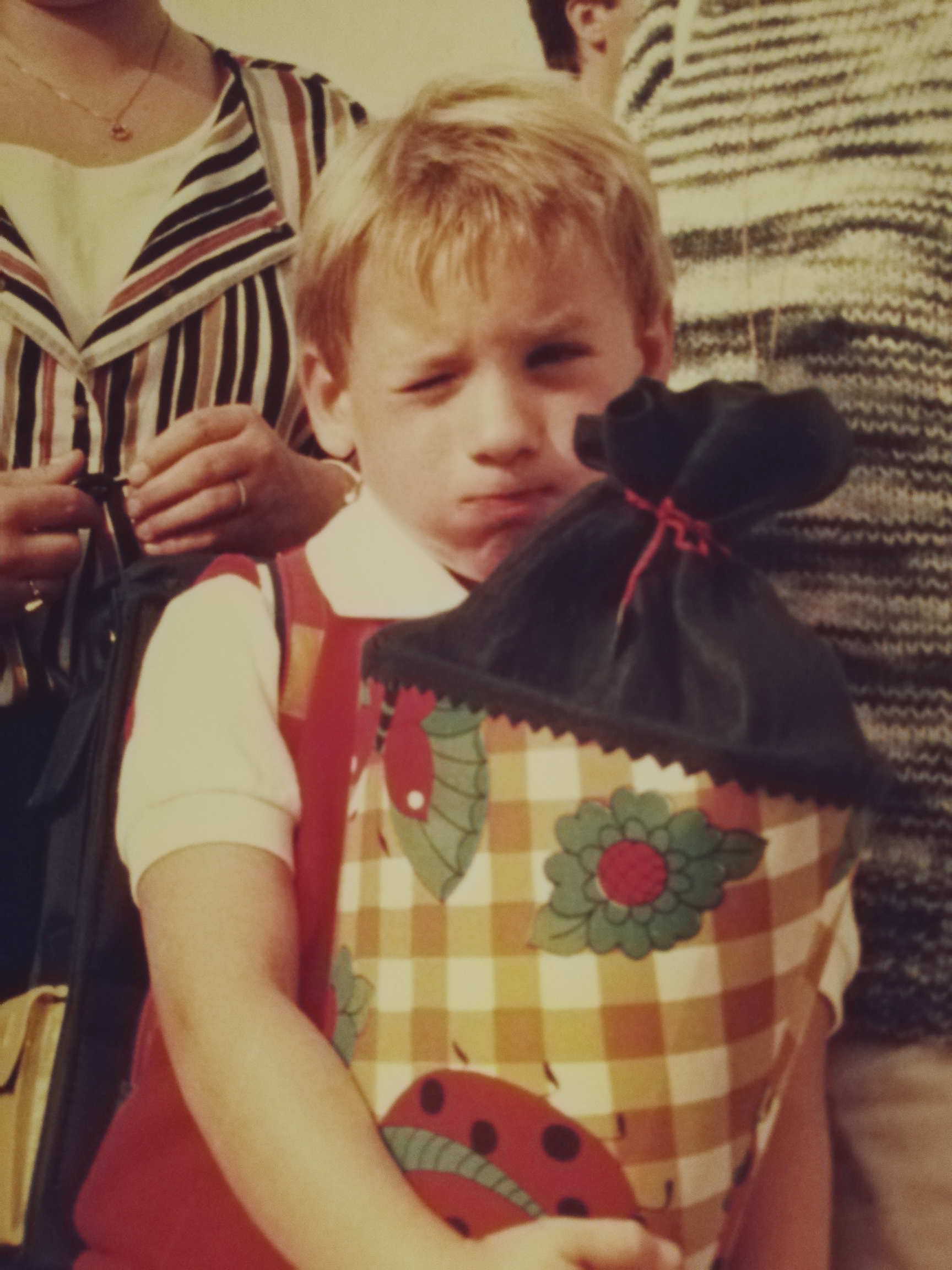
If I talk about my education, I have to talk about graffiti. When I was a young boy, there came a time when drawing wasn’t really cool anymore. At this point, graffiti came into my life and filled the emptiness until I started painting with watercolour. Then I went to school. There was a moment when I realised I wanted to be a full-time artist, but I wasn’t brave enough, so I decided to be an art teacher. At university, I had to choose two subjects and the second subject I chose, which was not art, was breaking my leg. (I didn’t actually break my leg, it’s a German saying that kind of translates to “It killed the opportunity for me”.) So, I didn’t end up graduating as an art teacher because about a month before graduation, it all started to become more attractive to be an artist.
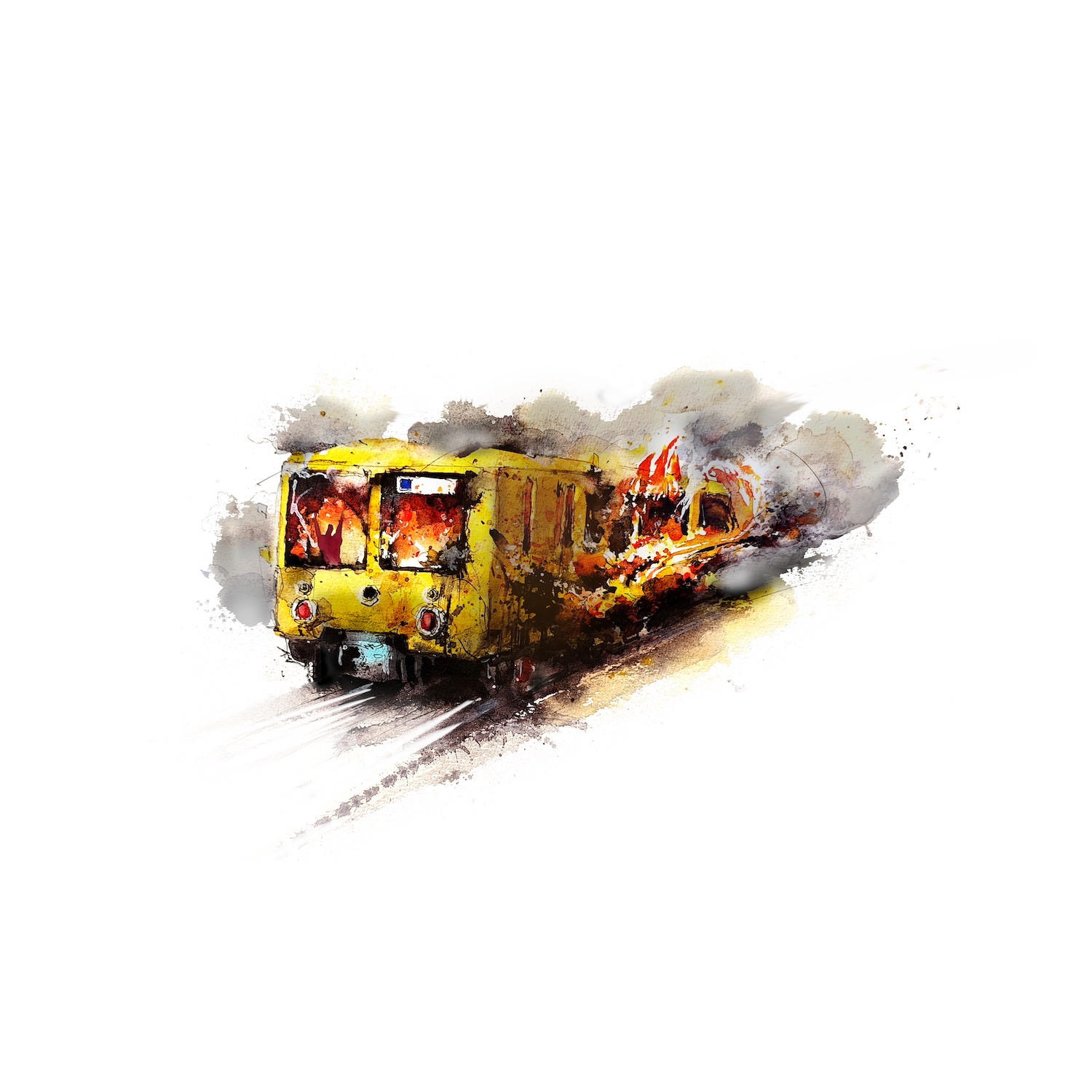
I went to university in Potsdam, the nearest, biggest city to Berlin, one hour by train. I learnt the most while riding the train because I had my sketchbook with me and I sketched all the people on the train. Sometimes, going to university wasn’t worthwhile, but the train ride to the university and back was. I had some good courses, and there were some good teachers, but there are so many things that nobody will ever need or teach in art.
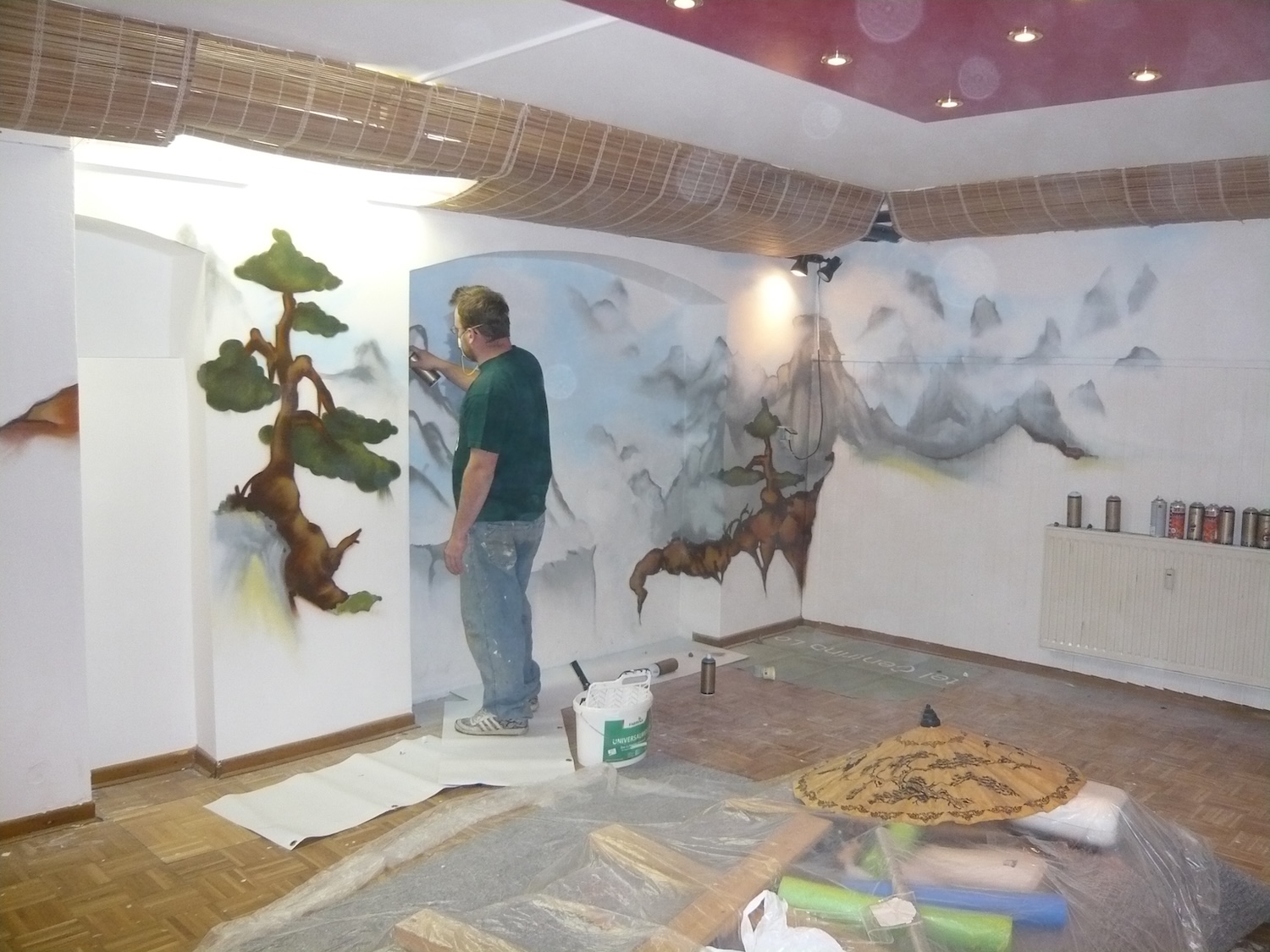
I am in love with spray cans, lines, fill-ins, and colour. That’s what we did at this time. There was a big community of my friends and we traveled to other places, met new people, and sprayed with them. We had our problems because it was, and still is, illegal, but we formed a good, strong community.
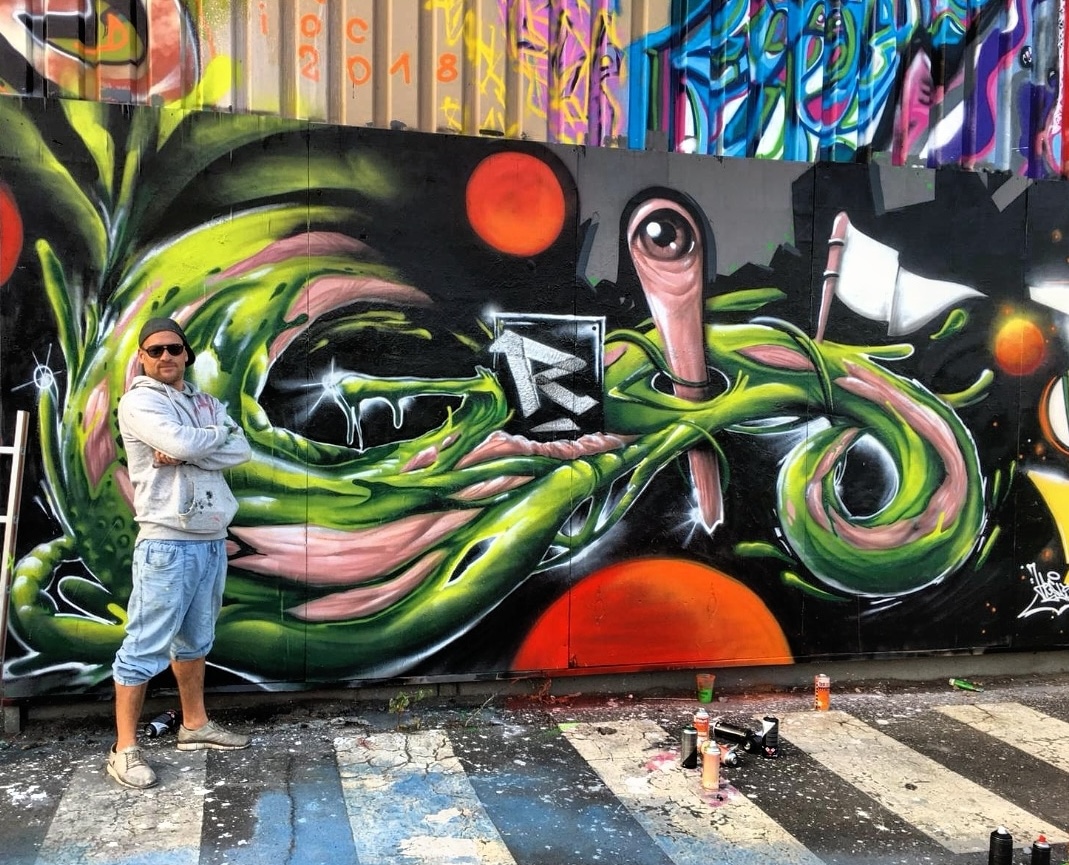
It’s hard to tell what I most like to sketch because I can find meaning in anything. What I’m told is that I find good or lame motifs and I want to give them more life. I want to make them more organic. It has something to do with the idea of urban sketching. The idea is that you draw what you see and I’m living in Berlin and so I sketched the things around me. It shouldn’t be only houses and urban things. I switched to people, figures and completely different stuff.
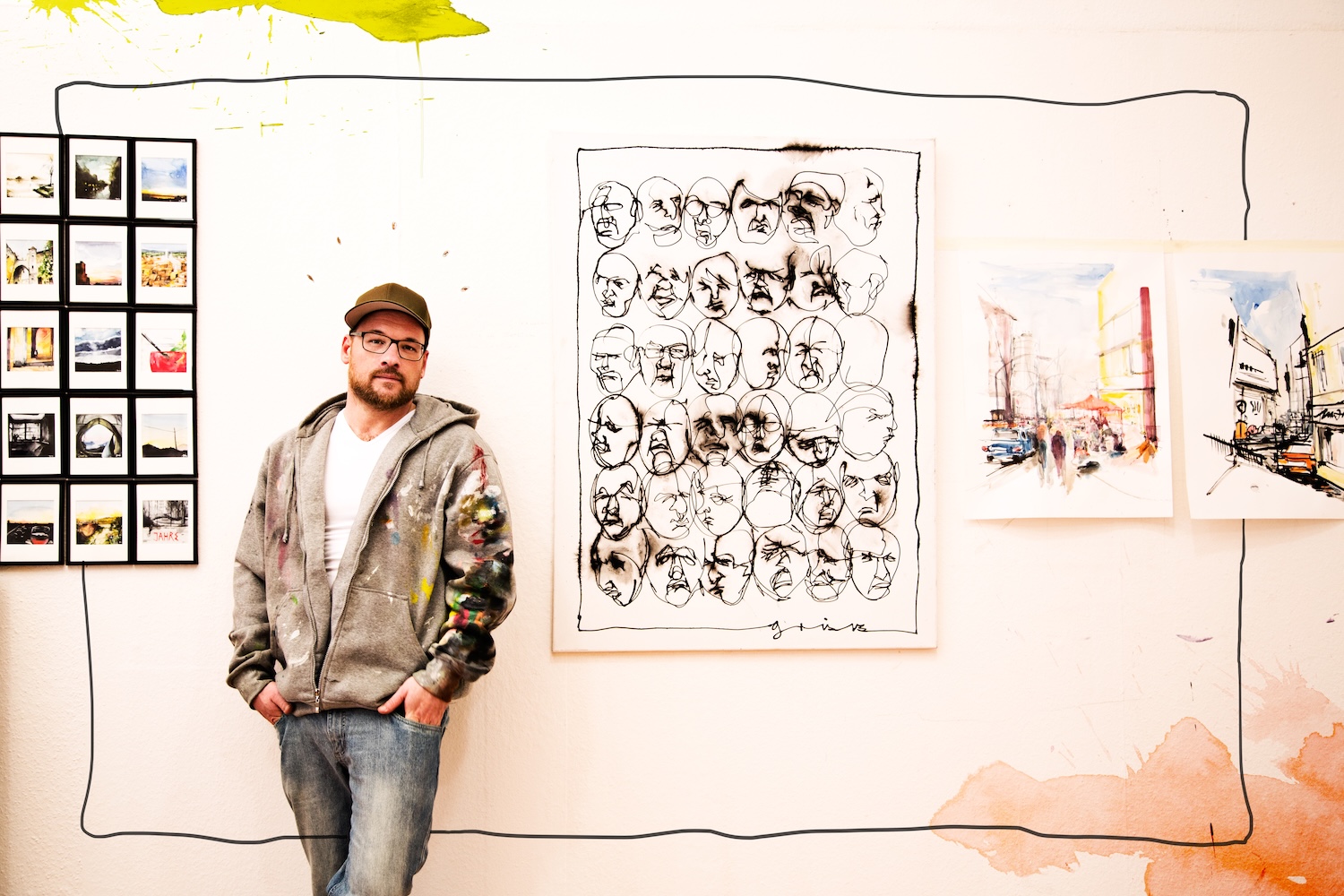
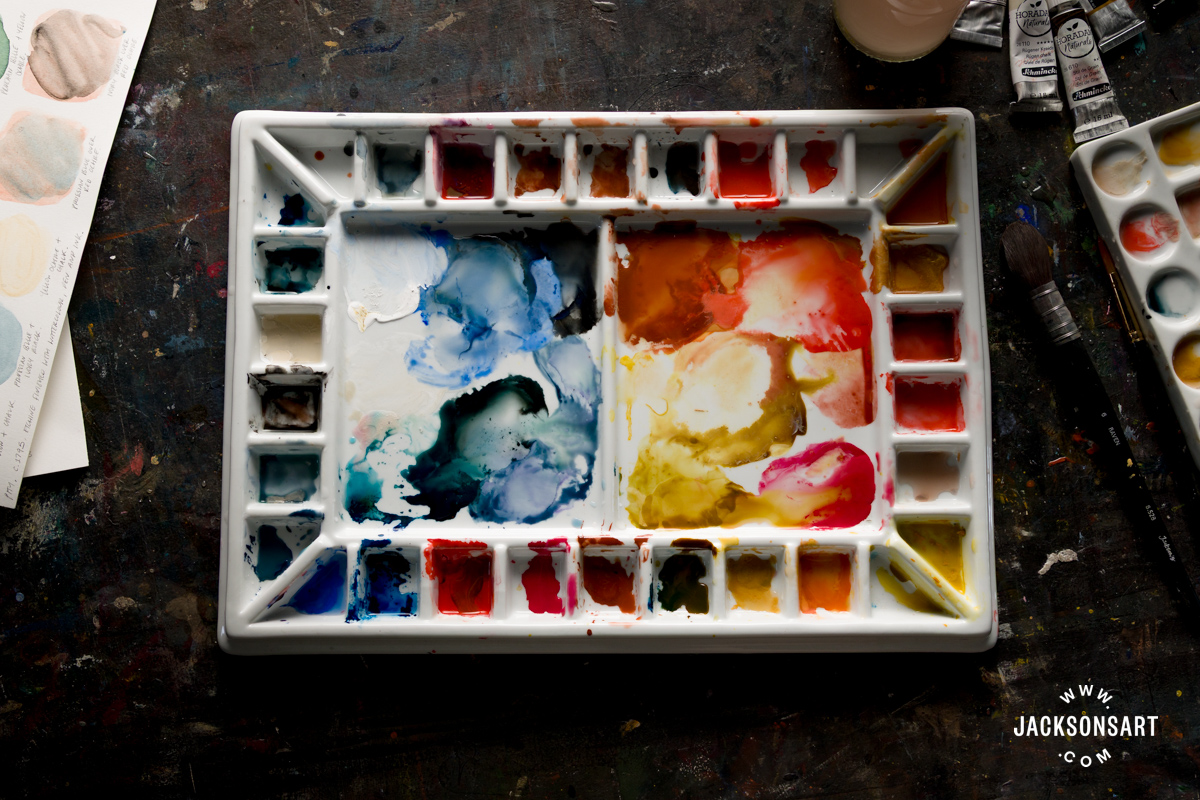
I love watercolour because you cannot plan it one hundred percent, even after many years of painting with it. There’s always a space for coincidence because it’s water, it’s flowing, it’s life, and this is what I love. There are two reasons why I use watercolour. The first reason is that it’s the most lovely looking technique and there are so many situations where if you know how to paint, then watercolour can do the job for you. The pragmatic reason is it’s easy to transport. You don’t have the tubes, you don’t have to open the tubes, put the paint on a palette, and after painting you don’t have to pack it all in your bag again once it’s dried. You can use just a small box and you have everything you need.
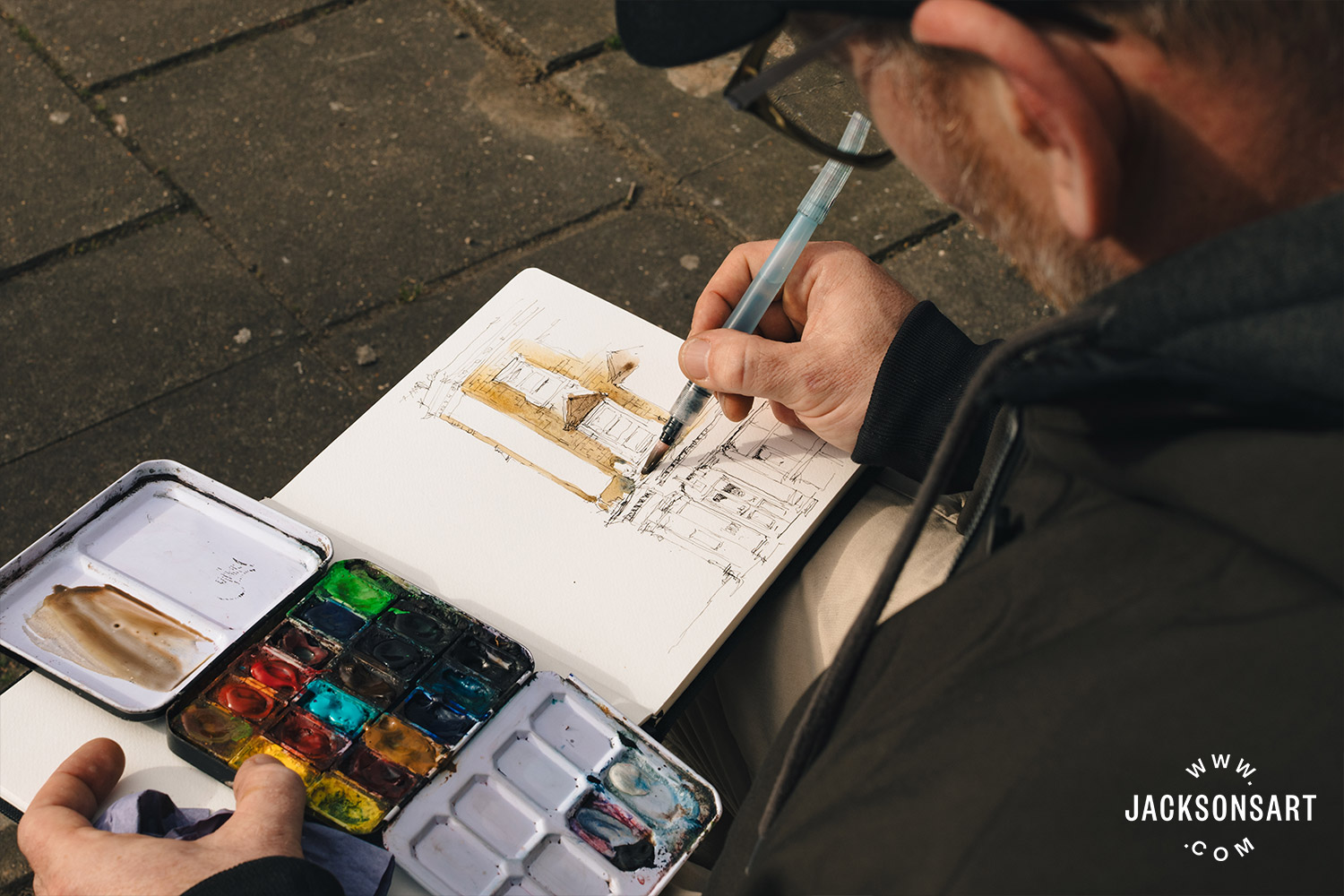
You have to have Burnt Umber and Ultramarine Blue because these two colours mixed together create a neutral grey for shadows. You can make warm grey with more Burnt Umber, and cold grey with more Ultramarine.
If you start painting with watercolour, for the first day or first week just use one colour, then introduce the next one. There are colours which I cannot think about not using. These are Transparent Orange, Burnt Sienna, Opera Pink, Raw Sienna, and Neutral Tint. These are colours that I have to have on my palette otherwise I would get nervous.
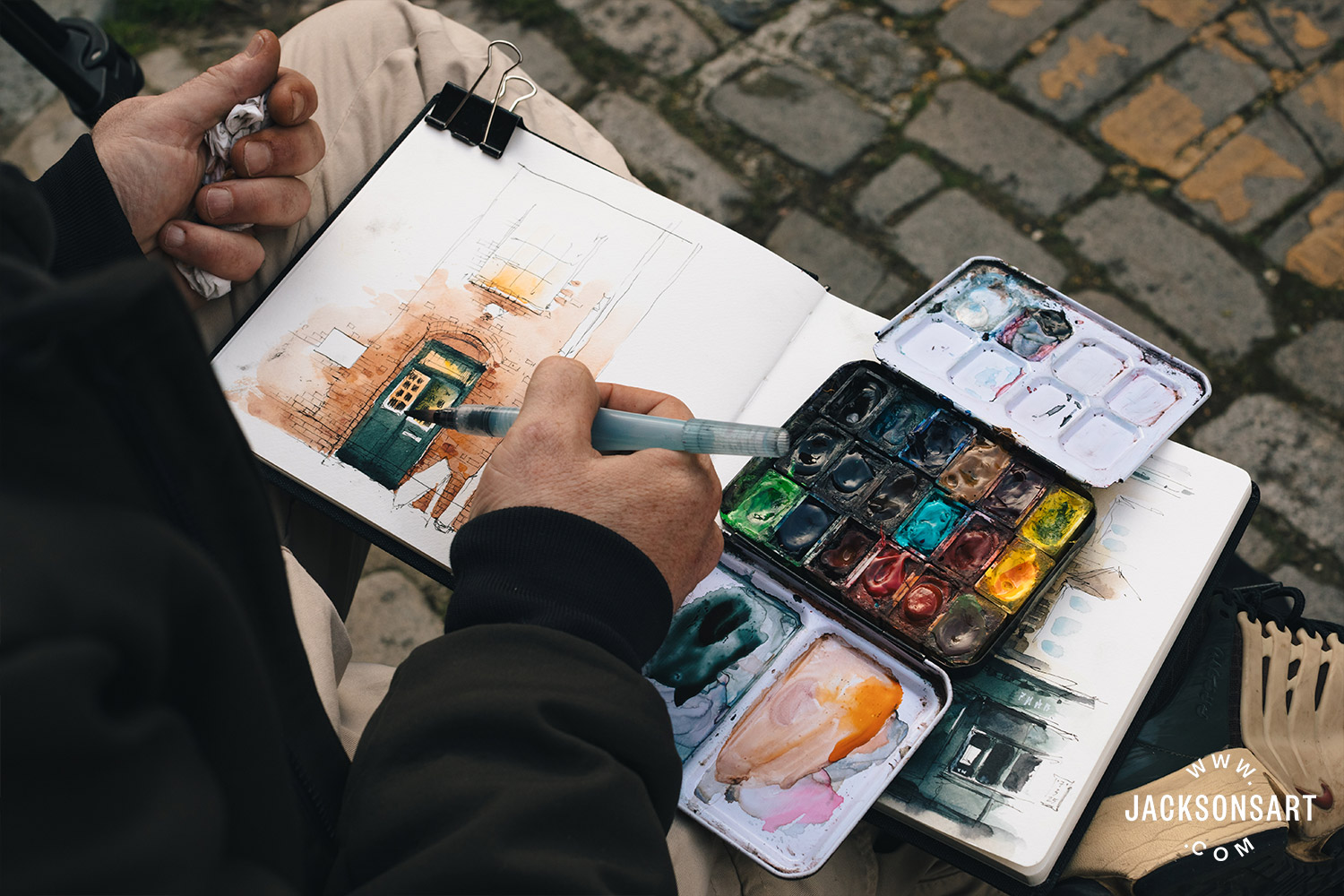
When I was a kid, my aunty gave me my first watercolour box by Schmincke. Then I went to a school and they also had Schmincke. And then I started being a teacher for Artistravel which is a big company – they do courses all around Germany. When I started there, I got an invitation from Schmincke to visit them for their jubilee of Horadam colours. And I was like “Oh they are inviting me, this is nice”. When I got there, the manager of Artistravel said “Oh will we see you there?” And I said “Why do you know where I am and where I’m going now?” And she said “Why did Schmincke invite you?” She continued, “because you’re the new teacher from Artstrava”. And so I went there and I saw all the other teachers who were invited had grey or white hair. And so all eyes were on me from Schmincke and perhaps they thought, “Oh, this is a good guy, these are good paintings, let’s start more”. The company is like a big family. And I love the colours, I love the company because I got to know them. And yeah it’s like a marriage and I’m proud that I’m married to the right company, the right colour company.
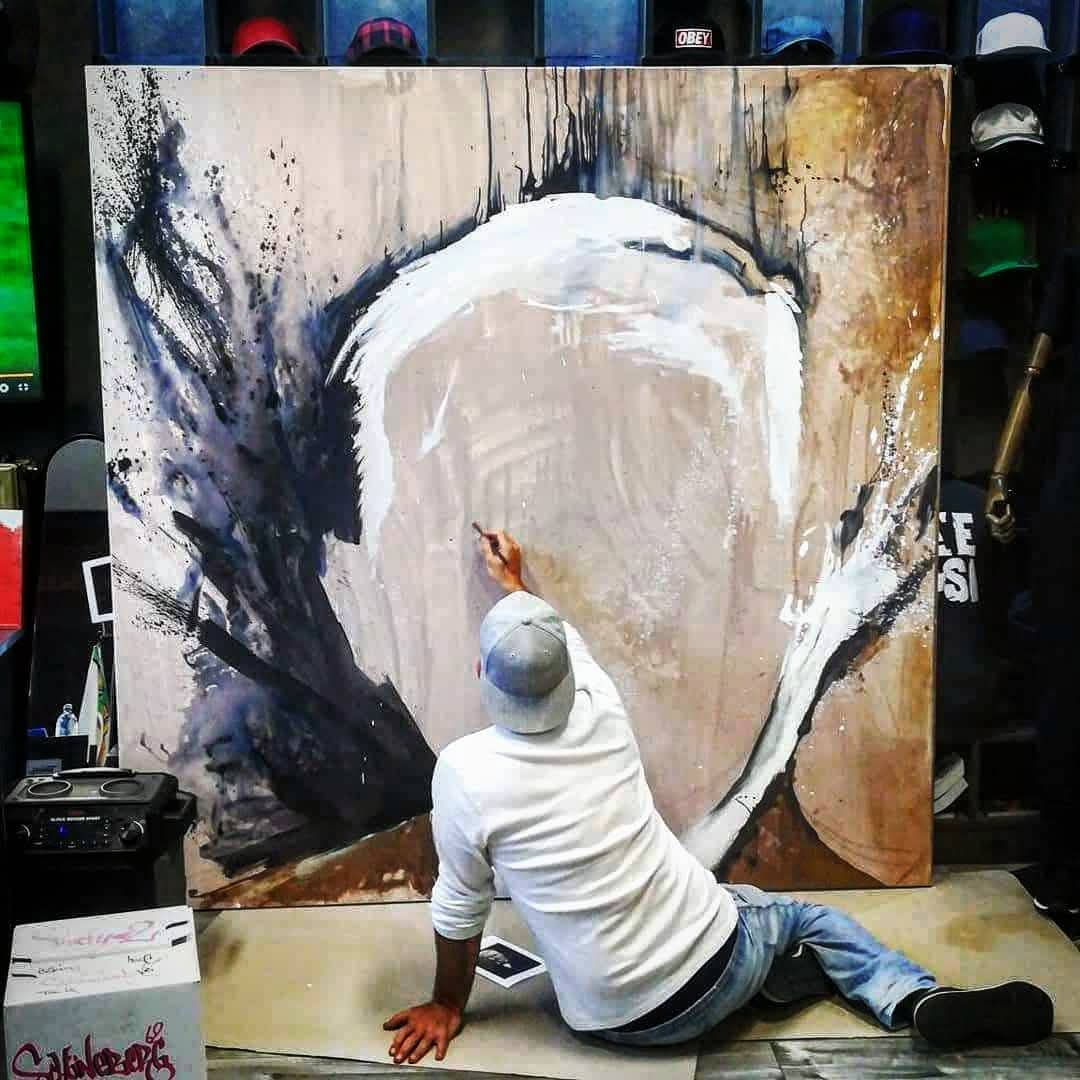
I’m a lazy person so I don’t want to draw and paint all the leaves from a tree or all the windows from a house. I’m happy if I can do it with minimum effort – if I sketch it rawly and fast when it’s working, I’m done. Normally I don’t use a pencil because I want my lines to be brave and strong, even with failures. I don’t want to do something that I can erase if I want. This is what I try to teach the students as well. But if the scene is very complex or it’s a new motive, sometimes I use the pencil to pre-sketch and then I go over with the fountain pen and erase the lines. I use water-resistant ink because I draw first and then I add colour with watercolour. I want crisp lines.
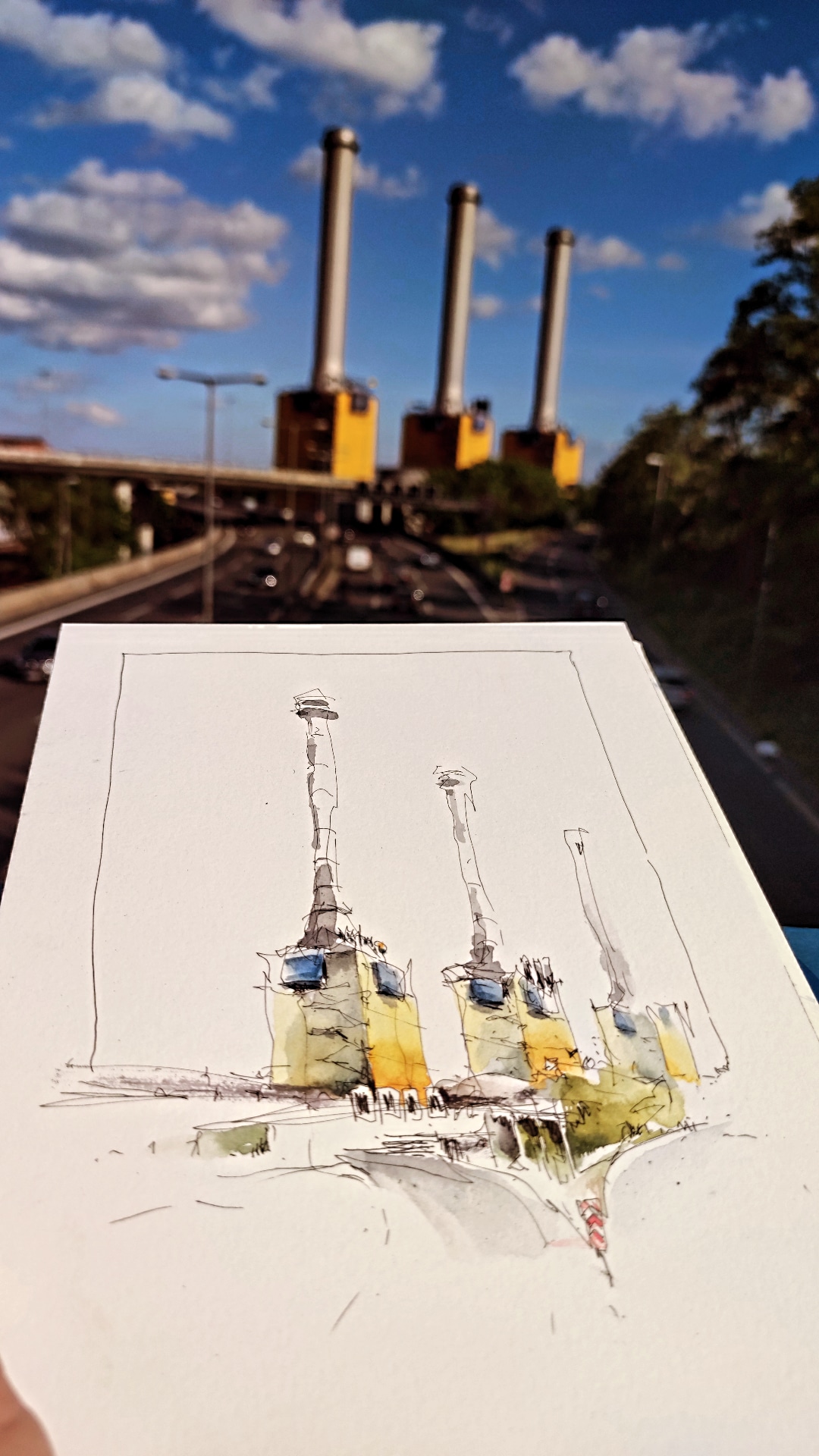
As a traditional watercolourist you have rules. You don’t do this. You’re not allowed to do that. But a sketcher can do anything he wants or she wants. She can use acrylic gouache. I even use the spray can in my sketchbook. You can use stamps. You can do collage. I don’t think about mixed media when I do my sketches. Should I use a small brush to do some lines or should I take just a pen or a marker or something like that? I have no fear of thinking about introducing other materials in my sketchbook. I always have this shoulder bag.
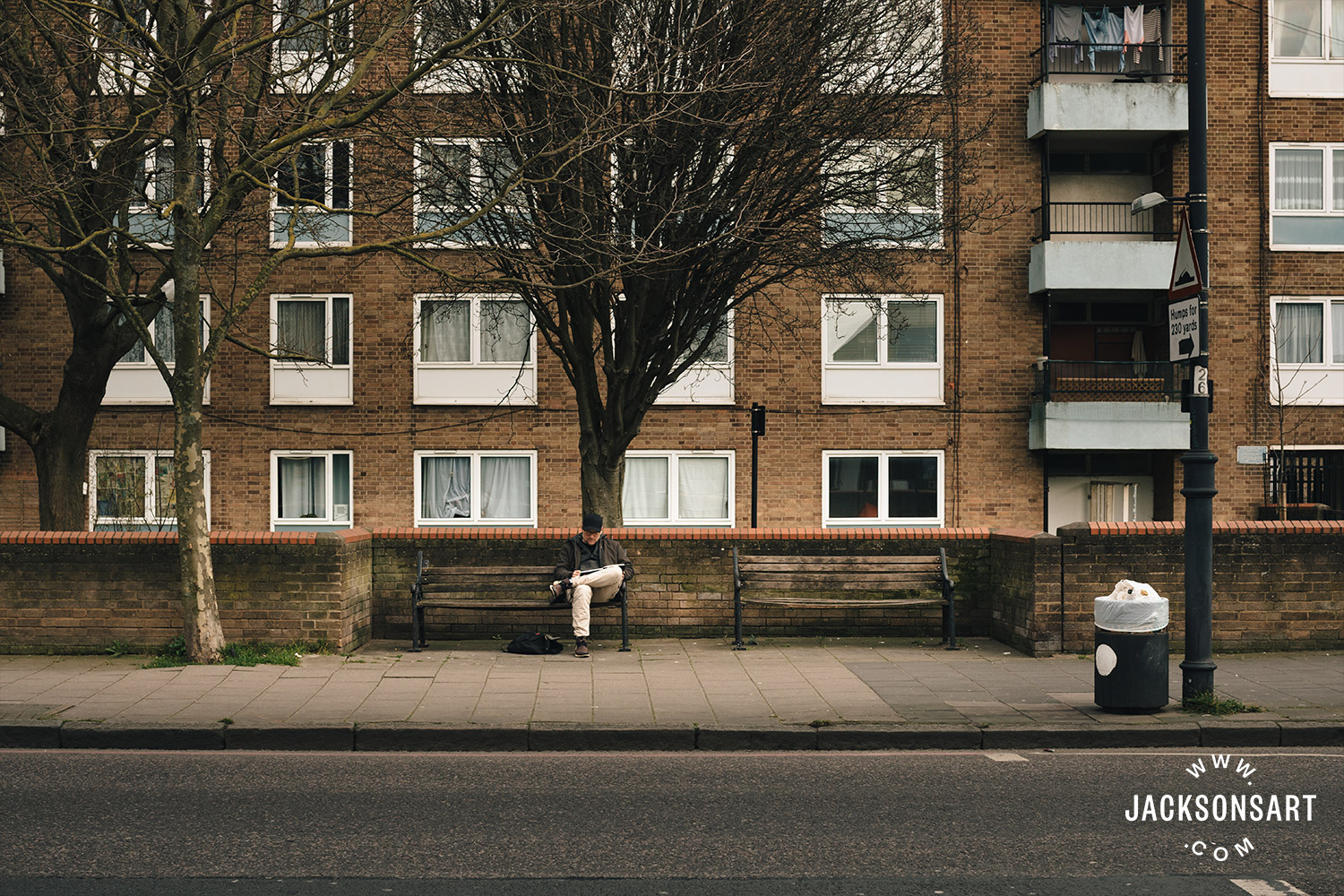
And there’s always the box, a book, and my little bag with some pens, the fountain pen and so on. Always in it. I try to keep it light – a small box, a small sketchbook, water brush. That’s all. If you sketch outside you will see that we say “distanslüzichkeit” which is a lack of distance. Because everyone has drawn as a kid, sometimes people feel that they can approach you, so sometimes they disturb you. You have to deal with it. If you’re stressed by people who want to disturb or approach you while you sketch in the streets, there are things you can do, such as wearing headphones.
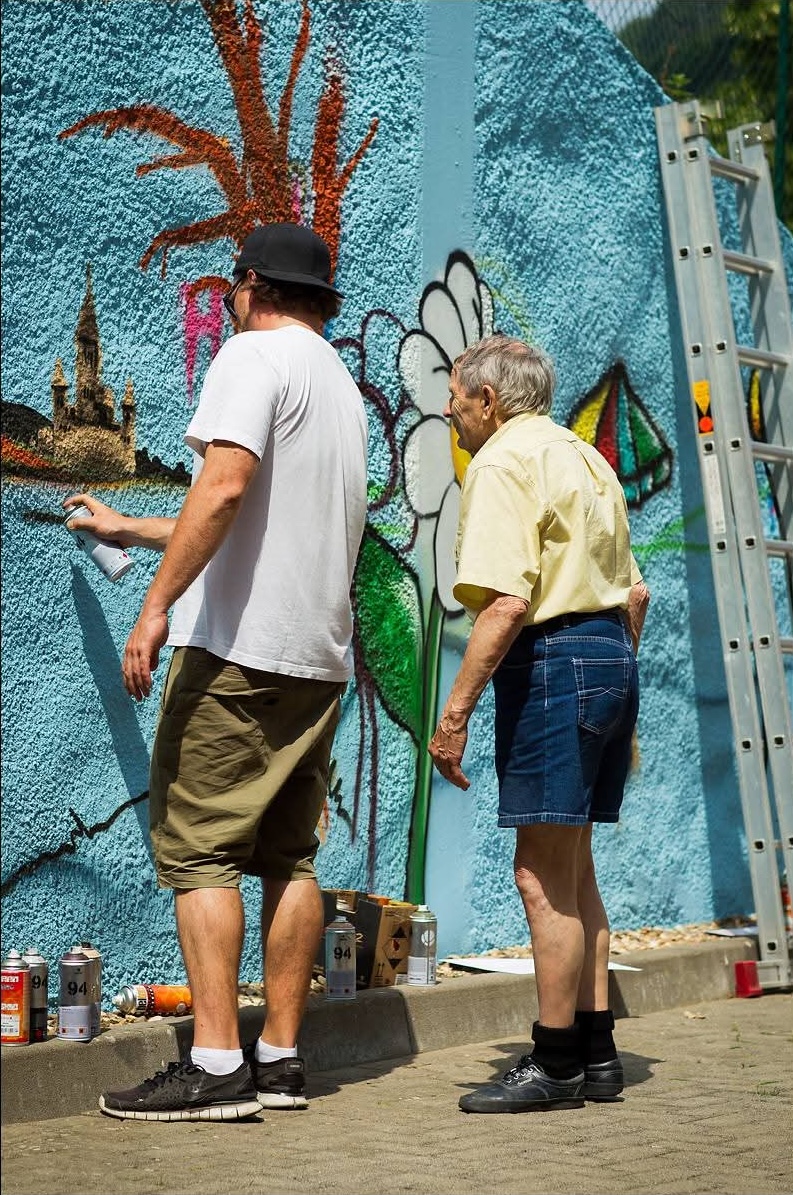
When my ears are closed, my eyes are closed, there’s no entrance to me. The people can’t get through. But I always tell this in my courses or classes. If you do that you will miss the opportunity to get to know new people. A lot of good stories began because of being approached or disturbed while sketching. So you have to decide what you want. Do you want to sit alone and do your sketch and go home? Or do you want to communicate with people and answer questions?
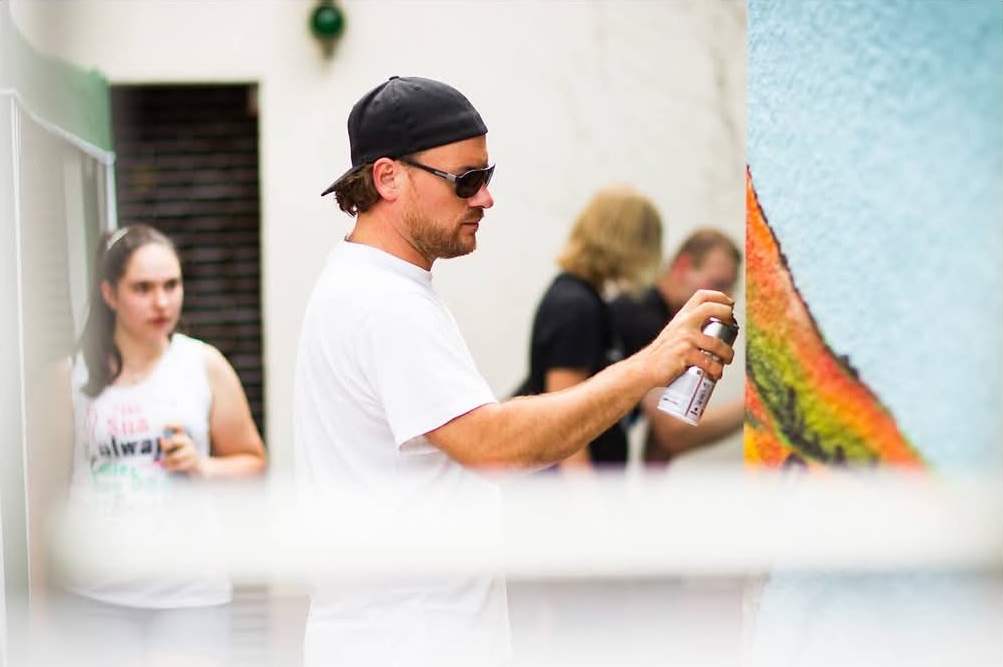
I made music for like 20 or 30 years now. I made some studio albums with conscious rap. We did some small tours and gigs around Berlin and so on. I mentioned that I did graffiti which is a part of hip-hop culture. And the music I make is a part of hip-hop culture. So it’s stuck together. I paint and a lot of the graffiti things are influencing my work even today. I have a lot of influences from the graffiti scene. And I’m influenced by artists who are totally unknown.
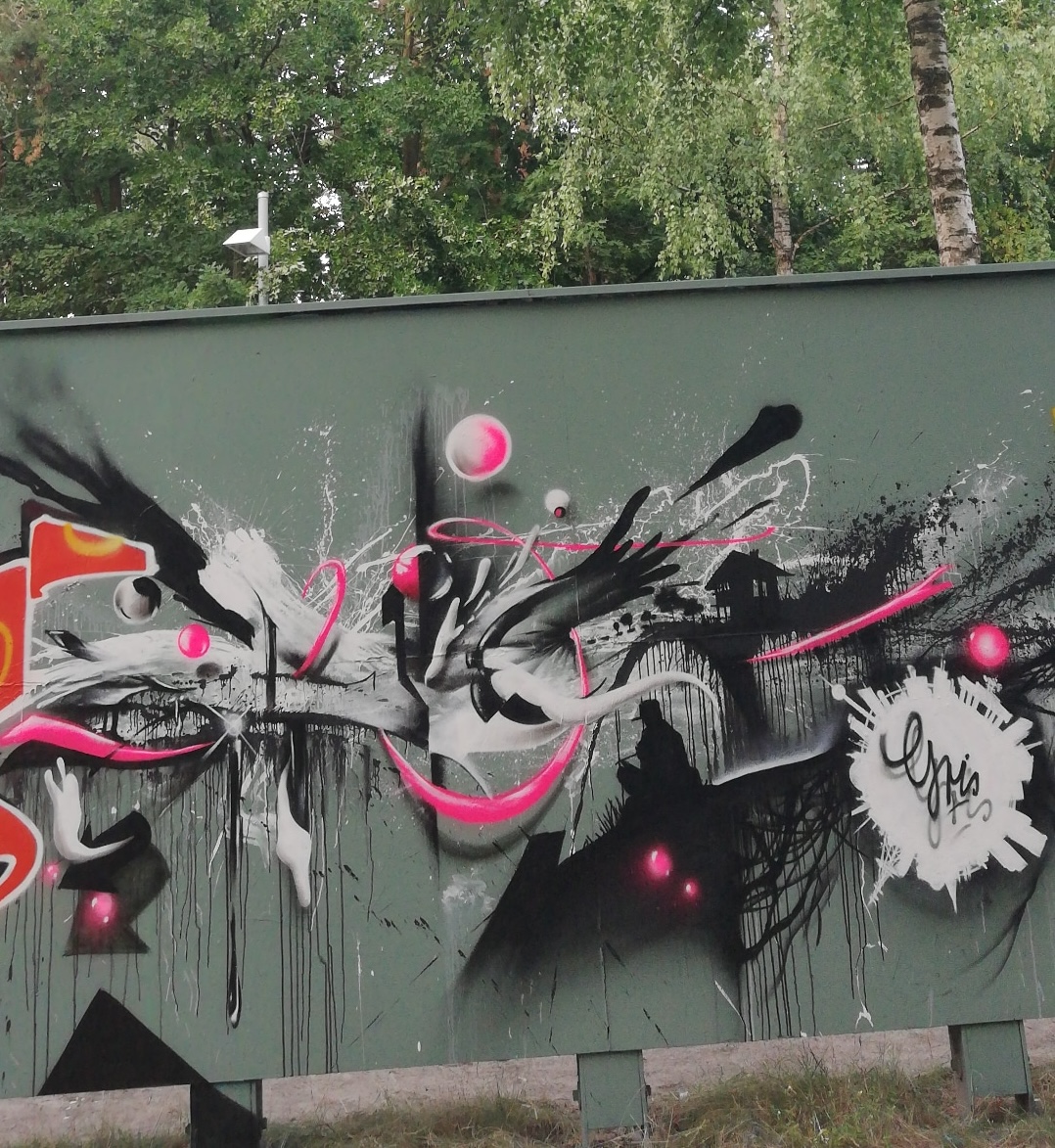
It was a big community. Like 50% of my friends did that and we traveled to other places and met new people and sprayed with them. We had our problems because it was and still is illegal. It forms a good strong community.
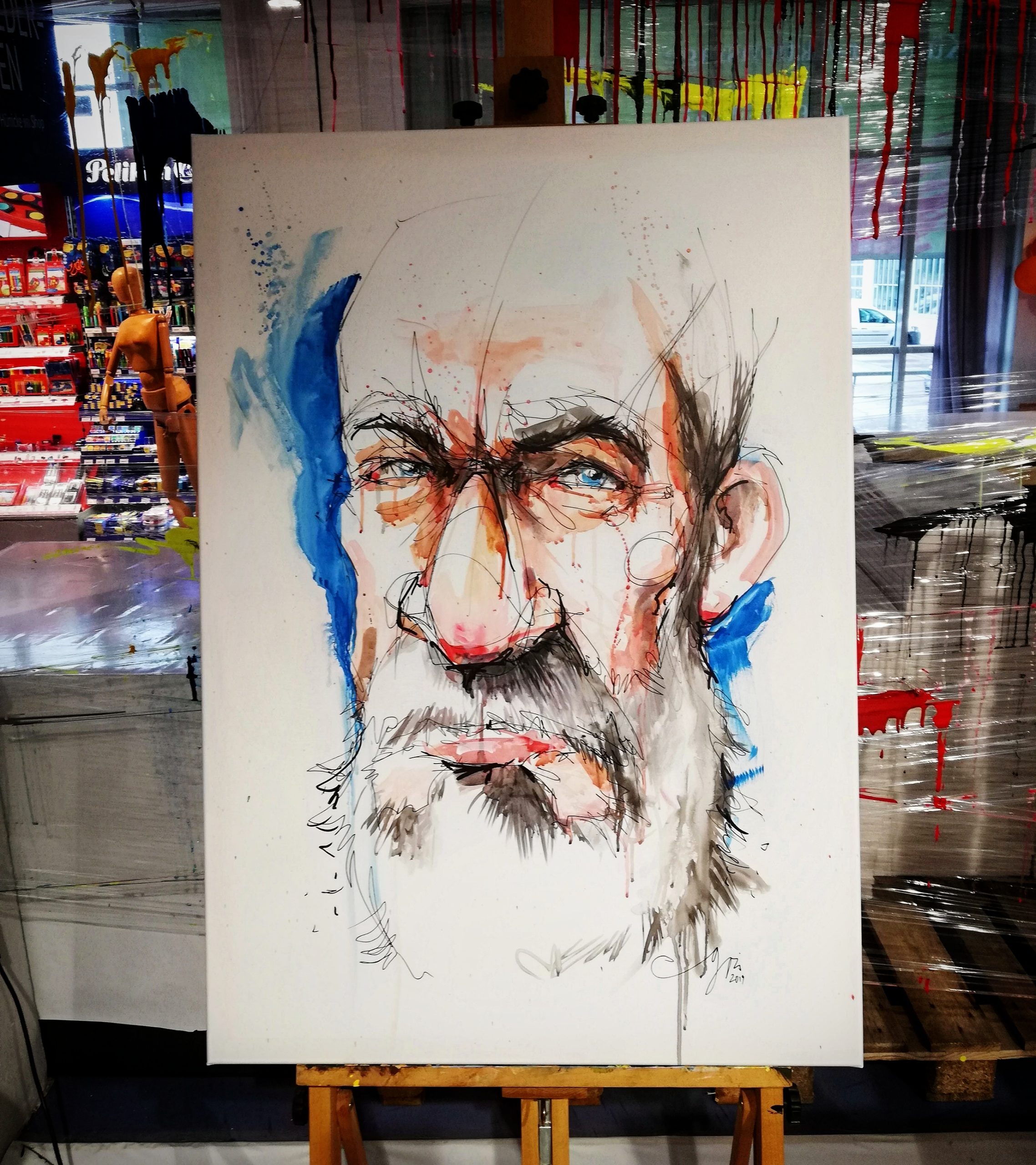
When I’m in my studio, it’s a small room in the house which I live in. I can do anything in there, larger watercolour pictures, even acrylic, or sometimes I use the spray can inside. So I use it as a normal painter’s studio. A typical working day is any day for me. For me as a professional artist and teacher, any day is Saturday and any day is Monday. Which means there is no difference between the days. I wake up early, I’m typically a foreign artist so I normally need to do some bureaucratic and email stuff. Then I start going out and then I think about, oh I have time, should I do a sketch or just call it training?
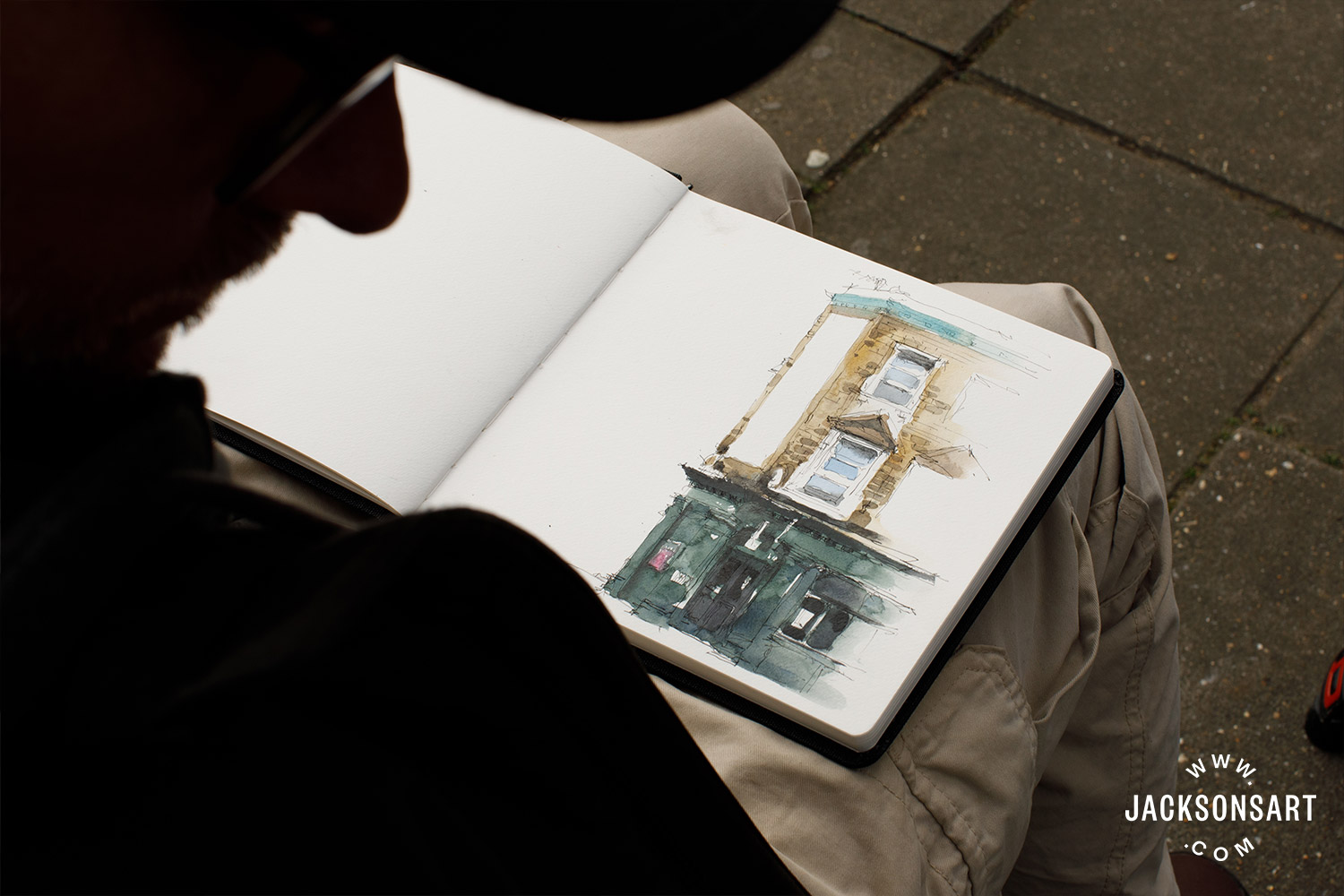
For me, a sketch is often not the final piece. I think about whether the sketch will be in my sketchbook, and whether I should sketch this or draw this. But it’s the process. And if I sit there on the corner and drink a cappuccino and do some lines and some sketching, I’m happy. Ideally, I go to the studio in the afternoon or the evening and finish the sketch.
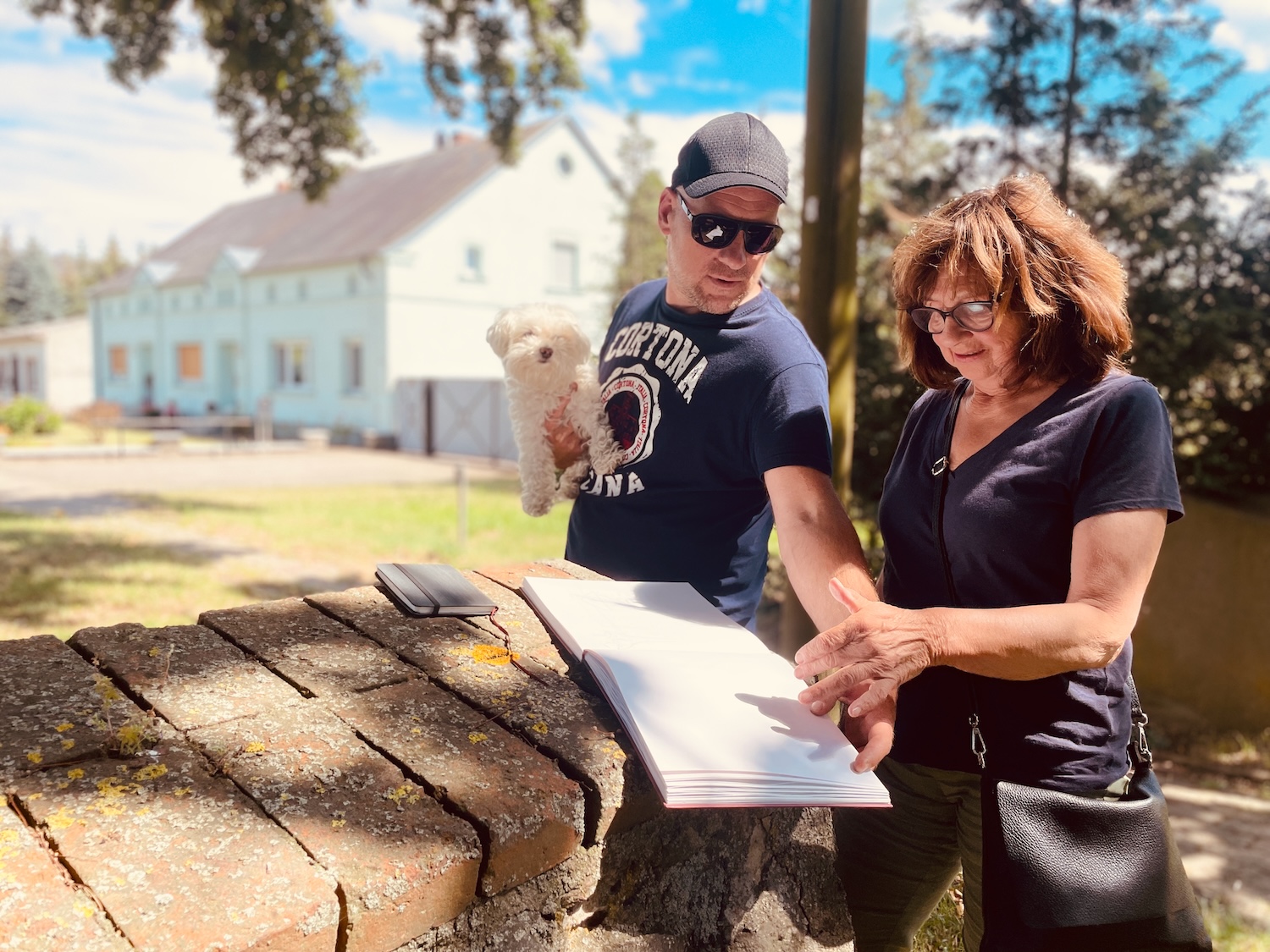
How did teaching change the way I do art? This is a problem for me because in the last few years, I haven’t made much art. Any time I painted it was for something else, for a workshop, for a course, for a video. When I think about it I instantly want to take a break from teaching and do like half a year just painting. Not thinking about students or how I can teach this to someone.
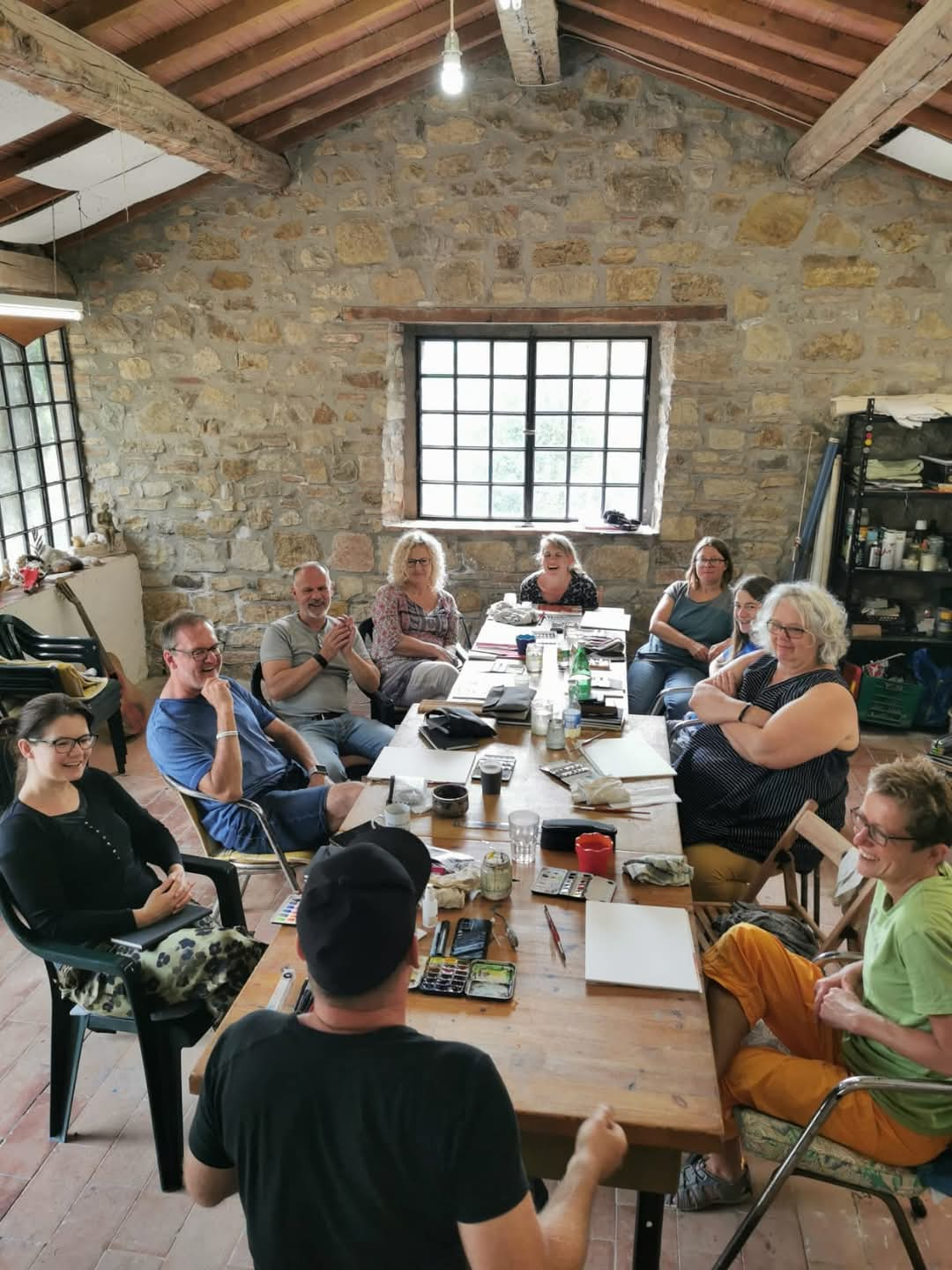
In the last few years, I’ve taught a lot in workshops, online workshops, and seminars. Journeys where people paint for one week in Mallorca or Italy or Austria or at the North Sea or East Sea in Germany. It is a very very good job and I love it, but if you teach painting six hours a day you won’t get in the studio and paint in the evening. Normally the artist’s life is you wake up in the middle of the day and then you start painting and painting and painting and painting. And you need to have time and room for that. If you give a lesson the energy is gone for painting.
What makes a good paper for me? My students ask me this or they come and say “Oh I have this paper, it’s 500 gsm. This must be good for this.” It’s a whole world of paper and different productions of papers and so on. I cannot say this is a good paper or not without testing it or if I know it. And it’s all about experience. I have spent so much money on paper.
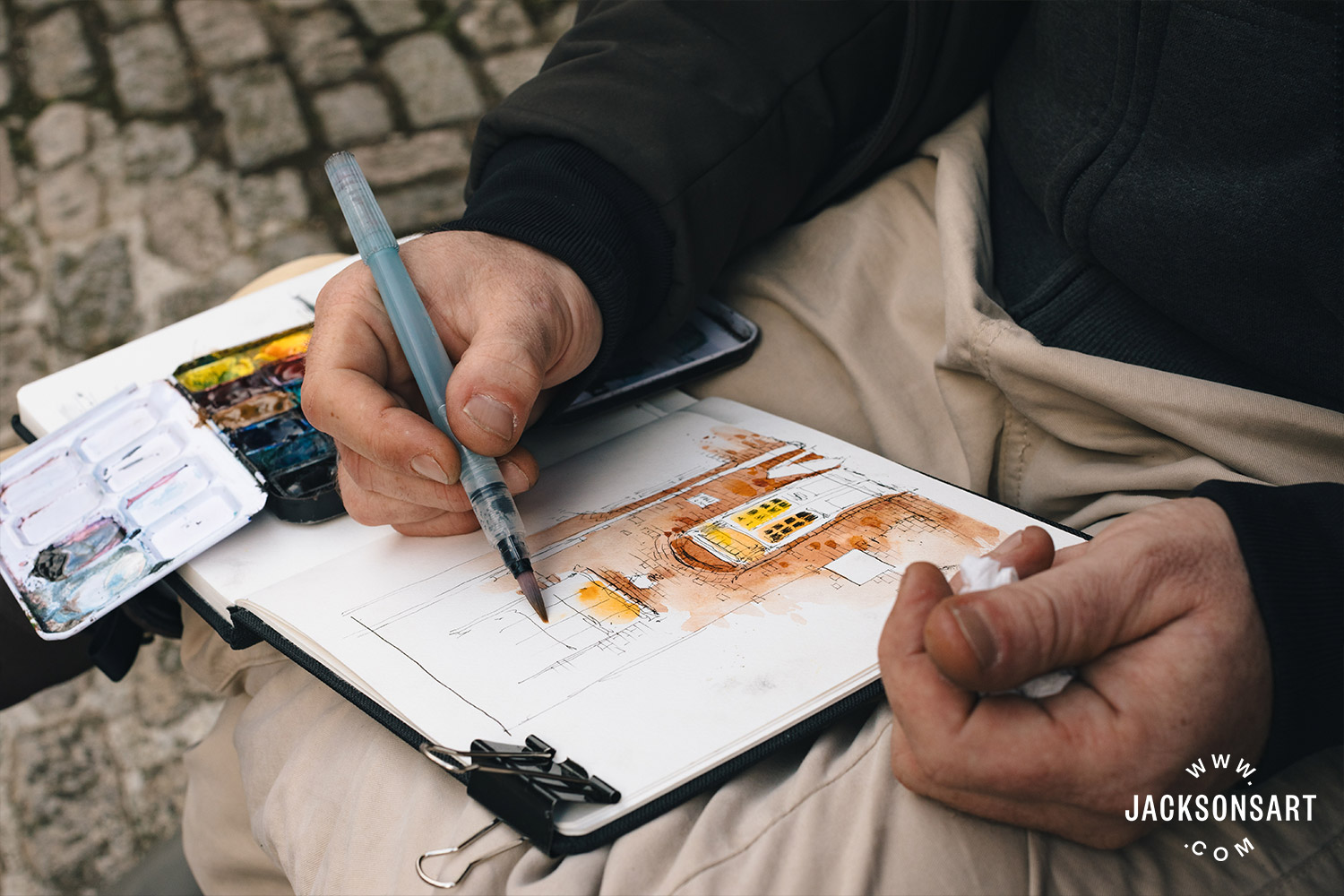
So my advice is to get good quality paper. Get cotton paper if you want to have the magic of watercolour. If you don’t you will be frustrated in five minutes, five weeks, or five months. I like the rough one; not so rough that I cannot draw with my fountain pen but textured enough so that the watercolour can do magic. It’s more comfortable drawing on a smooth paper but it has more magic if you colourise with watercolour on a rough paper.
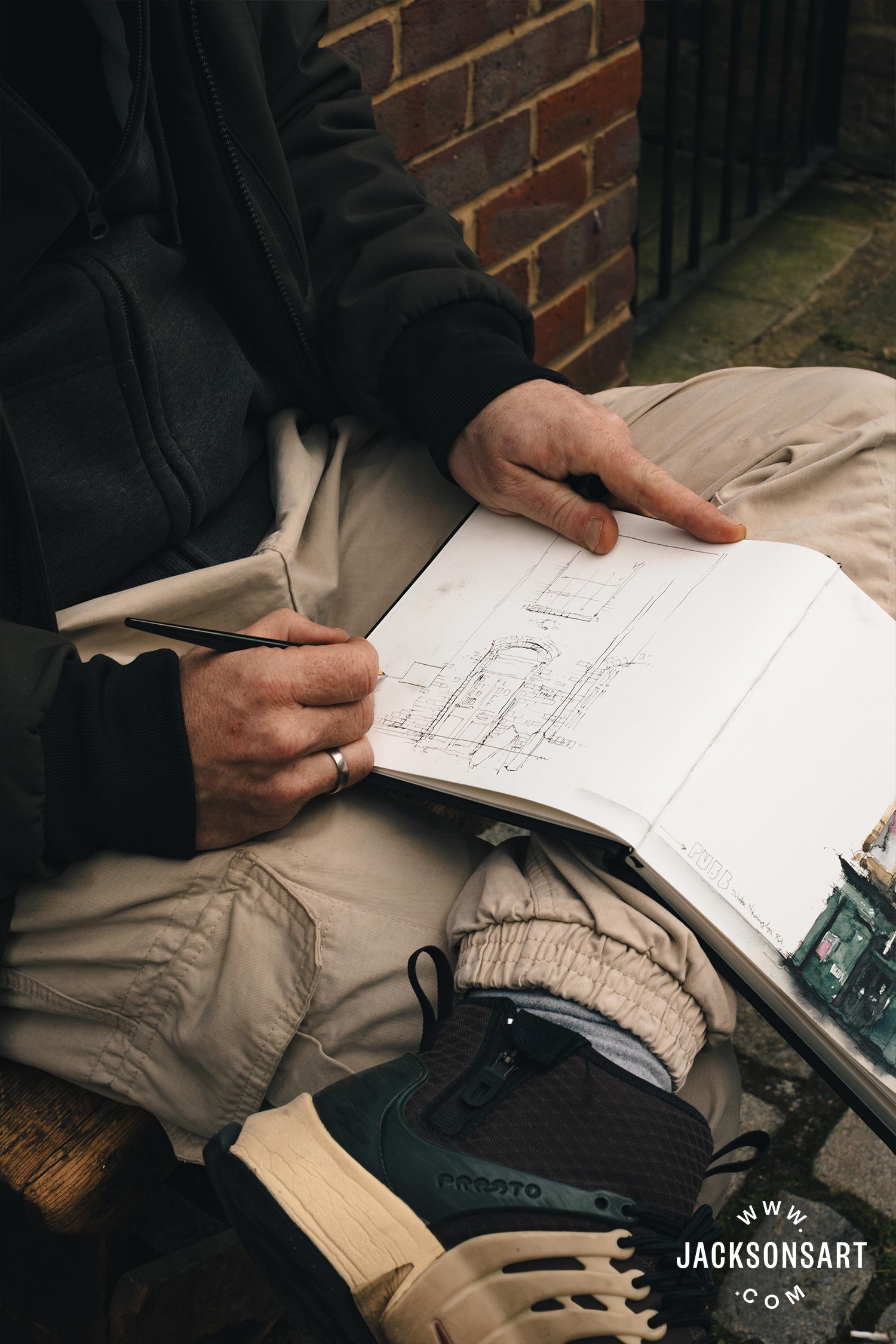
I prefer to use a sketchbook because it’s easier to transport. But my friends who are thinking about my financial situation always say “You’re such an idiot. Why don’t you paint on loose papers because you can sell it afterwards.” If somebody wants a sketch from my sketchbook and says “I want this. I love this. Can I have this?” I always have to say no because I don’t cut out sketches from a book. So if you want to sell anything it would be more smart to paint on loose papers. But I love having sketchbooks.
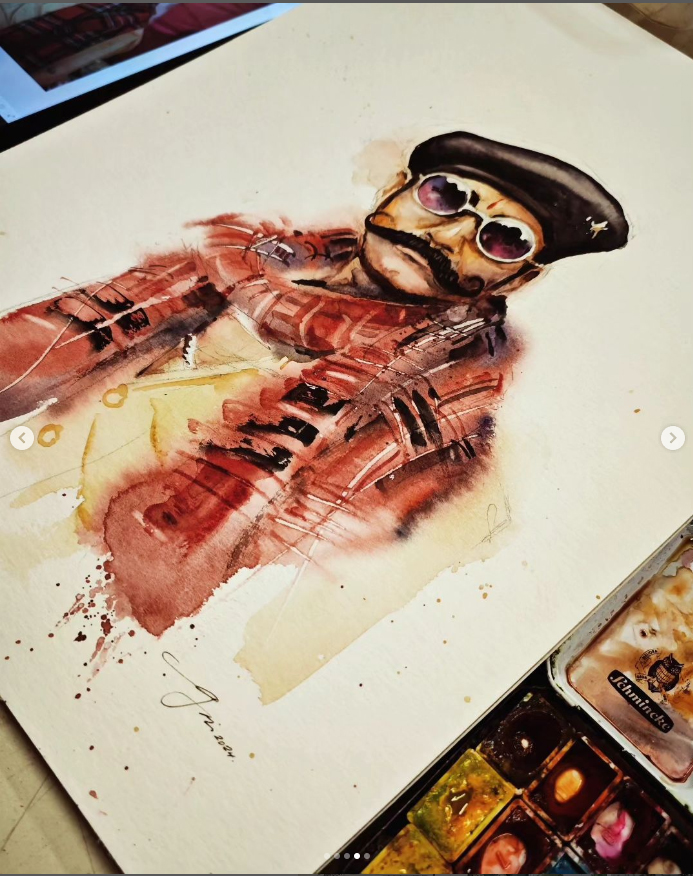
If you have a small brush you can use it often like a pencil and you start to fill out spaces with colours like with a pencil. If you have a good quality big brush but the tip is fine and stiff, you can do small and thin lines. Then you have anything you need. I’m lucky because Da Vinci made a brush with me and I could design it and say which hair, which size, and so on. So naturally this brush is my favourite brush. But when I’m sketching outside I always use a waterbrush pen because I don’t want to transport water and glasses and bottles.
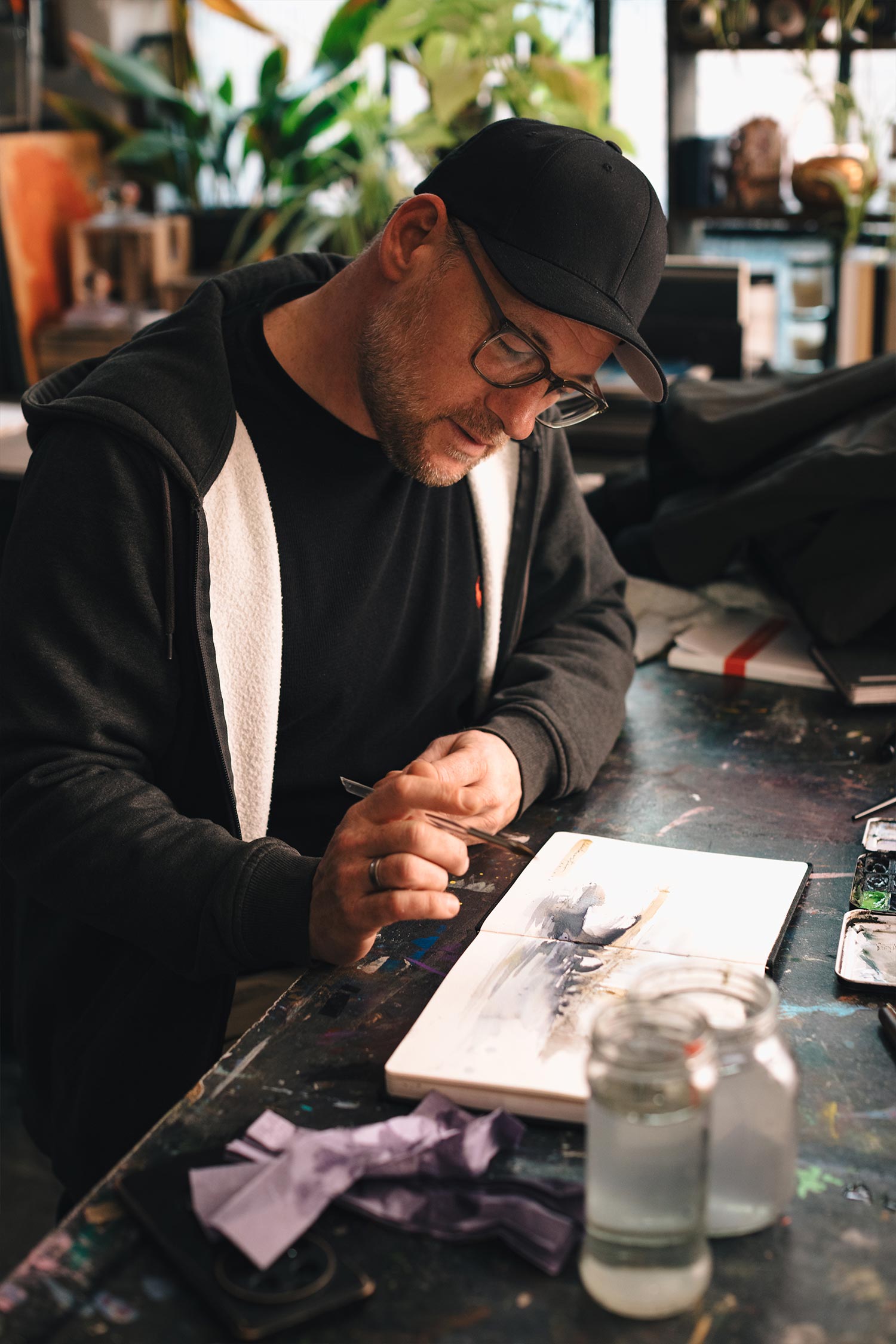
When you are a beginner I would recommend using a synthetic brush because mostly they are more stiffer and more like a pen or pencil. But you will come to the point when you want to do more and you see all the old masters using these softer brushes with real hair. Because they are not only stiff and only with a small point but they can do more. If you have a good brush with natural hair and you care about it, it will last longer than you.
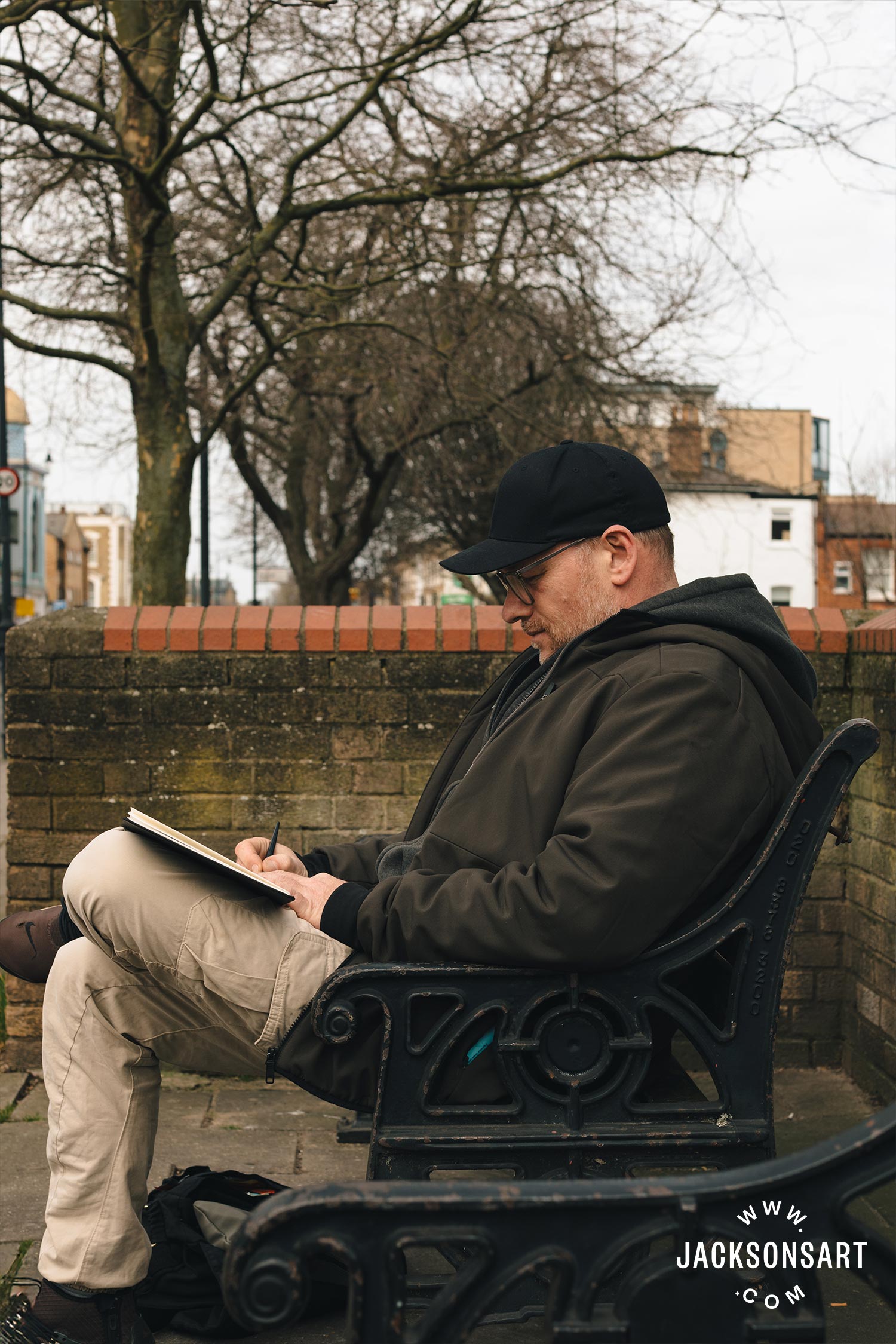
When I make a mistake in my painting I have three chances to correct it. For example, if you do this line and it’s not straight you can do another one and the third one. But if you do more it will get stuck. Otherwise, if I see a real mistake and I cannot unsee it then I mark it. I draw a little arrow at it and say I try to make the negative positive. I always ask myself if this is enough, if it’s working like this or if I do need to draw more. And this is what a sketch means to me. Do the minimum of work until it works. If you do more it’s not a thought, it’s not wrong but it’s not a sketch anymore. A sketch is the minimum of effort in the drawing, in the colour. If it’s working it’s done.
Further Reading
Schmincke Horadam Limited Edition Watercolours
Recreating the Colour Palette of Eric Ravilious
Artist Review of Pith Sketchbooks
Shop Schmincke on jacksonsart.com
8 thoughts on “Artist Insights: Gris”
Thank you for this inspiring video. Love
Gris’ art. Funnily enough, I live in the very
town where Schmincke is located, would
love to visit them, sadly it’s not
possible. Gris, I hope you follow your
inspiration and also get to sketch more.
This is, by far, my favourite ever Jackson’s
feature. His style and approach,
methodology and thought process is
simple yet so effective and beautifully
stylish. He loves to paint and this shines
through more than anything and, I would
think, could only enlighten and encourage
others like it did me. Thank you.
This was a fascinating glimpse into an
artist’s psyche. Gris seems so
approachable and engaging. This was
one of the best artist’s videos I’ve seen
from Jackson’s, and I’ve seen a lot of
them. Thank you Gris and Jackson’s. I
was inspired.
I feel so inspired to try sketching with a
fountain pen and permanent ink after
watching Gris sketch! I’d also like to try
those watercolors, maybe soon. What an
amazing artist he is and this was such
an interesting article, Thanks!
Hi, what is the water resistant ink that Gris
uses for his fountain pen- I have not been
able to find any and would love to. Also
which water brushes does he use? Thanks!
Hi Hannah! Gris is using a Platinum fountain pen with Platinum carbon ink, and it is a Pentel waterbrush (with a broad tip)
Very inspiring and encouraging video . What
make is your fountain pen please? I would
like to get one like that. Your paintings are
wonderfully natural. I haven’t done any art
ffor a long while since Covid lockdown then I
had eye ops and have now got glaucoma
plus I will be 79 in July, but you have made
me have the courage to start
again regardless of my disability. Thank you
so much.
Thank you for your comment, and I’m so glad you found inspiration in Gris’ work. He is using a Platinum fountain pen with Platinum Carbon Ink. All the best with your creative work!
Comments are closed.