




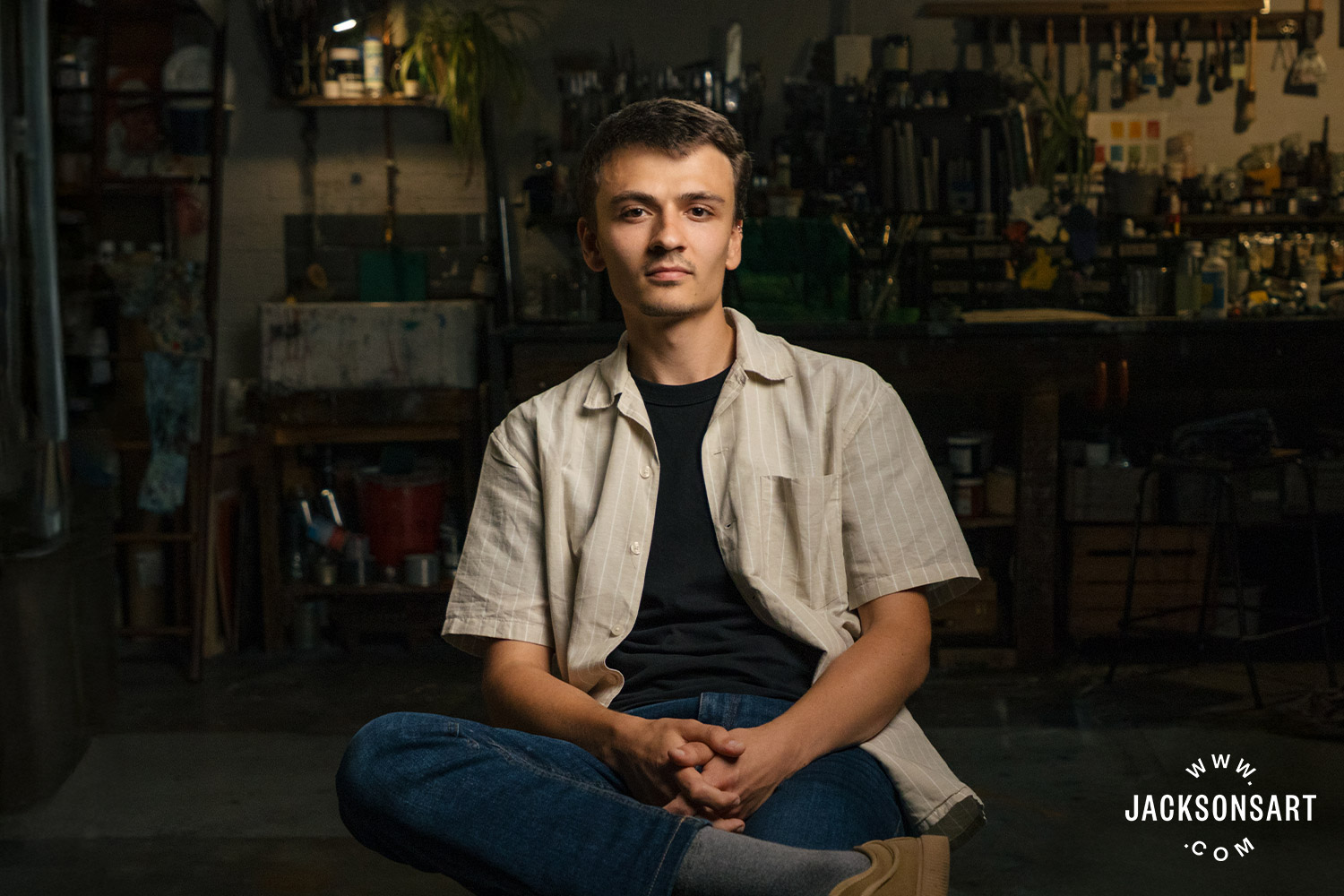
In this Artist Insights film, Portuguese painter Afonso Rocha visits Jackson’s Studio to share his journey as an artist, learning to depict the human figure, understanding the landscape, and how these disciplines have shaped his rich and varied painting practice.

Contents
0:00 “I think I want people to feel a bit uneasy when they look at the paintings.”
0:57 Introduction
1:27 “I try to paint either with silence or I listen to a lot of music. People tend to make a bit of fun of me because I listen to opera only almost.”
1:43 “My parents are both art teachers, and so I think growing up, both me and my brothers, just around the house painting and drawing was just sort of an everyday thing.”
5:01 “One of the funny things is that I was terrible at drawing human figure.”
6:42 “It was quite meditative because when you’re painting a landscape and you’re looking at it you’re not really thinking about anything.”
7:49 “I feel like a painter is a bit like you’re always stealing things from someone else and making them your own.”
8:56 “My friends were mocking me because I was like the painter who doesn’t paint…I was just thinking and drawing a lot.”
9:38 “I’m not creating an ideal world. I’m not creating a depiction of a terrible world. I’m just sort of mirroring our own world.”
10:24 “In my paintings, people tend to be quite lonely or melancholic.”
11:34 “I think it’s like a really fine line that I’m trying to be on between being overly provocative and being overly banal and just empty.”
12:52 “I get asked a lot why do you paint people naked or half naked or whatever. I think the answer is because people are naked sometimes, are half naked sometimes.”
14:21 “I think humour is quite an important tool in playing with this emotional response.”
15:36 “The landscapes, they allow me to bring the intimacy of what happens usually behind closed doors to the outdoor space.”
16:42 “The intimacy of 20th-century painting, and at the same time, the landscape-like situation of impressionism.”
18:14 “And so when I’m painting, if I have a crazy idea, if I’m like, if it occurs to me and if it’s doable, I just try it out.”
19:35 “I literally do a puzzle, like a collage, trying to see how they fit together. And if you put this character next to that one, what does it make you feel?”
20:47 “I do to plan and map out the compositions.”
21:33 “I wanted the painting, the final result, to be as truthful as possible to my practice and to my process.”
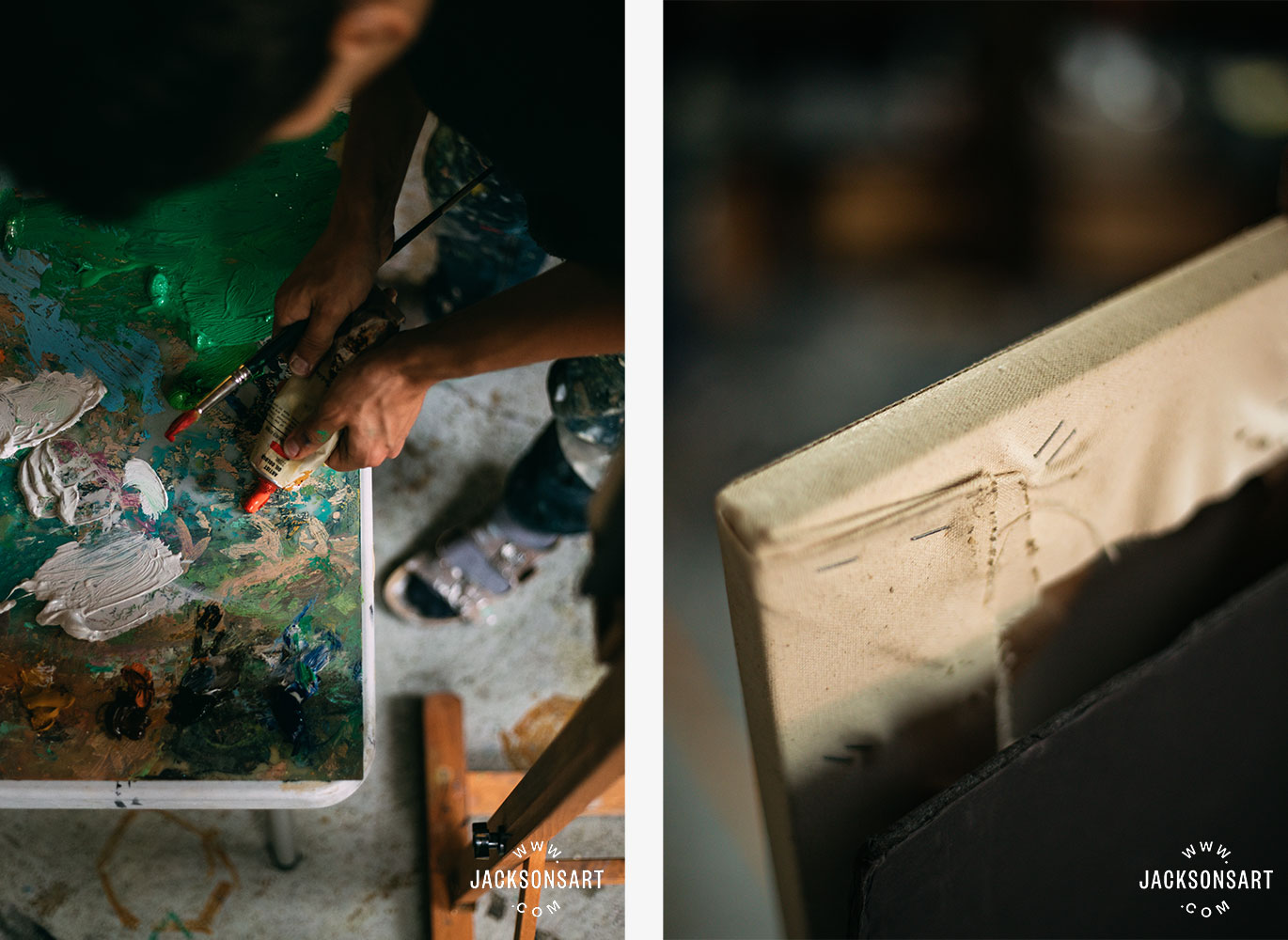
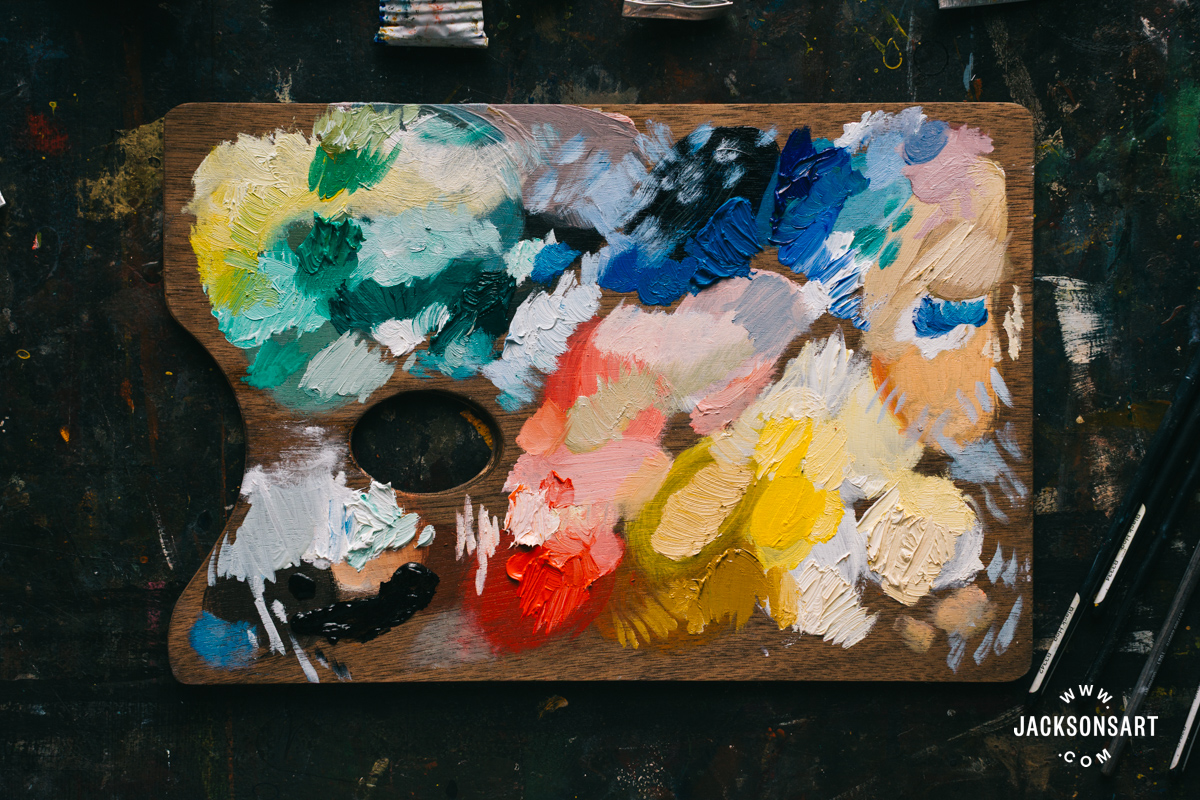
22:15 “I think the main reason why I use oils is because I just don’t have to worry about it. I can stretch it as far as I want. I can do something really flat and do something really textural.”
25:11 “I think in a year, I use like 30 litres of something more of solvent, it’s like an addiction.”
25:53 “The palette knife helps me mix a large amount of colour that all looks the same.”
26:14 “I think when I’m doing it I’m like in 100 years if someone cares about my painting they’ll know it’s mine because it’s like has my fingerprint in the paint.”
26:55 “I use just cotton duck canvas, raw canvas.”
27:24 “I feel like when you’re starting a painting, there’s huge amounts of possibilities.”
28:00 “You become sort of a voyeur in the scene instead of just someone looking at a painting.”
29:03 “I usually think that the less you do, the better the painting is.”
32:11 “Throughout time, I think I realised that I could use the titling to do something else, and to sort of establish a mood an intention for the viewer, to sort of have a shortcut to understanding my universe, and what I’m trying to to do.”
33:23 “I think at the end of the day, the reason why I like painting is because it’s challenging, and because I want to do something that echoes in other people’s lives.”
34:53 “Keep working and working, and I think if you really believe it, I think things just become something.”
36:31 Credits
Extract
My name is Afonso Rocha. I’m a Portuguese painter based in London. And I’m here at the Jackson’s Studio to talk a bit about my practice. I think I want people to feel a bit uneasy when they look at my paintings. I want them to not be exactly sure what to feel. I think that’s the end goal – to create an image that you’re looking at and you can’t really place yourself. What do you want to feel about it? Should I really not like this? Should I be judging this? Should I be feeling emotional about it? And so I think in bringing all of this together, you create a lot of possible readings and narratives.
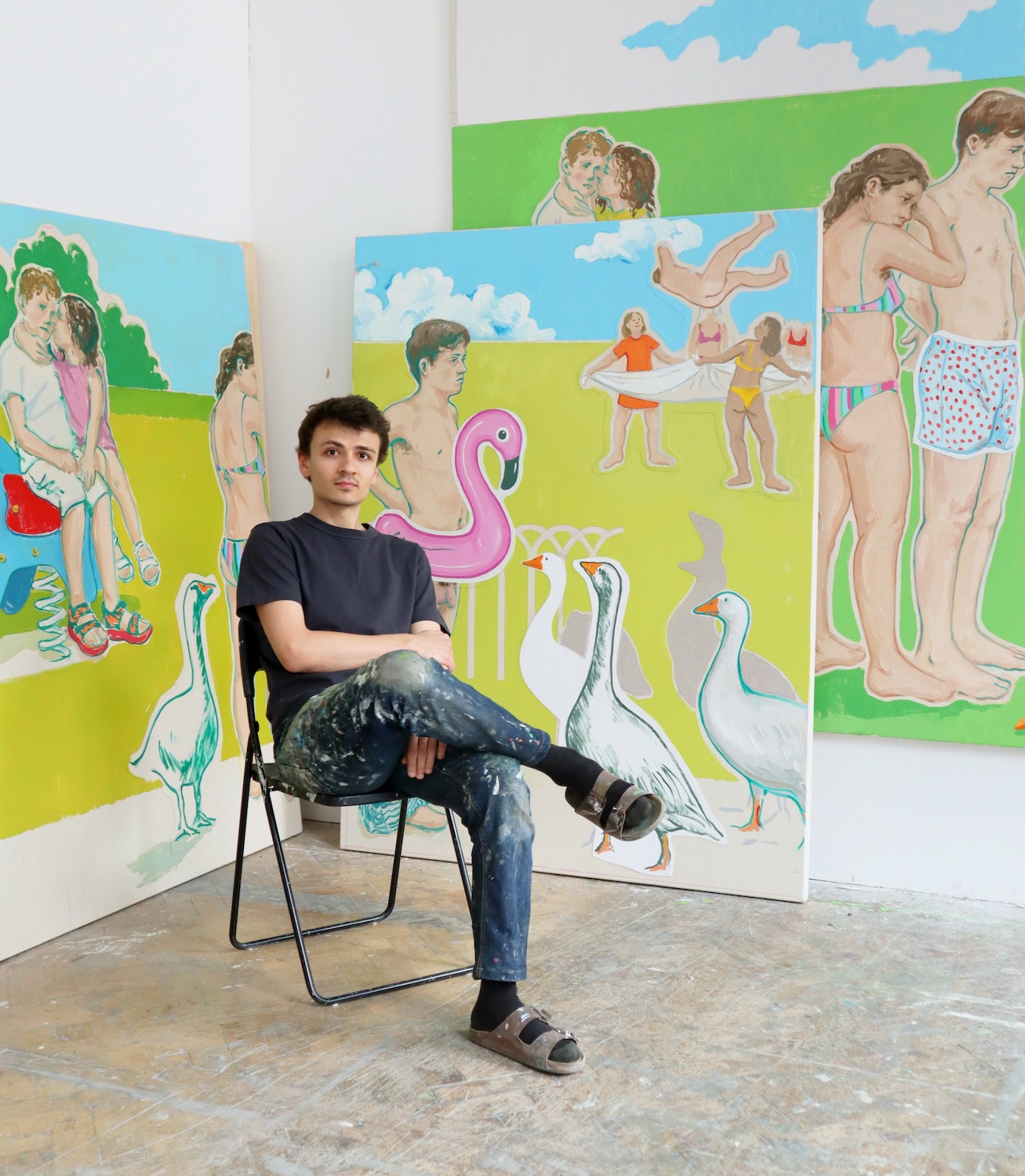
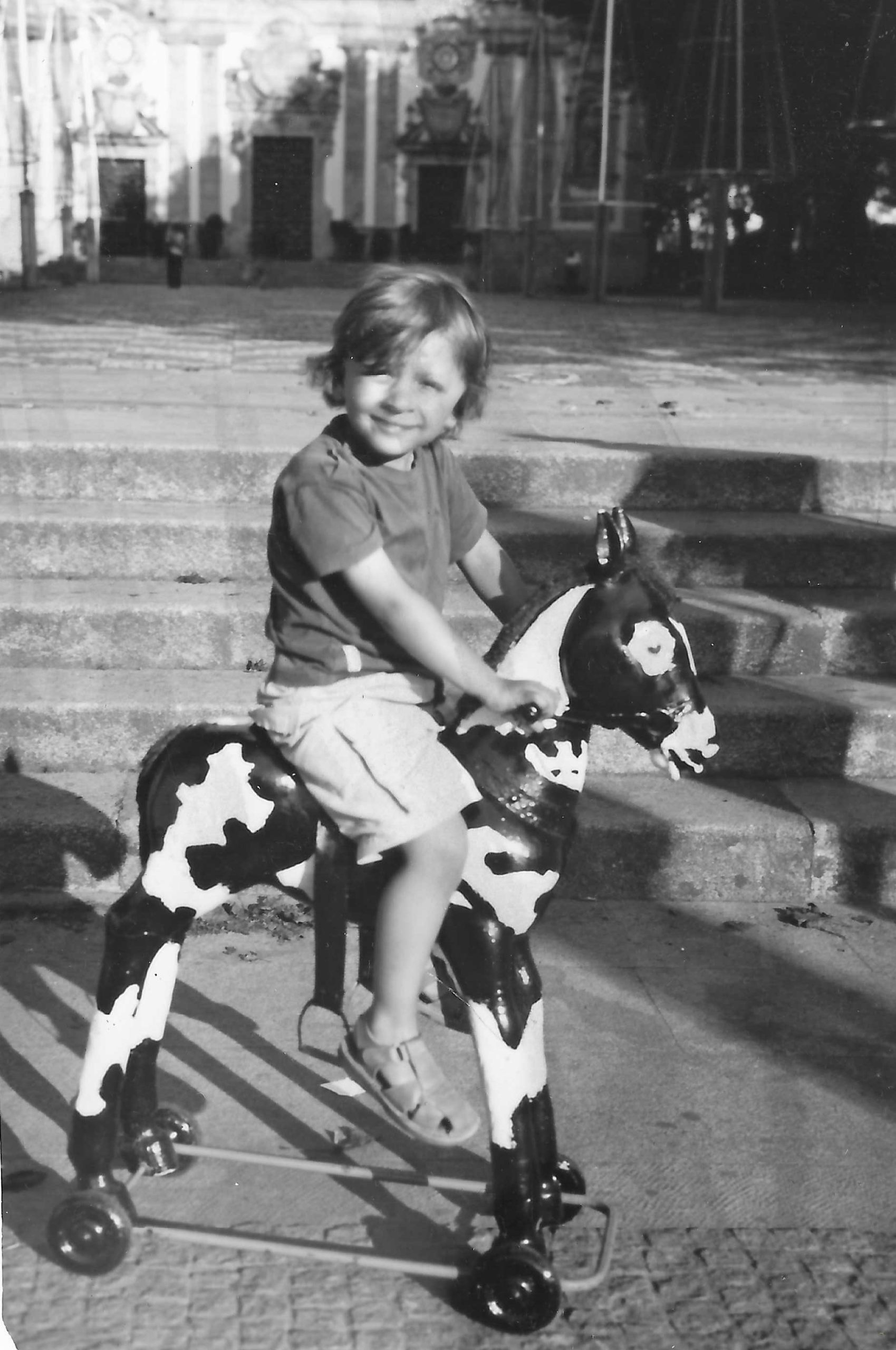
Photo credit: Maria João Magalhães
Afonso Rocha
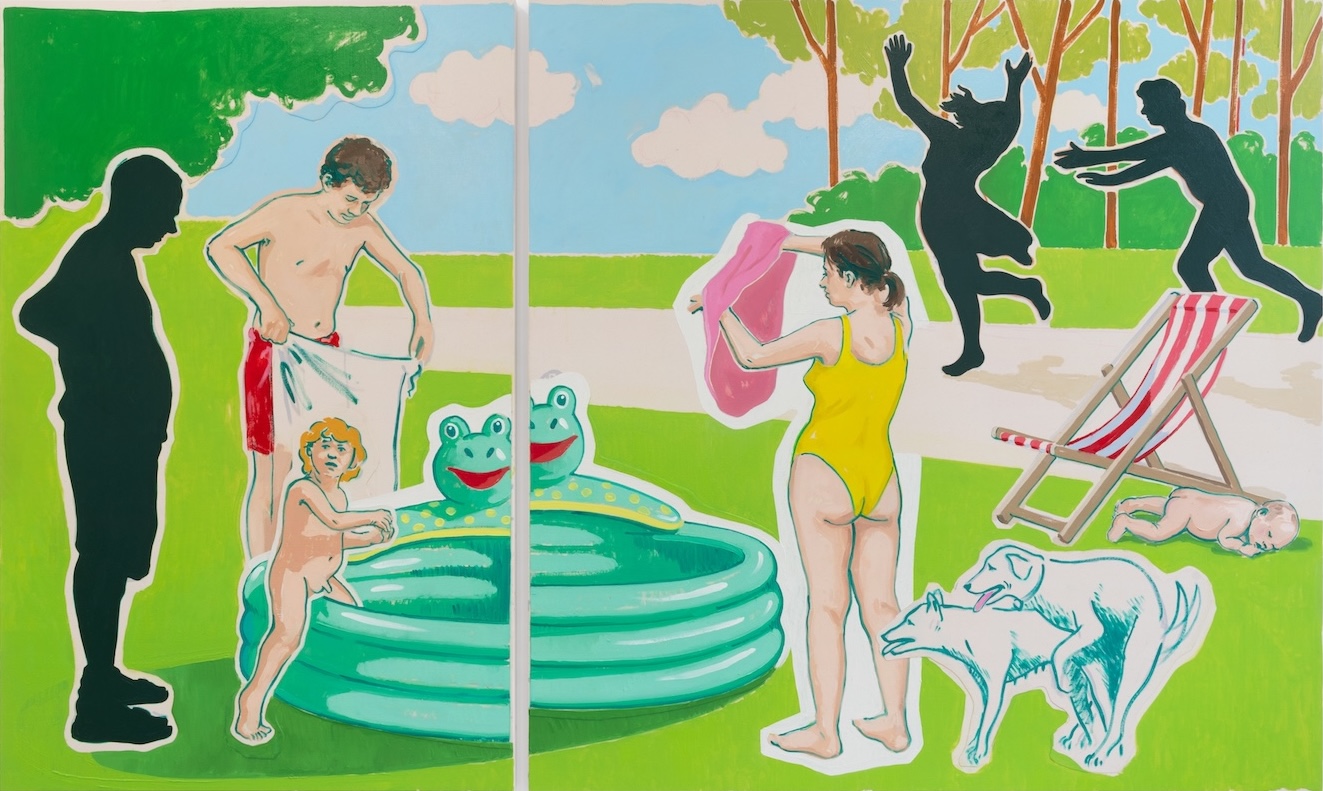
Oil and collage on canvas, 200 x 330 cm | 78.7 x 129.9 in
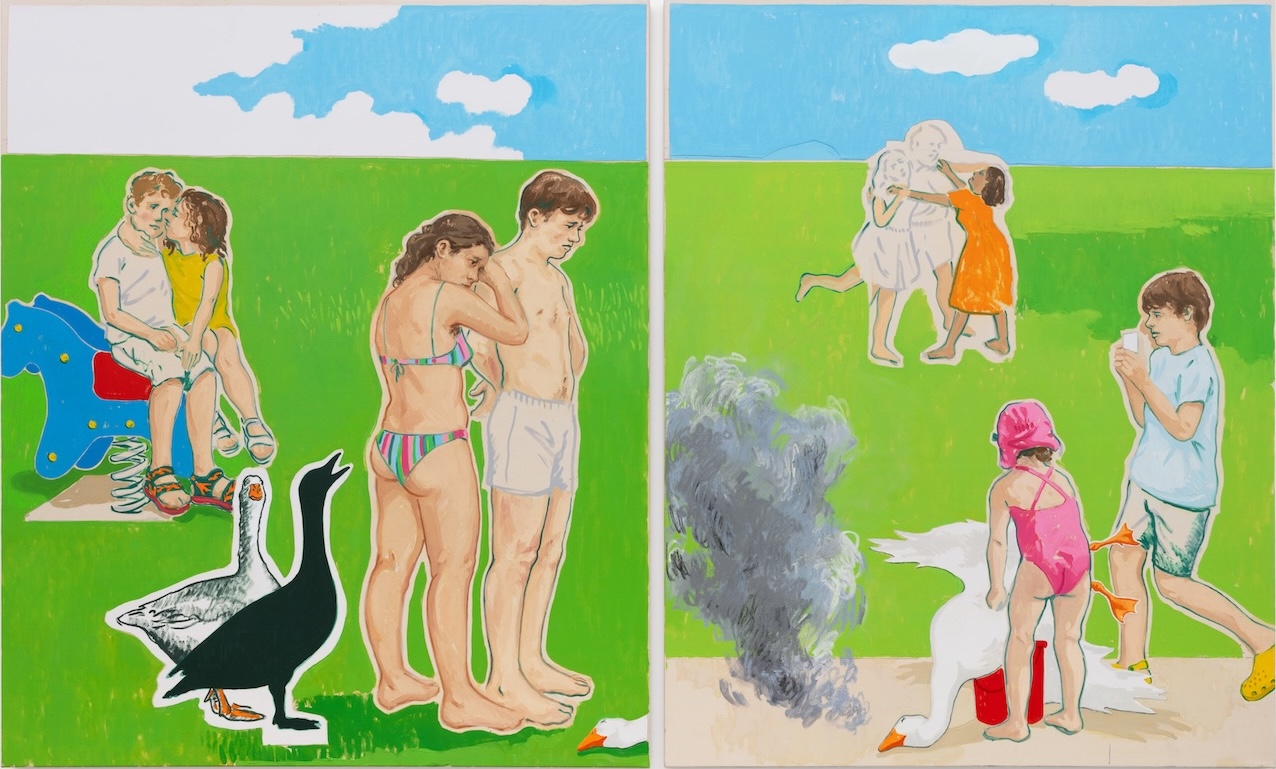
What I try to do when I’m painting is focus on creating the compositions. I’m not trying to set one narrative for people to follow. I’m not trying to pass along a specific reading. I’m trying to sort of feed the viewer things to reflect on and see what they can grab in the painting. And I think that’s what makes it interesting, is the fact that it’s sort of a layering of information, a layering of possible meanings. And everyone has to sort of decide where they want to place themselves in the middle of it all.
Afonso Rocha
Oil and collage on canvas, 200 x 330 cm | 78.7 x 129.9 in
I listen to a lot of music. People tend to make a bit of fun of me because I almost only listen to opera. When I was young, my parents had these recorded operas on DVD and I used to watch them on loop. My parents are both art teachers. And so I think growing up, both me and my brothers just around the house, painting and drawing was just sort of an everyday thing.
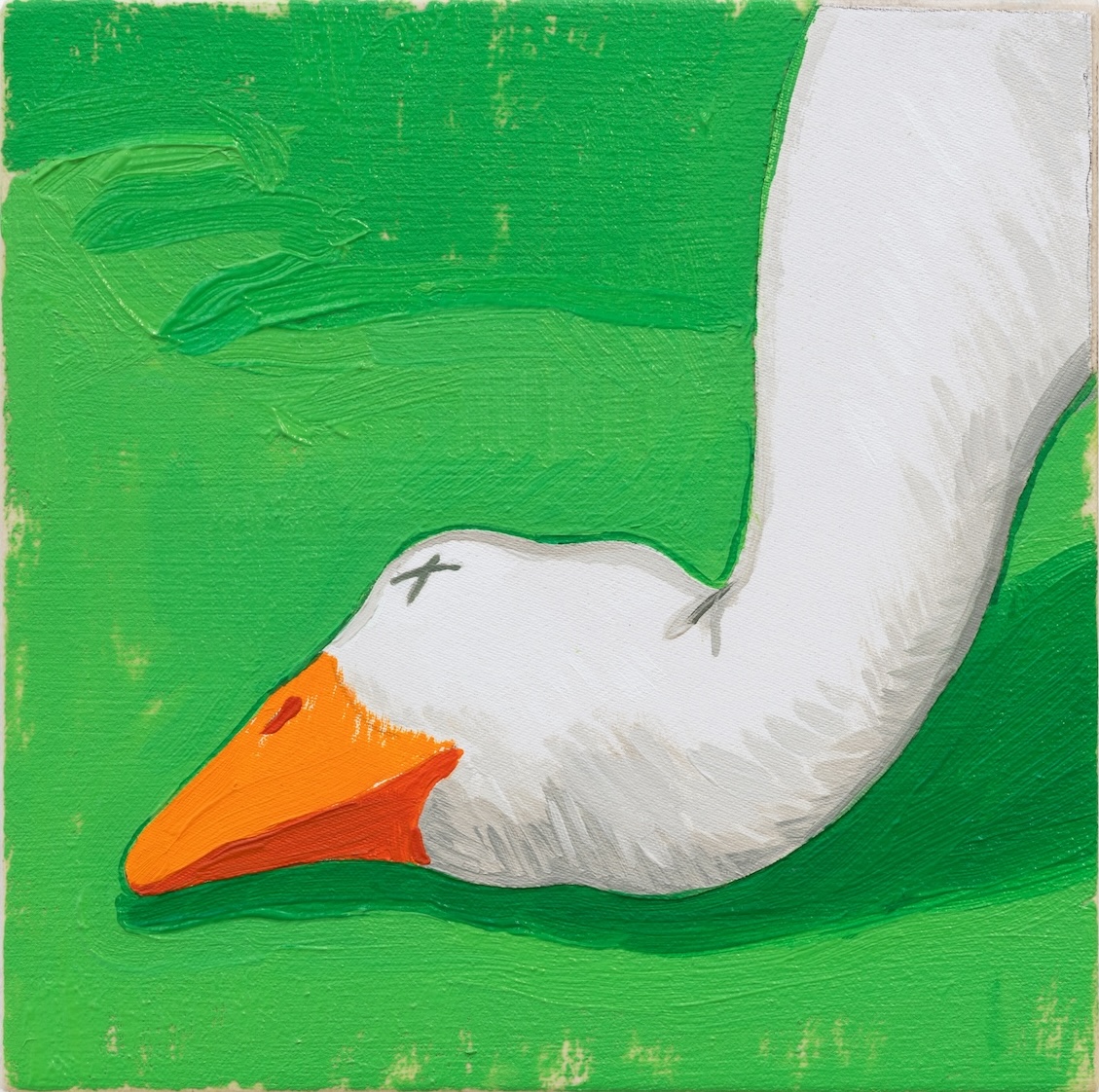
Afonso Rocha
Oil on mounted greyboard, 25.5 x 25.5 cm | 10 in x 10 in
I think the decision just made itself and I decided to go into art. At the time, my dad was taking his students to Madrid on a field trip. And I remember him coming back and bringing a couple of art catalogues. I remember one of them was a Lucian Freud book. He was showing the book to a couple of family members. And I remember going through it and there was something in the pictures, in the depiction of people and the use of paint. That really fostered my interest in painting.
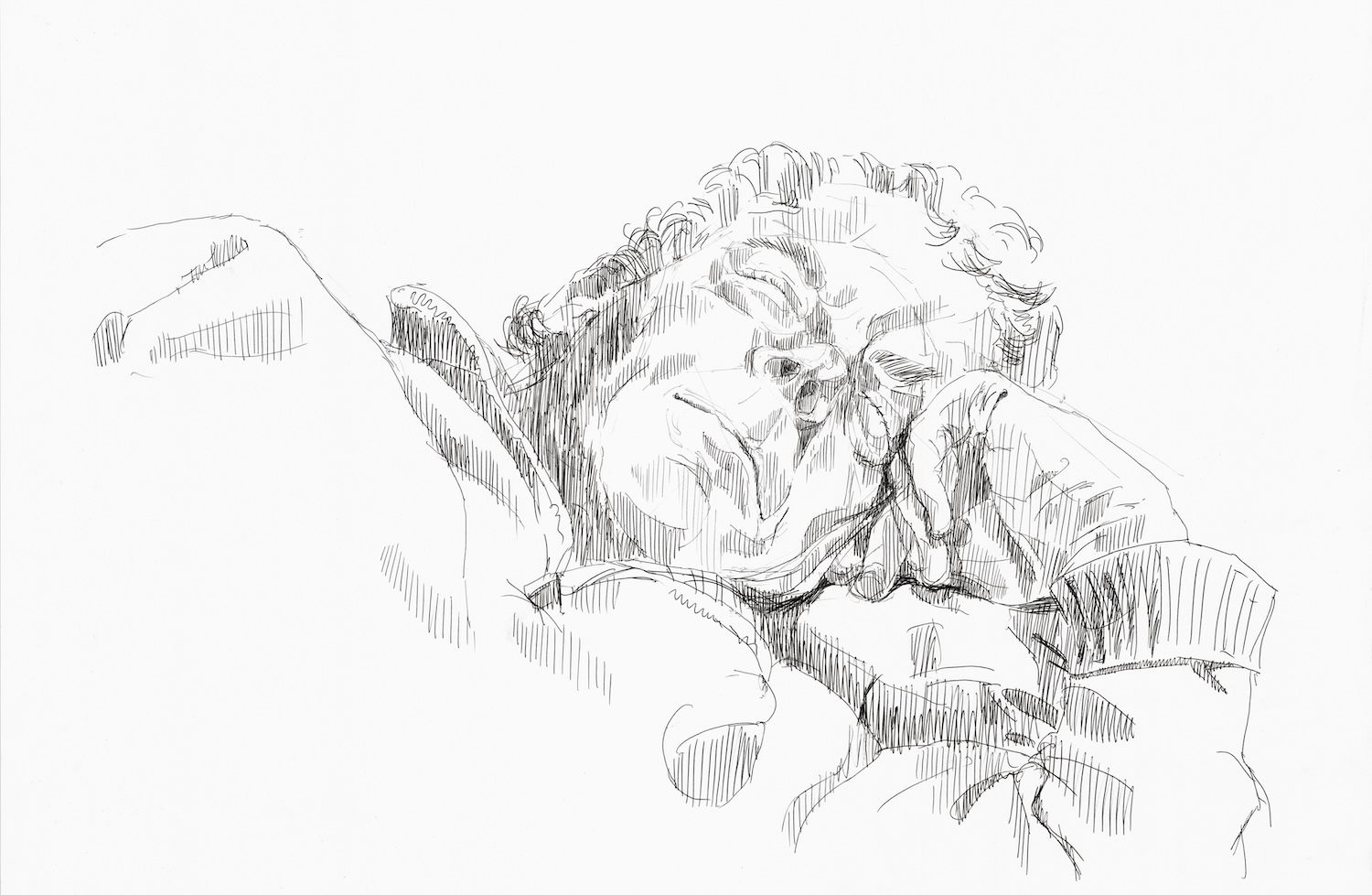
Afonso Rocha
Ball-point pen on paper, 42 x 60 cm | 16.5 in x 23.6 in
When the time came after high school to go to university, I chose the fine arts school. At the time, it felt like a big decision – having to take the tube alone to the other side of town, to a place I didn’t know. It was definitely outside my comfort zone.
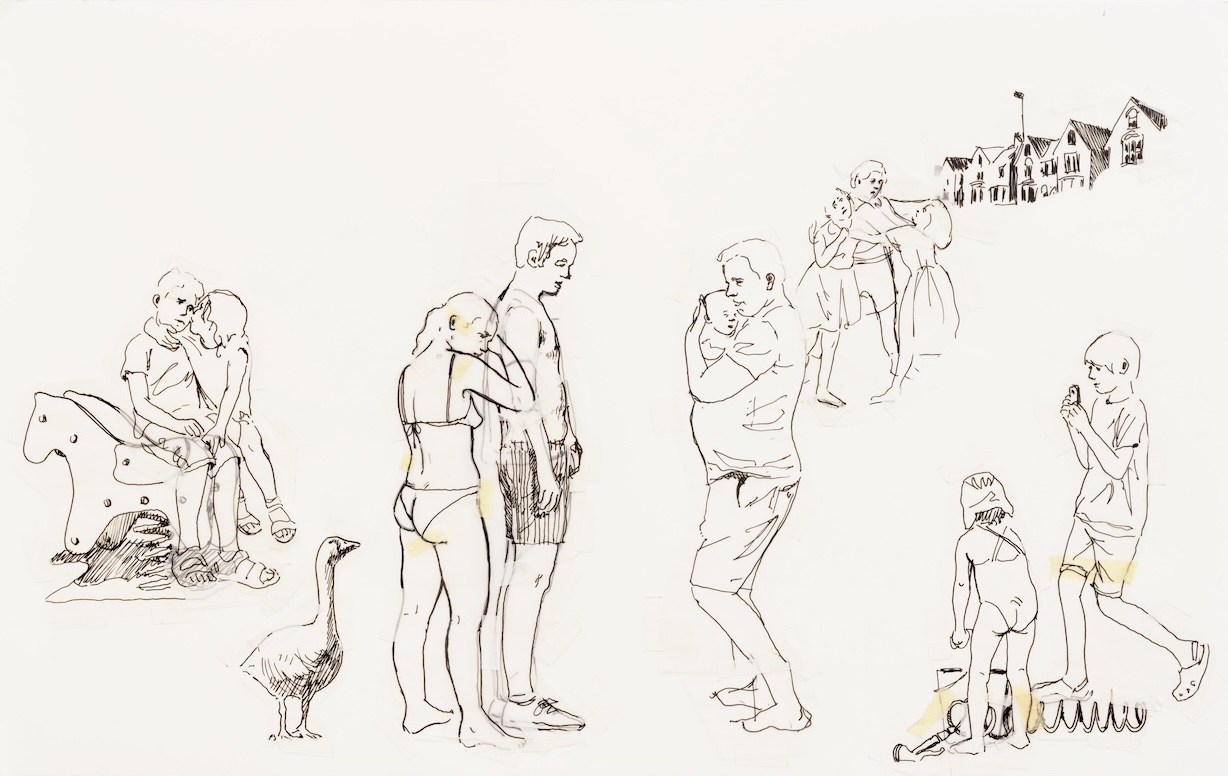
Afonso Rocha
Black pen and collage on paper, 35 x 56 cm | 13.8 in x 22 in
I went to study at the University of Porto Faculty of Fine Arts. The teaching there was quite academic. We had a lot of drawing, but that ended up giving me the tools that are fundamental in my practice today. We had, I felt from day one, a bit of freedom too, even though we were just doing a self-portrait, we could do it in our way. Even though we were just all doing the same exercises, we got to do it the way we wanted and put a bit of ourselves into what we were painting. That sort of created a really strong relationship to art history and to painters from the past, which became something fundamental in my work. The hard part was to drift away from that and not be dependent on the styles of painters from the past I like.
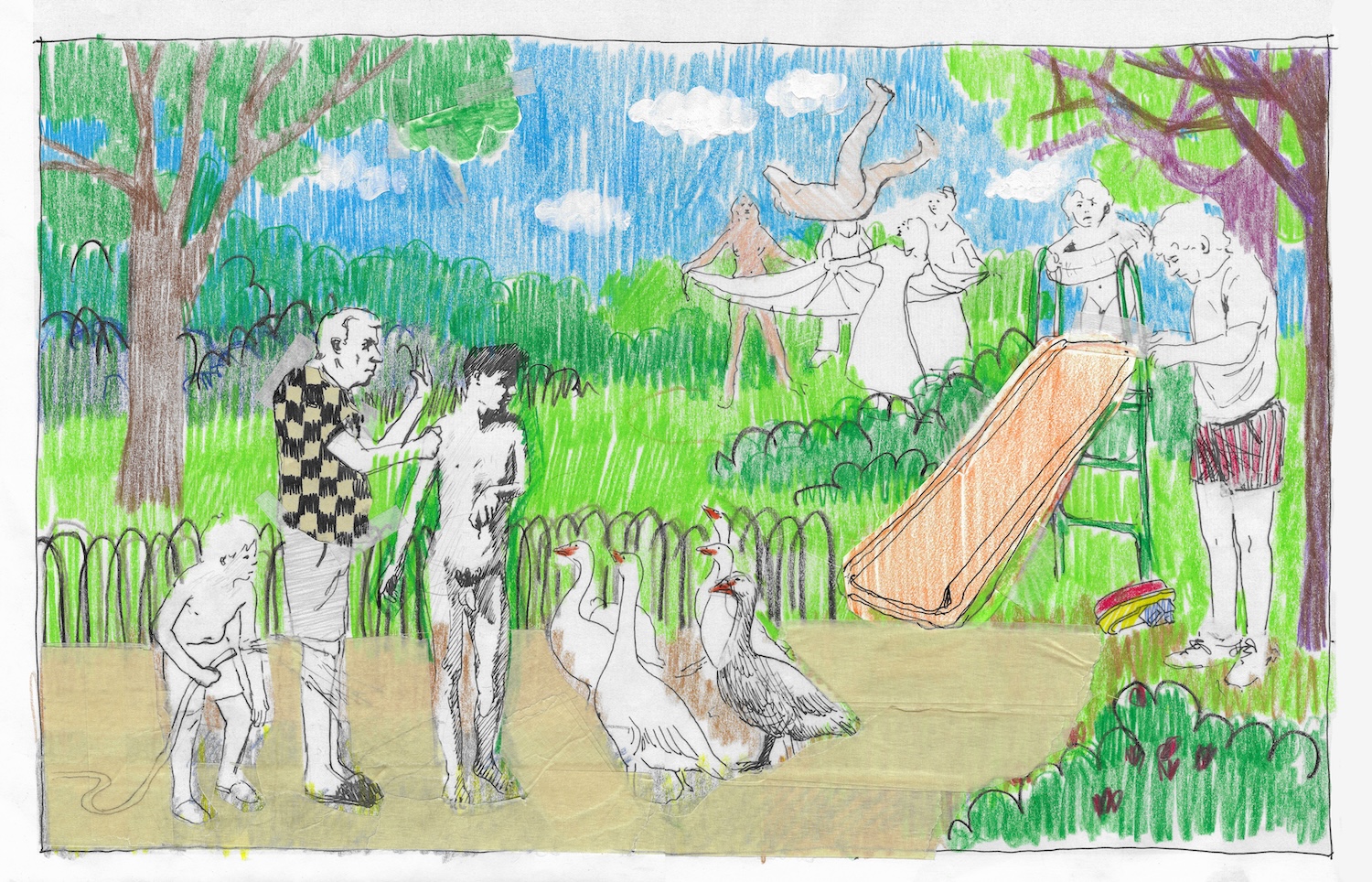
Afonso Rocha
Afonso Rocha
Black pen and collage on paper, 35 x 56 cm | 13.8 in x 22 in
And then in the third year of my BA, I went to do an exchange program in the Beaux-Arts de Paris. A lot of people like Degas and other amazing painters studied there. And at the same time, it was a huge city compared to where I was living in Porto. I was just baffled all the time. I remember I was painting the sky and I was like, “I don’t know how to paint the sky.” And then I would go to Musée d’Orsay and I was looking at, say, a Monet or something. And I was, “Okay, this is how you paint the sky.” And then I would travel back to school, which was like 10 minutes away, and finish the sky. It sort of opened my horizons a lot and made me realise the world was much bigger than I thought it was.
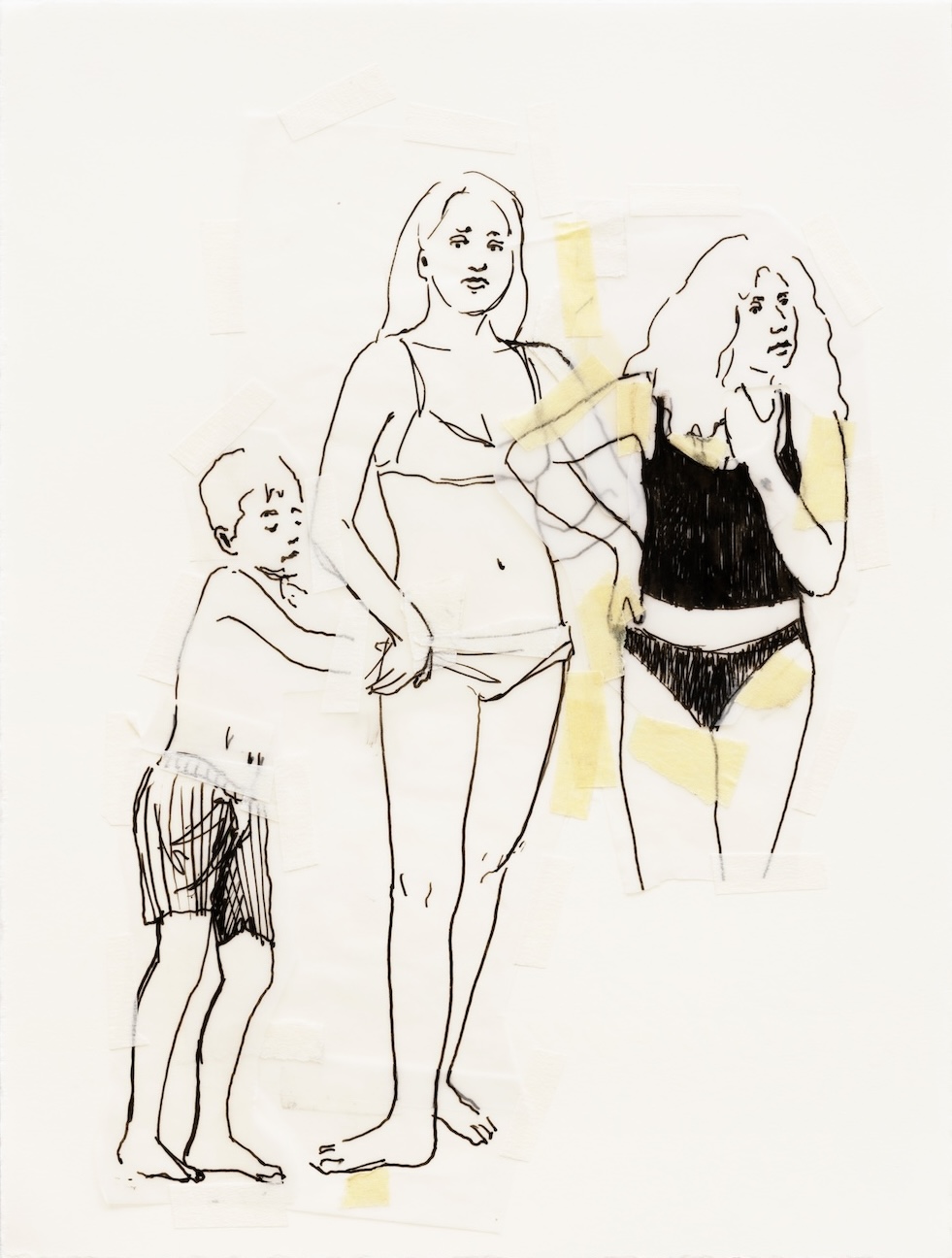
Afonso Rocha
Black pen and collage on paper, 27.5 x 20.5 cm | 10.8 in x 8 in
One of the funny things is that I was terrible at drawing a human figure. In Paris, they have these classes called morphology. The classes are in a huge room, sort of like a theater and they have these huge chalkboards. There would be three models posing at the same time, we would pick one of them. So we had, say, five minutes to depict the pose. After five minutes, the tutor would say, “Okay, that’s it.” And you would just erase it all from top to bottom and start again.
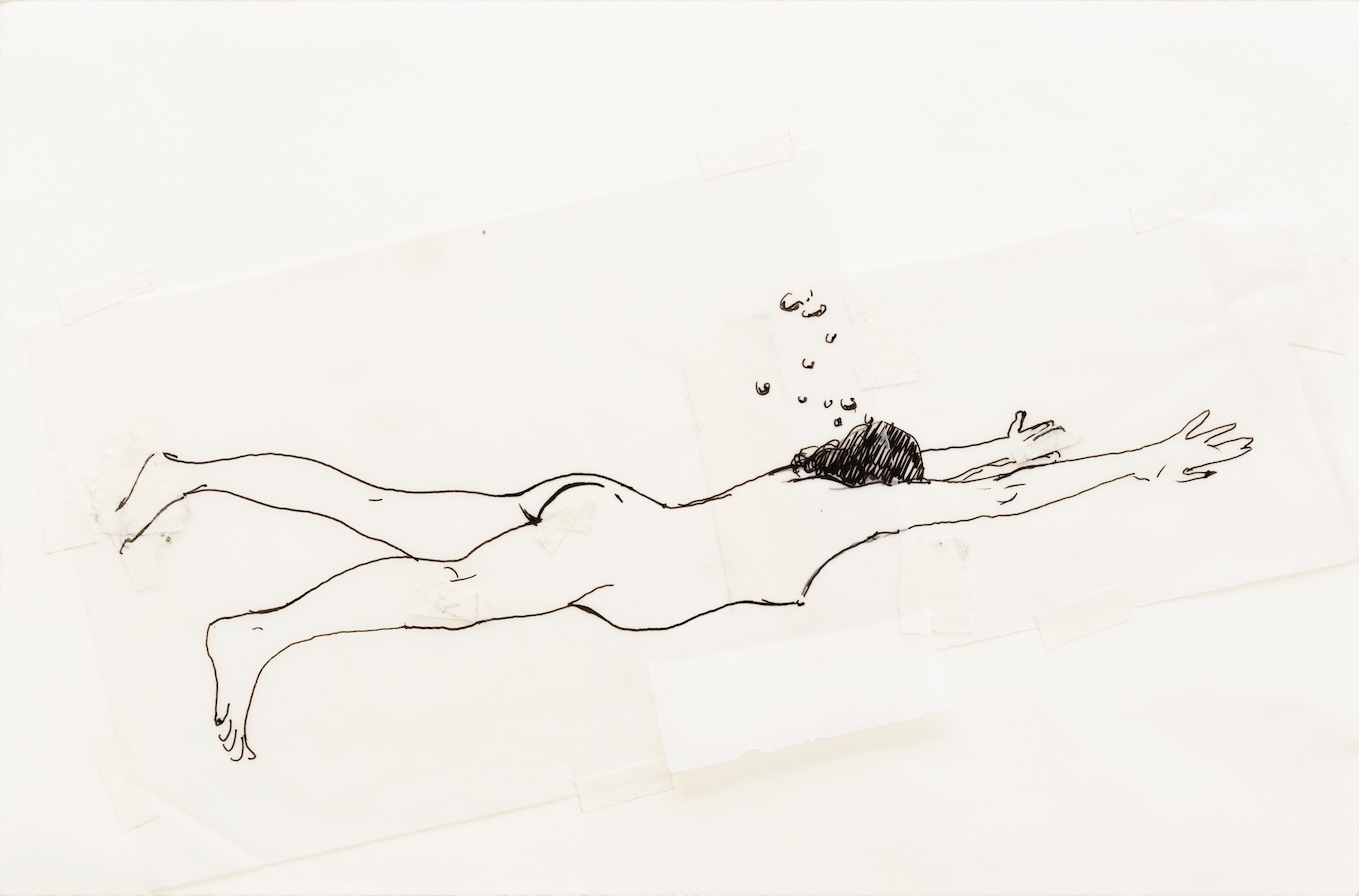
Afonso Rocha
Black pen and collage on paper, 23 x 35 cm | 9 in x 13.8 in

I feel like when it was two minutes or five minutes, that was okay. But when you spend 30 minutes or 40 minutes doing a huge drawing, you don’t really want to erase it. But I think that sort of took the pressure off because I didn’t have to show what I had done. It was really freeing. And I think that changed the way I perceived drawing a human figure. I think Paris changed my practice quite a lot.
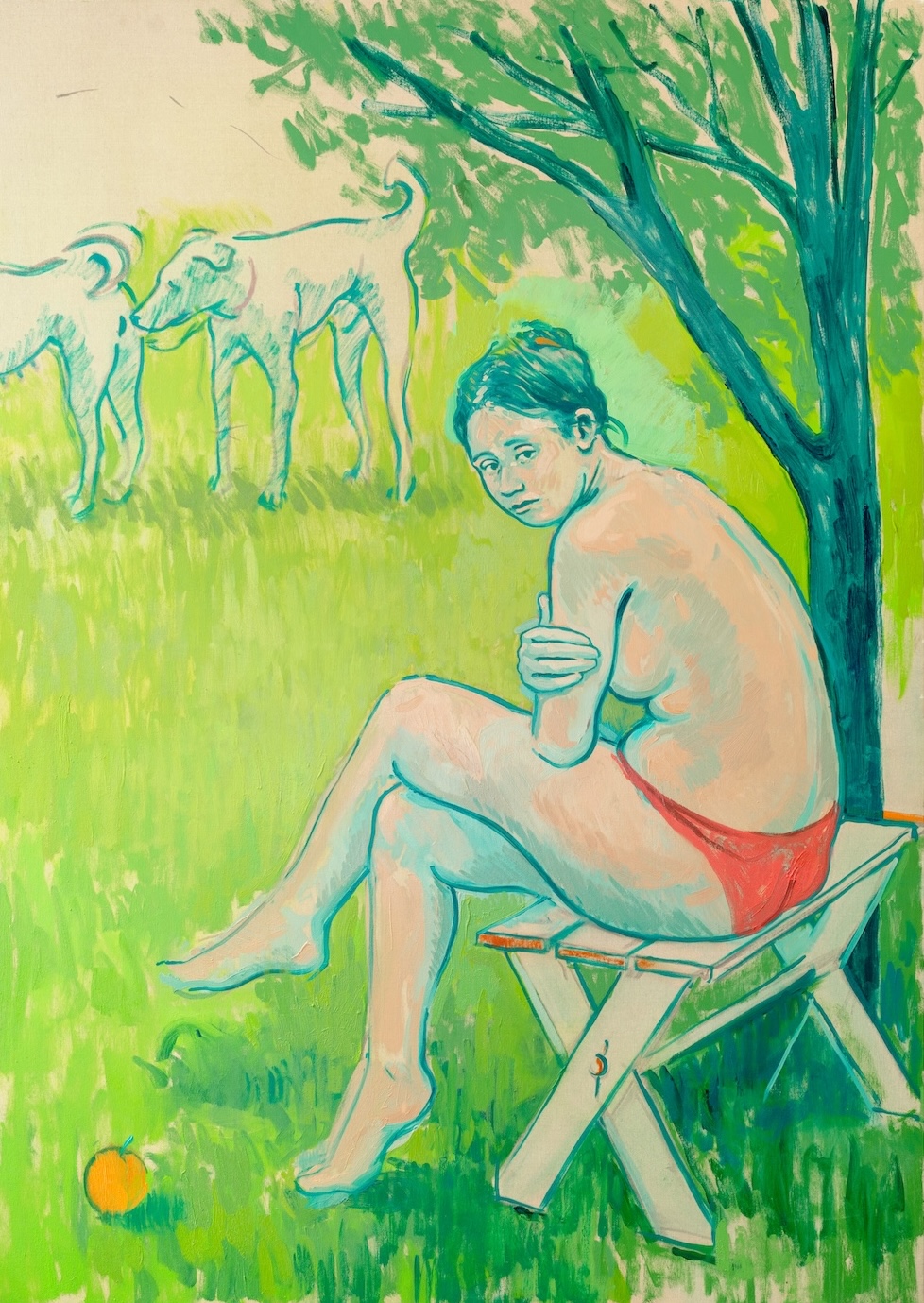
Afonso Rocha
Oil on canvas, 170 x 120 cm | 66.9 in x 47.2 in
So what happened then was Covid. And I was at my peak, loving Paris, and sort of going to museums all the time and doing these really nice things. But everything closed down. And so I went to a house where my grandparents used to live in the north of Portugal, in the countryside. I had chickens and grew cabbages and stuff like that, because you can’t paint all the time, even though you want to. So I was just painting landscapes; trees and bushes and clouds and that sort of thing.
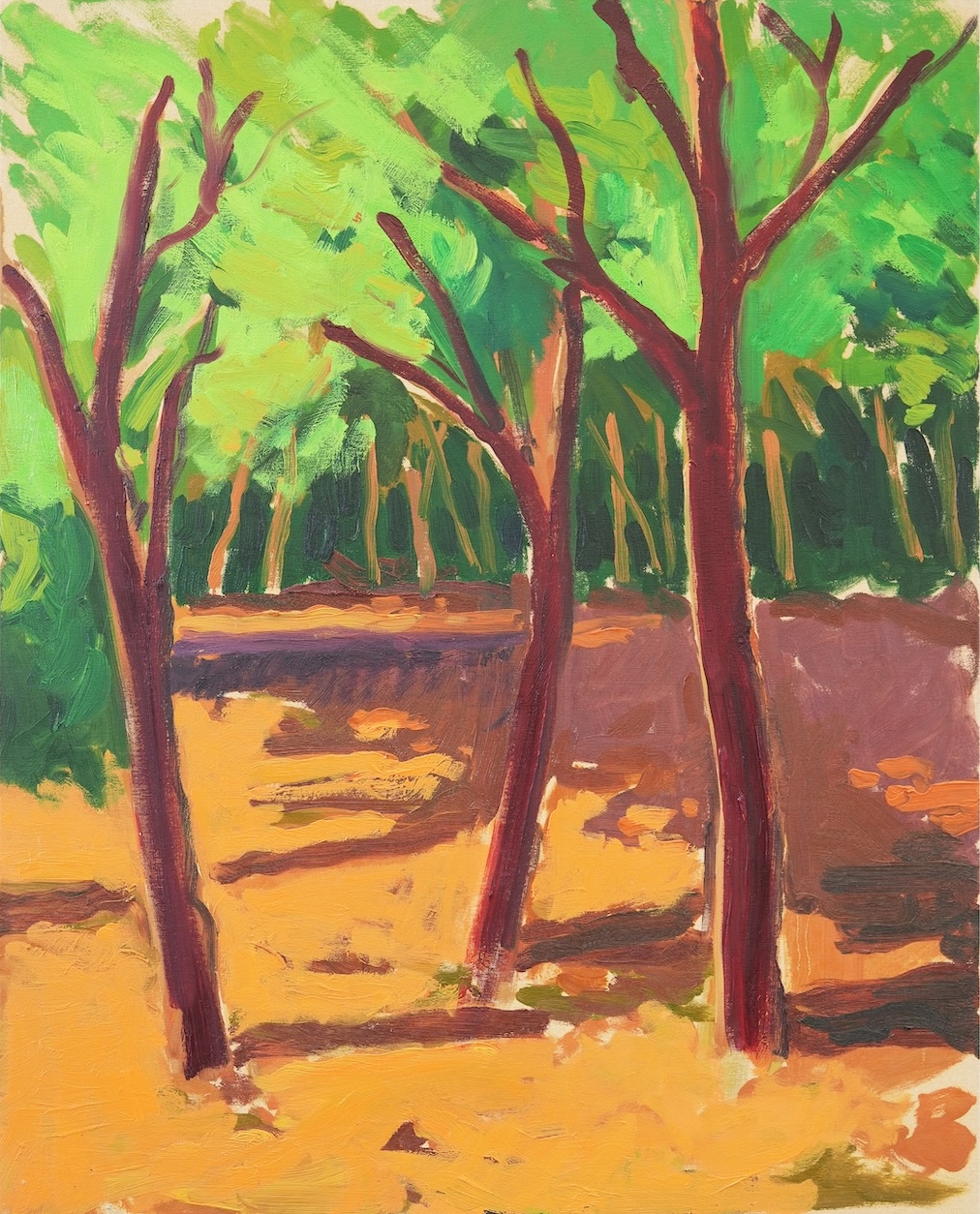
Afonso Rocha
Oil on canvas, 100 x 80 cm | 39.4 in x 31.5 in
I think it influenced my work now because landscape became an important thing in my practice. And it was quite meditative because when you’re painting a landscape and you’re looking at it, you’re not really thinking about anything. You’re just following the leaves and the shapes and trying to keep them right.
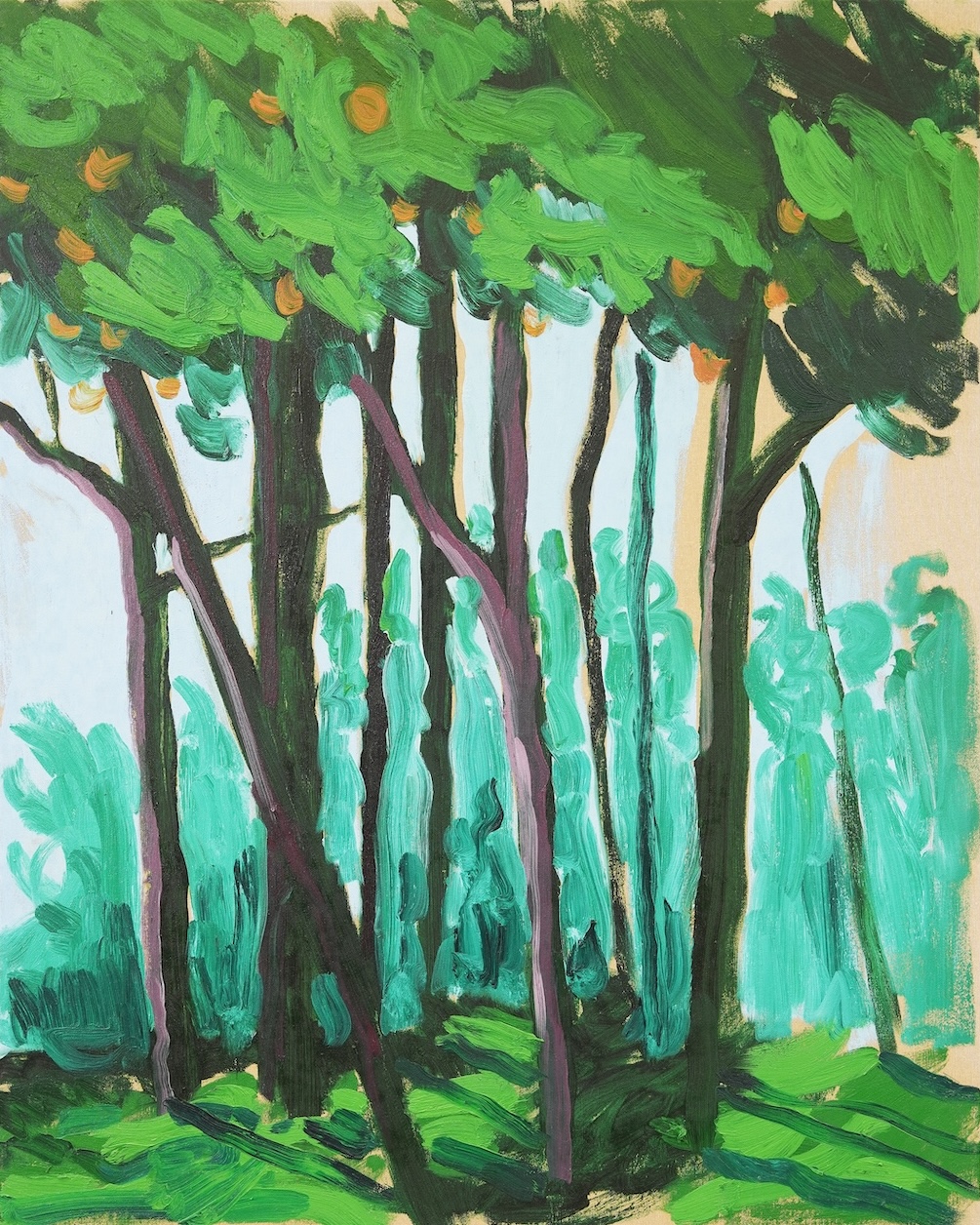
Afonso Rocha
Oil on canvas, 100 x 80 cm | 39.4 in x 31.5 in
Then I shared the studio with some mates. In the beginning, it was really exciting. It was a really important part of my journey as well. After a while, it became a bit monotonous. And I just wanted to get out of Porto as soon as I could. And then I moved to London.
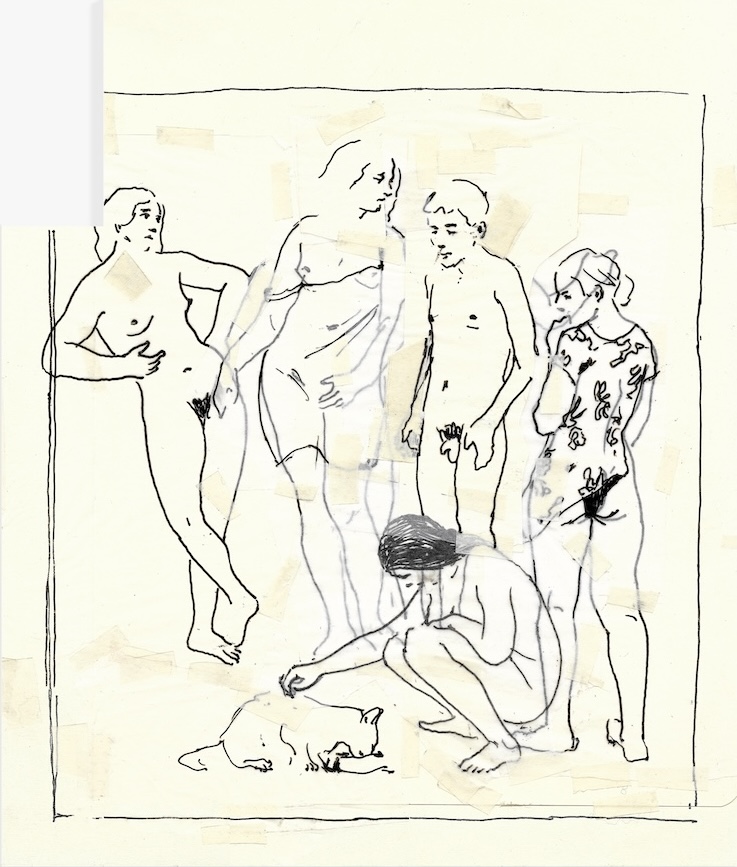
Afonso Rocha
Black pen and collage on paper, 29 x 23 cm | 11.4 in x 9 in
Obviously, there are a lot of great museums and art to see, but I think more than that what really excited me was the fact that there were a lot of young people, a lot of amazing emerging painters, sort of pursuing similar things than the ones I was trying to pursue. It’s like a contemporary conversation, rather than only a historical one. It’s enriching, because you’ll learn a lot with those people and see their work and take things.
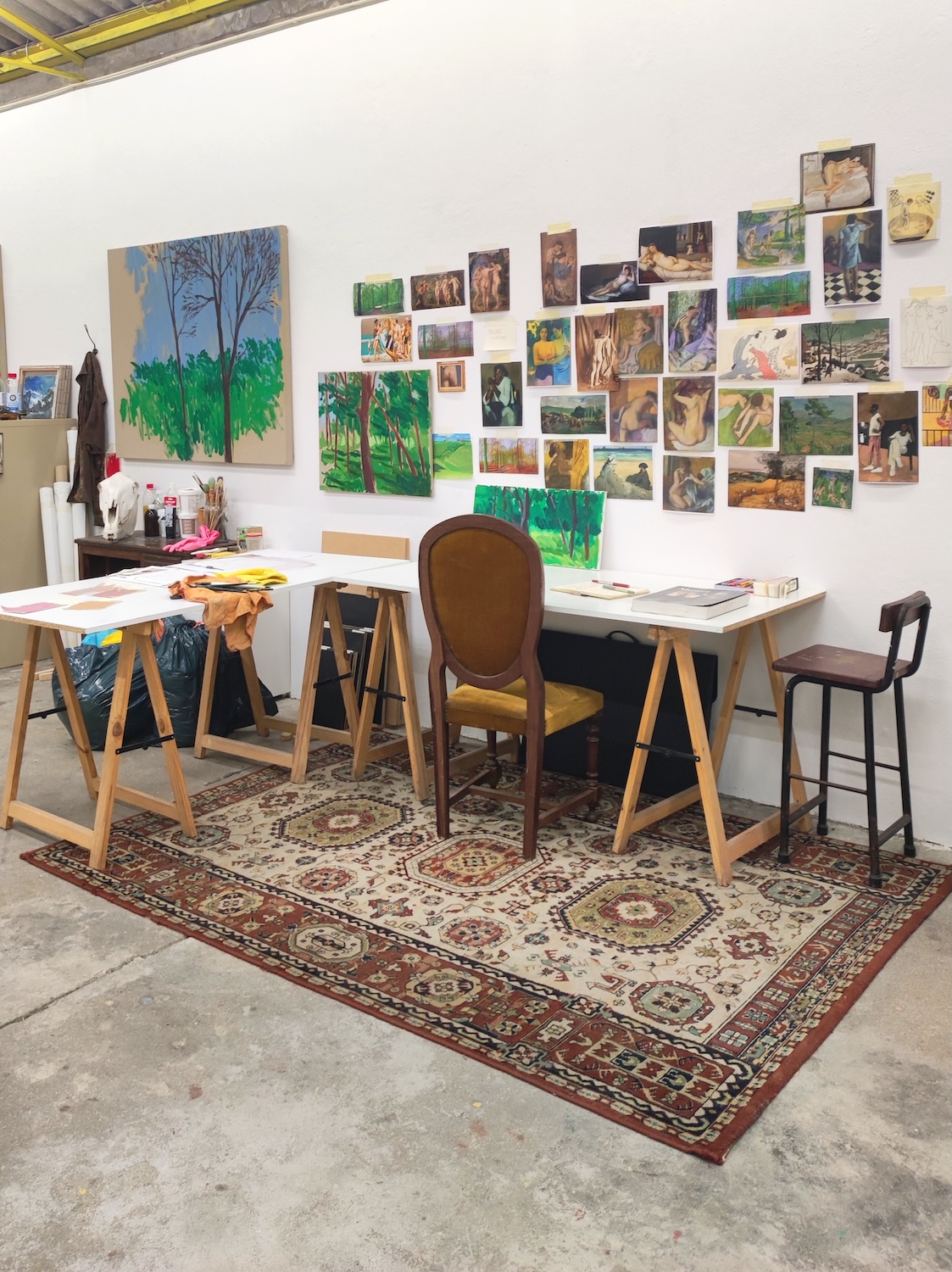
Because I feel like a painter is a bit like you’re always stealing things from someone else and making them your own. And I’m sure when people go to my studio, they’re in some way doing the same. And I think there’s something really interesting about that dynamic.
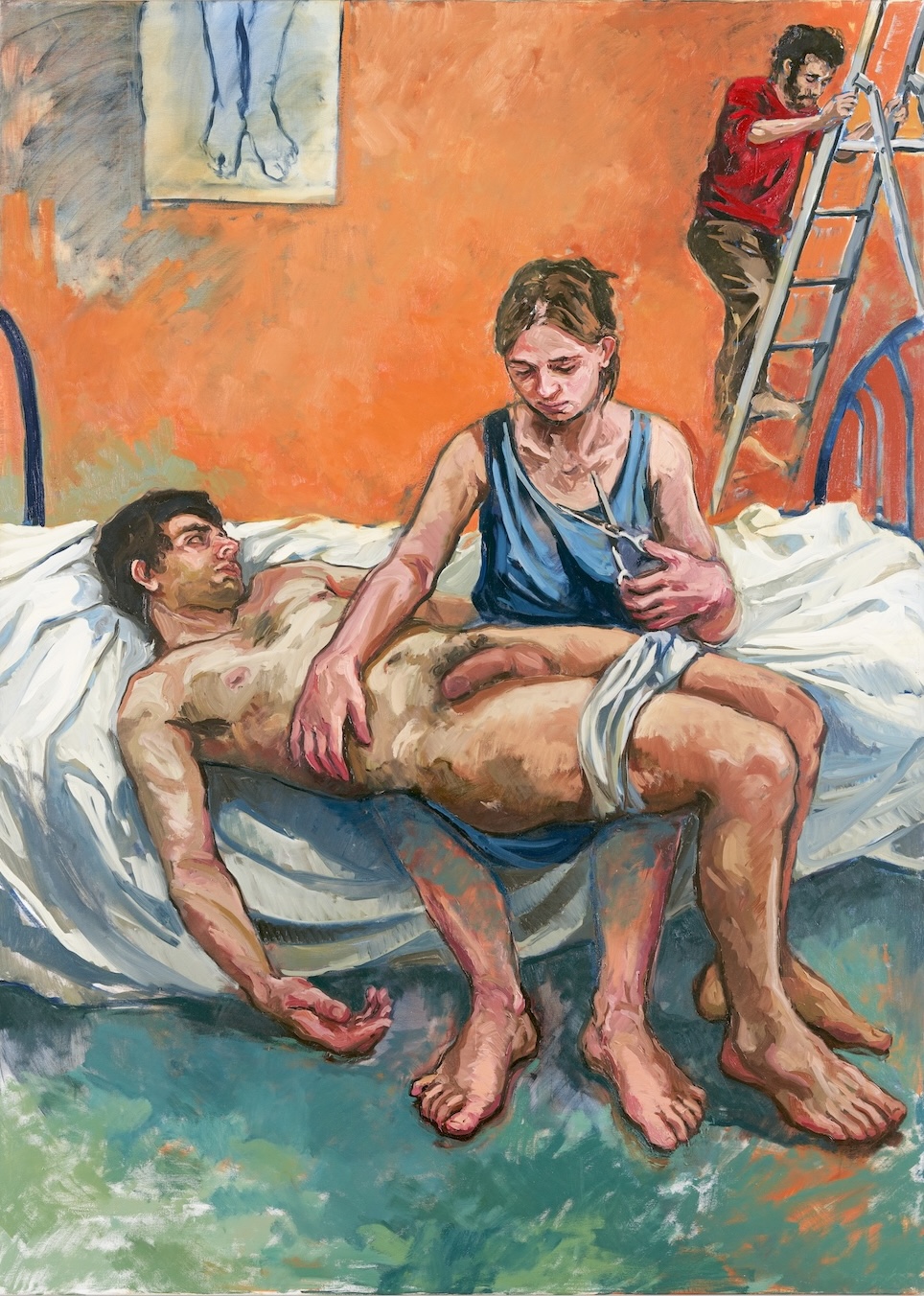
Afonso Rocha
Oil on canvas, 230 x 165 cm cm | 90.5 in x 65 in
My MA at City & Guilds of London Art School was a really pivotal point. In the first few months, I didn’t actually paint. I remember my friends were mocking me because I was the painter who didn’t paint as I was just thinking and drawing a lot. The tutors were always asking like, what’s your practice about? What are you looking for in your work? And when you’re asked, you sort of realise that you actually have no idea. And because you have to think about that over and over again, I think you sort of learn what you really care about.
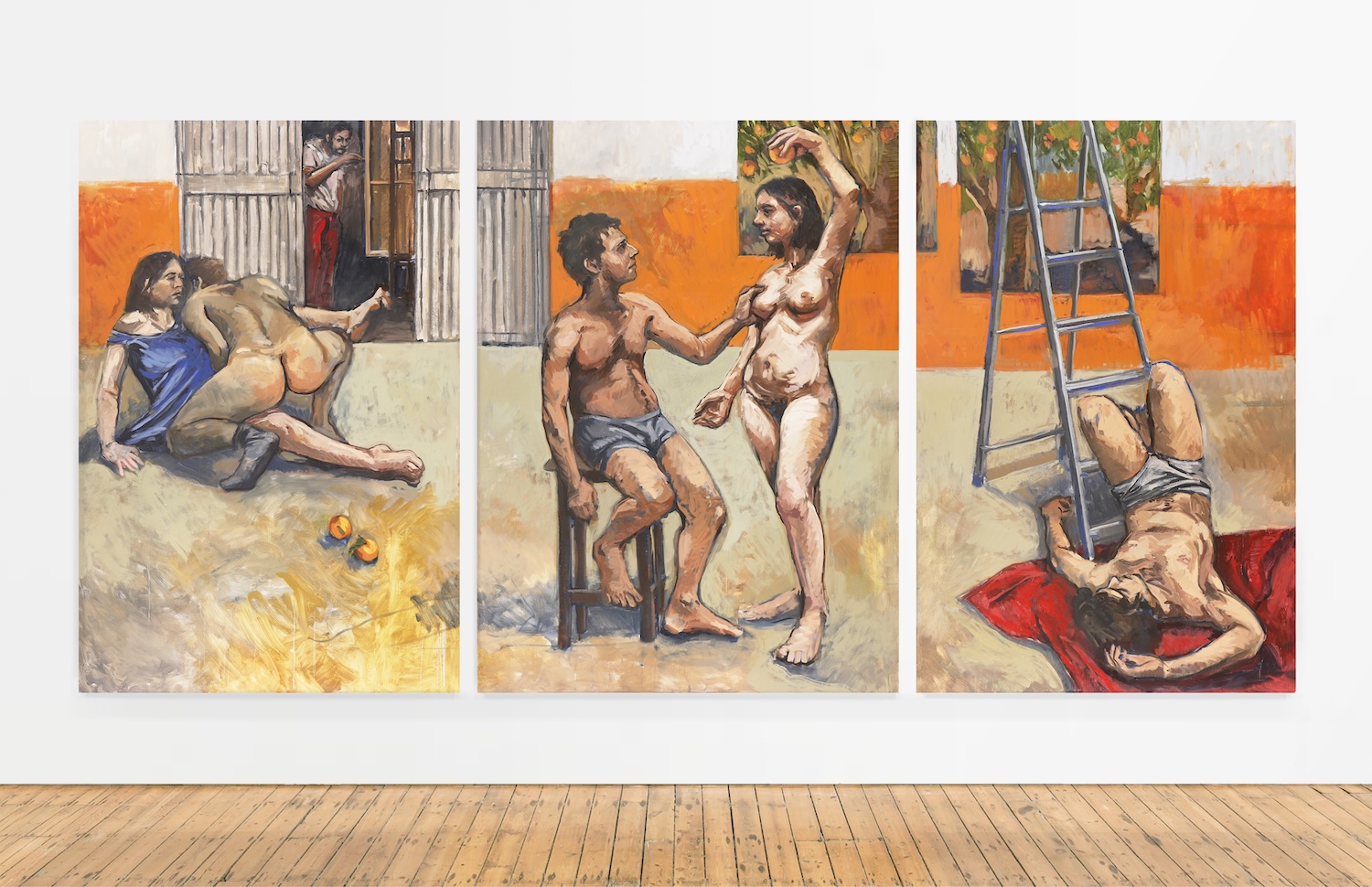
Afonso Rocha
Oil on canvas, 190 x 390 cm | 74.8 in x 153.5 in
The main aim of my practice has always been to delve into the intricacies and complexities of human relationships. Because at the end of the day, I think that’s what life tends to be mostly about. I think it’s really interesting because we tend to see things in a fairly simple way and just call everything either black or white, but life is full of greys. I’m never trying to impose a specific point of view on things; I just present things as they are. I’m not creating an ideal world or a terrible one, I’m just sort of mirroring our own world, like Lewis Carroll on the other side of the mirror. It’s a metaphor, an analogy, that lets me portray everyday realities in a place where rules don’t apply.
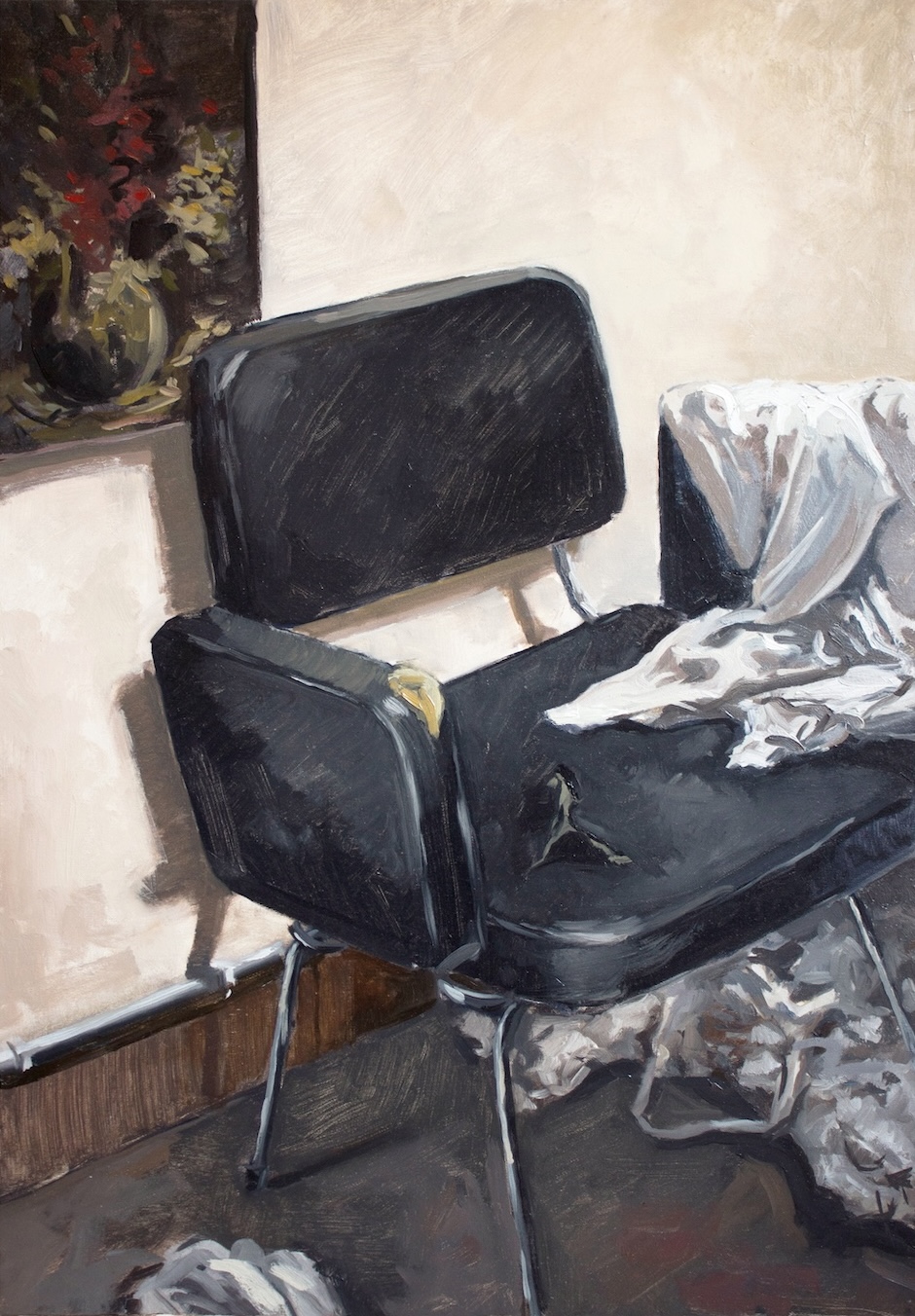
Afonso Rocha
Oil on canvas, 100 x 70 cm | 39.4 in x 27.6 in
I get asked a lot, why do you paint people naked or half-naked or whatever? I think the answer is that people are naked or half-naked sometimes, so it wouldn’t make sense not to make it part of the work. At the same time, and I do it on purpose quite a lot, it’s a good way of showing vulnerability. It becomes really easy to create strong narratives between, say, if you have two people and one of them is dressed and the other one is not, it’s a different tension that you’re creating. And so these sort of ambiguities of nakedness, especially because historically nakedness and nudity are quite an issue, they are depicted over and over again, just in an aesthetic way. Nowadays we’re able to look back at that and see there are a lot of issues there. It’s quite an interesting problem to sort of rethink and think how we can bring it back in a contemporary way that is relevant, that it brings something else to the conversation.
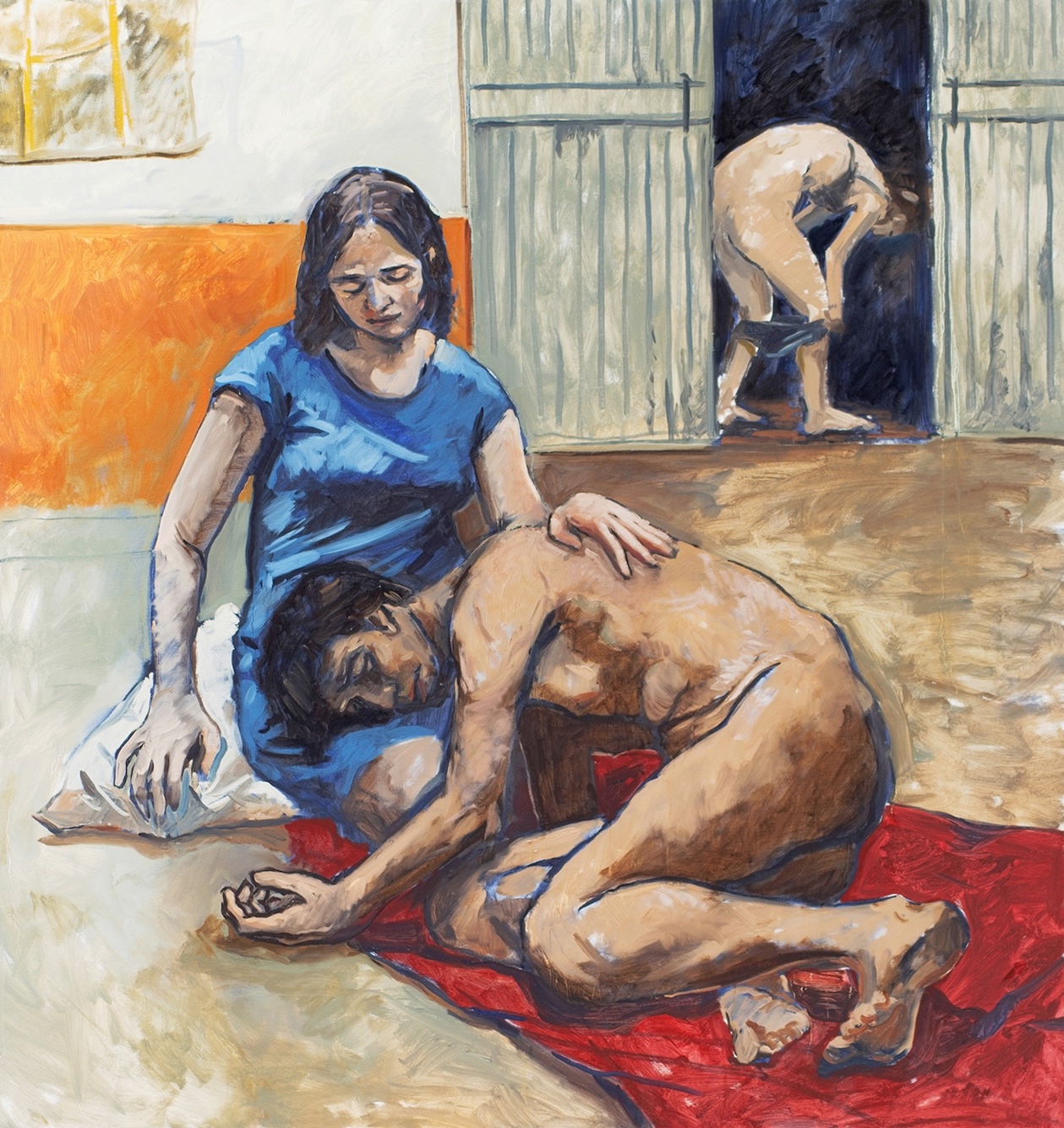
Afonso Rocha
Oil on canvas, 170 x 160 cm | 67 in x 63 in
In my paintings, people often appear lonely or melancholic, distracted from the scene around them. That’s kind of the point – everyone is together, yet everyone is in their own bubble, not really engaging with what’s happening. In one of my recent pieces, for example, there’s a baby left on the floor while people go about their lives, and no one seems to be doing anything about it.
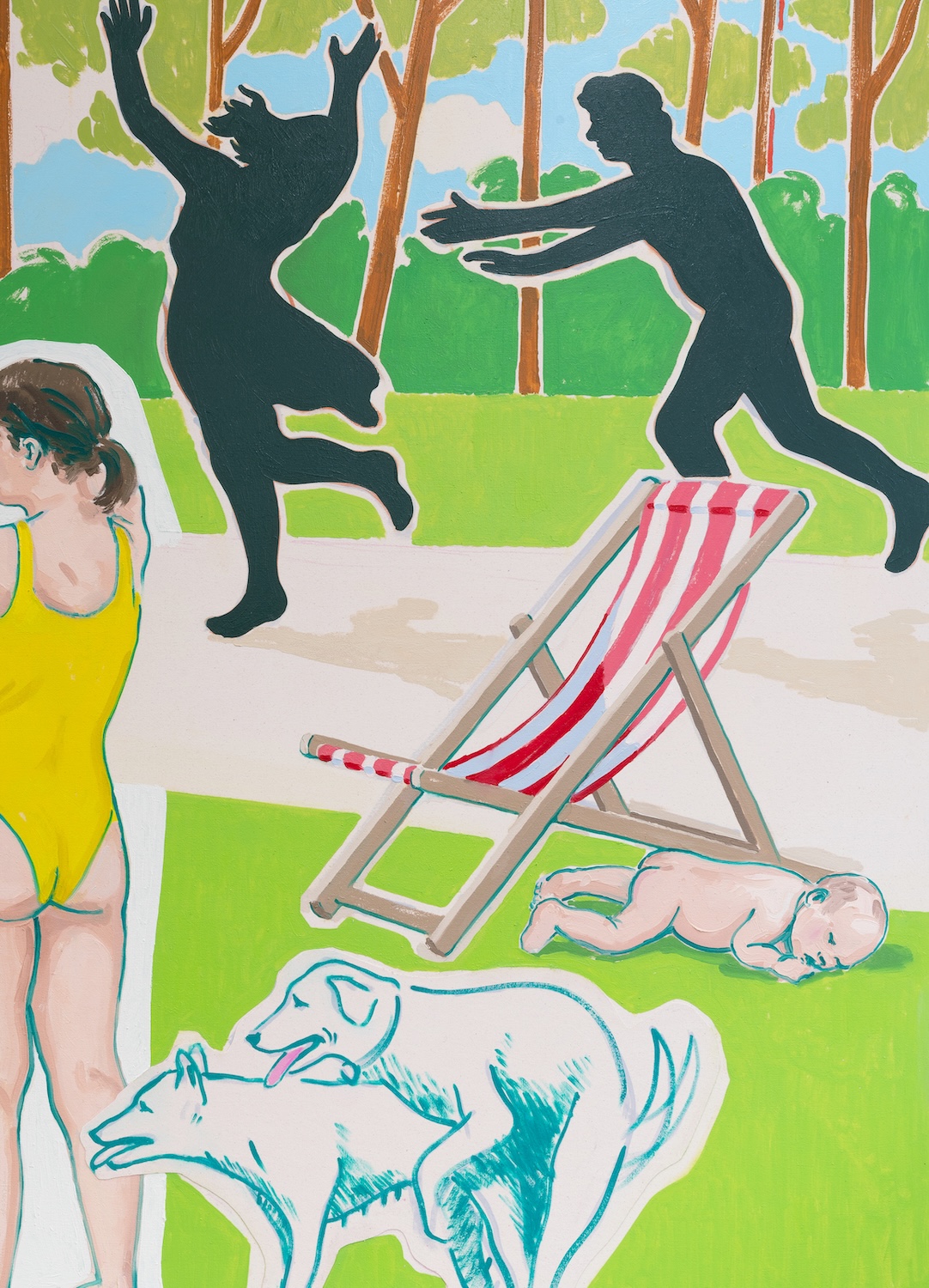
Afonso Rocha
Oil and collage on canvas, 200 x 330 cm | 78.7 x 129.9 in
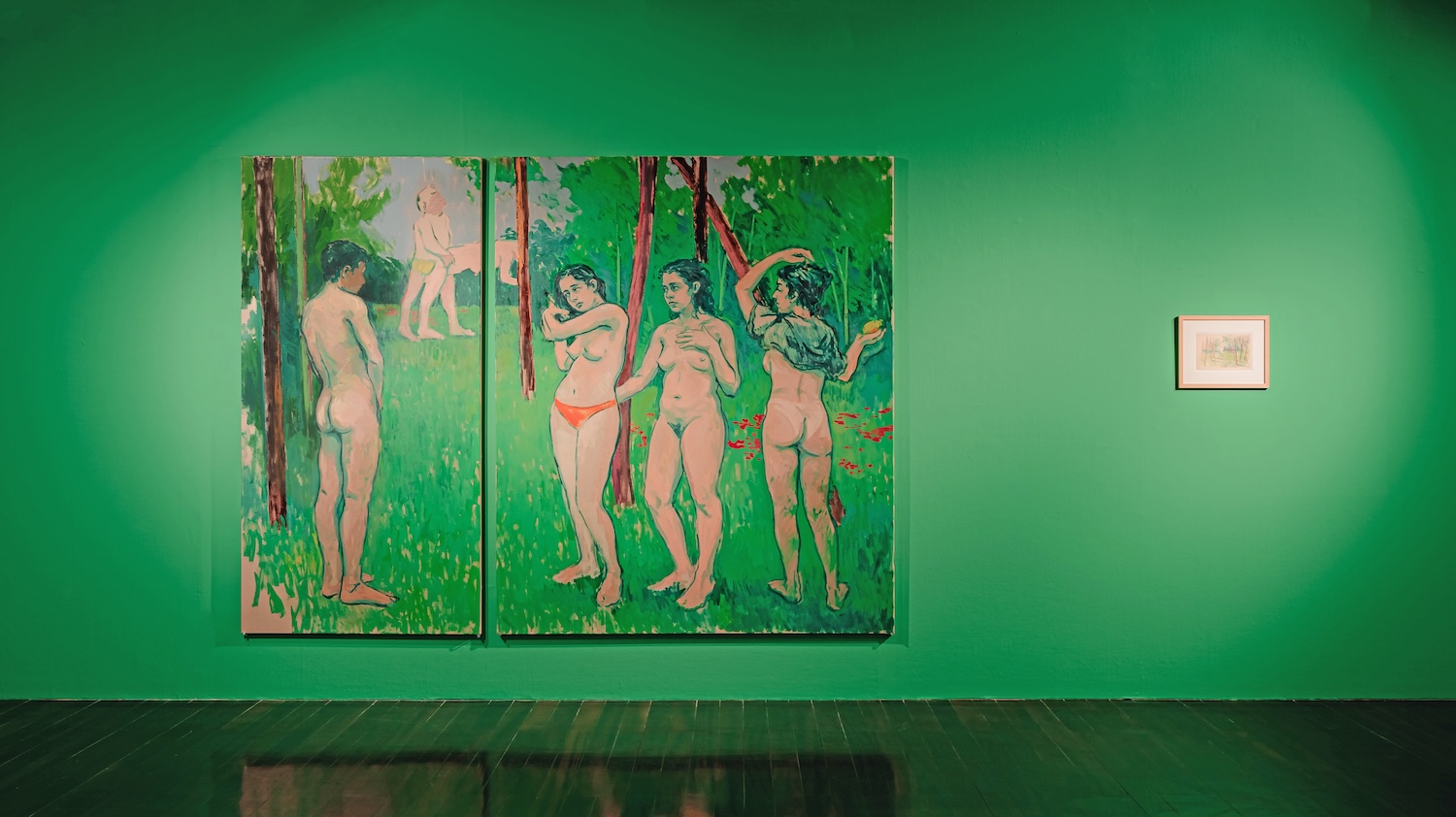
Photo credit: Francisco Rocha
I think family is a really interesting topic because it’s like when you go for Christmas, for example, it’s this family gathering. It’s like everyone just leaves their problems at the door and everyone’s life is complicated and it’s a mess or it’s really happy, but you just put on a costume and play your family role. I mean, people are a lot of things at the same time and it’s not necessarily fake, it’s as truthful as any of the rest. It’s just we play different roles and that’s really interesting, I think.
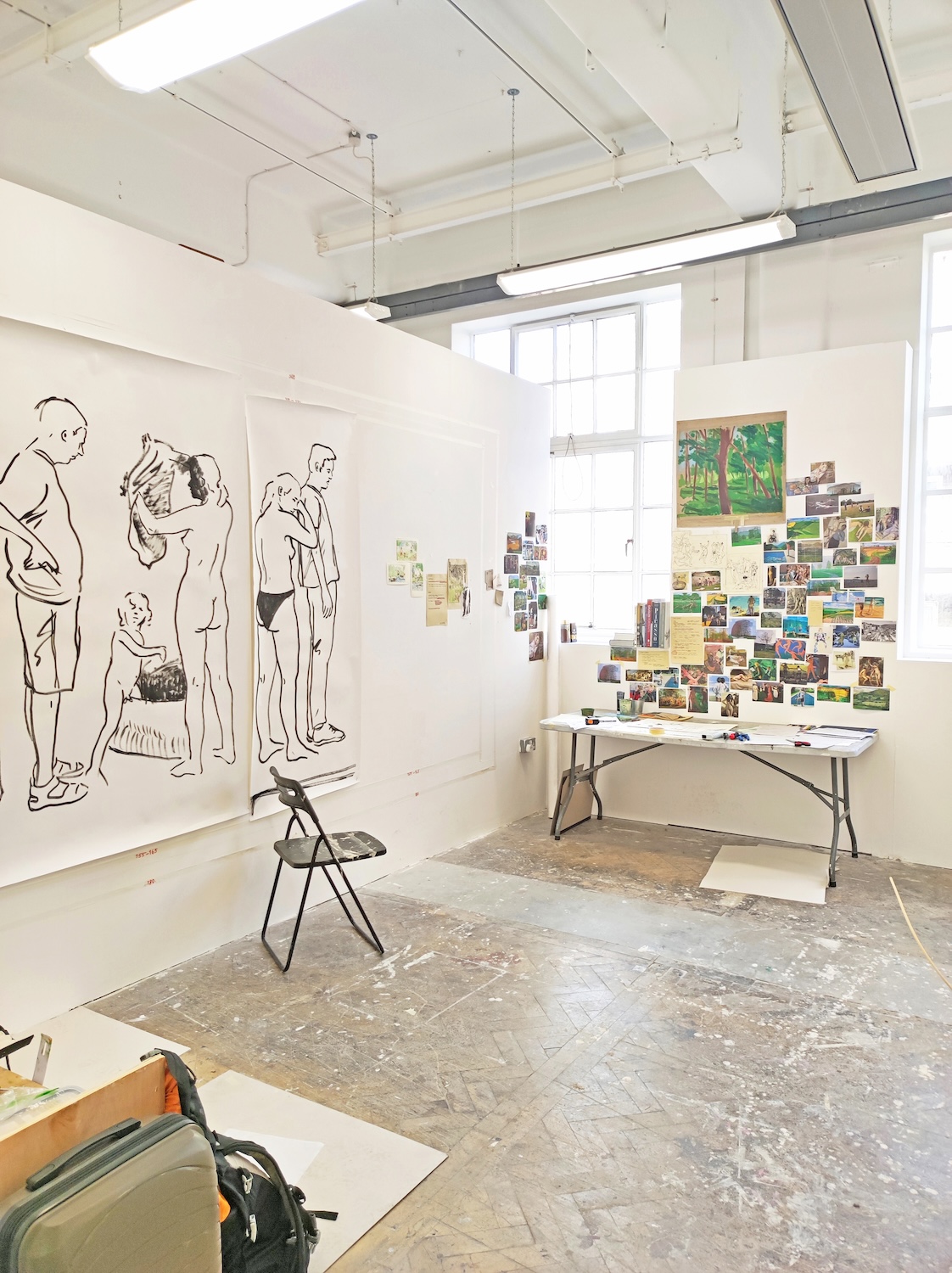
I want my work to be a number of things, but I don’t want any of them to sort of control what the painting is really about. So I want the painting to be poignant and a bit provocative, but I don’t want it to be controversial. I don’t want it to be about being problematic or anything. But I also want it to be sort of sweet in a way that we feel comfortable, but not too much. I want my paintings to make people feel uneasy, unsure of what to feel. The goal is to create an image that leaves them questioning – what should I feel about this? Should I like it? Judge it? Feel emotional? By doing this, I create multiple possible readings and narratives. In my work, I don’t want to guide the viewer toward a specific interpretation. Instead, I offer things to reflect on, letting them find their own meaning. The layering of information and possible meanings is what makes it interesting, as viewers decide where they fit within it all.
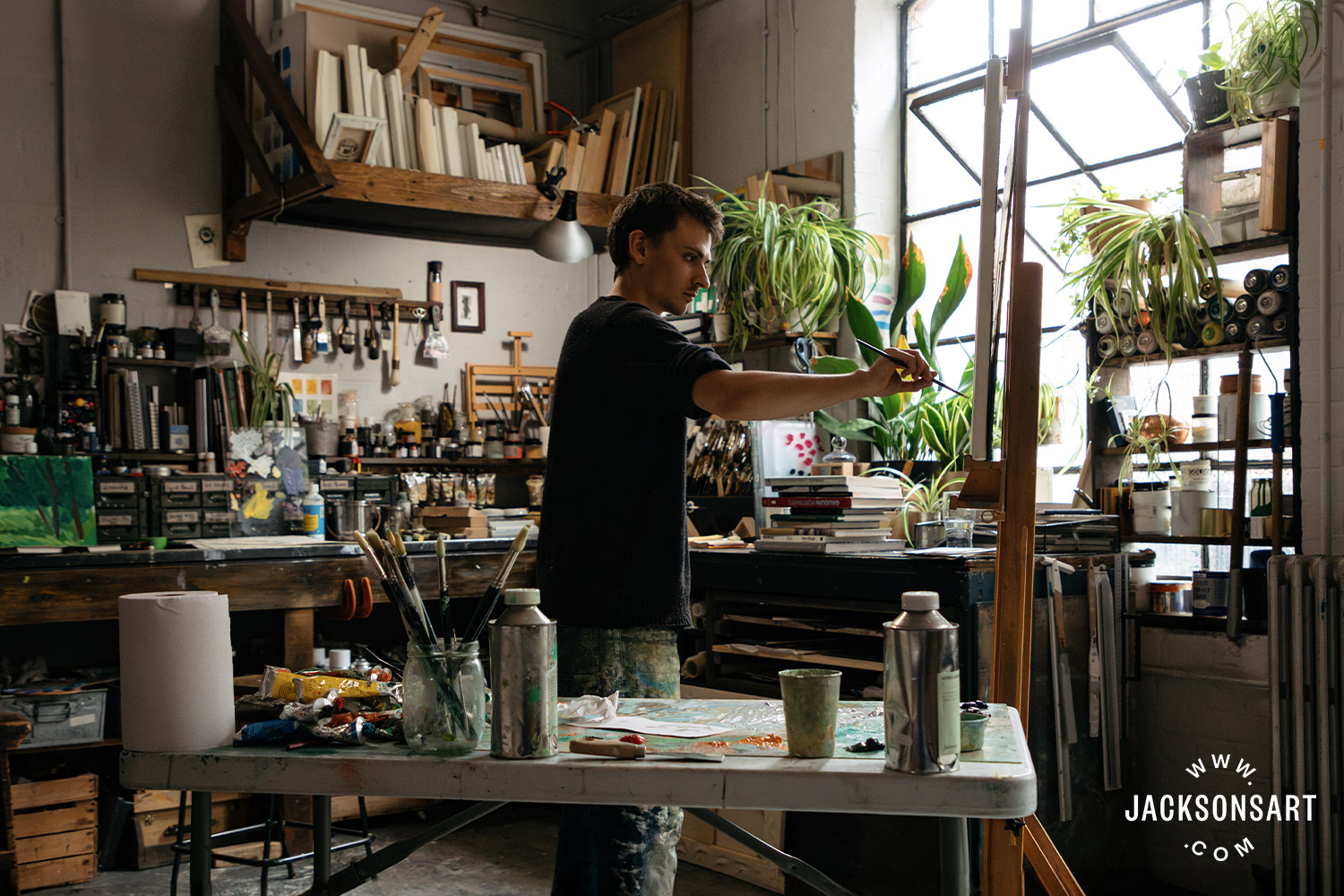
I think sometimes you look at something and from the first time you’re looking at it, you think, this is really sweet, though, all this looks really nice, or what a lovely family time. And then you look a bit more and you’re like, hold on, something is very wrong. And then it sort of makes you feel guilty for not seeing it from the start. But at the same time, it’s not wrong enough to be obviously wrong. And so you need to sort of question your boundaries and your morals and how things may look something entirely different from what they are. I’m walking a fine line between being overly provocative and too banal, too empty. In the middle, those two elements collide, and the banal becomes provocative. That’s something I really enjoy.
Further Reading
Turner’s Yellow: A Tale of Two Turners
Review of Michael Harding Brick Lane Oil Colours
Inside the Sketchbook of Katie Eraser
Shop Oil Painting on jacksonsart.com
2 thoughts on “Artist Insights: Afonso Rocha”
A very perceptive and insightful interview. It is always very helpful to hear other artists talk about their work and practice, and this artist expresses his thoughts extremely cogently. Thank you.
I find Afonso’s Style to be somewhat
interesting. I got a good laugh when he
said “One of the funny things is that I was
terrible at drawing human figure.” Yet, his
paintings are rather remarkable.
It’s rather inspiring to me. Being an interior
painter, I tend to draw inspiration from
artists.
Comments are closed.