Episode 35: By its very nature, being an artist generates work. You may be able to sell everything that you do, but more likely there will be works that need to be stored – and catalogued.
Archiving your work is a grand way of saying ‘keep a record’, but this particular kind of paperwork is an essential aspect of every artist’s job. In this episode Laura and Peter offer their hints and tips for establishing and maintaining a sensible system without the need to go full-on dusty archivist!
The Useful Stuff
1. A proper written record of the work you create is vital if you plan to show and sell. Good record keeping will save you endless time, embarrassment and it shows your work the respect it deserves. No customer or client wants to deal with an artist who has no idea about their own artwork.
2. Assess what details need recording for your specific collection. Peter suggests title, medium, dimensions, status of work (framed or not), price plus any creative notes about the piece, names of sitters, awards won. Laura, the printmaker, adds edition number and size of edition and whether more prints remain to be printed for the edition. The location of the work is also vital: storage, on exhibition, sold…
3. Whether you use a ledger, a spreadsheet, a system linked to your website or an off the peg cataloguing system, be consistent and update your records every time you create work. If you are starting from scratch, don’t feel you have to include your entire back record. Just choose a point to start recording, get up to date and then focus on keeping up to date moving forward. No archive system is perfect: it’s a tool for you, not an advert for your brilliance!
4. Photography is essential for your records, and in many other aspects of your business, so always photograph your work (listen to our episode on how to photograph your work properly).
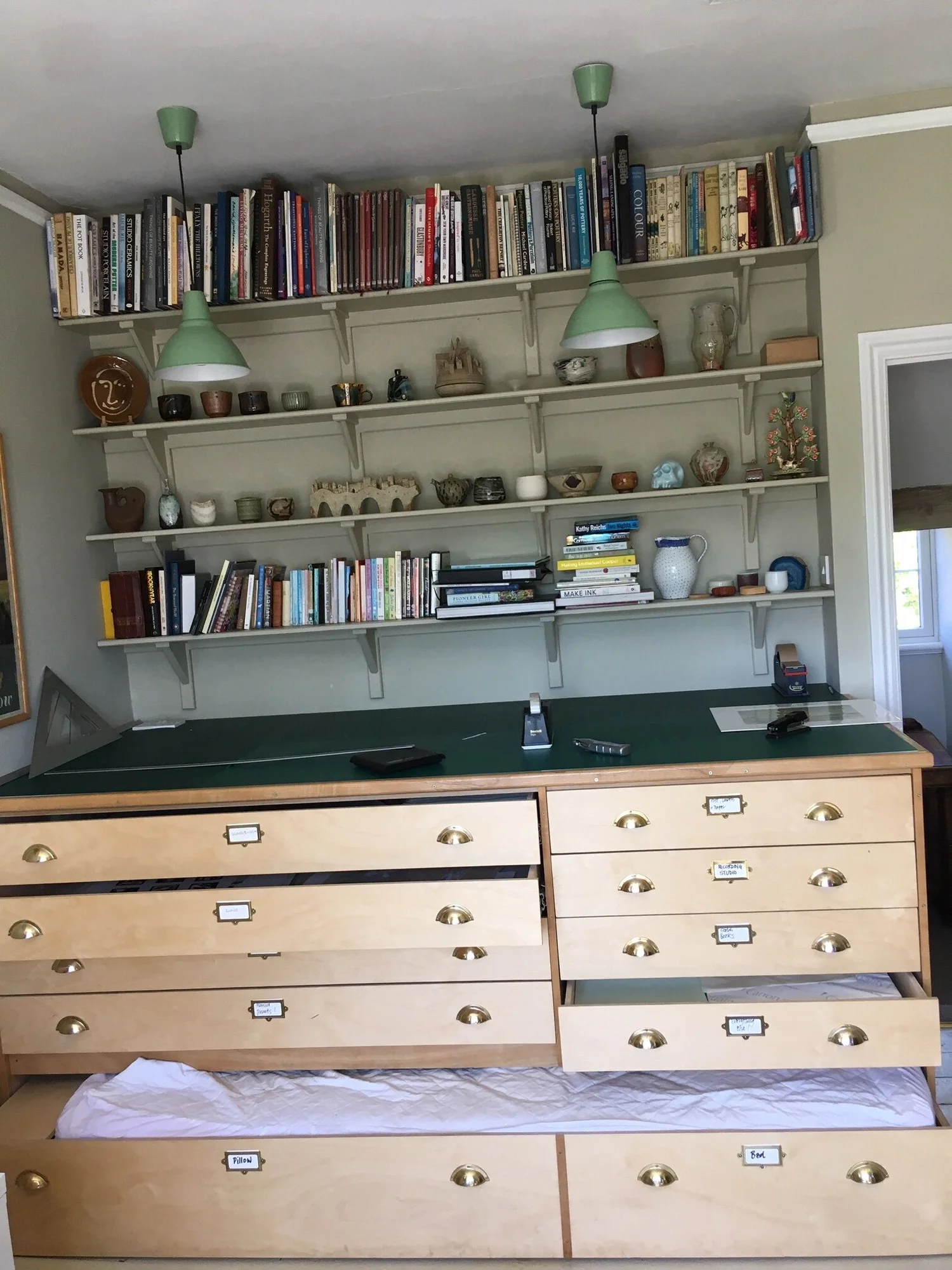
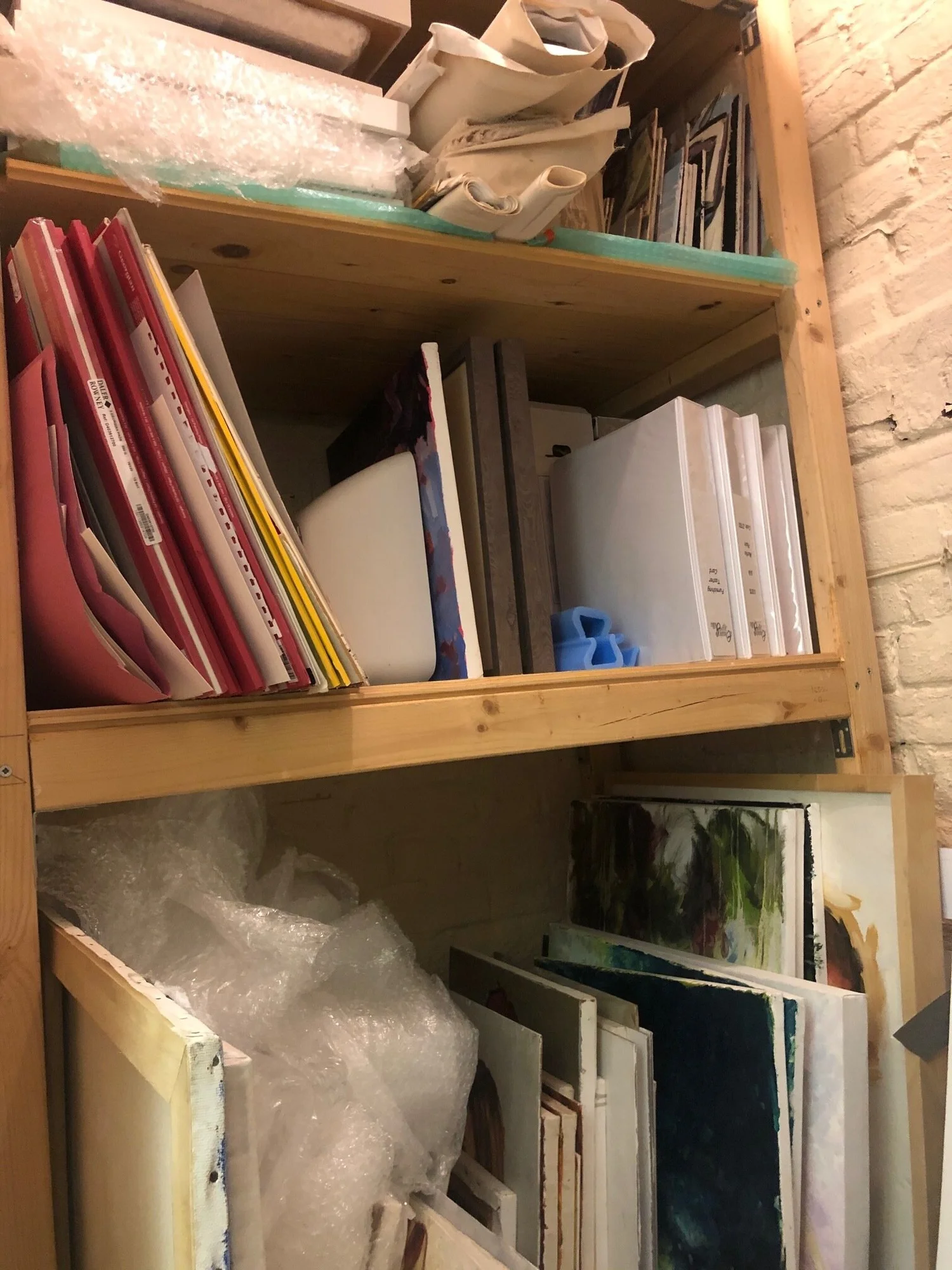
5. The artworks themselves also require storage. Protection is key so make sure that any works on paper are stored flat in an acid free environment, framed works are housed in well-protected conservation grade frames and 3D work is appropriately wrapped. Label each work with as many details as you can, Laura writes on the back of framed work and also attaches a luggage label. Don’t write the price on the work itself – it may change, or it may be sold as a gift.
6. Find a balance between archiving work and destroying inferior artwork. Never destroy work in haste; remember that historical work is an essential part of your record and may well still sell, but be prepared to edit your collection. Work that does an artist no justice is best destroyed by the artist themselves, not their guilt-ridden family!
The Takeaway
Keep a consistent and up to date catalogue of your work; your family and your future self will thank you for it!