New colours and ready-made paints changed what artists could buy and how they worked. In this episode of The Matter of Colour from the Jackson’s Art Podcast, host Evie Hatch explores the nineteenth-century discoveries that helped make Impressionism possible and painting more accessible.
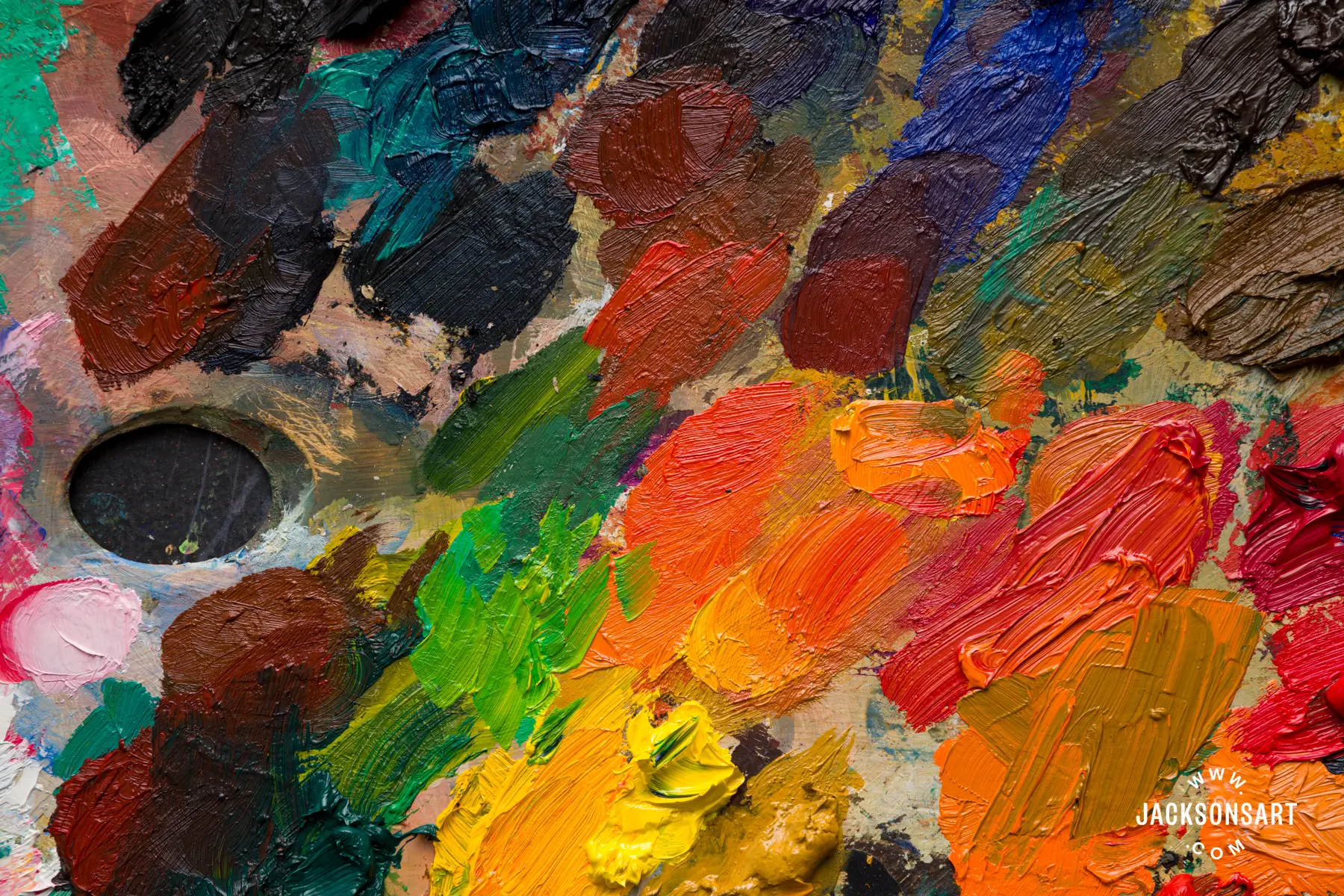
Through Cobalt Blue and Synthetic Ultramarine, alongside the poisonous Emerald Green, this episode explores the growing role of factory manufacture in artists’ materials. From the invention of synthetic pigments to commercially prepared oil paints, Evie considers how these developments expanded artists’ choices and helped shape new approaches to painting.
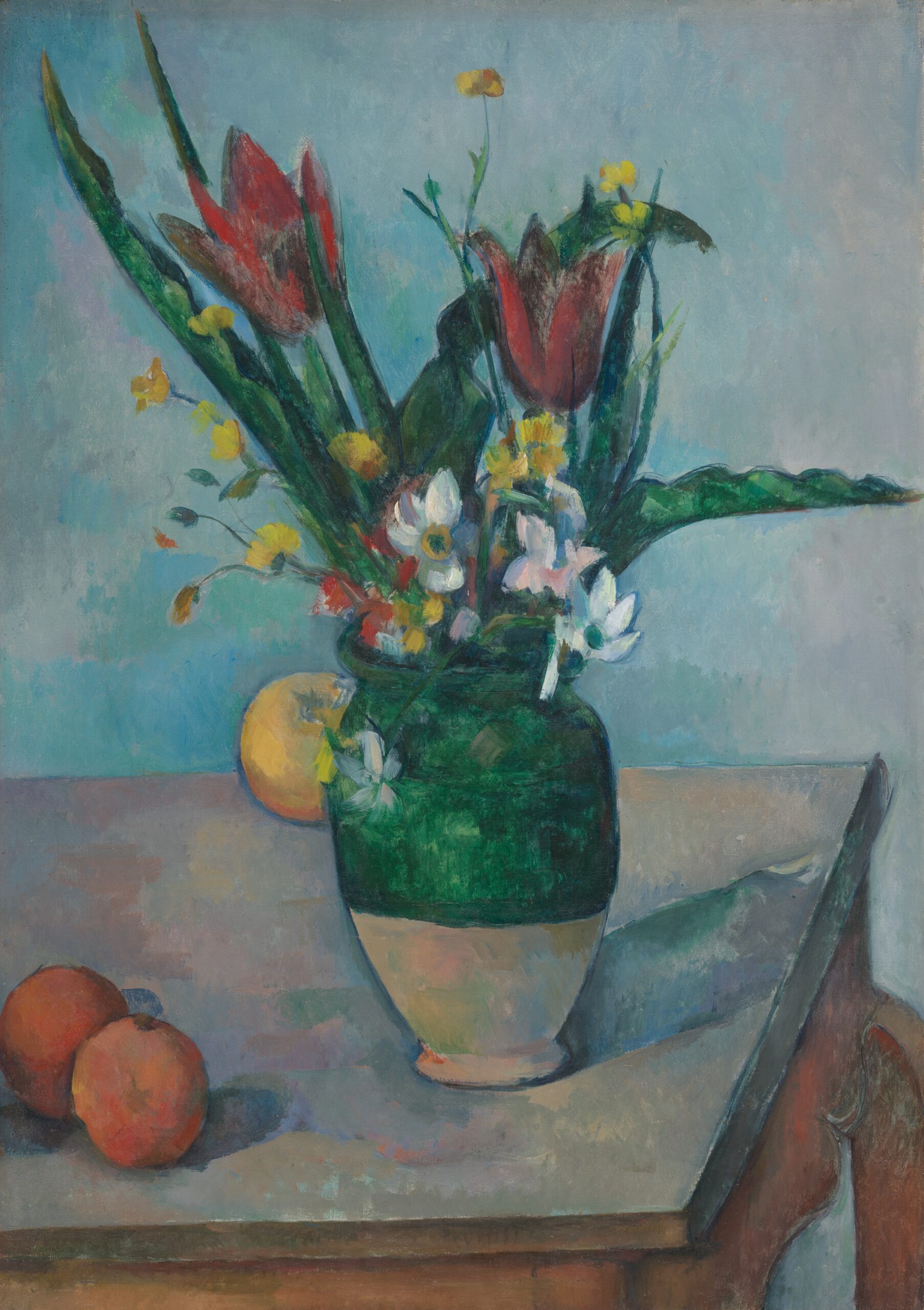
Paul Cezanne
Oil on canvas, 59.6 x 42.3 cm | 23.5 x 16.9 in
Art Institute Chicago
This episode is part of The Matter of Colour, hosted by Evie Hatch, from the Jackson’s Art Podcast. The Matter of Colour explores the fascinating histories of artists’ colours, from antiquity to the present day, and the ways in which their stories are woven into wider histories – those of industry, medicine, alchemy, chemistry, and geography.
Evie is an art historian and writer specialising in the histories of artists’ pigments and materials, and co-creator of the Pigment Stories series. You can explore more Pigment Stories in our blog series, online short film series, and the Jackson’s Pigment Stories book.
This podcast was written, recorded, and produced by the Jackson’s Team.
More from The Artists’ Blog
Introducing the Jackson’s Art Podcast
Read Exploring the Impact of the Victorian Colour Revolution
Read Recreating Van Gogh’s Colour Palette with Modern Pigments