



Romantic love is a subject at the heart of the human experience, and it has provided artistic inspiration for centuries, from Botticelli’s The Birth of Venus, depicting the goddess of love, to Gustav Klimt’s The Kiss. But in some cases, the pigments used to create works of art have, themselves, been used to spark desire. This article explores the surprising use of certain pigments as aphrodisiacs, why red is the colour of love, and how the use of one pigment in the nineteenth century may have made desire a dangerous business.
Pigments in the Everyday: Love and Colour
Aphrodisiac Pigments
Pigments have never been limited to the artist’s studio. For much of history, many belonged just as much to the world of medicine as to the world of art. Long before specialist art suppliers emerged in the 15th century, painters could buy many pigments and paint binders from an apothecary. This speaks to the blurred boundary between what produced colour and what was believed to heal the body. Among these remedies were aphrodisiacs – substances thought to stimulate desire – named after the Greek goddess Aphrodite.
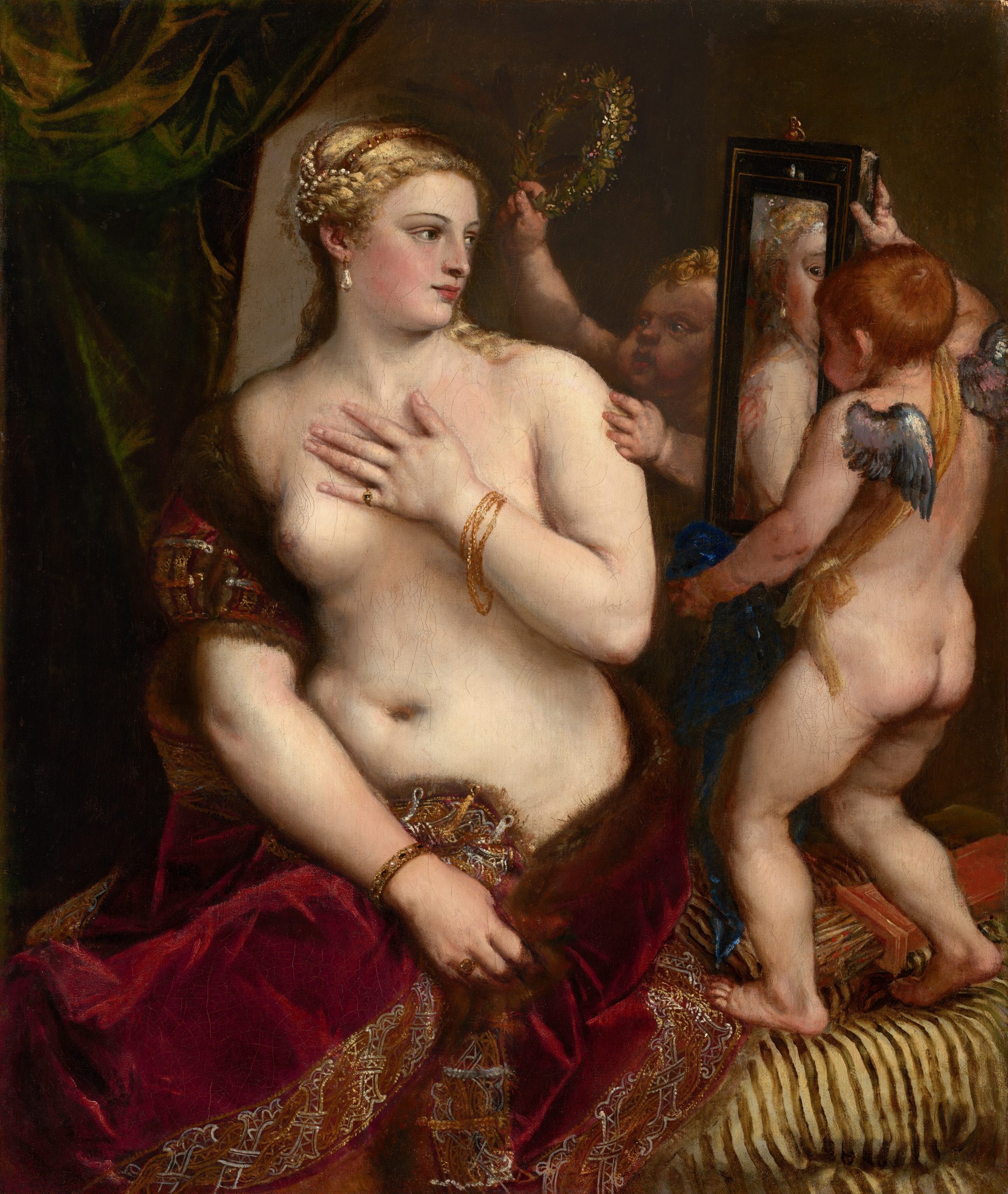
Titian
Oil on canvas, 124.5 x 105.5 cm | 49 x 41.5 in
National Gallery of Art
Ultramarine Blue
Natural Ultramarine Blue is a pigment ground from the semi-precious stone lapis lazuli, mined in Badakhshan, Afghanistan, since the seventh millennium BCE. The mineral lazurite is responsible for the stone’s intense blue colour, and it is also flecked with gold pyrite and white calcite. It was highly prized by ancient civilisations in Egypt, Mesopotamia, and the Indus Valley, where it was carved into jewellery, amulets, and sacred ornaments.
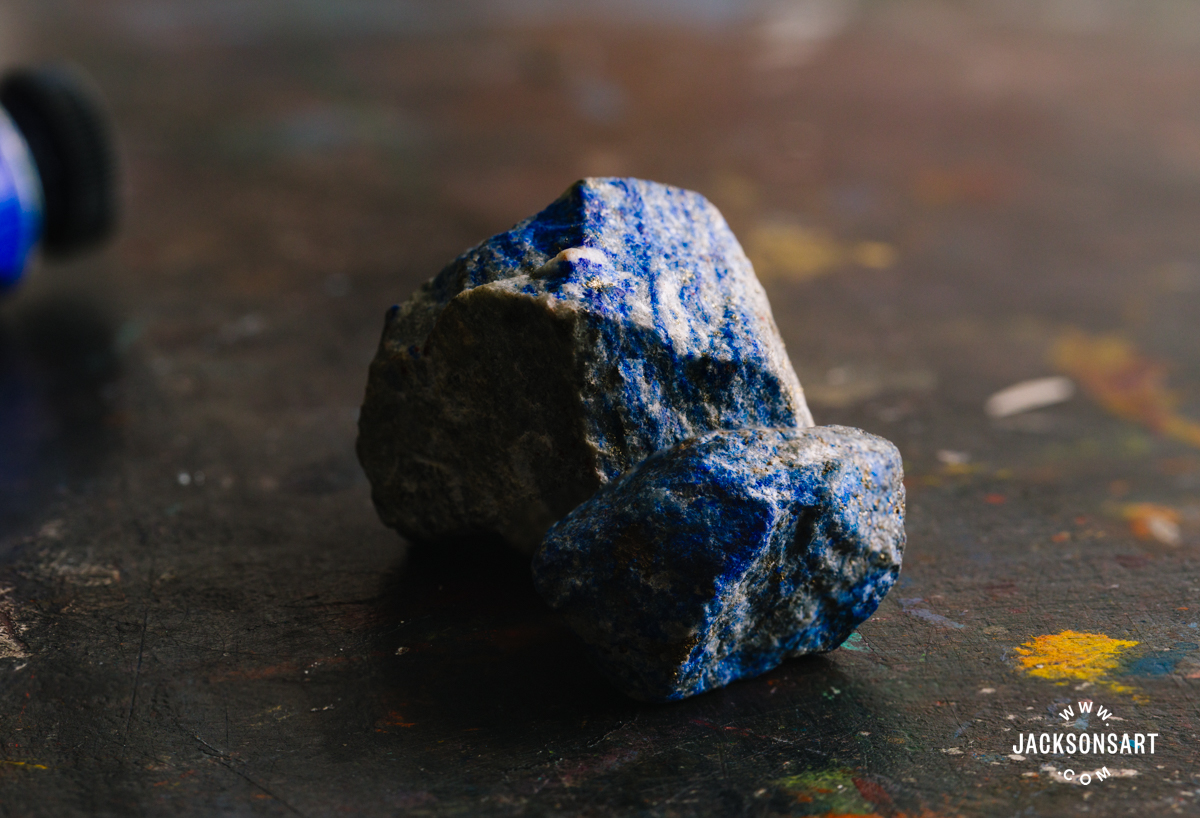
In Ayurvedic medicine, the blue stone was considered an aphrodisiac, and the Romans are thought to have shared this belief. It is referenced in Sanskrit treatises, including the 13th-century Rasaratna Samuccaya, where it is described as a potent aphrodisiac when ground to a powder and ingested (as well as a treatment for ailments ranging from hiccups to haemorrhoids).
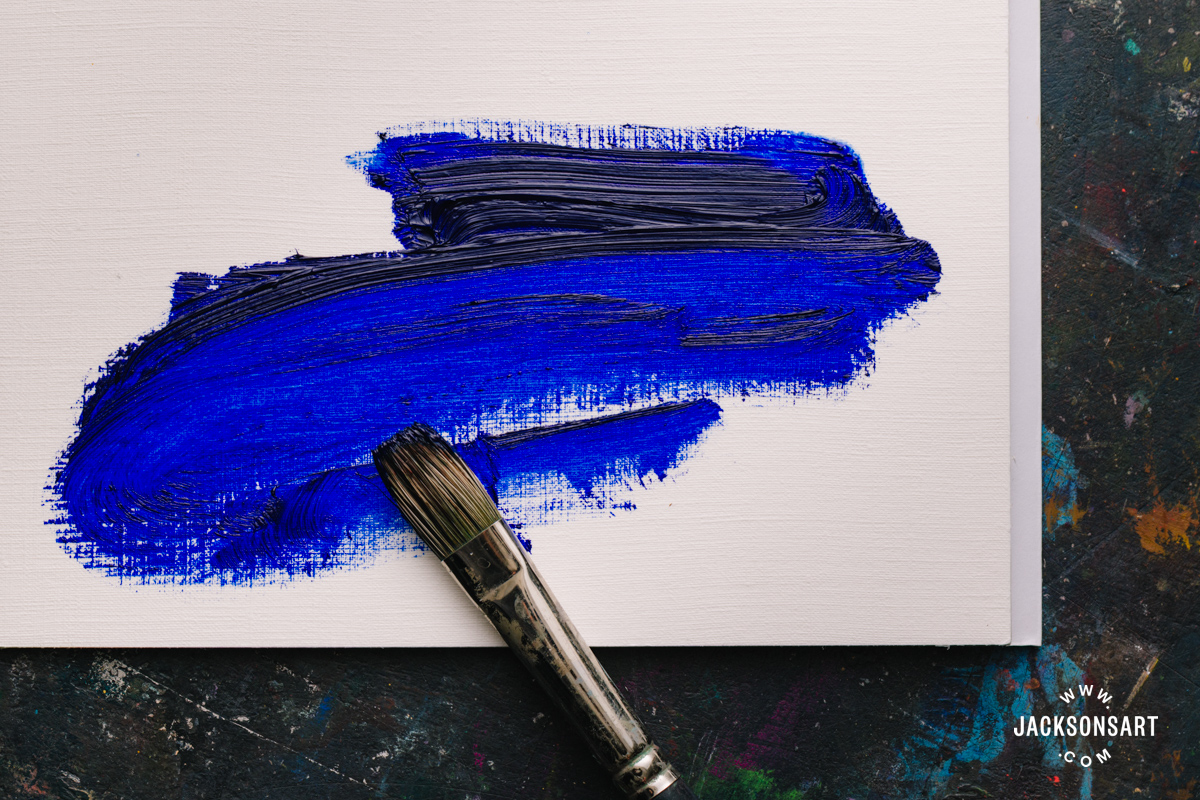
While lapis lazuli was used medicinally across medieval Europe (particularly for melancholy), it is best known as the luminous blue used to paint the robes of the Virgin Mary. Synthetic Ultramarine Blue, invented in the 19th century, is almost chemically identical to the natural mineral pigment. It is one of the most commonly used artists’ colours today.

Sandro Botticelli
Tempera on panel, 85.8 x 59.1 cm | 33.75 x 23.25 in
Art Institute of Chicago
Saffron
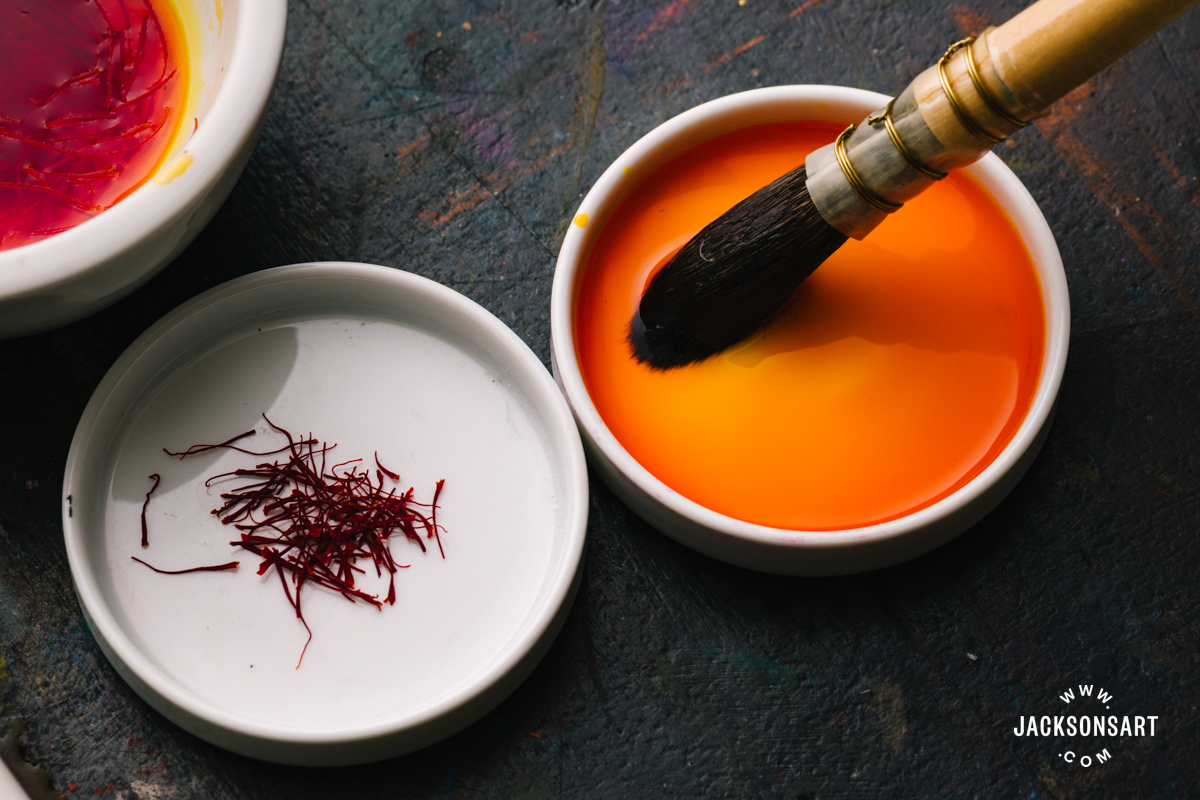
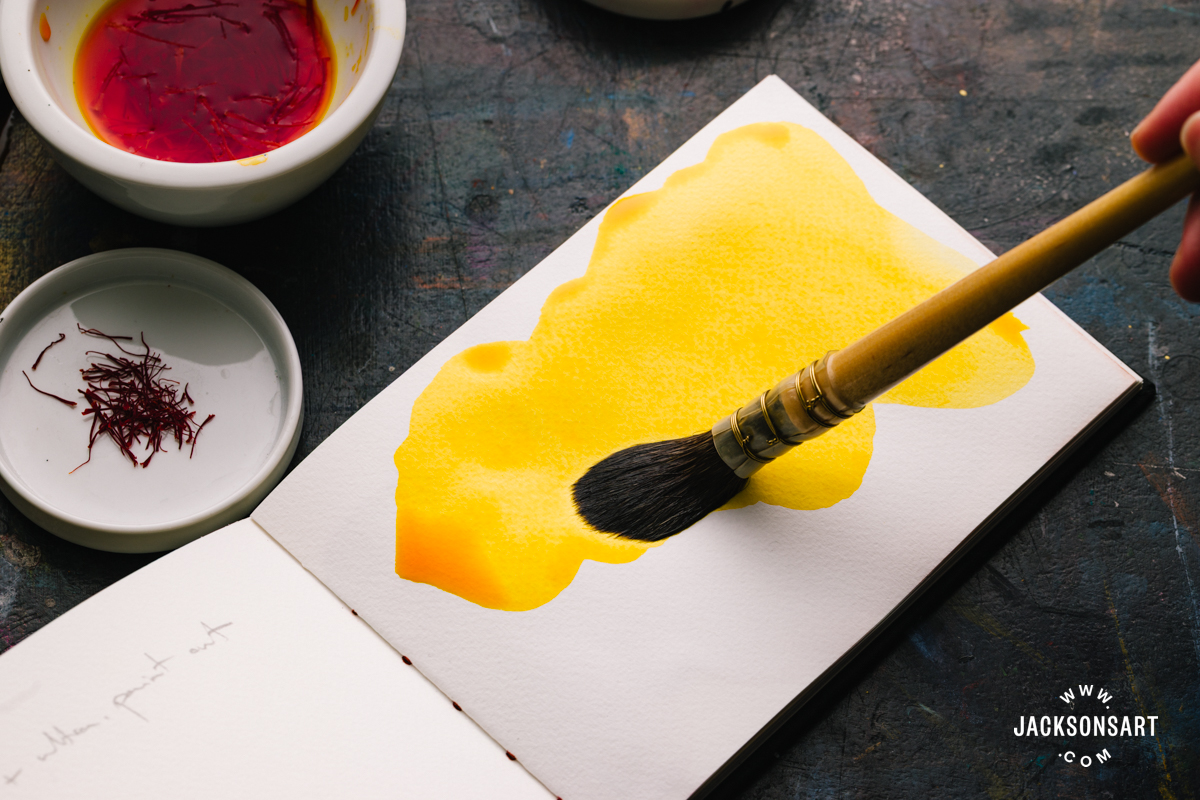
Saffron is a dye and a spice extracted from the pistil (a reproductive organ) of the saffron crocus. has been used in both art and medicine for centuries. It remains the most expensive spice in the world, prized for its fragrance and bright yellow colour.
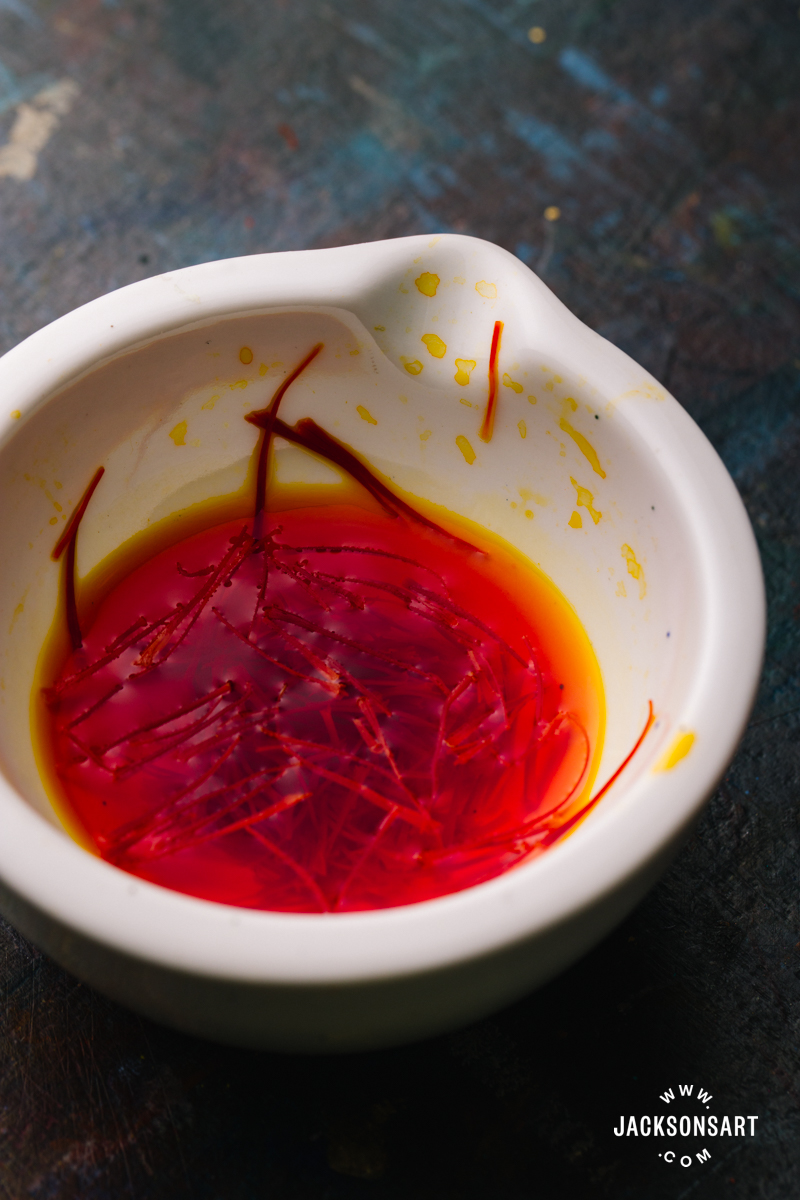
As a colourant, it was primarily used for textile dyeing, but Saffron was also used in Indian and Persian manuscript illumination to produce rich yellows. It was mixed with Verdigris, a green copper acetate pigment, to create delicate shades of pistachio green.
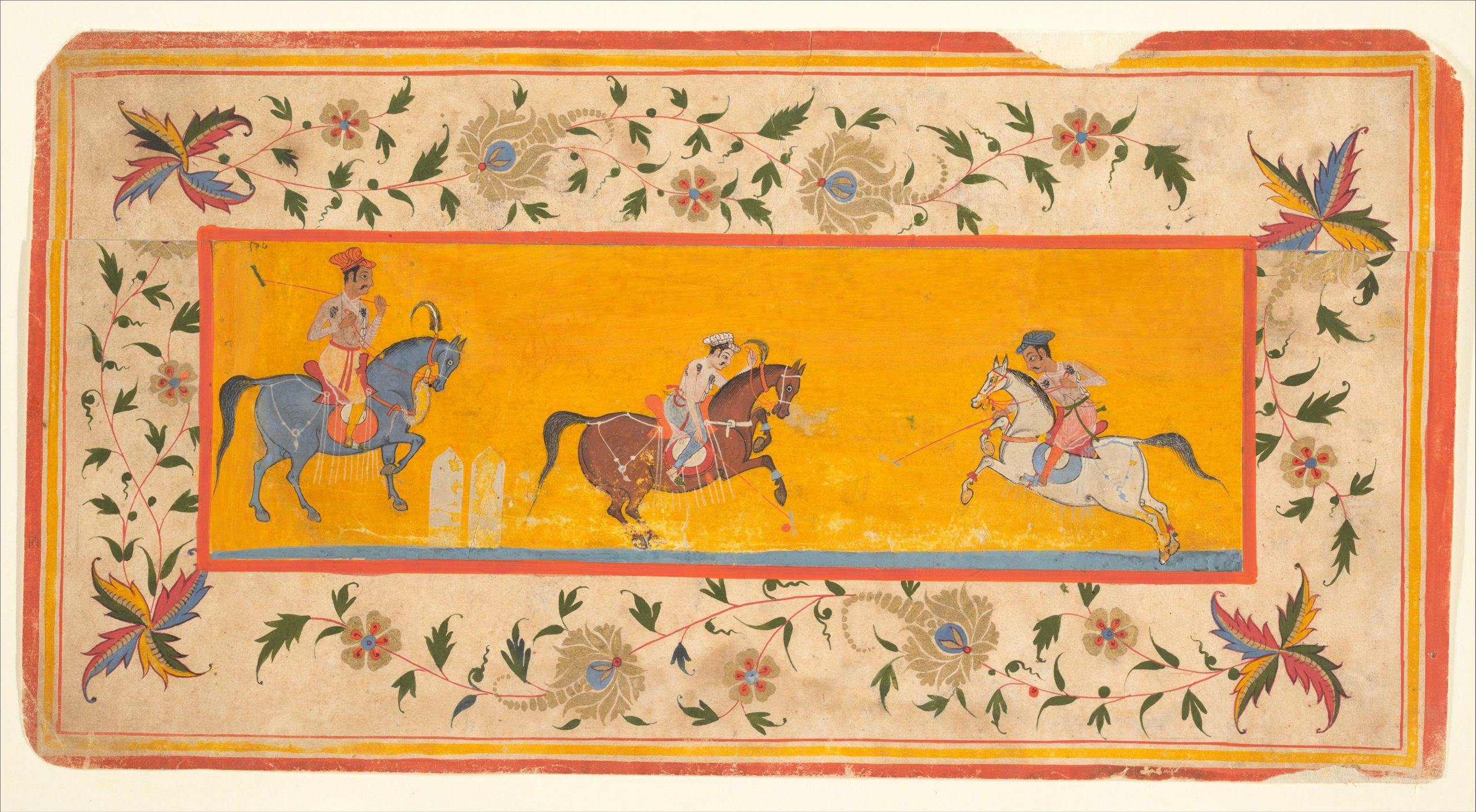
India (Rajasthan, Bikaner)
Manuscript leaf; ink, and opaque watercolour on paper, 7 x 23.3 cm | 2.75 x 9.2 in
The Metropolitan Museum of Art
Saffron’s connection with desire is ancient – the goddess Aphrodite was said to bathe in waters infused with the spice. The Kama Sutra, written in the 3rd century, recommends saffron mixed with milk to help with sexual dysfunction. Interestingly, this concoction is also what Queen Cleopatra of late Ptolemaic Egypt was reported to have bathed in before meeting with a suitor. Even today, saffron continues to be used in traditional medicine to bring down inflammation, reduce melancholy, and boost libido.
Pearls and Oyster Shells
Cleopatra’s reputation as a notorious seductress brings us to another pigment that also functioned as an aphrodisiac – Pearl White. The belief in pearls’ erotic power may stem from the famous legend of Cleopatra dissolving a pearl in wine and drinking it at a banquet in front of Mark Antony – one of antiquity’s most theatrical performances of sexual enchantment. Pearls, composed of calcium carbonate, could be ground into a fine white pigment for use in cosmetics and painting, but more commonly, shells from oysters, clams, and other shellfish were used to make the pigment. In Japan, it was known as Gofun, and it was mixed with various amounts of Carbon Black to make a range of soft, blue-greys.
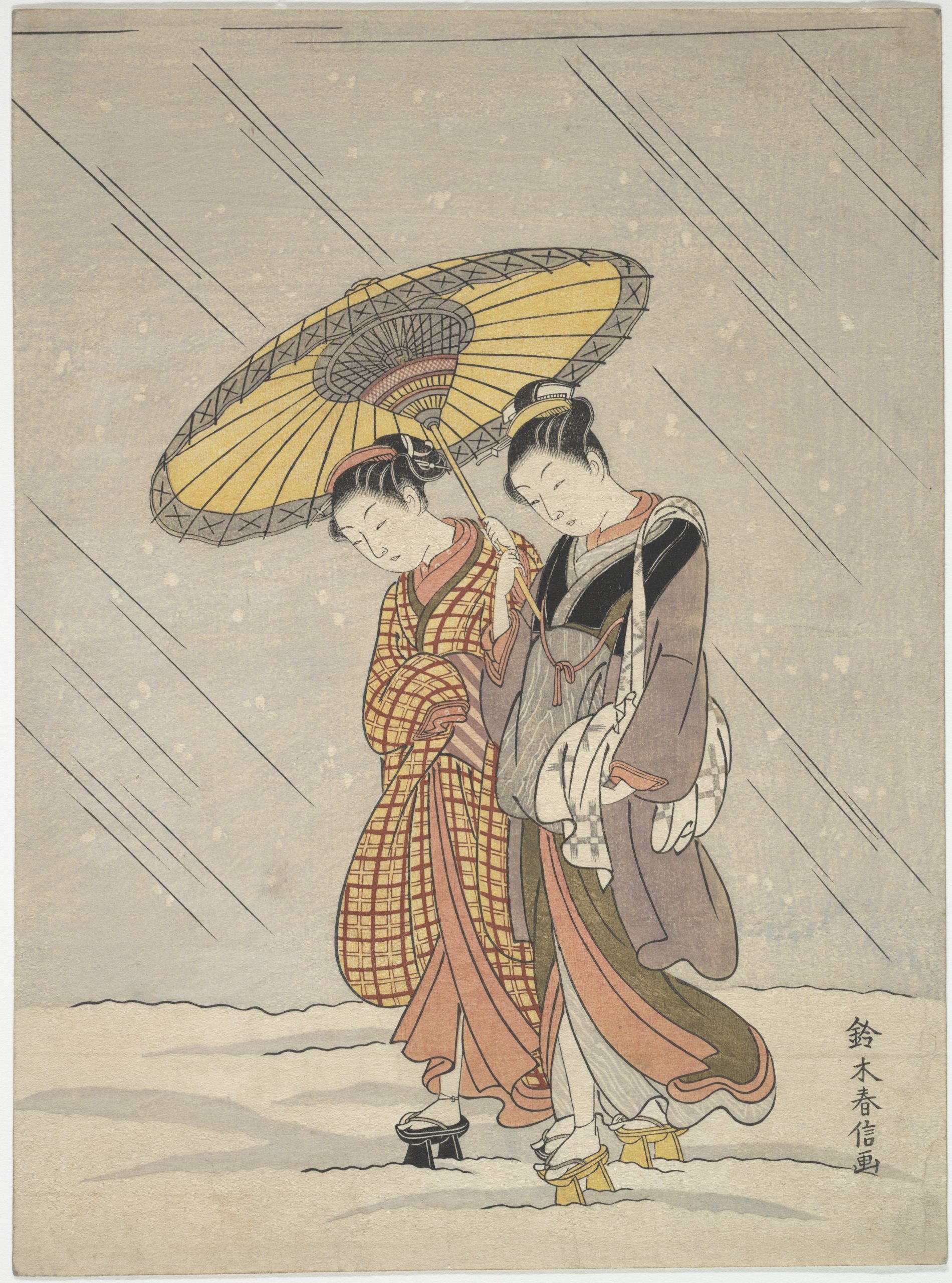
Suzuki Harunobu
Woodblock print, 26.4 x 20.6 cm | 10.4 x 8.1 in
The Metropolitan Museum of Art
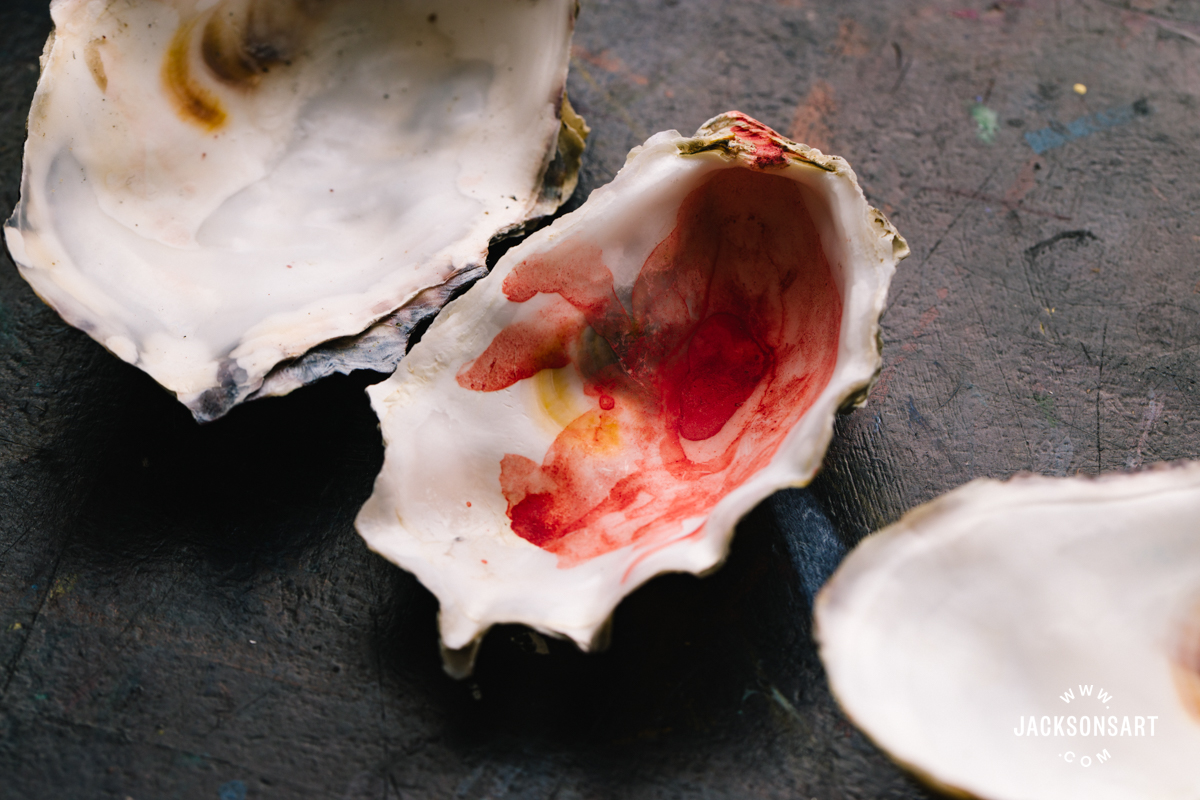
Oysters played an important role in the medieval European artist’s studios – the shells were often used as small paint palettes, their naturally bowl-like shape ideal for holding colour. Oysters are among the most enduring foods associated with desire. In seventeenth-century Dutch painting, they frequently appear as symbols of seduction and pleasure.
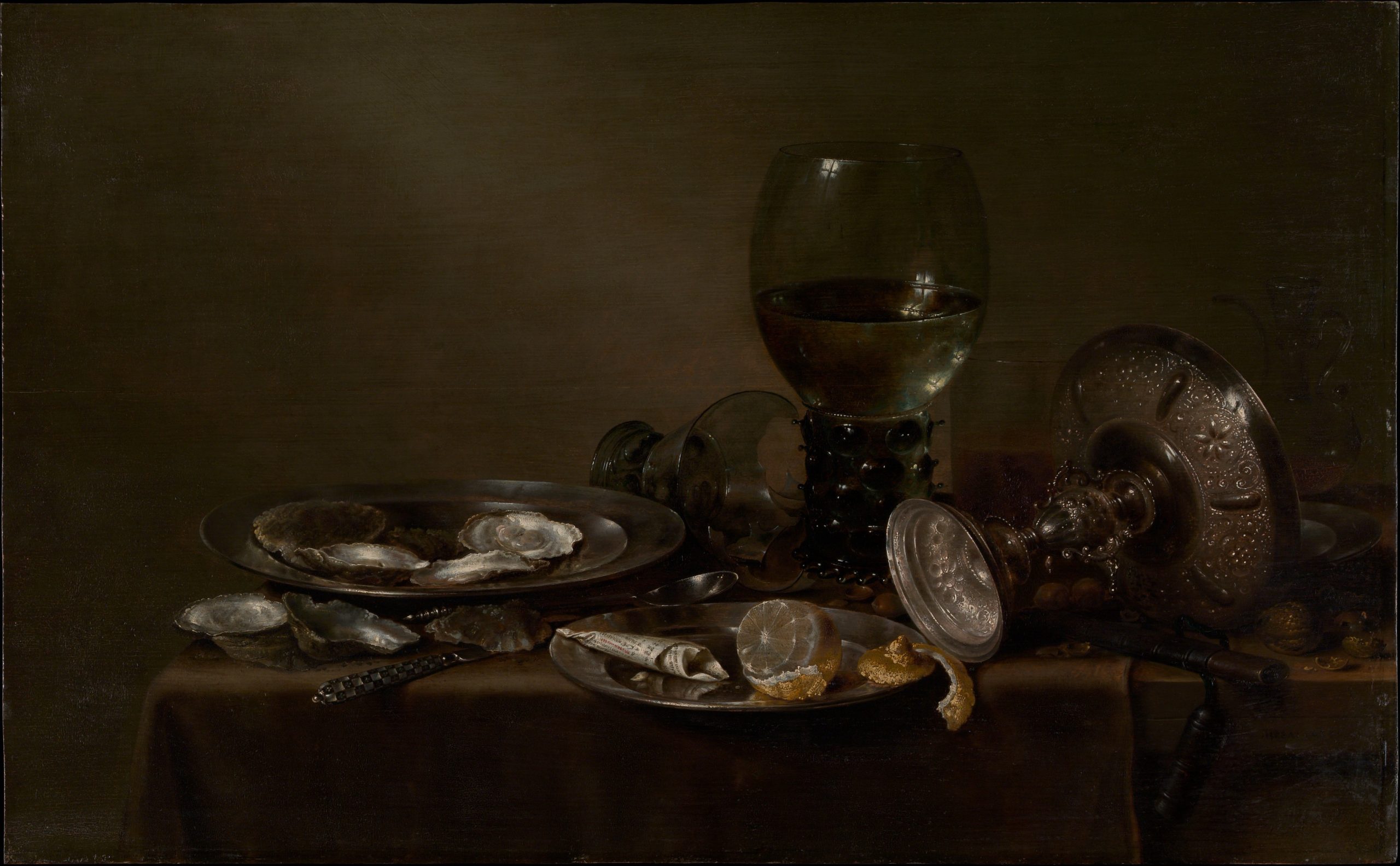
Willem Claesz Heda
Oil on wood, 49.8 x 80.6 cm | 19.6 x 31.7 cm
The Metropolitan Museum of Art
Dragon’s Blood
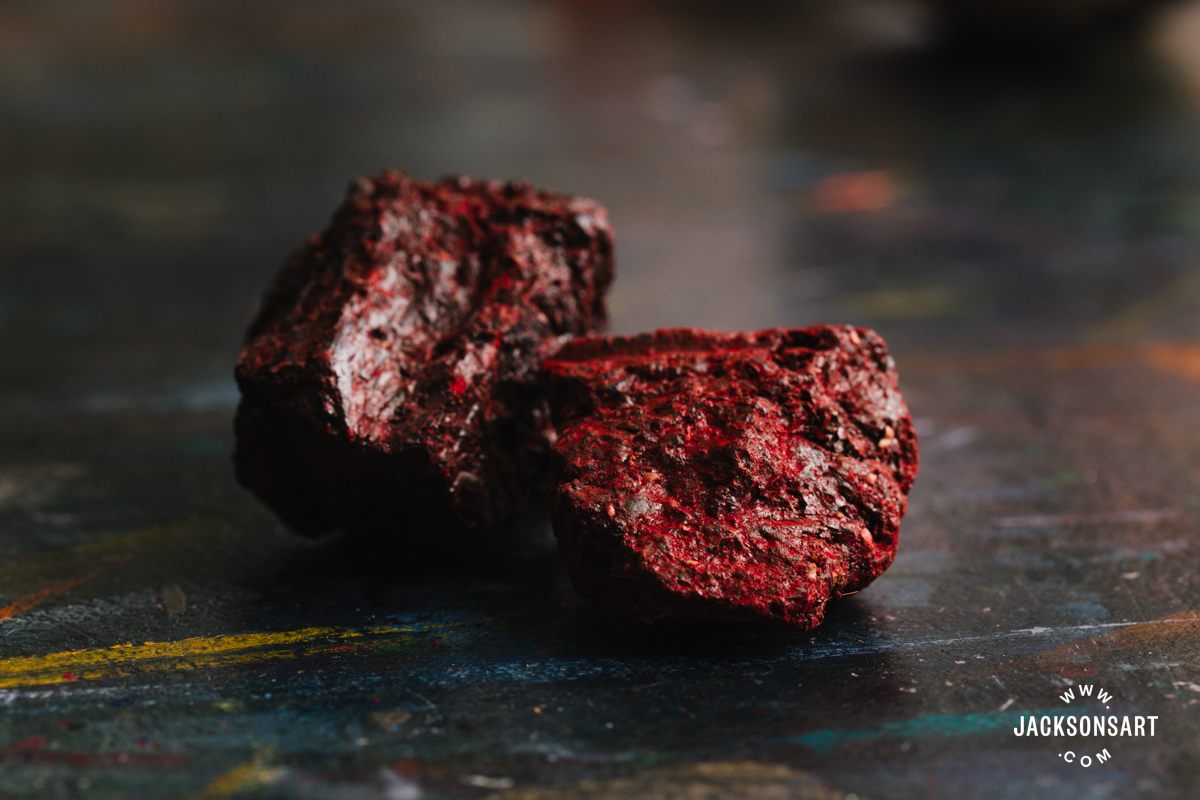
Dragon’s Blood is a deep red resin extracted from dracaena trees, although, as the name suggests, it was believed to be the mingled blood of dragons and elephants. It was used as a pigment from antiquity until the 19th century, though its role in painting was relatively limited compared to more stable reds. Dragon’s Blood continues to be used in traditional medicine and as incense, and many modern vendors today market it as an aphrodisiac.
Why is Red the Colour of Love?
Whether red roses, red hearts, or red lipstick, the connection between the colour red and love and seduction is deeply ingrained. However, red is not only the colour of desire, but also the colour associated with anger and hatred. Few colours carry such emotional intensity at both extremes.
While colour symbolism is often shaped by culture, our particular sensitivity to red seems to be rooted in biology. Human vision is especially attuned to it, with red-sensitive cone cells clustered at the centre of the retina. For our primate ancestors, this heightened perception would have been useful for survival – spotting ripe fruit against green foliage, or recognising a flash of blood from an injury. For this same reason, red is the dominant colour of warning and danger signs today.
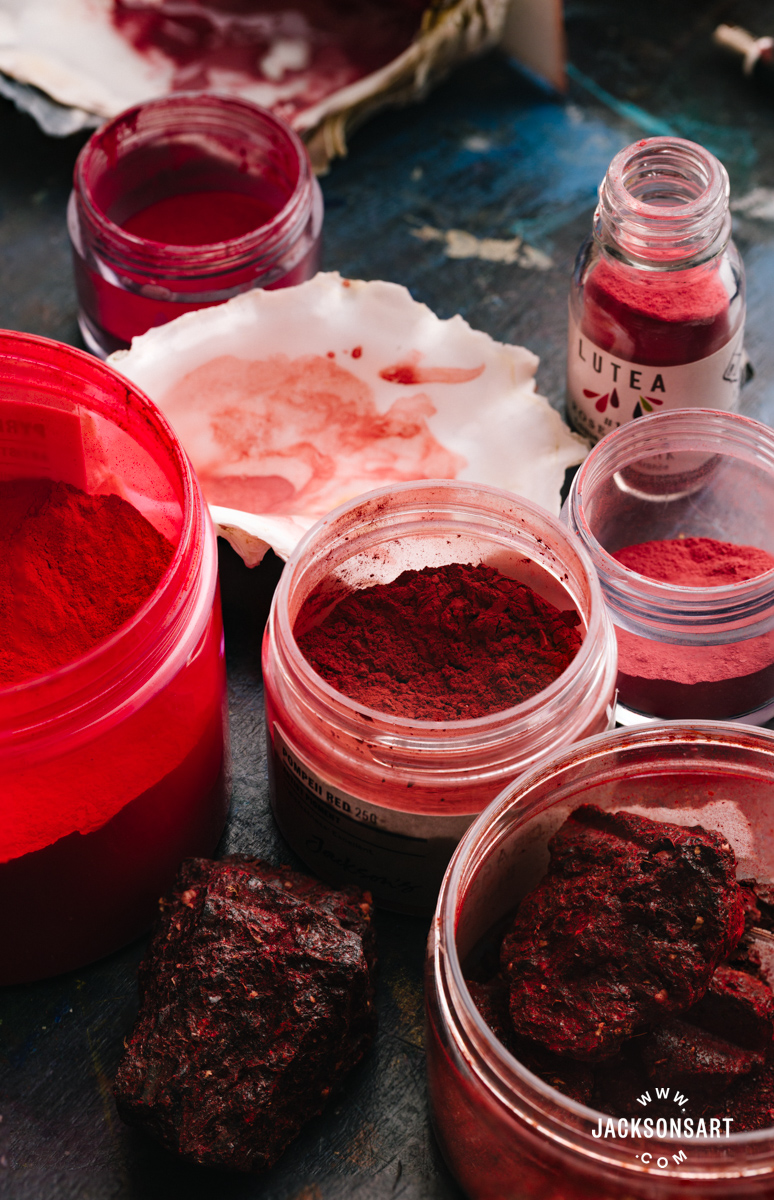
Red also plays an important role in social communication. The human body communicates through colour, as blood flow changes beneath the skin. Facial flushing is often involuntary, revealing anger, embarrassment, excitement, or desire. Our ability to notice red quickly may allow us to read these subtle shifts in others. Likewise, a pallid complexion might suggest sickness, while pink cheeks might be an indicator of health. Accordingly, red and pink cosmetics, such as rouge, have been used since antiquity to enhance attractiveness by mimicking the body’s natural flush. Historically, rouge has been coloured with pigments including Red Ochre, Vermilion, and Cochineal.
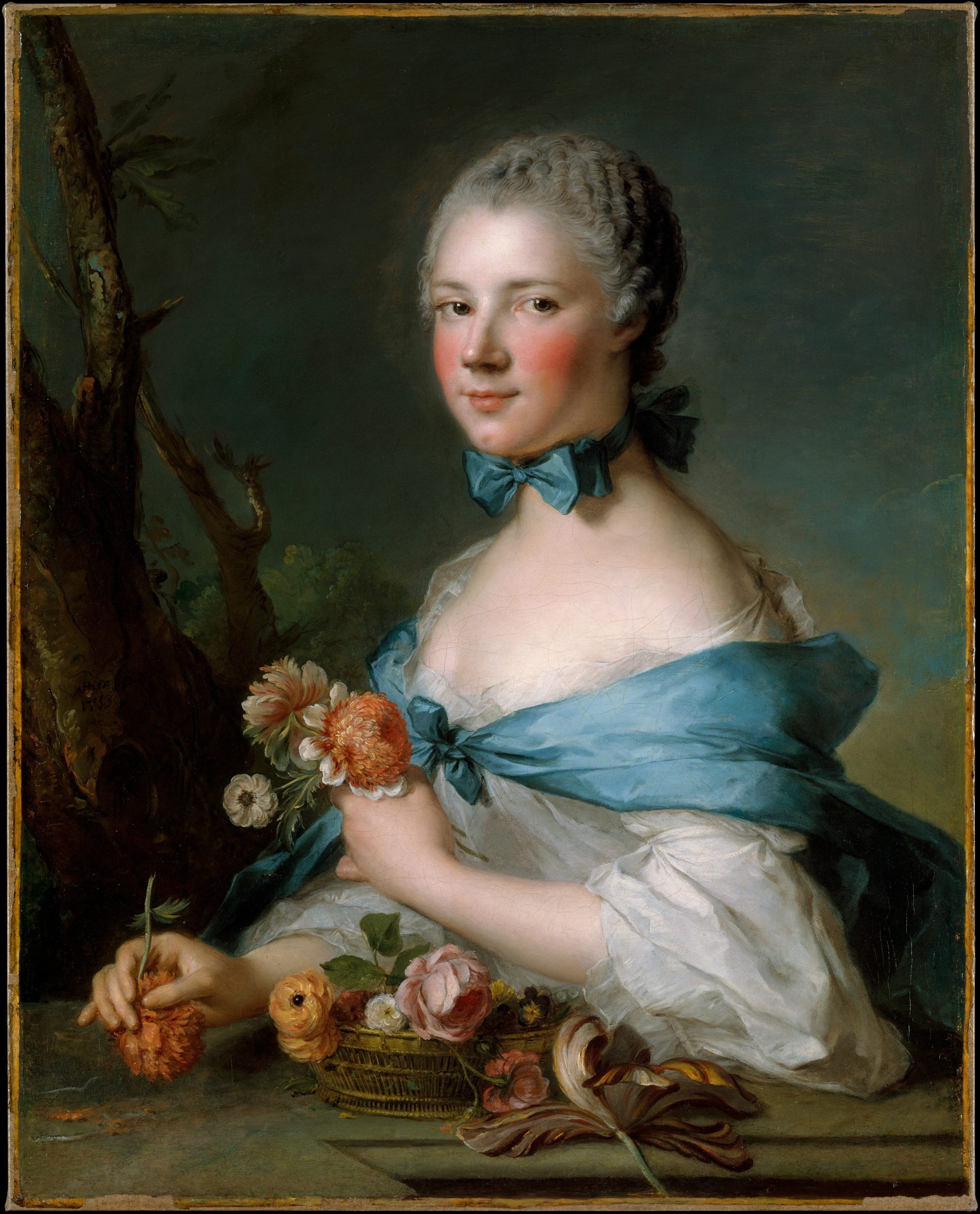
Jean Marc Nattier
Oil on canvas, 80 x 64.1 cm | 31.5 x 25.25 in
The Metropolitan Museum of Art
The colour red has always been tied to the body, to emotion, and to the most visceral forms of human experience. Within this context, it is no surprise that shades of red, crimson, and pink dominate greeting card aisles around Valentine’s Day.
Poisonous Valentine’s Cards
February 14th has been celebrated as the feast of Saint Valentine since the 5th century, but it wasn’t until the late Middle Ages that the day became associated with romantic love. Valentine’s cards are an even more recent phenomenon.
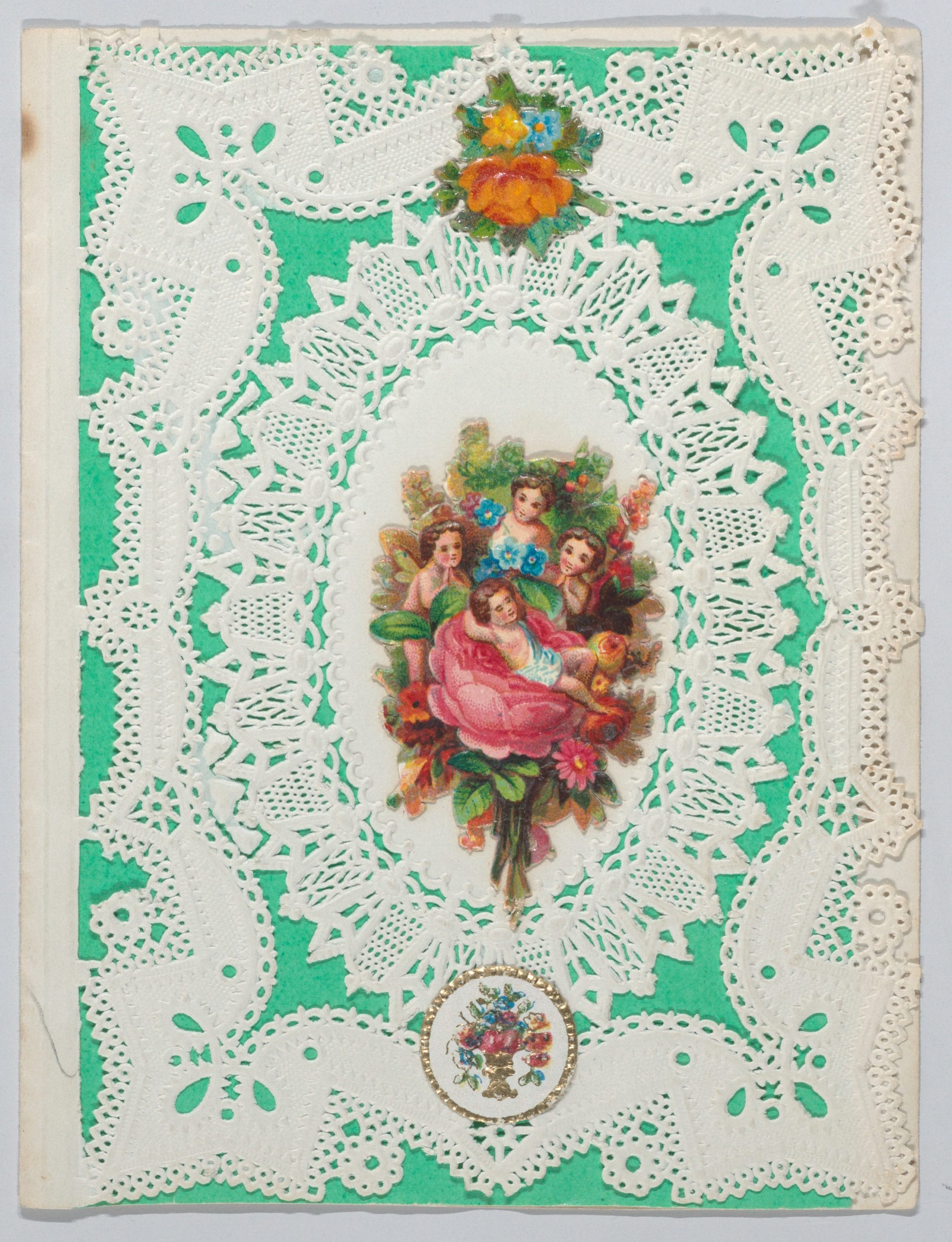
Cameo-embossed, open-work lace paper, chromolithography, coloured paper
9 x 12 cm | 3.5 x 4.75 in
The Metropolitan Museum of Art
The first commercial cards appeared at the end of the 18th century. During the Victorian era, their popularity exploded, coinciding with the rapid development of new synthetic pigments and dyes. Colour was cheaper and brighter than ever before. Printers flooded the market with vividly coloured cards, and consumers loved them. But not all of these colours were safe.
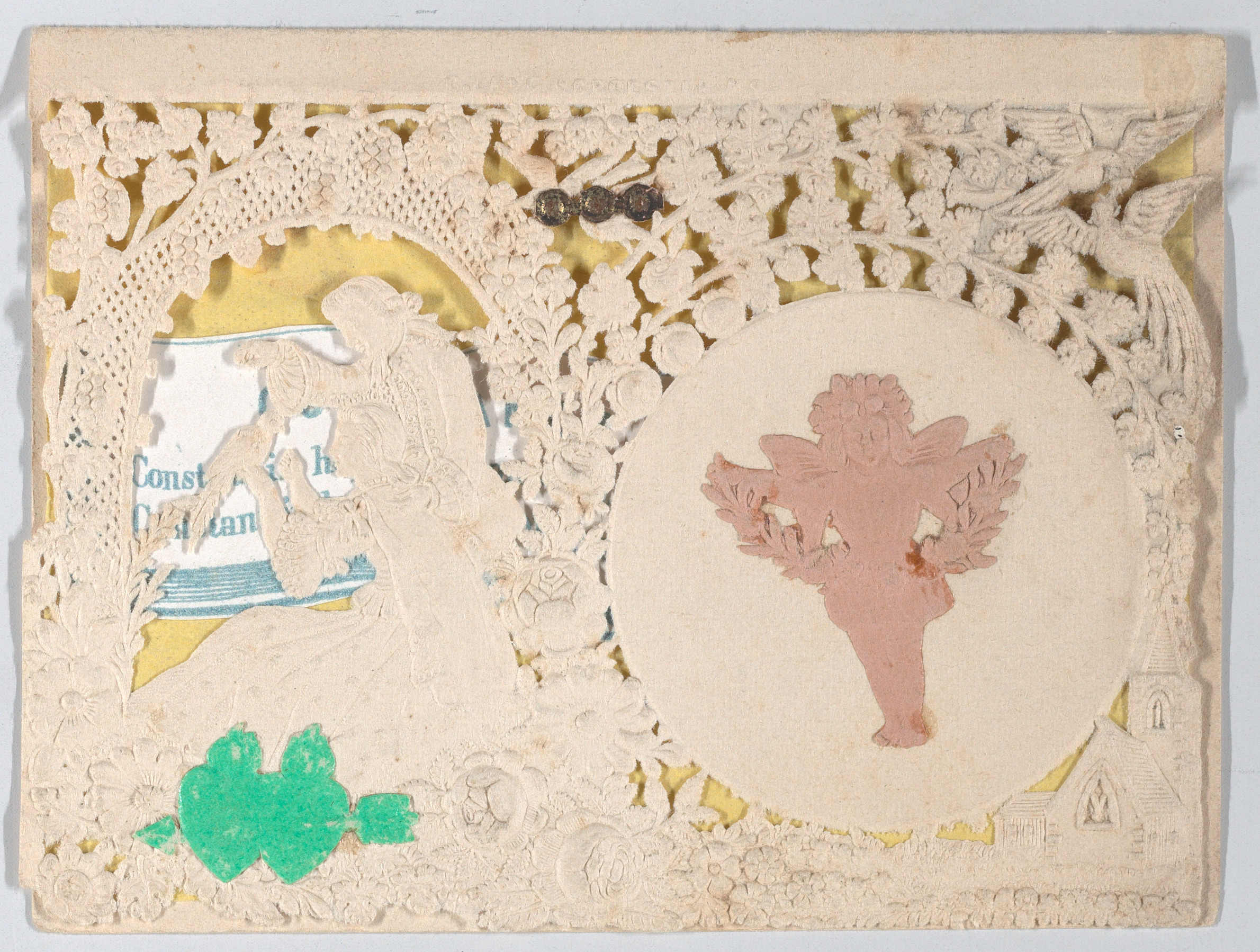
Cameo-embossed, open-work lace paper, coloured paper, ink
7.3 x 9.5 cm | 2.9 x 3.75 in
The Metropolitan Museum of Art
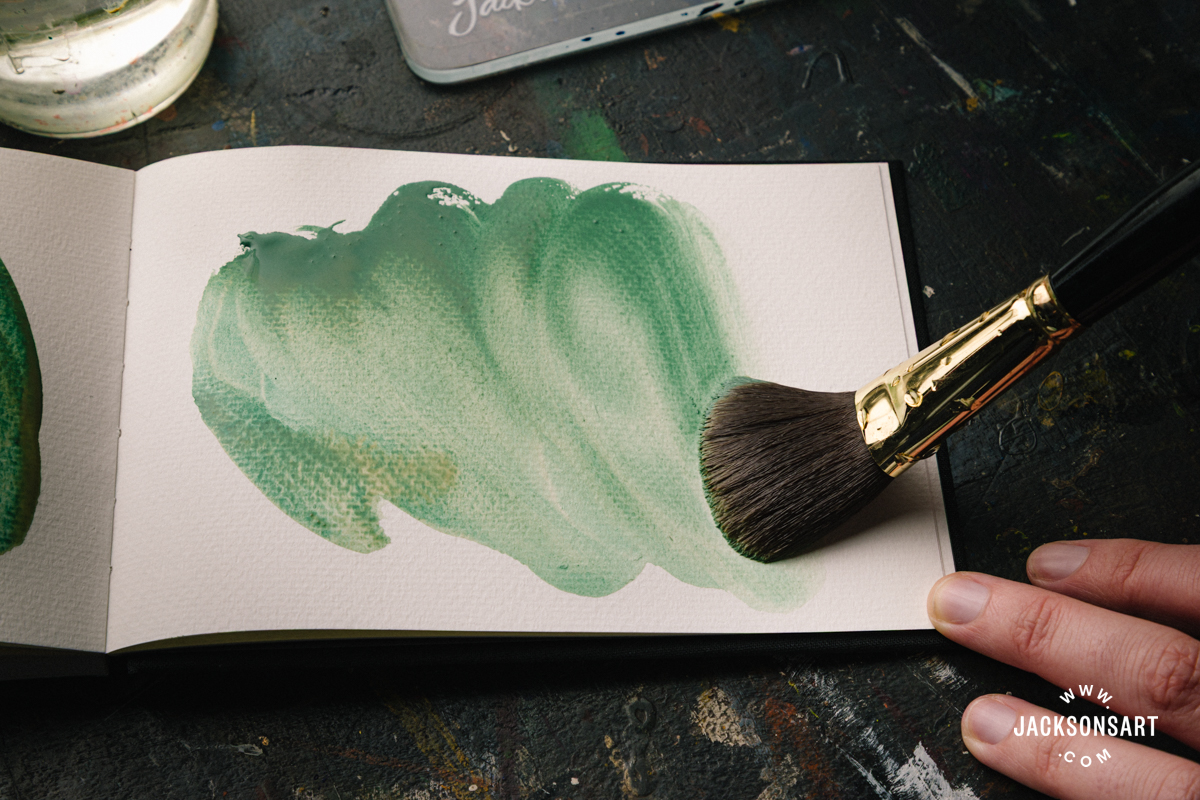
The glowing greens used in many Victorian Valentine’s cards are quite likely to have been Emerald Green, a toxic pigment made with arsenic. People in the 19th century were well aware of arsenic’s dangers, but that did not stop them from using Emerald Green across almost every area of life, including wallpaper, clothing, books and toys. Its brilliance was irresistible.
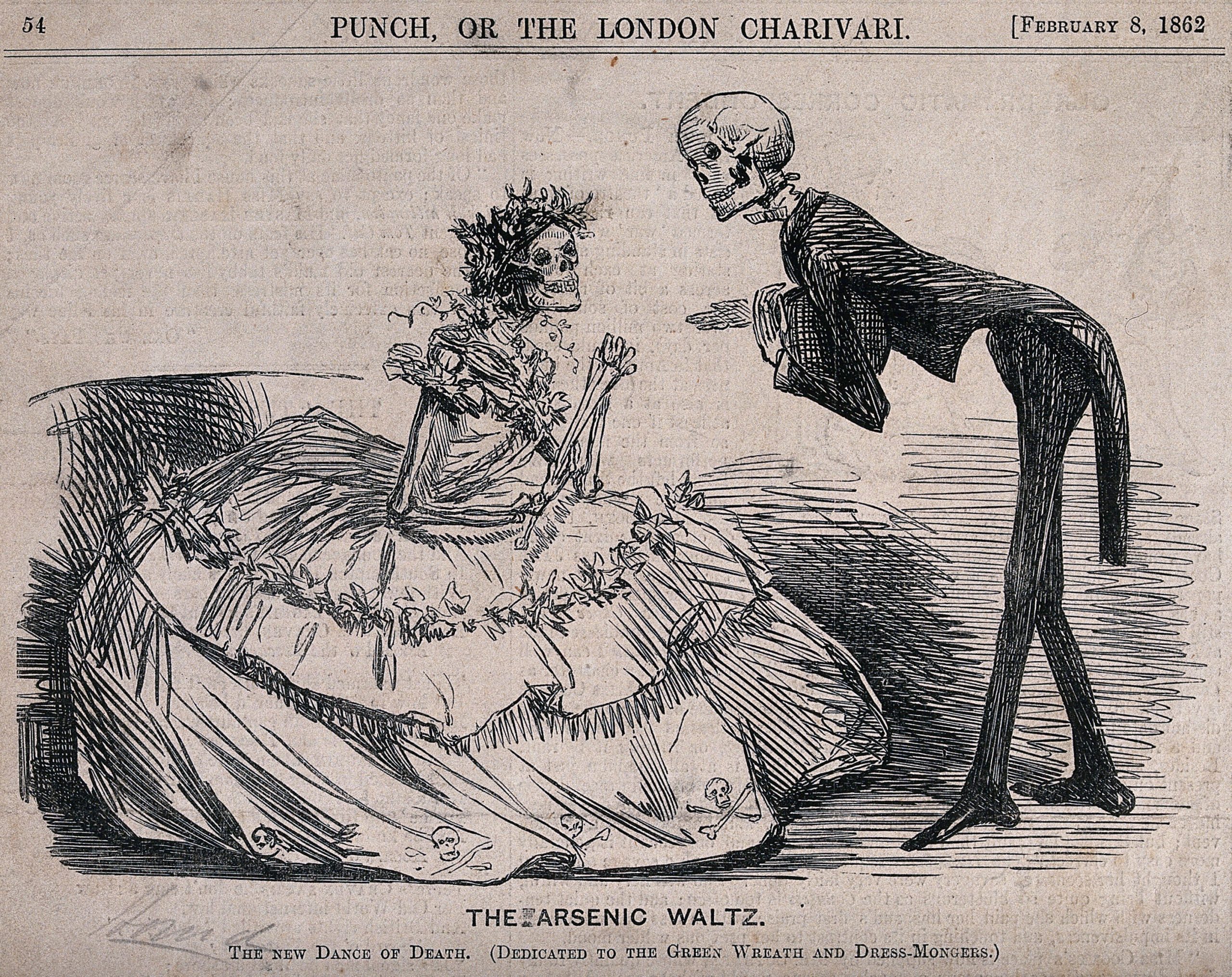
Unknown artist, possibly by John Leech
Etching representing the effect of arsenical dyes and pigments in clothing and accessories
The Wellcome Collection
Sometimes poisoning could be indirect. One case described a woman who fell ill after eating prunes that had been displayed with an Emerald Green price card propped on top of them – the toxic pigment had transferred onto the fruit.
It is unlikely that Valentine’s cards themselves would have contained enough pigment to seriously harm the recipient. But the sender may not have been as lucky. Emerald Green was also used to colour envelopes, including the part that needed to be licked. So, love was potentially a dangerous business in the 19th century.
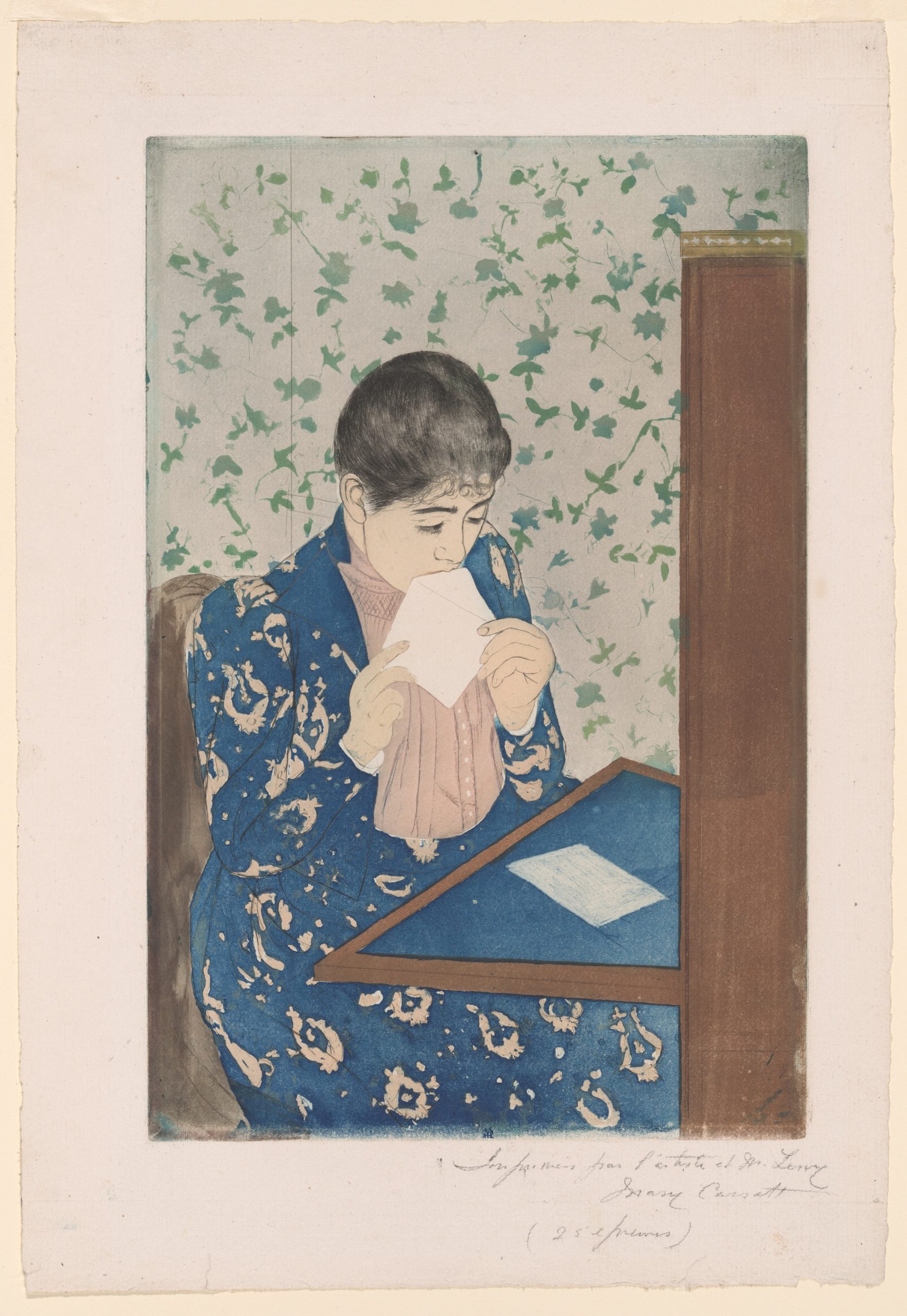
Mary Cassatt
Colour aquatint and drypoint on off-white laid paper, 34.5 x 21.1 cm | 14 x 8.3 in
Art Institute of Chicago
Emerald Green had been largely phased out by the early 1900s, as awareness around its toxicity grew. Artists, however, continued to use it well into the twentieth century. Today, paints called ‘Emerald Green’ no longer contain arsenic and are made with safer, modern pigments.
Art and desire have long been entangled, and pigments have played a role in that relationship. Far from being inert, these materials have moved between studio and apothecary, blurring the boundaries between beauty, medicine, and seduction. The story of aphrodisiac pigments reminds us that colour can be intoxicating in more ways than one.
Further Reading
Pigment Stories: Ultramarine Blue and French Ultramarine
Exploring the Impact of the Victorian Colour Revolution
Introducing Jackson’s Artist Pigment Sets
A Closer Look at Unique Pigments from A. Gallo Watercolours
Shop Art Materials on jacksonsart.com

3 thoughts on “Pigments in the Everyday: Love and Colour”
That’s really interesting actually. As an
artist, it makes me wonder about the
intoxicating experience of mixing one’s own
pigments and painting at the same time.
Excellent article. Thank you. Good to read
more about the background of these
pigments, their associations as well as links
with other non-art areas.
Glad you enjoyed it, Jean!
Comments are closed.