



For centuries, oil painting has occupied a central position within European art history. Giorgio Vasari’s claim that Jan van Eyck invented oil painting became one of the most enduring origin stories of Western art, helping to position Europe as the site of a major artistic breakthrough. Yet the history of oil painting is far more complex, extending far beyond a single artist, region, or moment of invention.
This article traces the history of oil painting from the ancient murals of Bamiyan, Afghanistan, to the present day. The history that emerges is one of continual transformation, shaped by trade routes, material experimentation, and industrial chemistry.
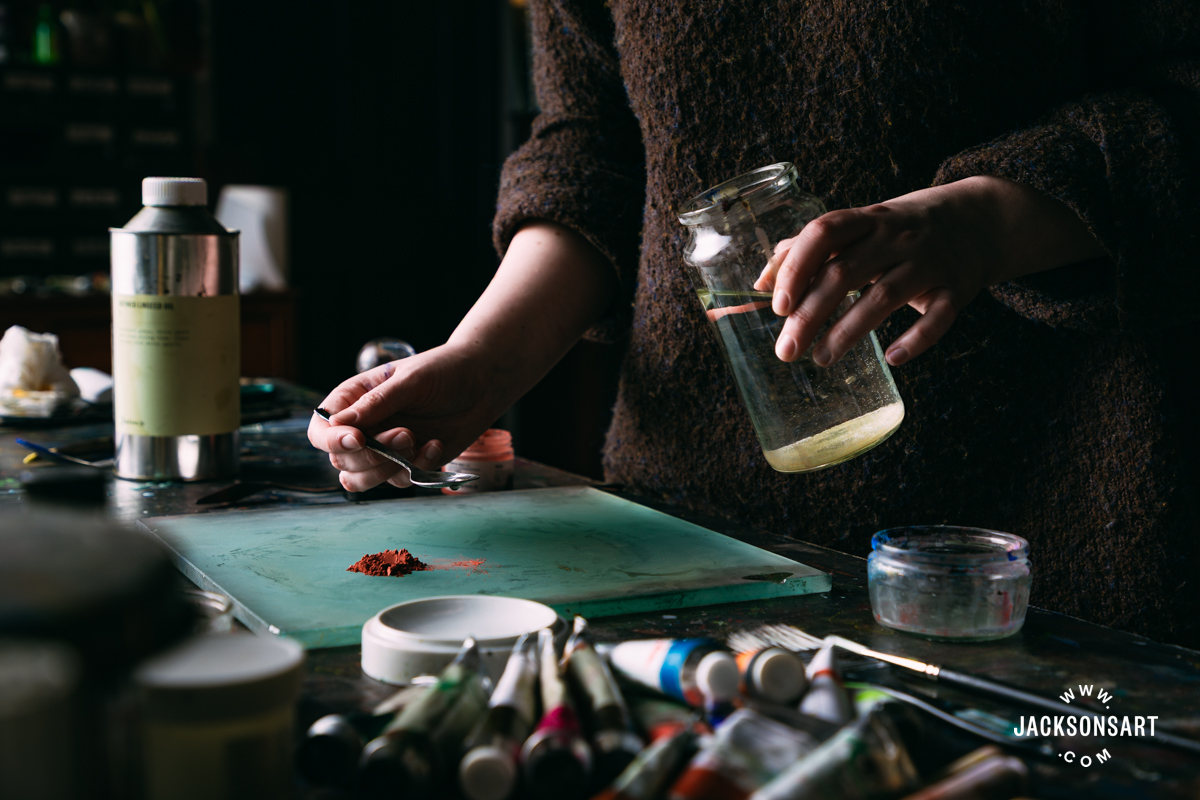
The Myth of the Origins of Oil Painting
In 1550, Giorgio Vasari published The Lives of the Most Excellent Painters, Sculptors, and Architects, a collection of artist biographies that became one of the most influential texts in European art history. In it, Vasari claimed that the Northern Renaissance painter Jan van Eyck invented oil painting in the 15th century.
“After he had made many experiments with substances both pure and mixed together, he found at length that linseed oil and oil of nuts dried more readily than all the others that he had tried. […] Afterwards, having made experiments with many other substances, he saw that mixing the colours with those oils gave them a very solid consistency, not only securing the work, when dried, from all danger from water, but also making the colour so brilliant as to give it lustre by itself without varnish; and what appeared most marvellous to him was this, that it could be blended infinitely better than tempera.”
However, it is a myth, perpetuated in part by Giorgio Vasari, that oil painting was invented by Jan van Eyck. Vasari’s account also reflects a broader tendency within European art history to treat major artistic innovations as originating within Europe itself. In reality, the history of oil painting began at least 600 years before van Eyck was born, likely emerging through long histories of material exchange across Eurasia.
The Earliest Examples of Oil Painting
In 2001, the Taliban destroyed two monumental 6th-century statues of Buddha in the Afghan district of Bamiyan. The destruction revealed previously hidden caves decorated with wall paintings, estimated to have been made between the 5th and 9th centuries. Researchers were able to identify the pigments in the murals, which included Vermilion, Lead White, and natural Ultramarine Blue. However, the most significant discovery was that some of the paints were bound with walnut or poppy oil, overturning the assumption that oil painting was a later European innovation.
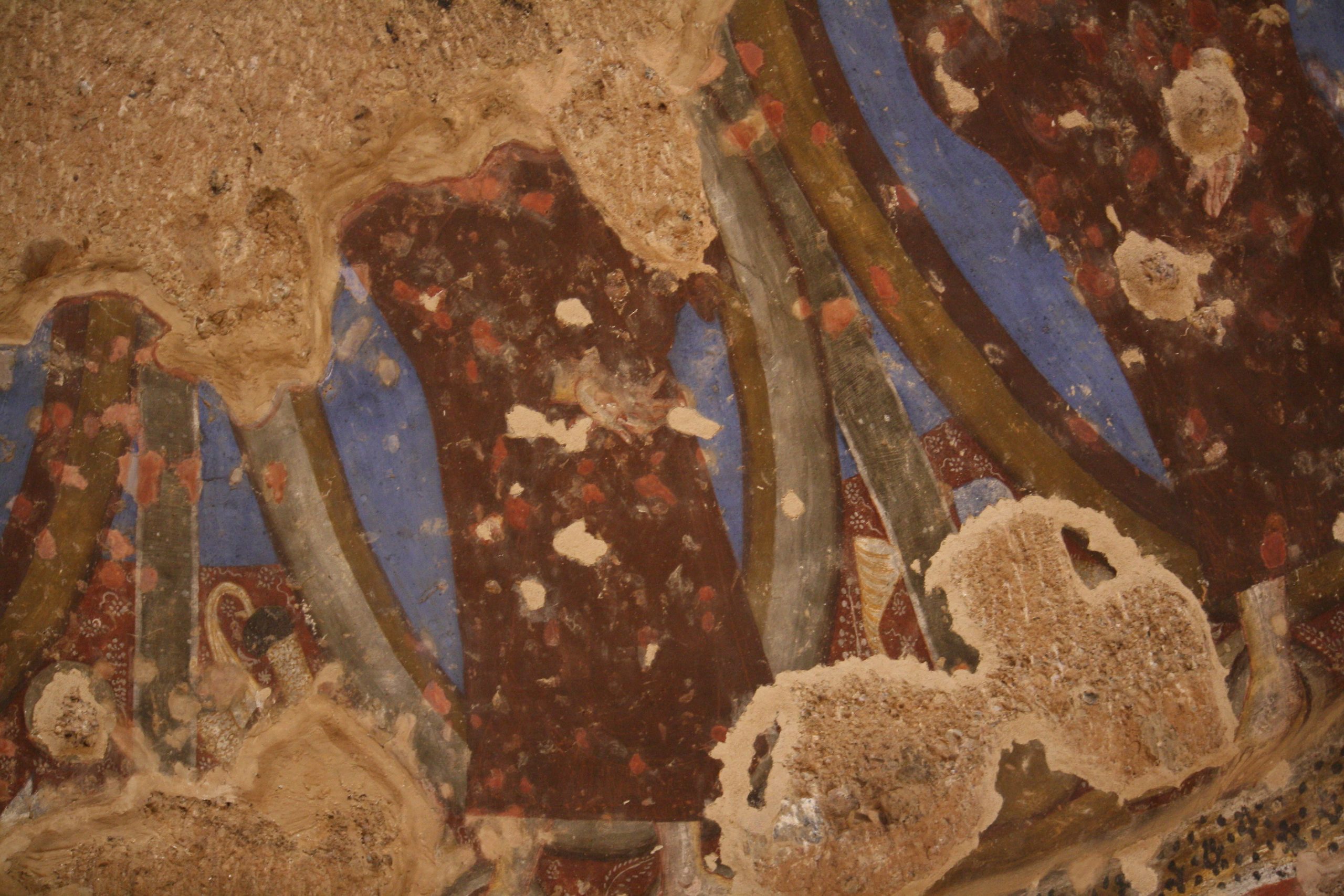
Wikimedia Commons
The Bamiyan caves are currently the earliest surviving evidence of oil-based binders, but that doesn’t necessarily mean that oil painting originated there. Bamiyan was part of the Silk Road network that connected China, India, Central Asia, Iran, and the Mediterranean. It was not a remote artistic outpost, but part of an extensive network through which materials and techniques circulated. The development of oil painting was therefore not the result of an isolated discovery, but likely part of a much longer history of material exchange, adaptation, and experimentation. There may be earlier instances of oil painting yet to be discovered.
The Transition from Tempera to Oil
Until the 15th century, European painters working on wood were predominantly using tempera, an egg-yolk medium that required paint to be built up in thin, hatched strokes of colour. Egg tempera dries quickly, and produces a matt or satin finish that can look a little like fresco when dry, unless varnished. European artists painting with tempera included Duccio, Giotto, and Simone Martini.
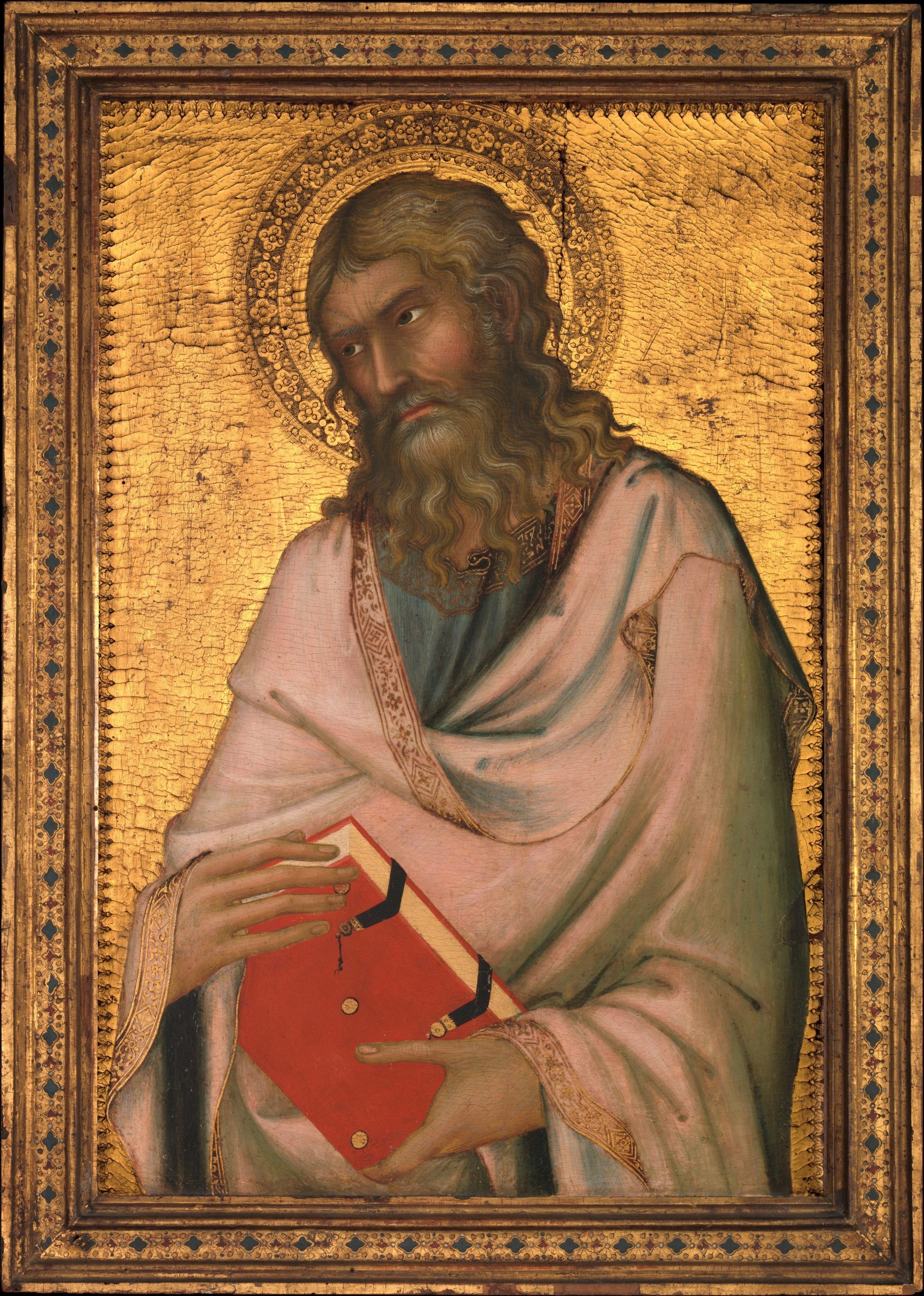
Simone Martini
Tempera on wood with gold ground, 57.2 x 37.8 cm | 22.5 x 14.9 in
The Metropolitan Museum of Art
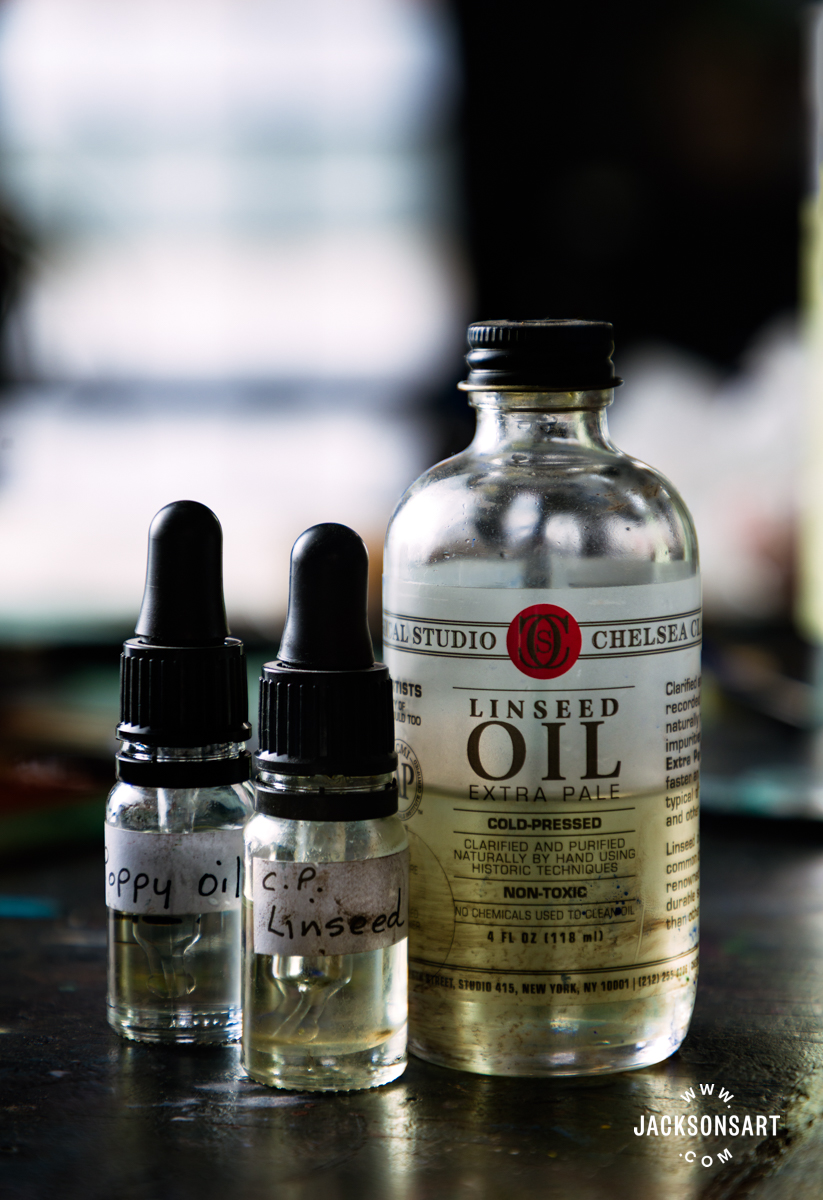
However, painters were also well aware of the binding power of drying oils. In a 12th-century treatise, Theophilus described grinding pigments with linseed oil for painting on wood and metal. In the 15th century, Cennino Cennini recommended using an oil binder for certain pigments.
Analysis of paintings suggests the use of tempera grassa (‘fatty’ tempera), a hybrid medium containing egg yolk combined with a little walnut or linseed oil to produce a richer, more transparent paint. Tempera grassa is difficult to positively identify, but it appears that artists including Paolo Uccello, Sandro Botticelli, and Giovanni Bellini used it. It seems that painters chose their binders selectively throughout a painting, depending on the pigments used and the desired effect.
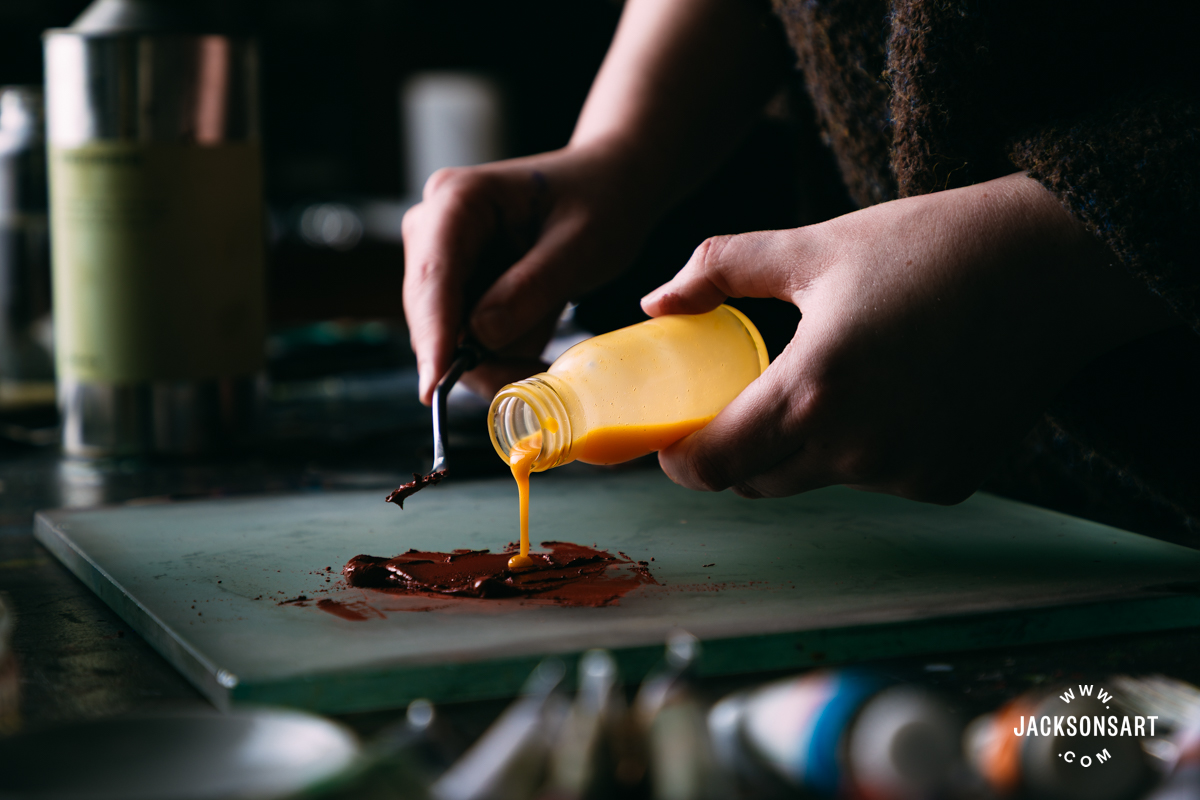
For example, pure egg-yolk binders are used in underpainting layers and in certain lighter colours, and tempera grassa is used for darker pigments and in final glazes. This evidence shows that there was not a sudden shift between tempera and oil-based paints, but a prolonged period of overlap.
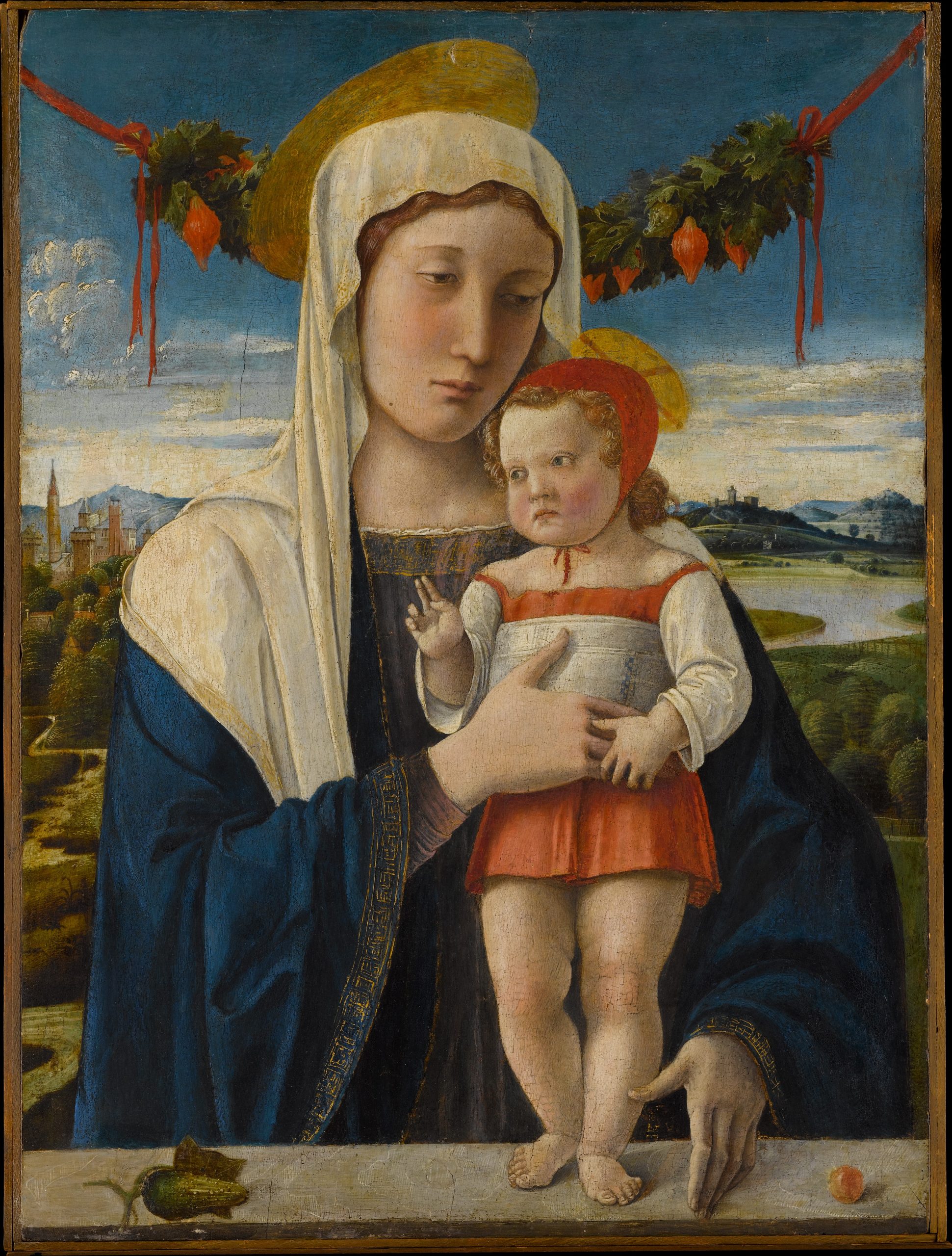
Giovanni Bellini
Tempera, oil, and gold on wood, 54 x 40 cm | 21.25 x 15.75 in
The Metropolitan Museum of Art
Oil Painting in Early Netherlandish Art
Jan van Eyck cannot be credited for the invention of painting with oil-based colours, but he was certainly a pioneer in the medium. Born around 1390, Van Eyck’s paintings are remarkable for their extraordinary naturalism, achieved largely through his use of oil binders. Oil has a higher refractive index than tempera, meaning that many pigments that appear opaque in tempera are transparent and richer when bound in oil.
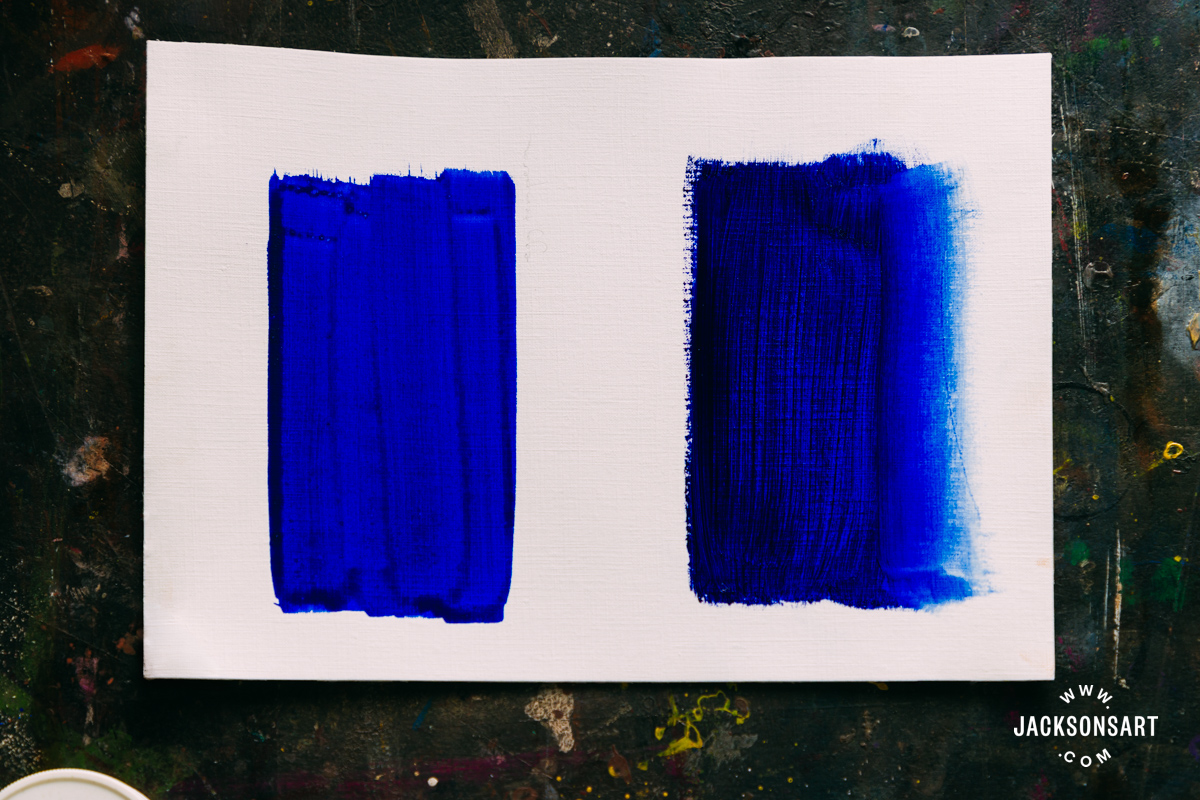
Taking advantage of this property, van Eyck built up thin, transparent glazes of paint on top of opaque underlayers. Rather than reflecting directly off the surface, light penetrates these layers, scattering and reflecting back through them. The result is an optically complex surface with a sense of depth and appearance of internal luminosity that was difficult to achieve with earlier tempera techniques.
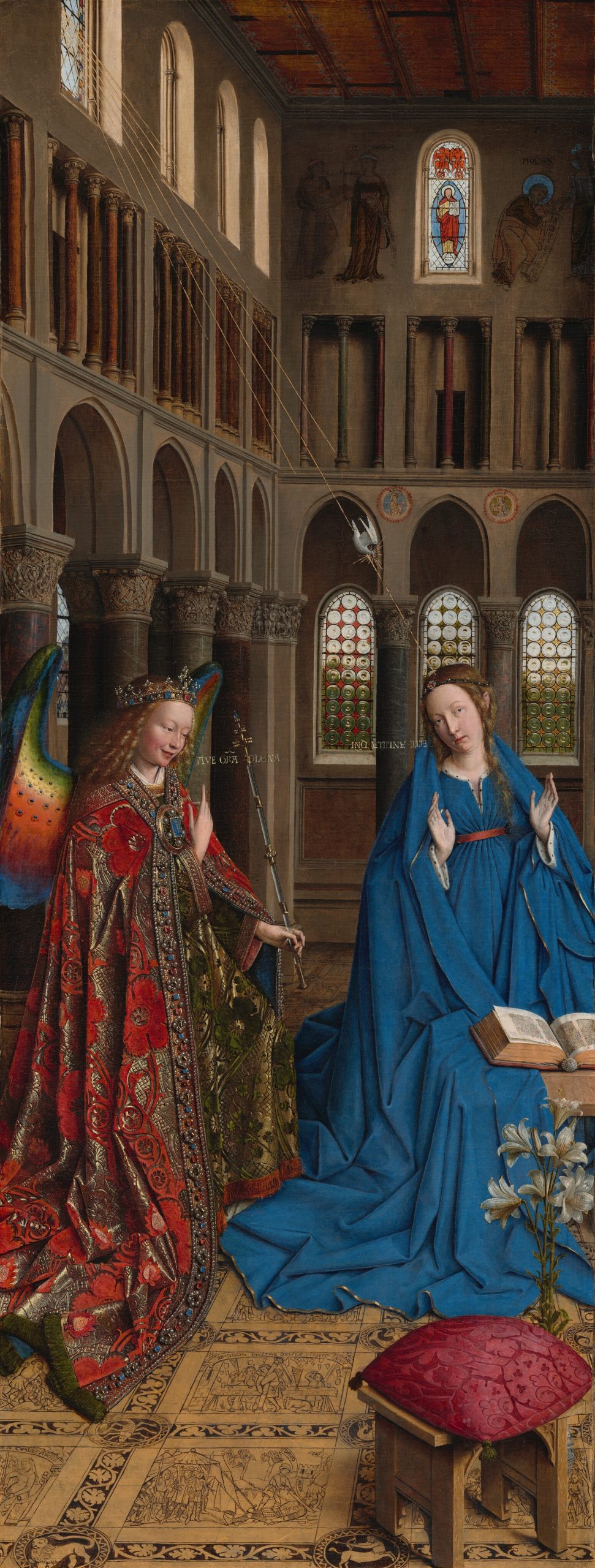
Jan van Eyck
Oil on canvas transferred from panel, 90.2 x 34.1 cm | 35.5 x 13.4 in
National Gallery of Art
Equally important was oil’s extended working time. Unlike tempera, which dries rapidly, oil remains workable for hours or even days. This allowed for soft blending and seamless tonal transitions, supporting the illusion of continuous form. However, the slower drying time imposed practical constraints because the accumulation of paint required patience.
Technical examination of the Ghent Altarpiece, completed in 1432 by Jan van Eyck and his brother Hubert, revealed the use of heat-bodied linseed oil as well as the possible addition of resins. Heat-bodied oils have been partially polymerised through heating, and are more viscous and dry more quickly than raw oil. This would have allowed van Eyck to control the application of his glazes and contributed to the smooth, enamel-like finish associated with his work.
While Jan van Eyck is the individual most closely associated with the development of European oil painting, his contemporaries Robert Campin and Rogier van der Weyden were also early adopters of oil paint, helping to refine the naturalistic style associated with 15th-century Netherlandish painting.
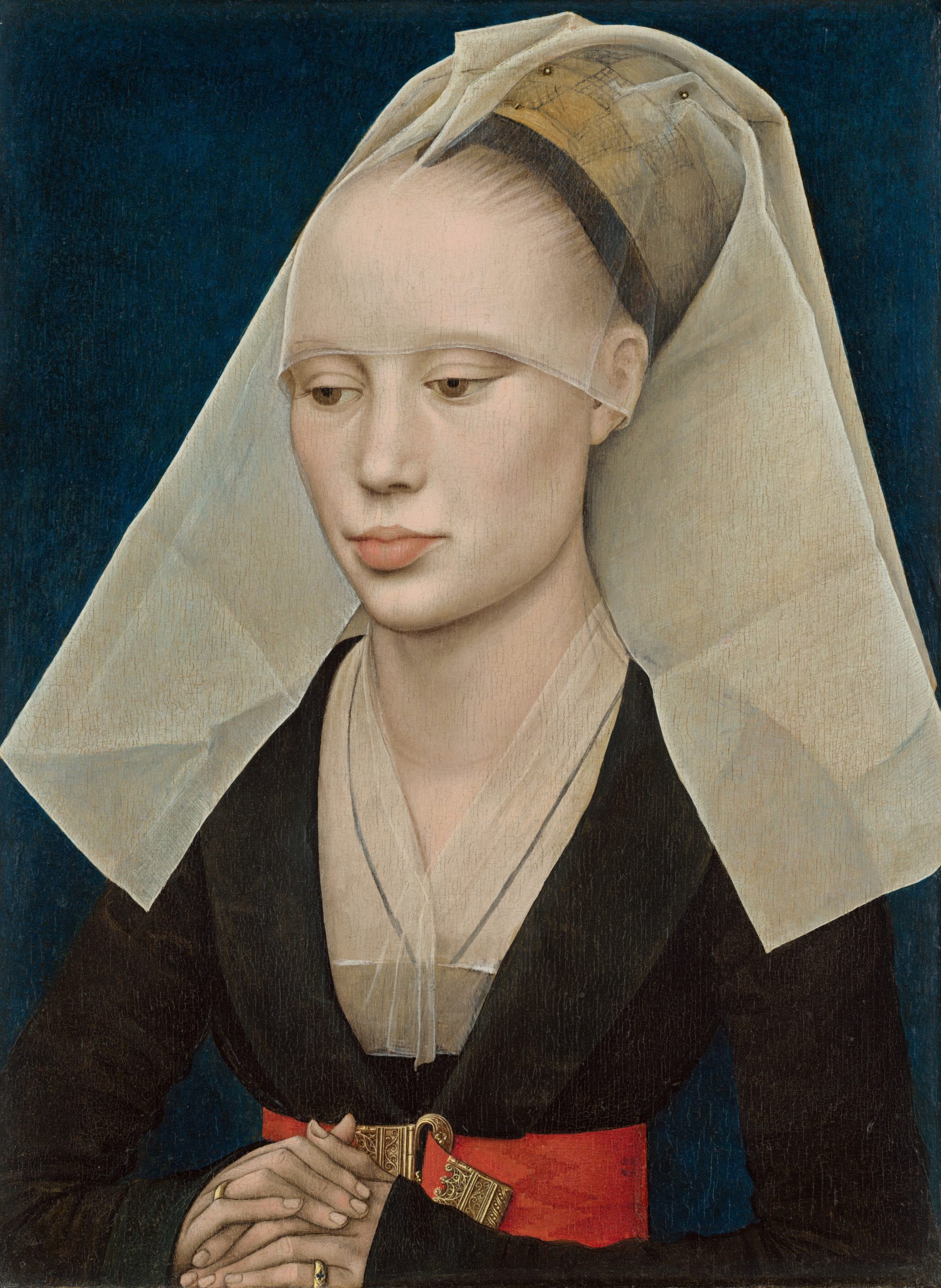
Rogier van der Weyden
Oil on panel, 37 x 27 cm | 14.6 x 10.6 in
National Gallery of Art
In The Lives of the Most Excellent Painters, Sculptors, and Architects, Vasari wrote that van Eyck guarded his methods closely, and described the astonishment of viewers encountering his paintings for the first time. He also tells a story of Antonello da Messina travelling to Flanders to learn van Eyck’s technique and bringing it back to Italy. Although Da Messina’s work was undoubtedly influenced by Netherlandish painting, this story is almost certainly untrue.
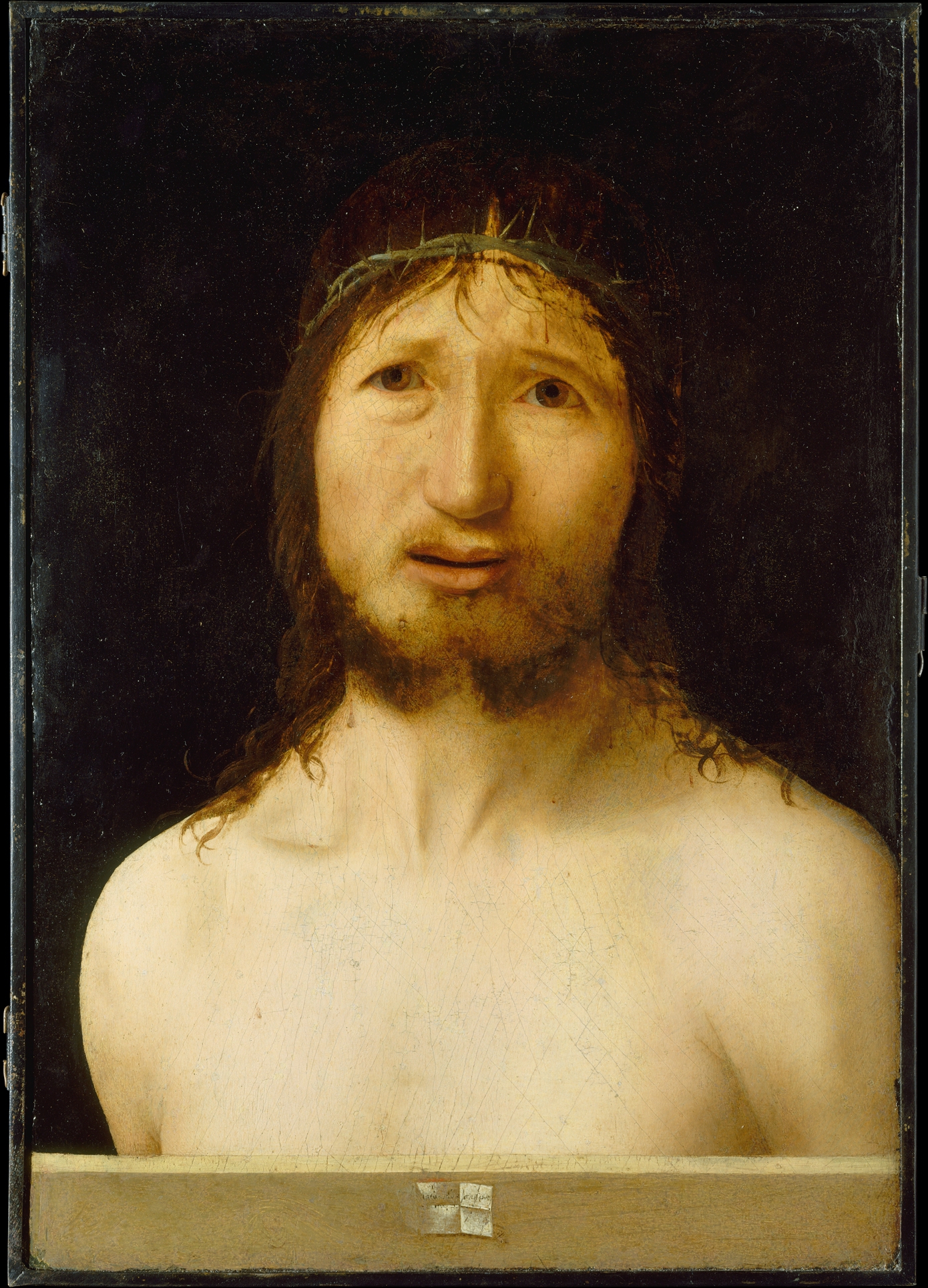
Antonello da Messina
Oil, possibly over tempera, on wood, 42.5 x 30.5 cm | 16.75 x 12 in
The Metropolitan Museum of Art
By the end of the 15th century, oil painting was spreading rapidly across Europe, taken up and adapted by artists in different regions. For example, Leonardo da Vinci perfected sfumato, a technique in which forms are built through extremely fine gradations of tone, with no hard edges or visible transitions. The effect depends on the slow drying time of oil paint, which allows layers to be blended and reworked over extended periods.
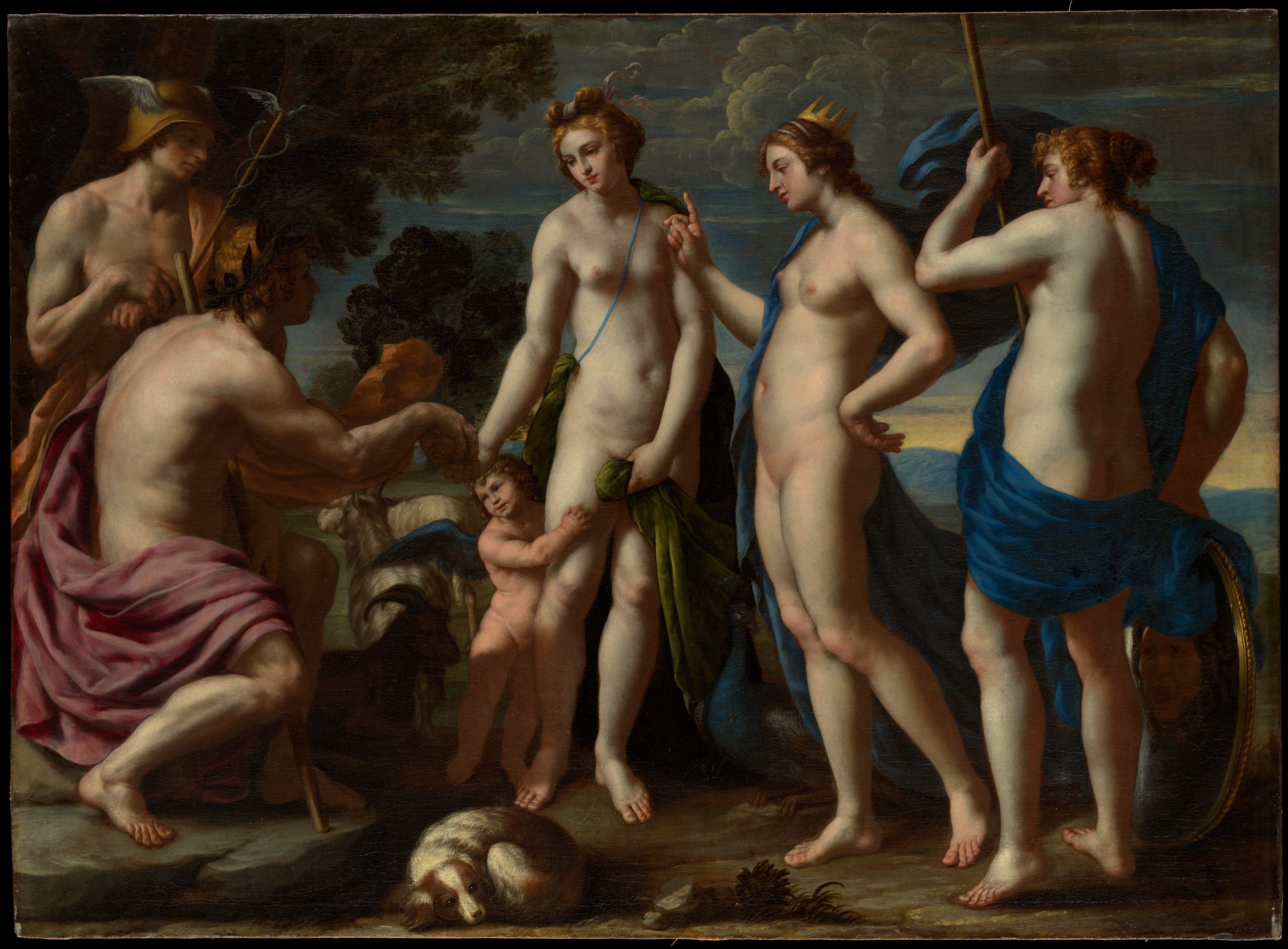
Alessandro Turchi
Oil on canvas, 96.8 x 134.6 cm | 38.1 x 53 in
The Metropolitan Museum of Art
Early Modern Developments
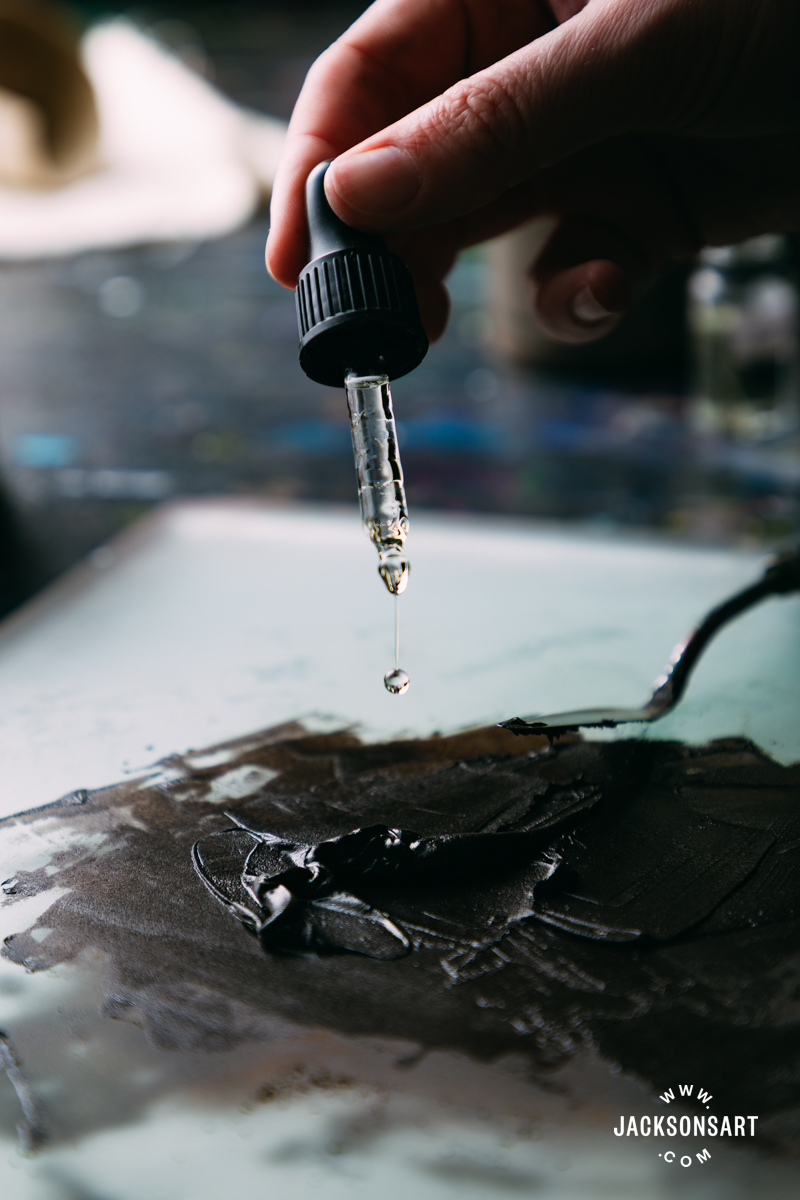
From the 16th century, oil painting became the dominant medium across much of Europe, particularly within the tradition of easel painting, and artists and workshops adapted both their materials and supports accordingly. Artists experimented with adding natural resins (such as mastic), turpentine, and siccatives to modify the behaviour of the paint, adjusting drying time, gloss, and viscosity.
Alongside this, there was a growing preference for canvas supports instead of wooden panels. While canvas had been used in the late 14th century, artists in Venice began to make greater use of the ready supply of sailcloth available from Venetian shipyards, made from durable hemp or linen. Stretched canvas was found to be a flexible, lightweight painting support that was less prone to warping in humid conditions, and provided the opportunity for artists to work on a larger scale.
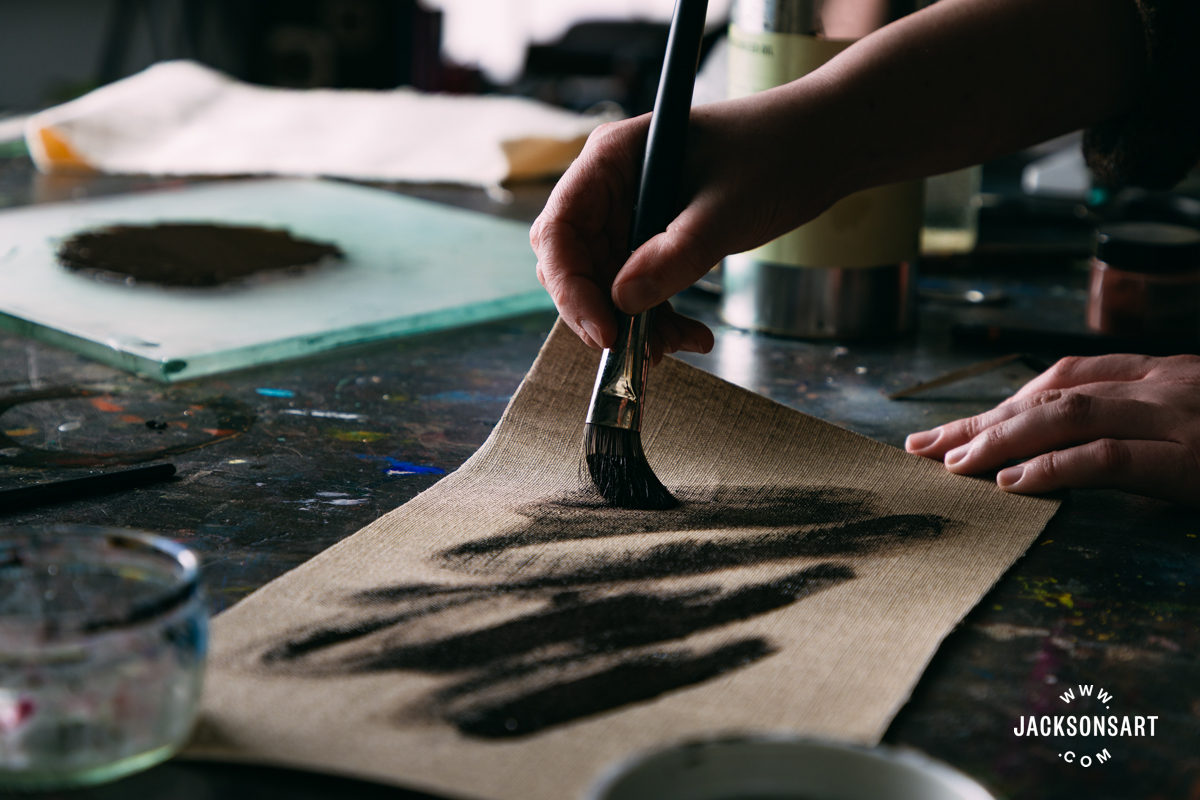
The use of canvas encouraged a different handling of paint. Its more textured surface did not always lend itself to the enamel-like finish of Netherlandish panel painting, and artists began to work more expressively. Titian’s later paintings, for example, are remarkably painterly. He applied oil paint in dense, loose passages, leaving brushstrokes visible across the canvas.
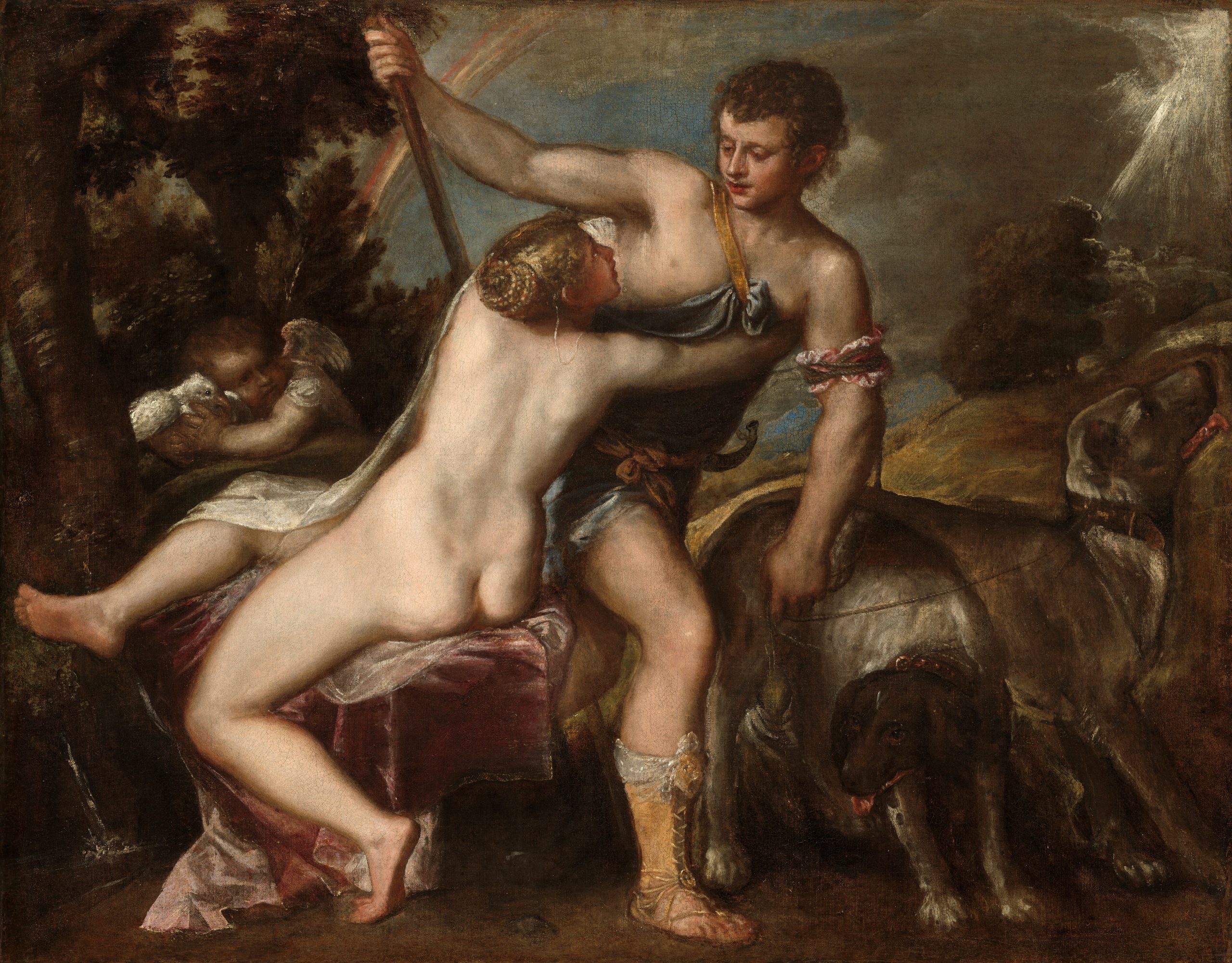
Titian and Workshop
Oil on canvas, 106.8 x 136 cm | 42 x 53.5 in
National Gallery of Art
At the same time, artists began to rethink how a painting was constructed. In Northern Europe, painters had traditionally worked over white gesso grounds, but from the late 16th century onwards they increasingly applied an imprimatura layer – a thin, translucent wash of colour applied over the ground before painting.
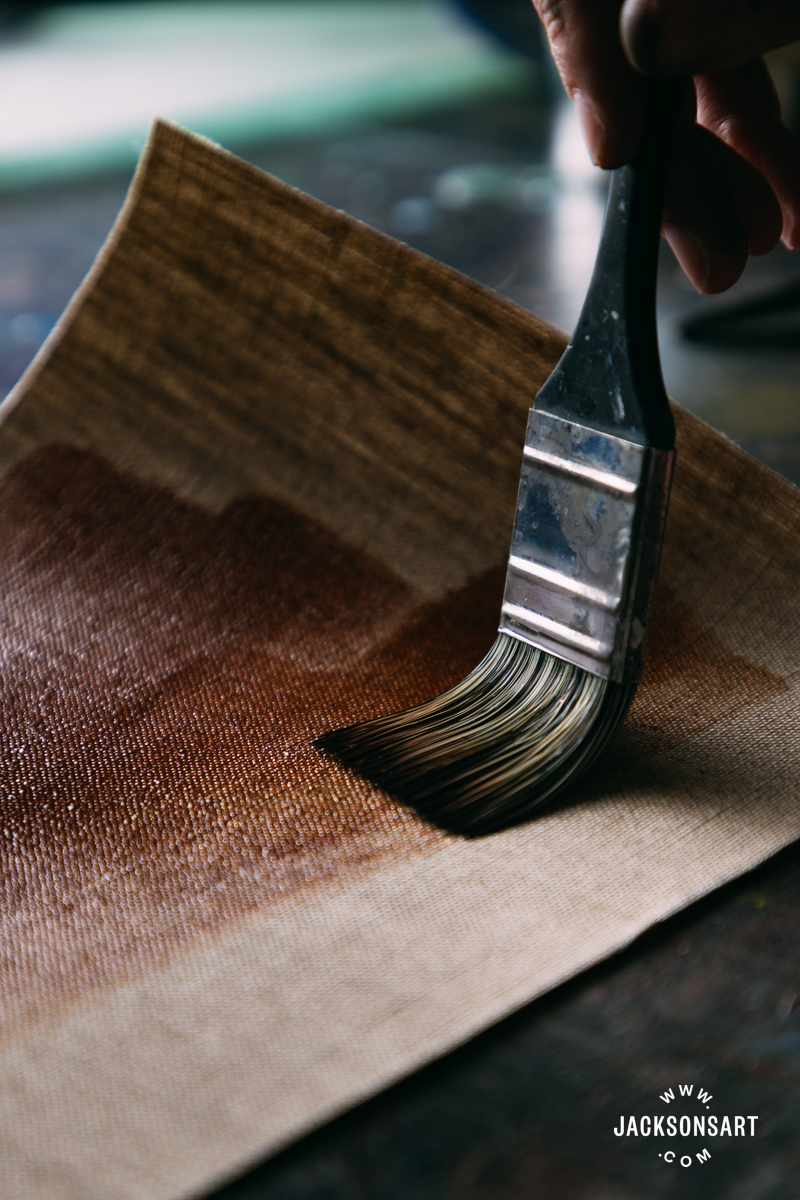
By the early 17th century, this had become widespread in Netherlandish practice. These layers, often grey, brown, or reddish in tone, could be left partially visible, functioning as mid-tones or shadows and allowing painters to establish the tonal structure of a picture more rapidly. Imprimatura was used particularly prominently in the work of Peter Paul Rubens.
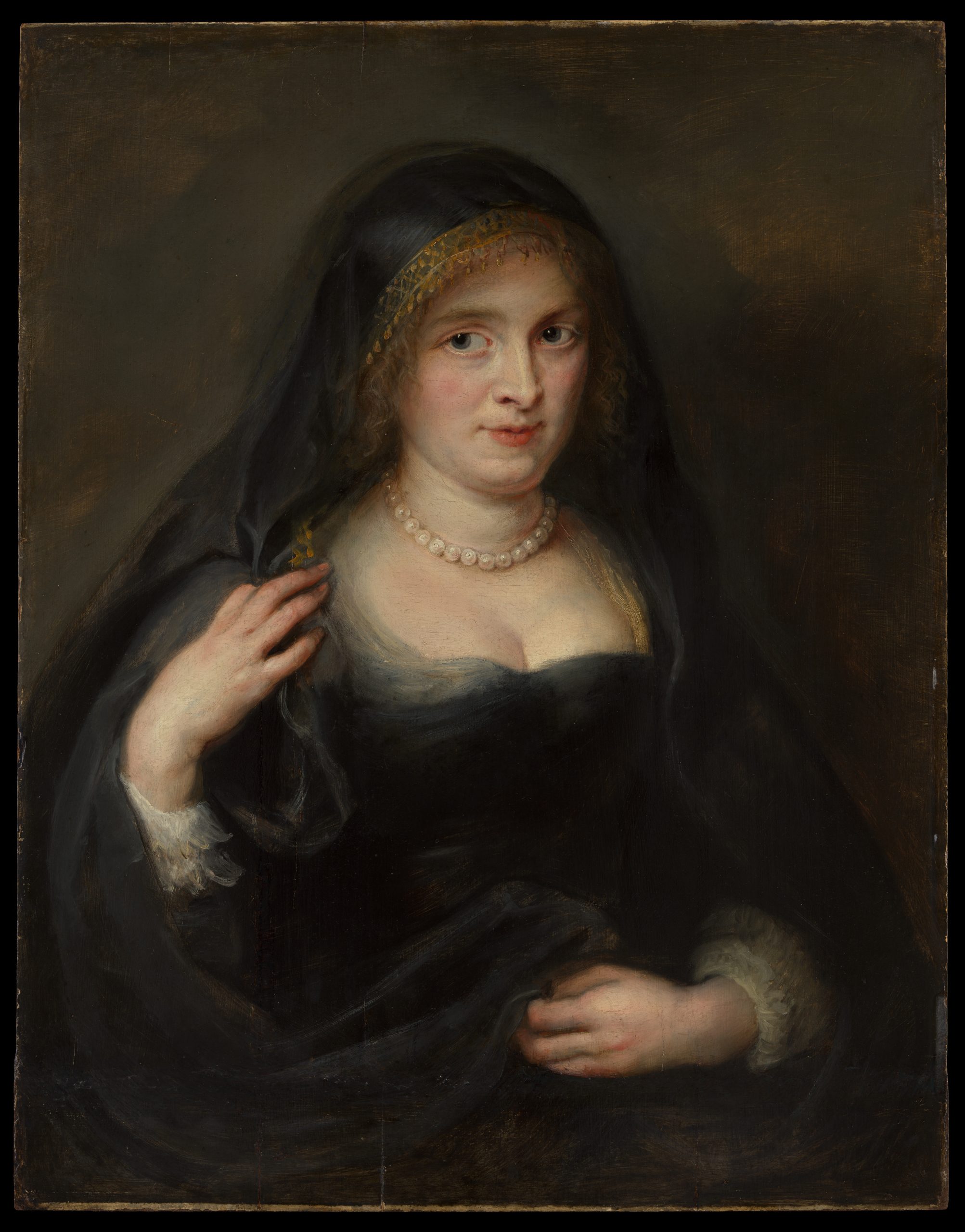
Peter Paul RubensOil on wood, 76.8 x 60 cm | 30.25 x 23.6 in
The Metropolitan Museum of Art
Industrialisation and the Modern Paint Tube
Late-18th and 19th-century industrialisation brought profound changes to oil painting. Earlier artists had worked with a relatively limited colour palette, determined by what could be sourced and prepared. Paints were largely made by hand in the studio, with pigments ground into oil as needed, often on a daily basis.
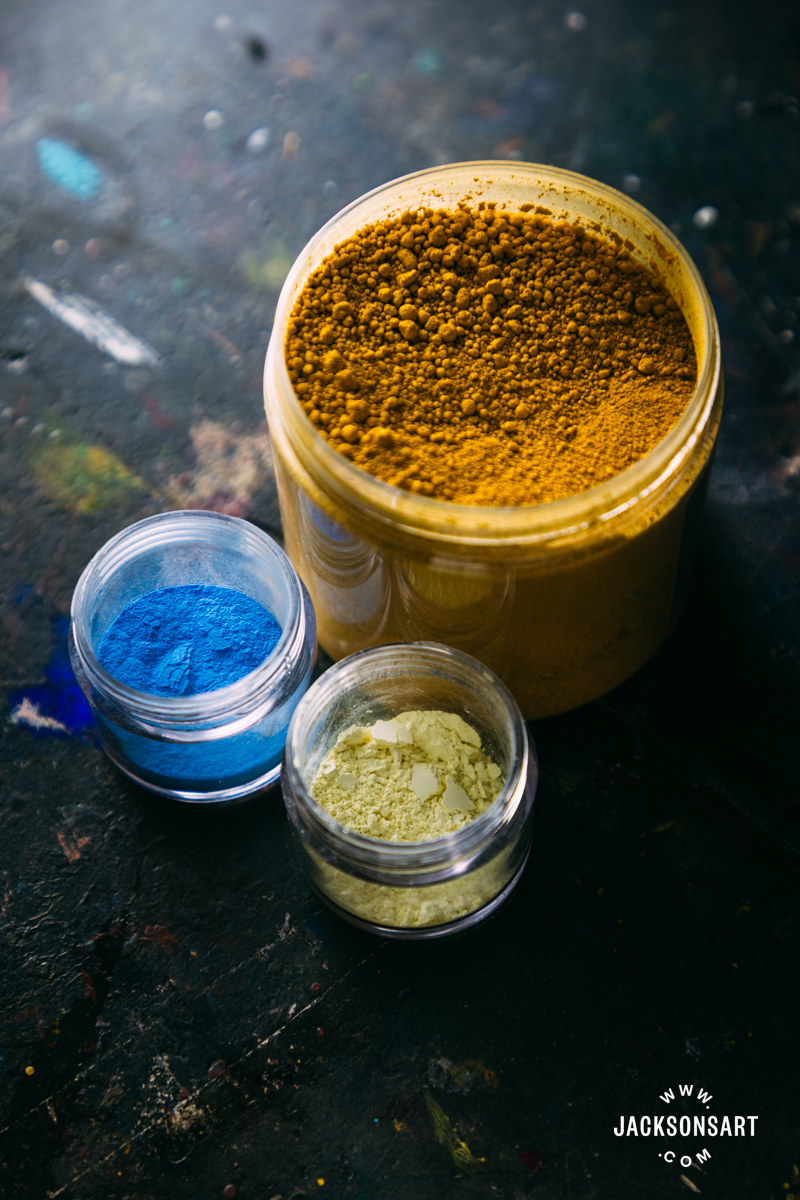
Industrial synthesis expanded both the availability and chromatic range of artists’ colours. New pigments such as Cobalt Blue, Chrome Yellow, and Emerald Green offered greater intensity and, in some cases, better permanence compared to earlier materials. Synthetic Ultramarine Blue, developed in the 1820s, dramatically reduced the cost of a pigment that had previously been extracted from Afghan lapis lazuli and reserved for high-status commissions. At the same time, older pigments such as Vermilion and Naples Yellow remained in use, so 19th-century artists were working with a complex mixture of traditional and modern materials.
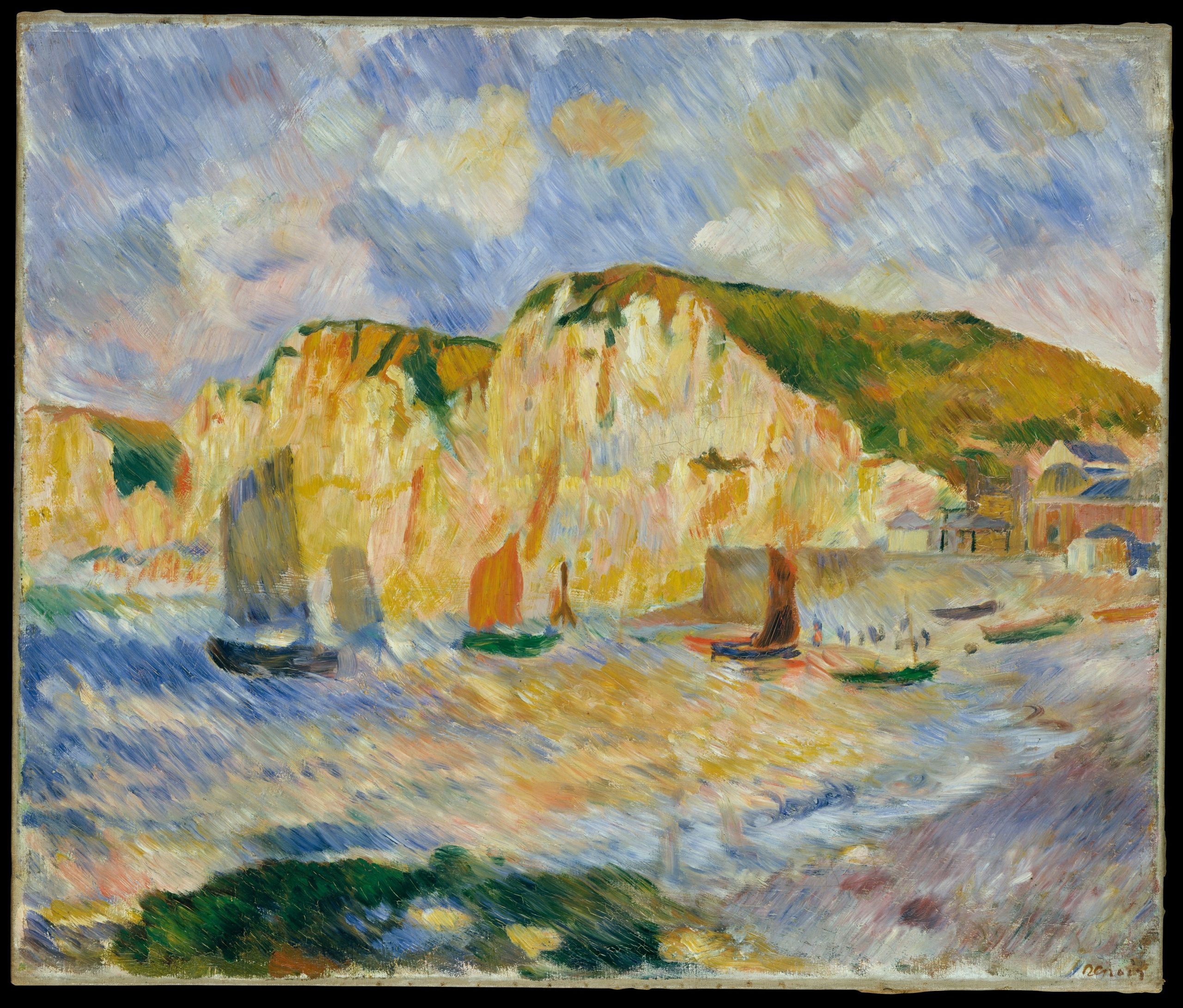
Auguste Renoir
Oil on canvas, 51.4 x 63.5 cm | 21.25 x 25 in
The Metropolitan Museum of Art
Advances in industrial chemistry and manufacturing also changed how paint was supplied. Oil paint that had once been made in the studio could now be produced on a large scale and purchased ready-made, reducing one of the major practical barriers to oil painting.
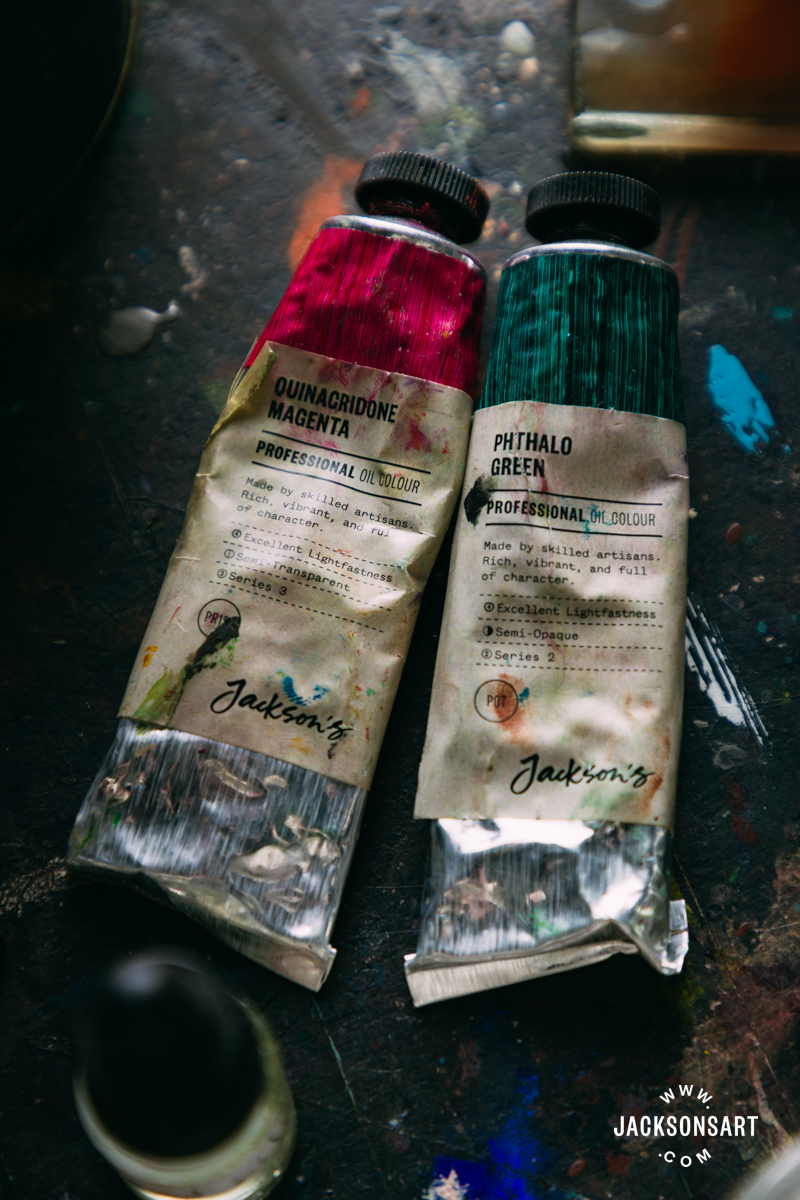
One of the most consequential innovations was the collapsible metal paint tube, patented in 1841 by John Goffe Rand. Before this, paint was commonly stored in pig bladders, which were prone to leakage and difficult to reseal. Rand’s tube allowed paint to be stored for longer periods, transported easily, and dispensed in controlled amounts. It made it far easier for artists to work outside the studio, contributing to the rise of painting en plein air. Many artists took advantage of these developments, most famously the French Impressionists, who painted outside to capture the transient effects of light and atmosphere.
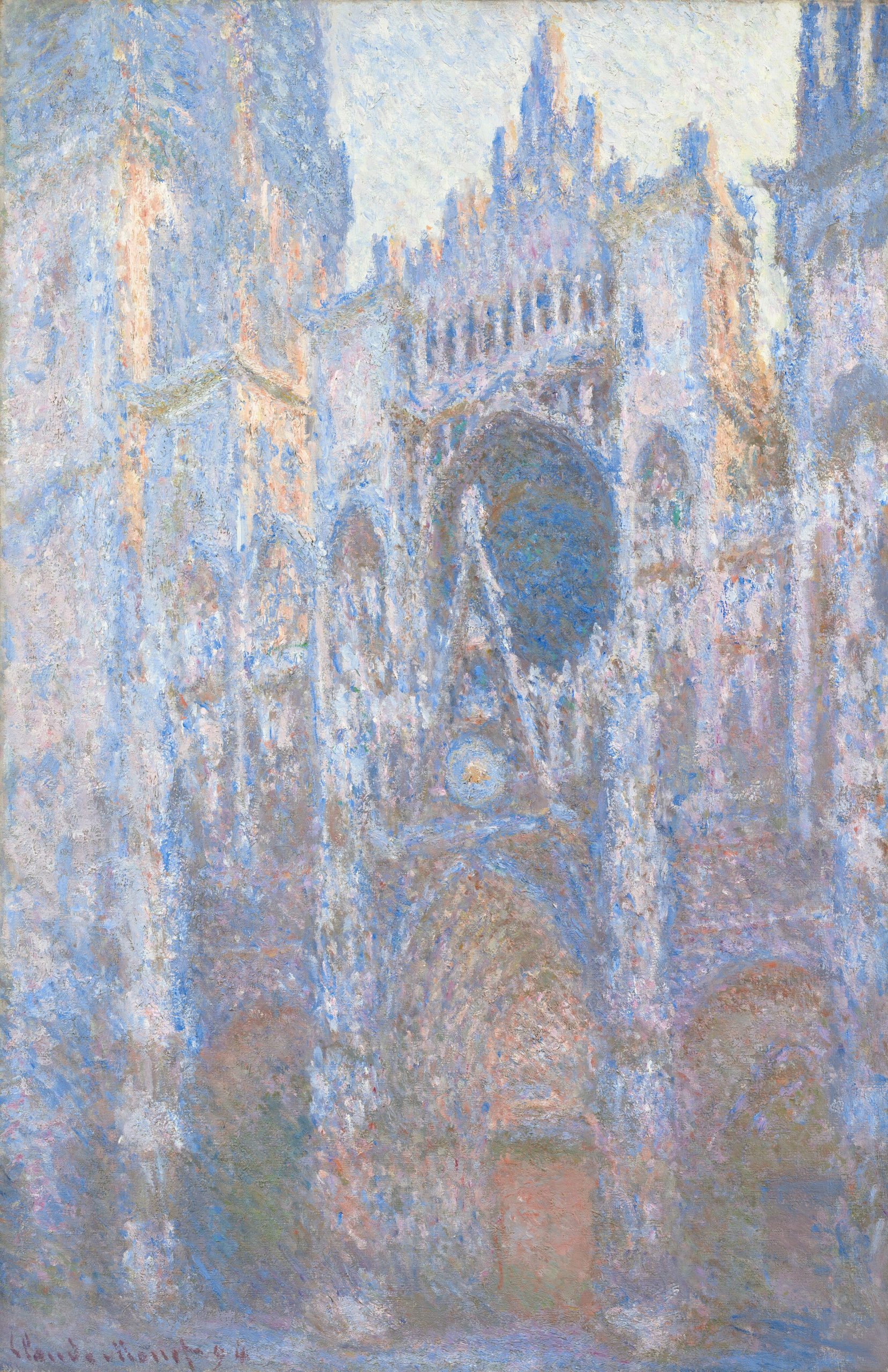
Claude Monet
Oil on canvas, 100.1 x 65.9 cm | 39.4 x 25.9 in
National Gallery of Art
The composition of oil binders became more consistent over the course of the 19th century. Earlier oil painters had used a range of drying oils, commonly linseed oil, but also walnut and poppy. With the rise of commercial manufacture, linseed oil became increasingly dominant as the primary binder in tube colours. Its comparatively fast drying time, durable film formation, and compatibility with a wide range of pigments made it well-suited to large-scale production. Paler, slower-drying oils remained in use, but were more narrowly applied – poppy oil was widely used for light colours such as whites and blues, where reduced yellowing was desirable. Safflower oil was used more frequently later in the century in commercially prepared paints, also for its non-yellowing properties.
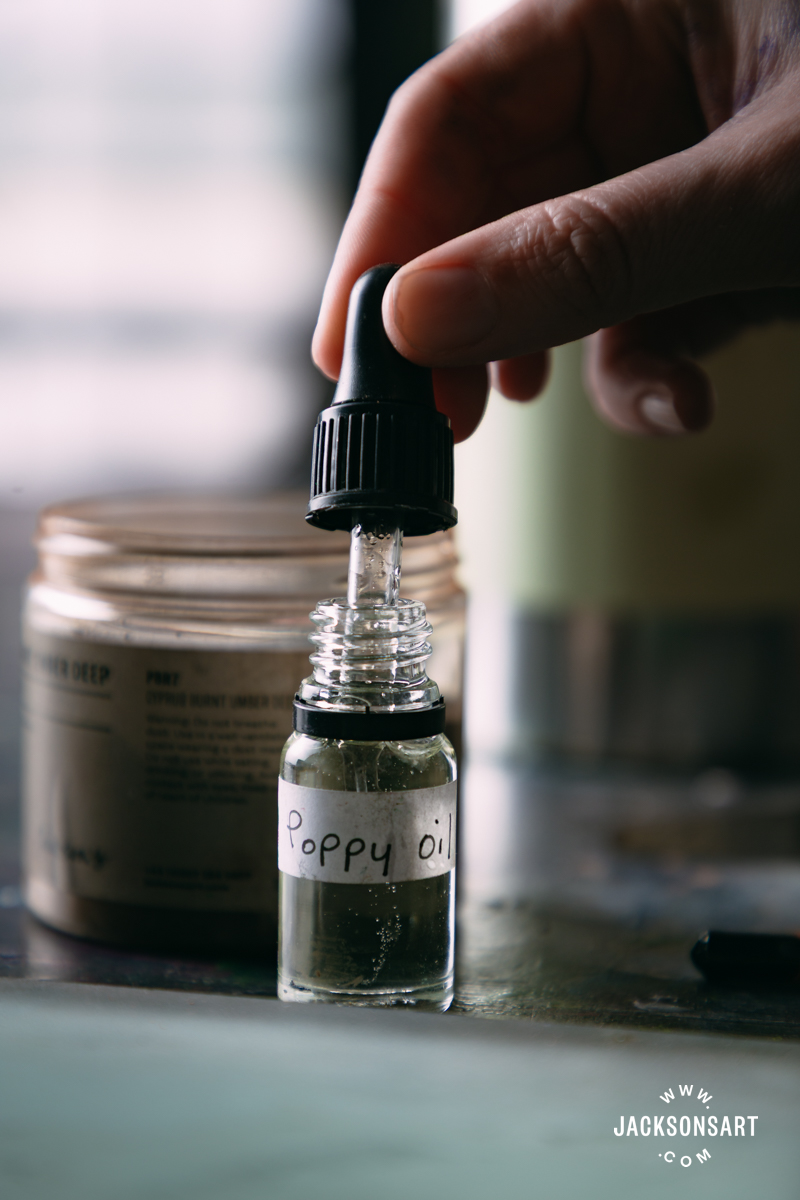
Industrial processing also brought greater control over the preparation of oils. Manufacturers could wash, bleach, and filter linseed oil to produce a more uniform material, reducing impurities that might affect drying or film stability. Additives such as driers were incorporated more systematically, allowing drying times to be regulated across commercially prepared paints. The result was a move away from highly variable, studio-based preparation towards more predictable and standardised materials. This improved reliability and ease of use, while also limiting some of the variation in handling and surface that had previously depended on individual methods of paint preparation.
Oil Painting in the 20th Century
By the beginning of the 20th century, oil painting was no longer a technically demanding craft reserved for trained specialists, but a widely accessible medium supported by industrial manufacture. Ready-made paints, an expanded pigment range, and portable equipment allowed artists to work with greater flexibility, both in and out of the studio.
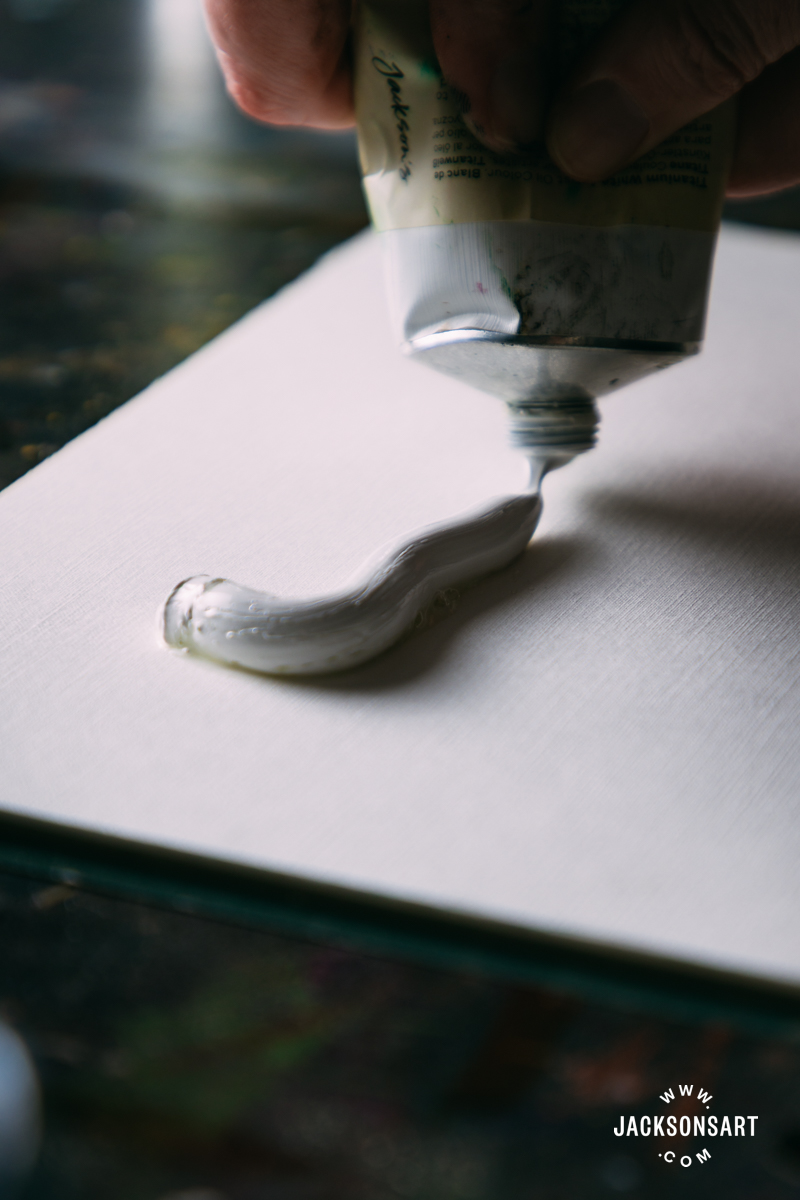
One of the most important developments was the continued expansion of the pigment palette. Early 20th-century artists inherited the synthetic inorganic pigments of the 19th century, including Cobalt Blue, Synthetic Ultramarine, and Cadmium Yellow. They also saw the introduction of Cadmium Red and Titanium White in the early decades of the century.
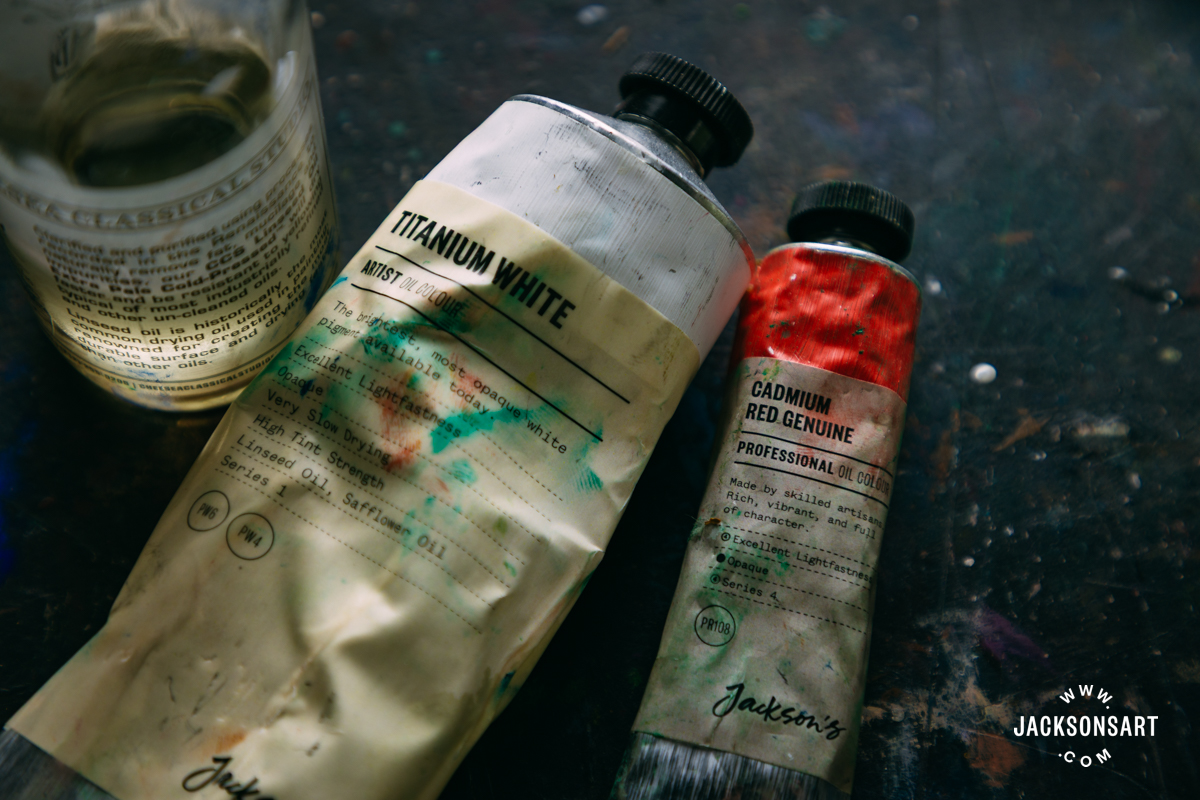
These new pigments were part of a gradual reconfiguration of painters’ palettes through the replacement of older materials. The mercury-based pigment Vermilion, which had been used for centuries, was largely superseded by Cadmium Red. Concerns around toxicity also led to the reduced use of Lead White in commercially prepared paints. The introduction of Titanium White in the 1920s provided a highly opaque, brighter alternative, although with different working properties from Lead White.
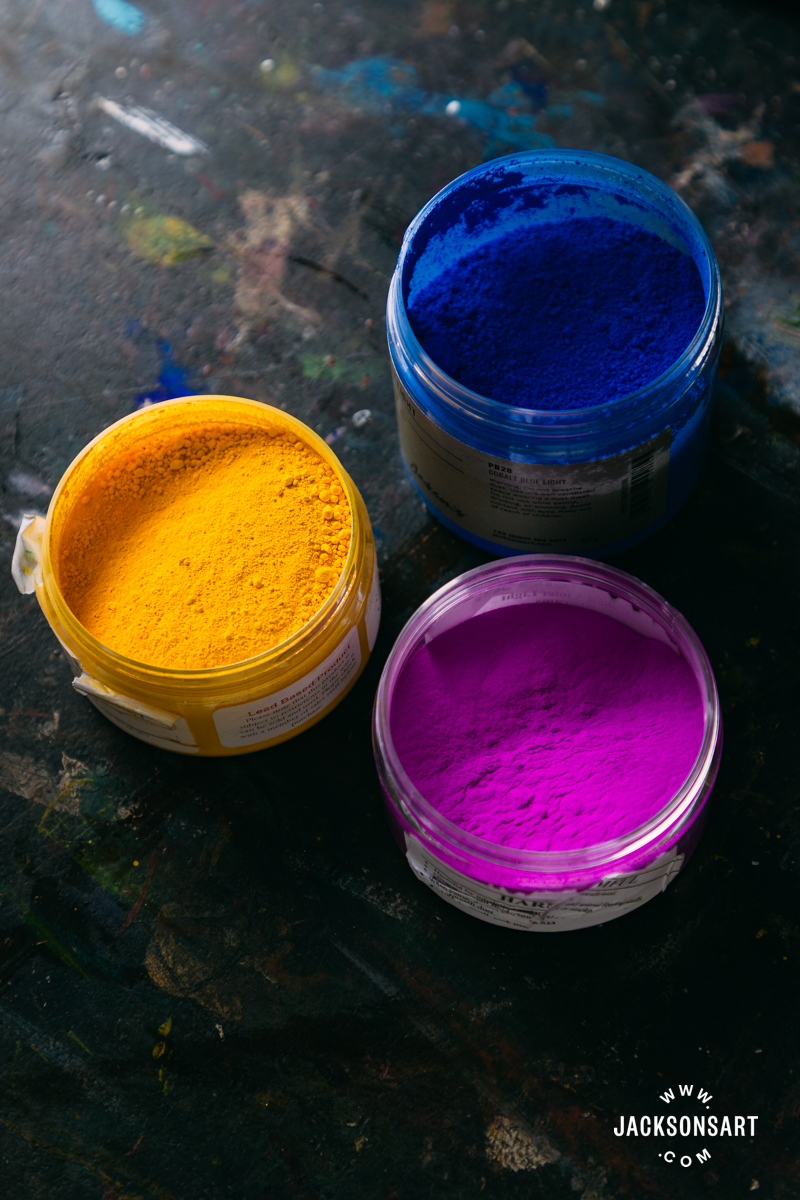
More new pigments emerged from industrial dye chemistry. From the 1930s, synthetic organic pigments such as Phthalocyanine Blue and Green introduced colours of exceptional intensity and tinting strength. These were followed by Quinacridone pigments in the 1950s, which expanded the range of lightfast, high-chroma reds, pinks, and violets. These pigments significantly extended the chromatic possibilities of oil painting and are still widely used today.
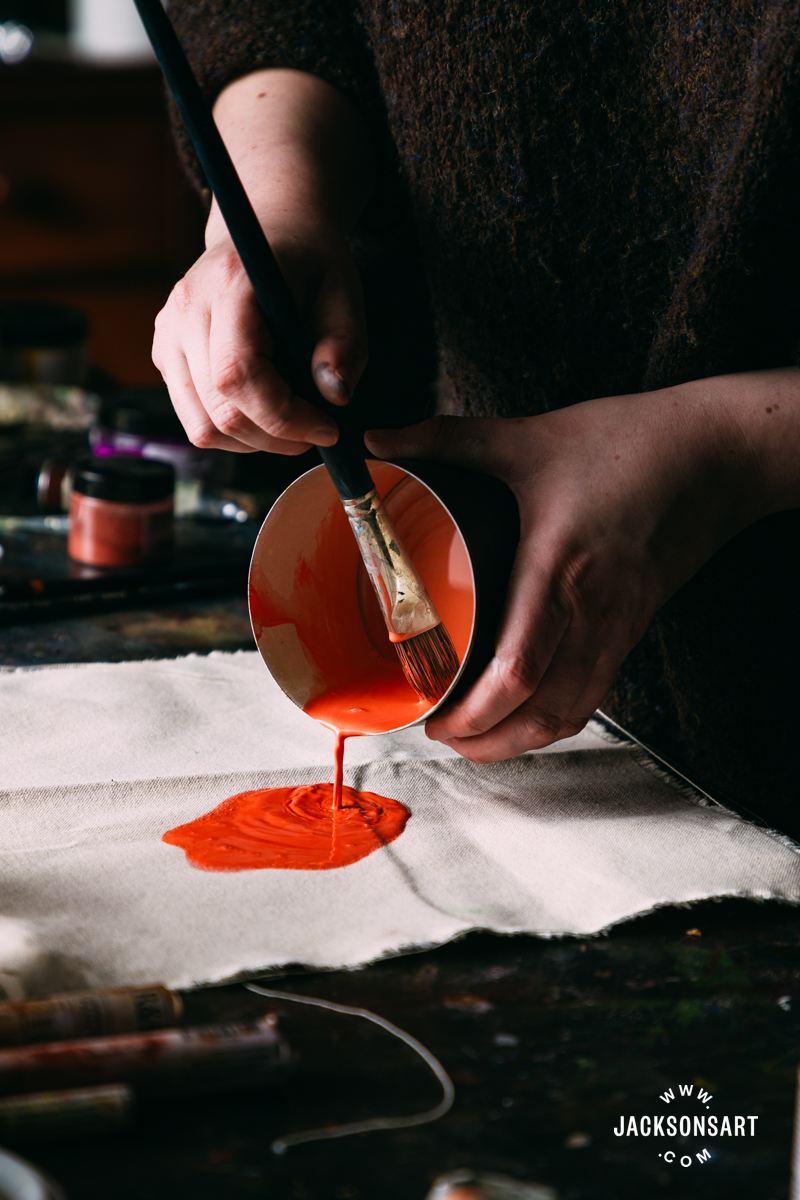
These changes to the artist palette were accompanied by changes in how oil paint was handled, building on developments already underway in the 19th century. The use of thick impasto, for example, had precedents in 19th-century painting, but in the 20th century it was pushed to greater extremes. Artists such as Frank Auerbach built up heavy accumulations of oil paint, repeatedly reworking the surface so that it retained a dense, sculptural presence. At the other end of the spectrum, Helen Frankenthaler thinned oil paint with solvent to the point where it could soak into unprimed canvas, allowing the colour to permeate the support.
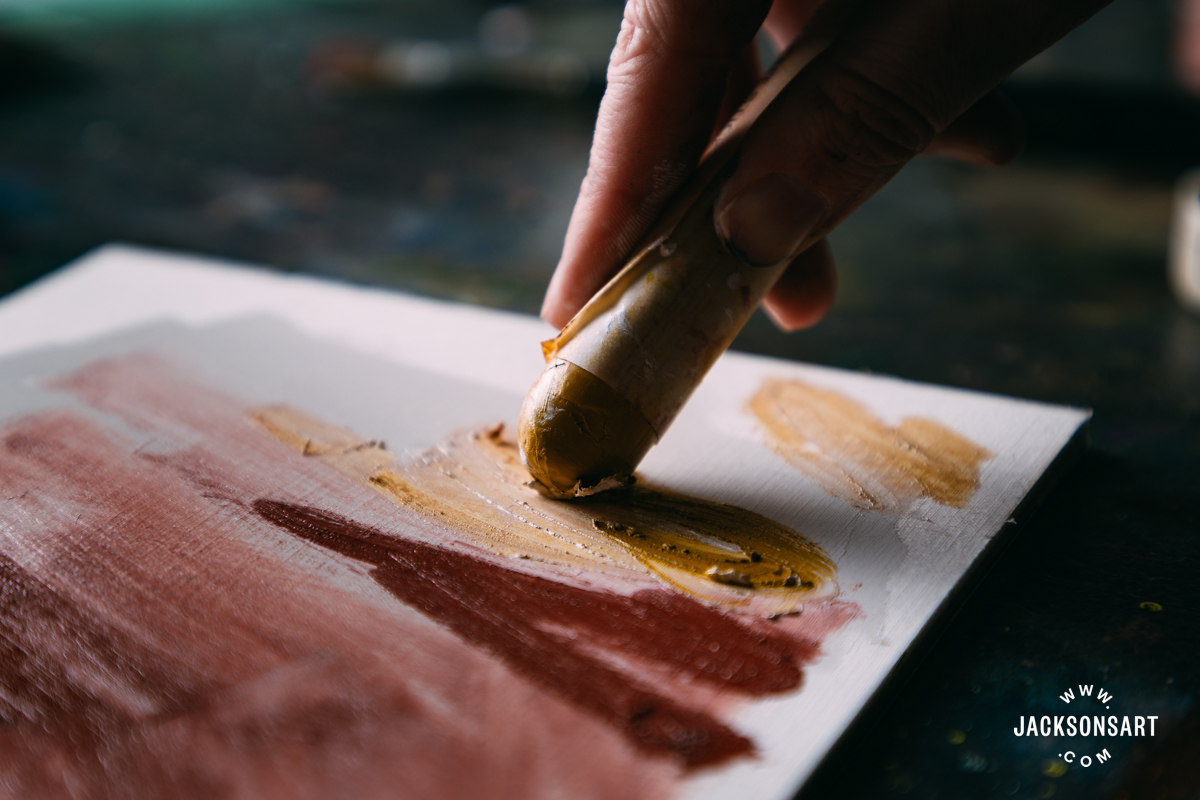
Alongside these developments, artists also began working with oil paint in more direct, drawing-based forms. Oil sticks combine pigment, oil, and wax into a solid stick format. They allow artists to draw onto surfaces with the immediacy of charcoal or pastel while retaining many of the material qualities of oil paint, collapsing the boundary between painting and drawing. Although oil sticks were developed commercially in the mid-20th century, they became especially associated with Jean-Michel Basquiat, whose paintings combined gestural mark-making and text with densely layered painted surfaces.
Oil paint was also combined with collage and found objects, often within the same work. In the assemblages of Robert Rauschenberg, oil paint was used as one material among many; alongside photographs, fabric, newspaper, and other three-dimensional elements. By the late 20th century, oil paint was no longer tied to a single set of conventions or expectations. The medium had accumulated a wide range of expressive and material functions.
Oil Painting Today
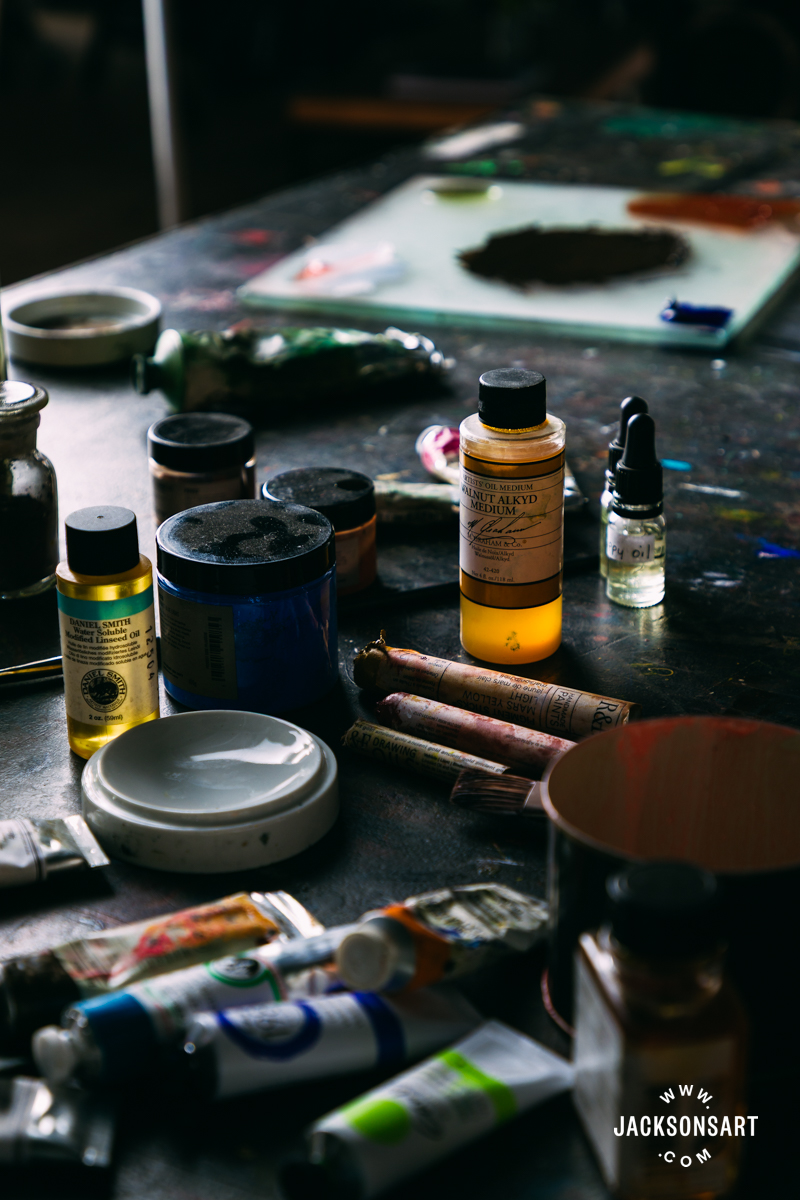
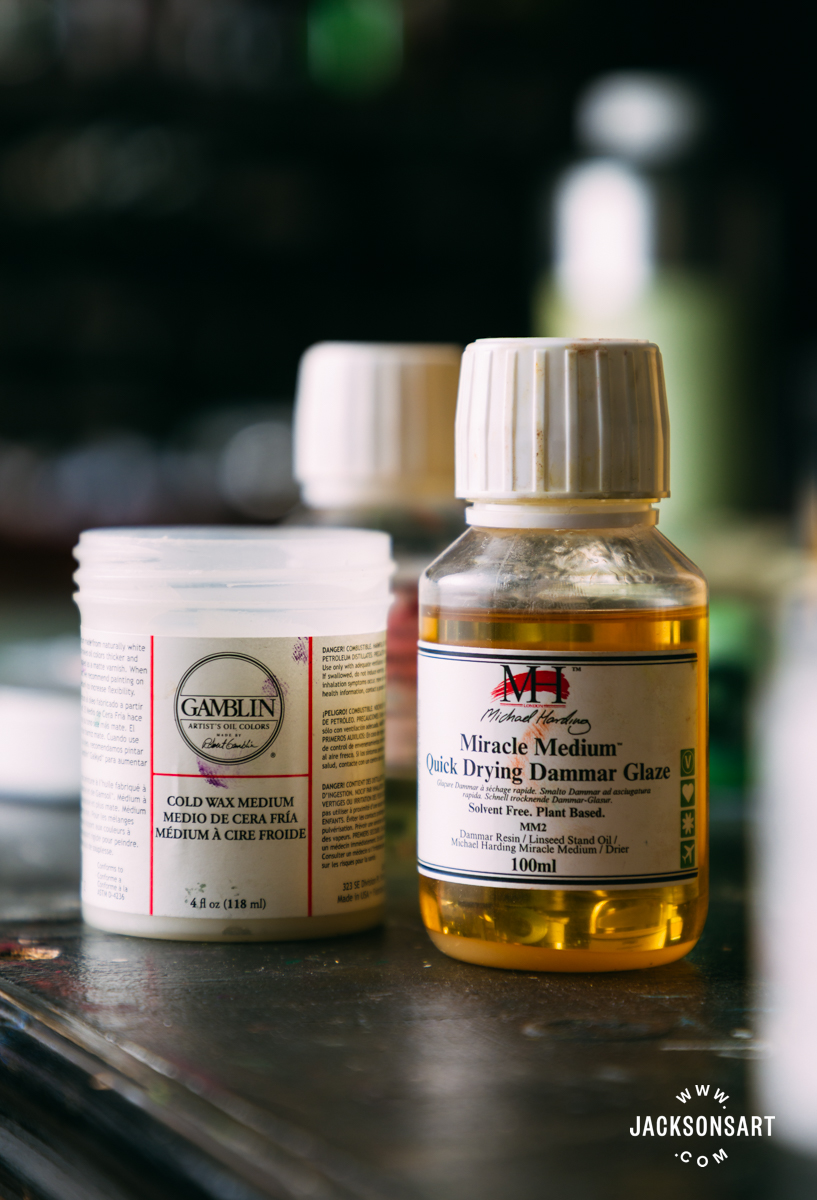
Oil painting remains widely used in the 21st century, and the materials available to artists have continued to diversify. The range of painting mediums has expanded considerably – contemporary painters can choose between alkyd mediums that accelerate drying, solvent-free gels and fluids, and cold wax mediums that alter texture and surface quality.
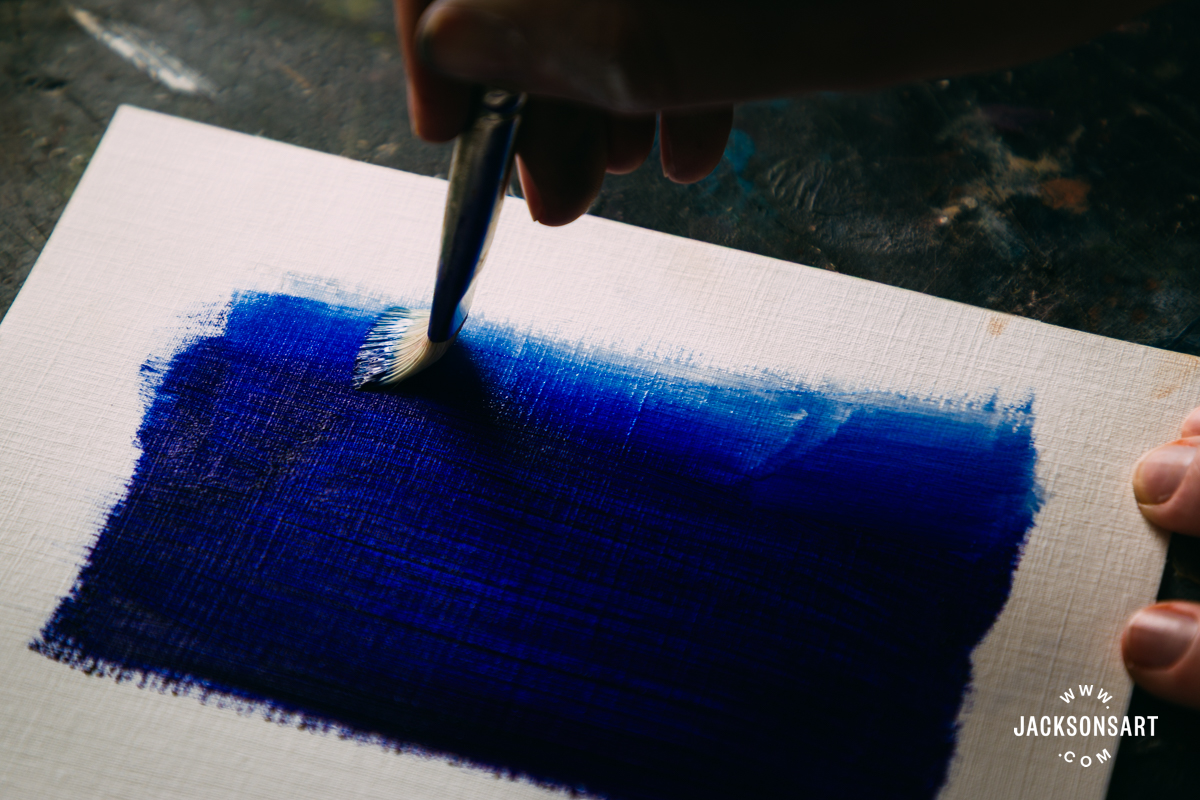
One of the most significant developments has been the introduction of water-mixable oil paints. Developed commercially in the late 20th century, these paints are made by chemically modifying drying oils so they can form stable mixtures with water. Unlike traditional oils, which require solvents such as turpentine or white spirit for thinning and cleaning, water-mixable oils can be diluted and cleaned with water. They still dry through oxidation in a similar way to conventional oil paint.
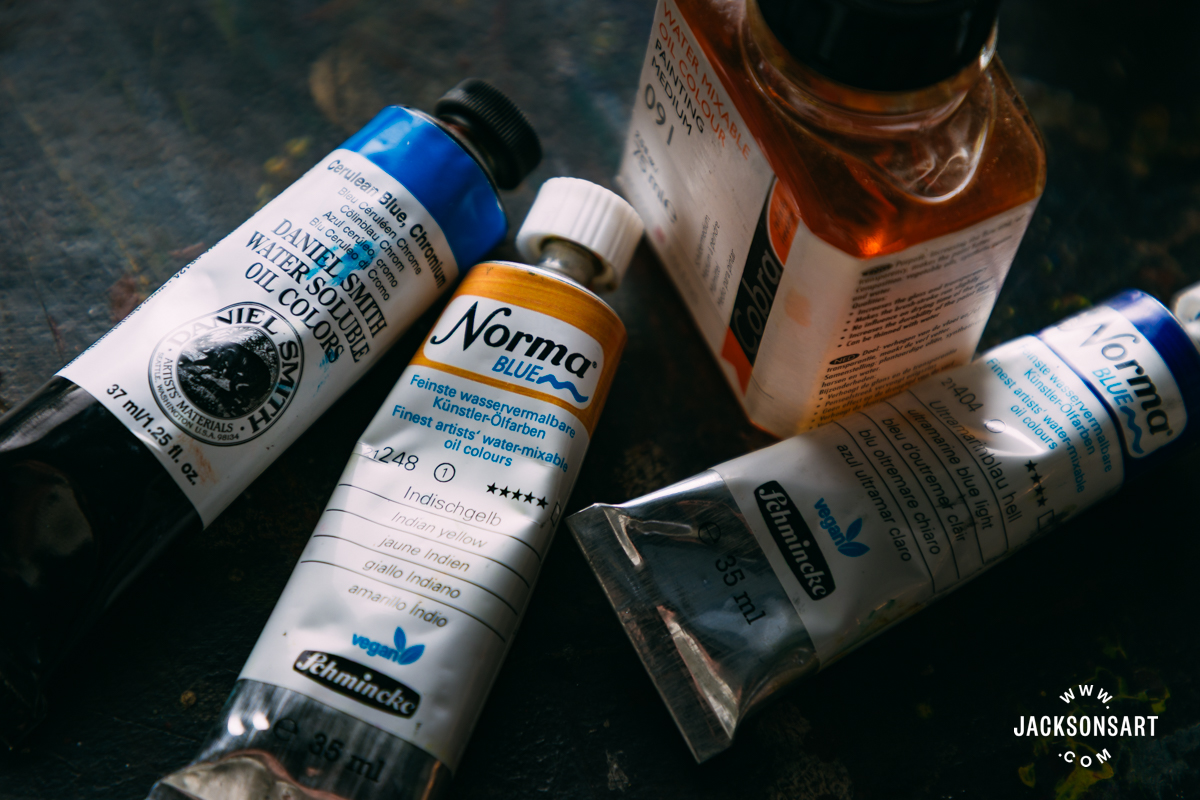
Water-mixable oils were developed partly in response to concerns around solvent exposure in studios, classrooms, and domestic working environments. They have become especially popular in educational settings and among artists seeking to reduce the use of volatile aromatic solvents. Many artists combine water-mixable and conventional oils within the same practice.
From the murals of Bamiyan to the paintings of Jan van Eyck, the history of oil paint is one of continual adaptation. Its development was shaped not only by individual artists but by trade routes, changing workshop practices, and evolving technologies.
Painters today work in an environment shaped by mass reproduction, digital circulation, and an unprecedented saturation of images. Paintings are no longer encountered only as singular objects, but often as endlessly reproduced photographs viewed through screens, social media feeds, artist websites, and digital marketplaces. Oil paint is an ancient medium, developed long before photography or the internet, and yet it continues to be relevant today. Oil painting persists not because it has remained unchanged, but because it has repeatedly adapted to new artistic, material, and technological conditions.
Further Reading
Behind the Movement: Northern Renaissance
A Modern Medium: A Brief History of Acrylic Paint
Schmincke Norma Blue Water-Mixable Oil Colours Review
The Overlooked History of the Palette Knife
Shop Art Materials on jacksonsart.com


9 thoughts on “Oil Paint Through the Ages: Tradition and Innovation”
thanks for this… a booklet in it’s own right and really helpful resource
I’m so glad you enjoyed it, Frances!
A clear summary of the use of painting methods with oil paint as the starting point.
The article invites reflection on the way the generic term “oil paint” is often used without reference to or understanding of the technical complexities employed by artist painters.
Thank you Jeffery!
I just love it. Thank you
Thanks so much Evie.
I enjoyed this informative article very much.
It is a nice mix of history and basic technical info.
Thank you again!
Very pleased you found it informative, Elinor
Interesting information.
Thank you Clara!
Comments are closed.