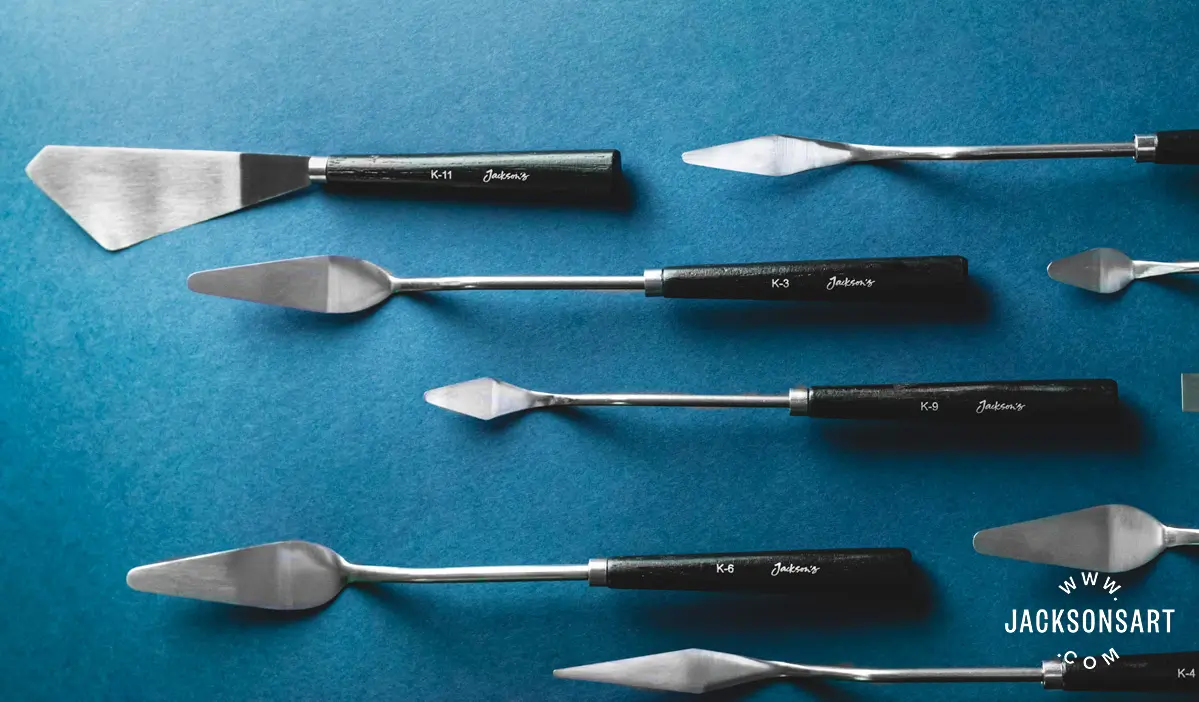
Palette knives are spatula-like tools, usually made of flexible metal, designed to scrape and spread. Functional and unpretentious, we may not consider how they came to be such an important part of many painters’ toolkits. This article follows the historical origins of the modern palette knife and how they have been used both as practical utensils and creative mark-making tools in their own right.
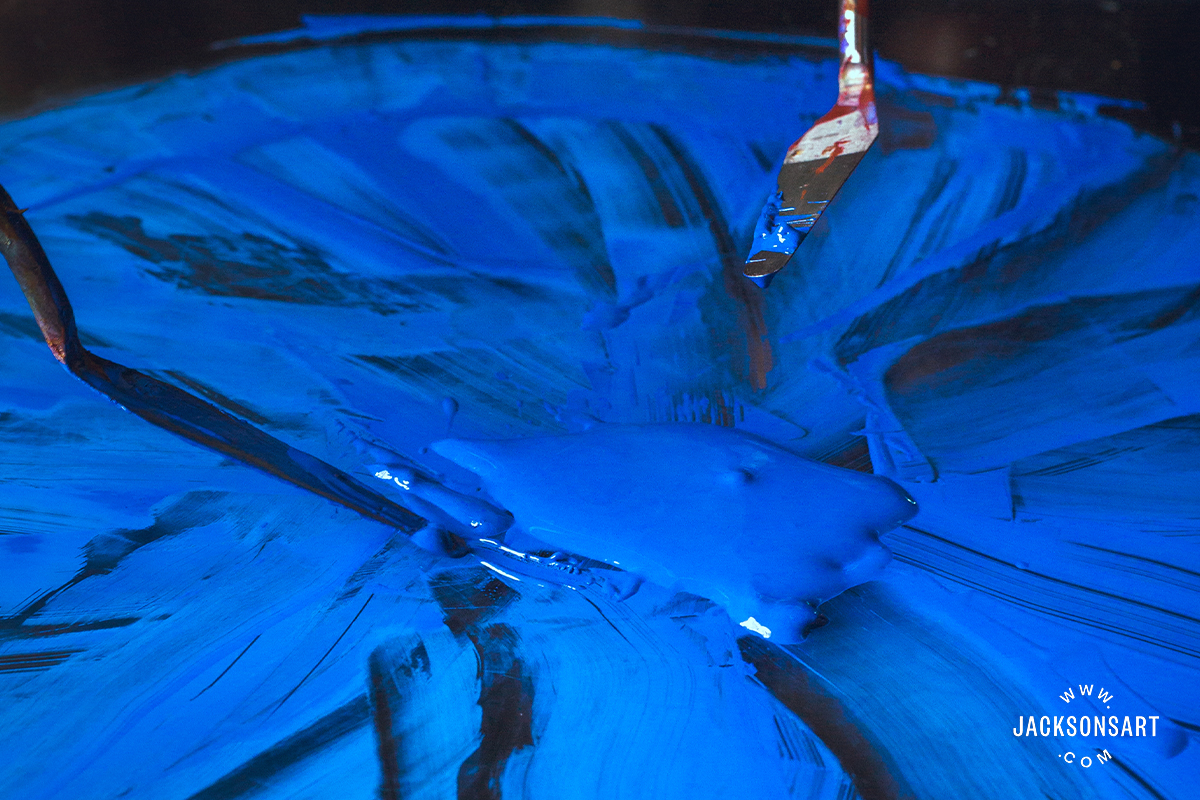
Medieval and Renaissance painting treatises attest to the long-standing importance of knives in the painting process. Before the availability of commercially prepared surfaces and paints, it was the responsibility of painters (or their studio apprentices) to make these materials themselves. A tool called an amassette was used to scrape and spread paint on a grinding slab. The name derives from the French amasser, meaning ‘to gather’. Amassettes were typically made of wood, horn, or ivory, as certain pigments were known to react with copper or iron. They may also have been used to spread gesso onto canvases, pushing the primer into the weave, as described in Renaissance sources. Microphotography of some of Titian’s paintings reveals characteristic ridges in the gesso ground, suggesting it was applied with a palette knife-like tool.
Over time, as artists no longer needed to prepare materials by hand, the role of these tools began to shift. With the rise of commercially prepared paints and canvases in the late 18th and 19th centuries, knives were freed from purely preparatory tasks and increasingly used in the act of painting itself. Their forms gradually standardised, evolving into the palette and painting knives we recognise today – tools designed not only for mixing and handling paint, but also for applying and manipulating it directly on the surface.
Palette Knives vs. Painting Knives
Although the terms are often used interchangeably, palette knives and painting knives are designed for distinct purposes. At a glance, both share similar characteristics – they typically have a metal blade and an offset handle, designed to keep the artist’s hand away from the surface of the painting. However, their shapes and flexibility set them apart.
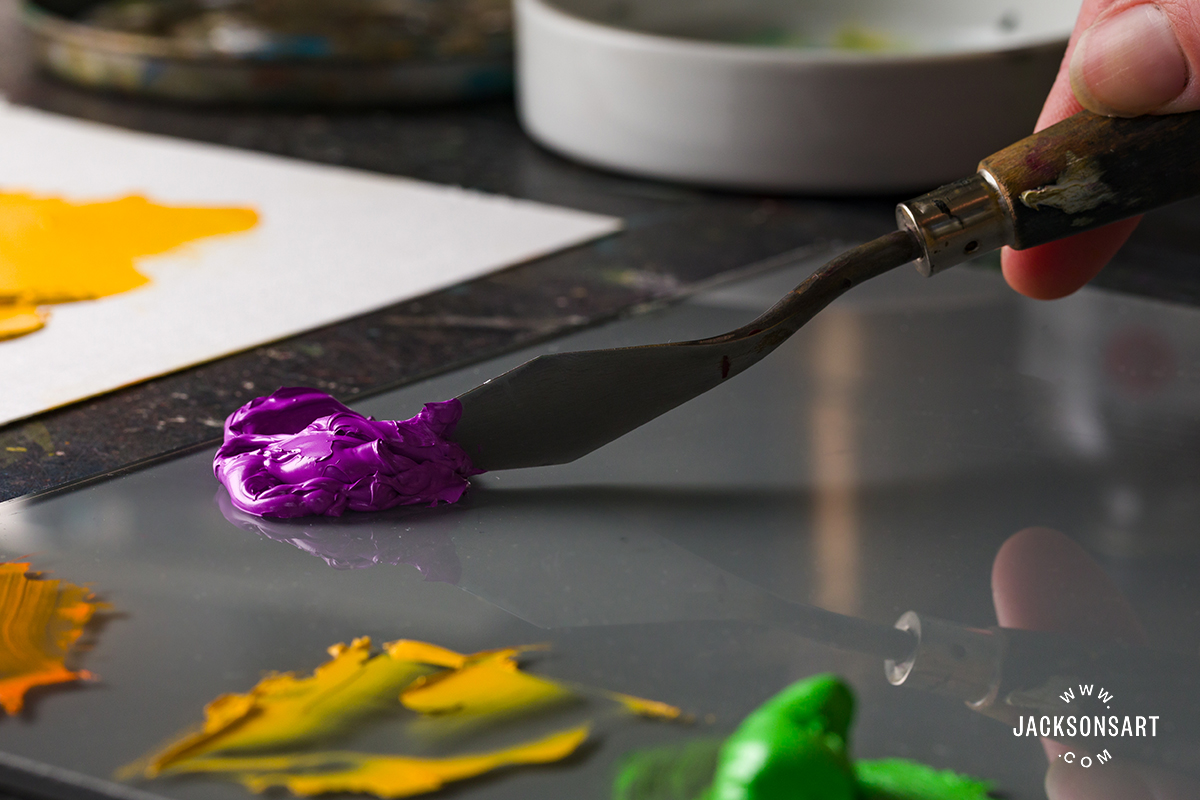
Palette knives are primarily designed for mixing and handling paint. They tend to have straight or gently tapered blades with a rounded tip, making them well-suited to mixing colours on a palette without damaging the surface beneath.
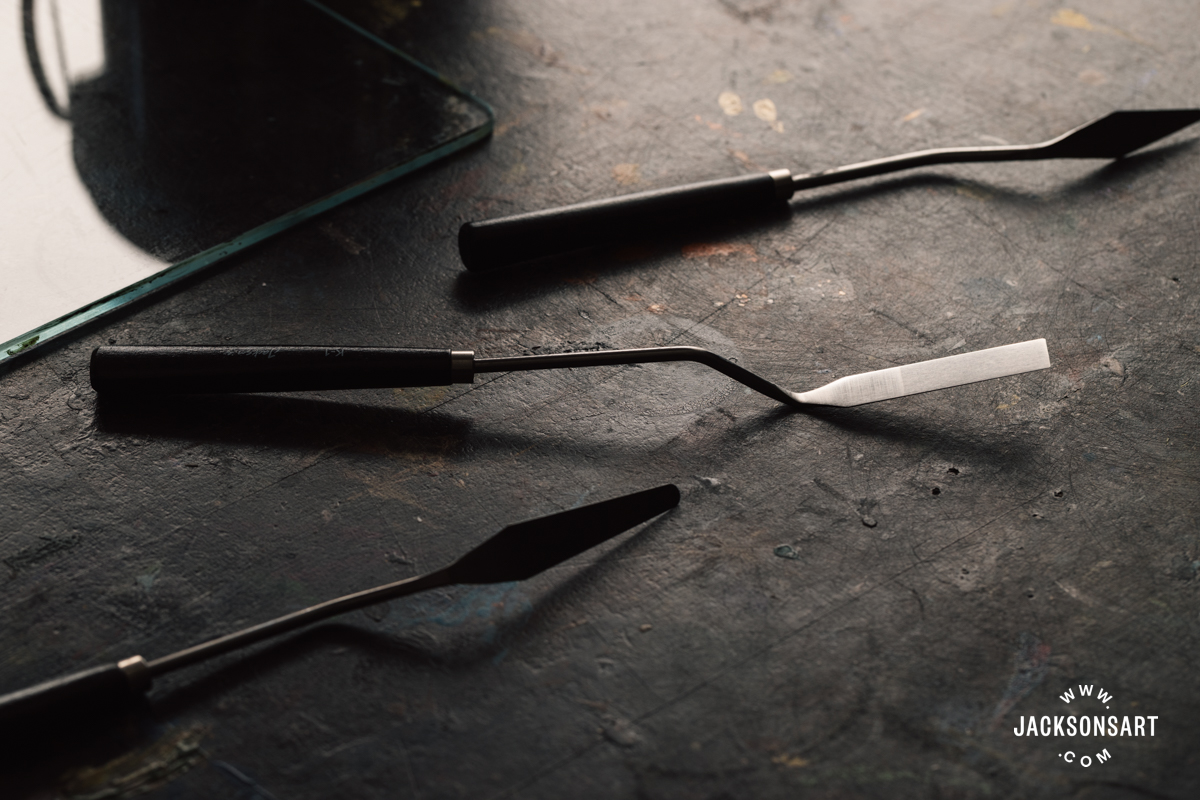
Painting knives are designed for direct application of paint onto a surface. They come in a wide variety of shapes – diamond, trowel, rectangular, or elongated – each offering different mark-making possibilities. Their blades are often more flexible than palette knives, allowing for a greater range of pressure and movement. This flexibility enables artists to spread, drag, or lift paint in expressive ways, creating textures that range from smooth planes to thick, broken impasto.
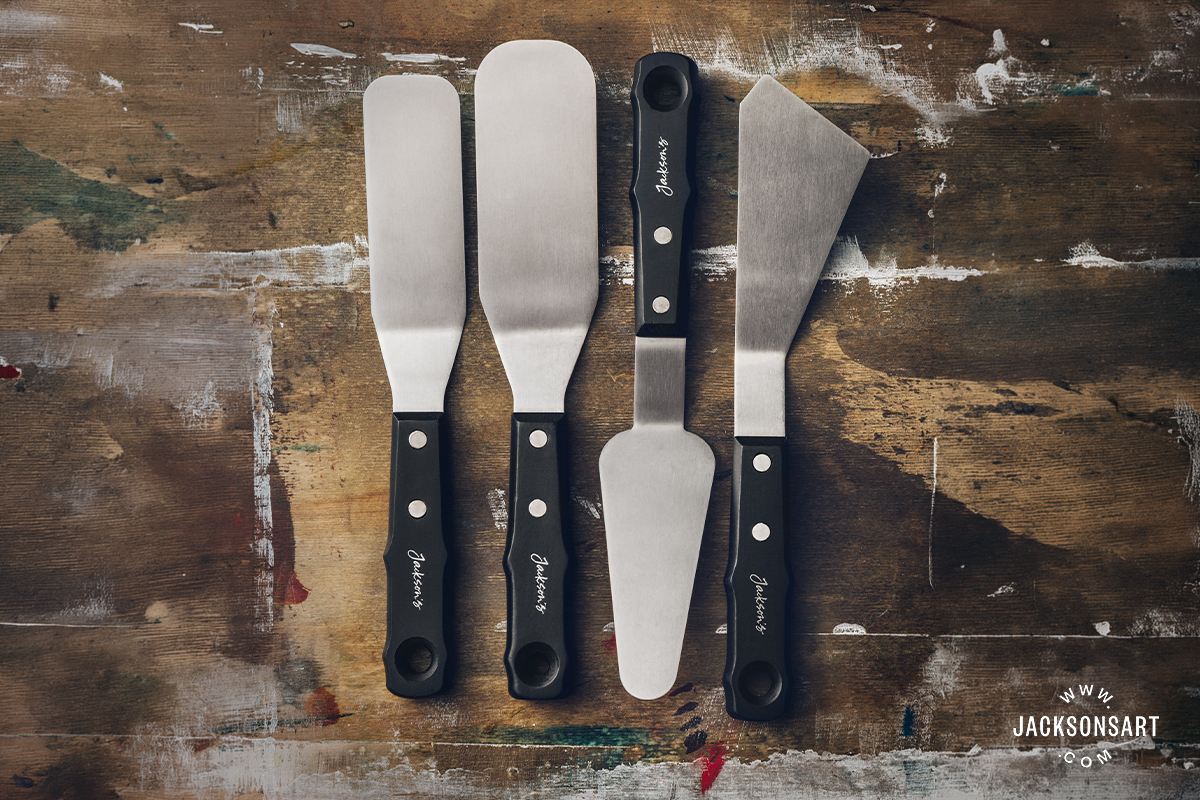
In practice, many artists use both tools interchangeably – a palette knife can be used to apply paint, and a painting knife can mix it. Additionally, the technique of applying paint with a knife is invariably called ‘palette knife painting’, even if an artist is using a painting knife to do so.
Palette Knife Painting Throughout History
As painting practices evolved, so too did the role of the palette knife. Long before the modern tool took its familiar form in the 19th century, painters were already using knife-like tools to scrape, spread, and manipulate their materials. Encaustic painters working in Roman Egypt in the first centuries used a bronze palette knife-like tool with a rounded end called a cauterium or cestrum. Examination of the surface of the famous Fayum mummy portraits suggests that a tool like this may have been heated and used, alongside brushes, to apply the wax-based paint.
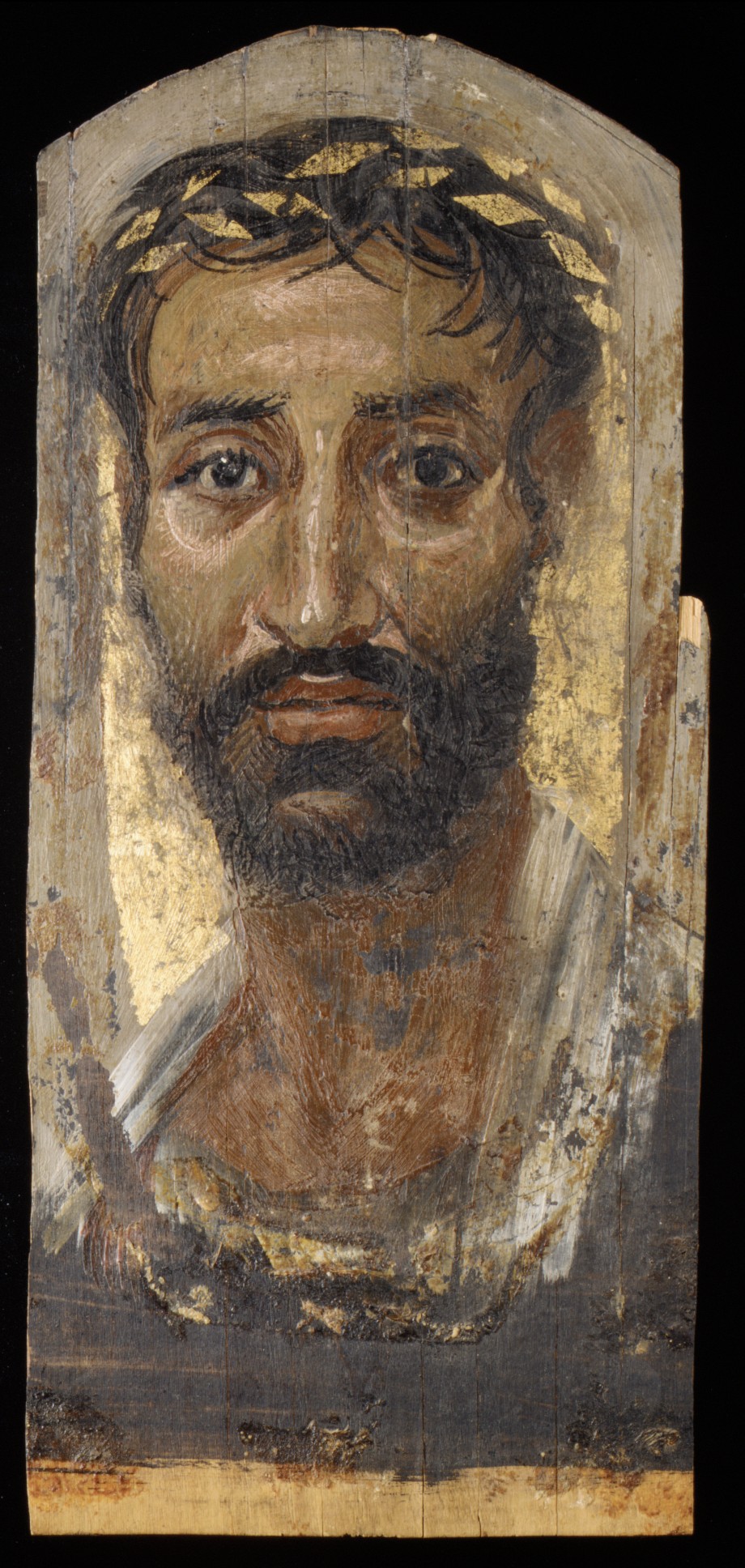
Egypt, Roman Period
Encaustic on limewood with gold leaf, 42.3 x 18.7 cm | 16.7 x 7.3 in
The Metropolitan Museum of Art
It appears that Rembrandt van Rijn used a palette knife, alongside brushes and his fingertips, as part of his textural impasto painting technique. Francisco Goya applied paint with a palette knife in his wilder, more vigorous works, especially in his series of Black Paintings.
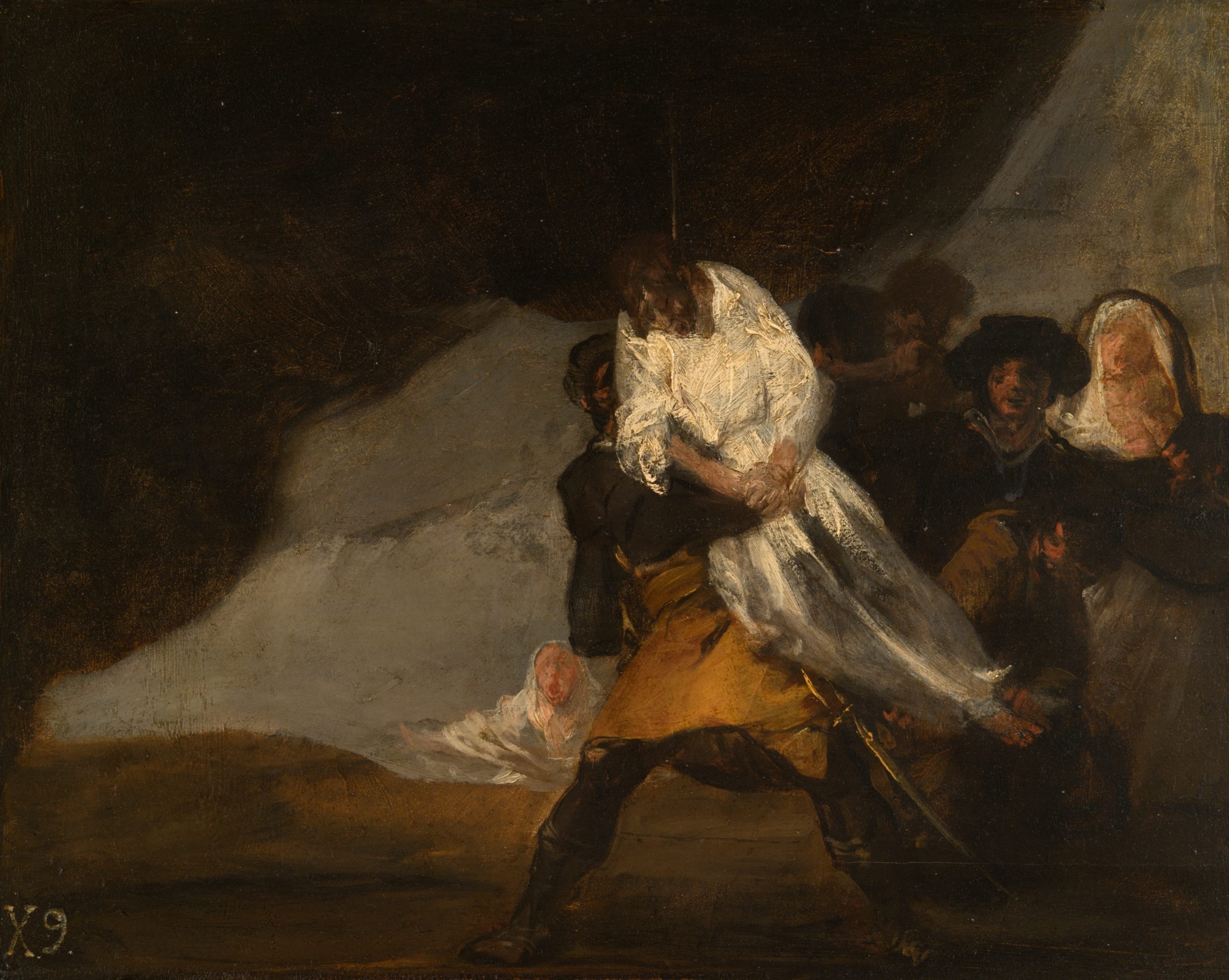
Francisco José de Goya y Lucientes
Oil on panel, 31 x 39.2 cm | 12.2 x 15.4 in
Art Institute Chicago
However, palette knife painting didn’t become widespread until the 19th century, and Gustave Courbet was one of its pioneers. Inspired by Rembrandt and other Dutch masters, Courbet was committed to painting what he saw, not a polished version of reality favoured by art institutions. His later landscapes and seascapes are particularly rough and painterly. In The Black Rocks at Trouville, Courbet carved out the shapes of the rocks and the broken lines of the watery shore with a palette knife. This technique allowed him to emphasise the physicality of oil paint, creating sculptural surfaces that captured the movement of the sea and shoreline.
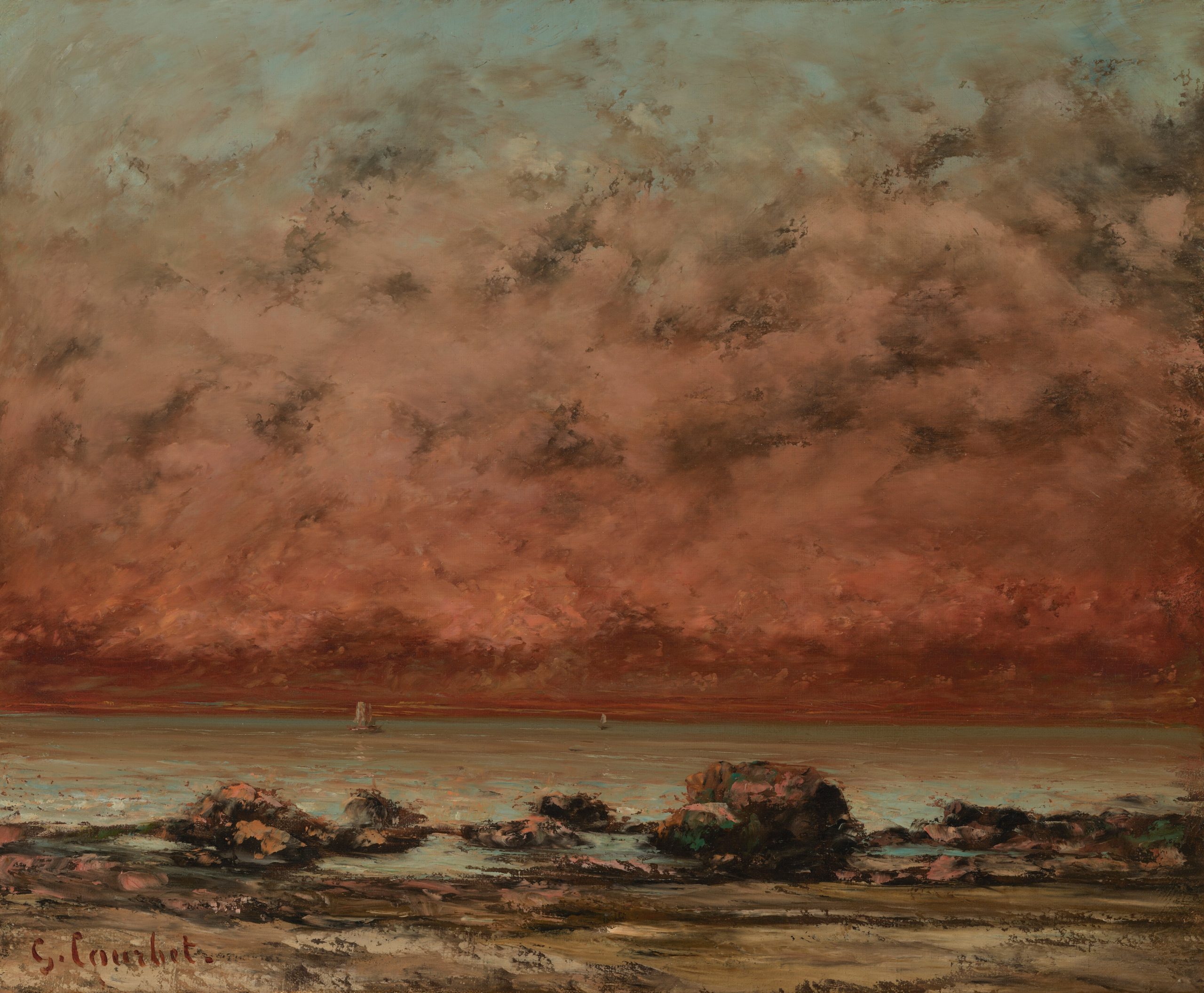
Gustave Courbet
Oil on canvas, 50 x 61 cm | 19.7 x 24 in
National Gallery of Art
His animated approach was extremely influential on the next generation of French artists, notably Camille Pissarro and Paul Cezanne. In an 1866 series of portraits of his uncle, Cezanne smeared thick oil paint directly onto the rough canvas with a painting knife, creating an effect he described as ‘gutsy’. This produced a tangible, fleshy quality to the skin, with colours partially blending together as the paint was pushed around.
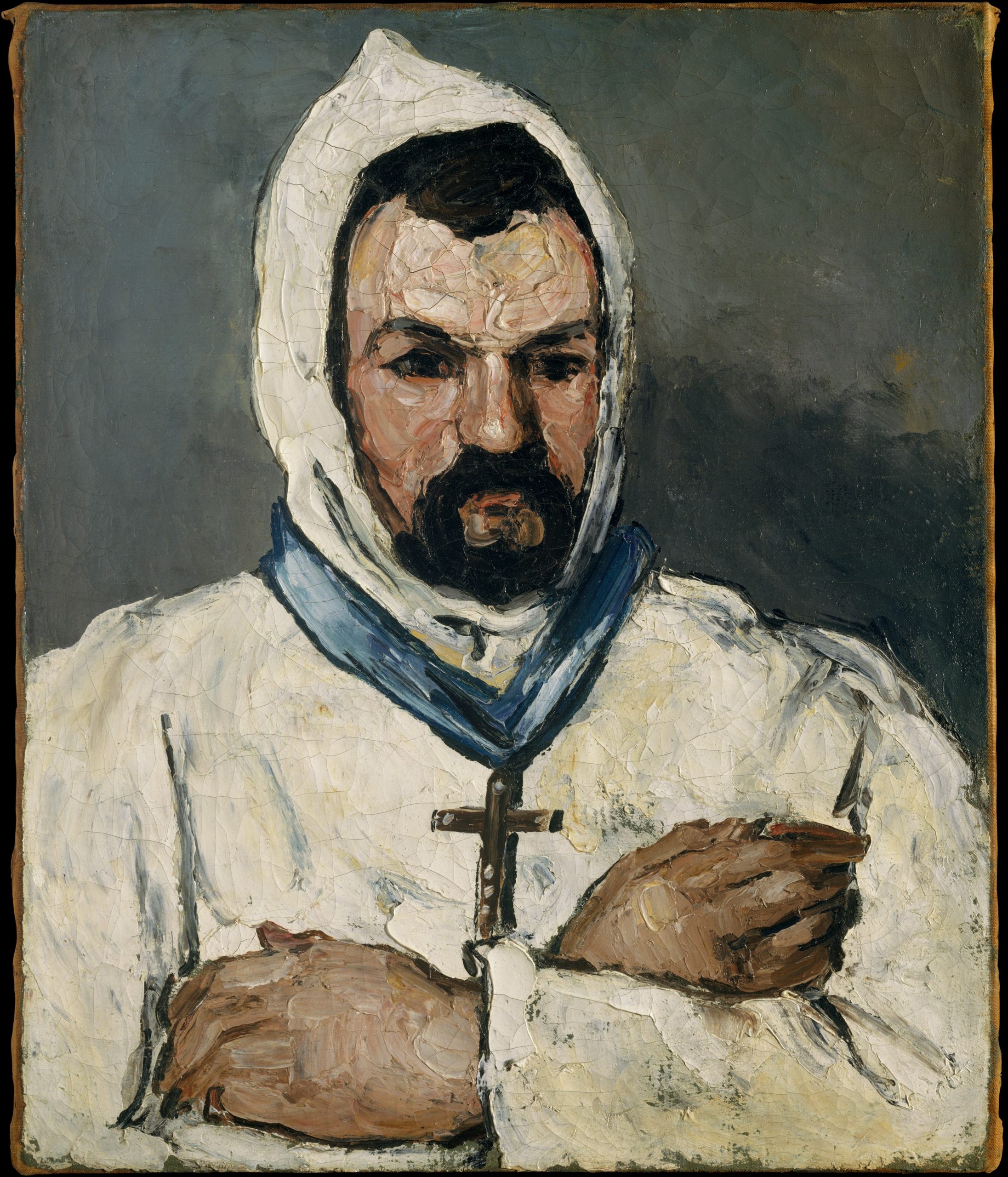
Paul Cézanne
Oil on canvas, 65.1 x 54.6 cm | 25.6 x 21.5 in
The Metropolitan Museum of Art
Palette and painting knives are not only used to add paint to a surface, but are also used for subtractive processes as well. Vincent van Gogh used them to scrape away parts of a painting that he didn’t feel were working. He wrote, “I think it’s better to take off a part that goes wrong with a palette knife and start again from the beginning than to keep coming back to it.”
Palette knives are also used for expressive mark-making. Sgraffito is the process of scratching or scraping through a material to reveal the layer below. The technique originates in ceramics, but it has been widely used in painting as well. Oil paint lends itself to sgraffito because it dries slowly, allowing an artist a long period of time in which to rework and manipulate the paint on the surface. J.M.W. Turner scratched through his paintings to evoke the textural effects of wind and rain in his landscapes.
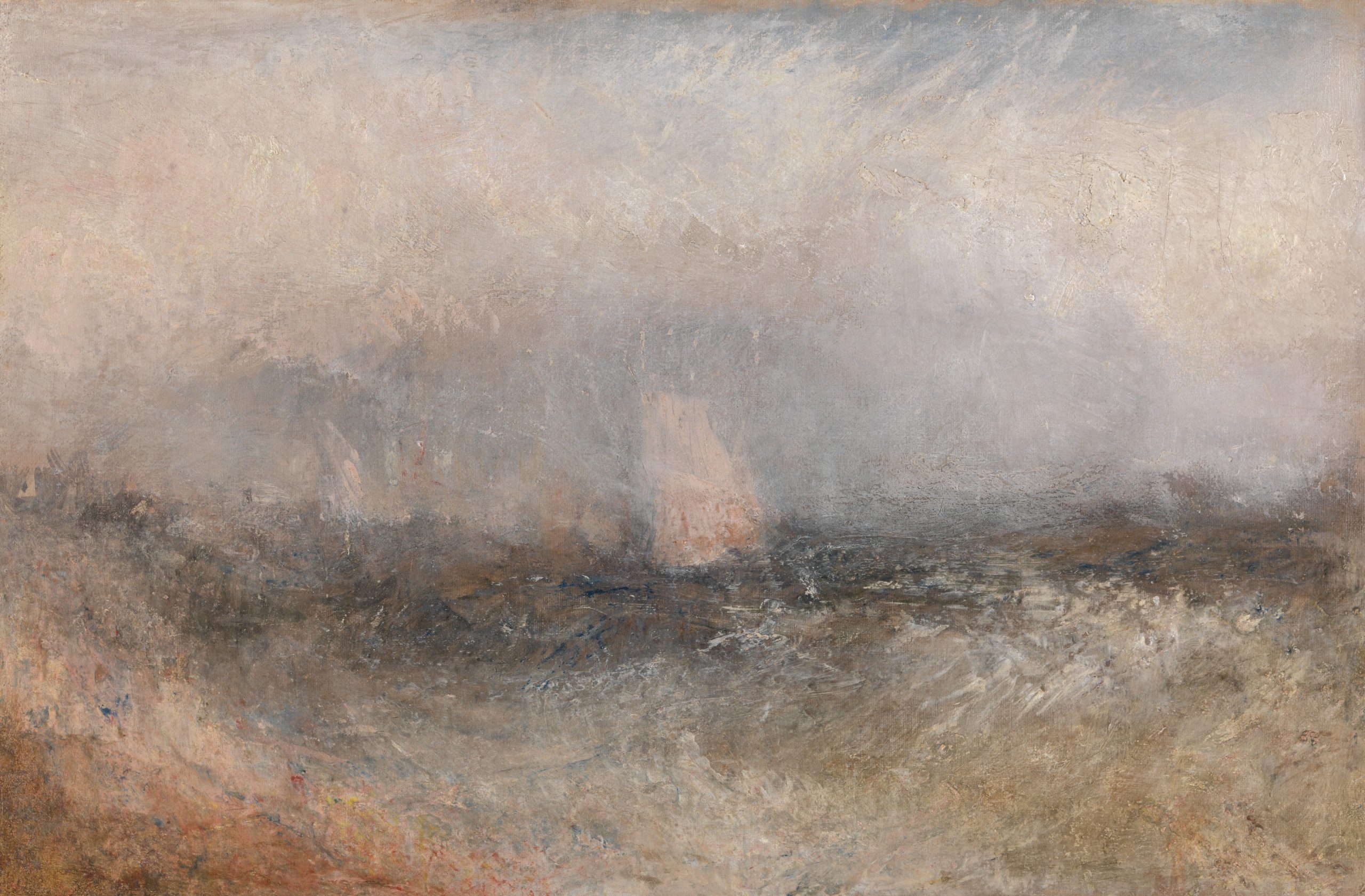
J.M.W. Turner
Oil on paper, laid on canvas, 30.5 x 45.7 cm | 12 x 18 in
Yale Center for British Art
Even with very close examination, it’s not always clear what tool an artist has used to scratch through paint. Depending on what a painter has to hand, the handle of a brush, fingernails, a craft knife, or a palette knife are all possible tools for creating these marks.
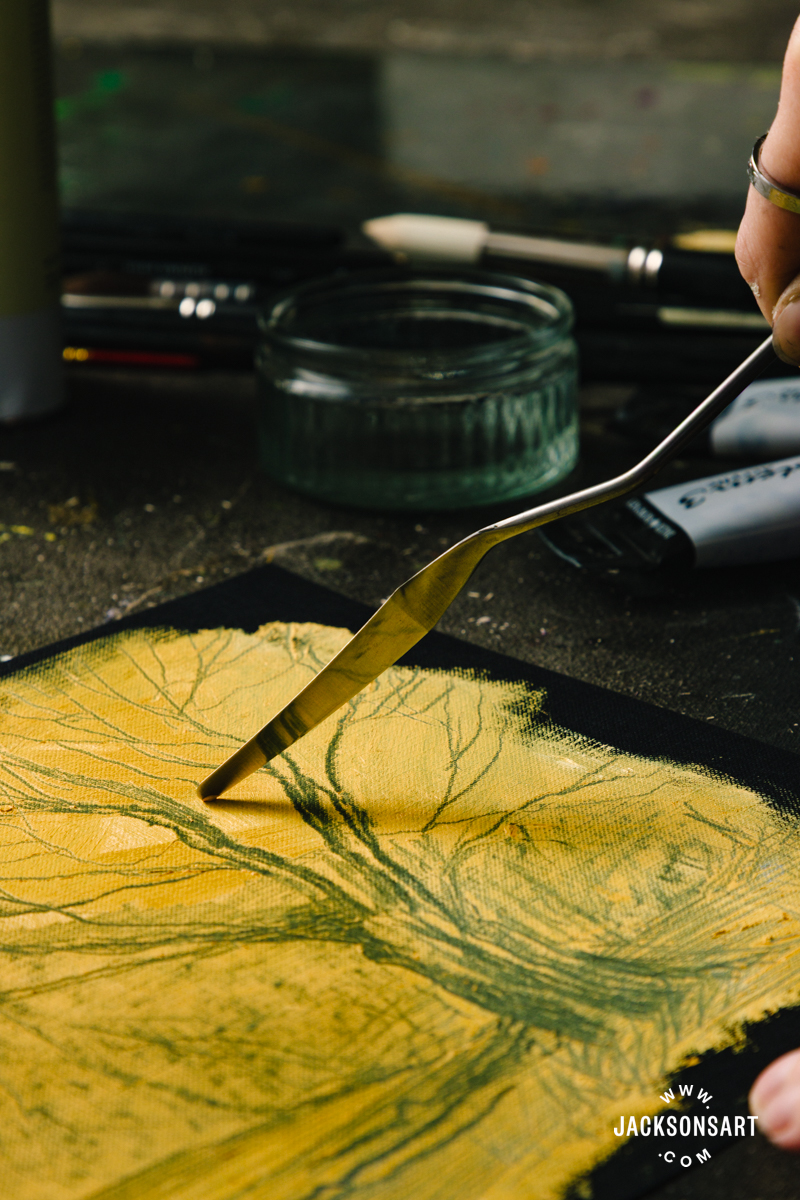
In the 20th century, many artists embraced the palette knife as a means of emphasising the texture, structure, and the physical presence of paint. Frank Auerbach and Lucian Freud, for example, used painting knives to build and rework dense, tactile surfaces. Freud even depicted himself holding a painting knife in a self-portrait, underscoring its importance in his practice. One painter who helped bring the palette knife to a wide audience in the 20th century was Bob Ross, who used it to create bold, textured effects such as mountains and rocky landscapes in his televised demonstrations.
Today, the palette knife occupies a dual role – for some artists, it is a functional tool for mixing colours on the palette, for others, it is a versatile and expressive instrument. What distinguishes the palette knife is its directness. Whether used to spread, scrape, or carve into paint, it encourages a physical, responsive approach that preserves the immediacy of the artist’s gesture.
Making Your Own Oil Paint with Jackson’s Pigments
Artist Review of Jackson’s Extra Offset Crank Painting Knives
Recreating the Colour Palette of Francisco de Goya
Shop Art Materials on jacksonsart.com