From Calder to Giacometti, there is a lot of art to see this November, especially if you happen to be in the capital. Have a look through our list of recommendations.
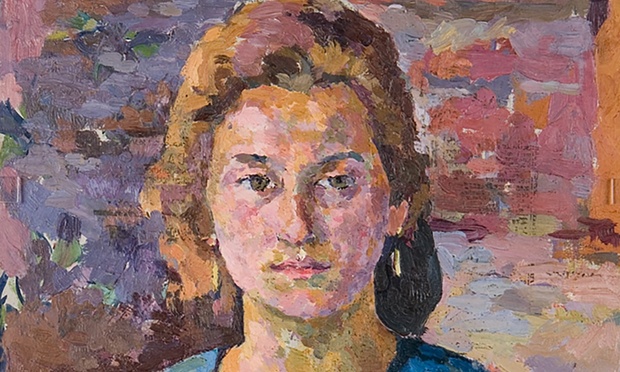
Alberto Giacometti is widely regarded as one of the most important and distinctive artists of the 20th century. This major exhibition is the first to focus on his portraiture and includes over sixty paintings, sculptures and drawings from international public and private collections.
Throughout his career Giacometti was fascinated by the artistic complexities of evoking a human presence. His portraits are characterised by an intense scrutiny of his models, during which he endeavoured to record his constantly changing perceptions. The resulting images are among Giacometti’s most enigmatic and personal, central to his reputation as one of the giants of modern art.
Showing at National Portrait Gallery until 10 January 2016
2. The EY Exhibition: The World Goes Pop
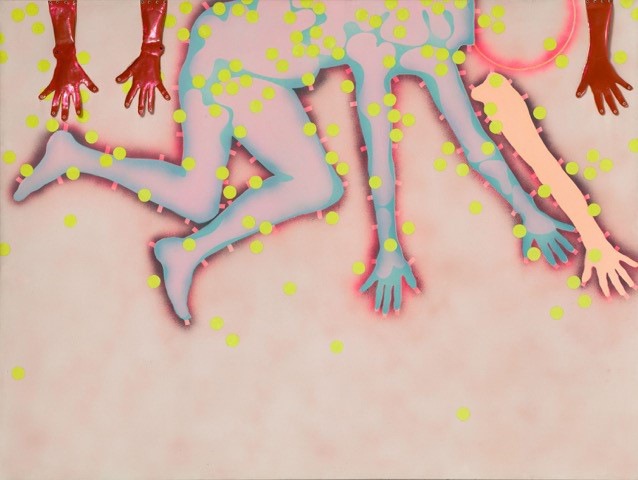
Tate Modern is ready to tell a global story of pop art, breaking new ground along the way, and revealing a different side to the artistic and cultural phenomenon.
From Latin America to Asia, and from Europe to the Middle East, this explosive exhibition connects the dots between art produced around the world during the 1960s and 1970s, showing how different cultures and countries responded to the movement.
Politics, the body, domestic revolution, consumption, public protest, and folk – all will be explored and laid bare in eye-popping Technicolor and across many media, from canvas to car bonnets and pinball machines.
The exhibition will reveal how pop was never just a celebration of western consumer culture, but was often a subversive international language of protest – a language that is more relevant today than ever.
Showing at the Tate Modern until 24 January 2016
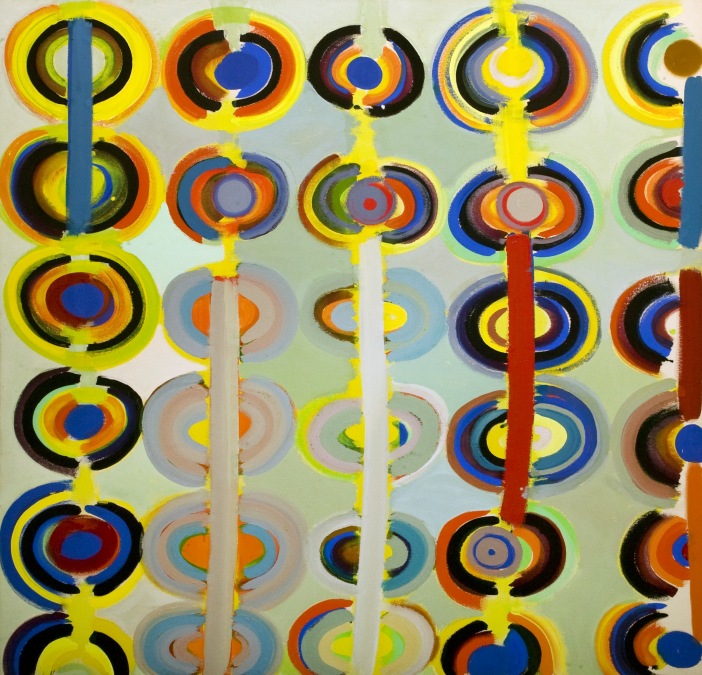
Living in St Ives during the 1950s, Frost was part of a close circle of emerging British modernists working with abstraction, including Roger Hilton, Patrick Heron, Peter Lanyon and Bryan Wynter. The exhibition will highlight key paintings and collages from Terry Frost’s formative periods working in Cornwall and Yorkshire, including paintings from his breakthrough Walk Along the Quay series, begun in 1950. These tall, thin canvases are evocative of the seaside town of St Ives. In contrast are the large-scale paintings such as Blue Winter 1956 and Orange and Black, Leeds 1957, painted in response to the Yorkshire Dales, after his move to Leeds.
After discovering acrylic paint while teaching in California in the 1960s, Frost became increasingly interested in colour as a presence or character in itself. Looped and heaped weights of colour seemingly bulge from his canvases, sometimes becoming three-dimensional in his collages or sculpture. In 1970 Frost developed a range of ‘soft sculptures’ including stacks, spirals and loops, made from painted canvas tubes filled with polystyrene balls. Suspending these arcing forms from the walls and ceiling, or bundling them together, he sought to bring out colour in all its intensity without hard structure or flat surface – as a brushstroke in space. The exhibition will feature a re-commissioned series of these little-known, strikingly contemporary three dimensional works.
Showing at Newlyn Art Gallery & The Exchange until 9 January 2015
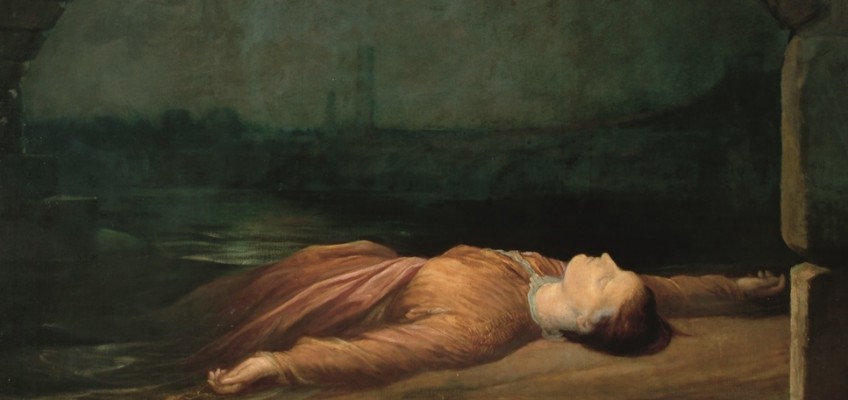
This major exhibition focuses on the myth and reality of the ‘fallen woman’ in Victorian Britain.
In an age when sexual innocence was highly valued and sex for a respectable woman was deemed appropriate only within marriage, the loss of chastity for an unwed woman had multiple repercussions. The figure of the ‘fallen’ woman was popularly portrayed in art, literature and the media as Victorian moralists warned against the consequences of losing one’s virtue.
This exhibition draws together the work of artists including Dante Gabriel Rossetti, Richard Redgrave, George Frederic Watts and Thomas Faed, who considered the subject of the fallen woman in their work and helped propel the myth. In addition, newspaper illustrations and stereoscopes demonstrate how depictions of the fallen woman in popular culture also helped define a woman’s role and limitations within society.
Showing at the Foundling Museum until 3 January 2016
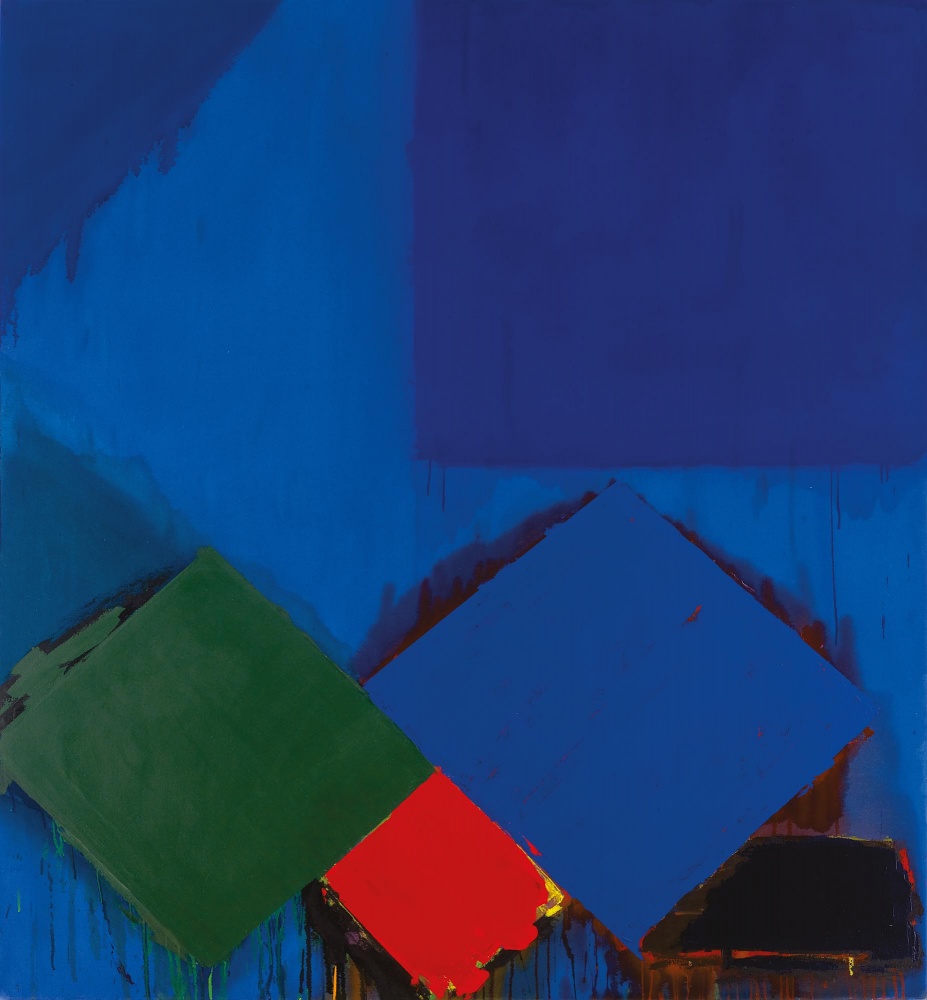
5. John Hoyland: Power Stations Paintings 1964 –1982
‘Power Stations’, Newport Street Gallery’s inaugural exhibition, presents a selection of Hoyland’s large-scale works dating from 1964 to 1982, displayed throughout all six of the gallery’s exhibition spaces. The first major survey of the artist to be presented since 2006, ‘Power Stations’ spans a pivotal period in Hoyland’s career, punctuated by his first solo museum show, at the Whitechapel Gallery in 1967, and his defining retrospective at the Serpentine Gallery (1979–80).
Showing at Newport Street Gallery until 10 April 2016
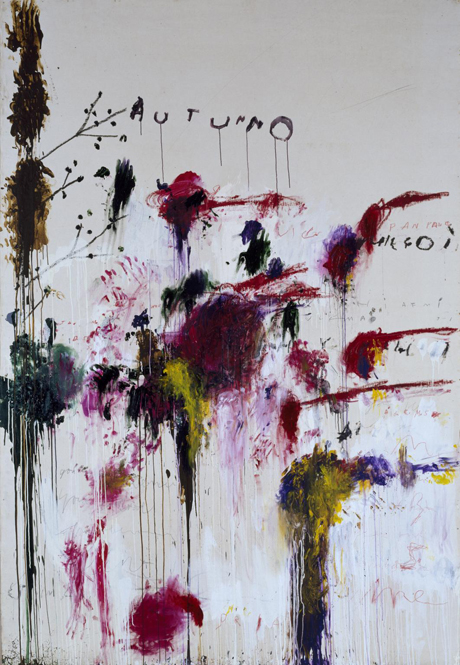
6. Cy Twombly: Quattro Stagioni
The monumental cycle of paintings, Quattro Stagioni [Four Seasons], represents the four seasons by one of the great American painters of the second half of the 20th century, Cy Twombly (1928 – 2011).
Twombly, based for most of his life in Rome, often drew inspirations from literature, history and beauty he found in European culture. He adopted the new freedom found in the development of process-based American painting and translated these classical European references into layers of visual responses which were sensual and emotional, with an emphasis on mark making and calligraphy.
Showing at de la War Pavillion until 10 January 2016
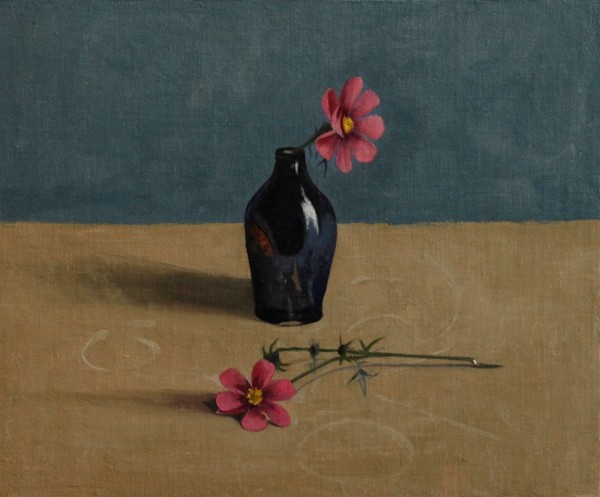
Artist Conrad Frankel says of his exhibtion, “These paintings are responses to objects in the physical world. They are grounded in my practice of working from 3D to 2D. There is no meaning to be found in these paintings other than a joyous response to objects in light. I have no message to deliver, no word based ideas to disseminate. Since my youth I have always had a love for mark making and for the drama of paint and illusion.”
Showing at Olivier Cornet Galleryuntil 8 November 2015
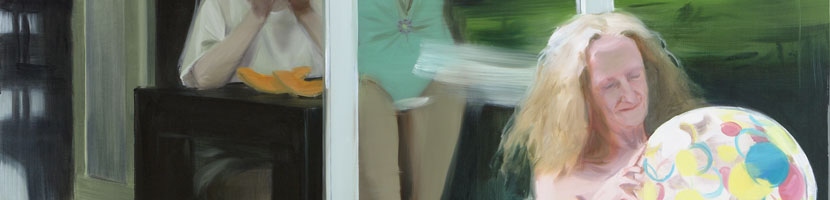
8. Reality: Modern and Contemporary British Painting
Walter Sickert, Francis Bacon, Lucian Freud, LS Lowry, George Shaw, Alison Watt and John Bratby are just some of the artists who star in this stunning exhibition, which explores the role of painting within contemporary art.
Six decades of British painting are represented by more than 50 works, united not only by the medium of paint but also the unique way the artist represents real life in modern Britain.
Showing at Walker Art Gallery from 10 July – 29 November 2015
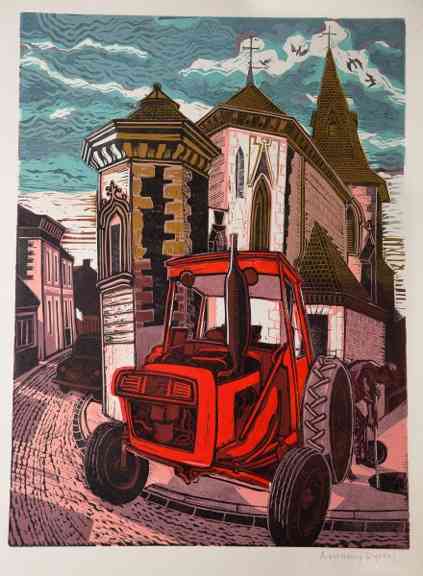
9. The Masters | Relief Prints
This is the first in a series of annual, technique-specific exhibitions established by the Royal Society of Painter-Printmakers. This year’s exhibition will be dedicated to relief printmaking in all its forms, which includes woodcut, metalcut, linocut, wood engraving, relief etching and block press. The show is curated by the British printmaker Angie Lewin RE.
Showing at the Bankside Gallery until 15 November 2015

10. Alexander Calder: Performing Sculpture
This exhibition brings together some of Calder’s most important creations from museums around the world, showing how motion, performance and even theatrics helped to establish Calder as one of modernism’s key figures.
Showing at the Tate Modern until 3 April 2016