



The Guest Artist section is a place for artists to talk about their work, techniques and materials. I am sure that one artist explaining how they solved a problem will help other artists and I hope that a community evolves where artists will assist each other with their artistic dilemmas, share ideas and technical information as well as make connections and give each other friendly support.
To join the conversation please add your comment below. It will be great to have some interaction!
Here today to share her art with us is Jane Duke who paints in York, UK. Thanks Jane!
JA: Please tell us a little about yourself.
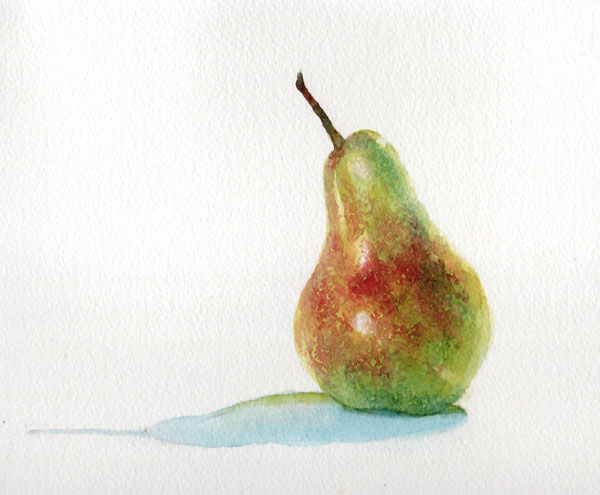
JD: I’m a painter and printmaker living in York. I am classified as ‘self taught’ but I always think that description is a bit arrogant as it doesn’t give credit to the people who teach us informally, either directly or by example. None of us could truly do this on our own. I’ve painted in watercolour throughout my adult life, picking up knowledge along the way both from fellow artists and from my own experiments and discoveries. I now hold workshops myself where I am able to pass on what I have learned.
At an event a few years ago I got talking to another exhibitor who was a printmaker. Her enthusiasm was infectious; I signed up for a year of printmaking evening classes and was soon hooked. Linocuts and woodcuts now make up at least half of my work.
I’ve just opened a new online Etsy shop to make it easier for people to buy my unframed prints and paintings and have also created a new Facebook page where I’ll be sharing my work and other news.
JA: What materials and techniques did you use in making the art work you are showing here?
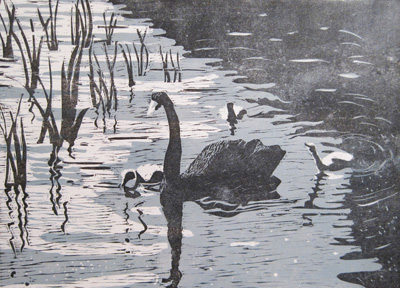
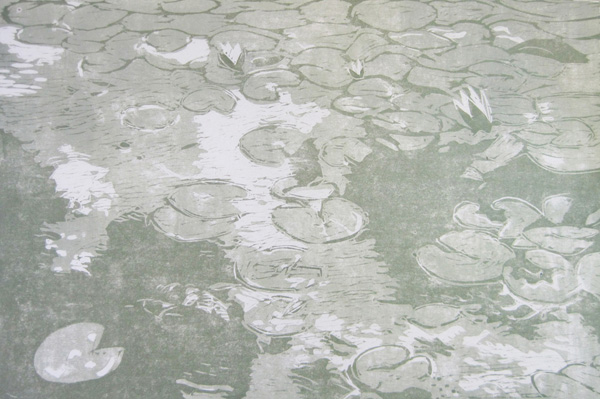
JD: ‘Water Lilies’ is a two plate woodcut print, hand burnished onto Japanese Tosa Shi paper. I used oil based but water washable printmaking inks. The development of these inks (Caligo Safe Wash) has been a life saver, or at least a skin saver, for those of us who have trouble cleaning up with white spirit.
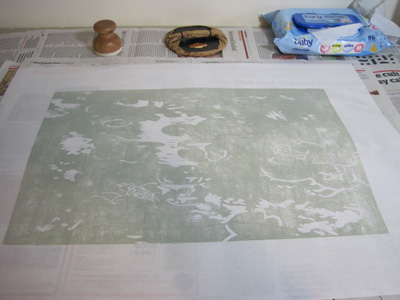
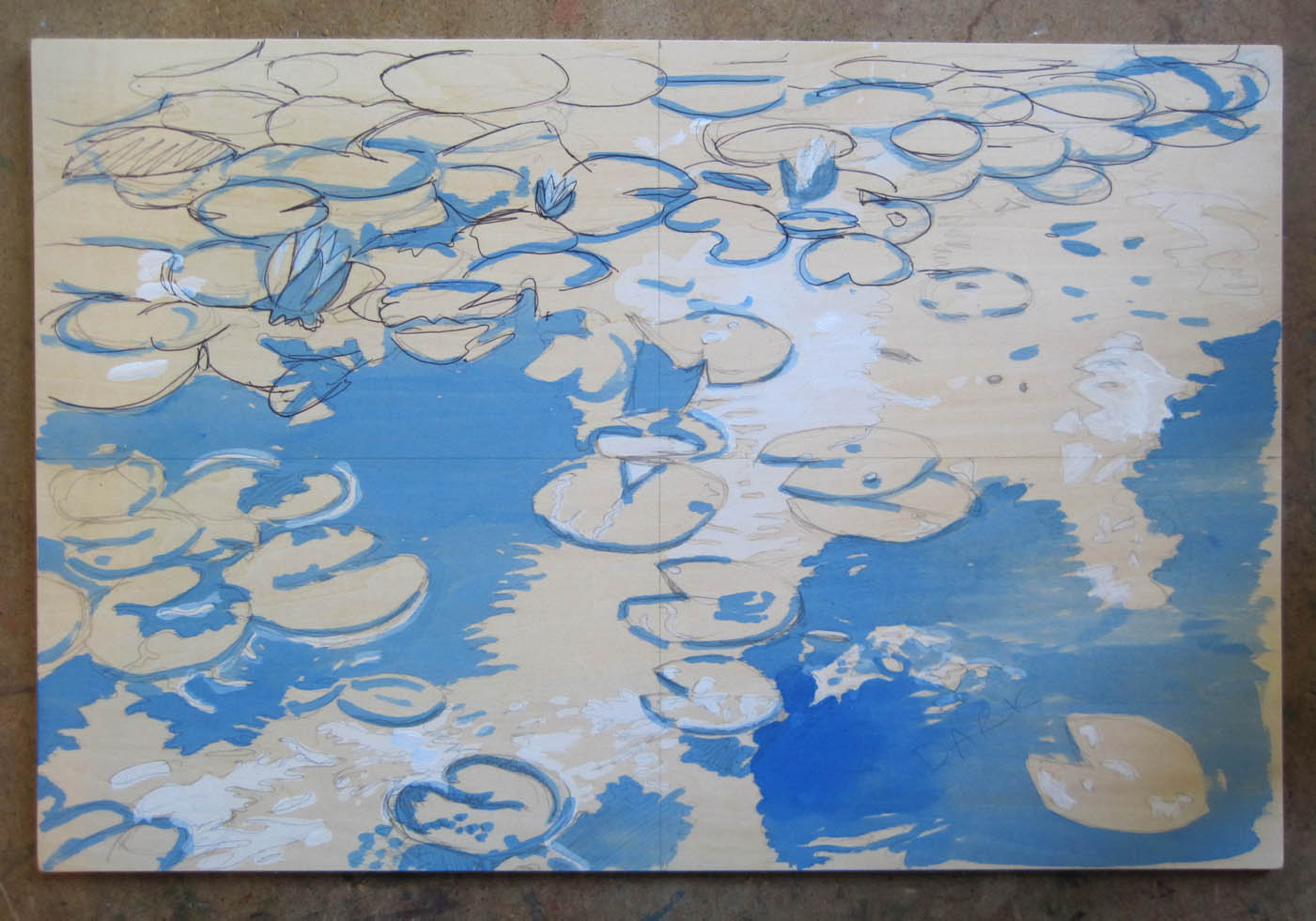
I drew the design freehand directly onto the first plate (Japanese plywood). This meant, of course, that after the first inking I would lose my design. So I roughly coloured in the drawing showing which bits would be the darkest tone, which the mid tone and which left white, and then photographed it so I would have a record. I cut the plate for the darker tones first and once I was happy with the proof prints, I inked it up thickly, printed it onto newsprint and then immediately pressed that paper onto the second plate. This produced an offset image marking where the darker shapes were. Then I could draw and cut the shapes for the mid tone colour on this second plate (which would in fact be used first on the print), knowing it would register exactly with the other one.
JA: What challenges (if any) did you face in making this work and can you give other artists any tips for solving similar problems?
JD: The slightest lump, bump or even speck of dirt on a plate will show up on the print. The first proof print I made revealed a dark horizontal stripe running across the lower left quarter. No matter how hard I looked or how carefully I ran my fingers over the plate, I couldn’t see or feel anything that might cause it, but with every print attempt an identical stripe appeared. My heart sank at the thought of having to start all over again and cut a new plate, but then it occurred to me I had nothing to lose by trying some sandpaper. After one light sanding the line was fainter, so I knew I was on the right track. I sanded some more and on the next print the line had gone, but still at no point did I ever detect any difference in the plate.
JA: Please tell us something about the idea behind the work you are showing here.
JD: I love looking at reflections and ripples in water. It fascinates me that water, which we tend to think of as light or transparent, is in fact often the darkest part of a scene. The patterns made on water can be very distinct and graphic in quality, contrary to our preconceptions of ‘wateriness’. They make an excellent subject for the simple shapes of relief printmaking.
JA: How does this work relate to your artistic practice, how you approach art over-all?
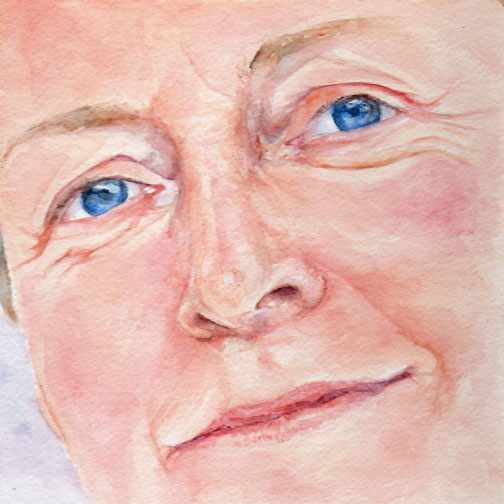
JD: I must have a masochistic streak as my two favourite mediums, watercolour and printmaking, are two of the least forgiving. Both mediums present puzzles which have to be solved by assembling each mark or cut in the right order. If you do something out of sequence then there is often no way to recover. I probably spend almost as long thinking about my pieces as I do actually making them, and very often answers come to me when I’m doing something completely different like driving or washing my hair.
JA: Do you have any art advice you would like to share?
JD: Photographs are a great resource for artists but it’s important to be aware that the camera is not the same as the human eye and records images very differently from how we see them. Shadow is rarely a dense dark shape as it appears in photos, but instead is an area where colour is muted and lines are softened.
JA: What is your favourite art material?
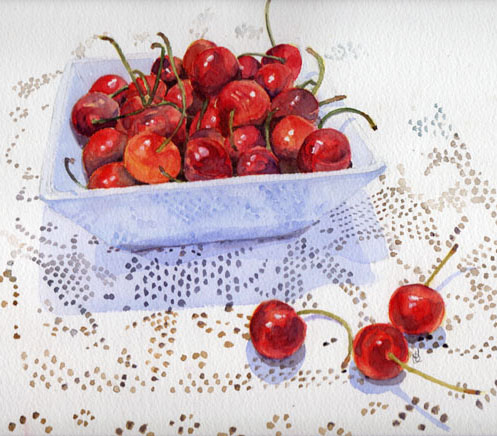
JD: That’s like asking me to choose between my children! I do keep coming back to watercolour; I love the fact that transferring the paint from palette to paper is only the start of what happens with the pigment. I’m quite a colour geek and I actually do enjoy watching paint dry. On the other hand my pulse quickens when I walk into a workshop full of printmaking paraphernalia. To me, printing ink smells of creativity.
www.janeduke.com
www.etsy.com/shop/janedukeartist
www.facebook.com/janedukeartist
3 thoughts on “Guest Artist : Jane Duke”
Hi, this is a great post! I have a question for Jane –
Jane, I love the use of light in your watercolours. Any hints on how to achieve this effect? For example on the pear painting, would you use masking fluid to retain the white of the paper or would you use some kind of gouache over the colour afterwards?
And also, how do you plan for this and are there any other hints you can give? it’s something I really struggle with.
Thanks 🙂
Hester.
Hi Hester
Thanks for your kind comments.
I’d like to be able to claim never to use white gouache but we all make mistakes sometimes and needs must! I would always regard it as a last resort though because a white achieved with gouache is never as luminous as a reserved white. I do use masking fluid for tiny details, for instance the white highlights in an eye or fine hairs on a portrait, but generally I would advocate preserving your whites by very carefully not painting them. Masking fluid is very useful but does result in hard edges and can also damage the paper, so should be used with discretion.
As it happens, there is a step by step demo on my website showing how I painted this pear picture, so you might find that helpful. You can find it at http://www.janeduke.com/watercolour_demo_2.htm. No masking fluid or gouache involved! Just careful planning. Planning really is everything – you just have to think ahead and work out where you are going.
Good luck and keep plugging away. Practice is the best teacher.
Jane
Thanks Jane!
Good information and thanks for sharing the link to your great demo 🙂
Comments are closed.