



Colin Willey’s plein air paintings are just as much a celebration of the paint he is using as they are of the scene he is describing. As anyone who has attempted to paint out of doors will testify, the artist has to work fast as the light is ever changing, the sheep are a law unto themselves, and within the space of just a couple of minutes the subject before you can be completely unrecognisable from the one you selected to paint. So to paint fast is to try and capture the scene that initially inspired you before it becomes a faint memory, as well as to capture the scene with bold, clean, exuberant brush marks. Colin’s landscapes are often painted on a brightly coloured tinted ground, and the broken paint surface allows the ground to sparkle through in little flecks that add to the vibrancy of the work. Willey is a believer in a democratic method of painting – that is to treat the whole surface of the canvas support the same – no localised detailing in the foreground, no broad brush marks in the sky that separate it from the rest of the composition. The result is that each painting feels ‘whole’, and has a coherence describes the scene with a powerful immediacy. Colin Willey graduated from a BA Hons degree in Fine Art from Cheltenham College of Art in 1995. He has since written articles for ‘The Artist’ magazine as well as exhibited at the Royal College of Art and the Mall Galleries.
Lisa: What brand oil paints do you like to use and why?
Colin: I use Jacksons own brand of oil paints. My paintings can be quite large and I use the paint quite thickly, I find the Jacksons paint to be of a high quality at a very reasonable price.
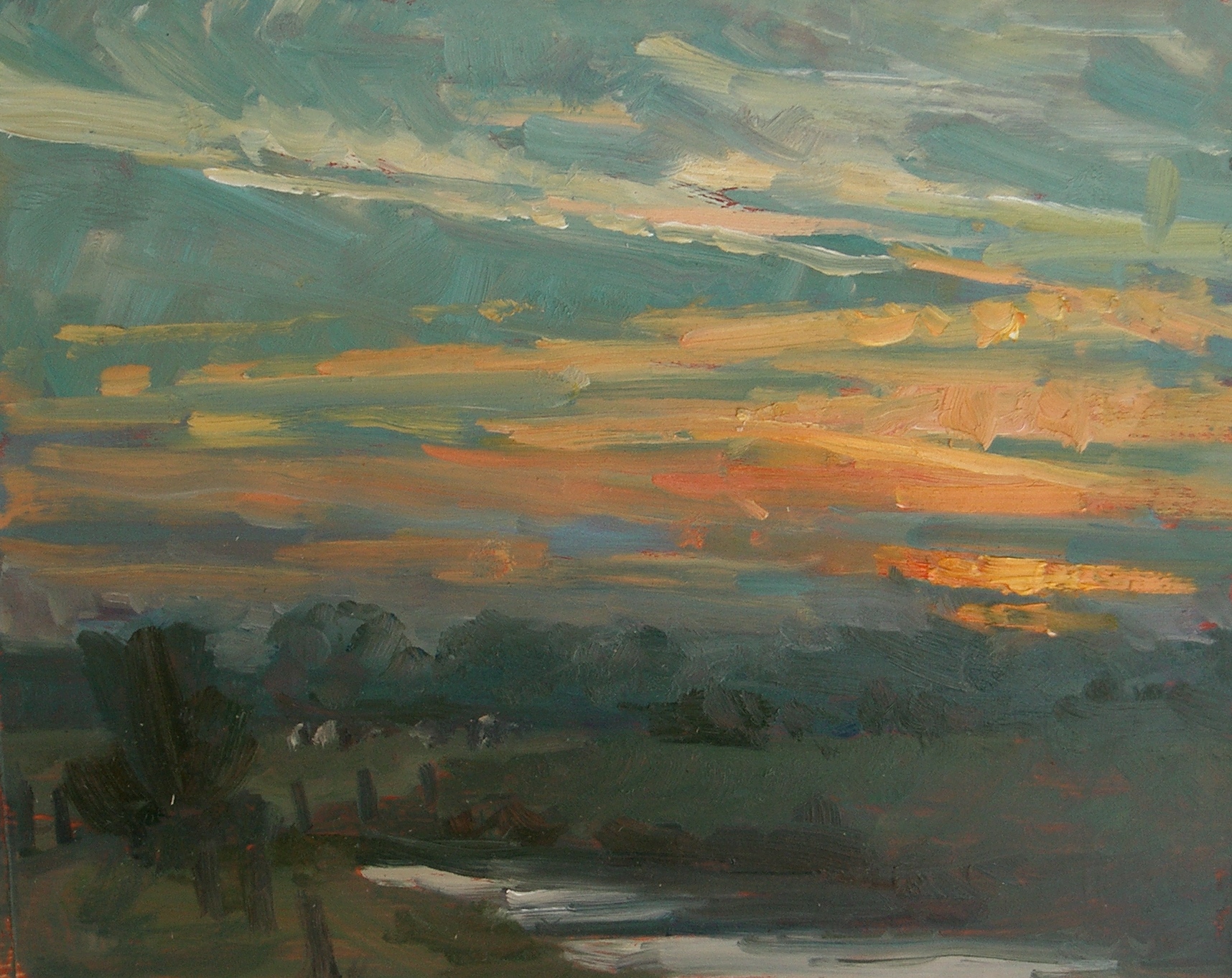
Oil
8”x10”
Lisa: Which other artists do you admire?
Colin: There are so many it is difficult to narrow it down. My tastes have definitely widened as I have got older. My early influences were people like Fred Cuming and Ken Howard and I think that influence shows in my own work. I am emotionally drawn to dramatic seascapes like the work of Len Tabner and the broad painterly work of Louise Balaam (I was lucky enough to win a Louise Balaam at a charity auction). Other names that spring to mind are Euan Uglow, Diarmuid Kelley, Walter Sickert, Kyffin Williams and a recent discovery for me has been the work of Joan Eardley. I could go on and on.
Lisa: How do you keep the surface of your paintings looking so vibrant?
Colin: I’m very pleased you think I do! For me the painting surface is a very important integral part of the painting. I like to think of paintings as objects, so that you go about making a painting rather than painting a flat picture. We see so many paintings on a flat computer screen now but for me the beauty of a painting is often in its surface quality. I am learning all the time about the craft of oil painting and how the different materials used in a painting work together.
Lisa: What kind of brushes do you enjoy working with best?
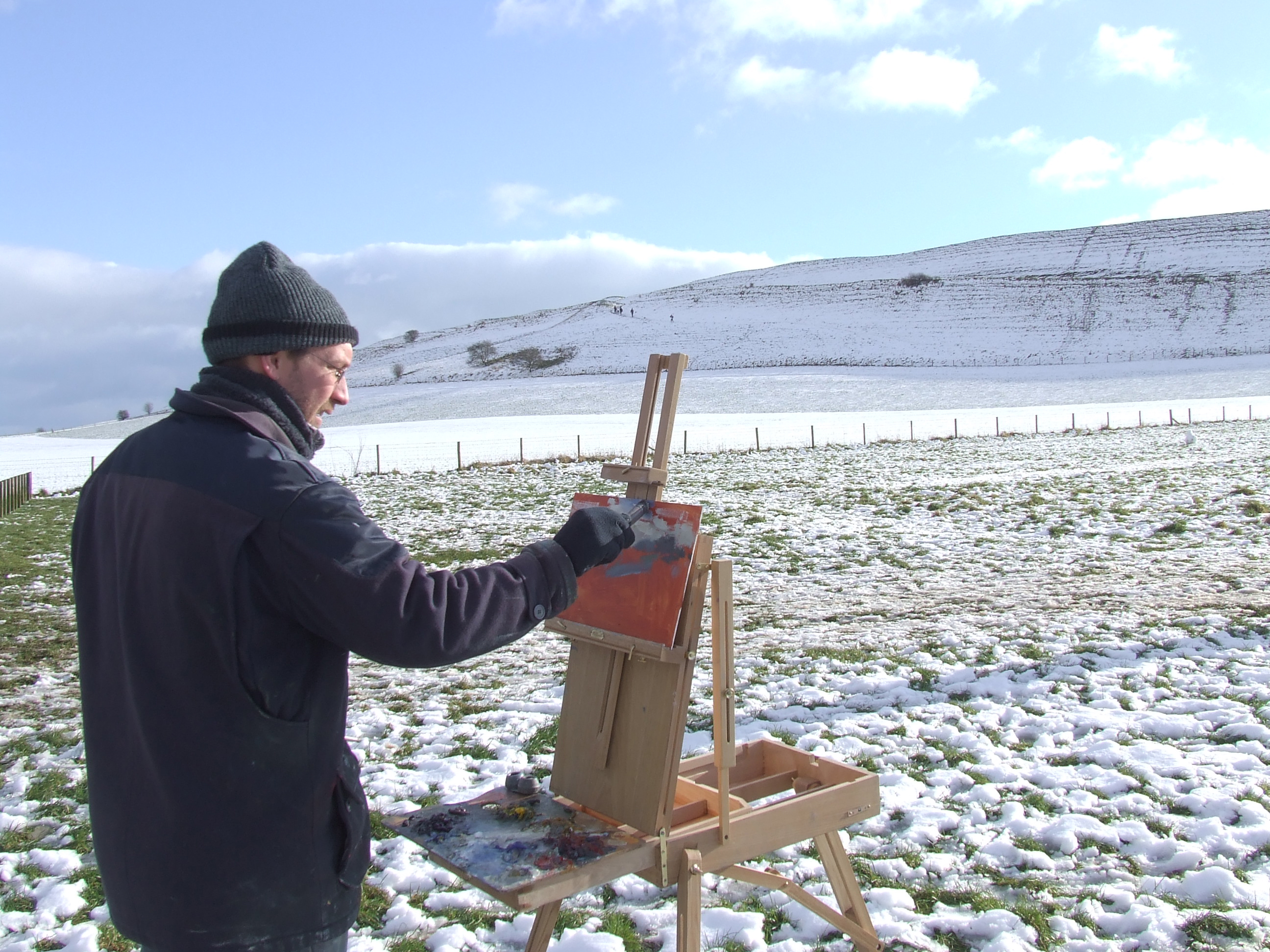
Colin: I use a wide variety of brushes in many different sizes, mainly hog hair. At the beginning of a painting I use a very large brush to block in the main areas quickly. I try to use the variety in shapes and sizes of brush to create interesting and varied marks, often leaving the brush strokes visible.
Lisa: Where do you most enjoy painting?
Colin: Skies are probably my favourite thing to paint. I like cloudy days where the sun comes and goes and everything is changing all the time.
Lisa: How do you prepare for painting out of doors?
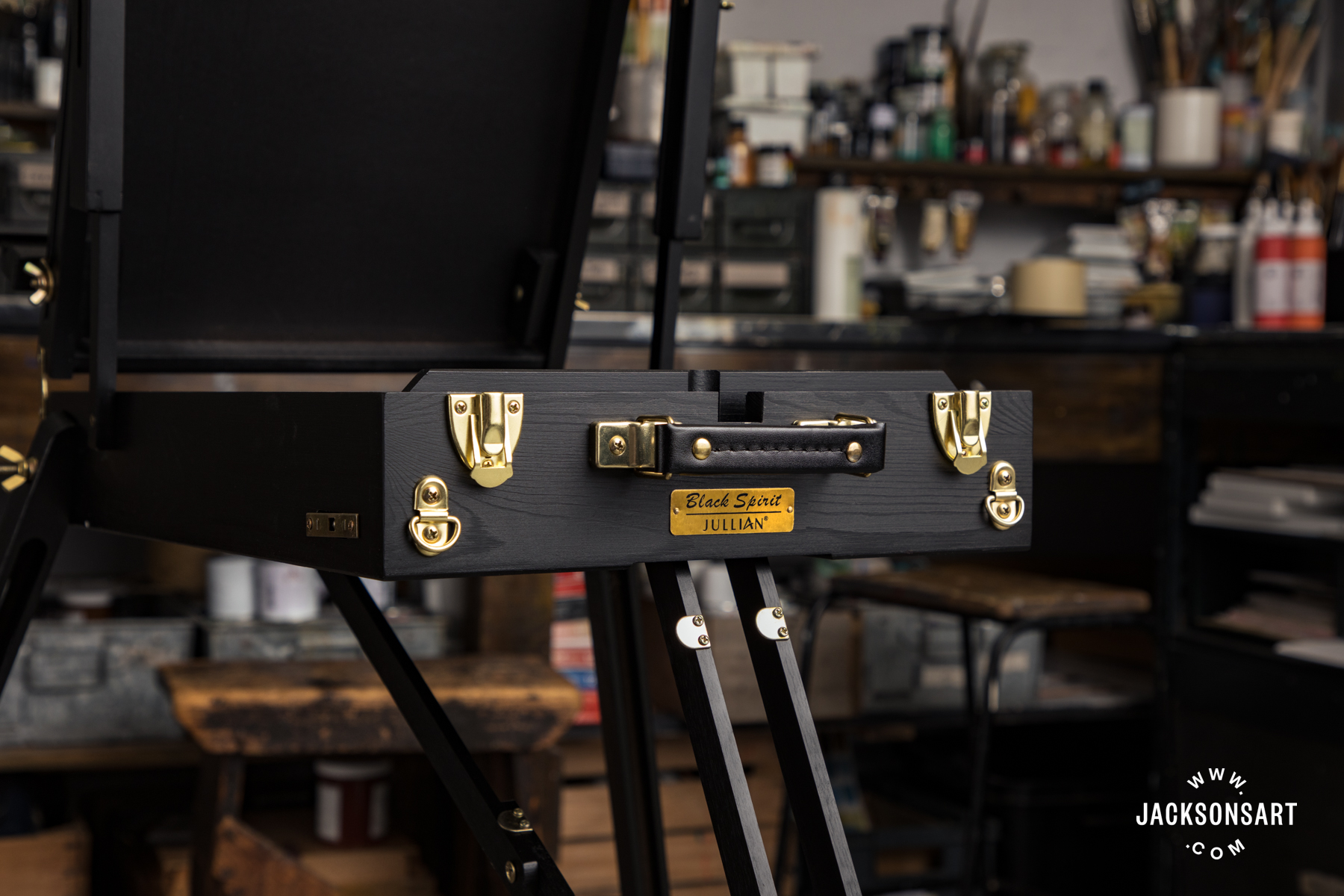
Colin: I take a bag which carries paints, brushes , turps, rags etc. Then I have my box easel and a pochade box for smaller paintings. I take a selection of different sized boards, primed and ready to paint on. One of the main difficulties can be transporting wet paintings. The box easel will carry one wet painting and I have made board carriers for carrying several smaller boards at a time. I also take a camera to take reference photos as I am painting.
Lisa: How do you usually go about painting a landscape?
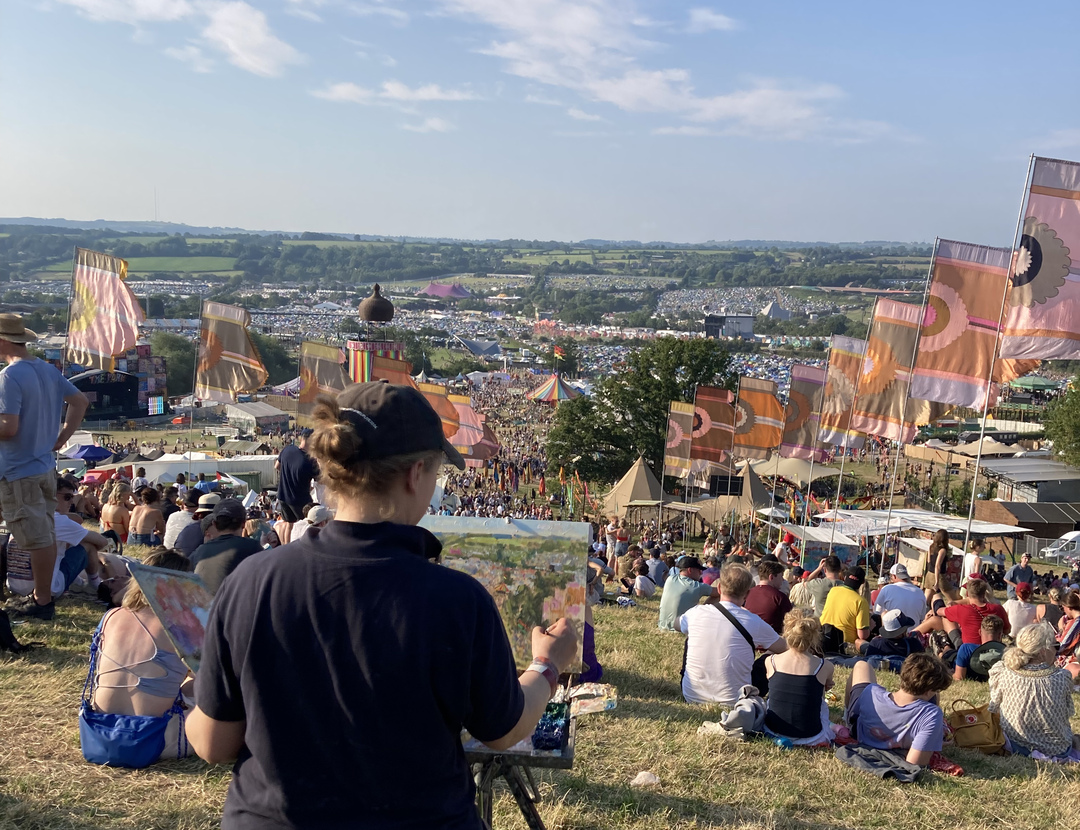
Colin: The first decision I have to make is where I am going to paint. This is sometimes a planned trip to a favourite painting location and at other times is more of a scouting mission to somewhere new. Once I am there I start looking around for what might be good to paint. Sometimes everywhere I look I see a potential painting and can’t get started quickly enough. Other times I have to look a lot harder. When I begin painting I work quickly blocking in the main shapes and colours. Depending on the size of board I have selected to paint on, I work intensely for 2-3 hours trying to respond in an honest way to what I can see while keeping the painting fresh and lively. The whole process is quite fluid and I may continue to paint several paintings from the same spot or if something else has caught my eye abandon a painting for another view. When I get the paintings back to the studio I put them aside for a week or so to dry. When I look at them again I start to make decisions about what I have produced. Sometimes they stand alone as finished paintings, other times I work on them some more in the studio or use them as part of the reference material for a larger painting. It’s quite a chaotic way of working but I find it is the best way for me to find that little spark I am looking for to make a painting exciting.
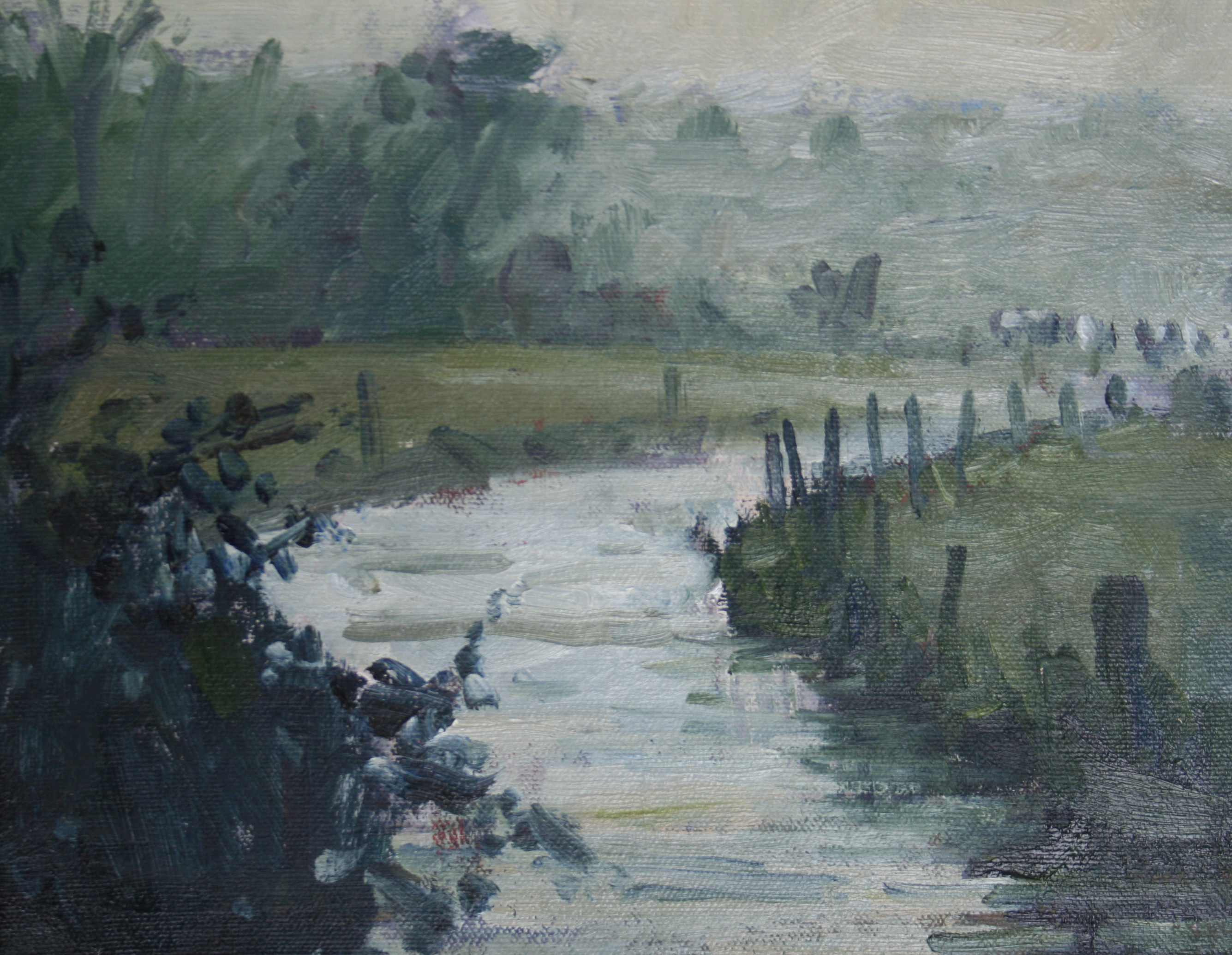
Oil
8”x10”
Lisa: What frustrates you with your work and how do you overcome these frustrations?
Colin: One of the most frustrating things about landscape painting also happens to also be one of the most exciting things. The uncontrollable nature of the weather can make painting outside very difficult and frustrating. Things are always changing and you never know when you arrive at a location if what you are faced with is going to inspire you or not. The wind and rain can physically make it almost impossible to paint at times. At the same time this unpredictability can fire you up as you race to paint that shaft of sunlight or that beautiful sunset, before it all changes. This excitement and urgency to get things down quickly often transfers into the painting which can be hard to replicate in the studio.
Lisa: What are the ingredients of a good landscape painting?
Colin: For me the main ingredient of a good landscape painting is atmosphere. I don’t want to marvel at how well the painter can paint every leaf on a tree. I want to feel something of what the painter felt as they stood on that windy beach as the waves crashed and the sky threatened rain.
Lisa: Where online or in the flesh can we view more of your work?
Colin: You can view my work in a number of galleries including ‘Carina Haslam Fine Art’, ‘The Lyndhurst Gallery’ and ‘Gallery on the Square’ in Poundbury. You can also see work on my website www.colinwilley.co.uk
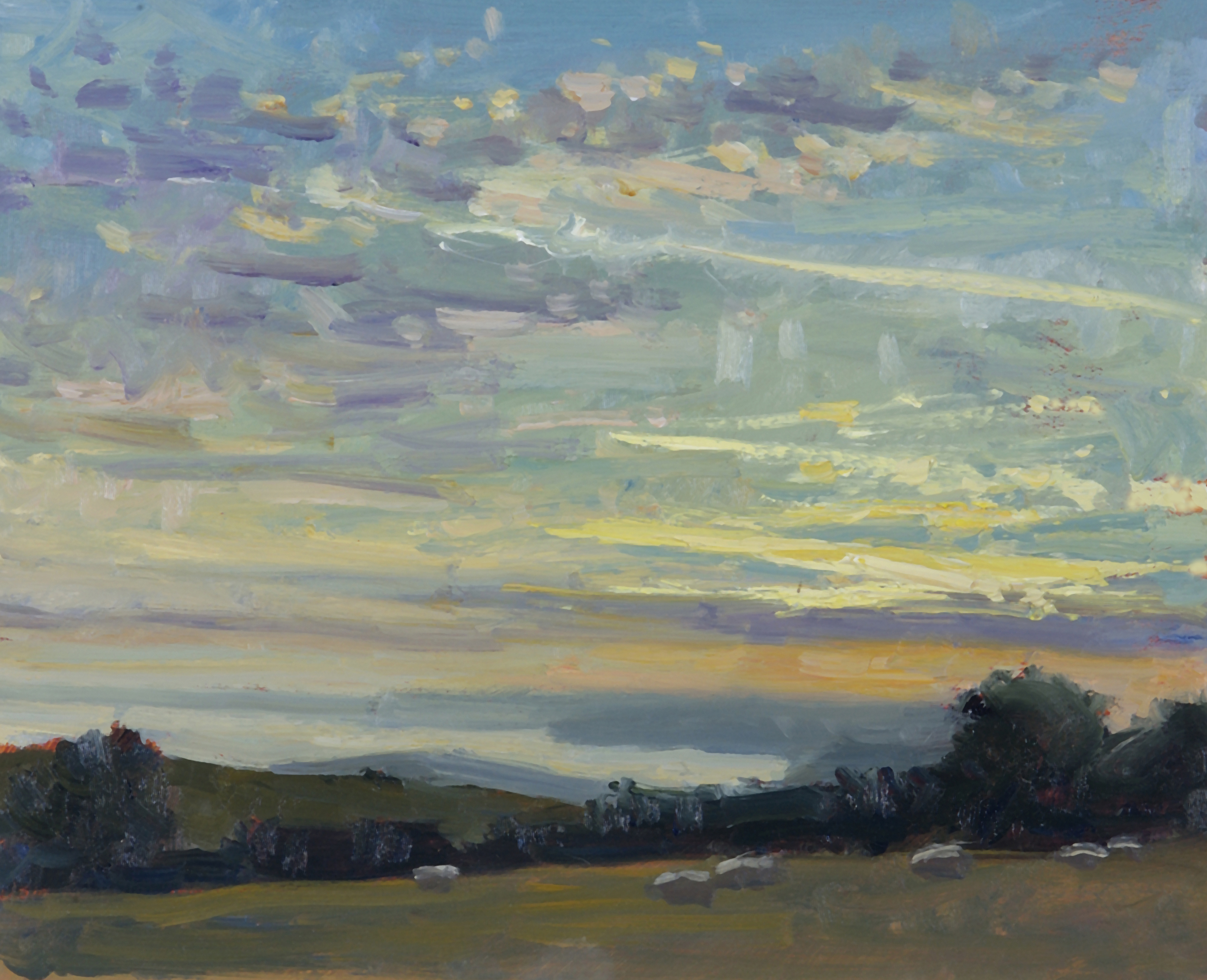
Oil
8”x10”
1 thought on “Plein Air Painting with Colin Willey”
Pingback: Plein Air Landscape Painting with Jackson's Artist Oil Paints - Jackson's Art BlogJackson's Art Blog
Comments are closed.