



Sinopia Casein Gesso is a white, viscous ground that can prepare a multitude of surfaces, such as paper, canvas, plaster, metal and wooden panels, for a myriad of mediums. When dry, it forms a permanent, absorbent layer that is ideal for egg tempera, encaustic, oils, acrylics, watercolours, gouache and casein paints, as well as other mixed media and drawing techniques. It is made from natural materials including water, calcium carbonate (whiting), cold pressed linseed oil, milk protein (casein), natural tree resins, fossilized sea shells, saponified olive oil and salt, and can be used either straight out of the jar or thinned with water for a harder, more sandable surface. Encaustic and mixed media artist Lora Murphy uses Sinopia Casein Gesso within her practice due to its excellent properties as a ground for encaustic work. In this blog post she explains how she uses it and what effect it has on her work.
This blog post is part of our series of artists reviewing Sinopia Casein Gesso range. Below are the links to our other 2 reviews of:
- Using Egg Tempera with Sinopia Casein Gesso (by Leslie Watts)
- Using Silverpoint with Sinopia Chalk Ground Casein Gesso (by Lauren Amalia)
Sinopia Casein Gesso Review by Lora Murphy:
As an avid mixed media artist, I love exploratory techniques and approaches in painting. I work a lot with Encaustic, particularly for Portraiture and Figurative art and I am always on the hunt for materials that will play well with wax. I trained as a classical oil painter and so also have a deep interest in materials and I was intrigued when I discovered Sinopia Casein Gesso. This amazing ground, which is completely natural, can be used with so many different mediums, in so many different ways. The Gesso will give you many different options, from the simple beauty of a smooth absorbent, glowing surface to the creation of rich and expressive designs in original pieces done with a combination of encaustic painting and mixed media techniques.

Sinopia Casein Gesso can be used with acrylics, oil paint, encaustic, pan pastels, graphite, charcoal and can be combined with collage, stencils, shellac, metal foil, mica paper and tar.
This Gesso gives an exquisite, glowing surface and disguises faults in cheaper wood. One or two coats will make even the poorest plywood look like an expensive prepared panel, which really helps if you are on a budget.

Here I used the gesso to create a rich painting surface on a plain birch plywood panel and then using stencils on the surface I created more depth by pushing the gesso through the stencil.
Sinopia Casein Gesso can also be used on paper. I use it when I paint in oils on paper as it protects the paper and gives a beautifully rich surface. I use Awagami Bamboo paper for encaustic painting and often use the gesso as part of the painting working it in stencils or with transfers.

I also use Sinopia Casein Gesso on Awagami Bamboo paper to strengthen the paper if I am going to use a torch when I fuse Encaustic paint. It can also be used to ensure that any paper which is adhered to wood panels will be bonded well. To do this you just need to gesso the back side of the paper painting and when it is dry simply glue it to a wood panel, using a good quality white glue. Brayer the top well and then put it face down with newsprint under the painting and lots of weight on top. The panel will need to be weighted for a few days, and the newsprint under the paper will need to be changed every day but you will have a perfect bond.

I use the Gesso to prepare the surface of vintage books. I love to rescue books from the thrift shops and often they have the most beautiful covers and binding. The gesso will prepare the covers of the books to accept paint and/or wax and all kinds of ephemera. I am currently working on a series called ‘The Handbooks for Life’ which are paintings on books that can be wall hung or freestanding.
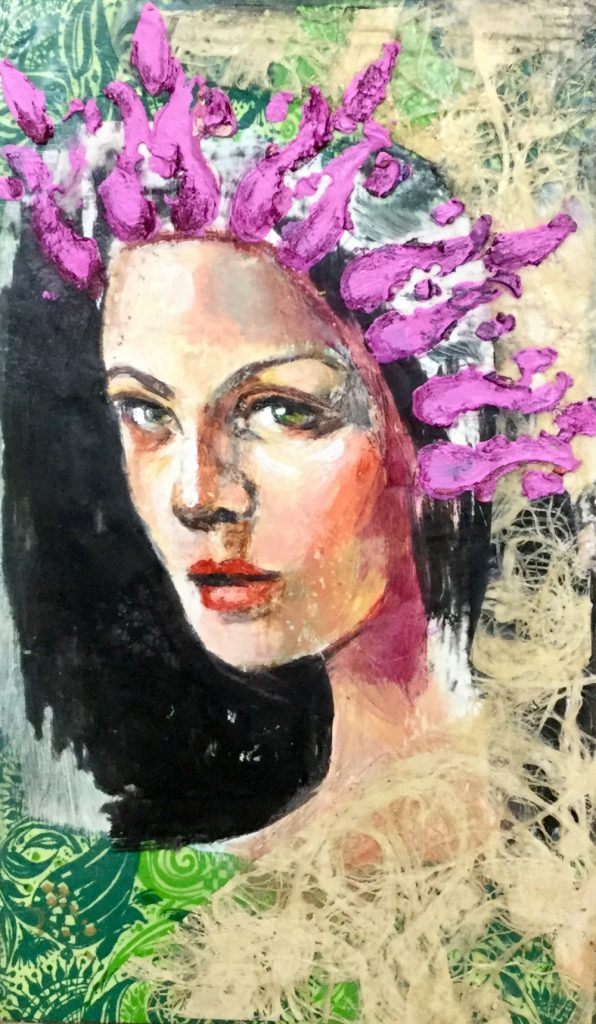
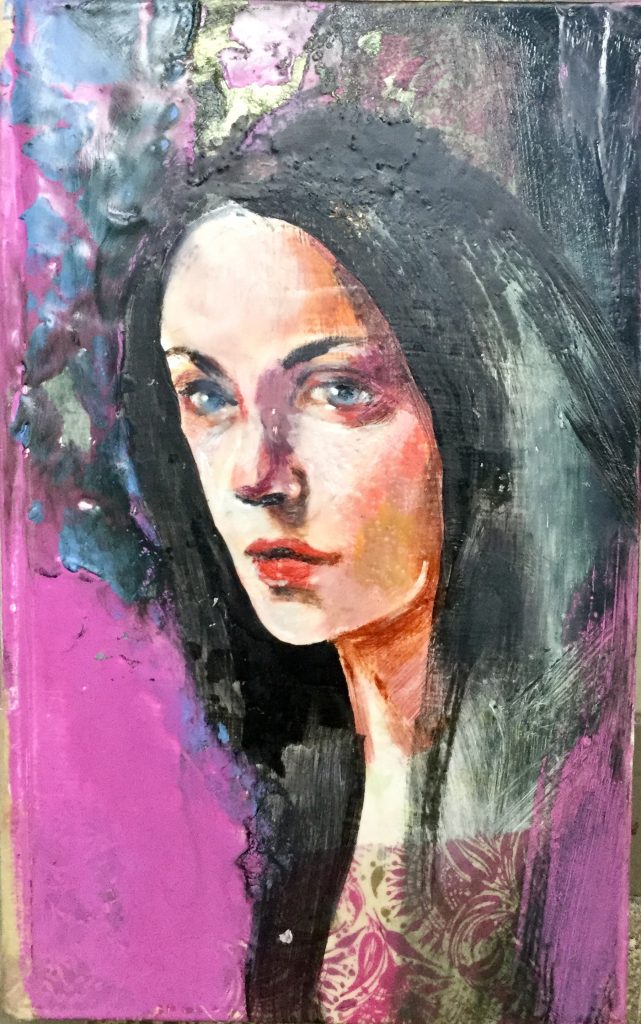
I am passionate about painting and teaching and simply wild about encaustic!
I trained initially as an oil painter in a traditional Atelier in Italy after earning a degree in the History of European Painting. Once I tried Encaustic, I was totally hooked… and the rest is history! I have been able to apply my traditional knowledge to encaustic and I found along the way that I just love teaching. I now teach all over the world and I am so inspired by watching all of my students gain so much confidence and reach new levels with their work. Even those with no experience of either encaustic or portraiture can do amazing work!
I also lead Art Retreats in many places such as Egypt , Ireland, Ghost Ranch , New Mexico and Morocco. Email me at artforlife@live.ie for more info.

Feeling inspired? Jackson’s stock Sinopia Casein Gesso and a multitude of paints, brushes and surfaces on our online shop.


4 thoughts on “Lora Murphy: Encaustic and Sinopia Casein Gesso”
Would casein gesso be a better substrate for Venetian
llacquer? The binder for the powder pigments is
shellac disaolved in alcohol.
Hello! What size project are you thinking of using this ground for? Could you give me a little more information about what you’re making please?
Hello Debbie,
Do you think this casein gesso could be
applied onto raw canvas and then have oil
stick go on top? Thanks in advance!
Hi Rhonda
Yes, you can.
There is a section in my article on gessoes that explains how.
SIZE, PRIMER, GESSO AND GROUND EXPLAINED
Comments are closed.