



The majority of artist papers are various shades of white. Having a light background allows you to apply a variety of nuanced tones and textures, and the reflective qualities can help transparent colours appear their most luminous. Brightly coloured papers are often used in collage, or when the surface appears between applied marks, such as on pastel paper, and can help optically to bring elements of a composition together. Black paper offers the opportunity to build up light tones, inverting the usual approach to drawing or painting.

What Gives Paper Its Colour?
The colour of your paper is determined by a number of factors – the colour of the natural fibres that the paper is made of, the amount and nature of any sizing used to influence paper absorption, and the presence of any additives such as Optical Brightening Agents (OBAs), pigments or dyes.
The majority of artist grade, cotton watercolour papers are not bright white. Instead, they are naturally white, without whiteners added, because brightening agents have a lifespan and will stop working over time. Consequently papers that do not contain OBAs tend to maintain their colour over a longer period of time, but may look a little creamier in colour. Their colour largely comes from the colour of the fibres it is made of, and may be slightly yellowed by any sizing added to the pulp in production.
Papers made of groundwood-free cellulose fibres may appear whiter than cotton papers because the pulp is often bleached during production.

Optical Brightening Agents (OBAs)
If you’re working on a bright white paper, you might like to check if it contains OBAs by consulting jacksonsart.com. These additives absorb light in the ultraviolet and violet region and re-emit light in the blue region, causing the paper to appear a brighter and cooler shade of white. Unfortunately OBAs do have a limited capacity to function, and over exposure to UV can wear their effectiveness out. As a result it’s advisable to keep such papers away from prolonged exposure to direct sunlight, in order to protect their brightness.
Pigmented or Dyed Paper
Coloured papers that haven’t been primed or coated are likely to have pigment or dye added to the pulp in production. If you intend to exhibit or sell your work, it is worth checking if your coloured paper has a degree of lightfastness before you work on it. If it doesn’t, it will fade comparatively quickly with prolonged exposure to sunlight. Papers that have been coloured with dye are more likely to fade than those coloured with pigment, although technical advancements have allowed for some dyed papers to achieve a higher lightfastness rating.
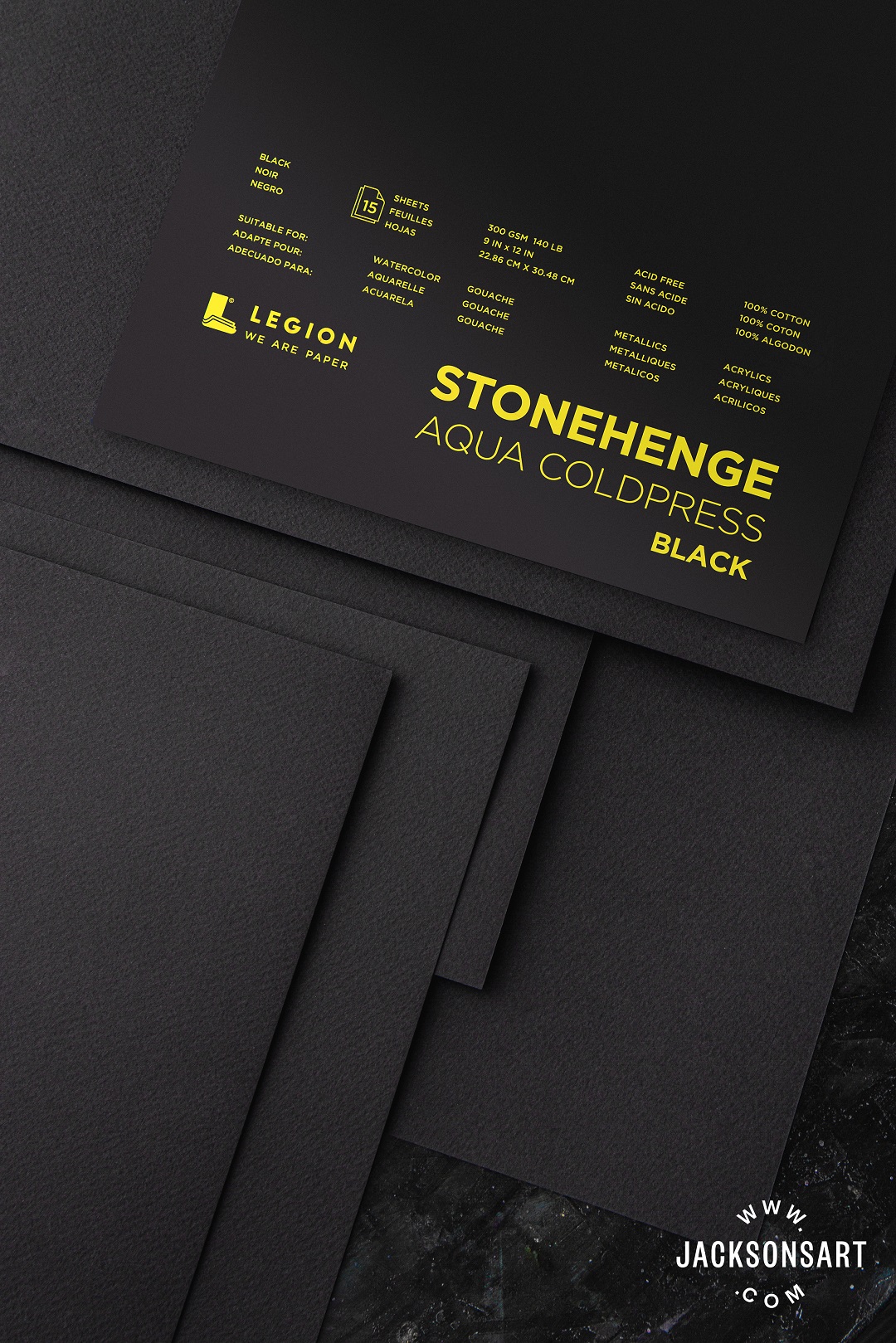
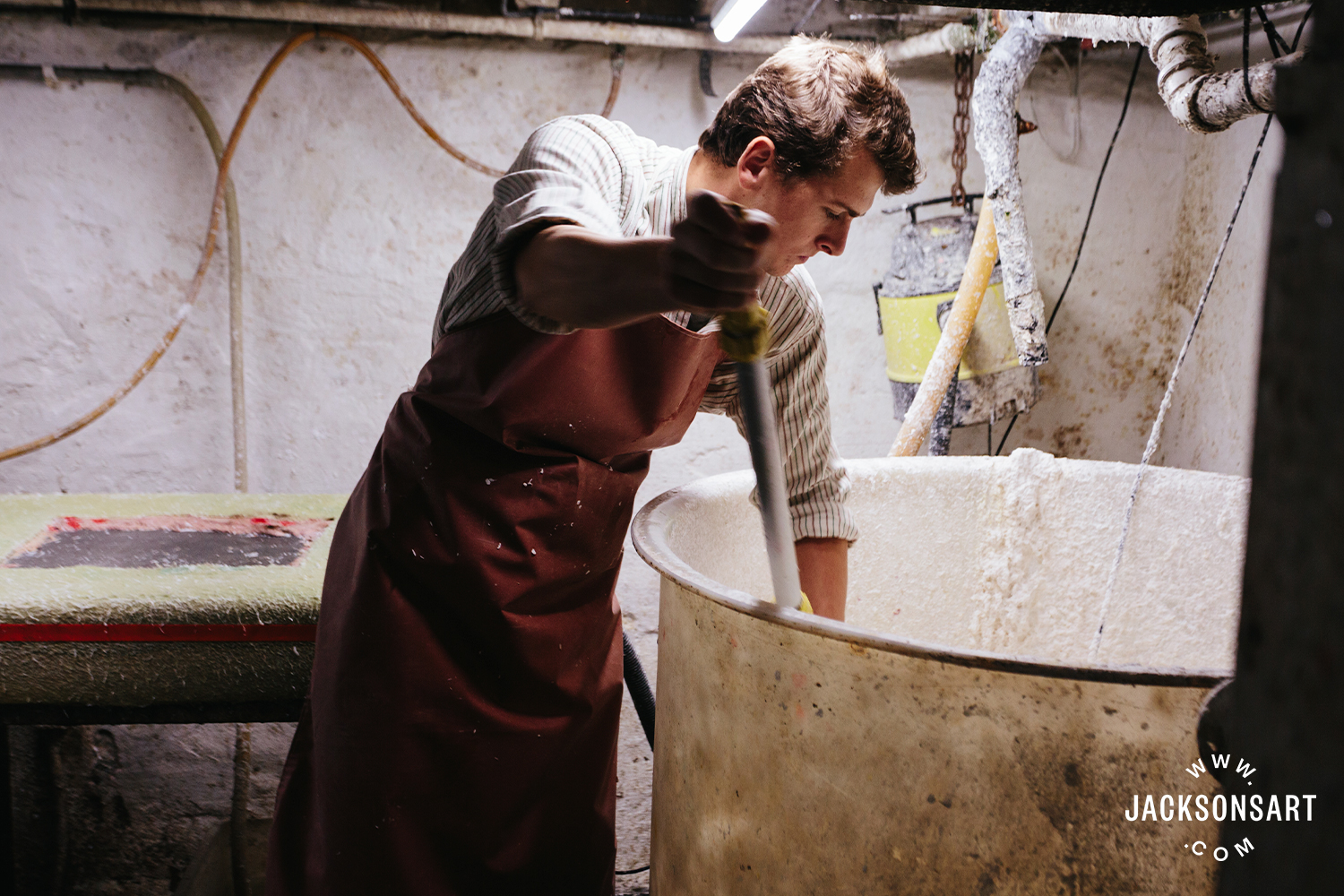
Black papers are either coloured with dyes or pigments, however some handmade cotton rag papers are made with black cotton – offcuts of fabric that may have been dyed for their original use as t-shirts. Unfortunately such papers have poor lightfastness but are a great surface for sketches and experiments that will be stored in a folder, book or drawer.
It is worth noting that no paper is completely lightfast. To preserve paper colour long term it is advisable to protect it behind a UV resistant glass, UV varnish or simply keep it away from direct sunlight as much as possible.



2 thoughts on “How is Art Paper Coloured?”
Good information.
I use Fabriano hot press extra white for my
botanicals which should not be in sunlight
anyway. I didn’t know about OBAs and will look
into it further.
Hi Emily,
Thank you for your comments, I can confirm that Fabriano extra white does not contain OBAs. All the best, Lisa
Comments are closed.