



It’s fair to say the Awagami Factory is located very nearly in the middle of nowhere. Alighting the regional train at the single-track station Awa-Yamakawa, we walked thirty minutes through the sleepy town of Yamakawa-Cho to get to the factory, which was tucked away on an unassuming side street. On entering the doors of the Awagami Paper Factory, we were met with the most unexpected vision; a cavernous space bathed in light and full of industrious workers, all meticulously engaged in the making of Japanese paper (known as washi).
History of the Awagami Factory
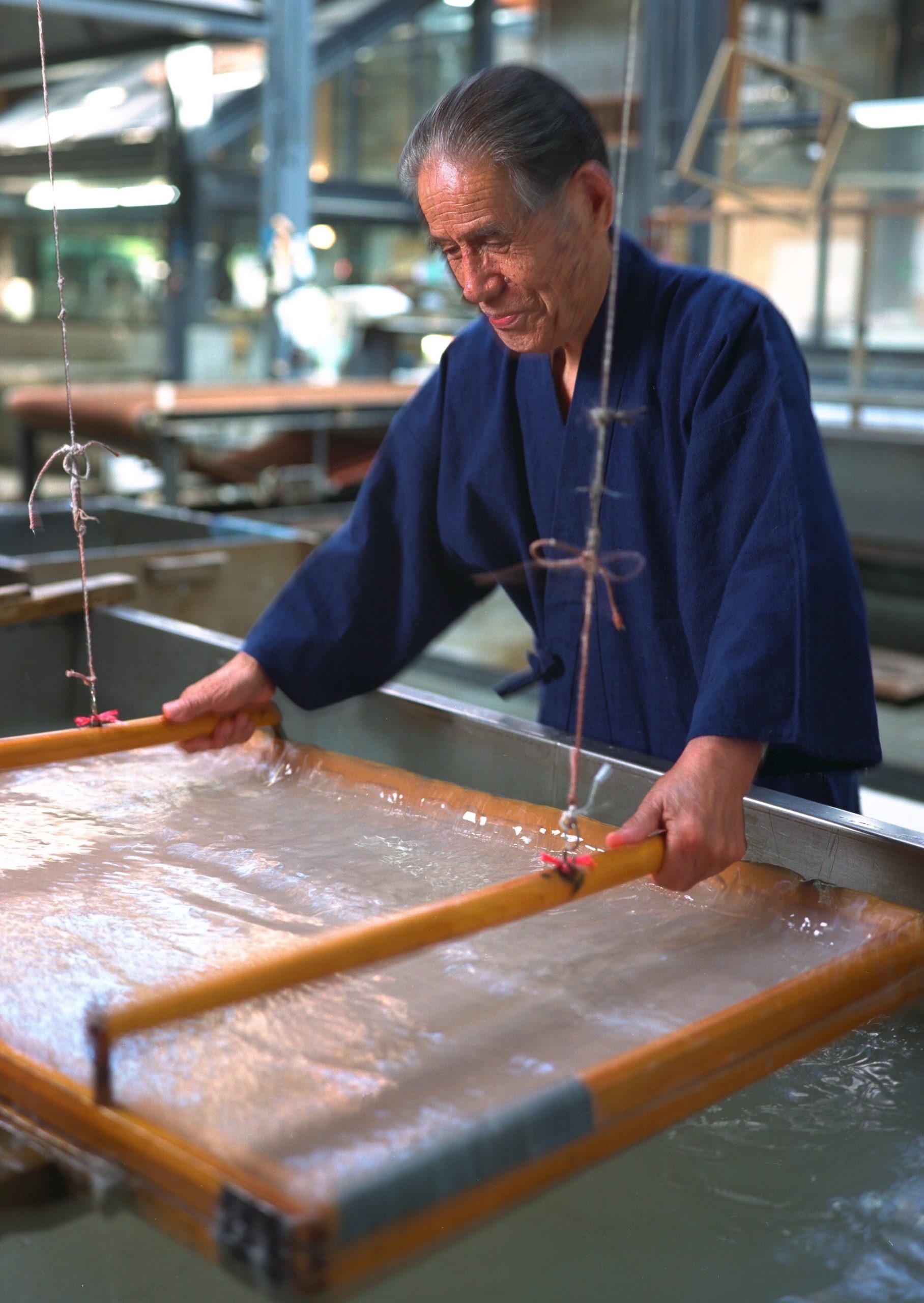
The Fujimori family has been making paper at the Awagami paper mill for over 300 years and eight generations. Yoichi Fujimori is the current master papermaker who oversees production. However, the company name Awagami was only established in the 1980s when Yoichi’s father Minoru Fujimori decided to begin exporting their papers internationally. Prior to this the washi made at the mill was only sold within Japan and was simply referred to as washi paper from the Awa region (Awa incidentally is the ancient name for Tokushima prefecture where the mill is located). As well as for printmaking, painting, and drawing, washi has always been popular for interior design purposes (such as wall coverings and traditional Japanese sliding doors, known as shoji), and Japanese calligraphy.
When the mill first began to make paper, the Fujimori family belonged to a co-operative of families in the area who worked to make paper in the winter months and farmed for the rest of the year. Today the Fujimori family’s Awagami factory is the last remaining mill from these times.
The Location of Awagami Factory
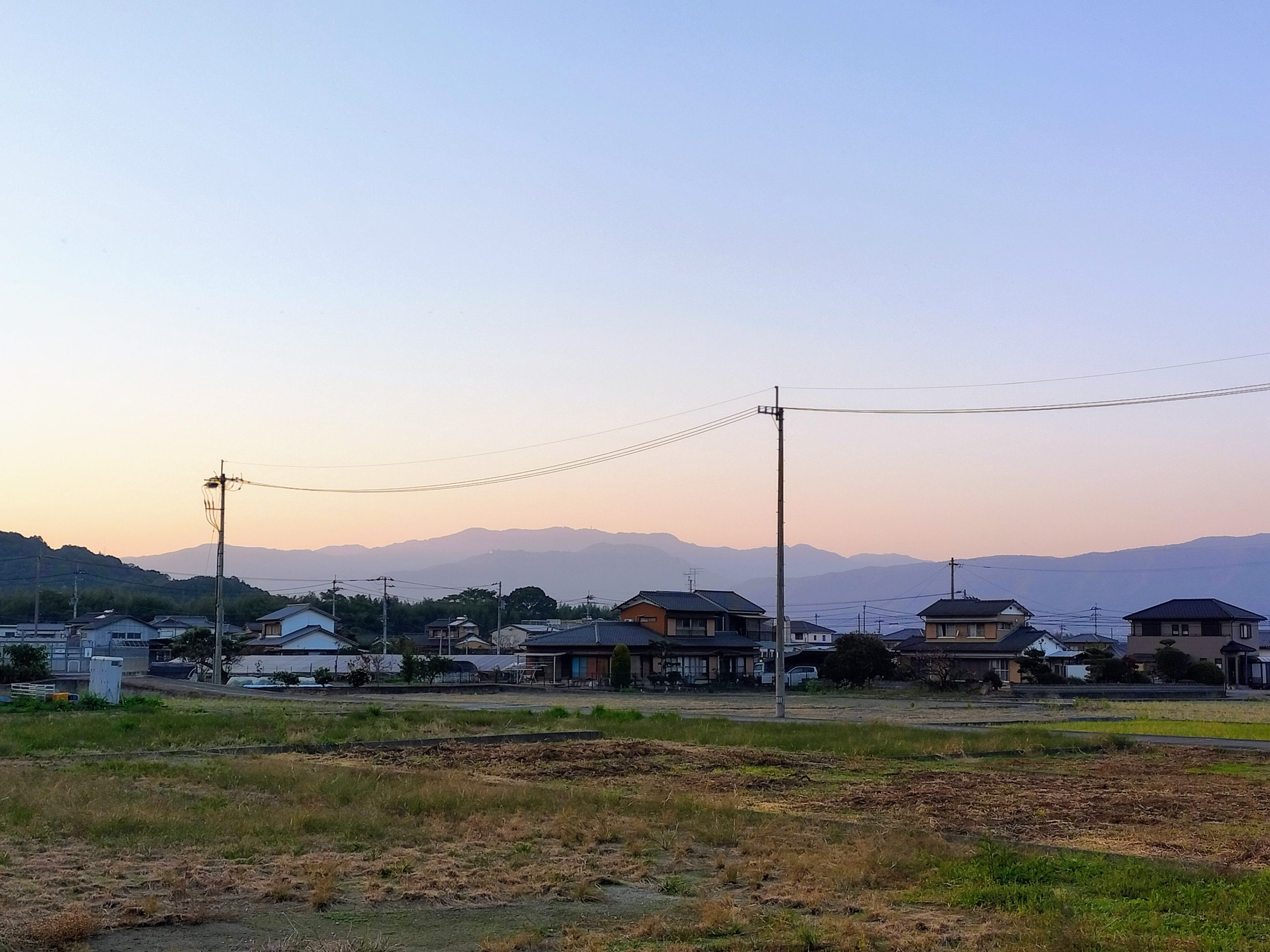
The location of the Awagami Factory is perfect for papermaking. It is situated by a plentiful source of clean water; namely the Kawata River, a tributary of Japan’s cleanest river, the Yoshino, which runs past the factory from nearby Mount Kotsu. The mountain itself is part of the Dochū-Kōtsu Prefectural Natural Park, which means it is a protected area and designated for sustainable usage by the Environment Minister in Japan. Consequently, the area is low in population and pollution, so the river is naturally clean and the majority of the plants needed for paper-making grow both abundantly and healthily. Mount Kotsu is thought to be a corruption of the word Kozo, one of the three main plant fibres still used today at Awagami.
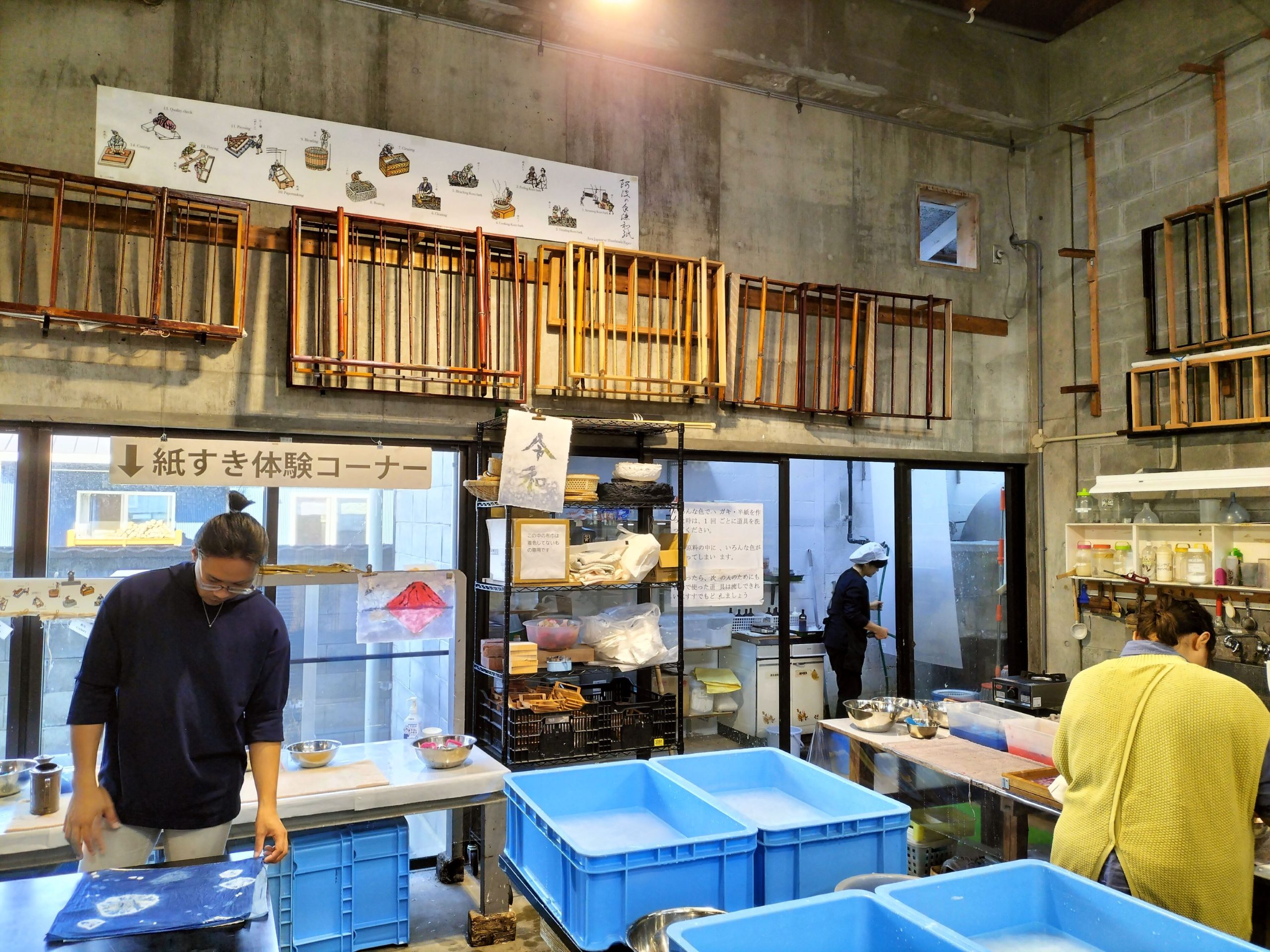
The factory consists of two main buildings: the handmade paper building, which houses a library and gallery space on the 1st floor, and a shop selling sketchbooks, papers, and paper-making kits adjacent to the paper-making area. At the time of my visit, the International Miniprint Exhibition was open, showcasing nearly 1600 prints from over 1100 different artists! Alongside professionals working to produce handmade sheets of washi, there is an area for running workshops in paper making and Indigo dyeing which are well attended by visitors from around the world. Across the road from this is the mechanical paper-making factory, which produces larger sheets and rolls as well as papers for inkjet printing.
Materials and Process
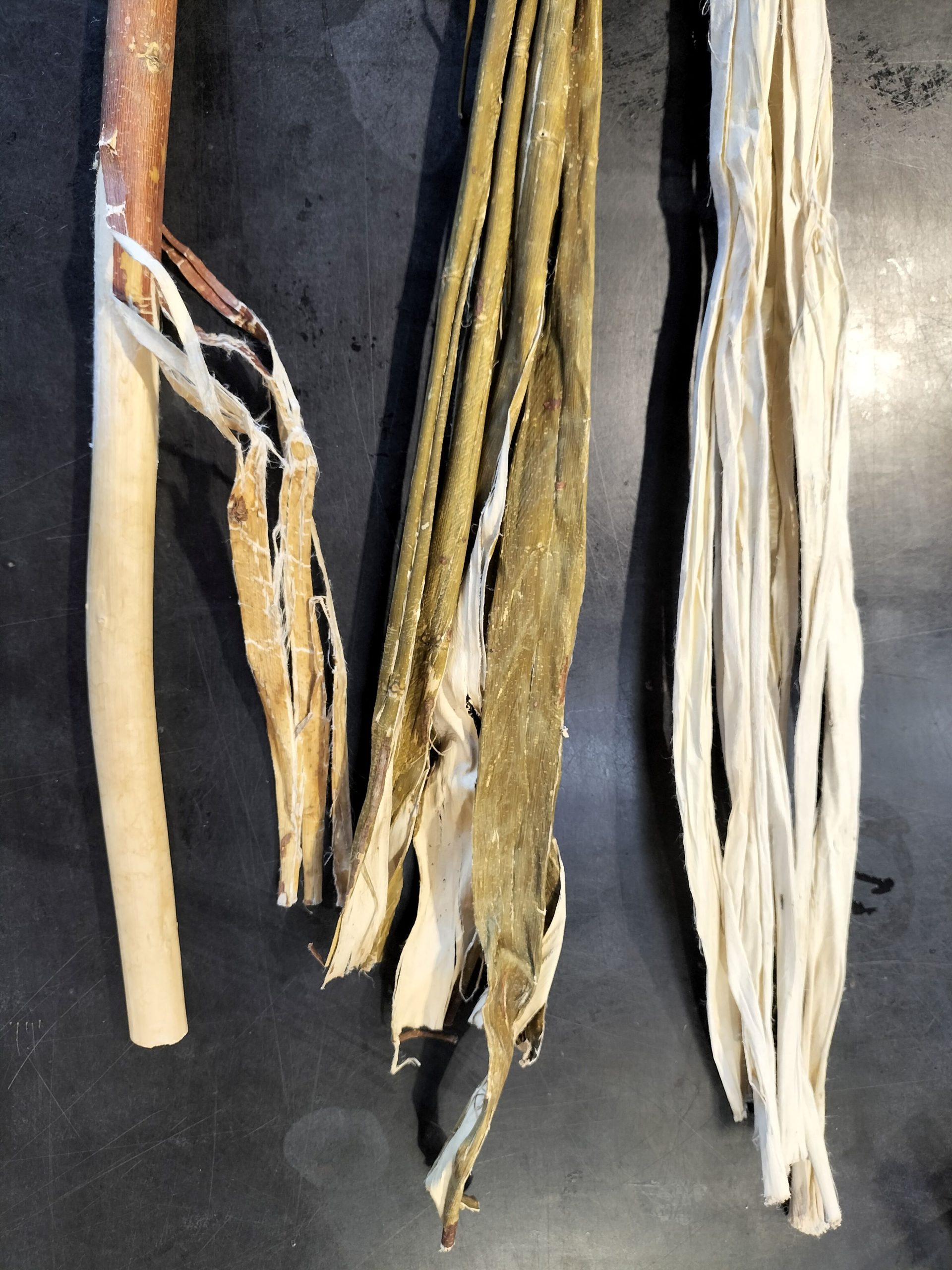
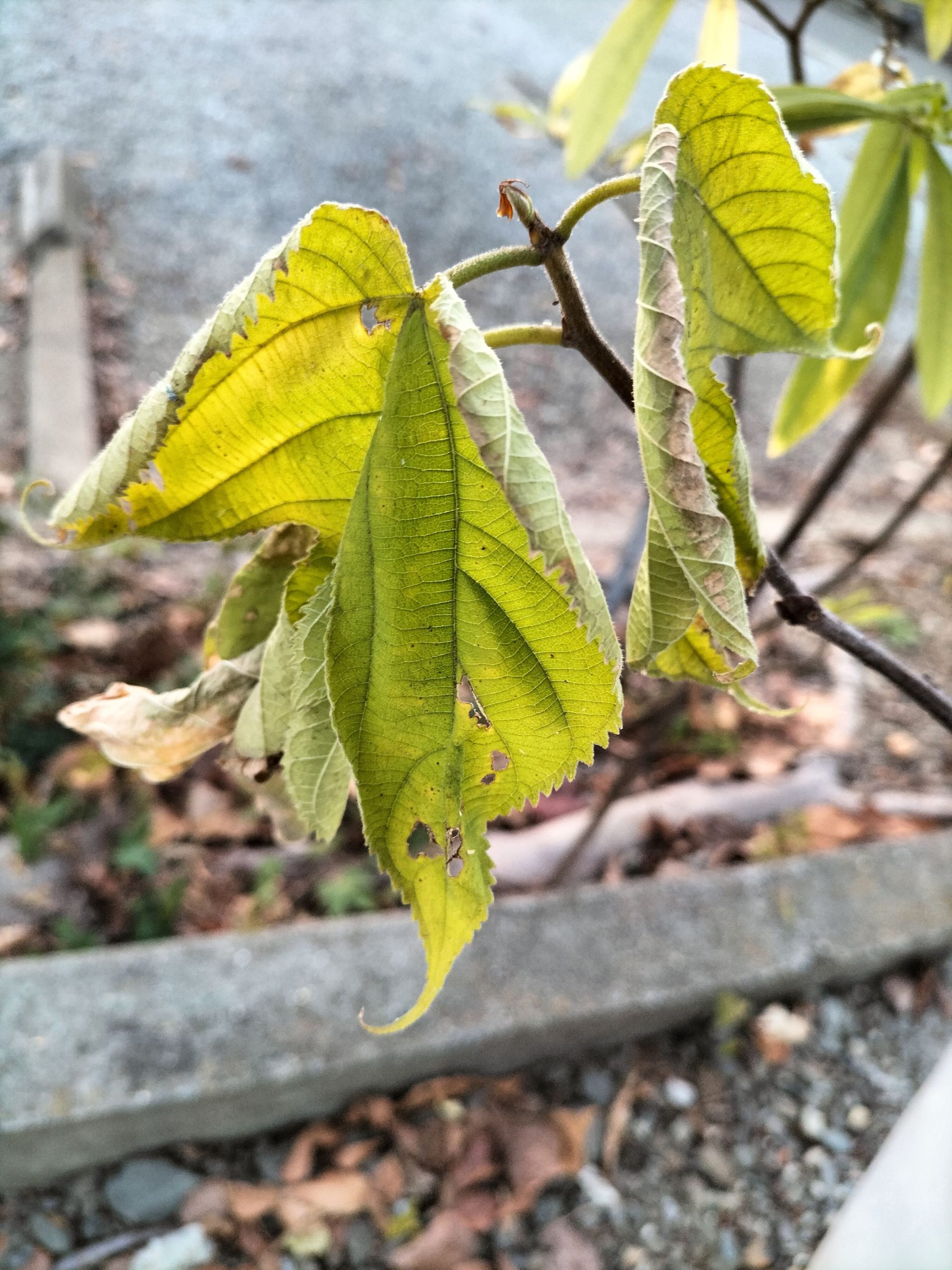
The three main plants used to make paper at Awagami are Kozo, a deciduous shrub of the mulberry family; Mitsumata, a member of the Thymelaeaceae family often called the Oriental Paperbush outside of Far East Asia; and Gampi, another deciduous shrub of the Thymelaeaceae family that is native to Japan and grows in deciduous forests. The three plants grow at varying rates; Kozo takes 2-3 years to reach maturity, Mitsumata takes 3-5 years, and Gampi takes 5-6 years – however, in all cases the plants grow at a faster rate than the wood used in wood cellulose papers, making washi a comparatively more sustainable material. Traditionally each of these plants grew wild and locally to the factory on nearby Mount Kotzu, however today some of the plant matter is now imported from overseas.
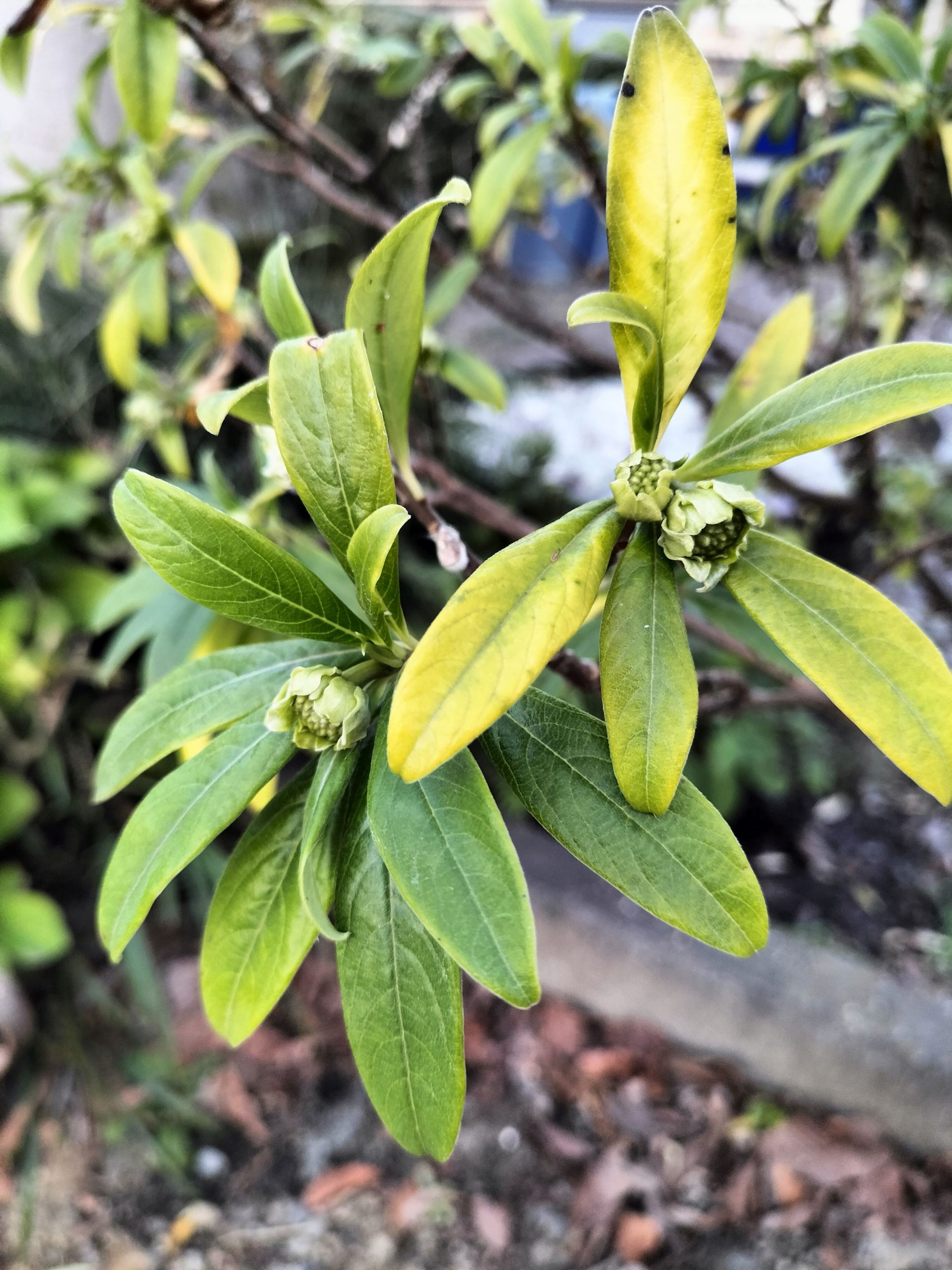
Mitsumata has been used for paper-making since the start of the Edo period (early 17th century) and grows abundantly in the mountainous regions of Tokushima. Mitsu means three in Japanese, while Mata means forks; the name refers to how the plant always branches off in threes. While Kozo and Gampi are considered tough materials, Mitsumata is rather more fine and flexible, creating a dense, glossy surface that is well suited as a printing surface. For this reason, it is one ingredient in the making of Japanese banknotes.
Gampi fibres are short, fine, and even, and have a unique lustrous quality that results in papers that are equally glossy, smooth, and very satisfying to write and draw on. Their characteristics enable them to be highly resistant to insect damage, making it a useful ingredient that prolongs the lifespan of the paper when in storage. Gampi paper is extremely durable and has a distinct light yellow colour. For this reason, it is sometimes called torinoko (bird baby).
In each of these plants, the bast fibres (or inner bark) is what is needed for the production of washi.
While at the mill, I learnt specifically about the making of Kozo paper.
Preparing Kozo for Washi Paper Making
The preparation of kozo for paper-making is labour-intensive and meticulous.
Harvesting
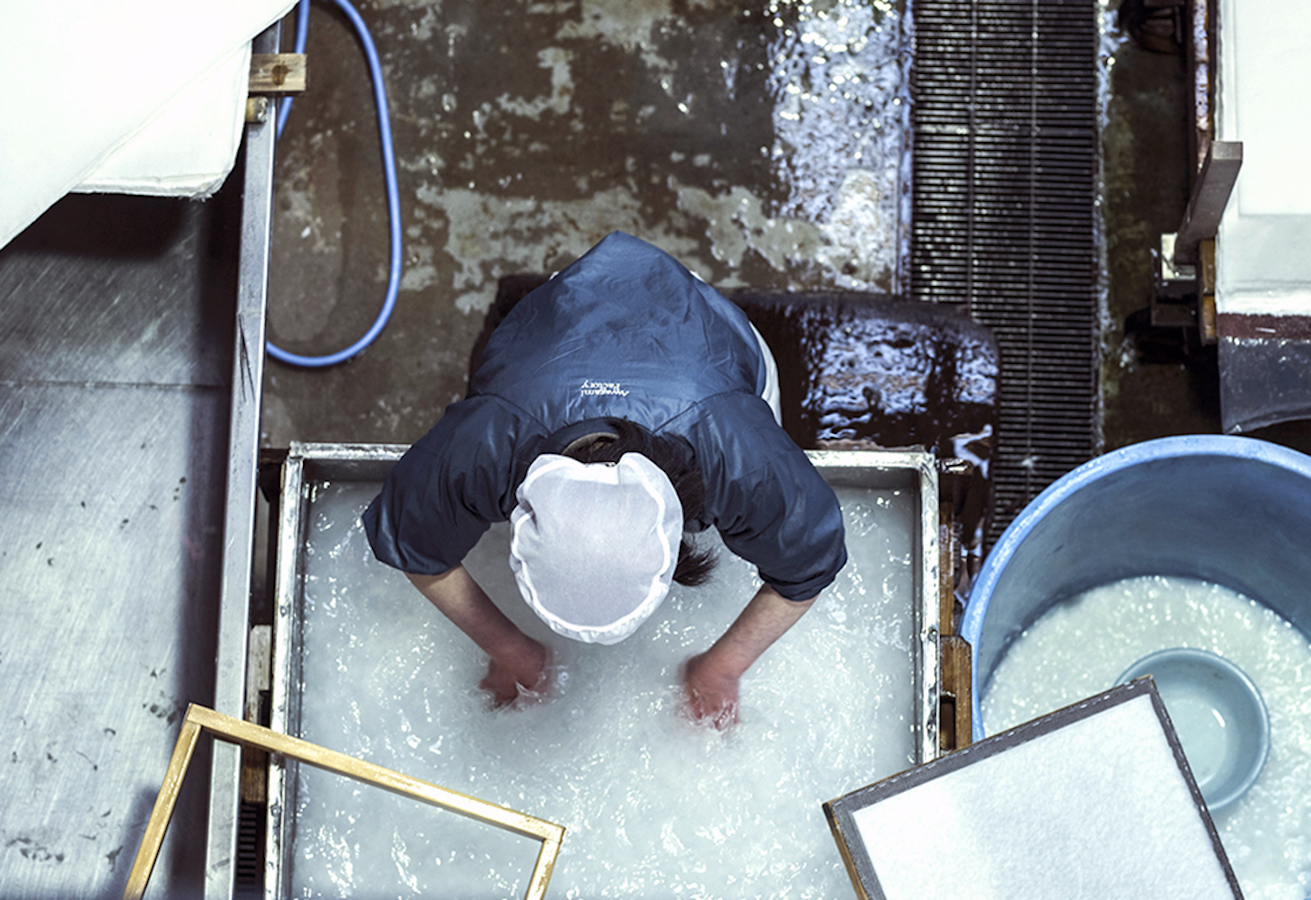
The collecting of the inner bark occurs from December to February after the Kozo has dropped its leaves. The slim branches are cut to lengths of 1.2m, and then bundled up and placed in a purpose-made cauldron, close to where the plants grow. Here the branches are steamed which loosens the bark from the plant, so it can be easily peeled away by hand in one continuous motion, from the top of the plant to the bottom. The lengths of bark are then bundled together and dried in a room with good air circulation. Once sufficiently dry, the Kozo bark is tied into 15kg bunches and stored until it is needed for the next stage of paper-making.
Preparing
Most Kozo washi is made only with the inner white bark of the plant, although flecked papers such as chiri-iri achieves its appearance by leaving some of the black bark in the pulp. Therefore it is usually necessary for the black bark to be removed entirely from the white bark. This is a time-consuming and rather involved process! It begins by soaking the bundles of dried bark overnight. Then, the softened bark is pressed by people stepping back and forth onto it. The stepping is done carefully and gently to make sure that the length of the fibres is maintained, but that the black bark is separated from the inner white bark. Inevitably some black bark will remain after this, and this is removed by hand, along with imperfections and blemishes on the surface of the bark (for example, from where deer rub against the plant or where a new branch had sprouted). A team of workers meticulously inspect every length of the inner bark, using a knife to scrape away any colouration or traces of bark that will undermine the quality of the resulting paper. This is a vital and painstaking part of the process, and care has to be taken to ensure that fibre length is maintained; the key to a strong, hard-wearing paper. Once the white bark appears spotless it is dried further and stored in a cool dry place, away from changes in temperature, humidity or harmful UV rays.
When it’s time to move on to the next stage of the process, the kozo is removed from the storage area and soaked for 24 hours in running water. This softens the fibres, removes any remaining impurities, and allows an alkaline solution to penetrate the fibres more easily.

Cooking the Fibres
Now the fibres are ready for cooking in the alkaline solution. Traditionally the alkaline solution was extracted from wood ash, but today the solution is usually from lime, soda ash or caustic soda. The amount of water the fibre is cooked in needs to be at least ten times the weight of the dry material and needs to cover it entirely in the vat. The fibre is gently simmered for thirty minutes, which allows the fibres to soften further. The fibres eventually begin to sink within the solution, at which point the vat needs to be stirred to ensure that the fibres are cooked evenly. The stirring action is referred to as tenchi gashi, which means ‘turning over heaven and earth’.
The concentration of the alkaline solution plays a significant role in the characteristics of the paper. A weaker alkaline solution will not dissolve as many of the non-fibrous materials within the fibre, and so a stiffer paper is made. A stronger alkaline solution will make a softer paper. The fibre is usually simmered for around 2 hours and then checked to make sure it has cooked for long enough. This is done by taking out a wider piece of bark and seeing if it’s possible to pull the fibres apart with your fingers. Once this is possible, it indicates that even the widest pieces have been sufficiently cooked. The bark is left to soak in the liquid overnight before it is time to move to the next stage – yet more cleaning!
Cleaning and Beating
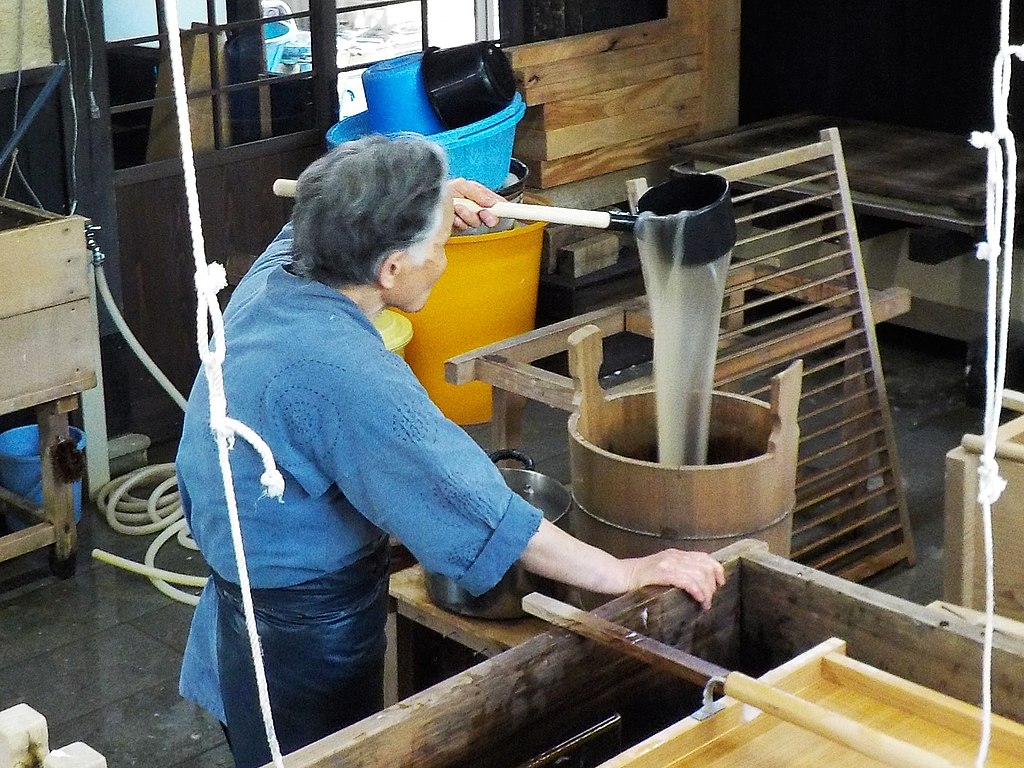
Aku is the byproduct of the simmering process – all the undesirable substances that separate from the inner bark and cause the alkaline solution to turn dark brown. The fibres are rinsed in running water to remove the aku and then cleaned by hand. The cleaning process involves putting a small amount of fibres into a bamboo basket and immersing this in water. Any further impurities are removed by hand – this could be scar tissue, buds, any fibres that were not sufficiently cooked, and any discolouration. At this stage, the fibres are very delicate which is why the process cannot be carried out by machines. If the paper being made is bright white, the fibres are bleached, usually using Sodium hypochlorite, but two natural methods are sometimes used; bleaching in running water (known as kawasarashi) or bleaching in snow (yukisarashi).
The cleaned fibres are now beaten, and nowadays this can be done mechanically. A mechanical mallet pounds the fibres against a hard surface and then the fibres are put back into water and stirred with blade-like beaters which help to separate them and encourage them to disperse within the water.
Now, and only now, are the kozo fibres ready for paper-making!
Making the Liquid Pulp
The kozo pulp for making paper consists of the prepared kozo fibre, clean water and an all-important ingredient called Neri. This is a plant-based starch which is extracted from the roots of the Tororo Aoi plant – part of the Hollyhock family. Neri helps to make the pulp liquid viscose when it is being scooped out into the frame during the sheet formation process. There are many benefits to adding Neri to the pulp, the most significant of which include an improved dispersion of paper fibre in the vat, a strengthening of the paper, an increased ability to make very thin sheets of paper and to give the paper a slightly glossy sheen.
The Basic Washi Papermaking Process consists of three main steps. These are called kakenagashi, choshi and sutemizu.
Kakenagashi
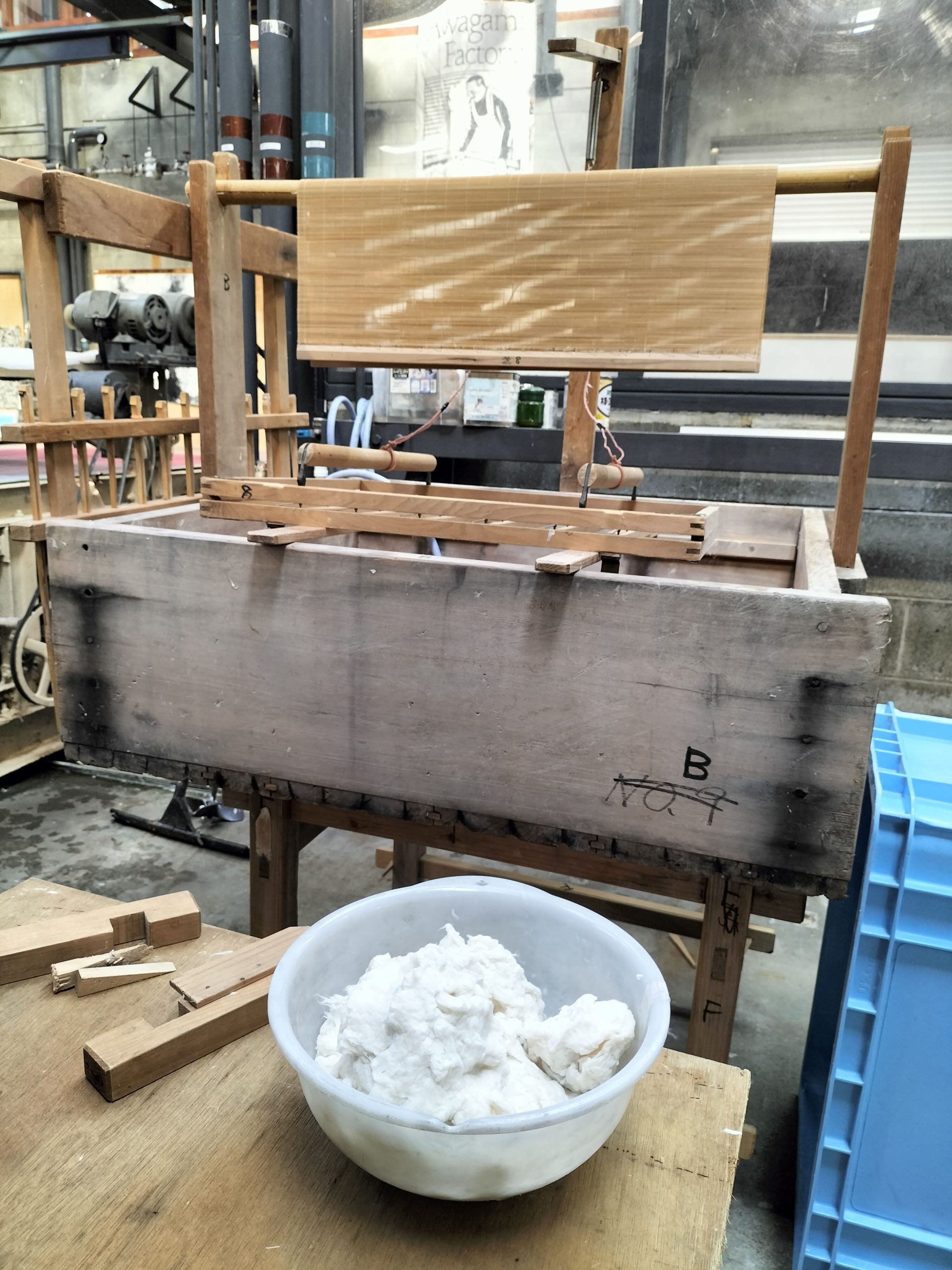
The su is the screen of the paper mould, which is made of thin strips of bamboo tied together with silk thread. The keta is the name for the frame, which is made of Japanese Cypress wood, and is formed of an upper frame and a lower frame, within which the su is sandwiched. The 3 pieces combine to make the suketa; the paper mould used in the process of sheet formation. First of all, a small amount of the liquid pulp is scooped into the suketa. The scooping action is done quickly and the motion allows the pulp to spread thinly and evenly across the whole screen. If the action is too slow the pulp does not spread evenly and lumps appear on the surface of the screen.
Choshi
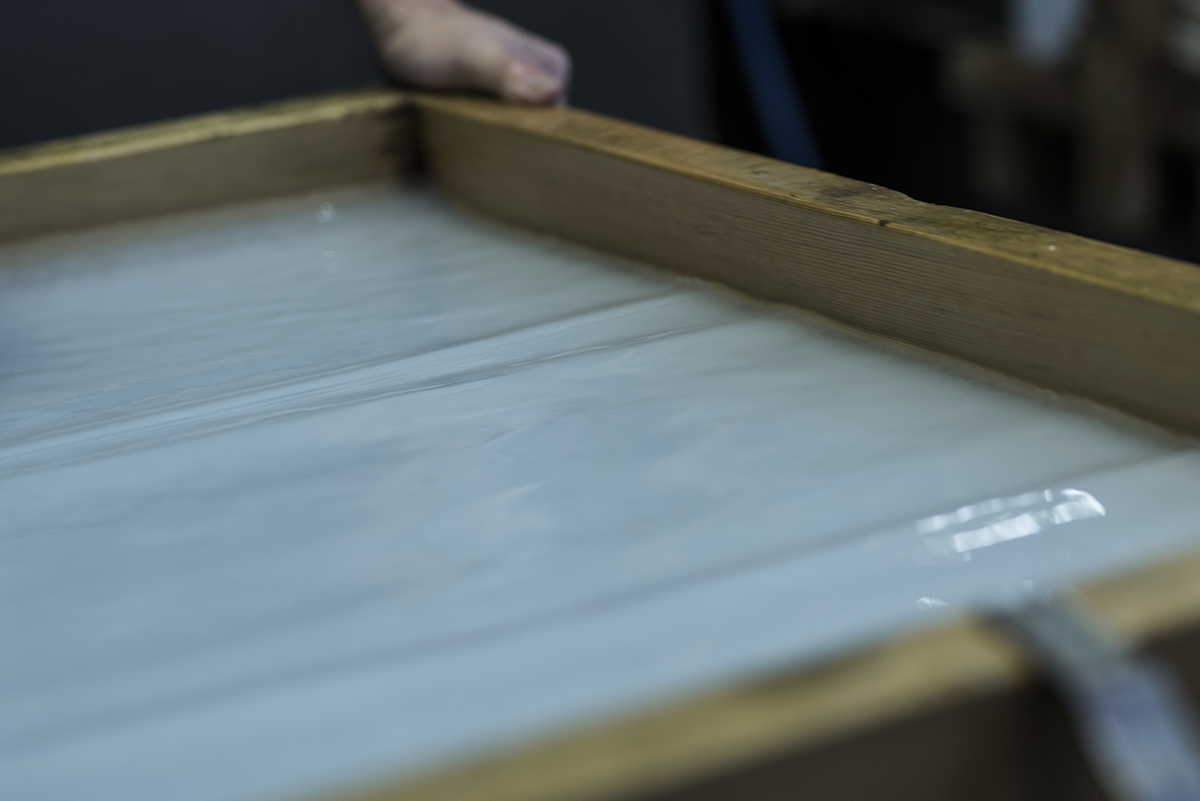
The screen is then dipped further into the vat and while immersed, it is moved back and forth, moving the fibres around to form a second, thicker, even layer. The frame becomes extremely heavy when it is in the liquid pulp vat, so it is attached to a flexible piece of bamboo suspended from the ceiling to help make it easier to lift the frame out again and support an even back-and-forth motion. This process is repeated, building the sheet of paper up in layers, until the desired thickness is achieved.
Sutemizu
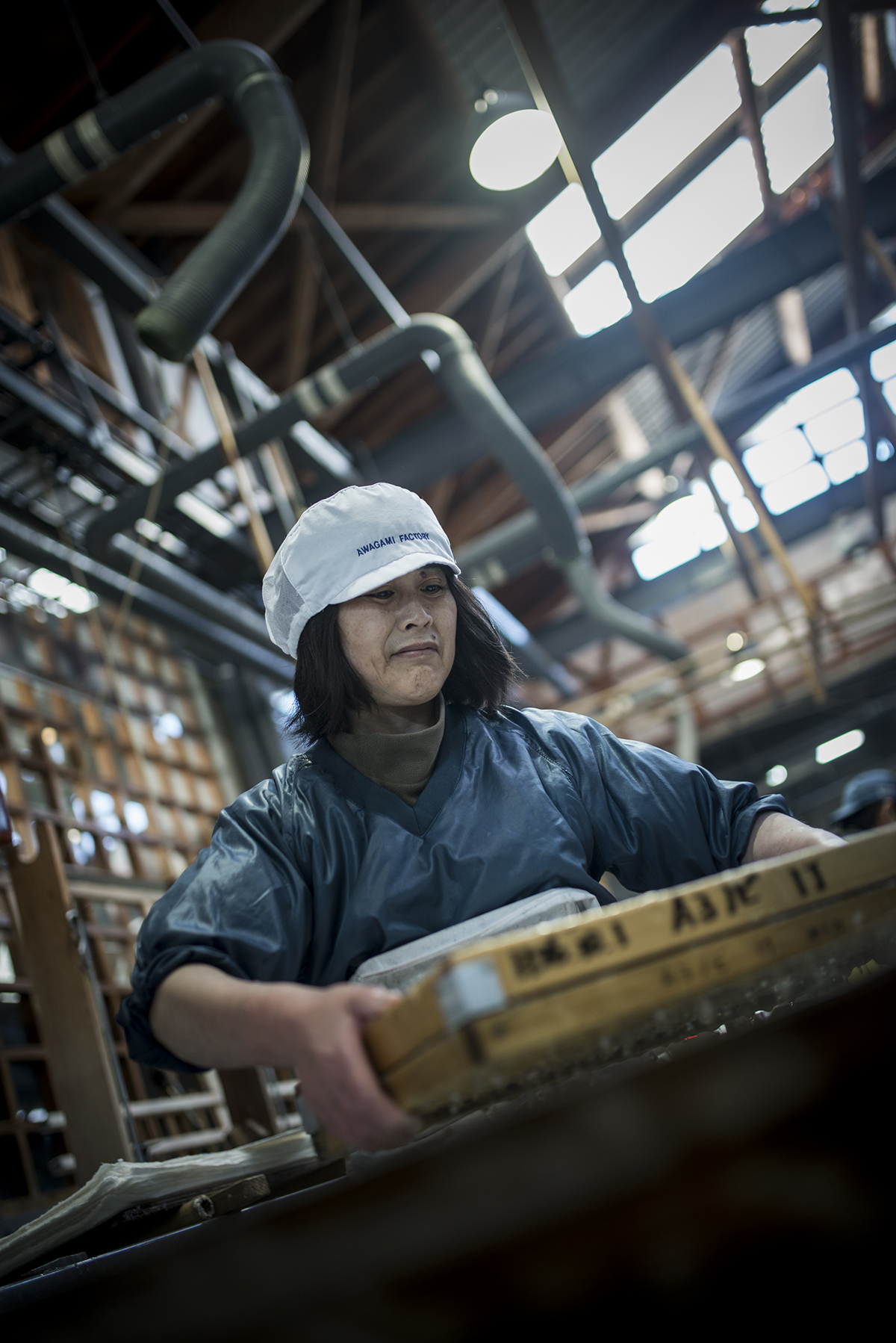
Sutemizu is very similar to Kakenagashi and is the process that forms the back side of the sheet of paper. A fast scooping action allows for one last thin layer of pulp to coat the whole sheet, with any excess being tossed off the far end of the mould. The action causes all the fibres to align in the same direction. The sheet of paper is now formed.
Removing the Sheet From the Frame
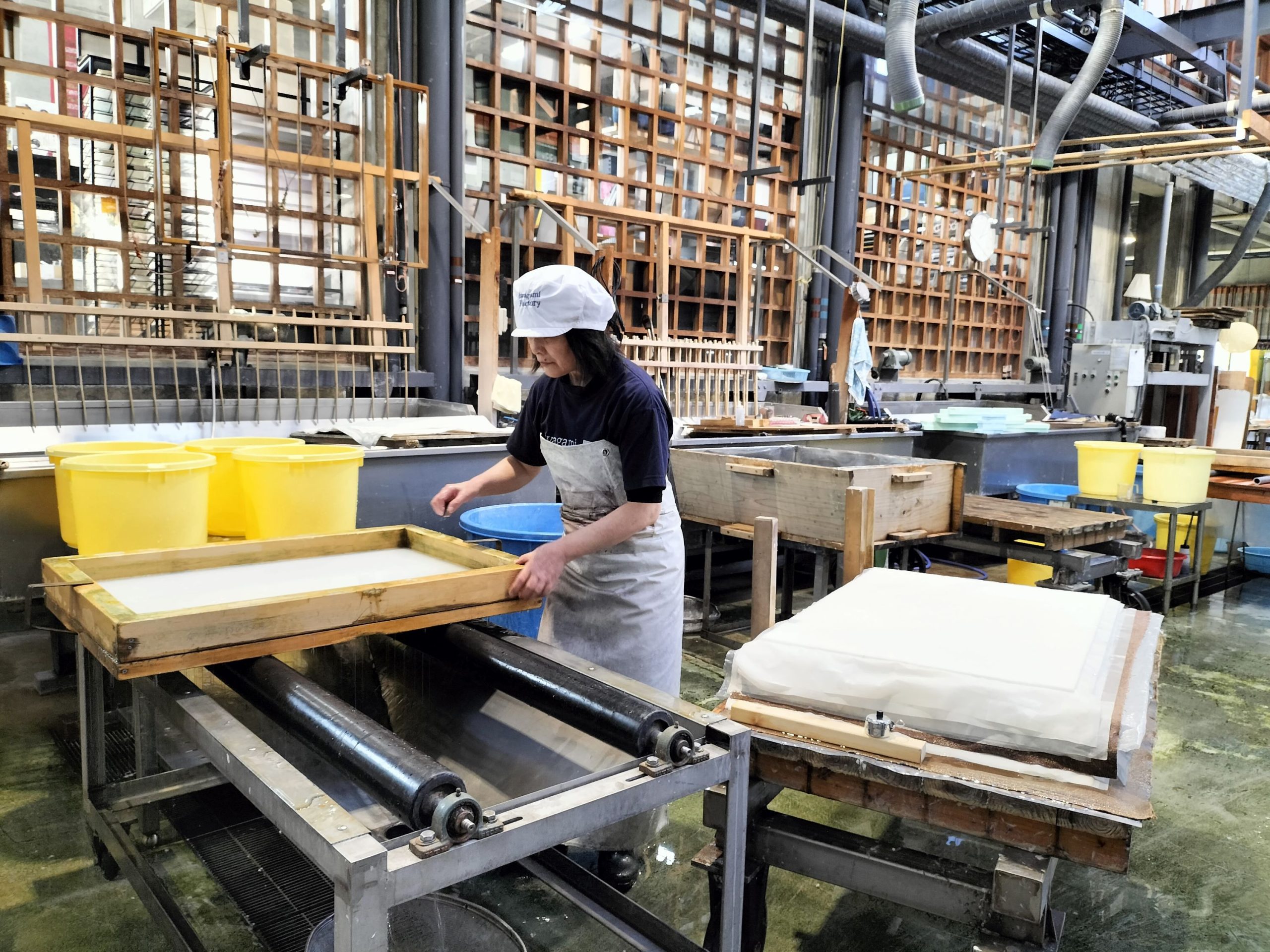
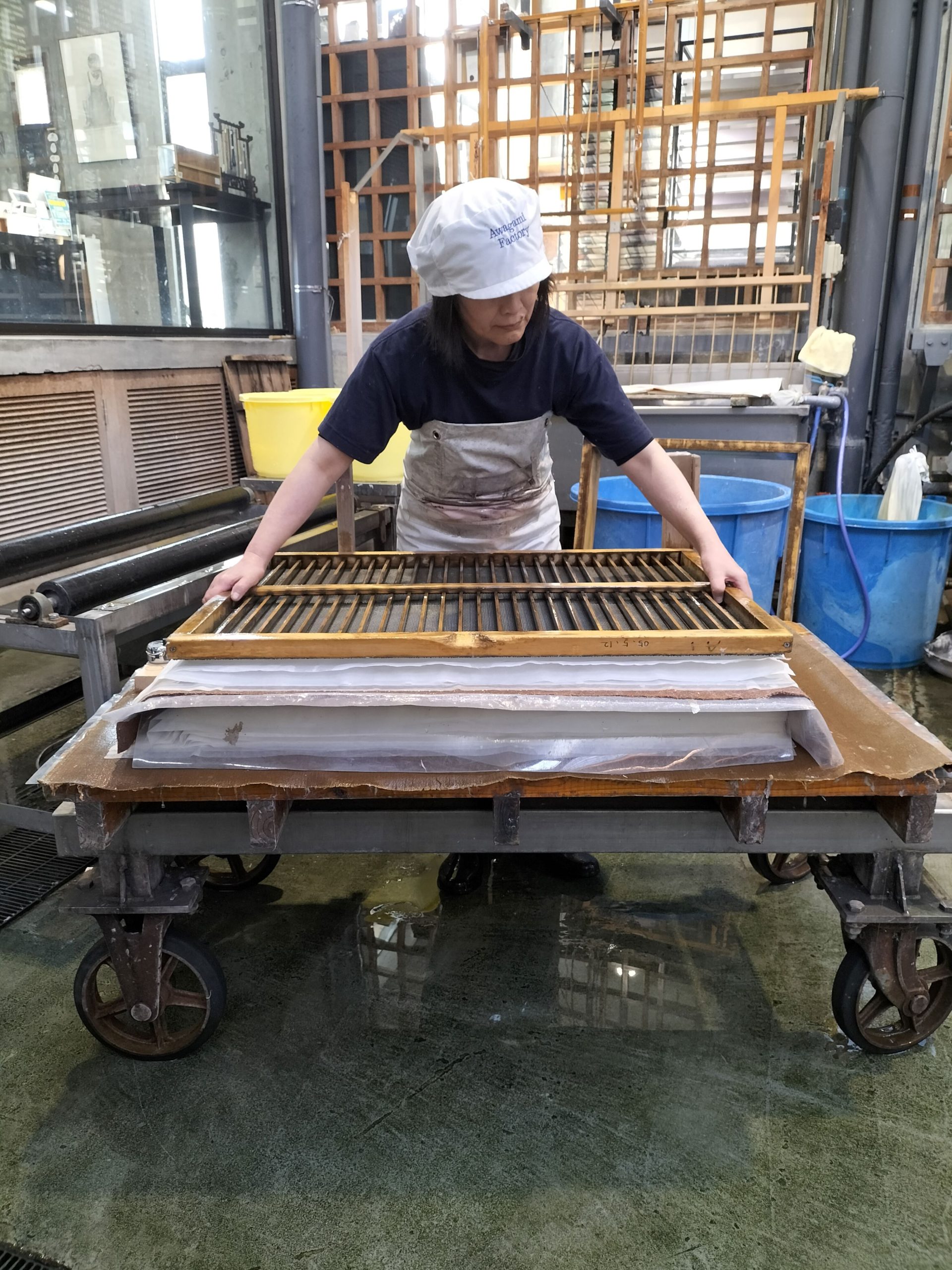
Formed sheets are removed from the screen and placed onto a board where subsequent sheets are stacked on top. At the end of the day a second board and additional weights are placed on top of all the paper sheets formed that day and left, allowing the moisture to drain away. Further weights are added over 5 hours until the moisture content of the paper is around 70%.
Drying
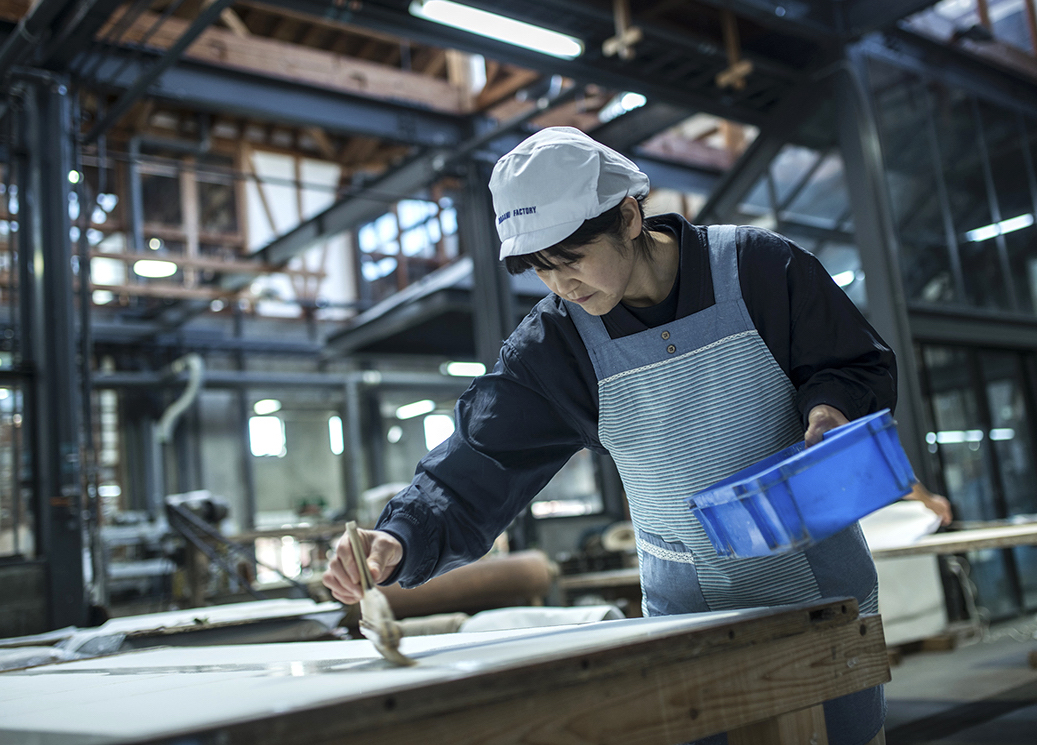
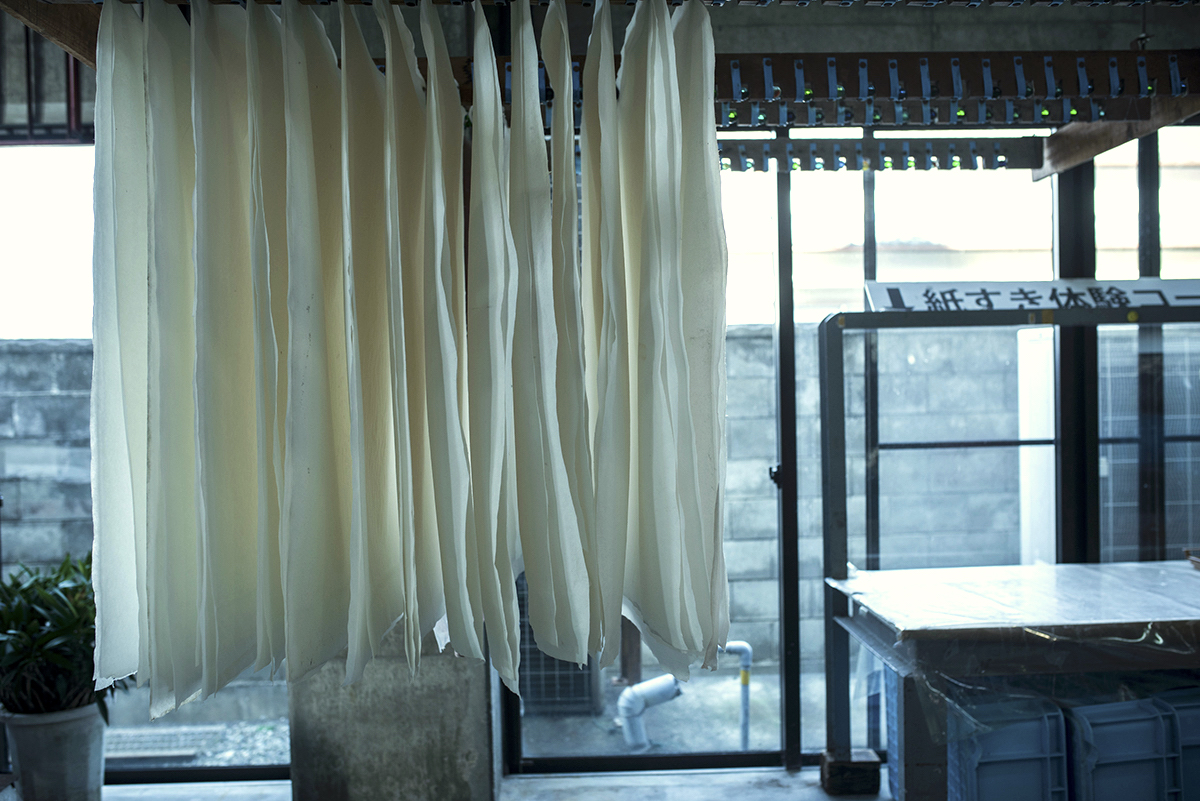
The sheets are then peeled away from the stack and placed singularly onto wooden drying boards, being smoothed down with a brush. It’s important to brush the entire sheet evenly so that the paper dries as flat as possible. The paper is either heated indoors or dried in the sun. Once the paper is dry it is carefully peeled from the board and is ready for post-processing.
Post-processing varies depending on what the paper will be used for. Many of the papers are ready for packaging and distribution at this stage and are popular among relief printmakers in particular. Other papers might be coated in a sizing of dosa (gelatine-based) to help prevent water-based inks from bleeding on its surface or sized in konnyaku (Japanese root vegetable) to help wet paper strength. Some decorative papers are dyed to add colour. Gampi has a natural water resistant character which means that gampi papers can do without additional sizing.
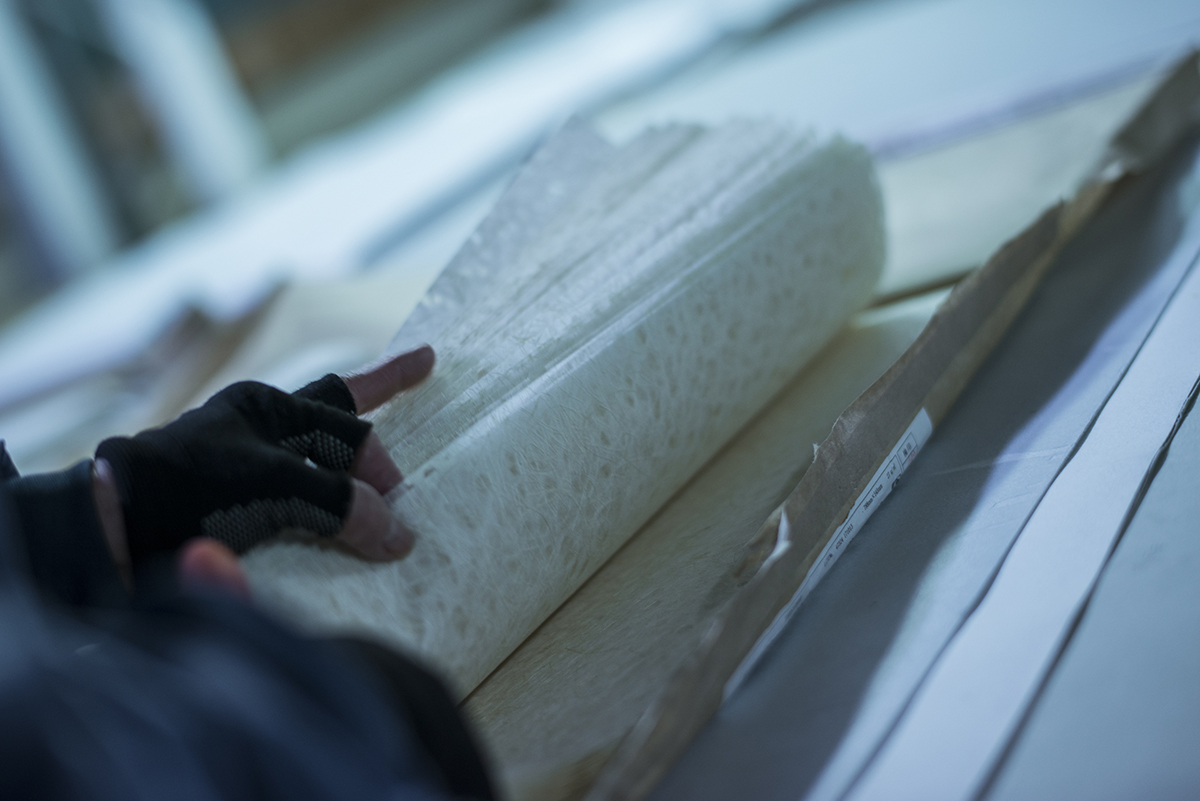
Most of the papers produced by Awagami are made using variations of the process described above but use several different plant fibres so that a number of characteristics can be combined. Awagami papers can include a mixture of kozo, mitsumata, gampi, woodfree cellulose, hemp and bamboo.
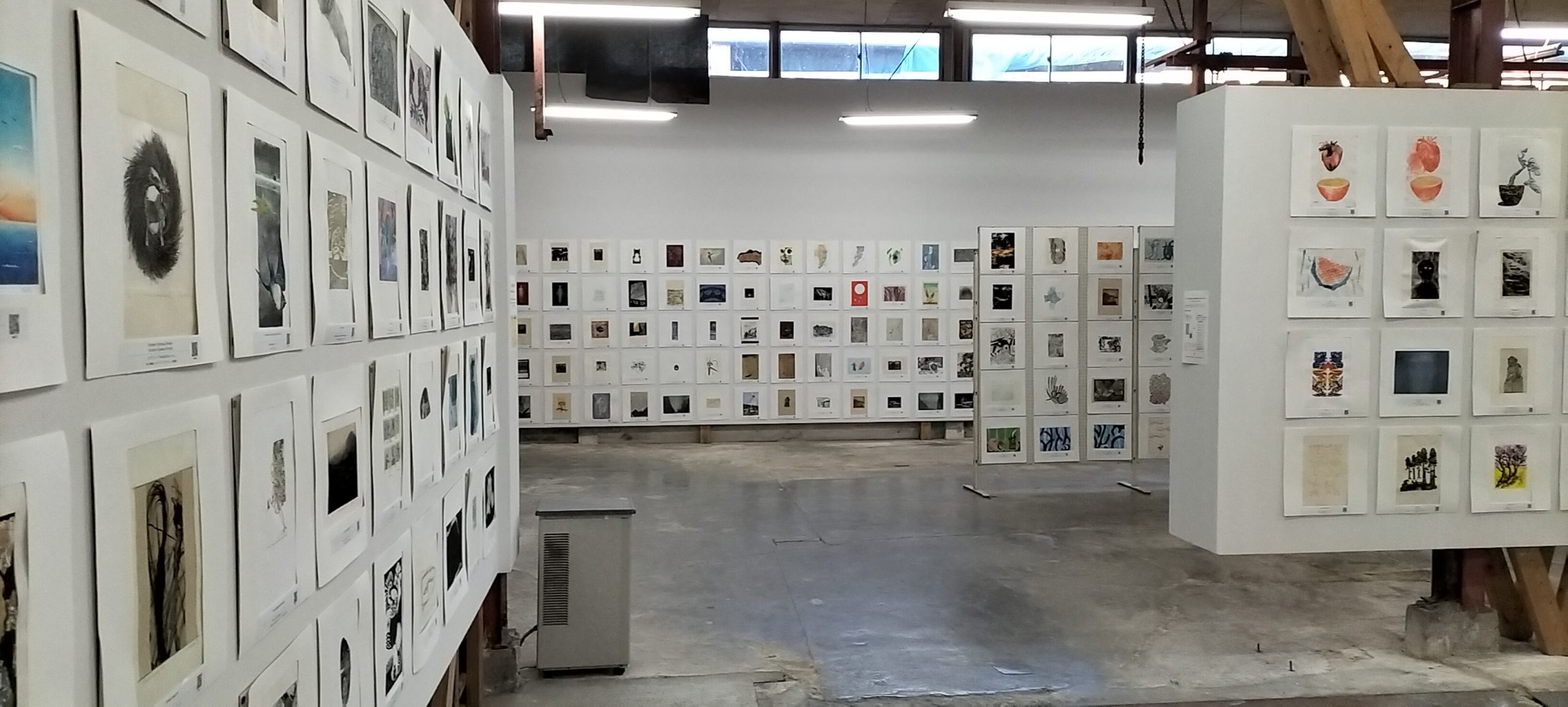
Alongside the business of making paper, Awagami is dedicated to the sharing of knowledge of this ancient craft and supporting working artists. They offer regular workshops, summer schools and residences so that you can try your hand at the art of washi-making, and indigo dyeing as well. They are open to collaborating with artists and have in the past worked to produce project-specific papers for artists including Richard Serra and Chuck Close. They offer exhibition opportunities, including the International Miniprint exhibition, which serves to celebrate the myriad ways that washi can be used by contemporary printmakers. They are highly environmentally aware, recycling all the water used in the process of papermaking, and working only with sustainable materials. Awagami is a company with a rich and fascinating history, and a determination to meet the needs of contemporary artists that wish to work with the highest grades of Japanese washi.
Many thanks to Kazumi Watanabe and Craig Anczelowitz of Awagami for their help with this article.
Further Reading
Three Painters Test Jackson’s Painting Paper Blocks
Painting and Drawing Paper Map
In Conversation With Anne-Sylvie Godeau of Lutea
Shop Awagami Factory on jacksonsart.com
Shop the Awagami Paper Sample Pack on jacksonsart.com



17 thoughts on “How Awagami Washi Paper is Made”
Excelente!!
Vielen herzlichen Dank für diesen überaus
interessanten Artikel. Ich bin begeistert
Danke!
Very interesting article with wonderful
detail. Great job. Please write more
about Japan!
Thank you so much. I would love to!
Many thanks
Lisa
Wow!!! What an awesome article.. nice to
know that there is still high quality
products like this in the world.
Are their papers neutral ph (archival)?
Cheers!
Hi Michael,
Thanks so much. Yes, all Awagami papers are archival / pH neutral.
All the best
Lisa
Hi Lisa fantastic article very
impressed by your depth
and research into the
subject
Hi Nigel, thank you so much for reading and your kind comment.
Very interesting article.
My son’s partner is Japanese – from
Yokohama. I love to learn about Japanese
art and culture.
Thank you Colleen.
This is so interesting and the details are
fantastic! Thank you!
Thanks so much Amy!
Really interesting article. You’ve also answered some questions I had about the nature of the papers made from different fibres. Thanks!
That’s great to hear Helen! Thank you so much for reading.
Thank you Lisa. That’s a whole lot more
information than I thought could ever be
given about paper making. It’s a really
fascinating that there are still people making
the paper in the traditional manner.
Thank you Roger. Luckily there are a few mills internationally still making paper by hand – we must support them to keep the craft going. It’s a privilege to have had the opportunity to learn a little about the skill and expertise involved in making washi and to share it here on the blog.
All the best
Lisa
Comments are closed.