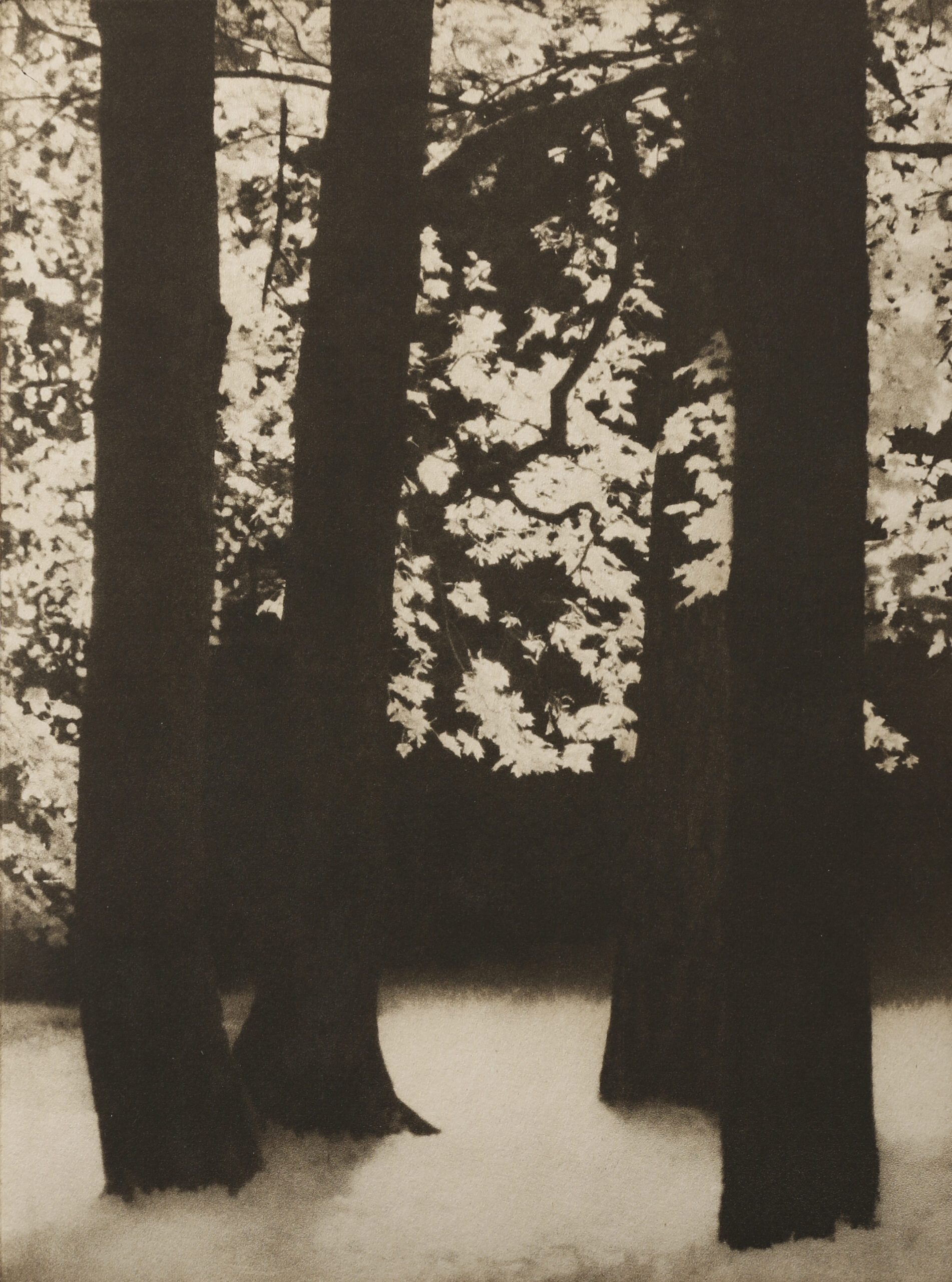
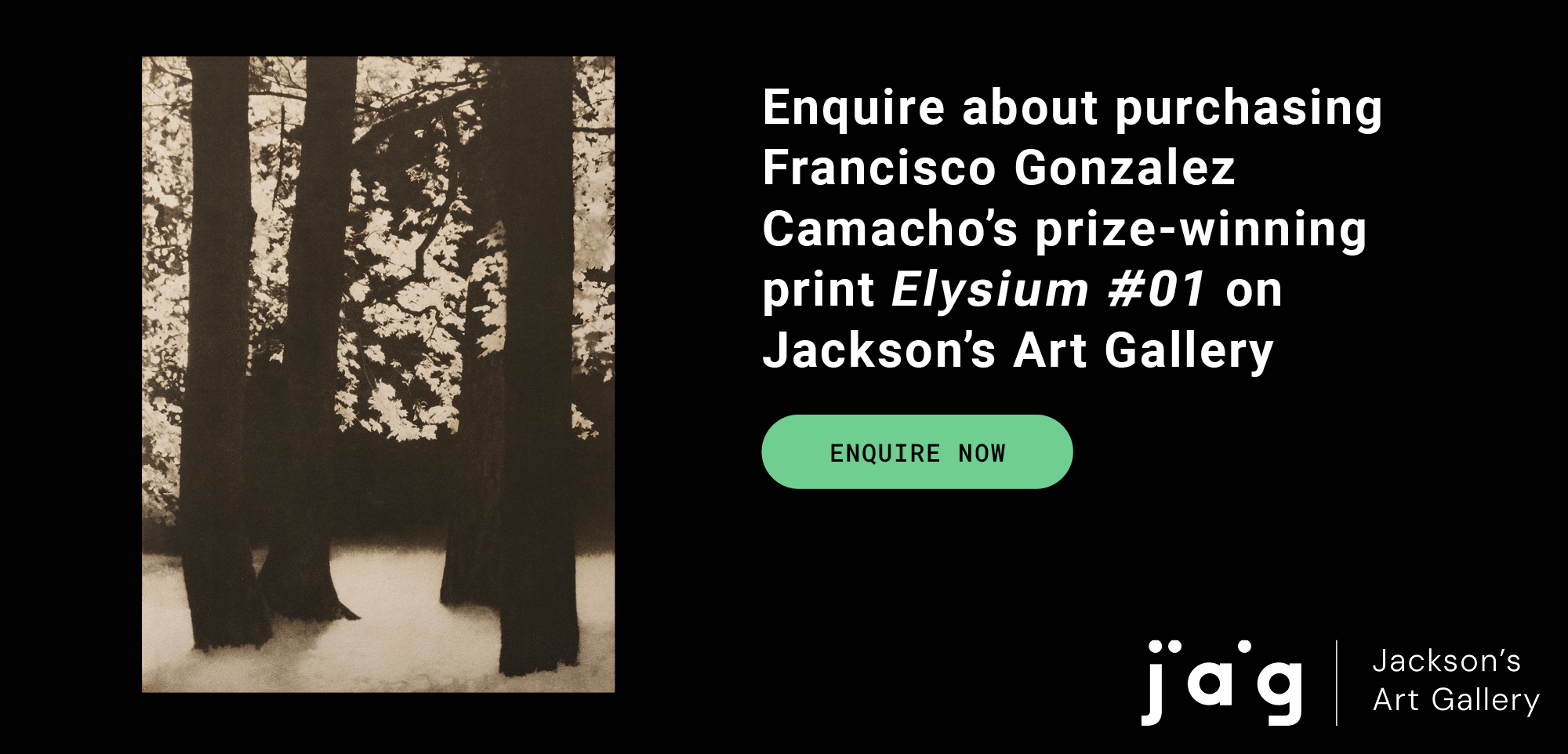
Francisco Gonzalez Camacho won the Intaglio Runner Up Award in Jackson’s Art Prize this year with his work Elysium #01. In this interview, he discusses his aversion to rituals and routine, using his camera as a sketchbook, and a feeling of displacement after moving to Finland.
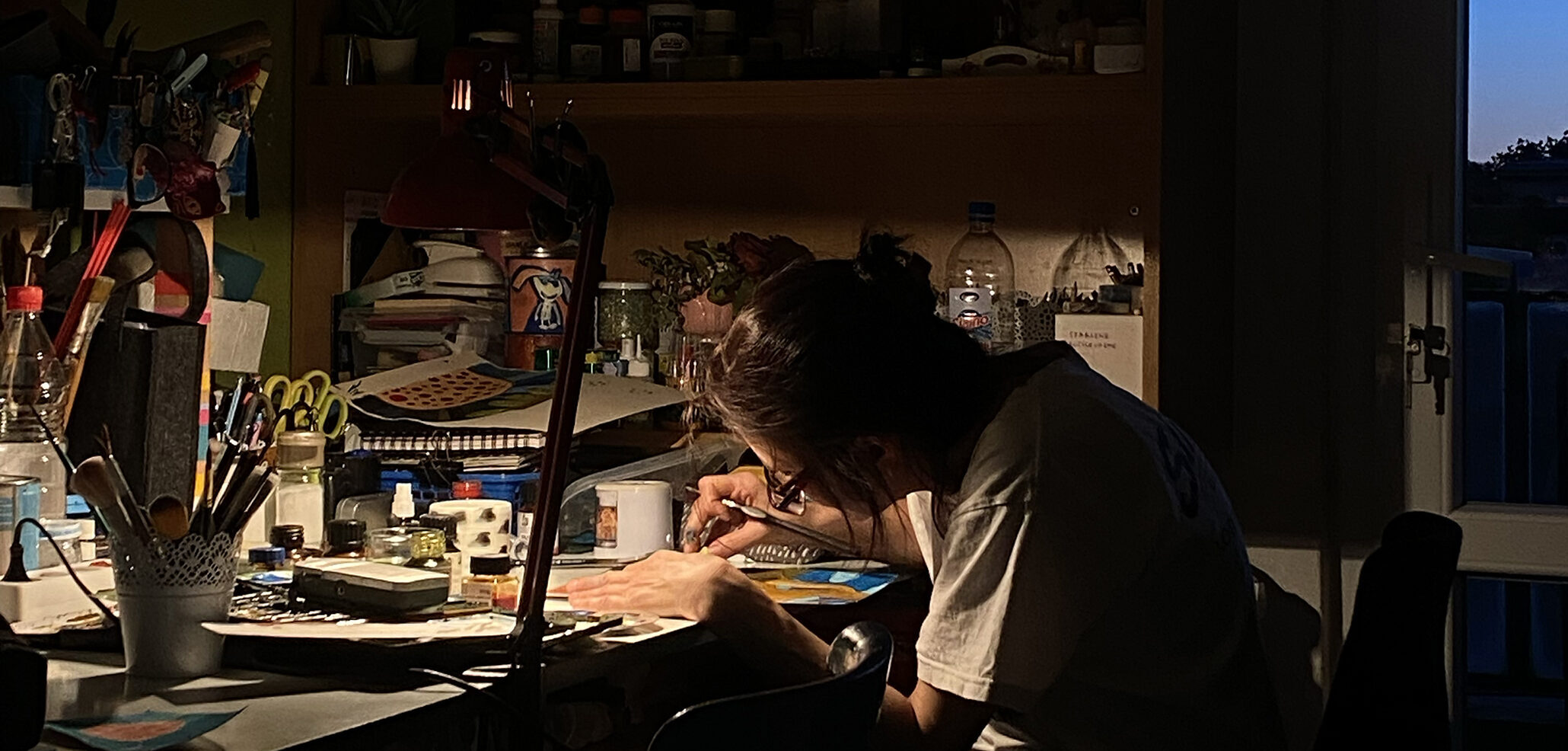
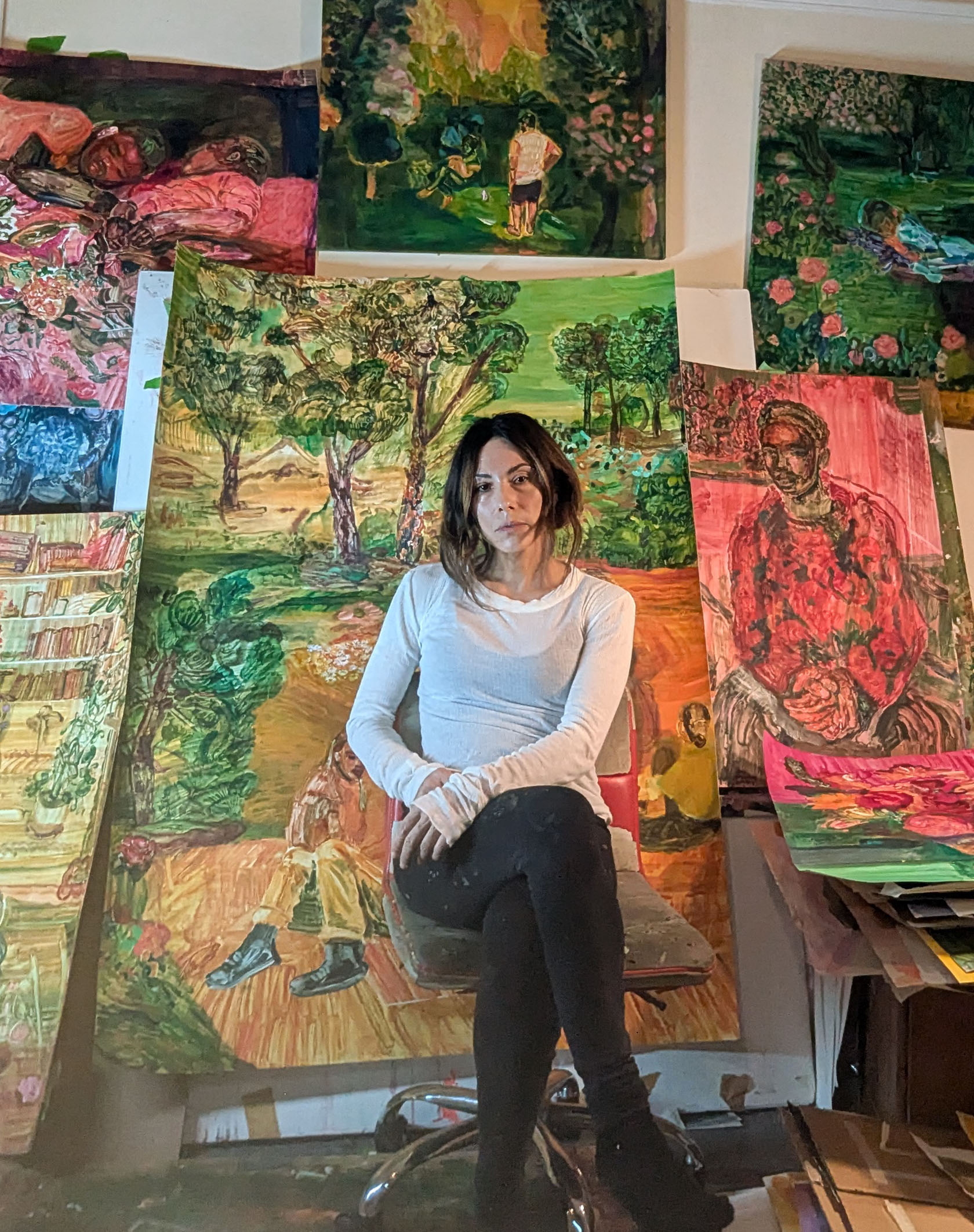
Above image: Photographing in Arizona during an artist residency at Rancho Linda Vista in August 2025
Francisco Gonzalez Camacho
Etching on paper, 27.5 x 20.5 cm | 10.8 x 8 in
Josephine: Could you share the story of how you became an artist and tell us more about your artistic background?
Francisco: Becoming an artist has been a slow process, unfolding over decades. I always had a sensitivity towards the arts, with a special interest in music, photography, and film. I used to play with my father’s rangefinder camera and camcorder when I was a kid. It wasn’t until I was 21 that I decided to study photography in my hometown. After which I did a BA in Documentary Photography in the UK, and now a MA in Photography in Finland.
Francisco Gonzalez Camacho
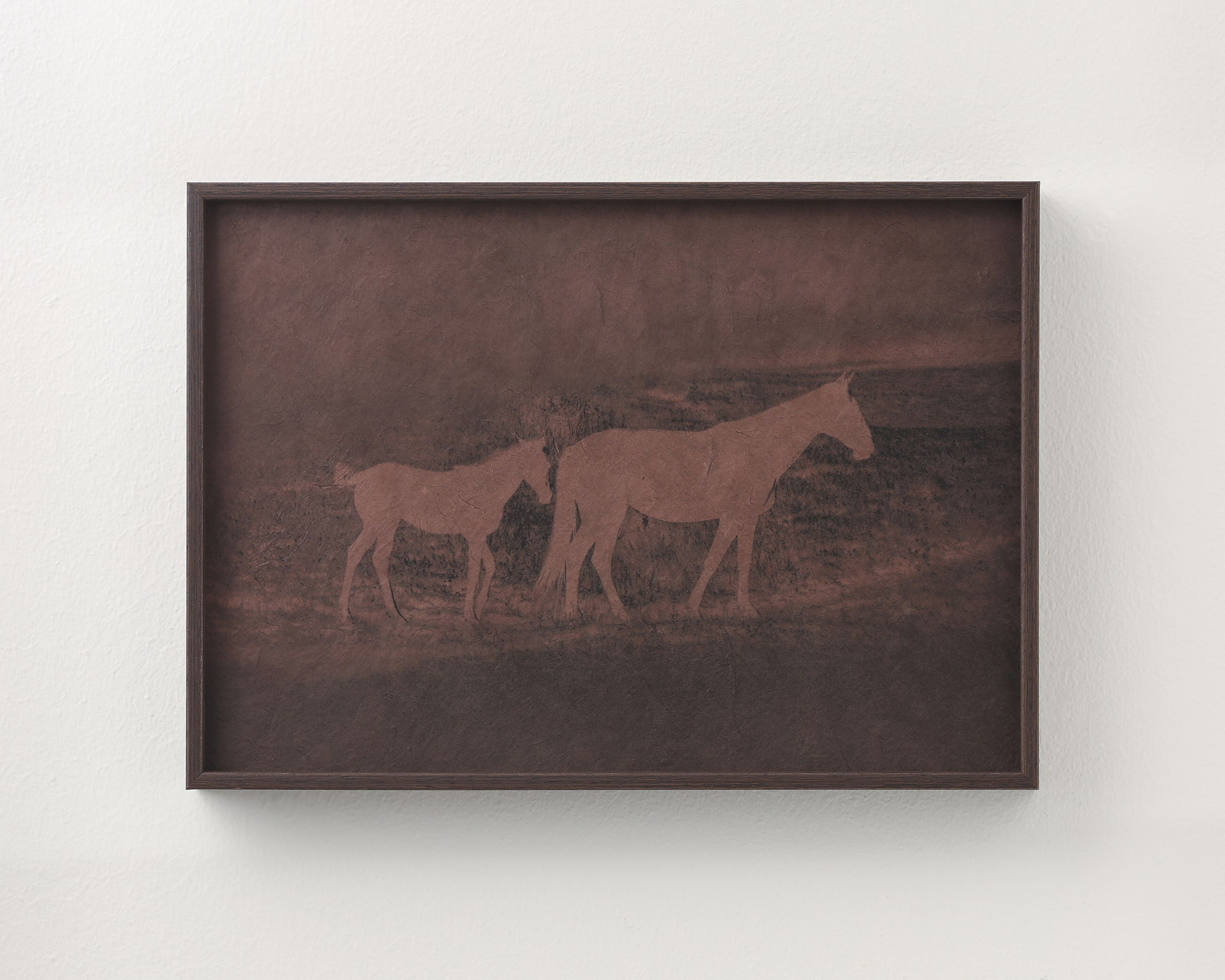
Pigment print on handmade Nepalese paper, 21 x 30 cm | 11.8 x 8.2 in
Josephine: What does a typical working day in the studio look like for you? Do you have any important routines or rituals?
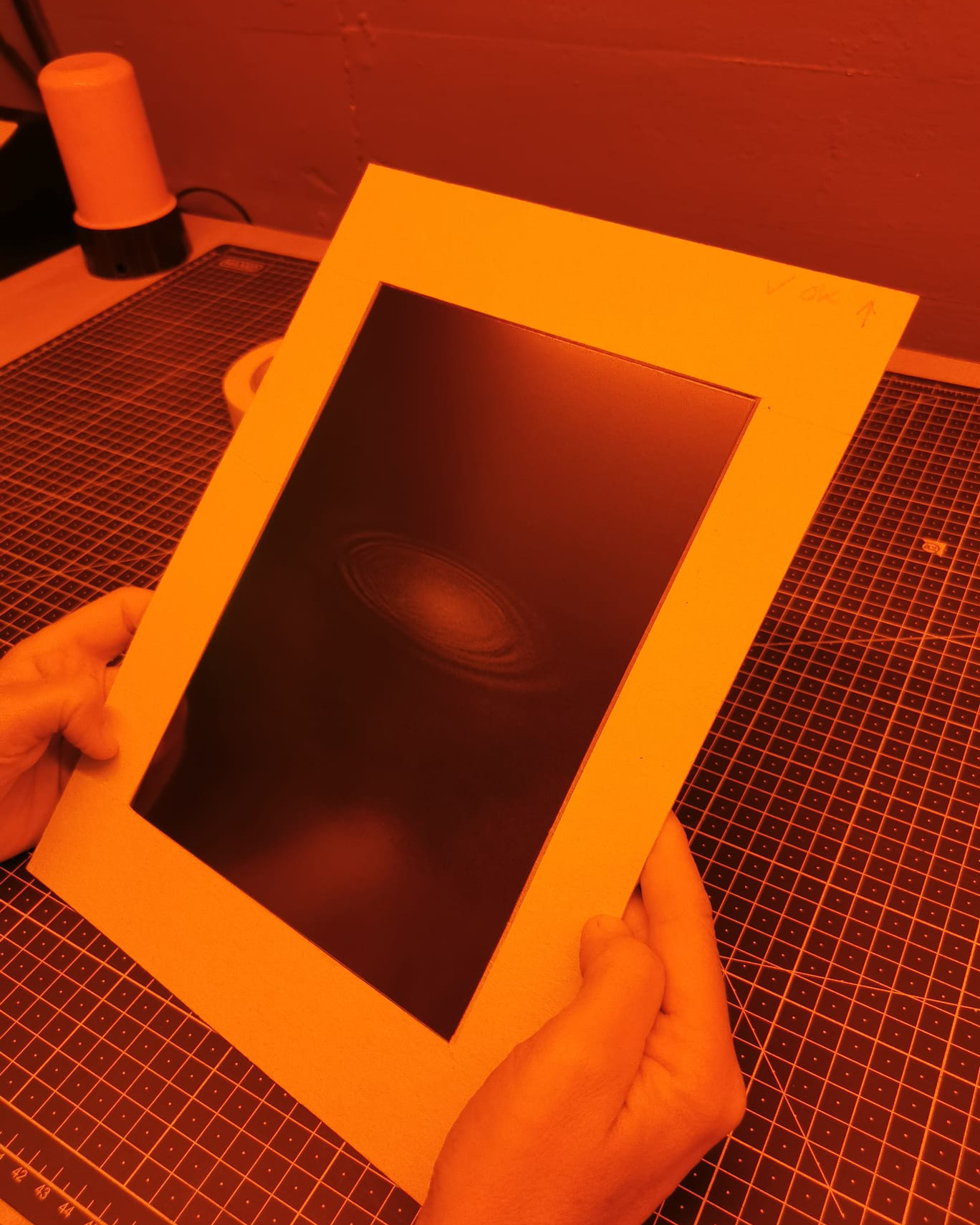
Francisco: I have neither a studio nor a routine. I have access to a darkroom and printmaking facilities if needed. But it is not something I would regularly do, only if I am working on a project that is in the stage of production. I have periods where the focus is on making pictures, or on putting together the work, framing, applying for grants and open calls, etc. I am personally very much against the idea of rituals, yes, you have to be constant, but I don’t see art as something to be enforced by a routine.
Josephine: Which materials or tools could you not live without?
Francisco: Even though I am starting to work more with printmaking, I am primarily a photographer, so I would have to say my camera. I work with a variety of techniques, so the tools to be potentially used vary depending on the project. In the future, I hope to have my own darkroom and printmaking studio, where I am sure a press will be the most precious tool.
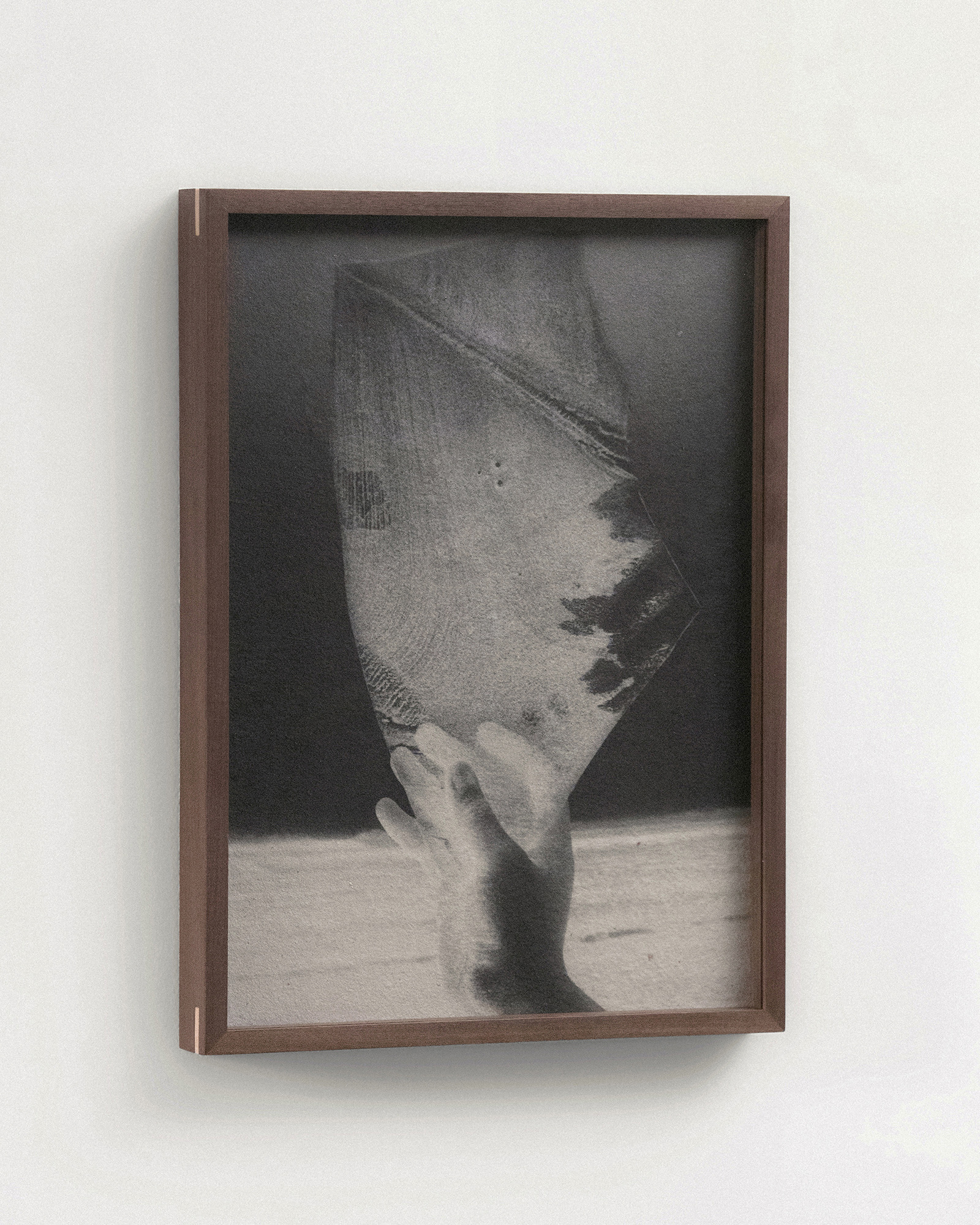
Francisco Gonzalez Camacho
Pigment print on handmade recycled paper from waste, 33 x 25 cm | 13 x 10.5 in
Josephine: Do you work from a reference? Tell us more about your process.
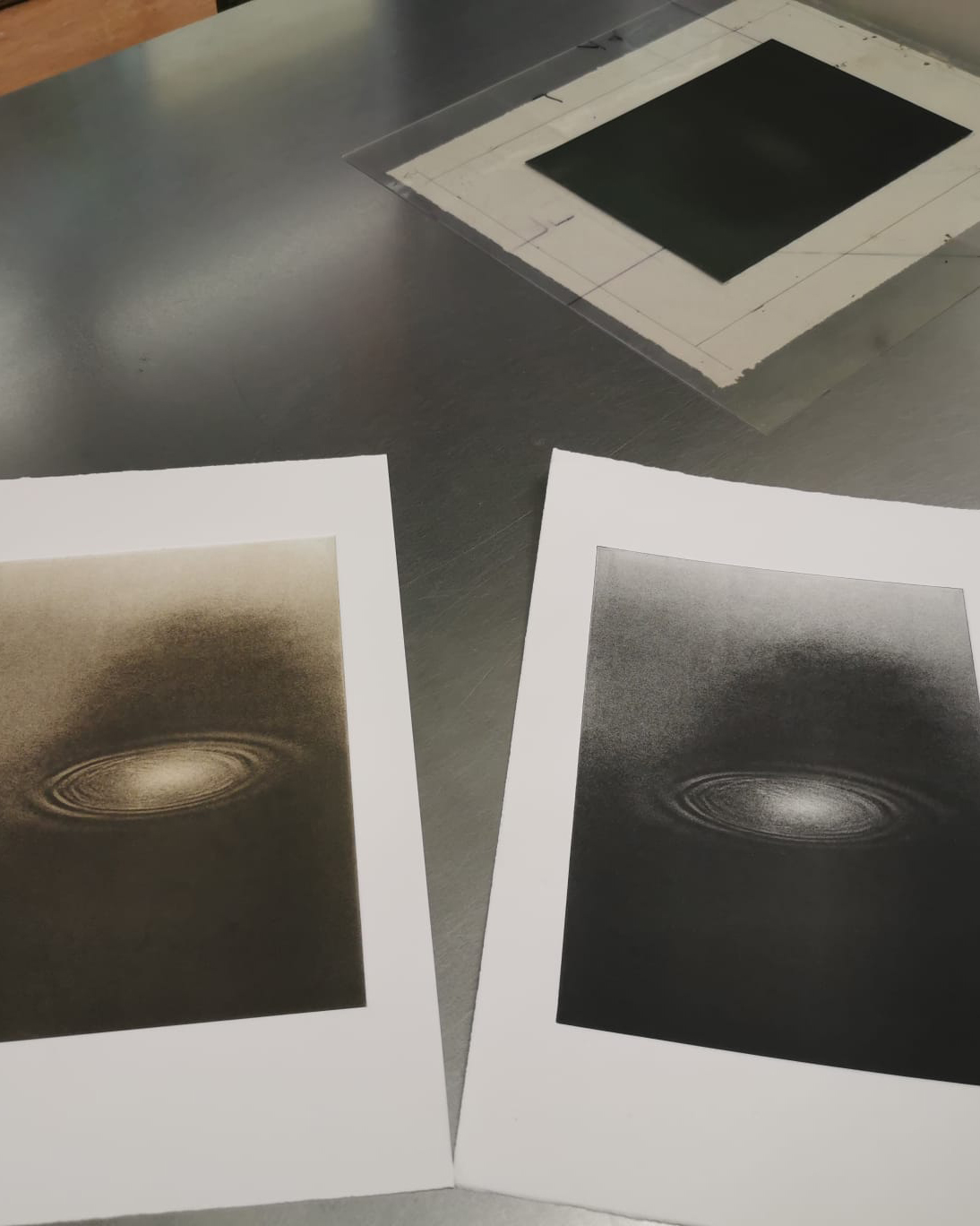
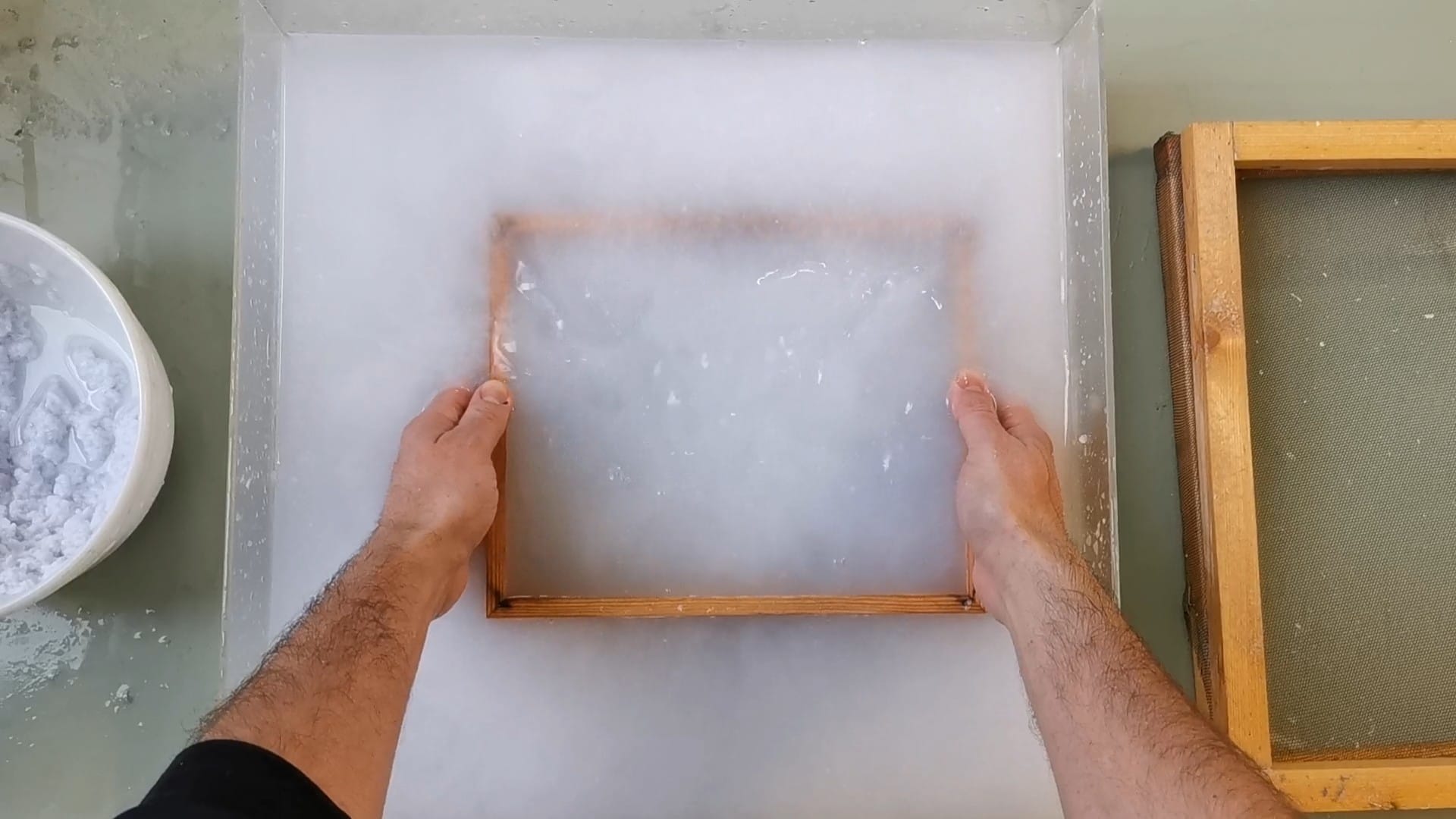
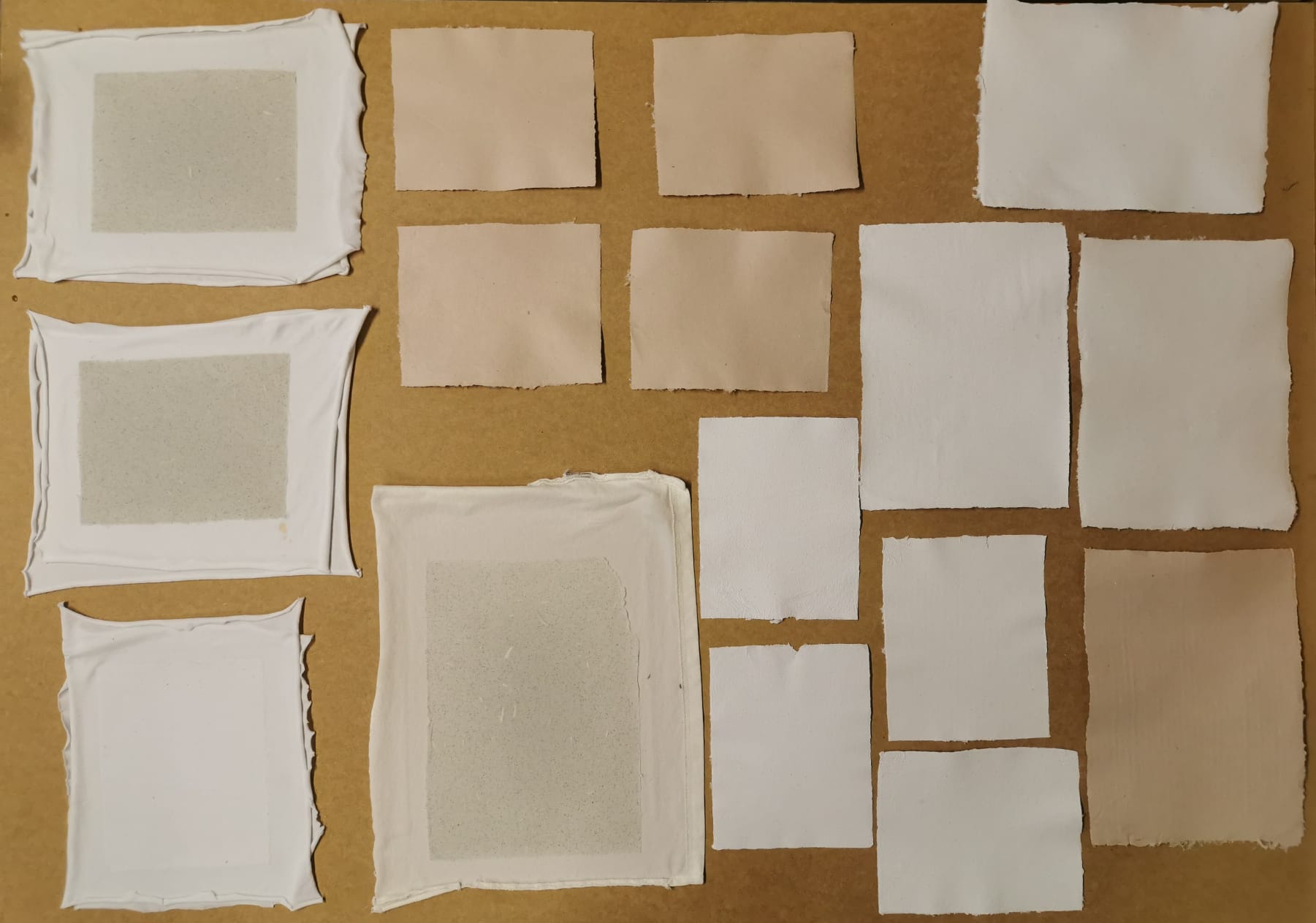
Francisco: My process is highly intuitive and playful; I don’t think about it too much, that might come before or afterwards, but not while doing the work. The starting point is photography-based, specifically infrared photography, which works as a reference. From there, I use a variety of printing techniques, sometimes involving a multilayered process of printing, scanning, and reprinting, as well as using my own handmade paper or Japanese washi papers.
Josephine: Do you regularly draw or keep a sketchbook? If so, how does this inform your work?
Francisco: Not at all. I don’t draw, keep a sketchbook or journal, but I do use small cameras and my phone camera as a way to sometimes create quick visual sketches about an idea, a place to revisit, etc.
Josephine: Have you ever had a period of stagnation in creativity? If so, what helped you overcome it?
Francisco: Yes, indeed. It was quite a confusing and painful period, but it actually helped me to create some of my best work. Listening to my own voice and producing work obsessively without caring too much about the outcome is what eventually made me break out of it. Basically, trying to fall in love with the process again.
Josephine: Are there any specific artists or mentors who have inspired you?
Francisco: Some of my biggest inspirations are Saul Leiter, Masao Yamamoto, Bill Brandt, Edward Weston, Albarran Cabrera, and Jungjin Lee.
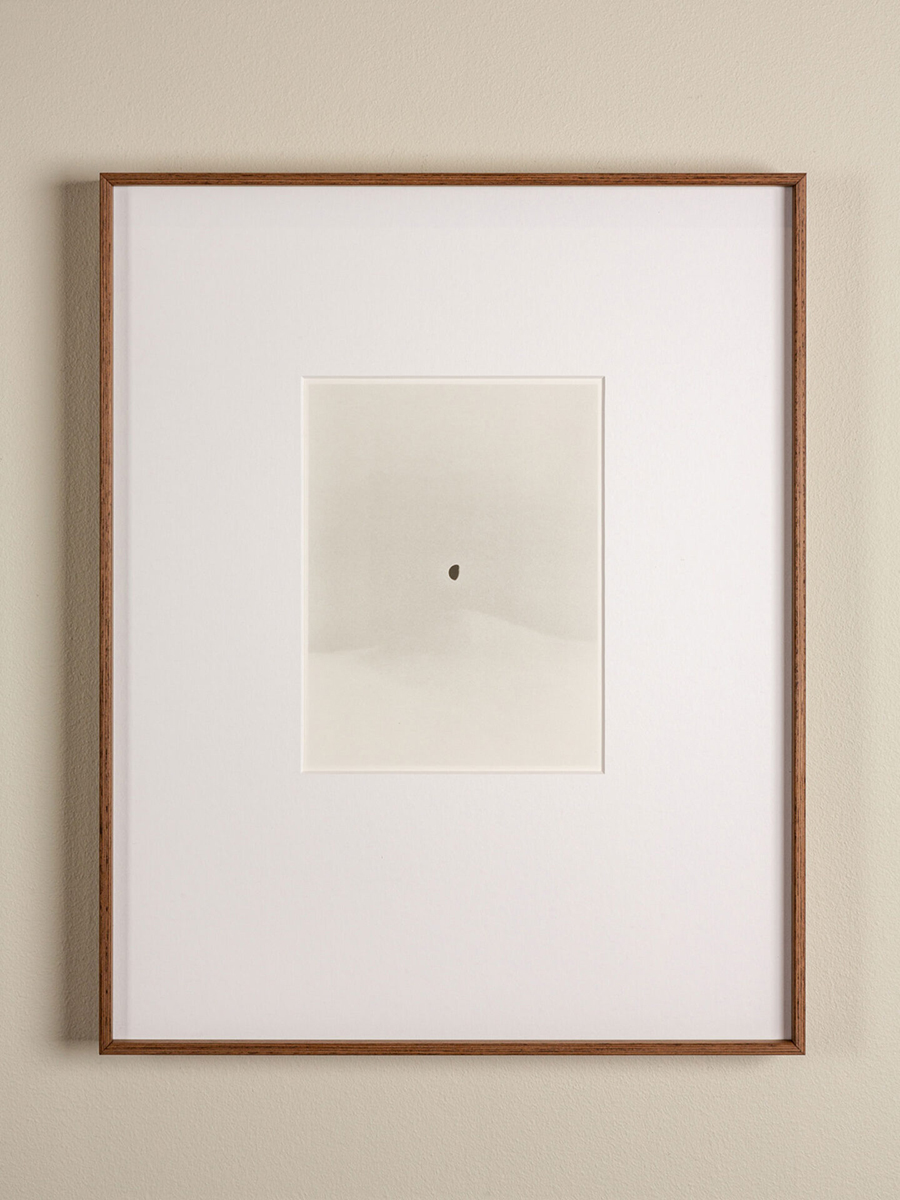
Francisco Gonzalez Camacho
Gelatin silver print, 44.5 x 35.5 cm | 17.5 x 14 in
Josephine: What were you thinking about or exploring at the time you made Elysium #01? What inspired it, and how did it come to be?
Francisco: This image is part of a larger series, Elsewhere, where I explore my process of moving to Finland and the emotions of physical and cultural displacement as an immigrant through the landscape. It was taken in Helsinki, in an area named Lapinlahti. It was made casually, on a walk through the park.
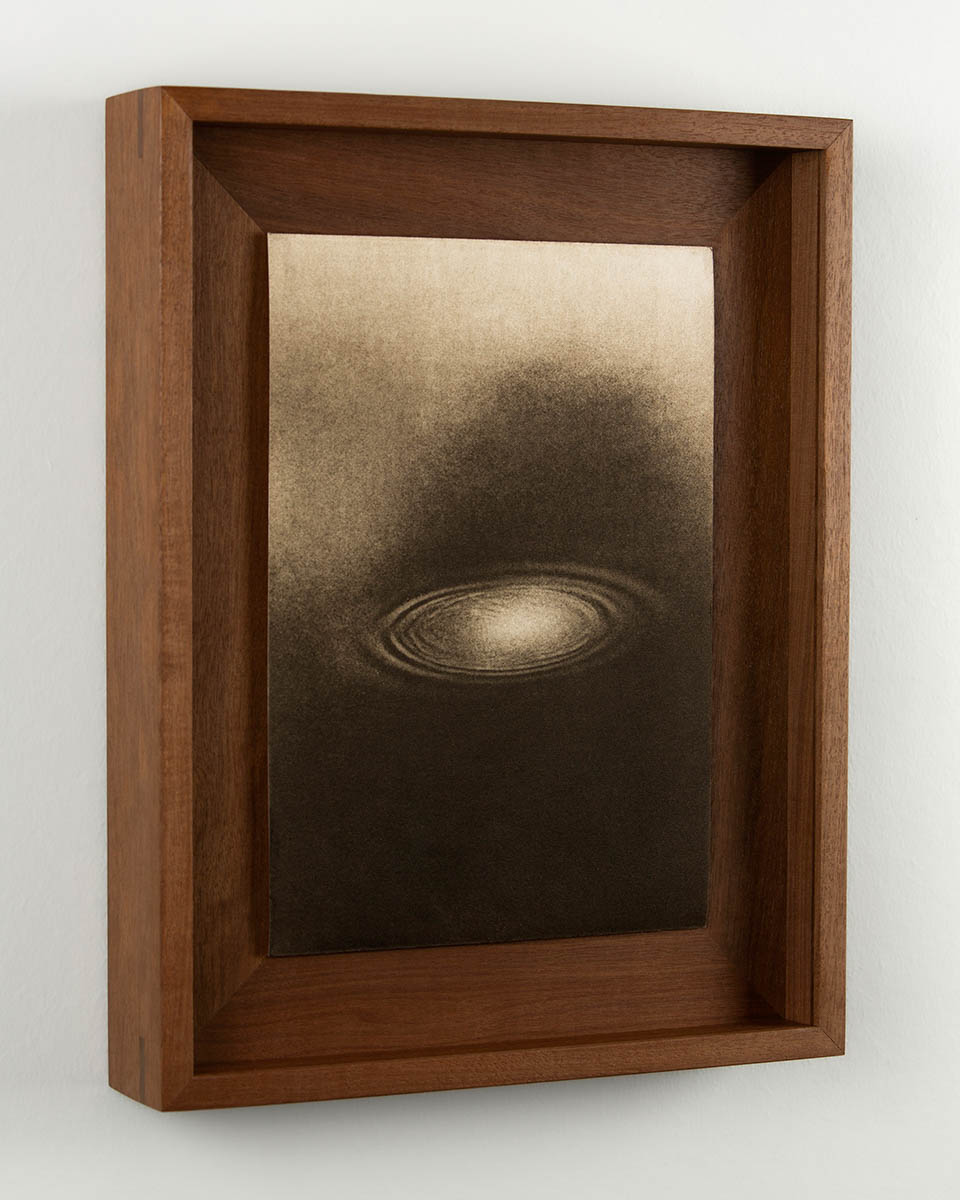
Francisco Gonzalez Camacho
Photopolymer etching on kozo misu, 29 x 23 cm | 11.5 x 9 in
Josephine: What made you submit this piece to Jackson’s Art Prize?
Francisco: Even though I knew about Jackson’s Art Prize for years, I usually submit my work almost exclusively to photography-related open calls. But since this piece was an etching, I thought about giving it a try.
Josephine: Can you talk us through how you achieve the dramatic tonal contrasts in Elysium #01?
Francisco: The look of this work is achieved mostly in camera. Using an infrared modified camera creates a very graphic, dramatic effect, which, combined with photopolymer etching, embraces even more the overall contrast and atmosphere. For reference, the white areas on the image are not snow, but vegetation. For the printing, I used a very thin 30 gsm Japanese kozo misu paper, which has a beautiful texture.
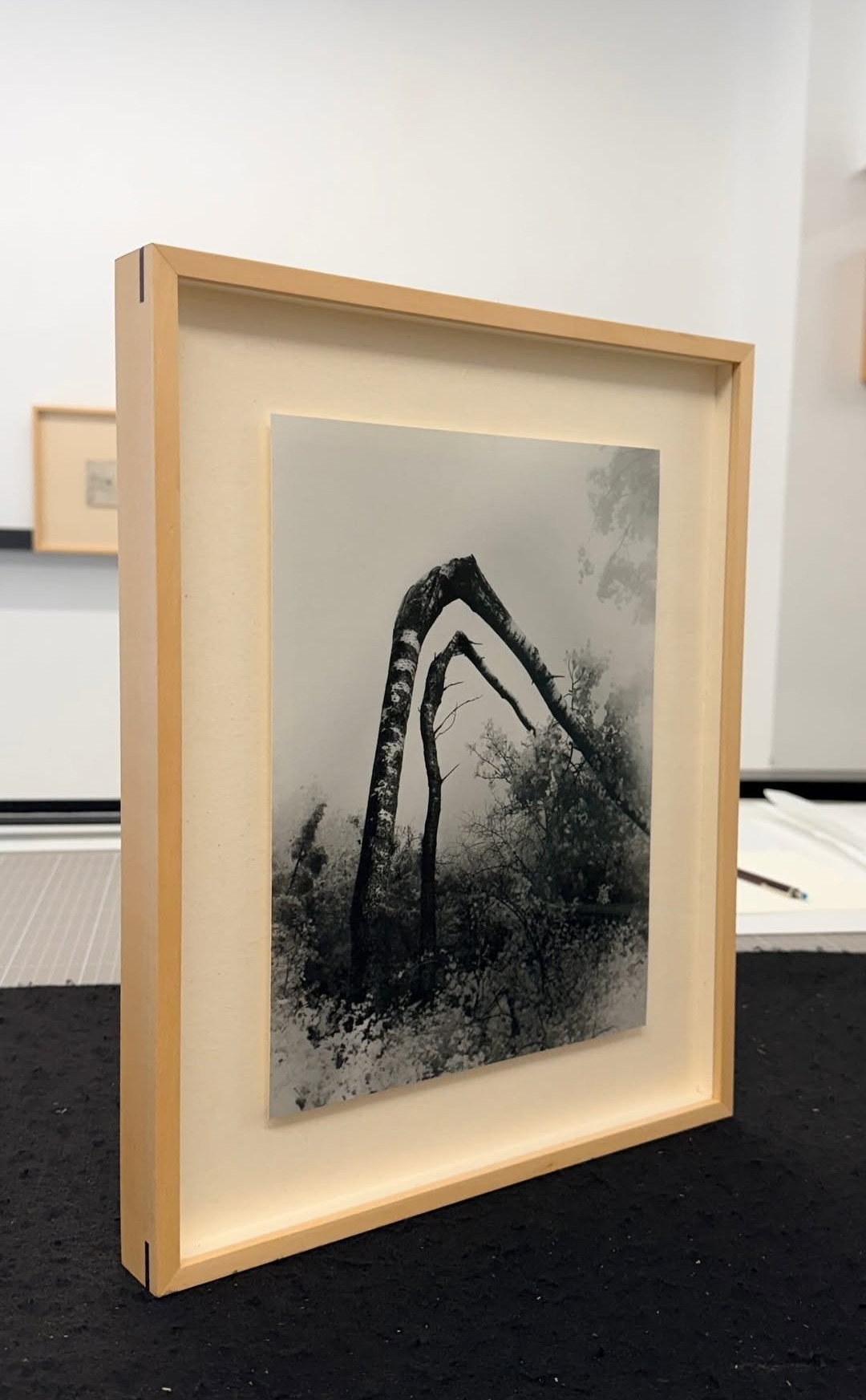
Francisco Gonzalez Camacho
Pigment print on Awagami Inbe. Linden wood, 38 x 31 cm | 15 x 12 in
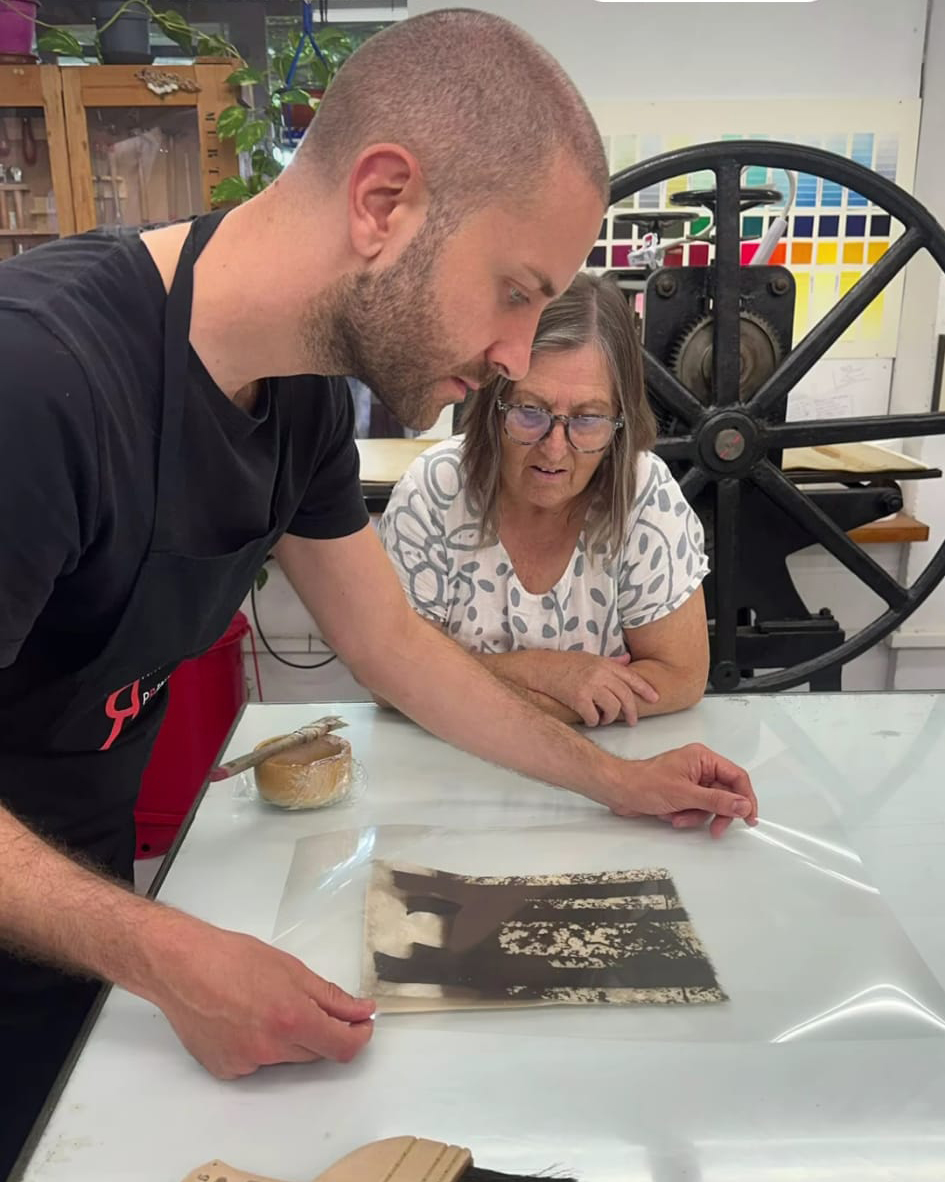
Josephine: Have you worked with the photopolymer process for some time, or is this a new avenue for your practice? Could you describe what it is about this process in particular that helps to infuse your work with emotion?
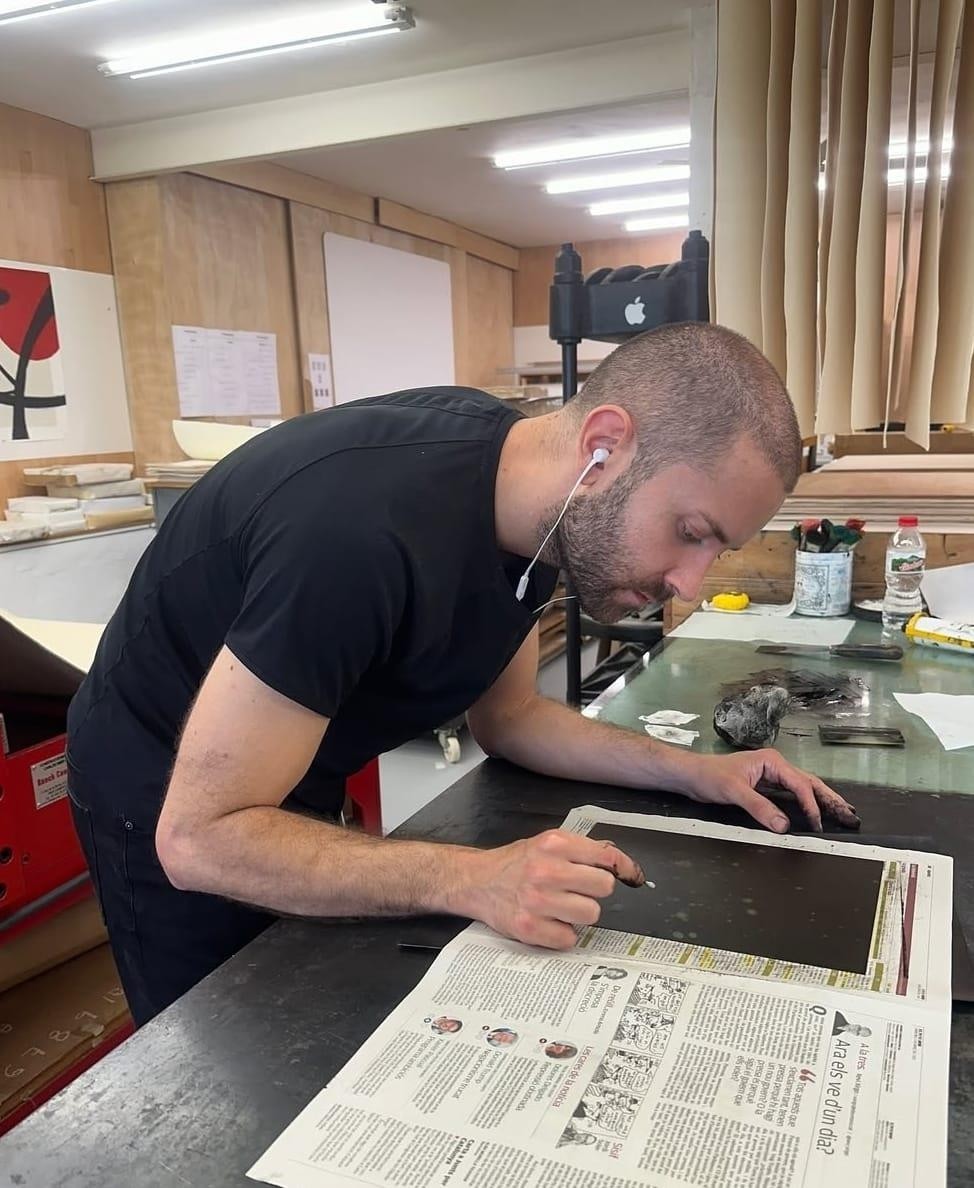
Francisco: I got more deeply into it back in late 2024, when I took part in a printmaking residency in Spain, in preparation for a solo exhibition in Barcelona in 2025. I find this technique to have the right balance between reproducing fine details while adding a beautiful texture and analog look. The many steps involved, the needed attention to detail, and the use of delicate papers create an emotional connection with the process, which I think adds a layer of depth to the work.
Josephine: Are there any new techniques or ideas you’re excited to explore using the materials from your prize?
Francisco: Yes, I definitely want to go deeper into photopolymer etching and try big sizes, around one metre, in combination with fabrics, as well as using my own handmade papers. I currently have several papers I made from flax and old bed linen waiting to be used, hopefully next year.
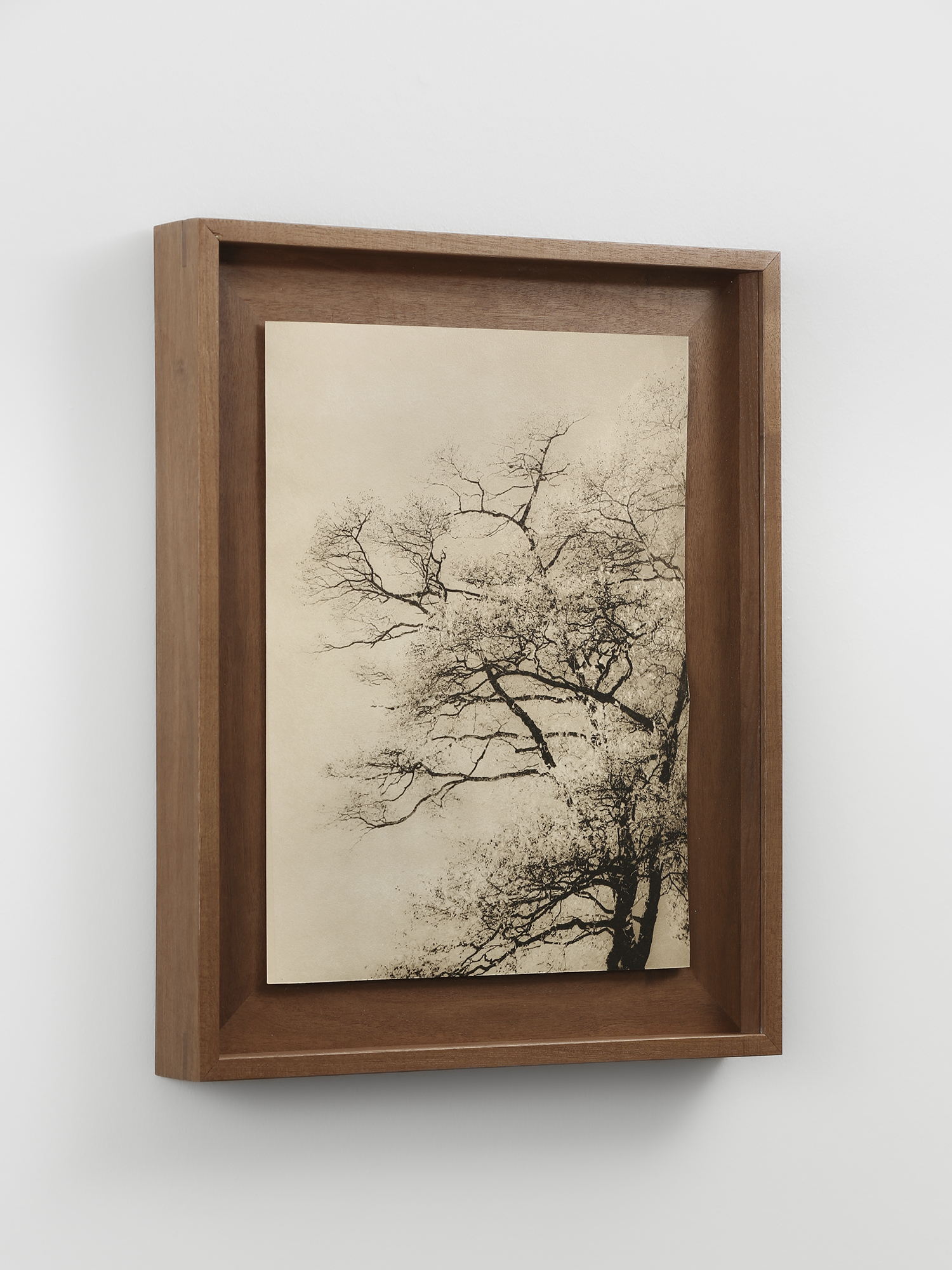
Francisco Gonzalez Camacho
Photopolymer etching on kozo misu, 36 x 29 cm | 14 x 11.5 in
Josephine: How did it feel to move through the stages of the competition and win the Intaglio Runner Up Award?
Francisco: I didn’t have much hope for my work to move forward through the competition, especially knowing how many people participate every year. Already being shortlisted was quite a big surprise. But winning the Intaglio Runner Up Award felt like a great achievement that motivates me to keep working and improving my printmaking skills.
Josephine: What’s coming up next for you?
Francisco: I am currently preparing a solo exhibition at Pictura Gallery in Indiana, United States, opening on the 5th of June. In November, I am also taking part in a residency/workshop at Benrido Atelier in Kyoto, Japan, where I will be exploring collotype, a very rare technique now almost extinct everywhere in the world. I hope to have a solo exhibition in 2027 with some of the work produced during my stay. I am currently in the process of finding a suitable gallery.
Follow Francisco on Instagram
Visit Francisco’s website
Further Reading
Jackson’s Art Prize 2026 First Prize Winner Announced
Meet Eleanor Johnson, Winner of Jackson’s Art Prize 2025
How We Collaborate With Artists
Expert Advice on Making Your Way as an Artist
Shop Printmaking on jacksonsart.com