



Vincent van Gogh was a master of colour, from shimmering blues and greens to fiery, resonant reds. Yet among this rich spectrum, one colour holds particular significance. Yellow, in all its radiant variations, became a defining feature of his work. This article explores how Van Gogh used yellow not only as a visual device but as a reflection of his inner world.
The Development of Van Gogh’s Colour Palette
Vincent van Gogh is an artist so famous that he needs almost no introduction. Born in the Netherlands in 1853, he only pursued painting in earnest during the final years of his life. His early works were characterised by a subdued palette of earthy greys and browns, drawing heavily on the 17th-century Dutch masters.
These paintings, however, were hard for his brother Theo, an art dealer, to sell, as they didn’t match the lighter, brighter Impressionist style that was popular at the time.
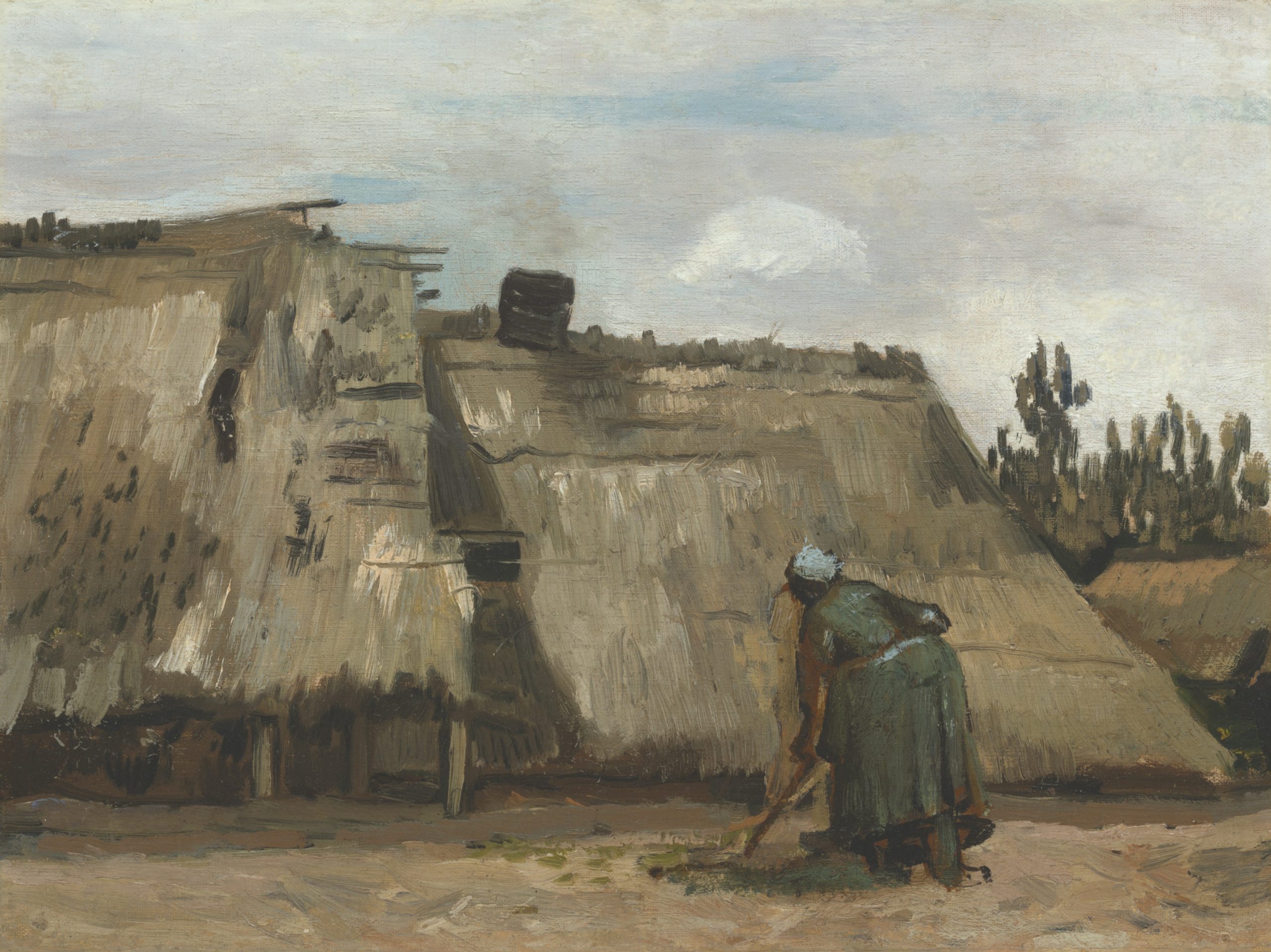
Vincent van Gogh
Oil on canvas, 31.3 x 42 cm | 12.3 x 16.5 in
Art Institute Chicago
His style was shaped by the influence of other artists, including Paul Signac and Georges Seurat, from whom he adopted elements of Pointillism, as well as French Impressionists such as Camille Pissarro, who used complementary colours to evoke the shimmering effects of light. He was also deeply inspired by the compositions and colours of Japanese prints, particularly those of Utagawa Hiroshige. Through these influences, he developed the style for which he is best known – expressive, swirling brushstrokes and a bold, luminous palette.
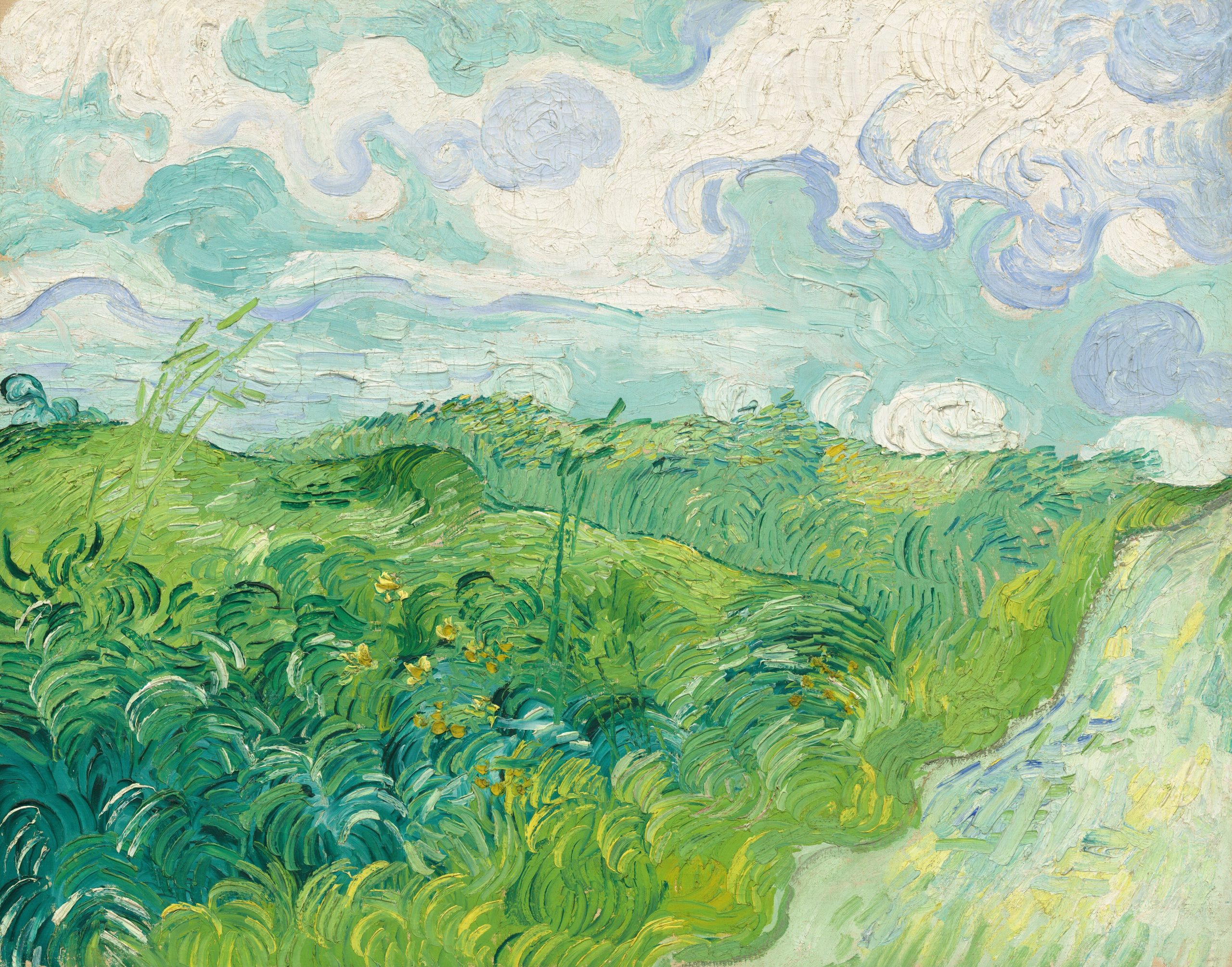
Vincent van Gogh
Oil on canvas, 72.4 x 91.4 cm | 28.5 x 36 in
National Gallery of Art Washington
Vincent van Gogh’s sensitivity to the nuances of colour is evident throughout his work. Like the Impressionists and Pointillists, he was informed by the theories of chemist Michel Eugène Chevreul, who wrote of the ‘law of simultaneous contrast’. This principle states that colours which would dull one another if mixed instead appear more vivid when placed side by side. Blue, for example, is intensified by proximity to orange, while green is heightened by being next to red. This effect can be seen in Oleanders, where the yellow books are set off by soft mauve-violet shadows.
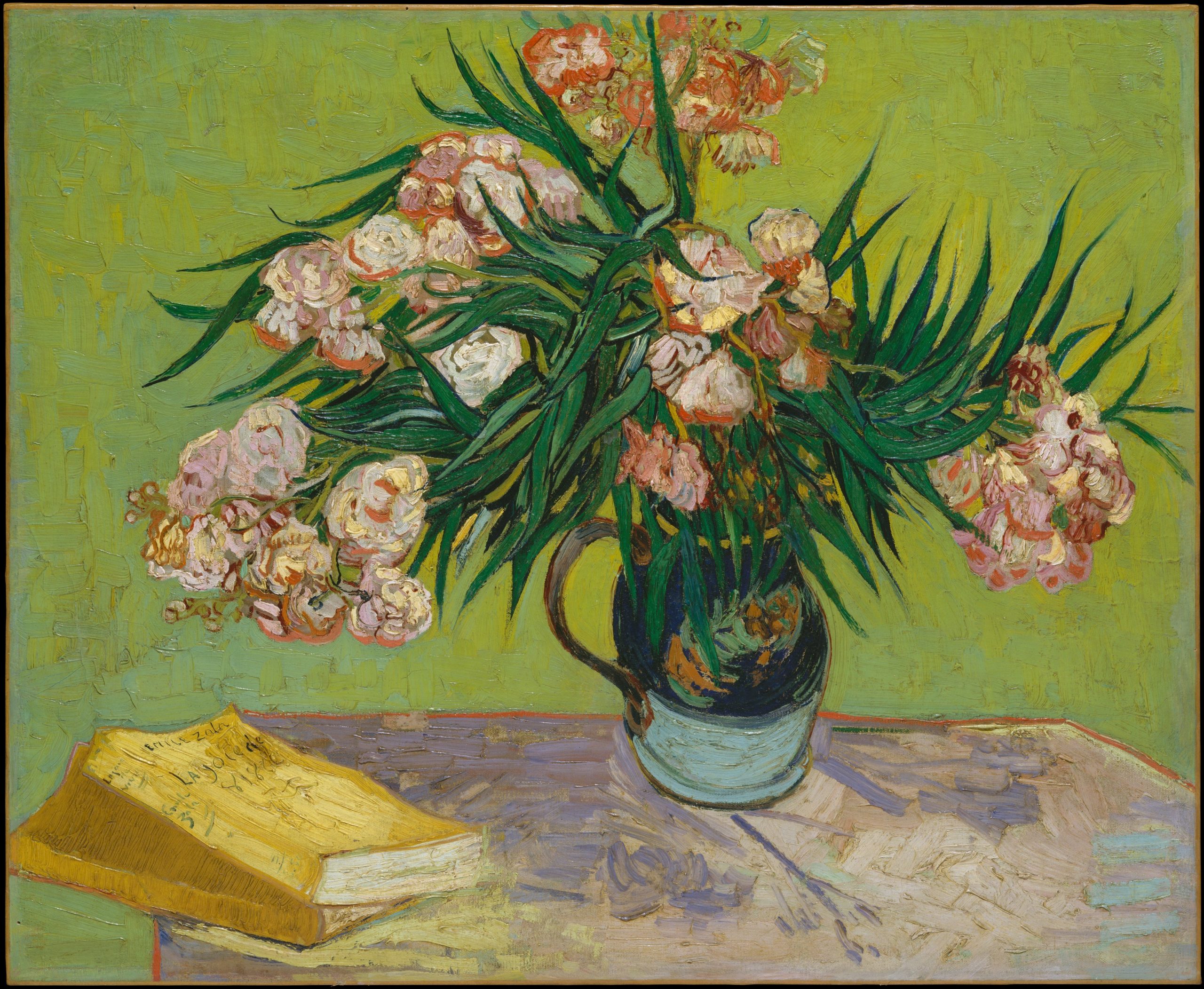
Vincent van Gogh
Oil on canvas, 60.3 x 73.7 cm | 23.7 x 29 in
The Metropolitan Museum of Art
“How Beautiful Yellow is!”
Van Gogh’s relationship with colour is vividly documented in the letters he wrote to his brother Theo, who supported him financially and supplied his materials. Vincent kept him updated on his work, often including lists of the paints he needed. These letters offer a rich record of his creative practice. He frequently reflected on colour, describing the pigments he used, his knowledge of colour theory, and the hues he observed in the world around him. Yellow appears again and again. In August 1888, he described the light of southern France:
“At the moment we have a very glorious, powerful heat here, with no wind, which suits me very well. Sunshine, a light which, for want of a better word I can only call yellow – pale sulphur yellow, pale lemon, gold. How beautiful yellow is!”
It was a colour he clearly associated with optimism, warmth, and the sustaining energy of sunlight. He also brought the colour indoors in his domestic portraits, such as in Madame Roulin and Her Baby, where the canary yellow backdrop conveys a sense of joy and innocence.
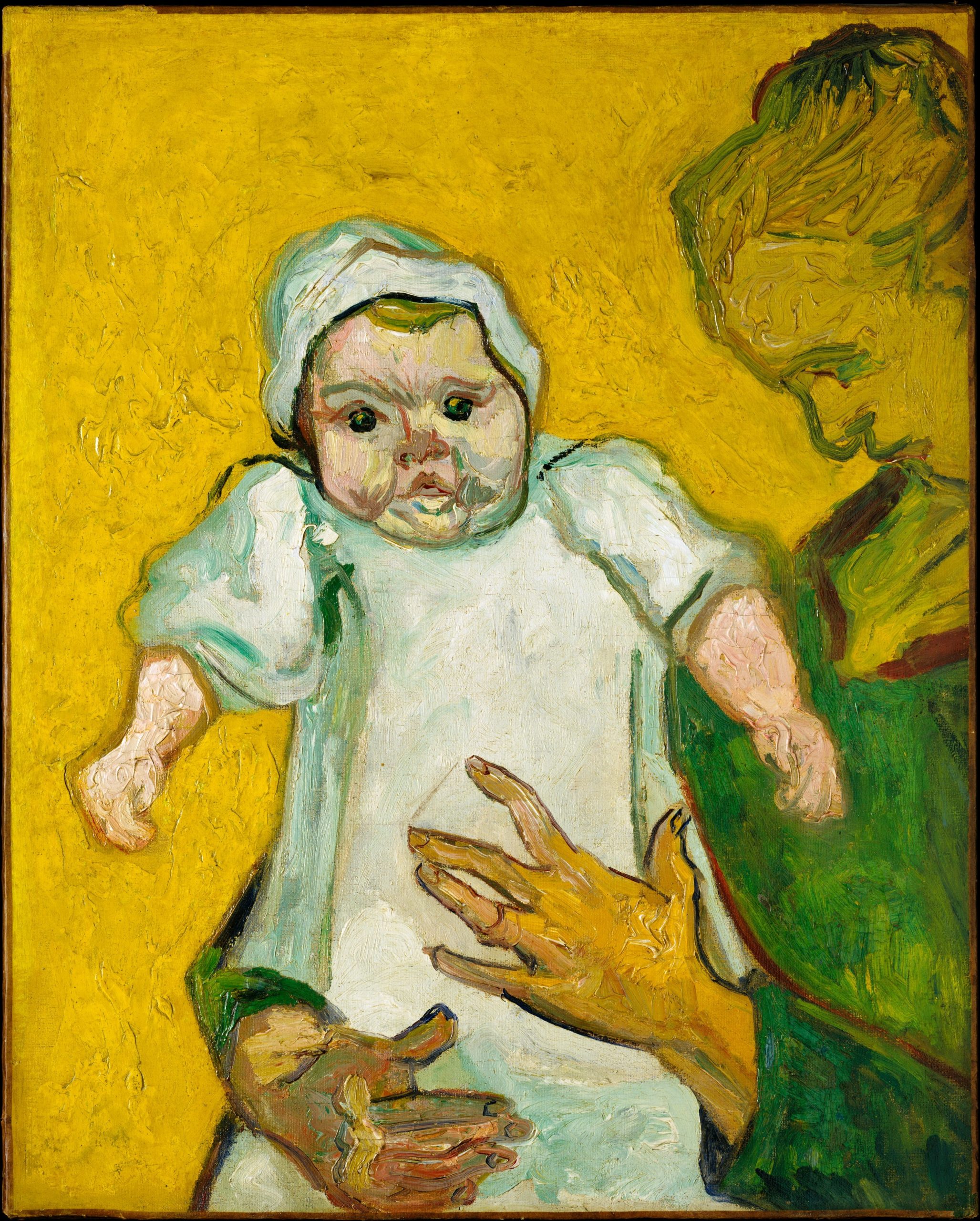
Vincent van Gogh
Oil on canvas, 63.5 x 50.8 cm | 25 x 20 in
The Metropolitan Museum of Art
Van Gogh’s deep affinity with yellow and sunlight helps to explain his repeated return to the sunflower motif between 1887 and 1889. Young sunflowers are heliotropic, tracking the sun across the sky, and the blazing yellow florets of the mature flowers resemble the sun’s rays. For an artist so captivated by light, it is no surprise that he chose to paint a flower so closely associated with it. In his letters, he even refers to the paintings as soleils (suns), rather than tournesols (sunflowers).
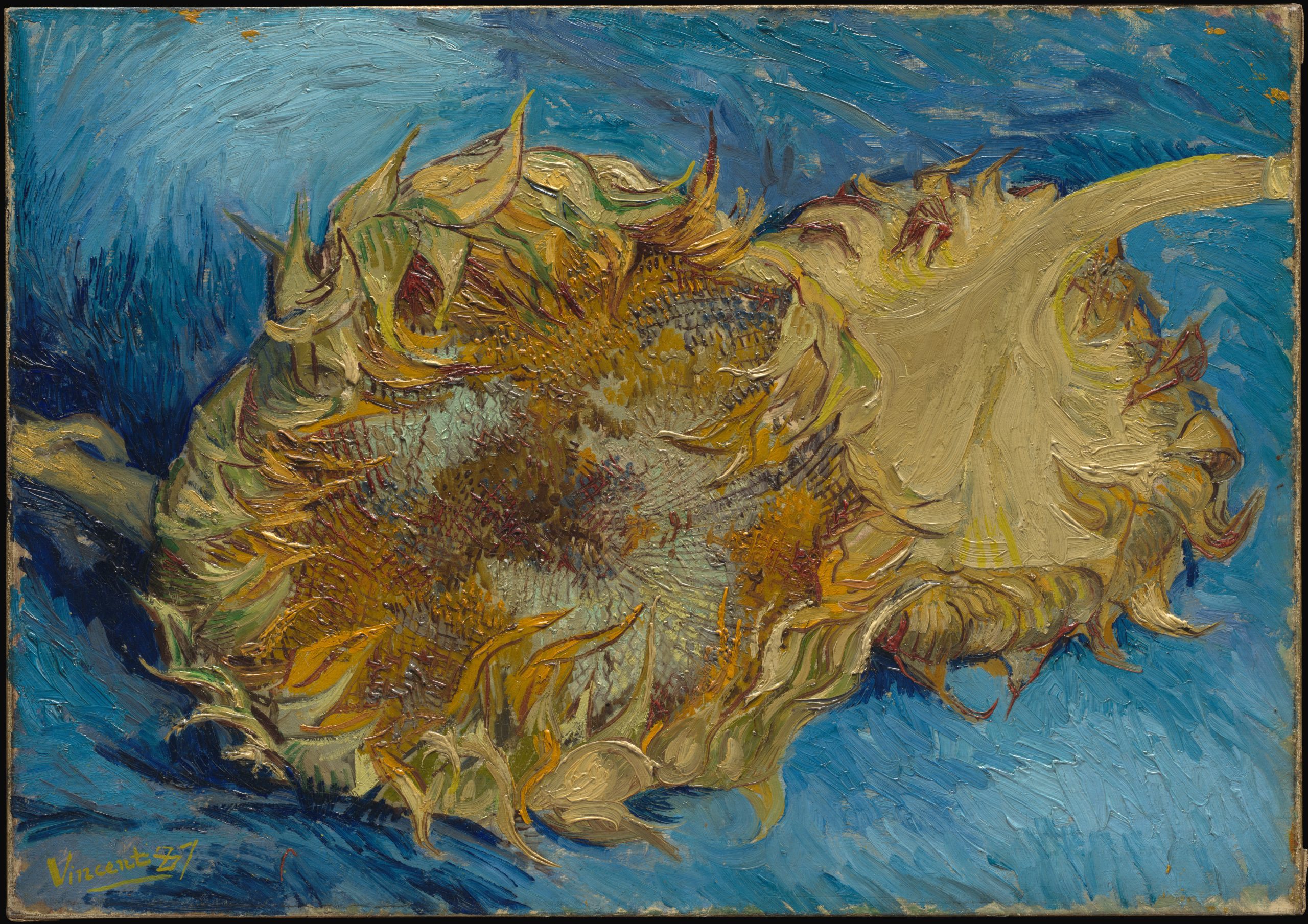
Vincent van Gogh
Oil on canvas, 43.2 x 61 cm | 17 x 24 in
The Metropolitan Museum of Art
The most celebrated of Van Gogh’s Sunflowers were created in 1888, in anticipation of Paul Gauguin’s arrival in Arles. Eager to welcome him, Van Gogh set about decorating the rooms of the house he rented – affectionately known as The Yellow House. He worked with remarkable intensity, completing four sunflower paintings in just one week, and describing himself as “painting with the gusto of a Marseillaise eating bouillabaisse.” These works are symphonies of yellow, from lemon to mustard to deep amber. Although Gauguin’s visit proved ill-fated, ending in the incident in which Van Gogh cut off his left ear, the paintings remain expressions of his optimism and desire for friendship.
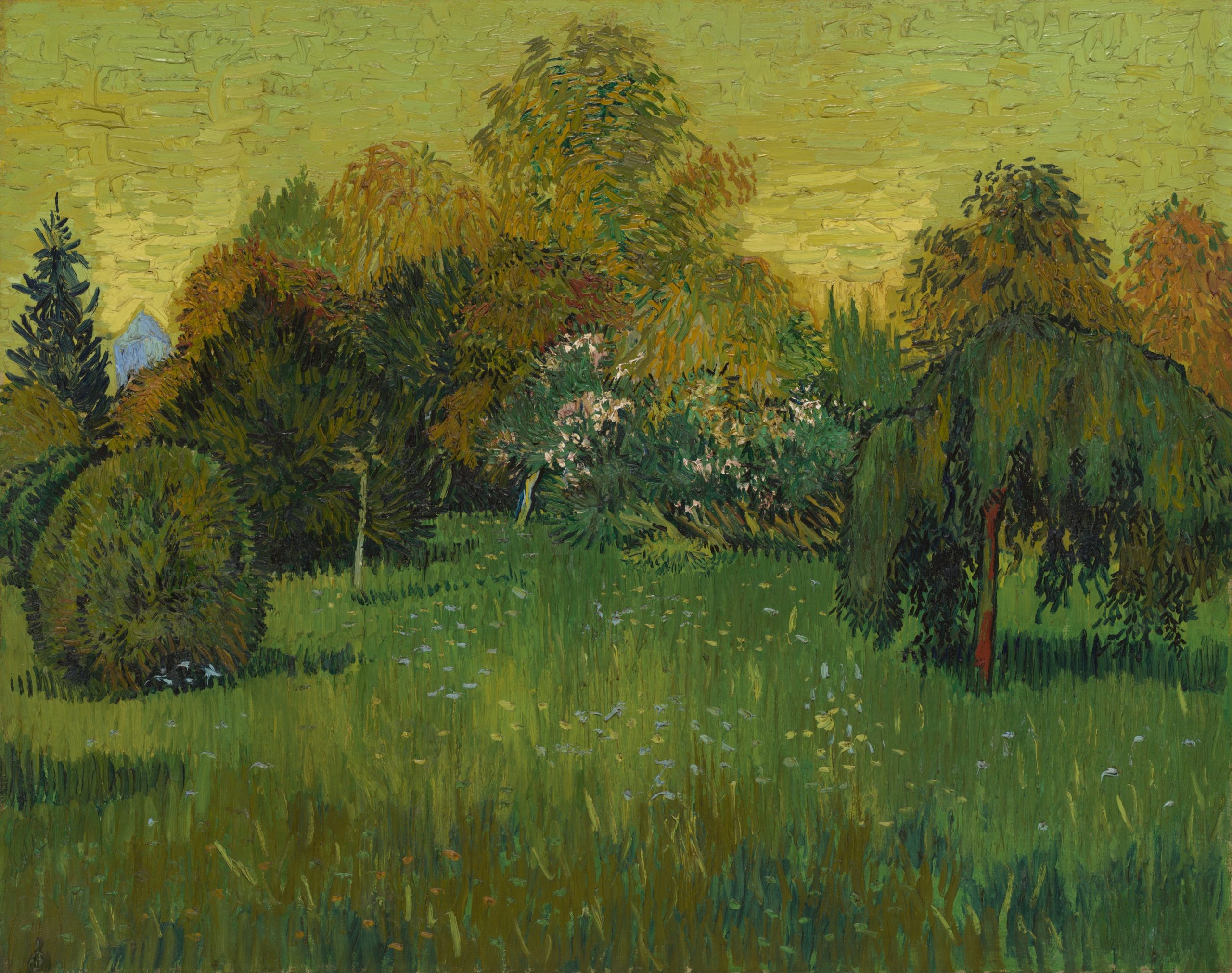
Vincent van Gogh
Oil on canvas, 73 x 92.1 cm | 28.7 x 36.2 in
Art Institute Chicago
Did Van Gogh Eat Yellow Paint?
An often-repeated anecdote is that Vincent van Gogh consumed yellow paint. The idea stems from a reported incident in December 1888, when, during his crisis following Gauguin’s visit, he is said to have ingested paint or turpentine, but the details are unclear. The association with yellow paint is a later addition to the account, shaped by Van Gogh’s well-known use of bright yellow pigments. There is no firm proof that he consumed yellow paint specifically, or that it was a repeated behaviour.
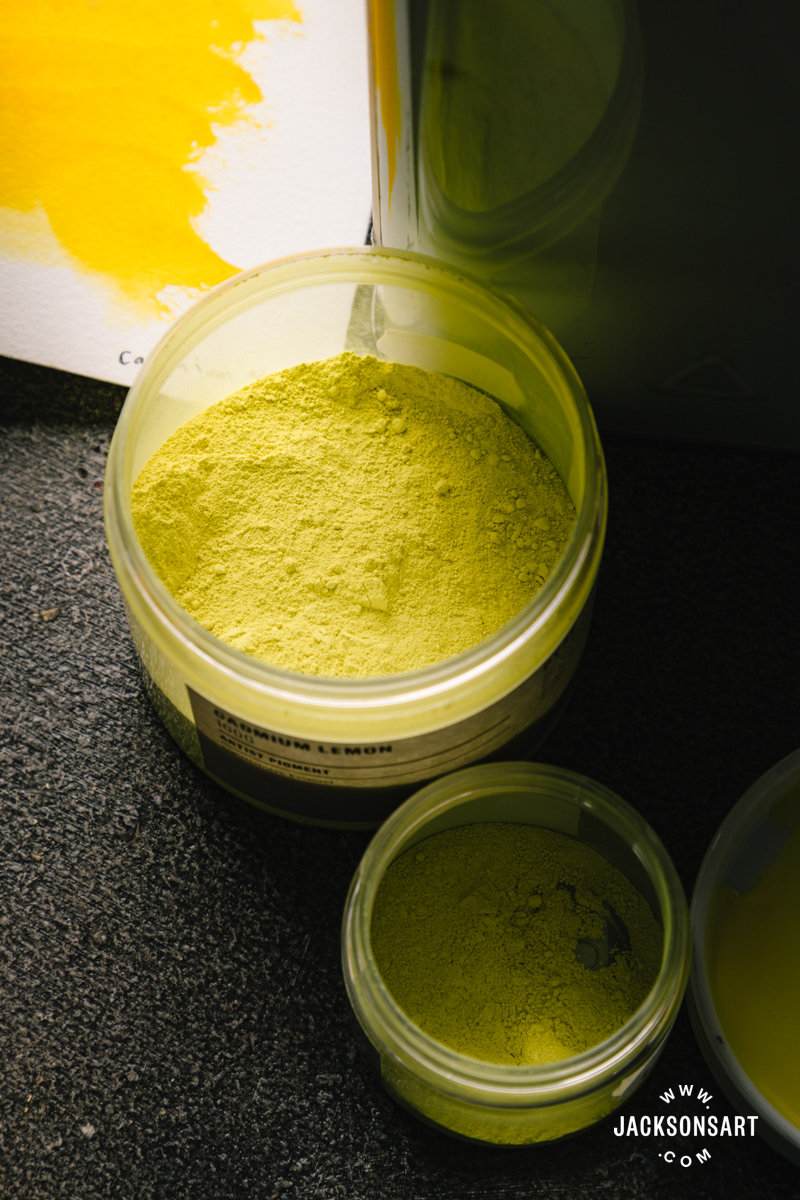
Van Gogh’s Yellow Pigments
Chrome Yellow
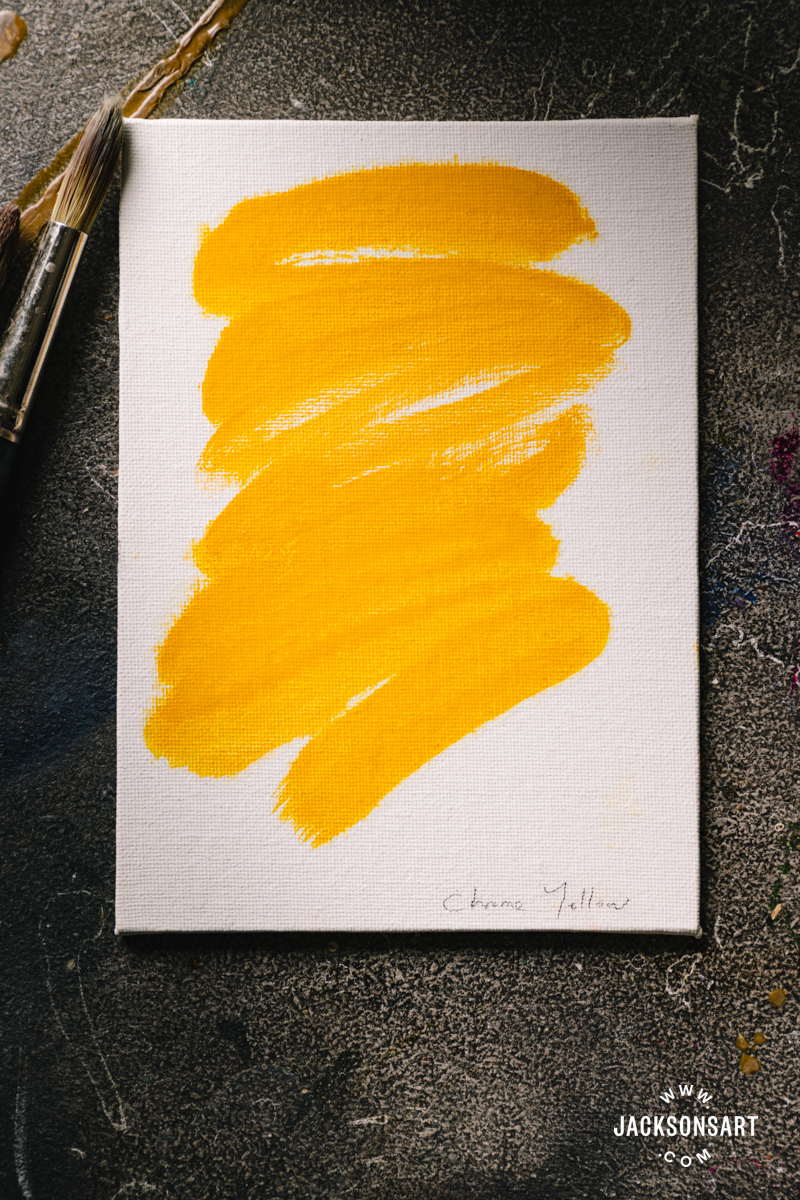
Chrome Yellow (lead chromate) was one of the most widely used yellow pigments of the 19th century and appears frequently in Van Gogh’s work. It provided a bright, warm yellow that was ideal for capturing sunlight and intensity.
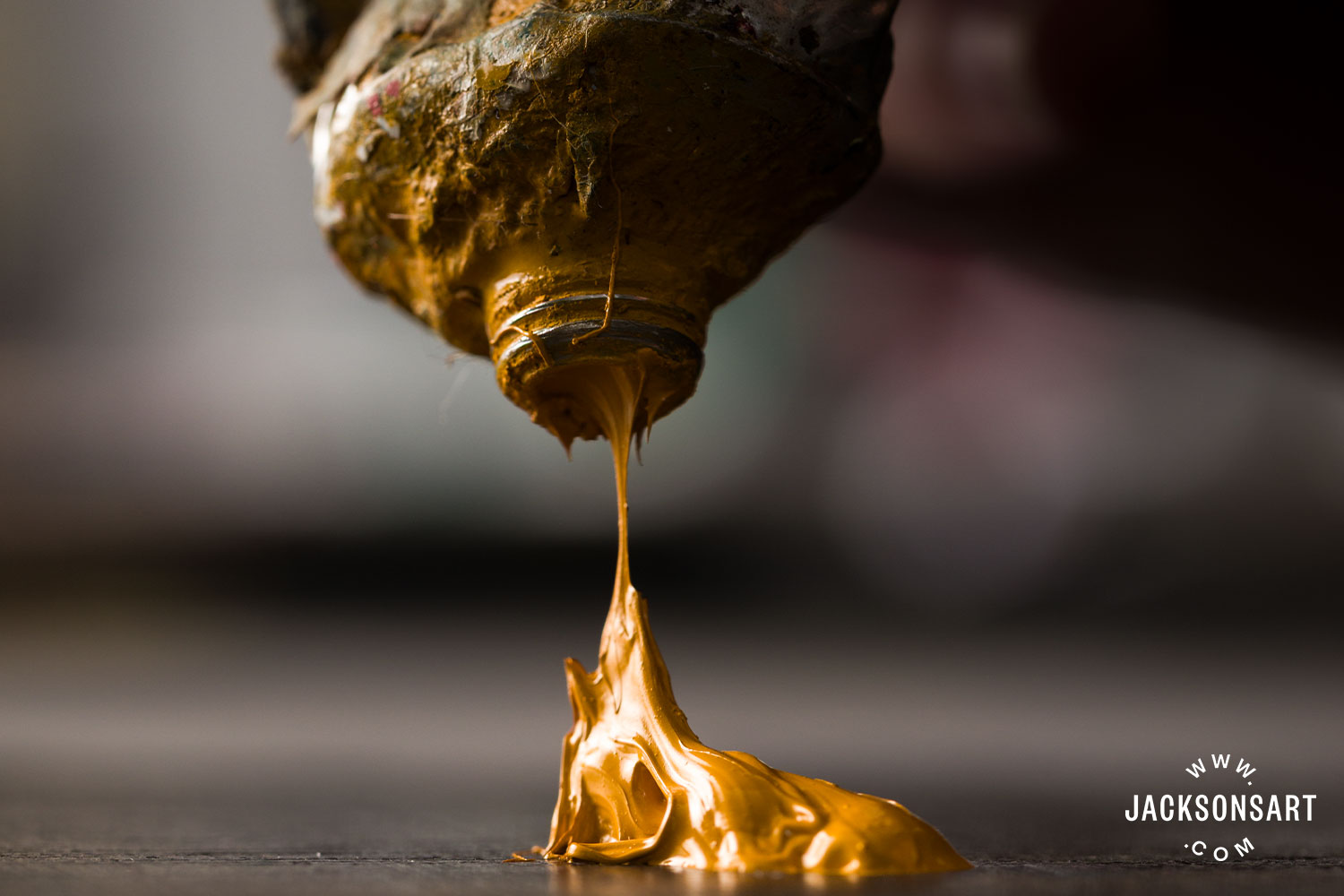
Chrome Yellow played a crucial role in achieving the luminous, high-impact yellows that define many of his most iconic works, including those in the Sunflowers series. However, Chrome Yellow is chemically unstable. Over time, it can darken or shift towards brown when exposed to UV light and moisture. This degradation has affected several of Van Gogh’s paintings, altering their original colour balance. Its impermanence is one reason why Chrome Yellow is no longer widely used today.
Cadmium Yellow
Although Cadmium Yellow is not explicitly mentioned in Van Gogh’s letters, scientific analysis confirms its presence in his work. As a relatively expensive pigment, he may have used it sparingly.
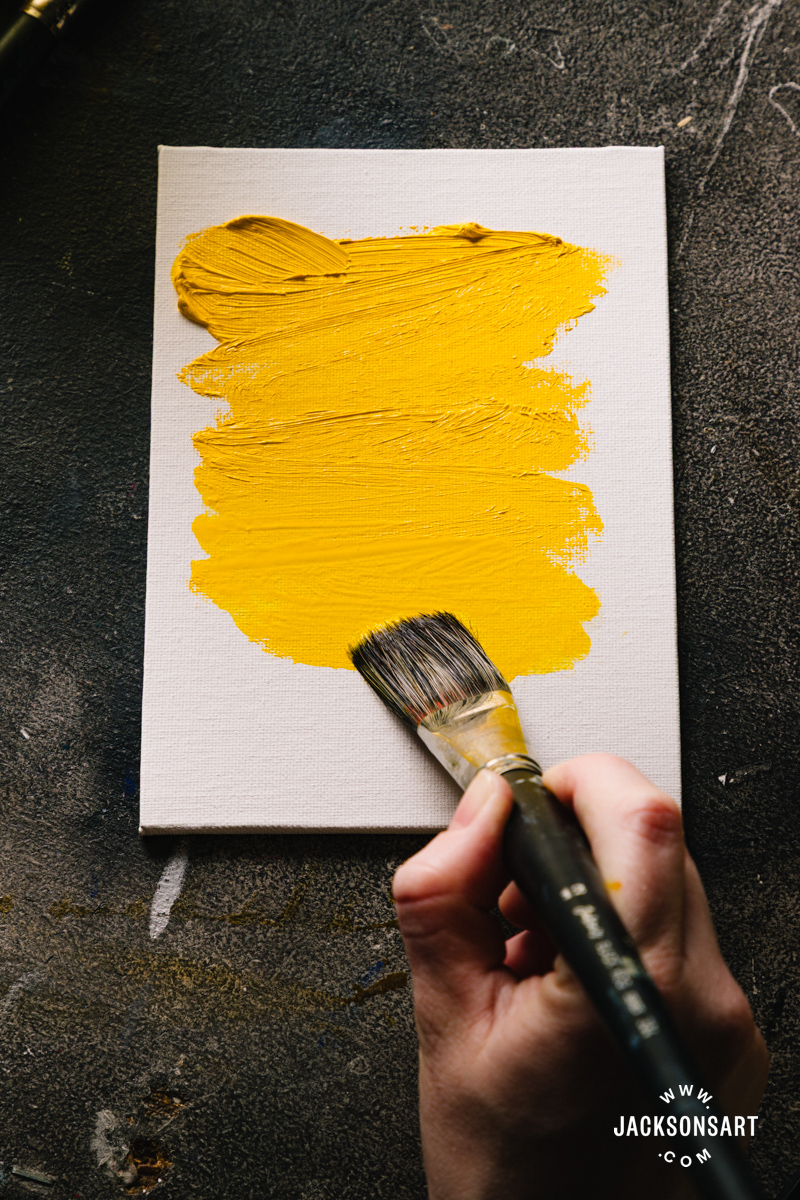
Discovered in 1817 and available to artists by the 1840s, early formulations of Cadmium Yellow could be unstable. Exposure to light and air could cause the pigment to degrade into white cadmium sulphate, leading to the colour appearing bleached. While this degradation has been observed in works by artists like Edvard Munch and Joan Miró, Van Gogh’s paintings appear to have largely avoided this issue. However, in Flowers in a Blue Vase, unstable Cadmium Yellow pigment reacted with a varnish applied by a conservator, forming a dark crust over the once vibrant yellow flowers.
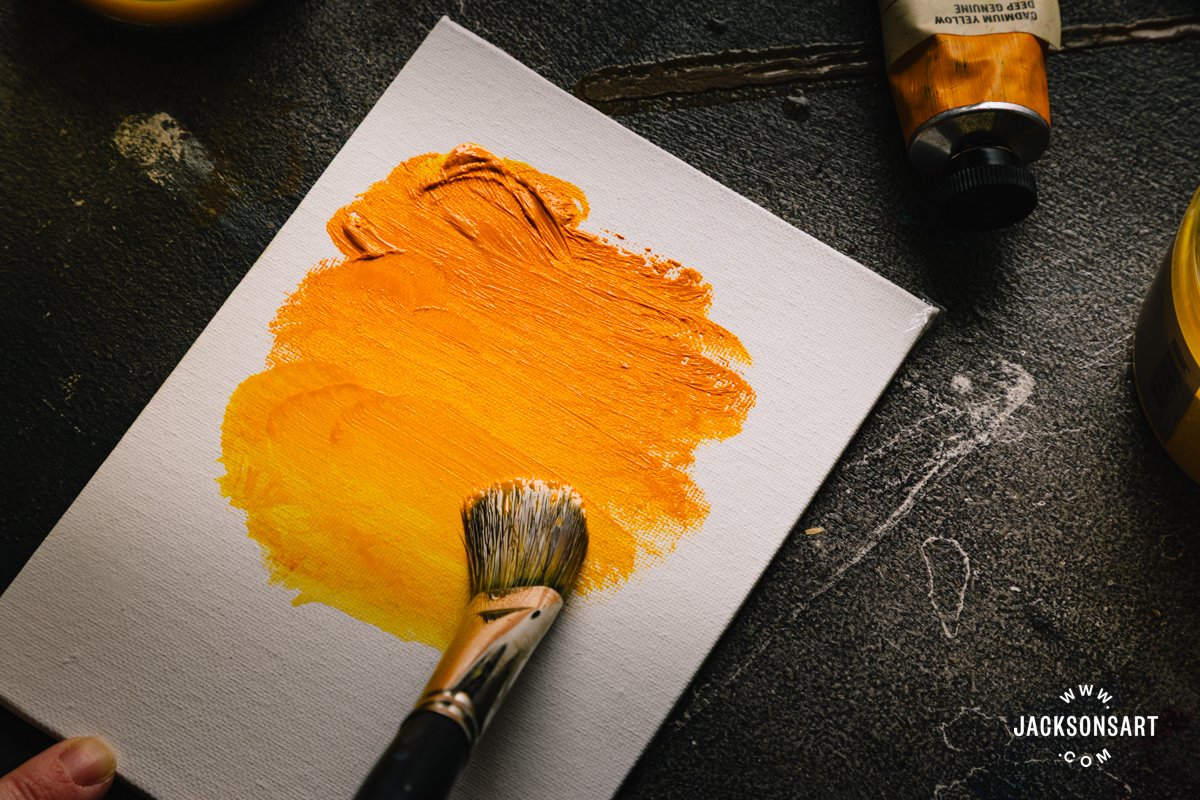
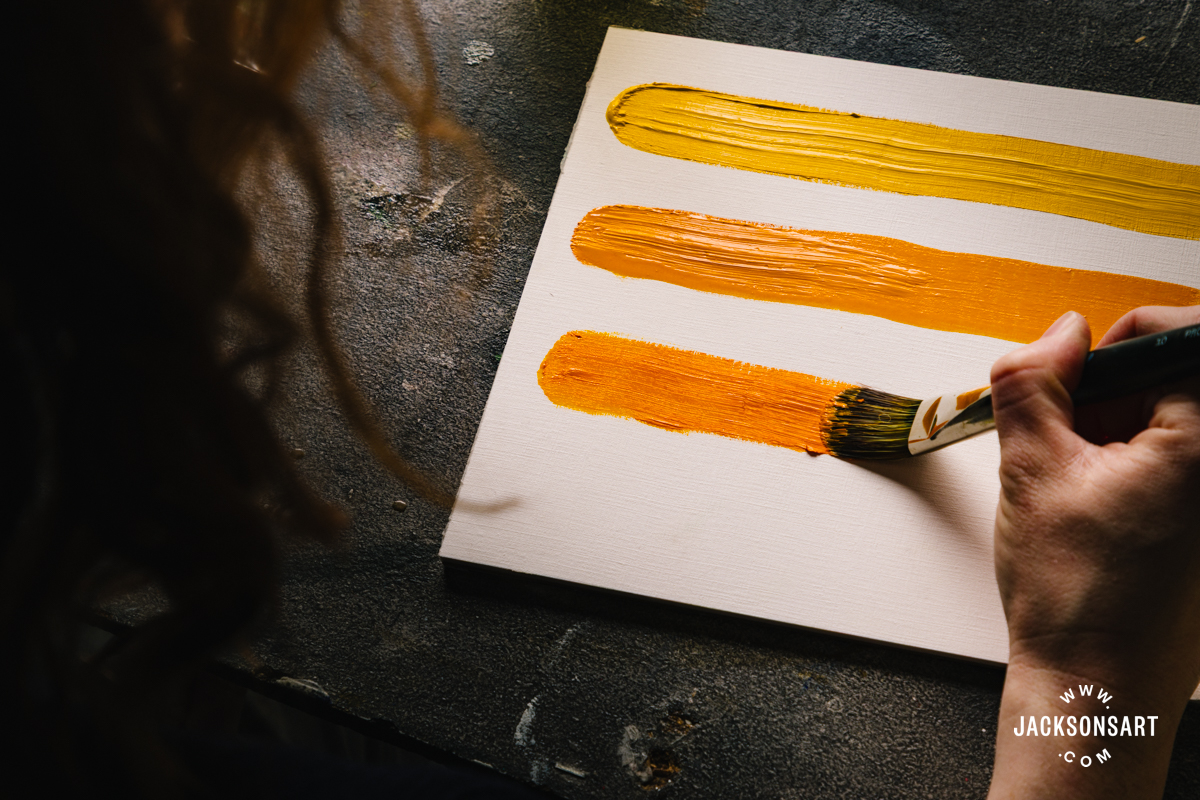
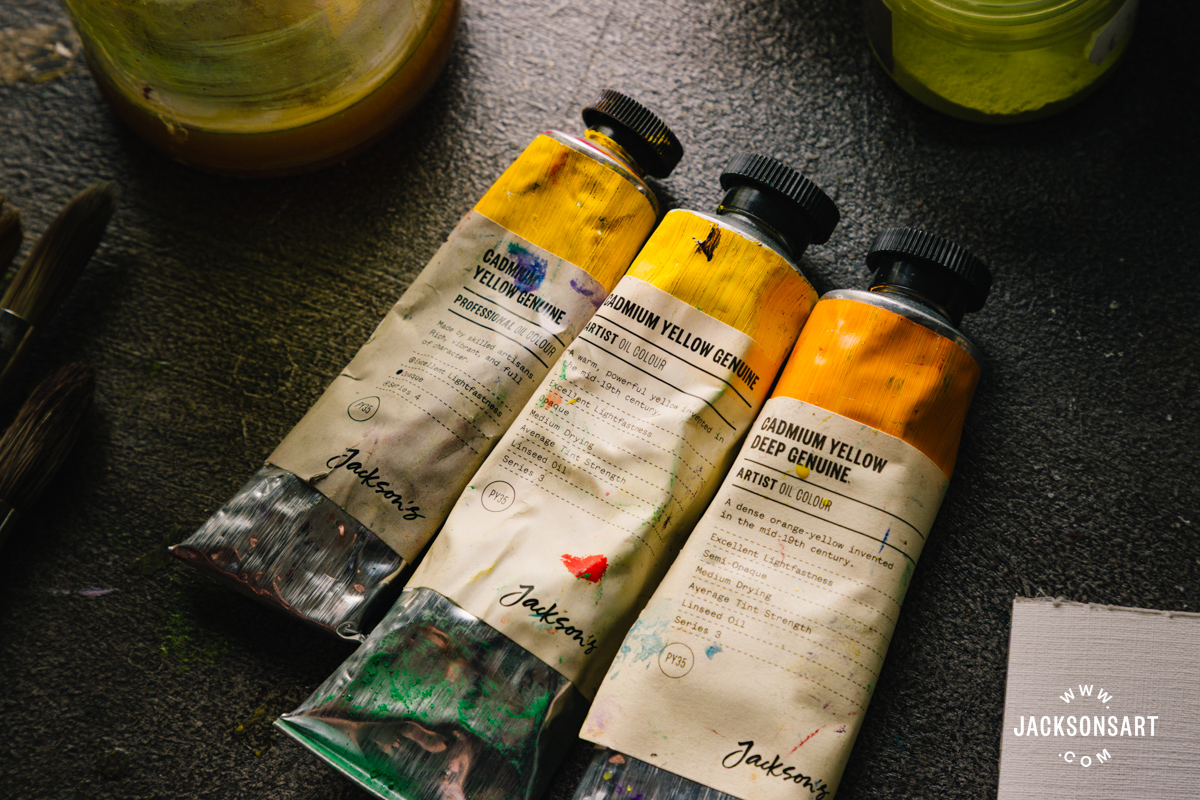
Cadmium Yellow is still used by artists today, and it provides a spectrum of shades from lemon to deep orange. However, manufacturing methods have advanced since the 19th century, so artists need not worry about the longevity of the colour.
Indian Yellow
Indian Yellow was a transparent pigment with a rich, amber hue. Historically, it was produced from the urine of cows fed on mango leaves, a practice that was discontinued in the early 20th century. Its distinctive luminosity made it particularly useful for creating glowing effects of light. This is how Van Gogh used it in his 1889 masterpiece, The Starry Night, where it provides the golden warmth in the moon and stars. Today, Indian Yellow paints are formulated with modern pigments.
Zinc Yellow
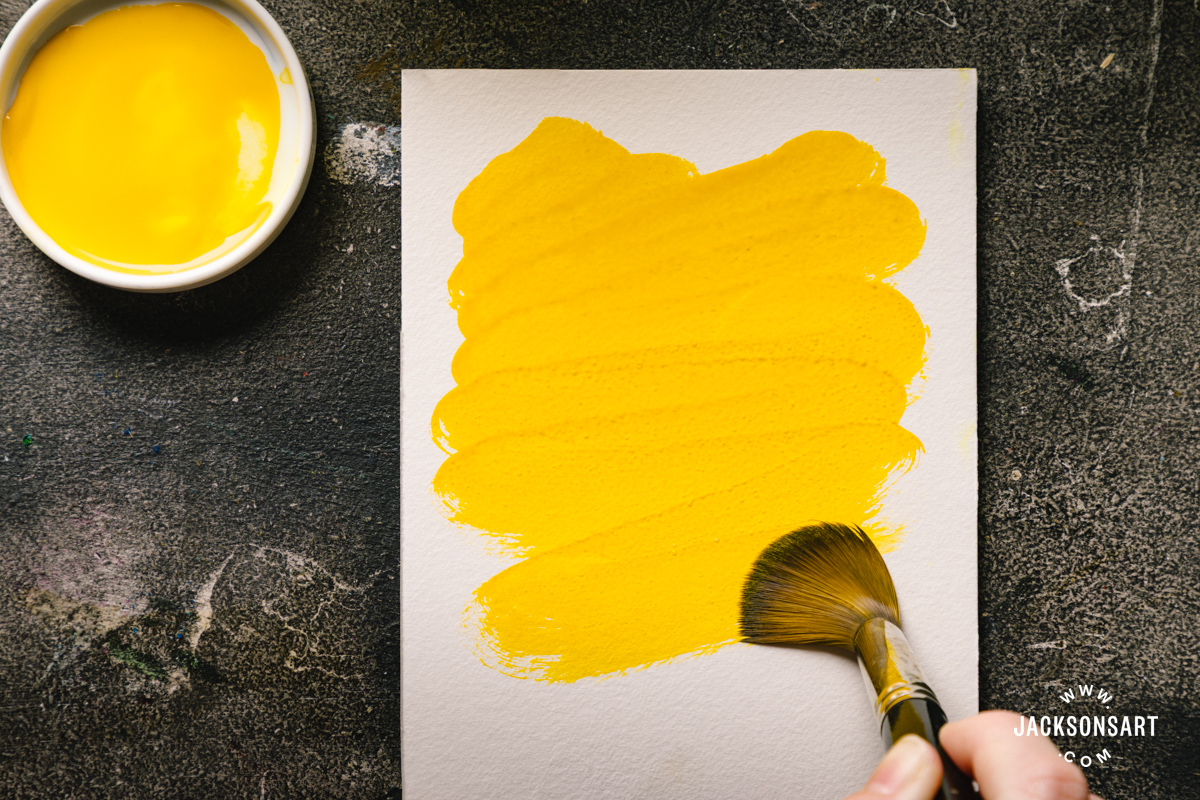
Zinc Yellow (zinc chromate) was another pigment available during Van Gogh’s lifetime, though it was more commonly used in industrial applications than fine art. It produces a cooler, slightly greenish yellow and is less saturated than Chrome or Cadmium Yellow. While not a defining pigment in Van Gogh’s palette, Zinc Yellow contributed to the range of yellow tones available to him, particularly in mixing and modulation.
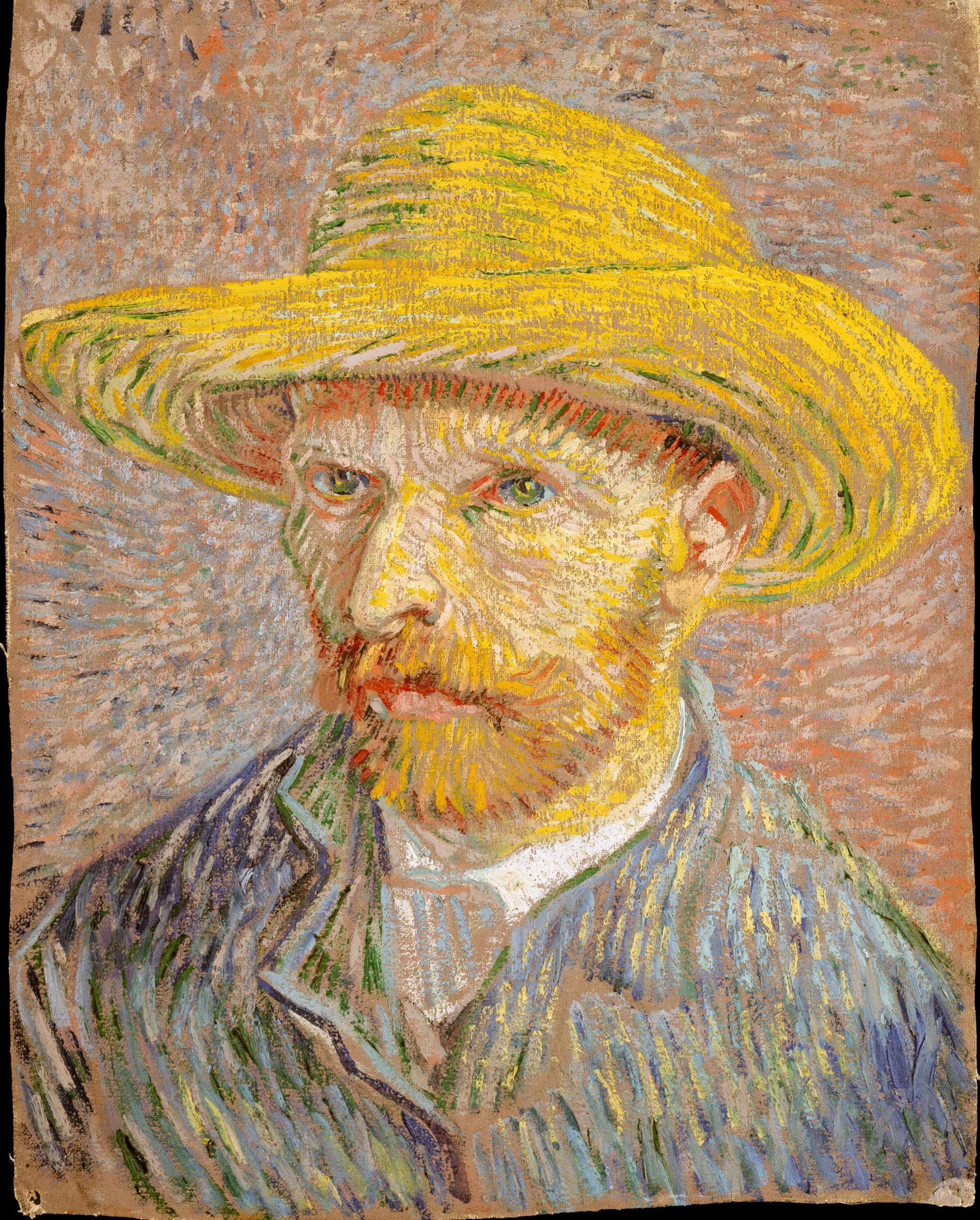
Vincent van Gogh
Oil on canvas, 40.6 x 31.8 cm | 16 x 12.5 in
The Metropolitan Museum of Art
Van Gogh’s relationship with yellow was shaped by his emotional sensibility, his evolving palette, and his engagement with colour theory. From the brilliance of Cadmium Yellow to the radiant transparency of Indian Yellow, these pigments allowed him to translate the experience of sunlight into paint.
Further Reading
Recreating Van Gogh’s Colour Palette with Modern Pigments
Cadmium Yellow: The First Modern Yellow Pigment
Recreating the Colour Palette of Claude Monet
Naples Yellow in the Palette of Édouard Manet
Shop Art Materials on jacksonsart.com


8 thoughts on “Painting with Sunshine: Van Gogh’s Yellows”
Great information… thanks.
I recall Kirk Douglas played Van Gogh in a Holywood film in the 50s/60s, where he portrayed him eating yellow tubes of paint… it was a great film. But left a sad, if incorrect impression of Vincent for the largely unread population to believe Vincent was mad. Maybe inspired the song “Starry Starry Night”. It maybe time to correct Vincent’s legacy.
Hi Joe, I haven’t seen the Kirk Douglas film- maybe that’s where the myth came from!
Thank you Evie. Really enjoyed reading your article. Thank you for highlighting the back story and meaning of the colour yellow. Van Gogh is one of my favourites.
Jan , Mid Wales.
Glad you enjoyed it, Jan!
Hi Evie. This Van Gogh article is perfect for me as I have just received my Jackson’s order of a ‘BLOCKX YELLOW’ a wonderful giant bucket of yellow in a porcelain pan which I plan to use to mix various shades of yellow. A few years ago I studied the life and works of Van Gogh and was very lucky to be able to view his vast collection of wonderful paintings at the Tate Britain. That was one ‘the’ highlights of my life! I was able to get right up close to examine his wonderful intense brush strokes of beautiful colour. Quite breathtaking. So thank you for this article which has brought back those beautiful memories as I am now very enthused to use my lovely huge Jackson pan of yellow watercolour to do my chart of various shades of yellow and will enjoy looking at Van Gogh’s paintings to get some more ideas.
His paintings are spectacular in person. There was an incredible Van Gogh exhibition at the National Gallery last year which was really difficult to get tickets for because of how popular it was. I find it so moving that his work still sells out blockbuster exhibitions (he would be stunned I think). Enjoy your yellow!
Hi
The articles you post here are very good. Thank you.
Best regards
Solmaz Jensen
https://www.artstudiosjensen.com
Thank you, Solmaz!
Comments are closed.