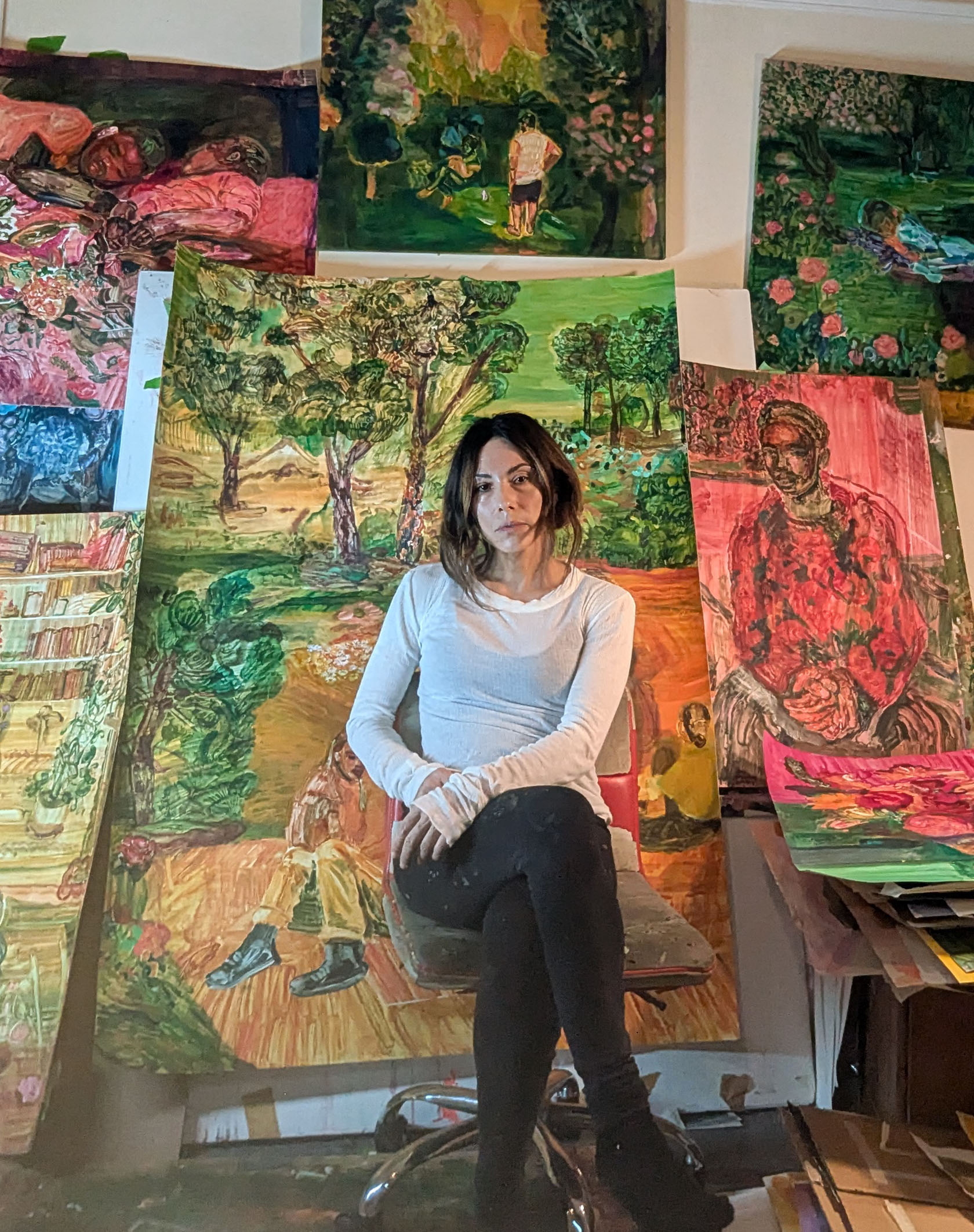
Dominika Lehocká won the Watercolour Runner Up Award in Jackson’s Art Prize this year with her work Pink Radish. In this interview, she discusses the allure of painting skin-like fabric, keeping images in her mind, and falling in love with plein air painting.
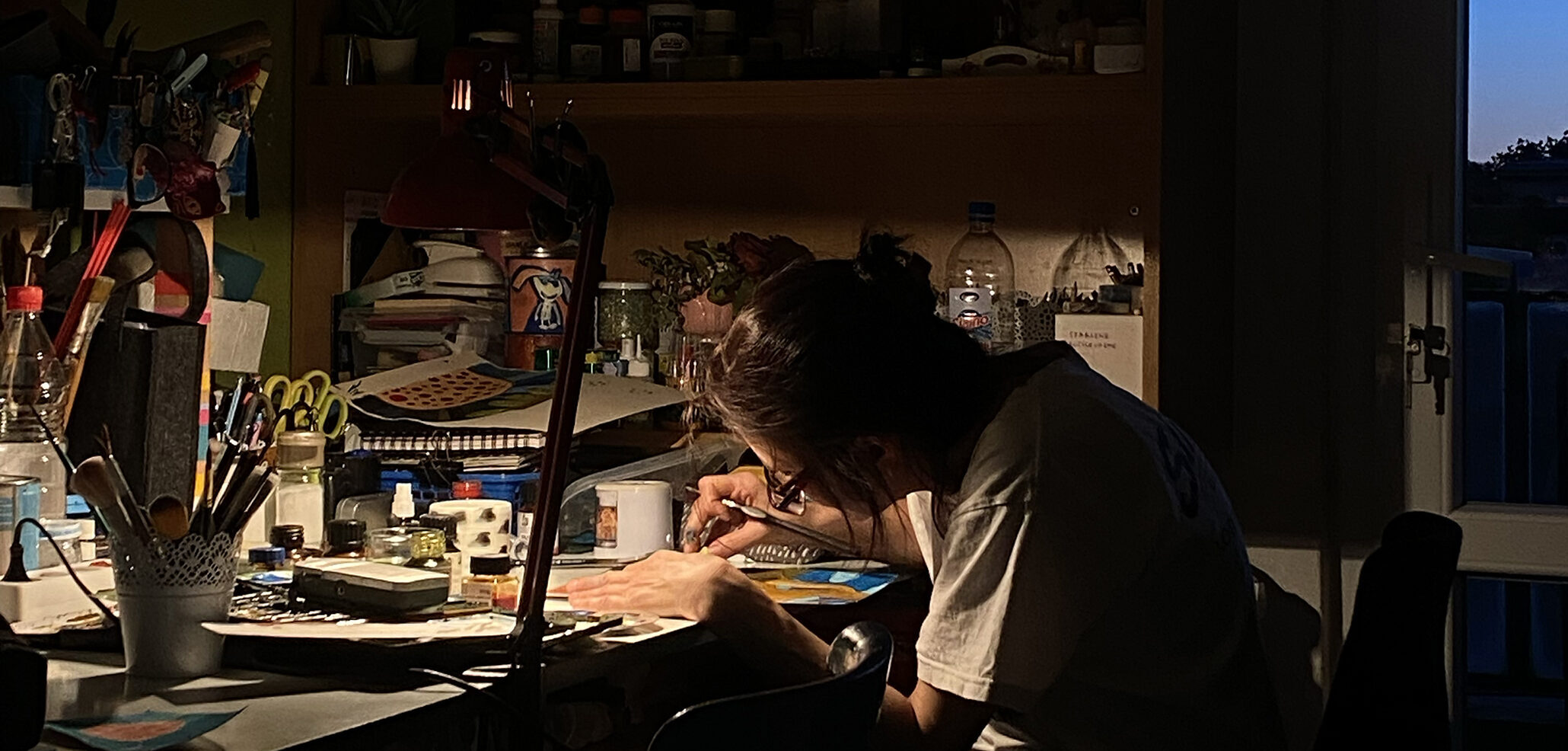
Above image: Self portrait in the studio

Watercolour on paper, 30 x 40 cm | 11.8 x 14.7 in
Josephine: Could you share the story of how you became an artist and tell us more about your artistic background?
Dominika: I have loved to draw and paint since my early childhood. Apart from fairytale books, I was fascinated by the art book collection that has always been part of my parents’ library. I remember going through the pages of The National Gallery London’s painting collection when I was really small. I couldn’t take my eyes off it!
From my first day at school until the end of high school, I attended courses at local art schools. It was an absolute dream come true when I was admitted to the University of the Arts in Zurich, in Switzerland, where I studied Fine Art. Their non-academic approach to education was very interesting and has very strongly shaped my artistic thinking.
For one semester, during my Master’s studies, I went to Wroclaw in Poland for the Erasmus exchange program, to Eugeniusz Geppert Academy of Fine Arts. It was great to taste the classical academic way of art studies this time.
I never felt like I wanted to live in Switzerland, although the possibilities for contemporary artists and an artistic life are amazing over there. So after two years in France, where art has such an important position, I returned home to Slovakia, where the situation for artists is just incomparably different. As I have studied and lived abroad, I grew up as an artist completely cut off from the Slovak contemporary art scene.
Until now, alongside doing different creative jobs, I have always tried to work as much as possible on my personal artistic growth. It feels like the most natural and important thing to me. I also would like to do artistic research, but as I have many goals and many passions, we will see what happens next. Being able to paint full-time would be a great way to start anything!
Josephine: What does a typical working day in the studio look like for you? Do you have any important routines or rituals?
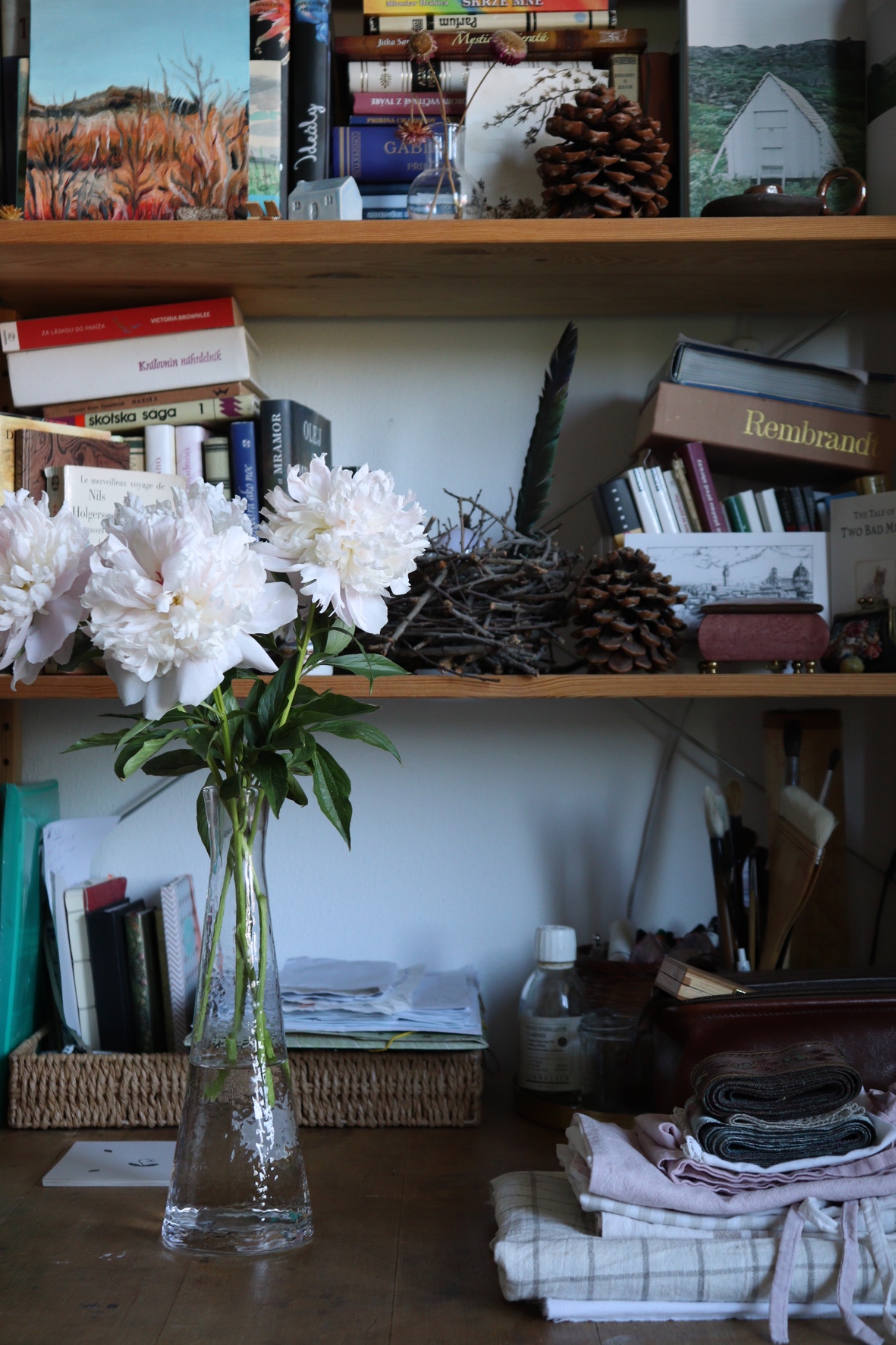
Dominika: At the moment, I don’t really have a typical working day in the studio, as I paint only when I find a time gap in the schedule of my normal daily life. Days like this are always unique. In my mind, I have a very long list of ideas and subjects that I would like to translate into paintings.
When the working day in the studio finally comes, I just take one of the subjects out of my mental list and paint it. Straight away, no sketches. As I’ve been painting almost only from life and a la prima in the last years, I only have one day(light) to make it happen, so no time to lose. I love to listen to music while painting, and I’m very much disturbed by the need to eat or to rest.
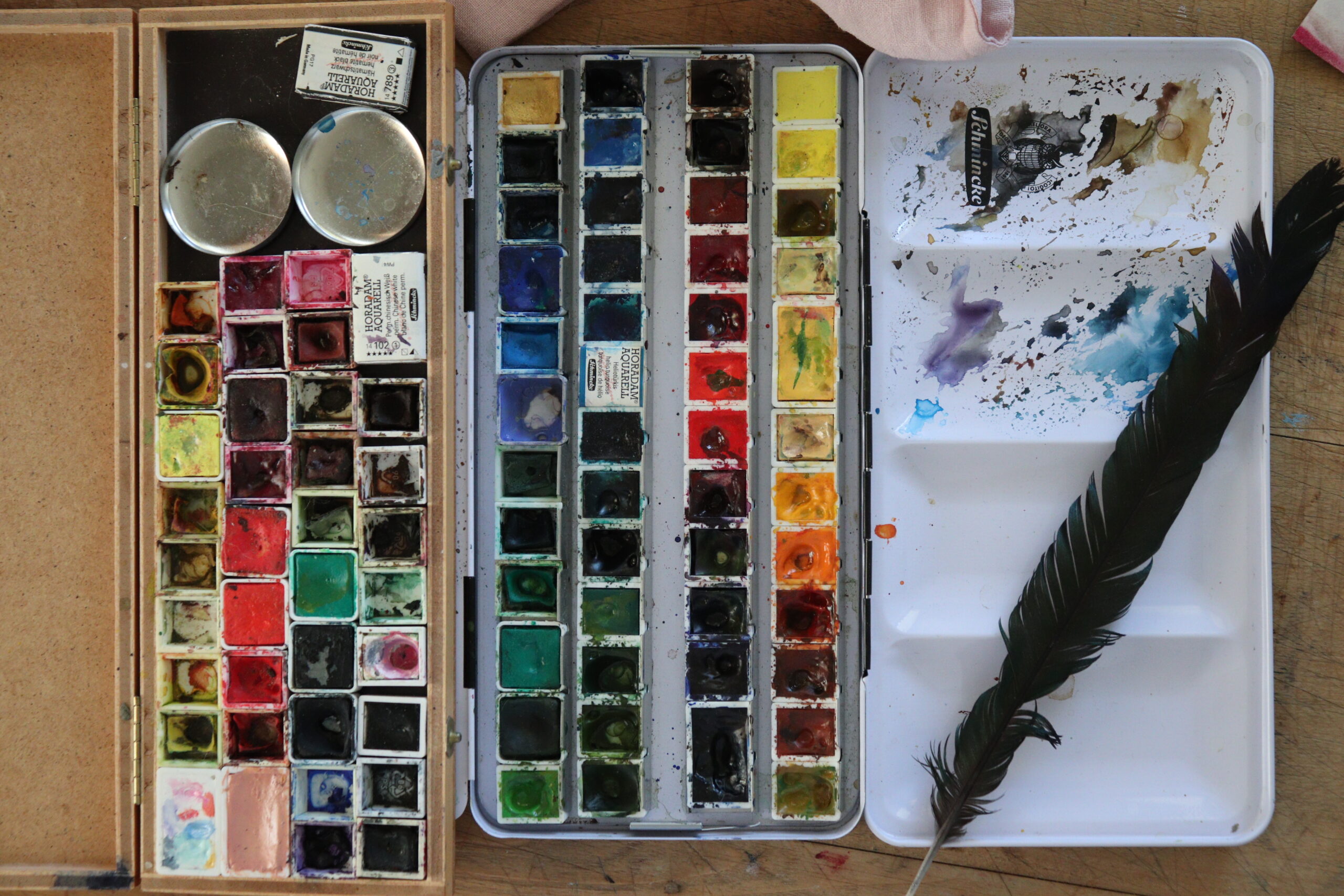
Josephine: Which materials or tools could you not live without?
Dominika: Oil colours! I love watercolours, but my true love, love at first try, will always be oil. And brushes in general. The brush feels like the most natural continuation of my fingers.
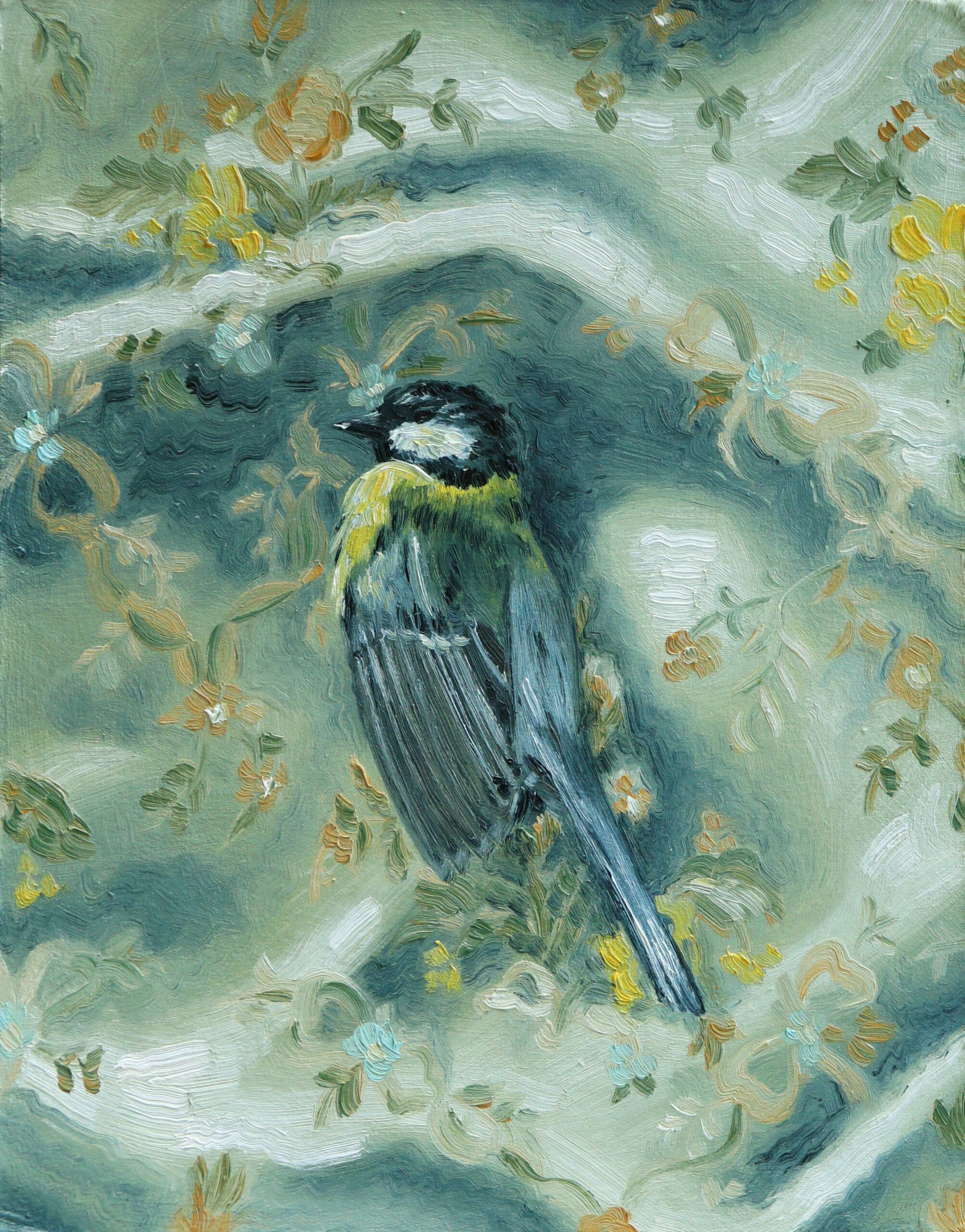
Dominika Lehoká
Oil on cardboard, 18 x 23 cm | 7 x 9 in
Josephine: Do you work from a reference? Tell us more about your process.
Dominika: I find inspiration literally everywhere. It’s often the details that catch my eye. I like to imagine touching things with my eyes, and I wish to mediate this sensation to the viewer with my paintings.
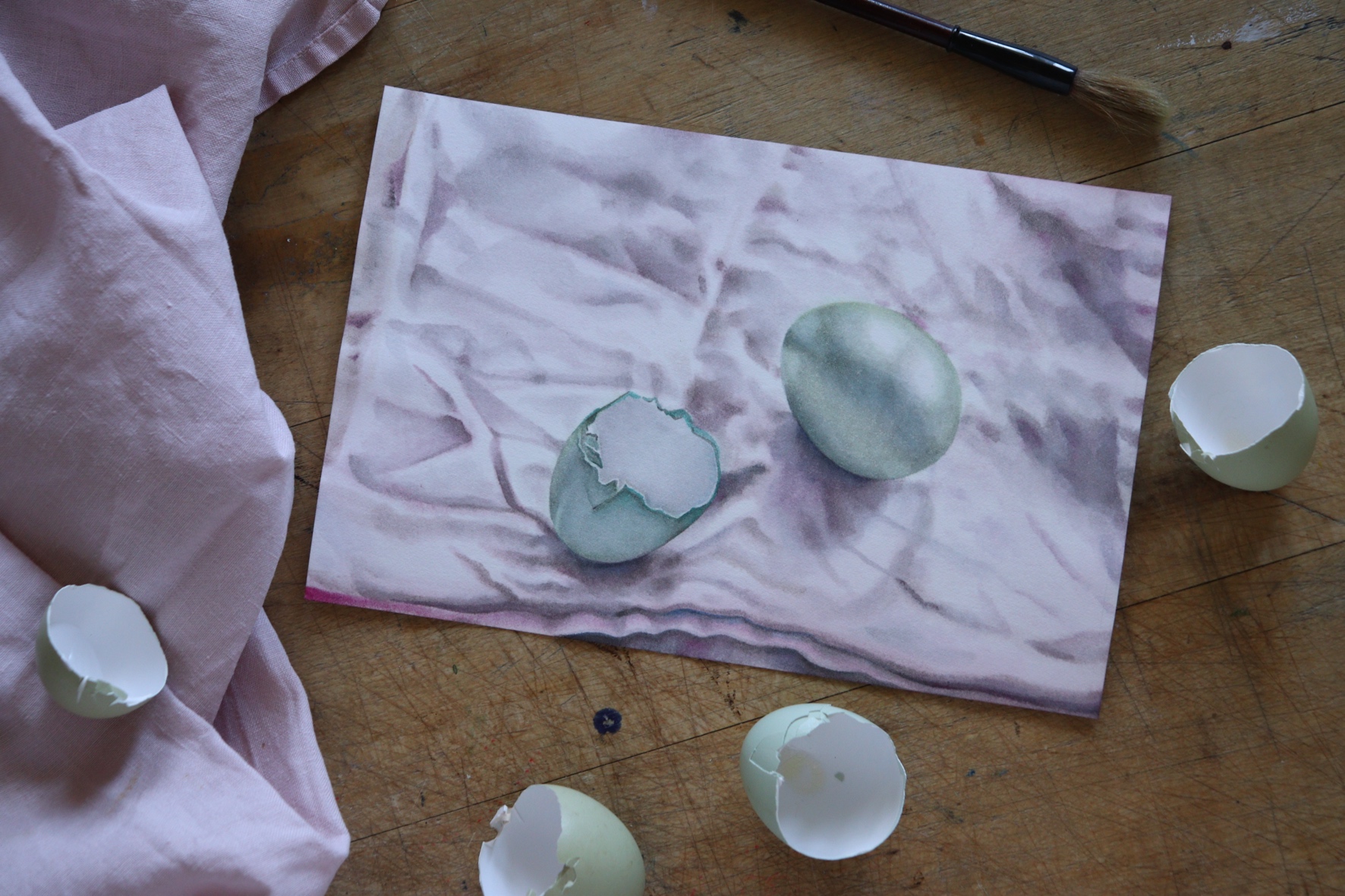
Still life is probably my favourite subject. Fabrics in particular. I like how they can easily become abstract, how they can become a landscape. How they sometimes resemble the folds of the skin, how they can feel soft and other times rough, how they wrinkle, what patterns they carry… And I try to work with all this consciously while composing a still life.
Very often, I just look around and observe. I spot something interesting, and I try to connect it with something else, so that it forms a poem or a little story. Sometimes there’s a story that leads to a picture, or a feeling that I want to express with objects and their mise en scene. My cat often takes care of my subjects when she brings me birds. I love and deeply admire these little creatures, and I always try to paint them. Visiting palaces and museums is always very inspiring for me as I love and admire their beauty. I always photograph rich details from things and fabrics that speak to me. I had a long period when I was turning these photos into paintings.
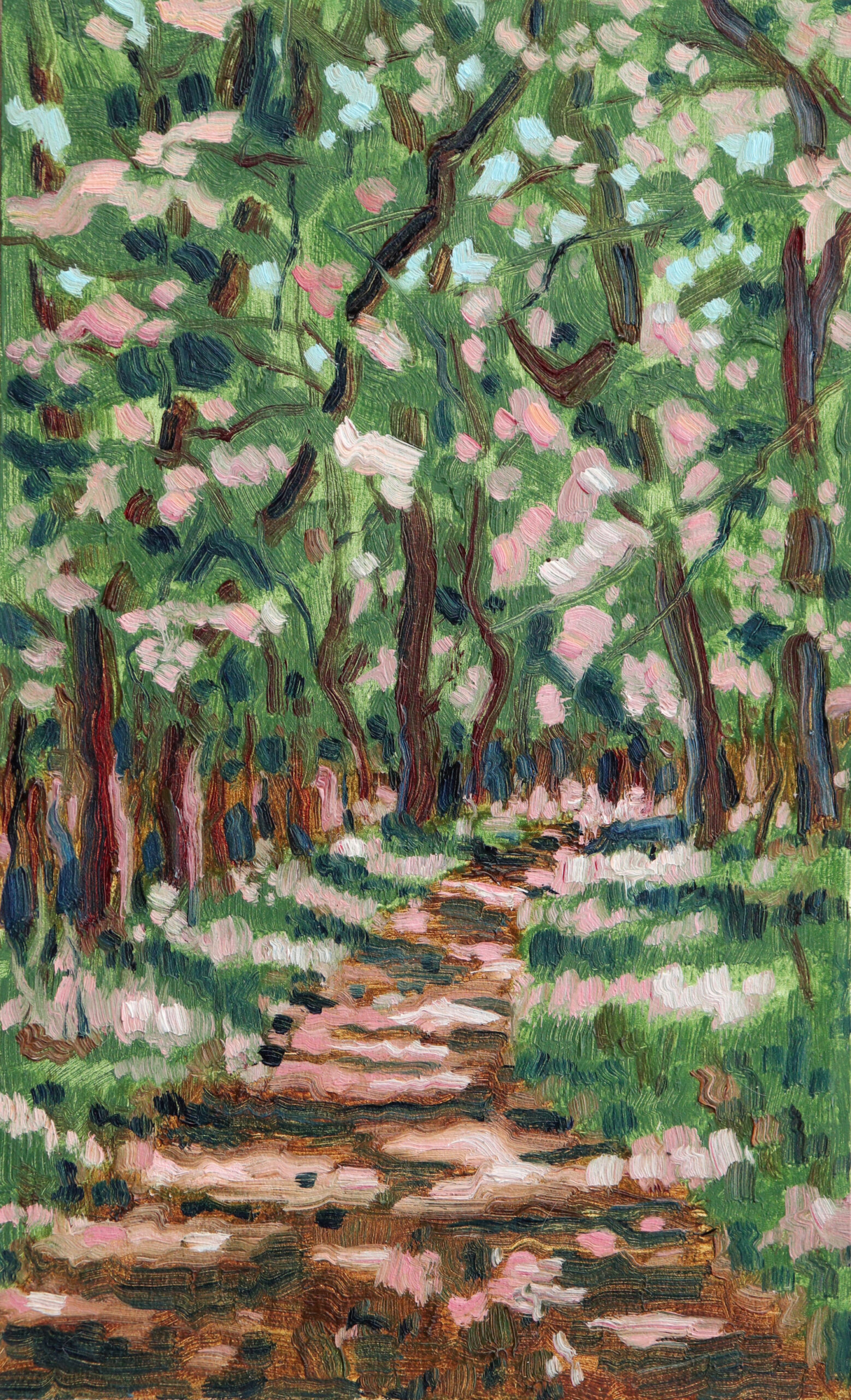
Last year, I finally tried plein air painting and definitely fell in love. It is so difficult for me to simplify everything I can see around me, all the details and textures, colours and forms. But this challenge always gives such an interesting result. These paintings are like still records of a constant movement and change, and despite their stillness, I hope they can be felt.
Dominika Lehocká
Oil on cardboard, 16 x 26 cm | 6.2 x 10.2 in
Josephine: Do you regularly draw or keep a sketchbook? If so, how does this inform your work?
Dominika: Unfortunately, I don’t. I don’t sketch at all. I admire other artists who keep sketchbooks, because they often hide valuable treasures. Above all, I love the one from David Hockney, showing the Yorkshire watercolours, which was published exactly in its original size and with all the pages, also the ones that include just written notes and scribbles. Going through these paintings feels so intimate, it is as if he shared what he saw and the way he saw it just with me, which is pretty amazing.
I tried to keep one myself many times, and many times I found out that this is just not the right form for me to keep or develop my ideas. I simply keep everything in my mind. It forms and transforms as moving, live images in front of my eyes. When the image settles, I just save it and wait for the time to make it real. Later on, in the real process, it develops and sometimes transforms, but most of it is true to my mental note. Many visions just don’t make it to reality, but it is ok, because they were finally not important enough.
Dominika Lehocká
Watercolour on hot pressed cotton rag, 24 x 16 cm | 9.4 x 6.2 in
Josephine: Have you ever had a period of stagnation in creativity? If so, what helped you overcome it?
Dominika: I did many times. As creation has always been very personal to me, it always helped me to ask myself: What would truly make me happy? What would I truly enjoy painting? This question has always led me back to the light.
Josephine: Are there any specific artists or mentors who have inspired you?
Dominika: There are so many of them. I admire medieval art as I saw it as illustrations from children’s books when I was small. I still have this connection, and I like to see these paintings as fairytales until now. I admire paintings from 17th-century Holland and the Italian Baroque. The recent and contemporary artists that I like include: Vilhelm Hammershoi, Henri Fantin Latour, Emily Dickinson, Mark Rothko, Reidun Tordhol, Lauren Jones, and Kevin Foote, to name just a few.
Josephine: What were you thinking about or exploring at the time you made Pink Radish? What inspired it, and how did it come to be?
Dominika: The way it came to be was very poetic and very unexpected. I love gardening in general, and I’m very lucky to be able to grow my own vegetables and flowers. This passion I share with my father. One late autumn day, he brought me a particular couple of radishes from his harvest, pointing out their unique colour. Indeed, when I cut it, the white-yellow and slightly green skin revealed a pink watercolour-like heart, dissolving into the white flesh. The first one didn’t make it to the painting as it was eaten in a salad, but I knew that the other one had to be painted!
I have admired the watercolours of Helen Ström for a long time already. With this radish, I wanted to try something new for myself. The incredible softness in forms and shades of Helen’s paintings was my goal. Naturally, I chose a wet-on-wet approach, which I have little experience with. And then the magic just happened. I enjoyed the process so much, the particular colours and shades of the subject, and the softness I was somehow able to achieve.
I was so surprised by the result myself that I continued painting other fruits and vegetables, out of fascination, of course. But also to be sure that I could reproduce this way of painting that was so new and interesting to me. Every new painting was a challenge with no guarantee of a good result, but every time it was a journey full of surprises and also sufferings that I enjoyed. As I’m not good at keeping sketchbooks, I’m also not successful in producing series, although I would really like to develop this one. Let’s see!
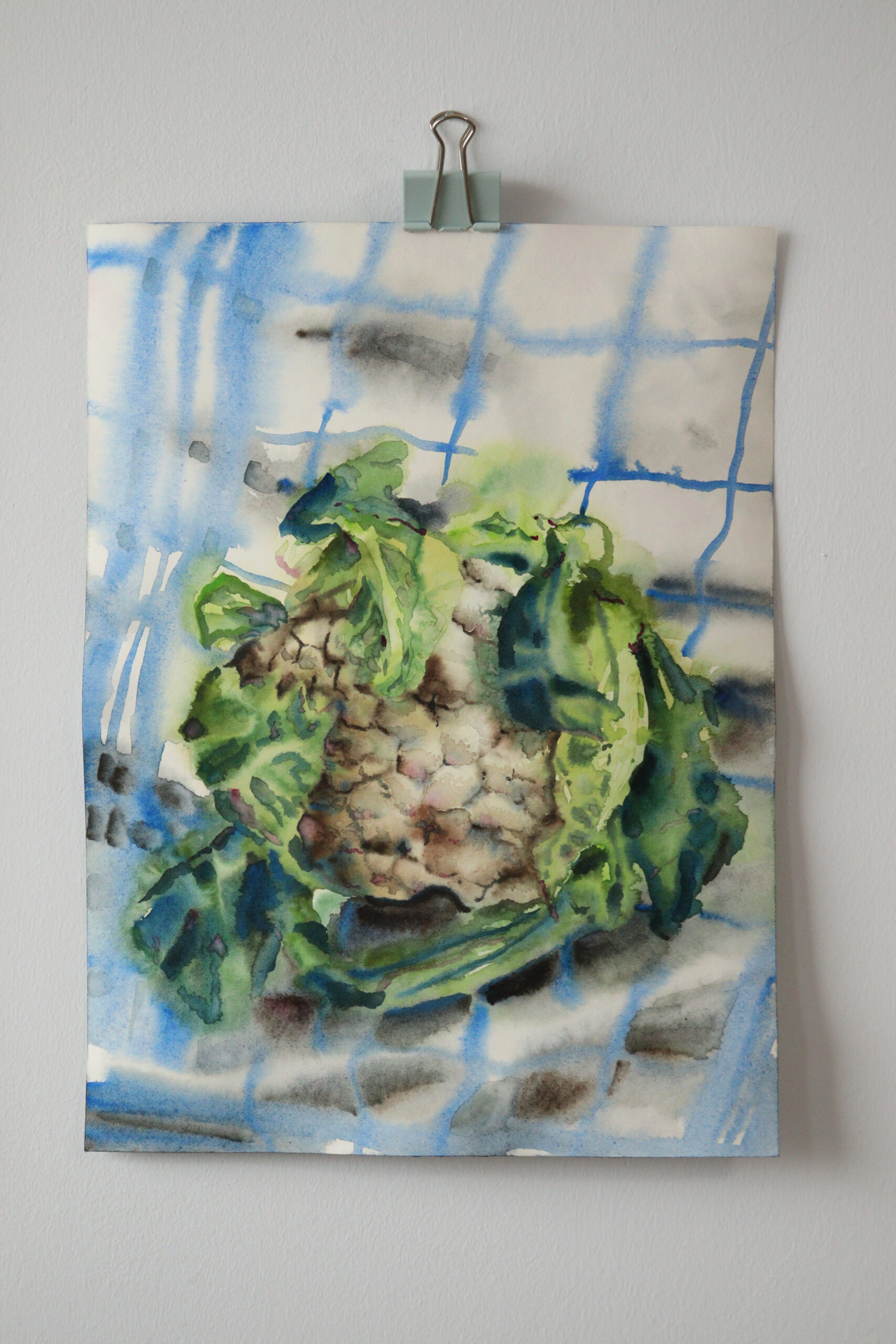
Dominika Lehocká
Watercolour on paper, 30 x 40 cm | 11.8 x 15.7 in
Josephine: What made you submit this piece to Jackson’s Art Prize?
Dominika: I just felt that there’s something really interesting happening in this painting and I was wondering if others might feel it this way too.
Josephine: How long does a piece like this take you to finish?
Dominika: I can’t tell exactly, as when I’m painting, I’m completely immersed in the process and lose the notion of time. To me it feels fast. I would say about two/three hours, and then at least one hour of going away and coming back to see it with fresh eyes and mind, and to do the final touches.
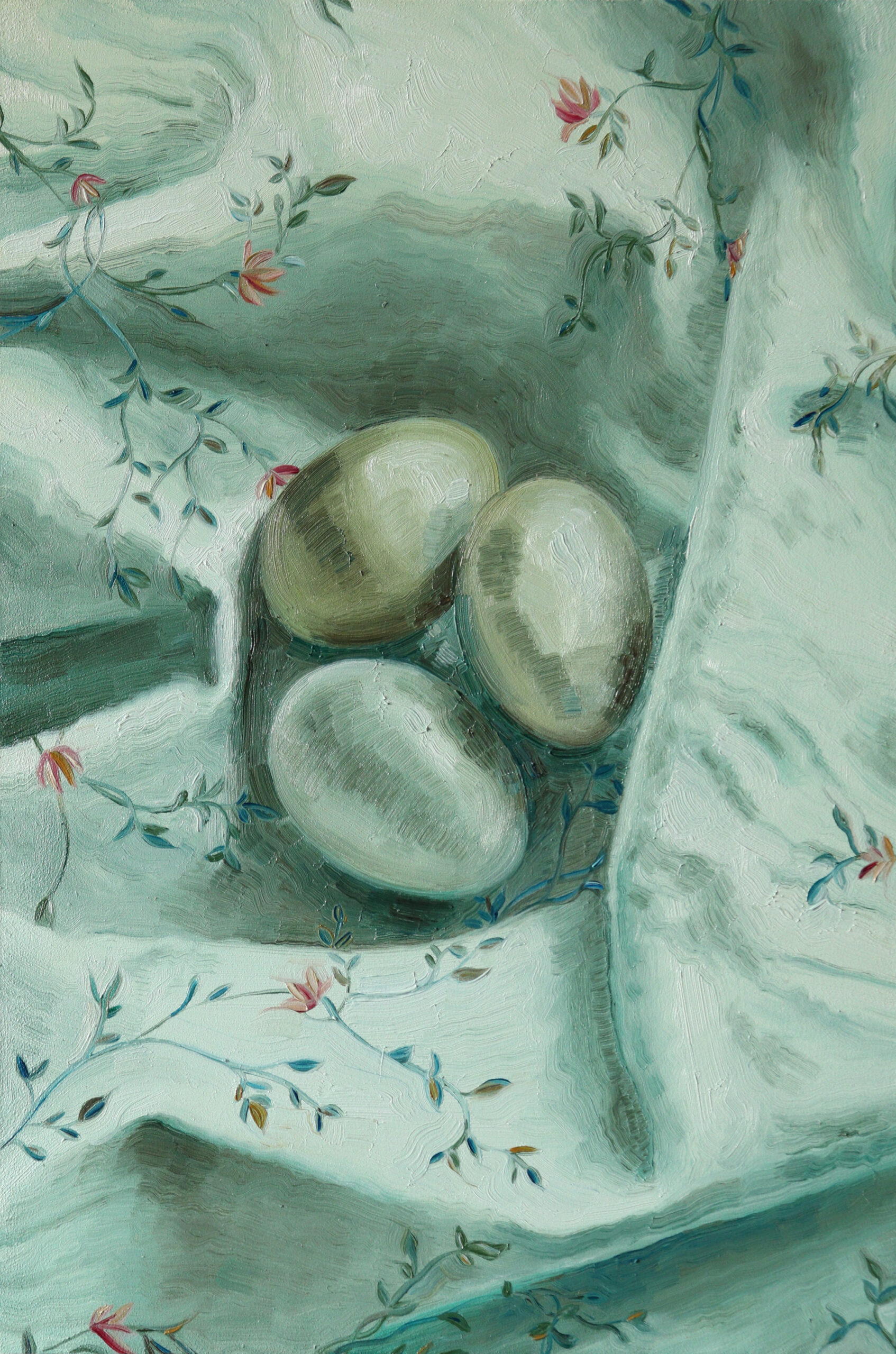
Dominika Lehocká
Oil on wood panel, 20 x 30 cm | 7.8 x 11.8 in
Josephine: Were there any particular challenges in this piece that you overcame, or new techniques you learned?
Dominika: It was a rollercoaster! The challenge was to keep the paper fully wet as long as possible, but once the surface was painted, I couldn’t simply add more water, as I would erase it. So I needed to paint everything at the same time and jump from one spot to another while checking the forms and shades and colours and composition and reality versus the painting, which needed all my concentration. But in the end, it was great! I again learned that not being able to have things fully under control can bring wonderful results.
Josephine: Are there any new techniques or ideas you’re excited to explore using the materials from your prize?
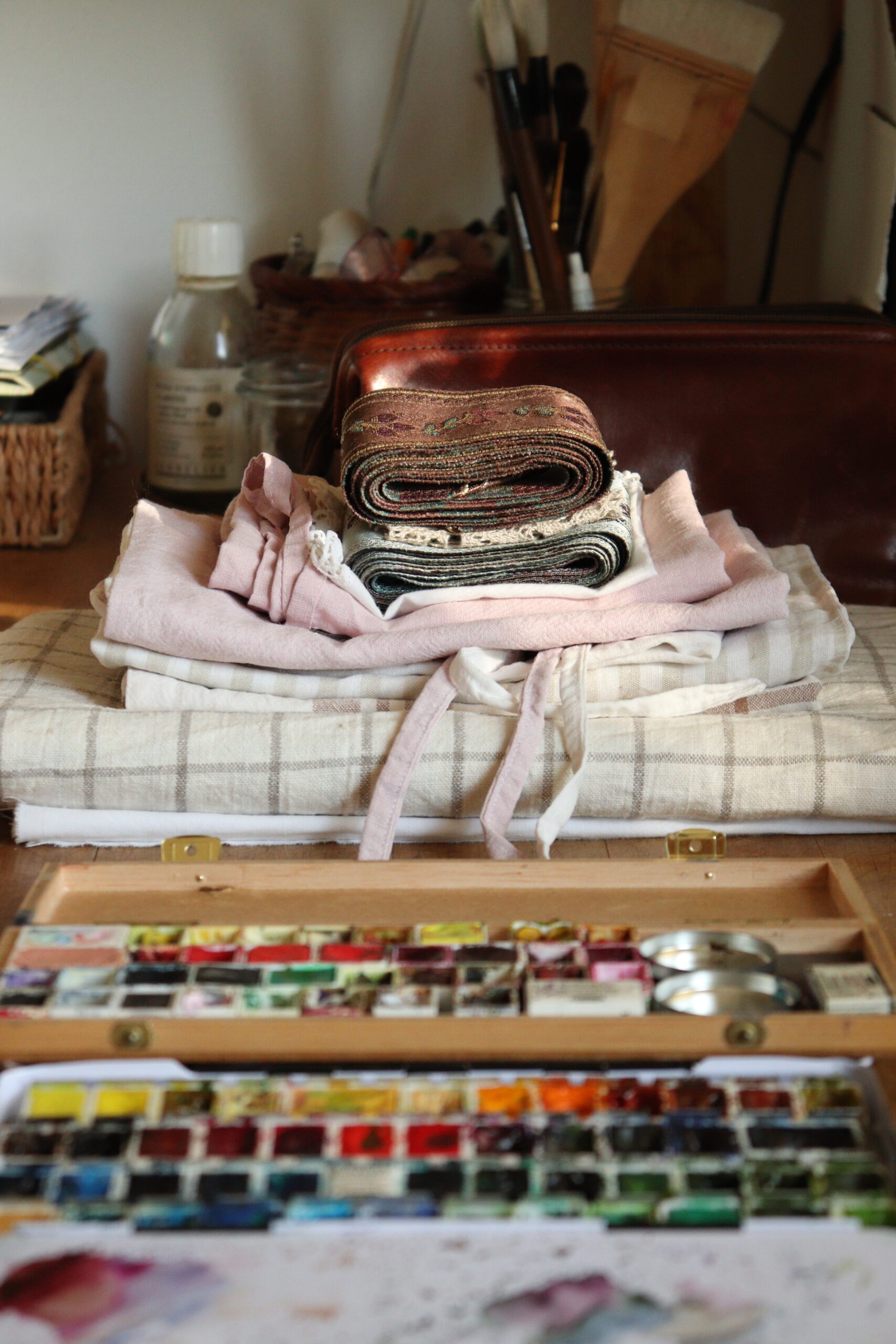
Dominika: It feels like I will have enough materials to paint with for the rest of my life, and I’m very thankful for it! I’m very excited to try new shades and to observe how a change of a single pigment will affect every other colour and then the whole picture. Also, I’m curious to study the particularities of each pigment. And I’m looking forward to enlarge/alternate my colour vocabulary.
Josephine: How did it feel to move through the stages of the competition and win the Watercolour Runner Up Award?
Dominika: Every stage felt like a totally unexpected surprise. I felt so honoured and so amazed that my tiny, humble pink radish made it to the shortlist among so many other wonderful works. For me, there was nothing better than being included in the exhibition. When I found out that I won a prize, it felt like a dream.
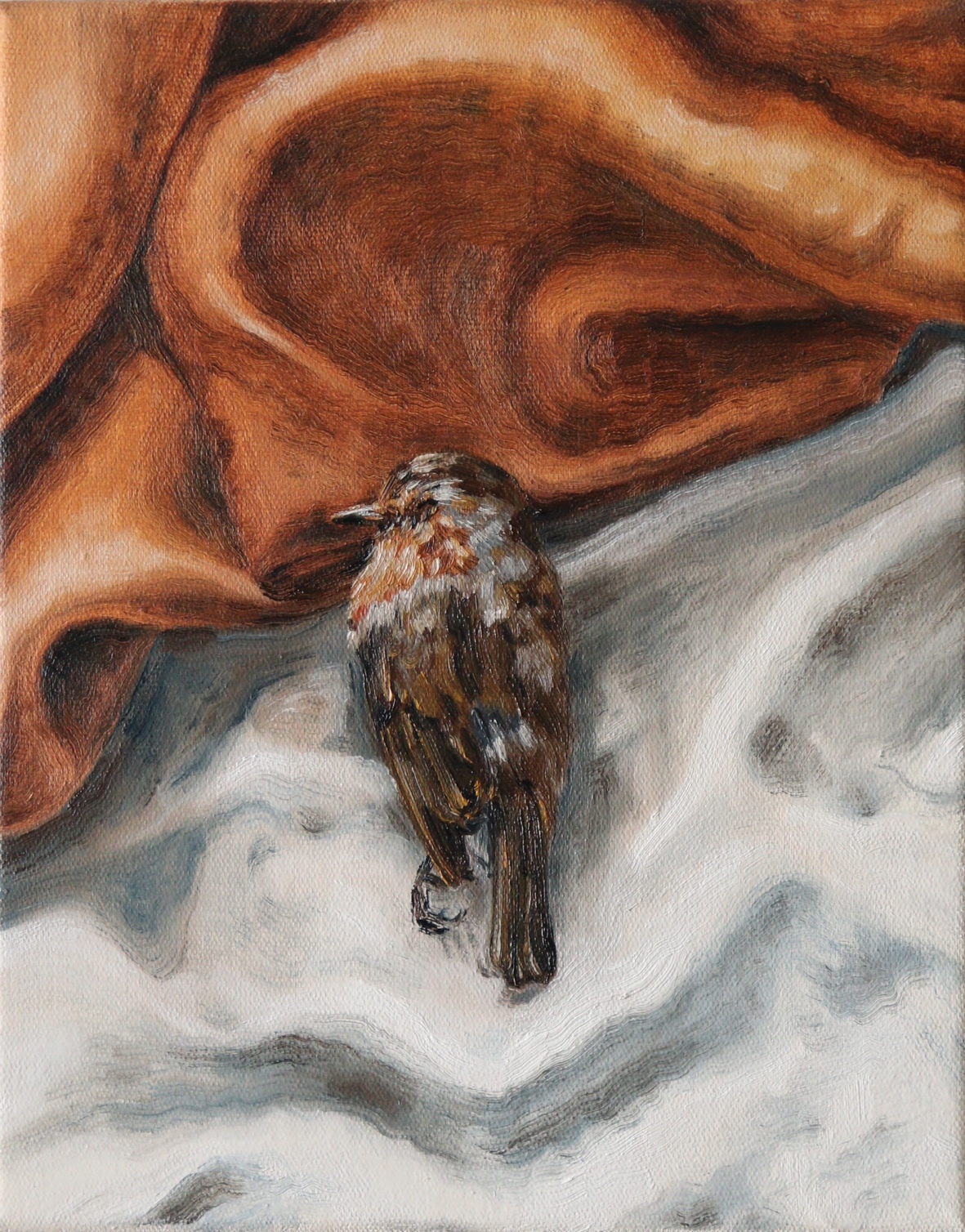
Dominika Lehocká
Oil on canvas, 20 x 25 cm | 7.8 x 9.8 in
Josephine: What’s coming up next for you?
Dominika: I really don’t know. Hopefully a lot of painting adventures. There’s nothing particular from the artistic point of view in front of me in the near future, except having now a really good reason to visit my friend in London to attend the Jackson’s art prize exhibition, which I’m incredibly excited about! I will just continue dreaming big and hoping that the essence of it comes true!
Further Reading
Jackson’s Art Prize 2026 First Prize Winner Announced
Meet Eleanor Johnson, Winner of Jackson’s Art Prize 2025
How We Collaborate With Artists
Expert Advice on Making Your Way as an Artist
Shop Watercolour Painting on jacksonsart.com