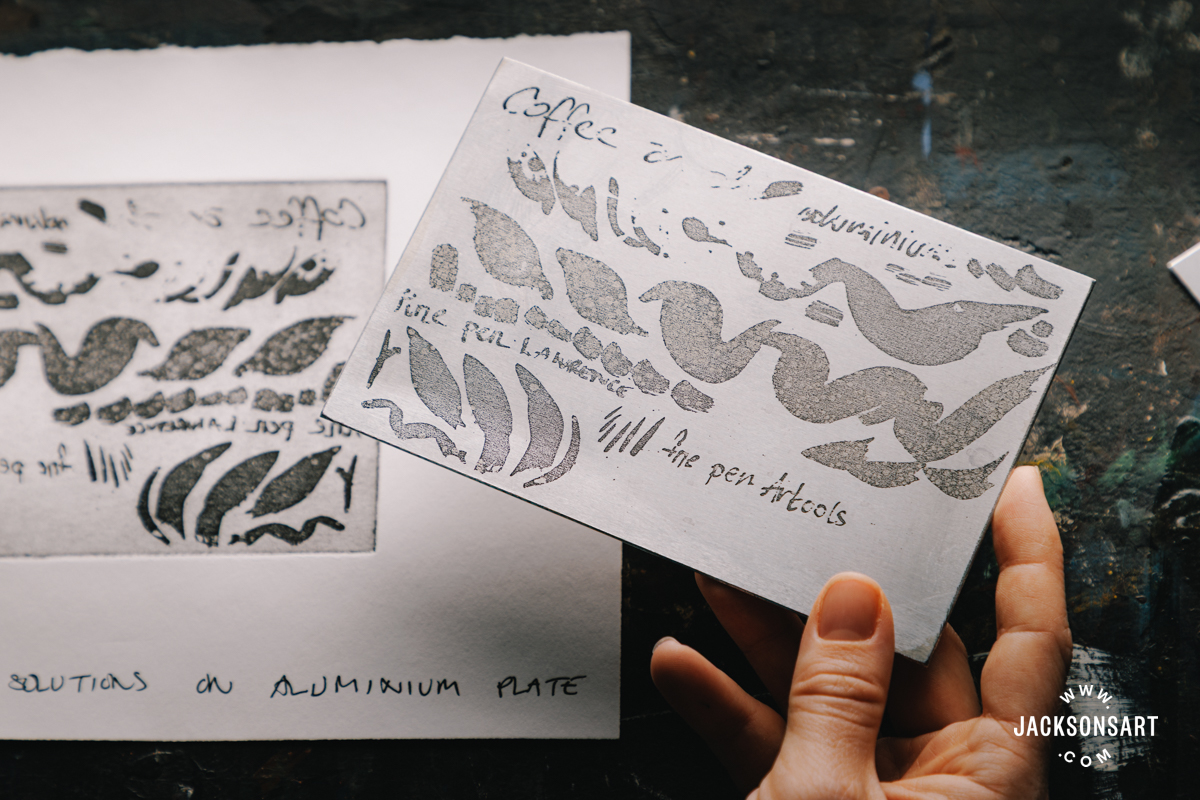
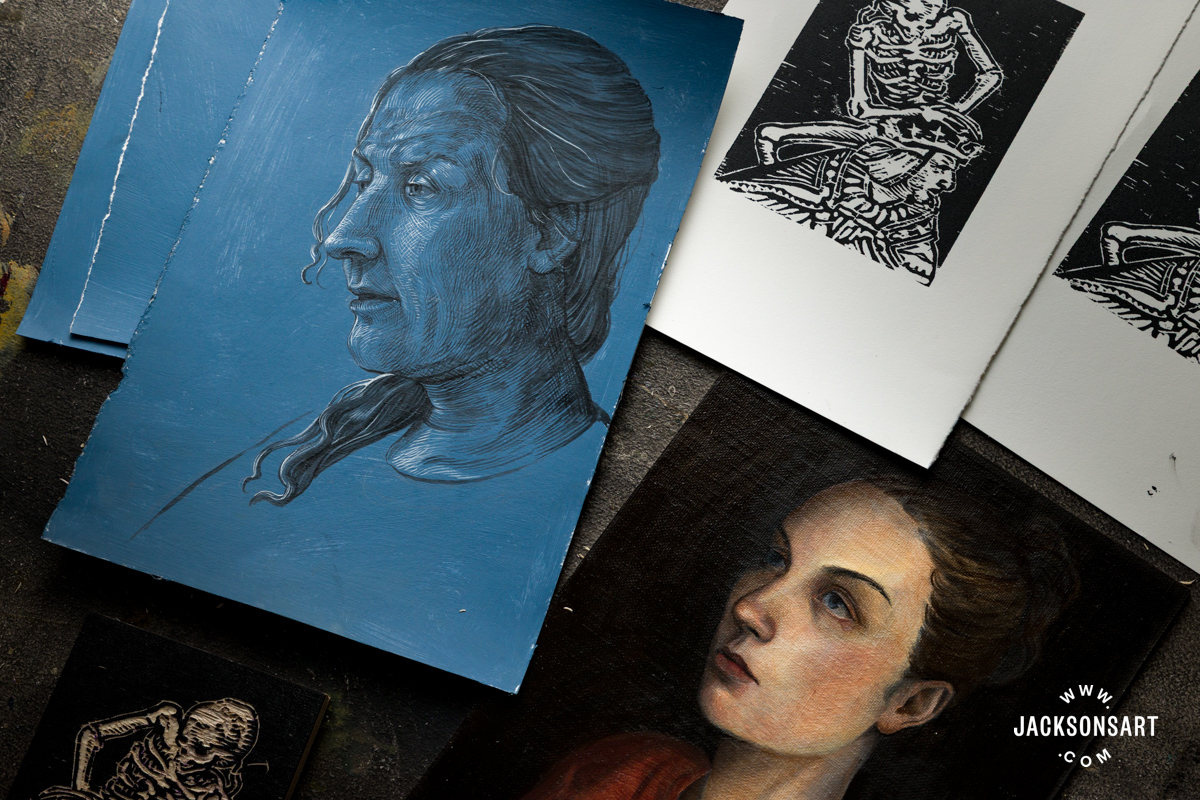
This April 24th – 27th the Royal Academy will host the London Original Print Fair for it’s 29th year. With 50 stands occupied by galleries across the globe, the fair is a unique opportunity for visitors to view the widest range of work – from early renaissance woodcuts to computer generated digital prints from recent graduates. Each stand is manned by gallerists and experts in the field so it is also the perfect occasion to find out more about printmaking processes, as well as seek advice on how to begin an art collection. As prints are usually produced in editions they tend to be less expensive than other art forms such as painting, so it is a great way to acquire works of art without necessarily breaking the bank. Plus many of the stands will also have work in browsers as well as on the wall and you never know what hidden gems you might find!
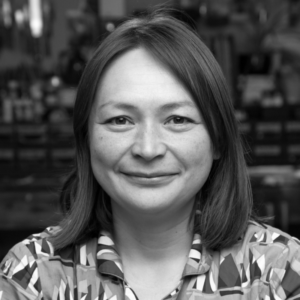
Helen Rosslyn is Director of the London Original Print Fair, and has worked for the fair since 1987. Helen previously worked in the Print Department at Christie’s. We asked her a few questions about printmaking and this exciting event.
Lisa: Why did you start the Print Fair?
Helen: The Print Fair was started in 1885 by a group of 16 print dealers who wanted to show that prints can be original works of art just as much as paintings, hence the name London Original Print Fair.
Lisa: Do you think original prints are a dying art form?
Helen: Quite the opposite actually. If you take the current definition of an ‘original print’ to mean a work of art that has always been conceived by the artist as a print (as opposed to a reproduction of a work in another medium) the huge technological advances in recent years have really broadened the scope and the appeal of printmaking, encouraging new artists to experiment with all kinds of techniques. David Hockney is a great example; a master of both etching and lithography, he is never afraid to embrace the latest technology in his work – like the fax or the iPad.
Lisa: Which new printmakers should we look out for at this year’s art fair?
Helen: The new prints hot off the press by Leda Catunda and Andrzej Jackowski look exciting and Royal Academician Humphrey Ocean has just made his first prints, so I am looking forward to seeing those. But the real thrill for me is seeing all the gems that the exhibitors have been saving up to bring to the Fair.
Lisa: What is it about a good print that excites you?
Helen: The prints that excite me the most are those where you can really see the process, where an artist uses the relationship between ink and paper to coax out an image and then adds the extra dimension of passing it through a press.
Lisa: Do you have any thoughts on the growing popularity of the giclee print?
Helen: I just think it is very important that prints are properly labelled, so that people know whether they are buying an original print or a giclee reproduction. You can take great reassurance from buying at a reputable Fair and my best piece of advice is never be afraid to ask lots of questions.
Lisa: If you could own any original print in the world, what would you choose and why?
Helen: Depending on my mood I might choose a little Rembrandt etching or a powerful Munch woodcut, both of which would be in my top ten, but I think I could happily live with a Degas monotype whatever mood I’m in.
LOPF Competition!
If you could own any original print in the world, what would you choose and why?
Post your answer in the comments box below by 5pm Tuesday April 22nd and our 5 favourite answers will receive complementary tickets for 2 to the London Original Print Fair + Young Collector’s Evening event, this Friday 25th April.
The London Original Print Fair runs from 24th – 27th April at the Royal Academy of Arts, Piccadilly.