



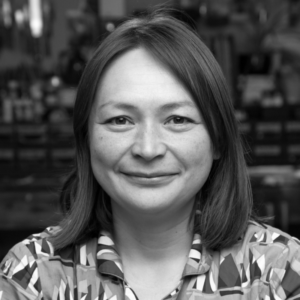
Urban Sketching is the art of getting out of doors and exploring the city around you, capturing the energy, dynamism or grace and elegance of an urban environment. Urban sketching has a large and dedicated following, with plenty of blogs, forums and communities that come together both in the flesh as well as online to share in the joys and exhilaration of capturing an urban landscape in a sketchbook. One such urban sketcher is Simone Ridyard, a trained architect who is now a passionate urban sketcher. Her book ‘Archisketcher’ breaks down the concepts that lay behind urban sketching and offers ideas and approaches that other artists might like to try.
Archisketcher by Simone Ridyard is divided into 6 sections: Composition, Choosing an Approach, Perspective, Colour, Viewpoints and Resources. Within each section there is a general overview before the author goes into considering a number of aspects within the subject. The tone of the writing is consistently informal, unintimidating and conversational, yet always confidently knowledgeable and passionate about the subject.

This is not a How-to Guide, but more a book of inspirational ideas and examples to make you think about what you’d like to draw, and how you might like to draw it. Ridyard is never interested in guiding you through ‘how you would draw a church’ or any other building; in fact she repeatedly states and illustrates the important point that there are infinite ways to draw any subject matter, and that what is key is finding a way that suits how you work. And for this reason I find this book really inspiring.

The meat of the book deals with the nuts and bolts of picture making in a very clear and logical way. The sections are titled Composition, choosing an Approach, Perspective, Colour and Viewpoints, and each section begins with a clear overview of the chapter; definitions, advice on how to start thinking about the particular aspect of picture making in question and examples of work with explanations on how an artist has dealt the concept.

I really like these pages because they whet the appetite and are very effective in inviting you to start thinking about your own work and how you might play around with how you approach it. The pages that follow deal with elements within the subject; for example the chapter ‘Choosing An Approach’ deals with concepts including ‘using rhythms’, ‘marks, shapes and lines’, ‘mood’ and ‘negative space’.
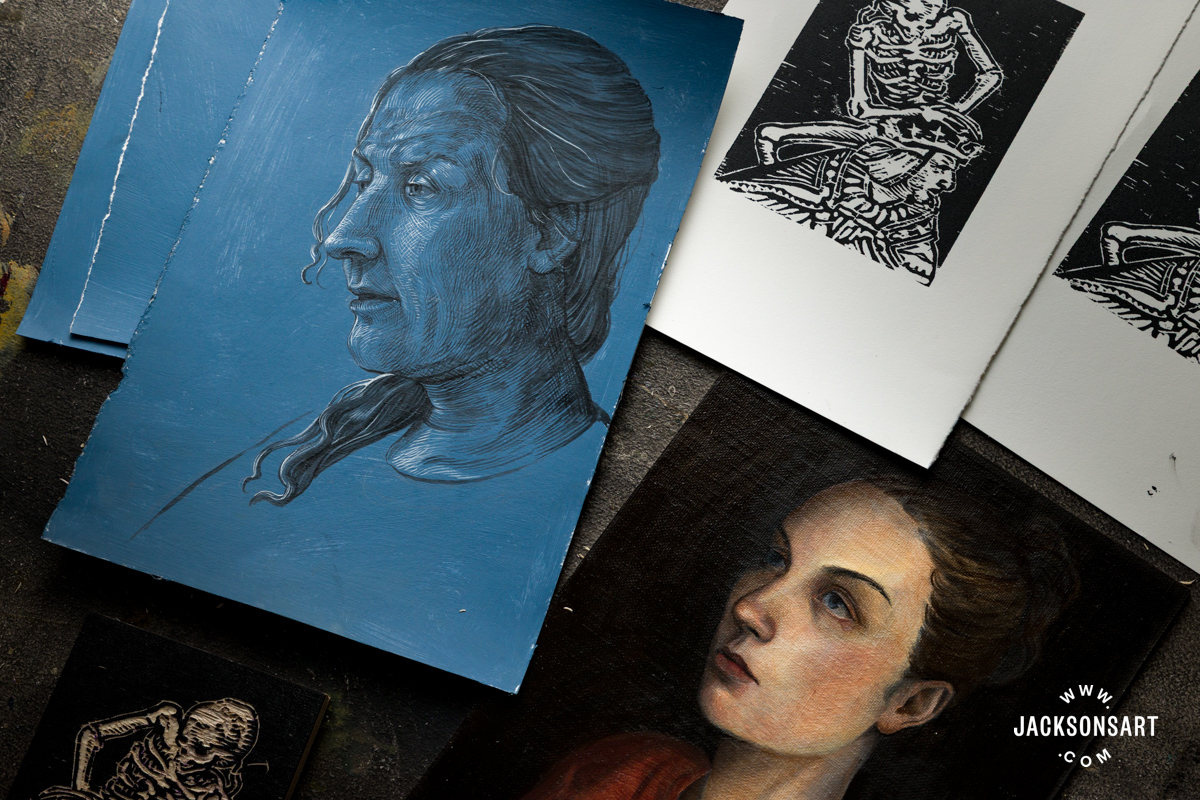
It’s not surprising that Ridyard has an Architectural background, and to my mind this makes her guidance clear. You won’t find images of her carrying out a specific method of mark marking or mixing colours; instead she describes principles and theories and the consequences of actions which are then backed up with inspiring examples from other artists that are admired by the author, of which there are always 2 or more so that you can appreciate that there is always more than one way to do things. I particularly like the section on ‘Choosing the right drawing media’ – the 3 illustrations could not be more different from one another and this makes the brain start ticking; your work can look however you want it to.

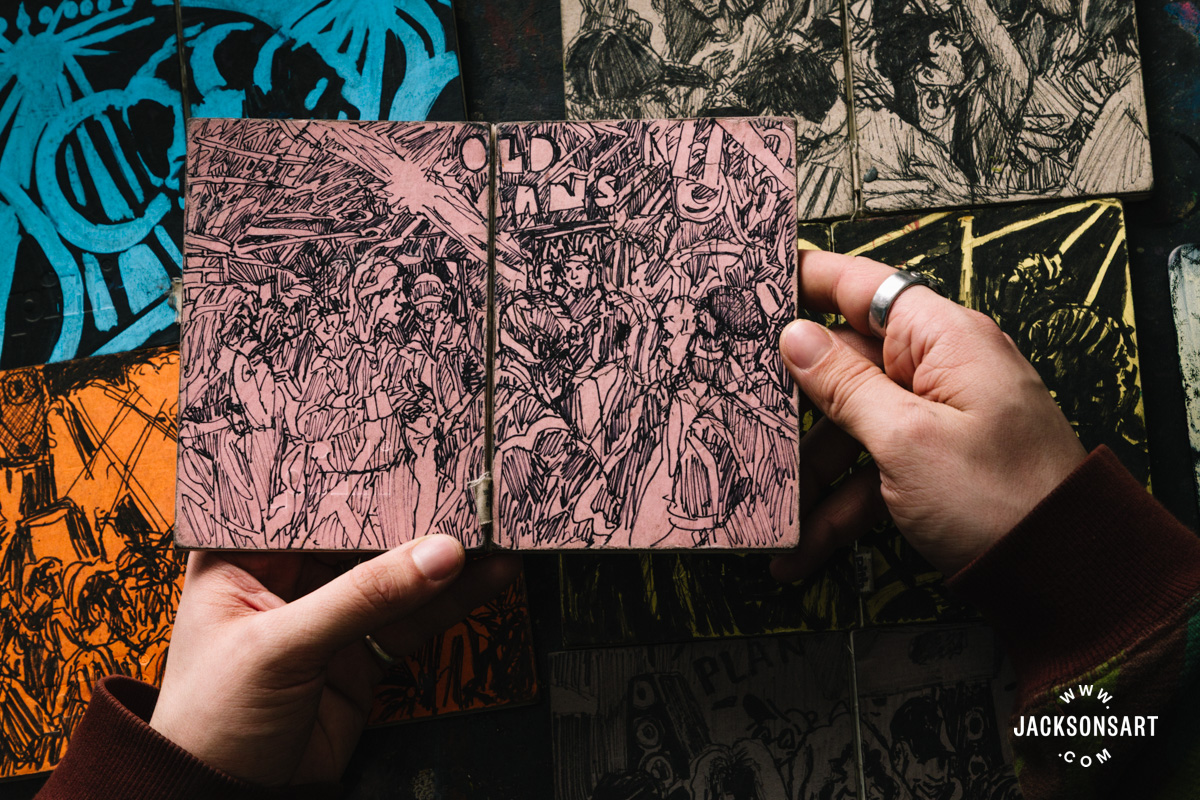
Towards the end of each chapter you’ll find a double page ‘interval’ titled ‘Sketching an Icon’, which presents a number of very different urban sketches of monuments including the Sydney Opera House, Brooklyn Bridge and Notre Dame. Accompanying the many stunning and diverse drawings presented is a paragraph describing the intention of the artist and any distinctive aspects to their approach.

In addition to these are the ‘My Neighbourhood’ pages, which are given to a particular artist to showcase a number of their urban sketches and provide an explanation of where they like to draw, their inspirations, and any techniques that they want to share. And this is one of the many charms of this book – the enthusiasm for the subject that courses through the descriptions. It’s tone is always passionate and down to earth about the subject, and this makes flicking through the book a real joy.

The final pages of ‘Archisketcher’ are dedicated to a useful Resources chapter. The glossary lists a number of architectural features clearly illustrated with Ridyard’s fine-liner drawings. Gaining a better understanding of common architectural features can really help with your confidence in drawing them, especially when drawing buildings from strange perspectives or from a distance. An indication of the sense of community that urban sketchers have is found in the pages that list relevant websites, blogs and associations all committed to the art of urban sketching.

‘Archisketcher’ is a lovely, colourful, well laid out book packed full of inspiration. If you’re new to drawing I would suggest getting this as a companion to a more structured ‘How To’ guide as it can serve as a bank of ideas for how you might sketch urban landscape. The book is also recommended for more experienced artists right through to professionals; keep it close to hand in your home or studio and it won’t fail you to get out and draw when you’re in need of a little inspiration.

‘Archisketcher’ by Simone Ridyard is available at jacksonsart.com where the huge selection of books for artists are always discounted off the cover price.

1 thought on “Review: Archisketcher by Simone Ridyard”
archisketcher a first class book,Simone Ridyard,s artwork is
superb, I enjoyed this book and learned a lot
Comments are closed.