



Ever wondered, is oil paint environmentally friendly? An amazing Ohio team have set out to produce a new, non-toxic oil paint made by Gamblin. The process of making it involves cleaning up polluted rivers and using the toxic material to produce new pigment; the new gorgeous non-toxic paint is called Reclaimed Earth Violet and is made from AMD waste. To make this incredible idea and process a long-term reality they need pledges on their Kickstarter by 22nd April 2018. Pledge now and help the planet while getting a wonderful new paint! Find out more about the project and what John Sabraw has to say about it below.
Watch the video below to find out about the Toxic Art Kickstarter Campaign:
https://www.kickstarter.com/projects/1068577064/toxic-art-turning-pollution-into-paint
Toxic Art: The proof is in the paint
by John Sabraw
An Ohio team thinks they can clean up streams by turning pollution into paint. They just need your help to prove it.

©2018 Ohio University, All rights Reserved. Photo by Ben Siegel.
John Sabraw, Guy Riefler, and Michelle Shively have a not-so-dirty little secret they want you to know about. They have a clean solution to Ohio’s stream pollution and have launched a Kickstarter campaign to get it off the ground. The team is turning toxic acid mine drainage (AMD) into non-toxic paint pigment and constructing a pilot plant to prove their process can work on an industrial scale.

For decades, abandoned coals mines have been oozing AMD — polluting up to 1,300 miles of waterways in Ohio alone. “Some of the seeps we work with release over one million gallons of polluted water a day. This water can have a final pH below 2 and carry over 2000 lbs. of iron. It’s like junking two cars in the stream every single day”, says Sabraw. This high concentration of acid and heavy metals not only annihilates aquatic life, but can contaminate drinking water and corrode infrastructure like bridges; it’s both an ecological and economic concern.
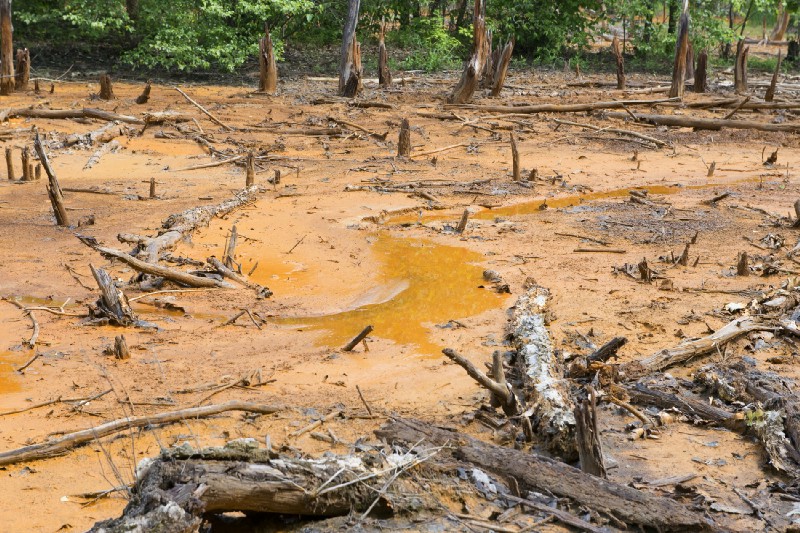
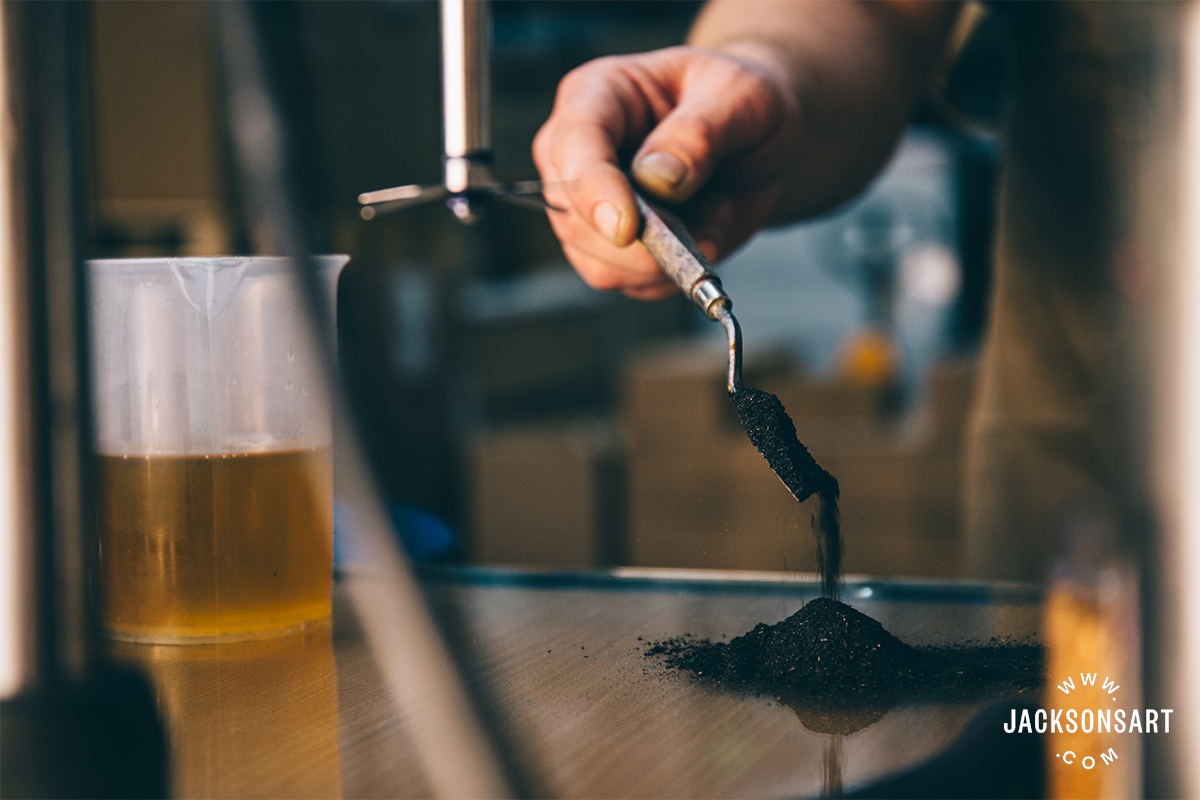
Environmental engineer Riefler and artist-activist Sabraw saw a beautiful solution to a disastrous problem. They could turn the iron oxide into paint and simultaneously clean up the polluted streams. “We intercept the toxic acid mine drainage before it gets to the stream, neutralize the acidity, extract the iron oxide and release the clean water back into the stream. The iron oxide can be ground into pigment and blended with different binders to make paint. In creating a viable product from contamination, our process provides a closed loop. We’ve made it possible to restore the streams from their own clean-up,” explains Sabraw.


The Ohio University professors have been perfecting the pigment in their lab since 2010. To demonstrate the pigments’ quality, Sabraw has used them in his own paintings. Thanks to a partnership with Gamblin Artists Colors, artists all over can experiment with stunning, sustainable pigments like “Reclaimed Earth Violet”.

Now partnered with watershed expert Michelle Shively, the team is building a pilot facility in Corning, Ohio. Not only will the plant demonstrate that the process is scalable, but it will also serve as an immersive, educational installation.

You can be part of this full-circle pollution solution. By supporting the team’s Kickstarter campaign, you’ll be contributing towards the pilot plant’s enclosure wall and artwork made from AMD pigments. Rewards range from your name on the wall, to a tube of limited edition “Reclaimed Earth Violet” oil paint, to a custom painting by John Sabraw.

©2018 Art Boy Inc., All rights Reserved. Photo by John Sabraw.
Currently, ‘Reclaimed Earth Violet’ oil paint is unavailable unless you pledge to the Kickstarter campaign but we hope to be stocking it in the future, all going well. You can view our range of Gamblin oil paints here including, when it’s available, their environmentally responsible paint Torrit Grey, which you can read about here.


2 thoughts on “Toxic Art: Turning Pollution into Paint”
Do you know any source where I can
purchase the reclaimed Gamblin colors in
stock now? Today is March 28th. All that I
have checked are out of stock. Maybe you
can help with this. Thank you for your time.
Hi Edith, we have ordered the Reclaimed Earth Colours and they should be available on our website very soon!
Comments are closed.