



Cadmium and Cobalt pigments, which are based on heavy metals, are a divisive topic on many artist forums. Some painters can’t do without them, some entirely avoid them, and others are unsure about whether they are hazardous to their health or the environment. This article takes a nuanced look at the risks associated with using cadmium and cobalt colours in your palette.
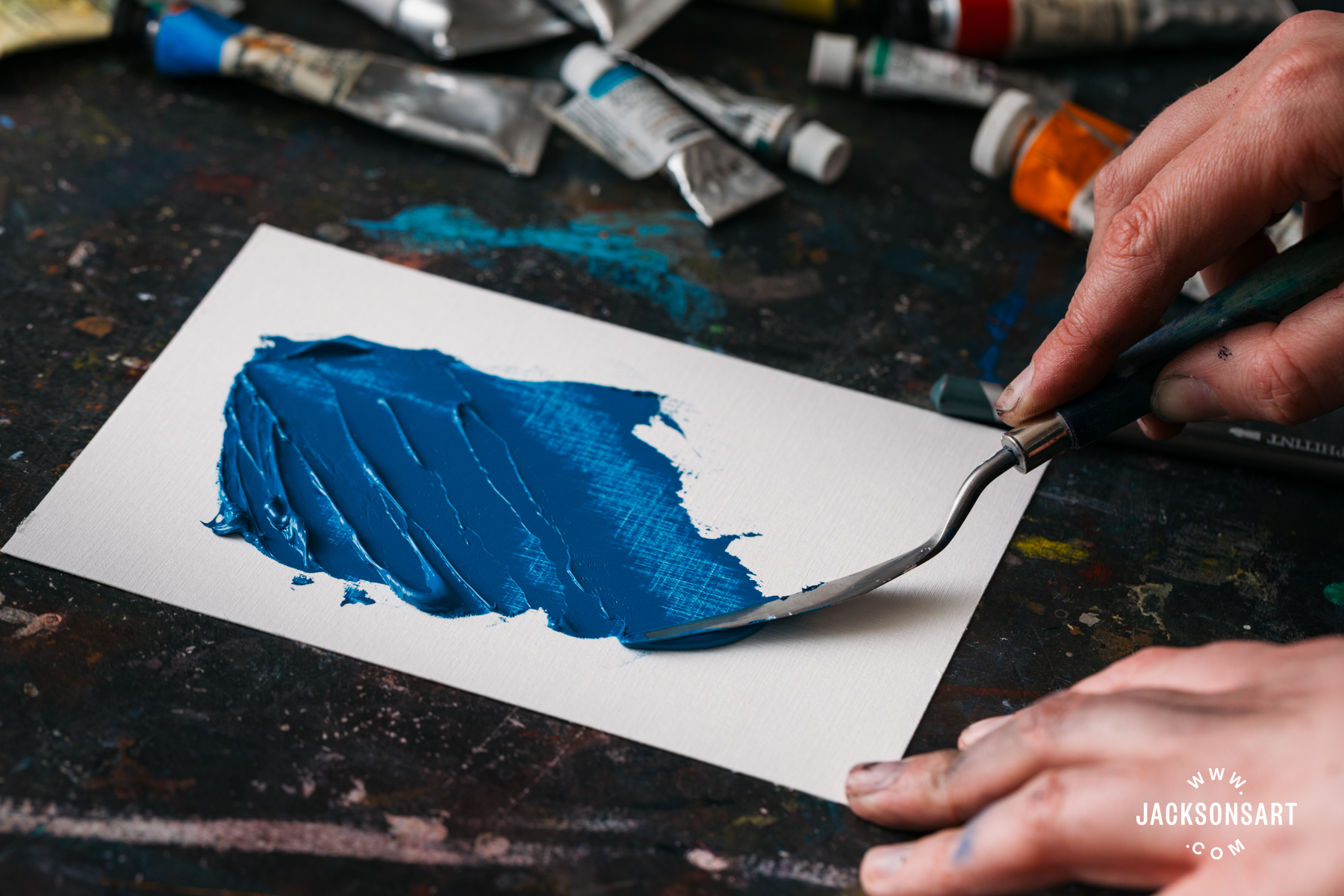
Cadmium and Cobalt Pigments and the Risks (or not)
The History of Cobalt Pigments
Cobalt compounds have been used as colourants for thousands of years. Blue glass coloured with cobalt aluminate was used 4000 years ago in ancient Mesopotamia and the blue stripes in Tutankhamum’s famous funerary headdress were fashioned with cobalt-containing glass. However, it wasn’t until the end of the 18th century that modern cobalt pigments were developed. First Cobalt Green (also known as Rinman’s Green) in 1780, and then Cobalt Blue in 1802, Cobalt Yellow in 1831, Cobalt Violet in 1859, and Cerulean Blue in the 1860s. Cobalt and Cerulean Blue became particularly popular with the Impressionists, who used them in their sun-filled skies.

Claude Monet
Oil on canvas, 100 x 81 cm | 39.4 x 31.9 in
National Gallery of Art, Washington
Cobalt pigments tend to be relatively expensive, but they are a versatile family of colours which have some very useful properties. They are balanced mixing colours thanks to their moderate tinting strength, and they are often heavily granulating in watercolour. Most other blue pigments (like Ultramarine, Prussian, and Phthalo) are transparent to semi-transparent, so the Cobalt Blues play an important role as opaque colours. Most modern cobalt pigments (with the exception of Cobalt Yellow) are permanent and lightfast.

Are Cobalt Pigments Dangerous?
Cobalt is an essential metal in the human body. It is a constituent of vitamin B12, which plays a crucial role in red blood cell production. We eat trace amounts of cobalt (between 3 and 82 µg) every day in fish, leafy greens, and cereals, and it is excreted by the body through the kidneys. However, high concentrations of cobalt in the body can have harmful effects, including on the cardiovascular, pulmonary, endocrine, and nervous systems.
When assessing potential hazards associated with certain pigments, the most important consideration is biological availability, also referred to as bioavailability. Within this context, bioavailability is the extent to which a substance can be absorbed by, and have an active effect on, the human body.
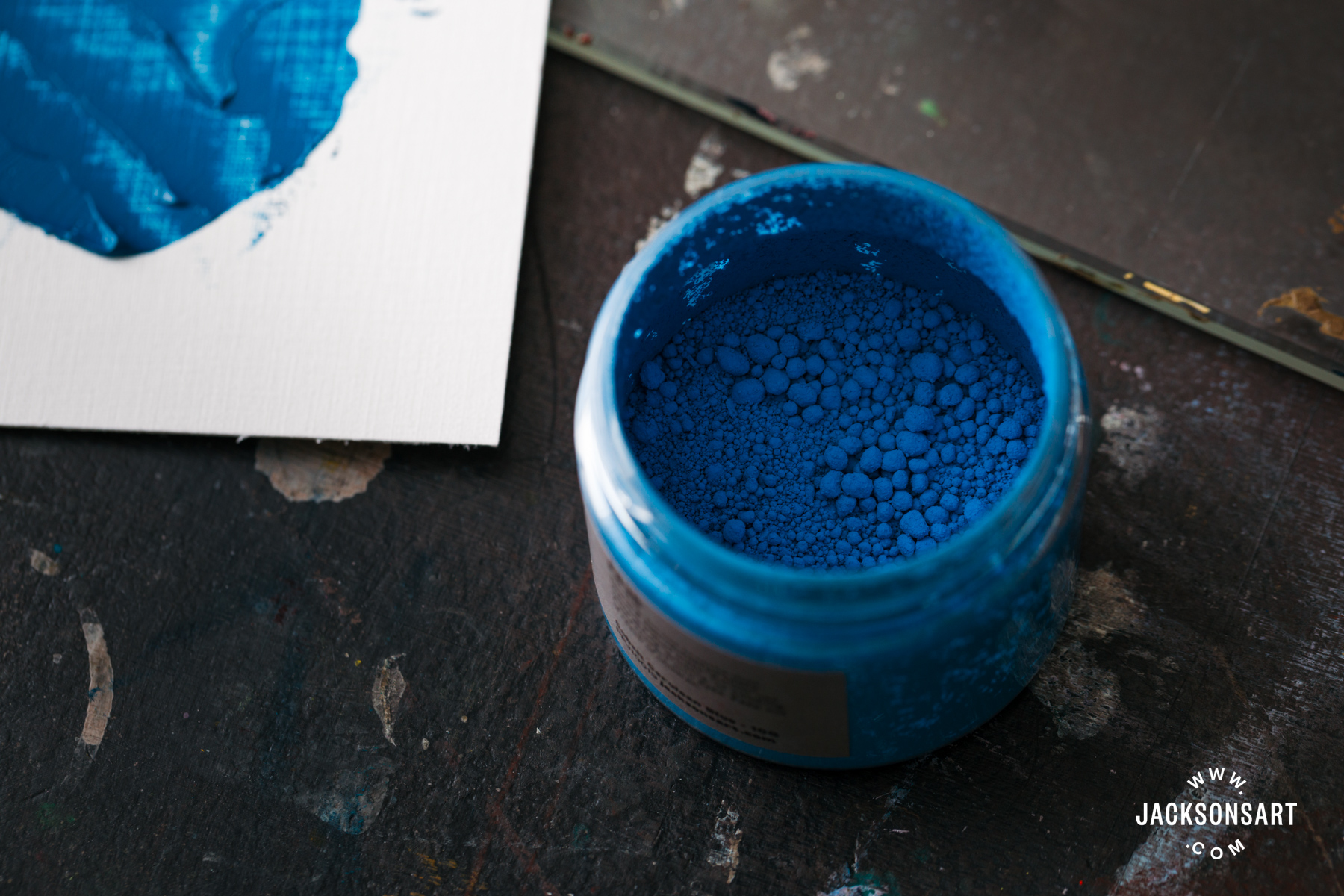
According to public health investigations carried out in Australia, cobalt compounds used in artist pigments contain an extremely small amount of bioavailable cobalt. This is because the cobalt ions are contained within a stable spinel or rutile lattice, so they are considered to be biologically inert.
One common question that artists have is whether they should wear protective gloves when painting with cobalt colours. For most artists, if you are applying your paint with brushes or palette knives, it isn’t necessary. Cobalt compounds used in artist paints are insoluble, so they are not readily absorbed through the skin. However, two cobalt pigments (Cobalt Violet, PV14 and Cobalt Zinc Silicate, PB74) are skin sensitising and may trigger an allergic reaction in some individuals. Between 1 and 3% of the population have a cobalt allergy, so speak to a doctor if you believe this affects you. They will be able to advise if you should use cobalt pigments or not.
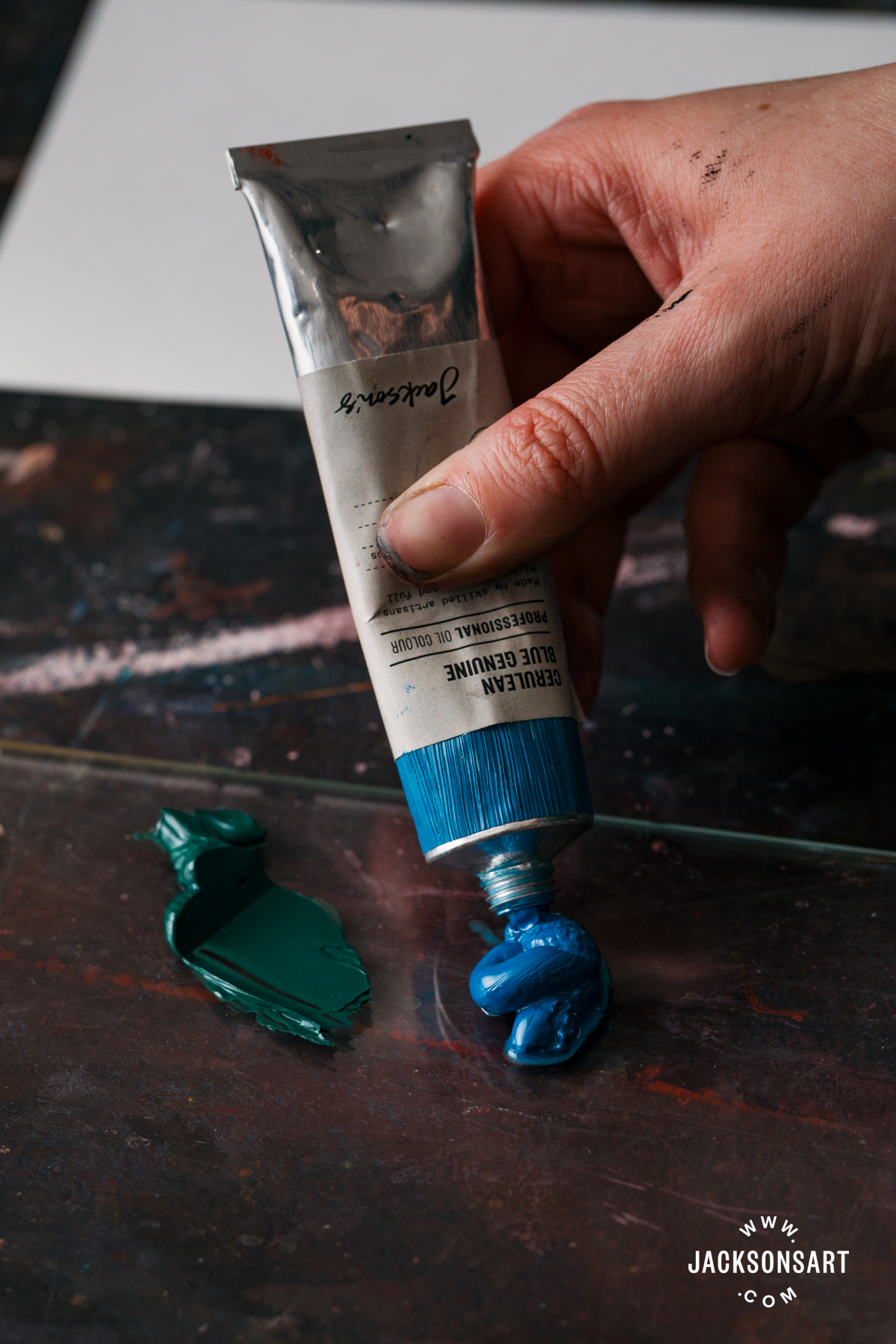
According to the ECHA, certain cobalt pigments are respiratory sensitising (PB28 and PG19) and may irritate the respiratory tract if inhaled and could trigger an allergic response. For this reason, it is not recommended to use cobalt-containing paints for airbrushing techniques without protective equipment. However, when using these pigments in a readymade paint the pigment particles are contained within a binder and cannot be inhaled unless sprayed.
With normal use, artist paints are extremely unlikely to be a source of cobalt toxicity. This isn’t to say that they shouldn’t be used with care – artists should always take steps to ensure that their paint isn’t accidentally ingested or inhaled by themselves or others, but this is true of all artist paints and not just those containing cobalt.
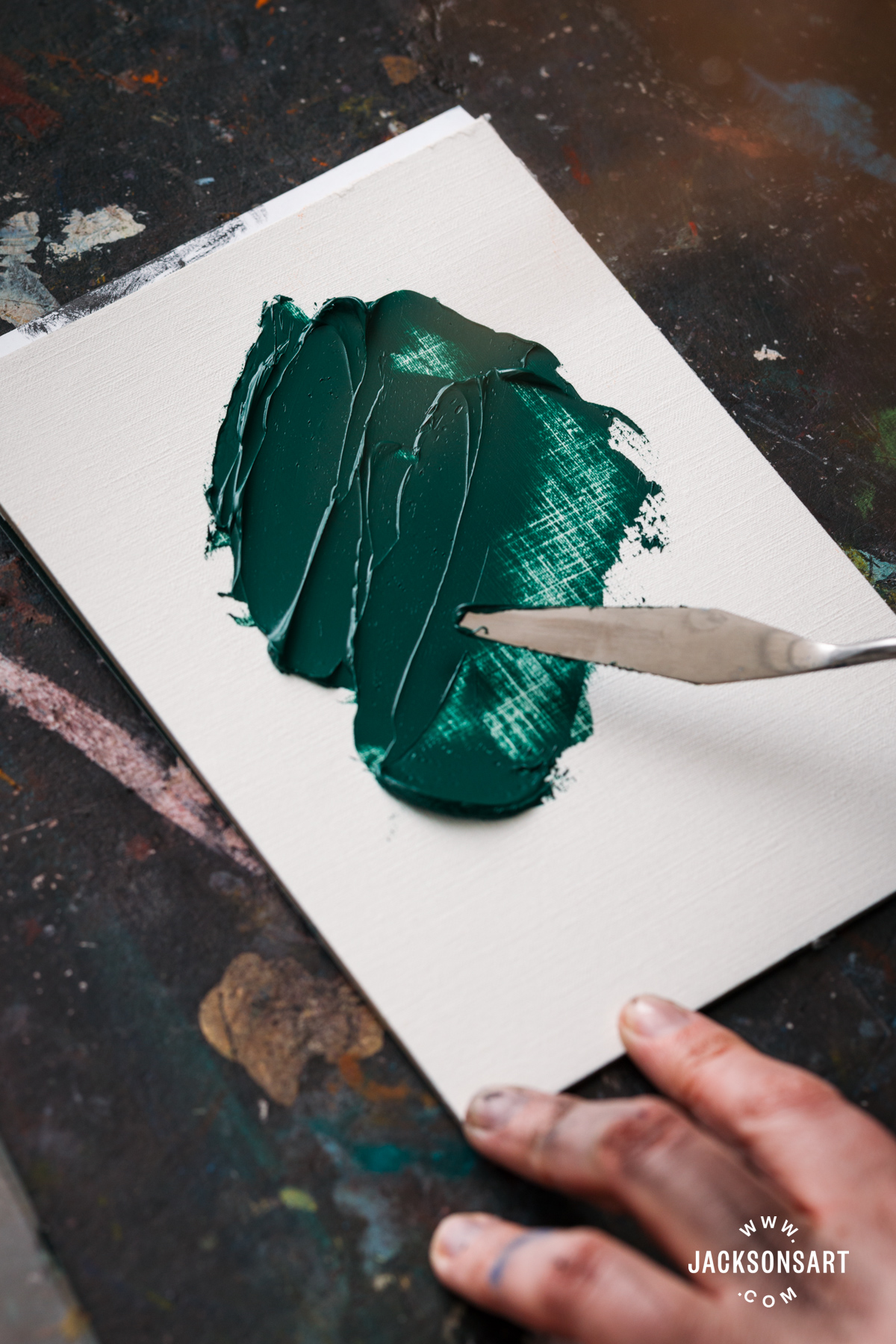
The History of Cadmium Pigments
Cadmium artist paints tend to be expensive compared to other reds, yellow, and oranges. They are among the most opaque of artist pigments and pack a punch that many artists find indispensable. Compared to cobalt, cadmium is a very new discovery. It was first identified in 1817 by German chemist Friedrich Stromeyer. It is an incredibly rare metal in the earth’s crust, only a fifth of a gram in every ton, and it is most often found as an impurity in zinc ore.
Compounds of cadmium and sulphur (cadmium sulphide) have been used to make yellow paints since the 1830s, and from the beginning of the 20th century, red pigments were made from compounds of cadmium and selenium (cadmium selenide). Today, the majority of cadmium is used in the production of rechargeable batteries, conductors, and anti-corrosive coatings.
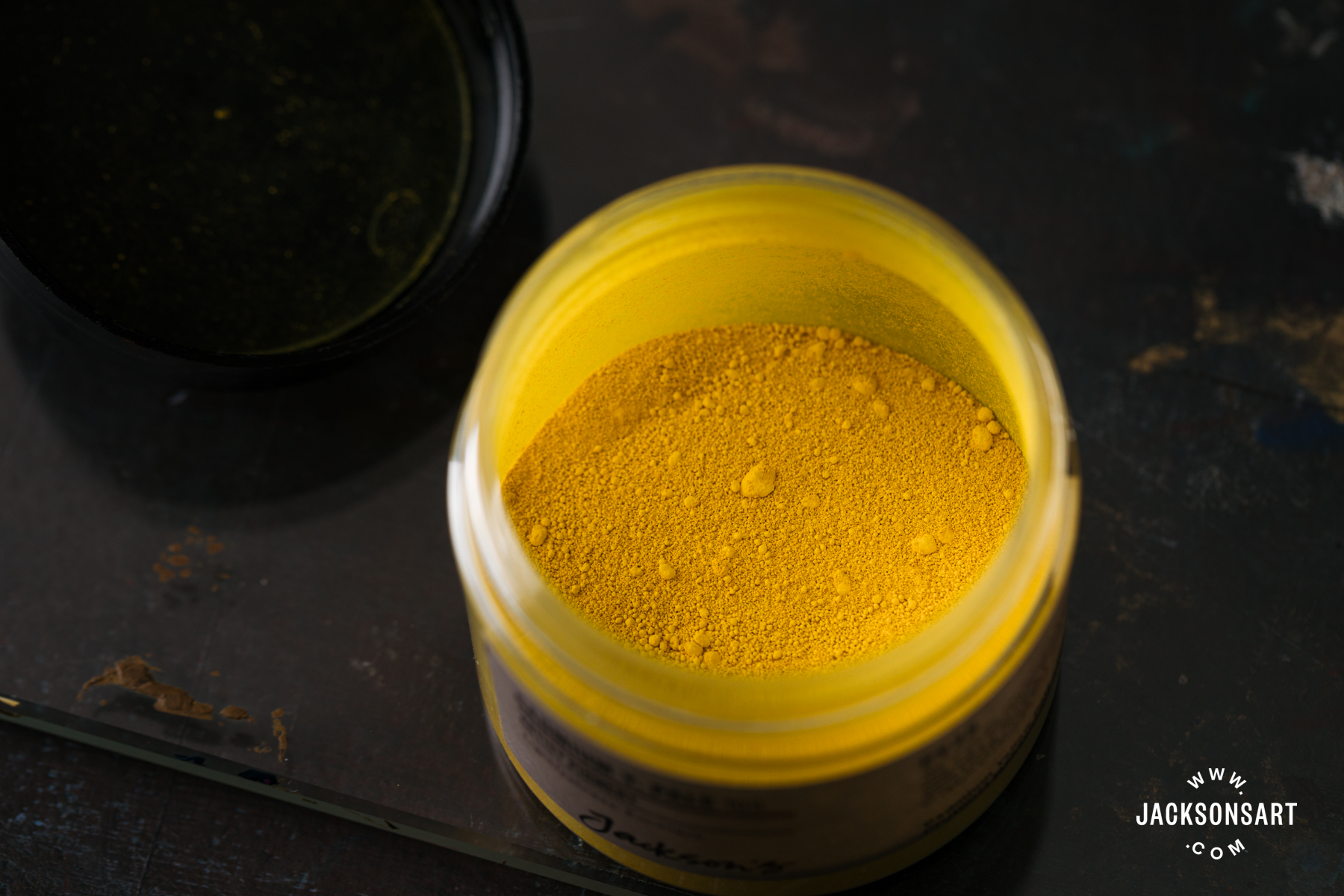
We are all exposed to very small amounts of cadmium in the air we breathe and the food we eat, but the element is harmful if inhaled or ingested in larger amounts (more than 2.5 µg per kg of body weight per week). In fact, cadmium’s toxicity is the very reason it was discovered – Friedrich Stromeyer was tasked with investigating rumours that people were being poisoned after consuming zinc carbonate. He discovered that the zinc carbonate was impure and contained cadmium, a previously unknown metallic element.
There is widespread agreement across regulating bodies that cadmium compounds are carcinogenic, and there is evidence that they may be mutagenic and toxic to reproductive health. For this reason, their use in industry is highly regulated and their place in artist paints has been a topic of conversation and controversy for over a decade.

Should Cadmium Pigments be Banned?
In 2013, the Swedish Chemicals Agency called for the restriction of cadmium compounds in artist paints within the European Union. The proposal was submitted under the premise that artists wash their brushes in the sink, and that the cadmium contained in artist paints enters the food chain via wastewater.
After protests from artists (supported by Jackson’s), the ECHA rejected the proposal. They concluded that the impact of artist paints is minimal, especially compared to other sources like mineral fertilisers (even the run-off from car washes is a greater contributor). Additionally, the cadmium compounds used in artist paints are insoluble and have very low bioavailability. A 2016 study looked at the solubility of cadmium artist pigments over time and found that they did not lead to an increase of bioavailable cadmium in agricultural soil.

While the regulation of different cadmium compounds across industries is important to protect our health and the environment, artist paints do not pose a significant risk when used responsibly – take care not to inhale or ingest them, do not use them for airbrushing without specialist protective equipment, and keep out of reach of children and pets. Although artist paints are not a significant source of cadmium pollution in the environment, it is good practice not to wash cadmium-containing colours down the sink. Use only what you need to avoid wastage (as cadmium paints are expensive, artists usually use them with care anyway).
The future of cadmium pigments still looks uncertain. In 2023 a law was passed in Minnesota, US, banning the buying and selling of cadmium-containing artist paints. It seems unlikely that we have heard the last of this discussion.
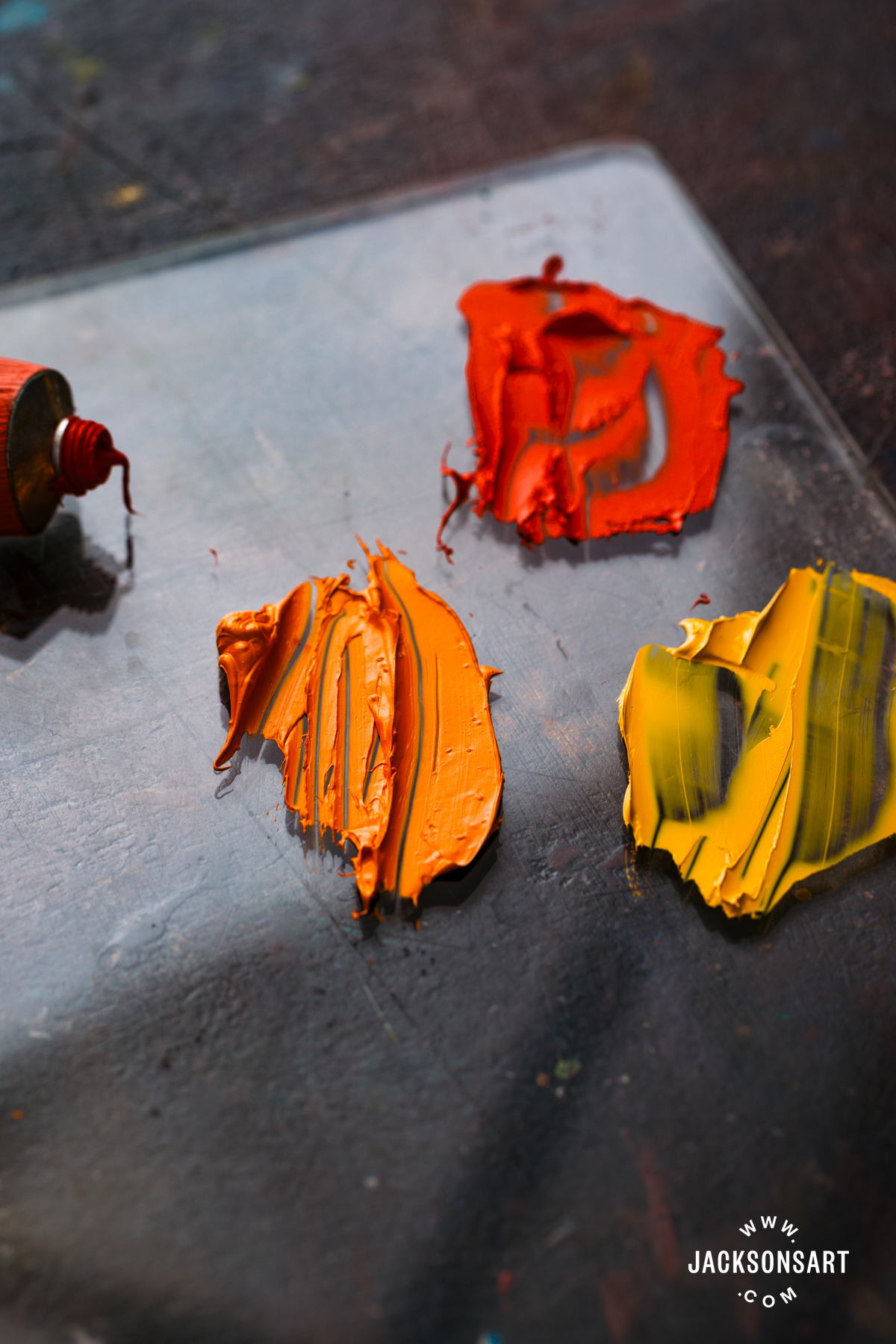
Disposing of Cadmium and Cobalt Pigments
This article has focussed on the risks that cobalt and cadmium pigments pose to artists, but what about when a painting session ends? While the cadmium and cobalt compounds used in artist paints are insoluble, it is a good idea to minimise what goes down the sink and what ends up in landfill:
- Avoid washing your brushes directly in the sink. Wipe off the excess paint onto rags or paper towels. Then, clean your brushes in a container of water or oil painting solvent. Let the paint residue settle to the bottom (you can pour off the clear solvent or water to use again).
- Avoid disposing of paint sludge, used solvent, or any rags or paper towels in your regular rubbish bin. Put your waste in a sealed, sturdy container and clearly label it.
- Contact your local waste disposal service to find out where you can safely dispose of waste containing cadmium and cobalt in your area.
The European Artists’ Colour Commission gives recommendations for the responsible handling and disposal of artist paints, which is a good guideline for all artist colours. You can view and download the PDF here.
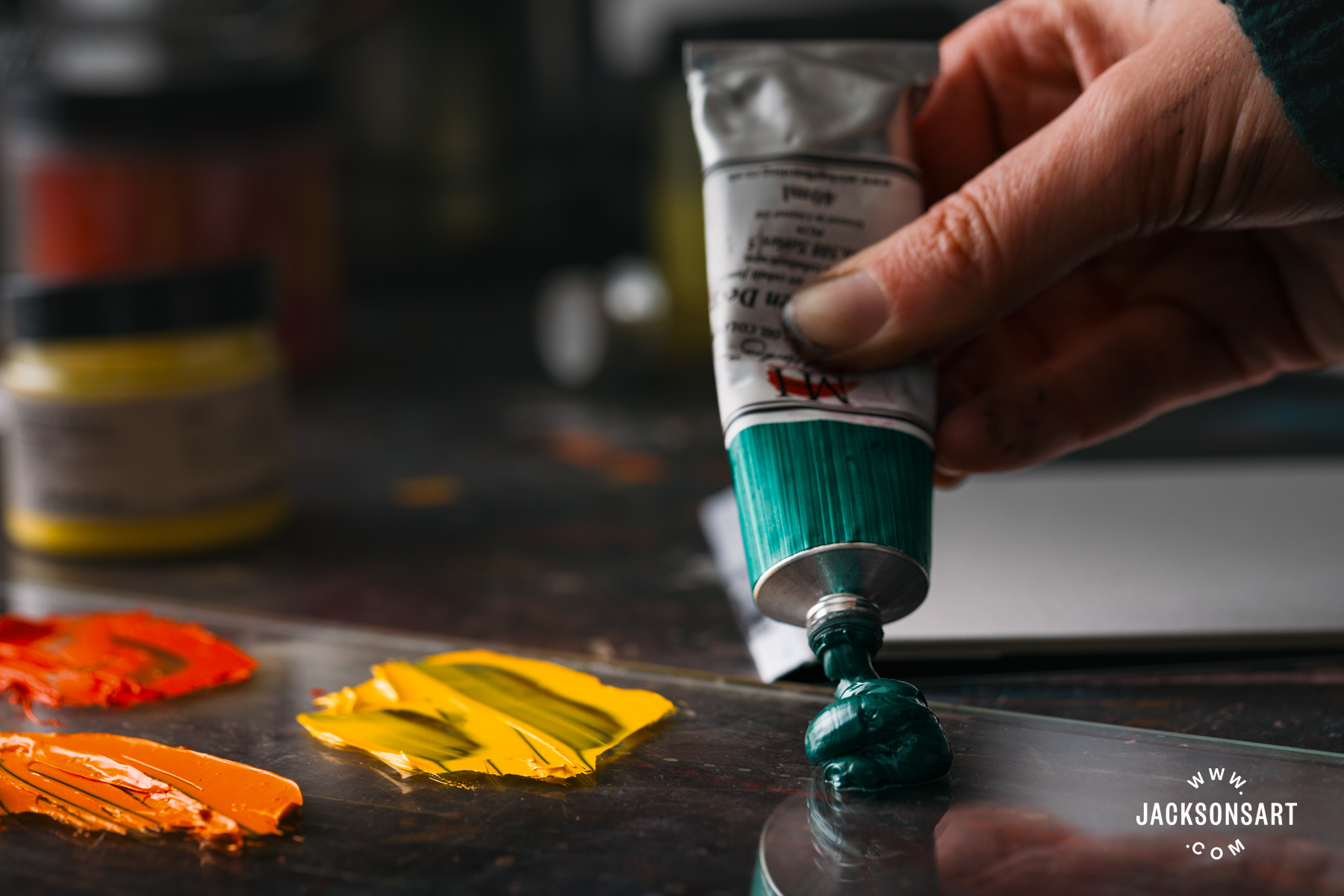
Like all chemicals we use in our day-to-day lives, from laundry detergent to household cleaning products, artist paints and the pigments they contain can cause harm if they are mishandled. However, it is important to consider the risks in context, and in the context of a responsible art practice cobalt and cadmium pigments pose little risk.
It ultimately comes down to choice. Many painters find cadmium and cobalt pigments invaluable, while others choose not to use them in their practice. The beauty of the modern palette is that there is so much choice, and artists can make an informed decision about what is best for them.

Sources:
Bandow, N., Simon, FG. Significance of cadmium from artists’ paints to agricultural soil and the food chain. Environmental Sciences Europe 28, no. 12 (2016). DOI: 10.1186/s12302-016-0077-6
Cobalt mixed oxide pigments: Human health tier II assessment. Accelerated Assessment of Industrial Chemicals in Australia, 2017.
Stopford, W., Turner, J., Cappellini, D., Brock, T. Bioaccessibility testing of cobalt compounds. Journal of Environmental Monitoring 5, 675-80 (2003). DOI: 10.1039/B302257A
Turner, A. Cadmium pigments in consumer products and their health risks. Science of The Total Environment 657, 1409-1418 (2019) DOI: 10.1016/j.scitotenv.2018.12.096
Further Reading
Understanding Safety Data Sheets for Artist Materials
Prop 65: Explaining Warnings on Artists’ Materials
Acrylic Painting, Microplastics, and the Environment
Shop Artist Colour on jacksonsart.com



9 thoughts on “Cadmium and Cobalt Pigments and the Risks (or not)”
Very well informed article. Thank you Evie.
Jackson’s Artist pigments are nowhere to be
found on the US website. How can we in the
US purchase them? Please help.
Hi Juan, unfortunately Artist Pigments are currently unavailable for purchase in the US
Many thanks for this valuable,
comprehensive exploration and review of
cobalt-based art materials.
I find it very reassuring to learn that we can
continue to enjoy using these colours safely,
and I look forward to doing so!
Now, where’s me Lead White…
Thank you for the information, its very
useful.
Glad you found it helpful Jax!
This was very helpful and answered the
questions I had about these pigments,
especially their impact on the environment. I
will reconsider my choice of colours. Thank
you, Evie!
It’s a tricky subject, but I’m glad you found it useful!
Very good and clear explanation, thank
you Evie! I avoid cadmiums, which is
easy when you use watercolor mainly,
but some cobalts feel irreplaceable
I think I agree that cadmiums are more easily replaceable than cobalts- their granulation in watercolour is remarkable.
Comments are closed.