



Following on from our previous article on gallery representation, this advice is all about representing your art independently. It’s a strong choice, which requires a certain skill set and outlook. I’m going to cover what it means to represent yourself, who is best suited to self-representation, the power of finding collaborators, and some tips to help get you started.
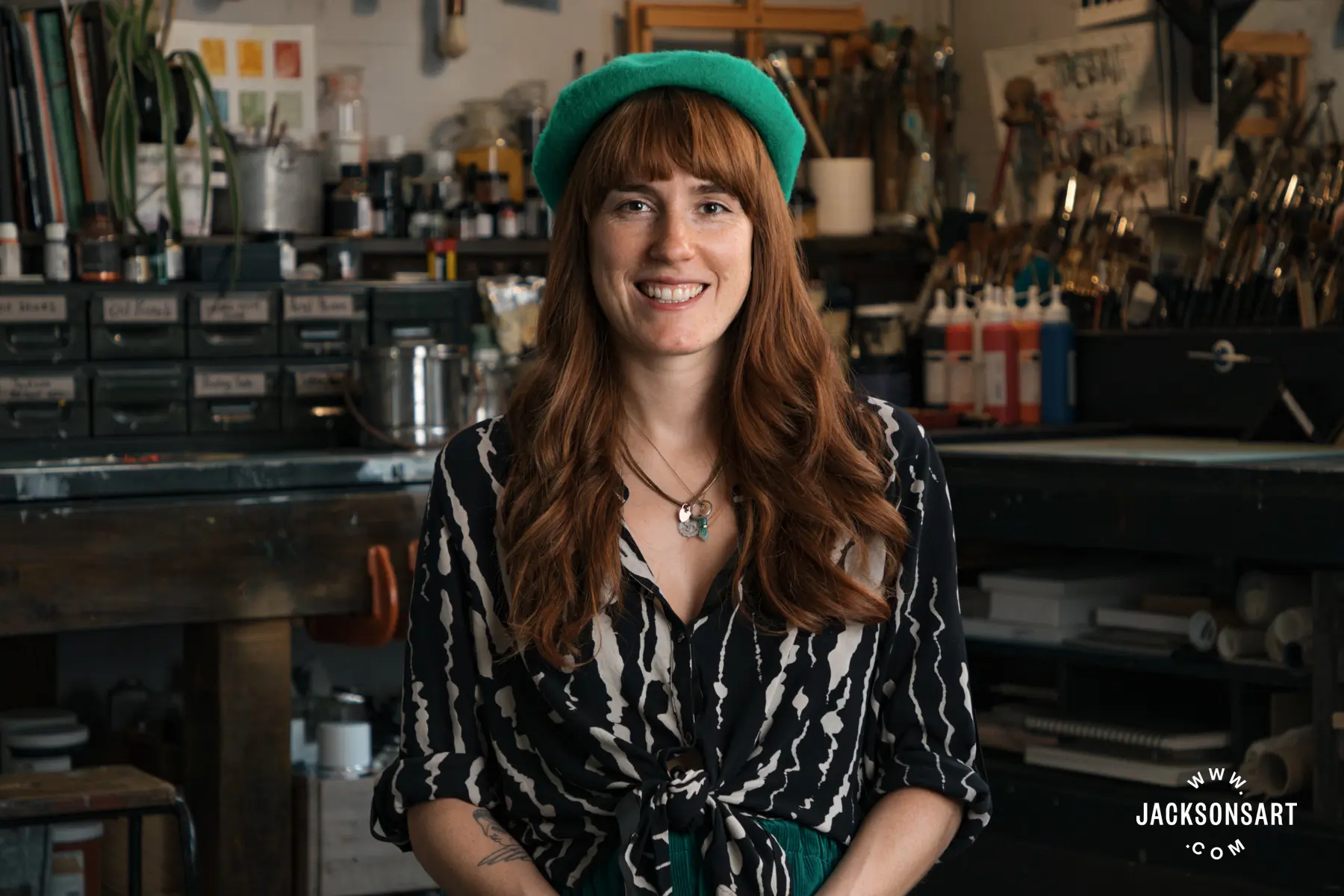
Expert Advice on Representing Your Art Independently
What Does it Mean to Represent Yourself?
As a self-represented artist, you are the main advocate for promoting and selling your work. You are responsible for sourcing and promoting your own exhibition opportunities, sometimes standing in front of the work and selling it yourself, communicating directly with clients and collaborators, and pitching commission-based projects. But it doesn’t need to be all or nothing. In our Expert Advice on Working With Galleries article, we looked at two types of gallery representation – ongoing and sporadic. You can choose to engage in periods of sporadic representation with a gallery or curator, whereby they represent a particular body of work for an exhibition. The collection becomes exclusive to them for a minimum term, usually three to six months. This is an attractive hybrid as you can widen your network with the help of a gallery, but are not committed to them long term.
Some of the most successful self-represented artists I know still work with galleries on and off. So think of it more of a mindset: “I am going to make this happen for myself and if a gallery wants to join me here and there, that’s a bonus.” Even if you have ongoing representation from a gallery you are usually still free to seek opportunities to represent your art independently – whether that’s at an art fair, a self-funded exhibition, or through your online presence. As long as you maintain clear communication with the gallery, and keep your pricing consistent.
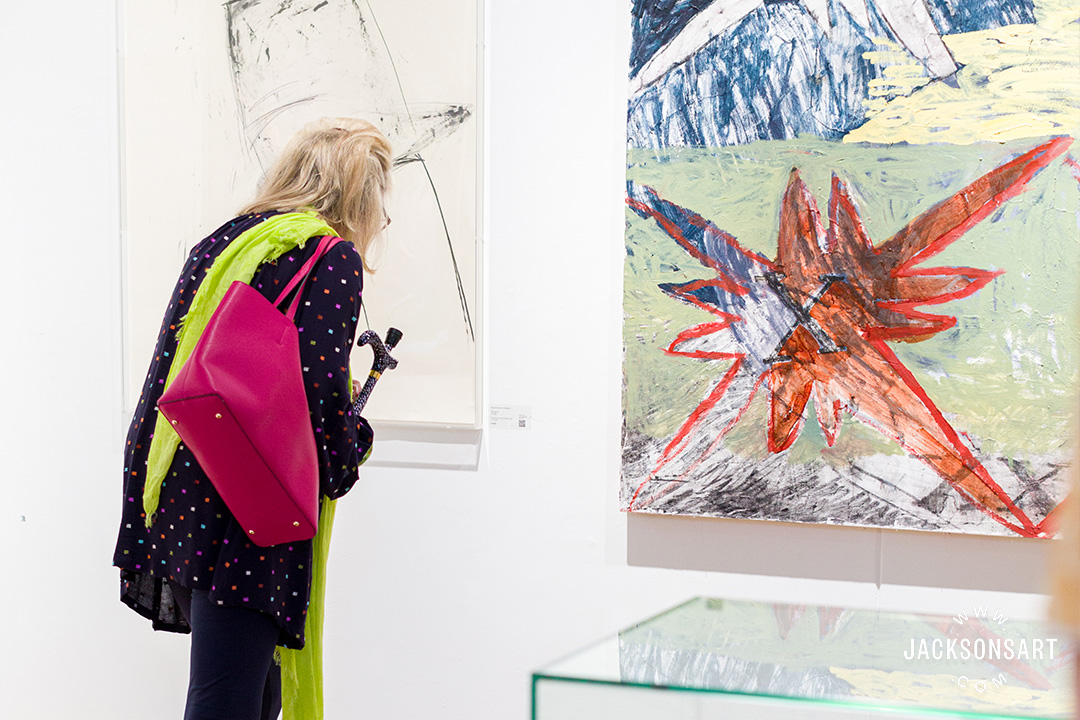
Am I Suited to Self-Representation?
If you are very proactive, fairly business-minded, have skills in marketing or sales, and are comfortable talking about your work then self-representation would suit you. It requires a level of objectivity to separate yourself from your work. This will make it easier to curate and sell as it’s not a piece of you, it’s a separate entity. If the idea of standing in front of your work at an art fair fills you with dread, don’t write it off completely as you can enlist a brilliant friend who is good at sales to help on these occasions.
A practicality to consider in representing your art independently is to ask yourself whether you have the capacity to make the work and market and sell it. Reflect on your current situation and whether you have the financial stability to dedicate the time it will require. Or, just be patient as you pursue it alongside other employment. Eventually, you’ll hope to get to a stage where the returns justify the amount of work you’re putting in. Selling directly means you get the full price for your sales with zero commission to give away. That’s a pretty good carrot at the end of the stick.
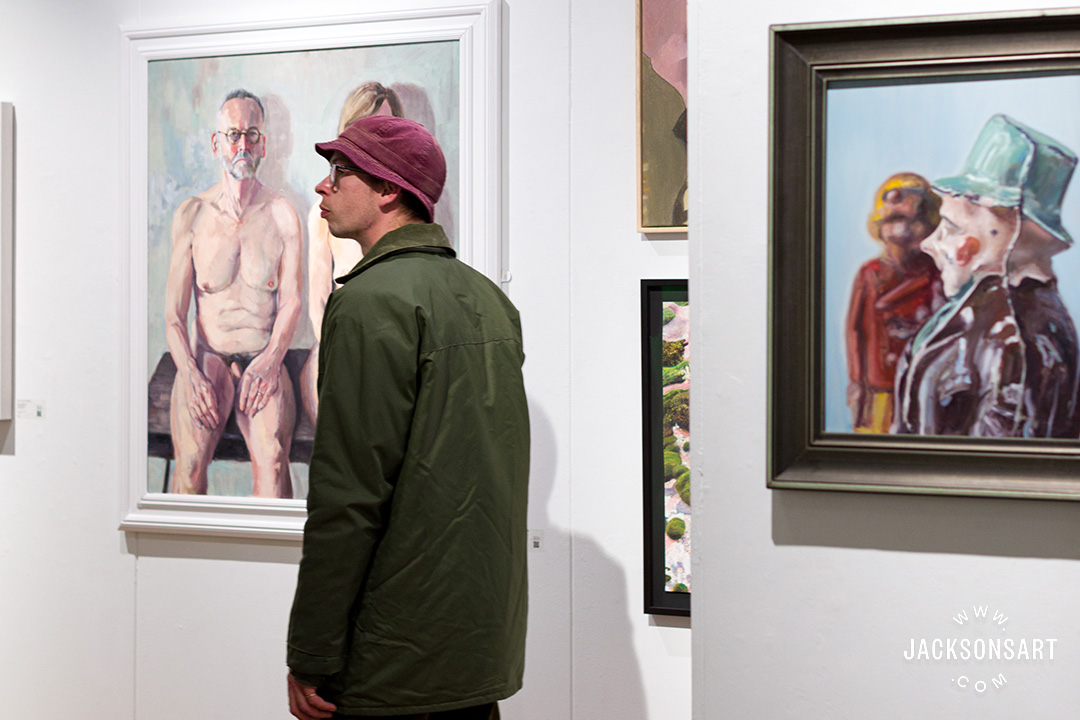
Other helpful things to ask yourself:
Am I able to self-curate? When you do a fair or exhibition, would you feel confident about which pieces would be most suitable/saleable?
Can I manage my own ‘quality control’? Would you be discerning about the presentation and finish, framing and/or installation of your work?
Am I tech-savvy enough? Would you be able to run a regular social media/newsletter campaign and update a website regularly?
Can I manage my own online shop? Do you have the capacity to process orders and organise shipping?
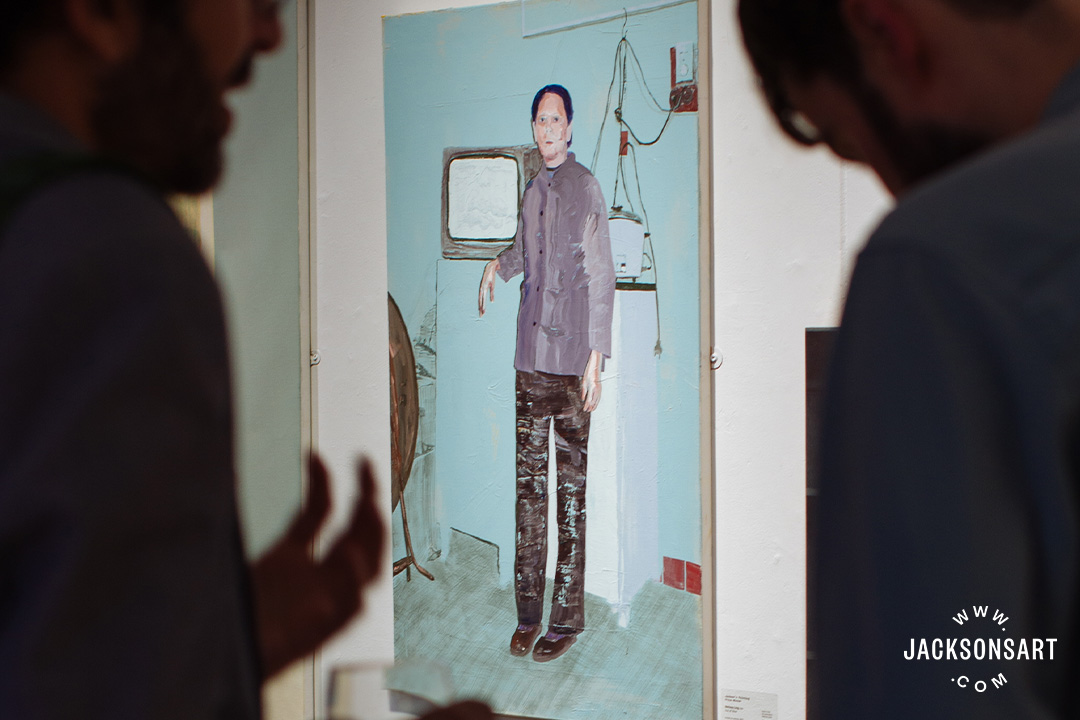
Finding Collaborators
We’re focusing a lot on the self part of this journey but, as we have touched on, this doesn’t mean you need to do it alone. You can still engage the support of people in your community and network. Think of your fellow artists and peers as independent curators. If part of the draw of gallery representation is the outside perspective, join or start a peer group or artist circle. You could even form a collective and build opportunities together.
Art consultants and advisors like myself are a brilliant resource for self-represented artists. They can sell your work on your behalf with no strings attached. This helps you gain confidence whilst building a following. The sales commission they take is usually less than galleries and it’s often easier to find out who your collectors are.
Five Tips to Get Started as Self-Represented Artist
Focus your Practice. If you are clear about what your work is it will be easier to find your audience.
Get Organised. Tidy your online presence to ensure it reflects a focused offering and make it easy for people to buy your work. This can be an e-commerce website or a link to enquire and talk to you directly.
Find Opportunities. Apply for group shows and juried exhibitions as well as artist-led art fairs to increase visibility and find community.
Make Opportunities. Get involved in art trails, host an open house, and do a pop-up exhibition in a cafe or community space to build a local following.
Maintain Consistent Marketing. Plan a sustainable marketing strategy and send regular newsletters allowing people to connect with you directly.
It may sound like a lot of work but if you like the autonomy that comes with representing your art independently, then this is a really empowering route to take. As ever, be patient with yourself and build up to it, one hustle at a time.
Expert Coaching Webinars With Claudia Kennaugh
Over the past few months, we asked the Jackson’s community what they wanted to know most about building a career in art. Based on your responses, we’ve created six webinars in collaboration with Claudia to explore these key topics. Each session is packed with valuable insights to help you grow and succeed as an artist, plus a live Q&A where you can ask your own questions.
Upcoming Webinars
Putting on Exhibitions: 24th June
Self-representing Your Art: 26th August
Social Media and Websites: 28th October
Making Reproductions of Your Work: 16th December
Further Reading
How to Write an Artist Biography, Artist Statement, and Artwork Description
Art Fair Checklist for Artists
The Relationship Between the Artist and Their Materials
Expert Advice on Selling Your Artwork
Shop Art Materials on jacksonsart.com


2 thoughts on “Expert Advice on Representing Your Art Independently”
Most helpful and inspiring articles on selling
one’s artwork and finding collaborators.
Thank you
Great advice, thank you.
Comments are closed.