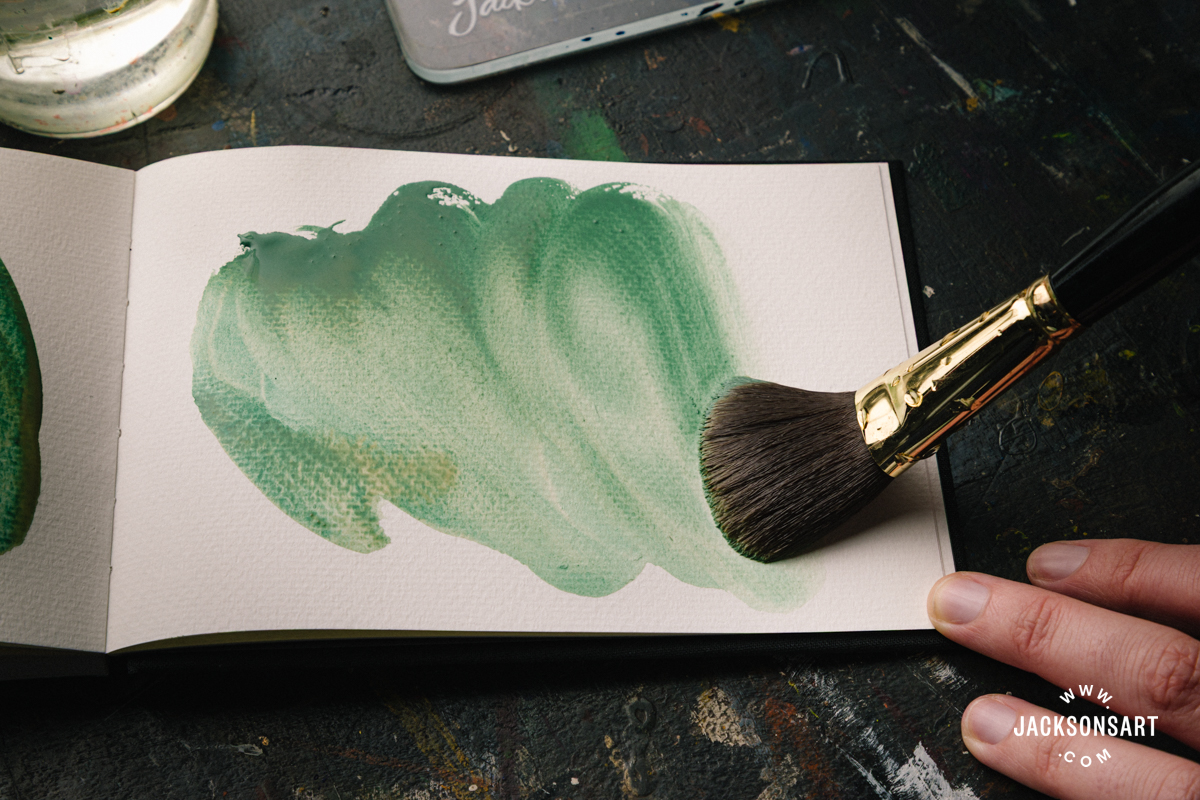
Mica minerals have been part of artistic practice for thousands of years, appearing in objects and artworks from all over the world. Its distinctive, light-reflecting structure has made it useful both as a pigment and as a material in its own right. From prehistoric paintings and carved amulets to Japanese woodblock prints and modern interference colours, mica has consistently offered artists a way to add subtle sheen. This article explores how mica is formed, how it has been used, and why it remains relevant in artistic practice today.
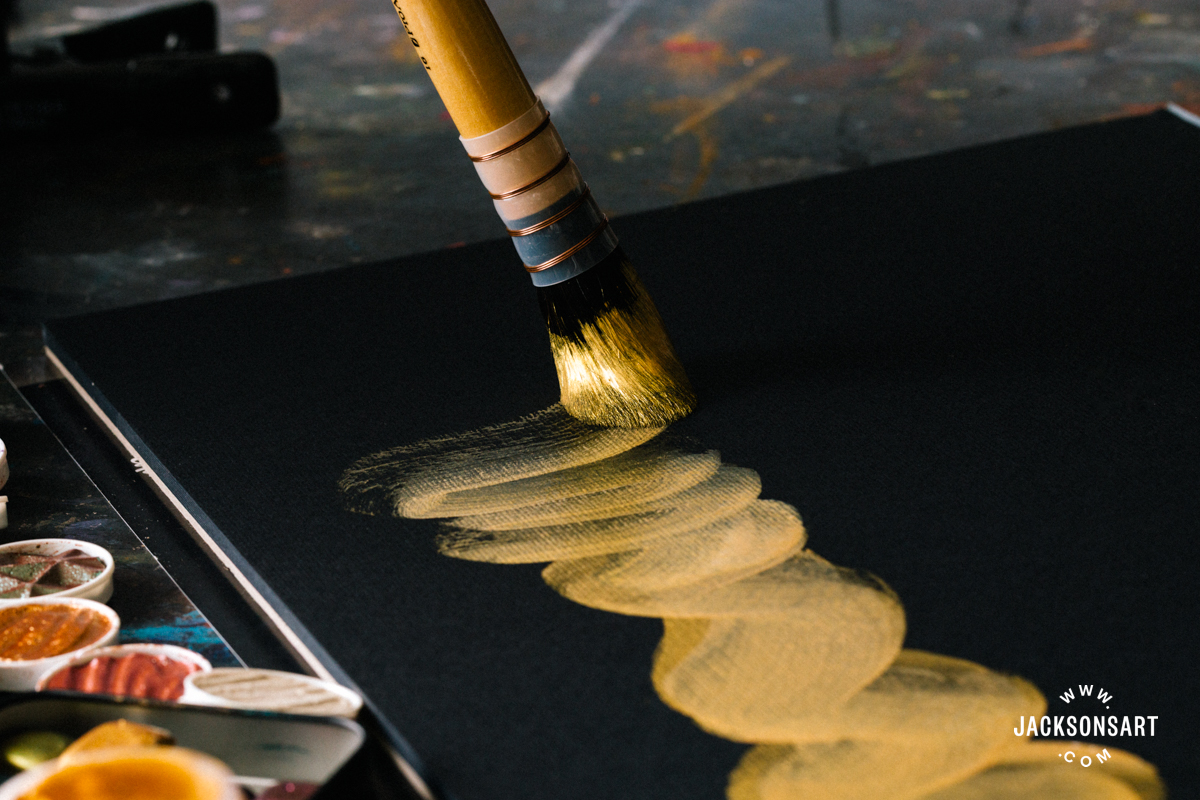
The Shimmering Story of Mica in Art
What is Mica?
The mica group is a family of 37 silicate minerals. While they form through different geological processes and vary in chemical composition and colour, they share a translucent, flaky, plate-like structure which reflects and refracts light. Celadonite and glauconite, the main mineral components of natural Green Earth pigments, are members of the mica group, but the minerals most frequently used by artists for their pearlescent lustre are muscovite and phlogopite.

Whether intentional or unintentional, human beings have been using mica minerals in their paints since the very beginning. They coexist with other earth minerals that were used as prehistoric pigments, and lend a glittery quality to some cave paintings. You can imagine how, in flickering firelight, it would have sparkled and shone.
Mica has been used not only as a pigment, but as a sculptural material. Ancient Egyptian amulets have been discovered inscribed with intricate designs. Amulets such as these were worn for protection, or used as commemorative or funerary objects.
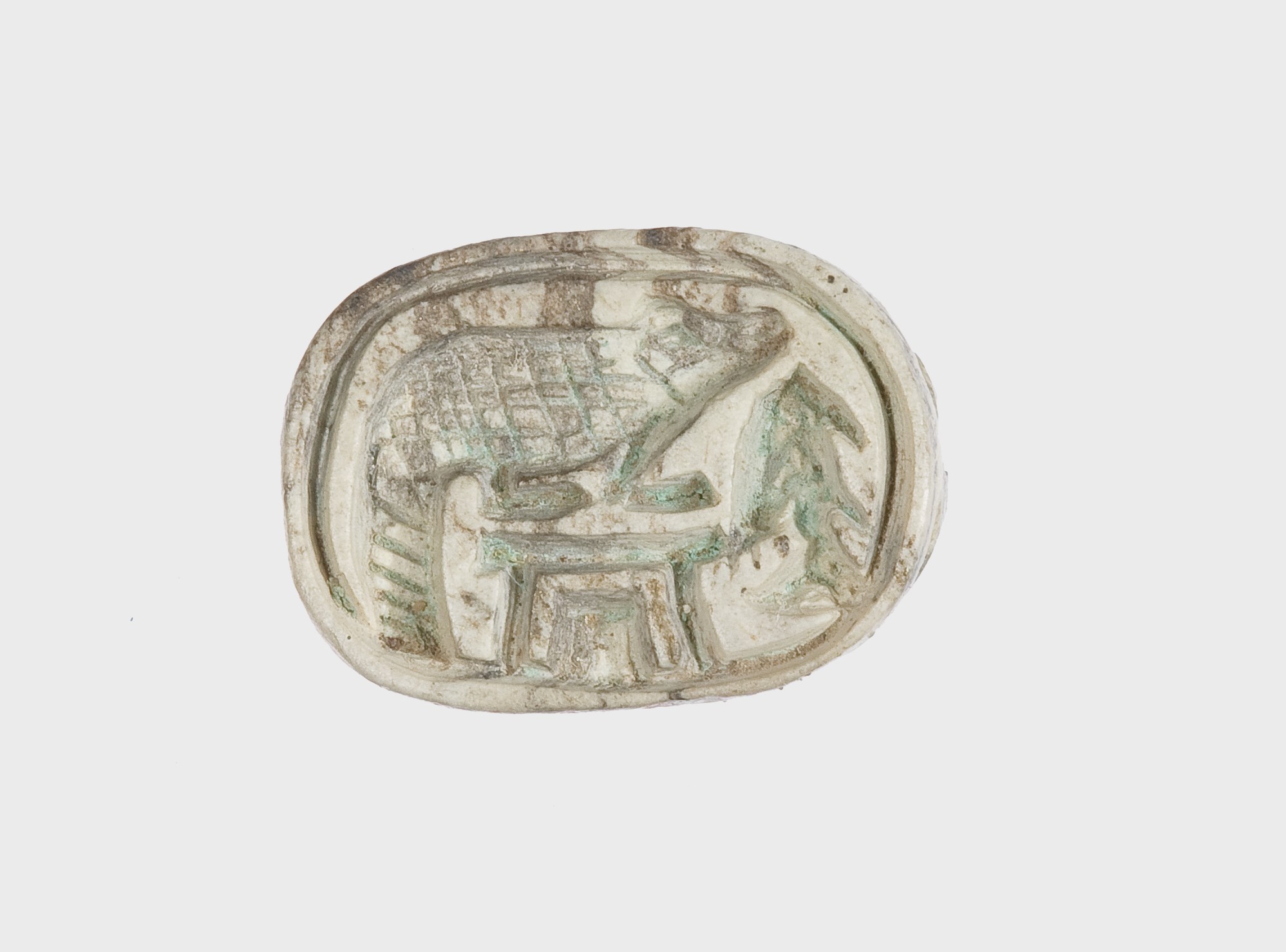
Upper Egypt
Mica schist, length 1.5 cm | 0.6 in
The Metropolitan Museum of Art
Flat sheets of mica carved into shapes, including a human hand and a bird’s talon, were found in a Hopewell Culture burial mound in present-day Ohio. It is thought these were created around 2,000 years ago. People have also worn mica sewn into clothing as reflective embellishments. Whether in carved precious objects or textiles, mica minerals have been used in many different creative contexts across history.
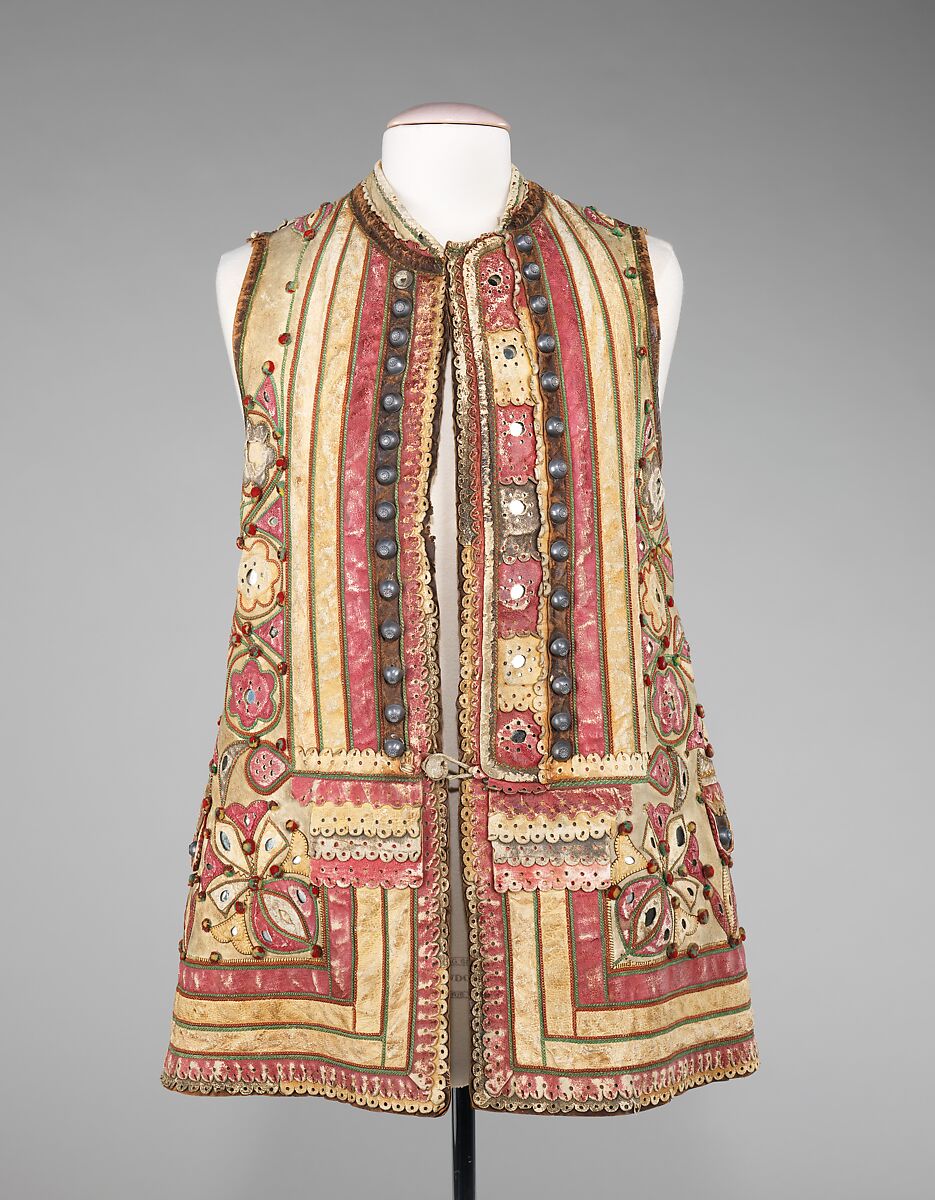
Hungarian
Leather, mica and metal, length 77.5 cm | 30.5 in
The Metropolitan Museum of Art
Mica in Japanese Printmaking
During the Edo period (1603–1868), woodblock printers developed a remarkable range of surface effects to enliven their images. Among these, kirazuri, the application of powdered mica, was one of the most luxurious. When brushed onto the print with a binding medium or sprinkled onto wet adhesive, it created shimmering passages reminiscent of silk, water, or moonlight. In this sixteenth-century fan, it has been applied to evoke the glittering of snow.
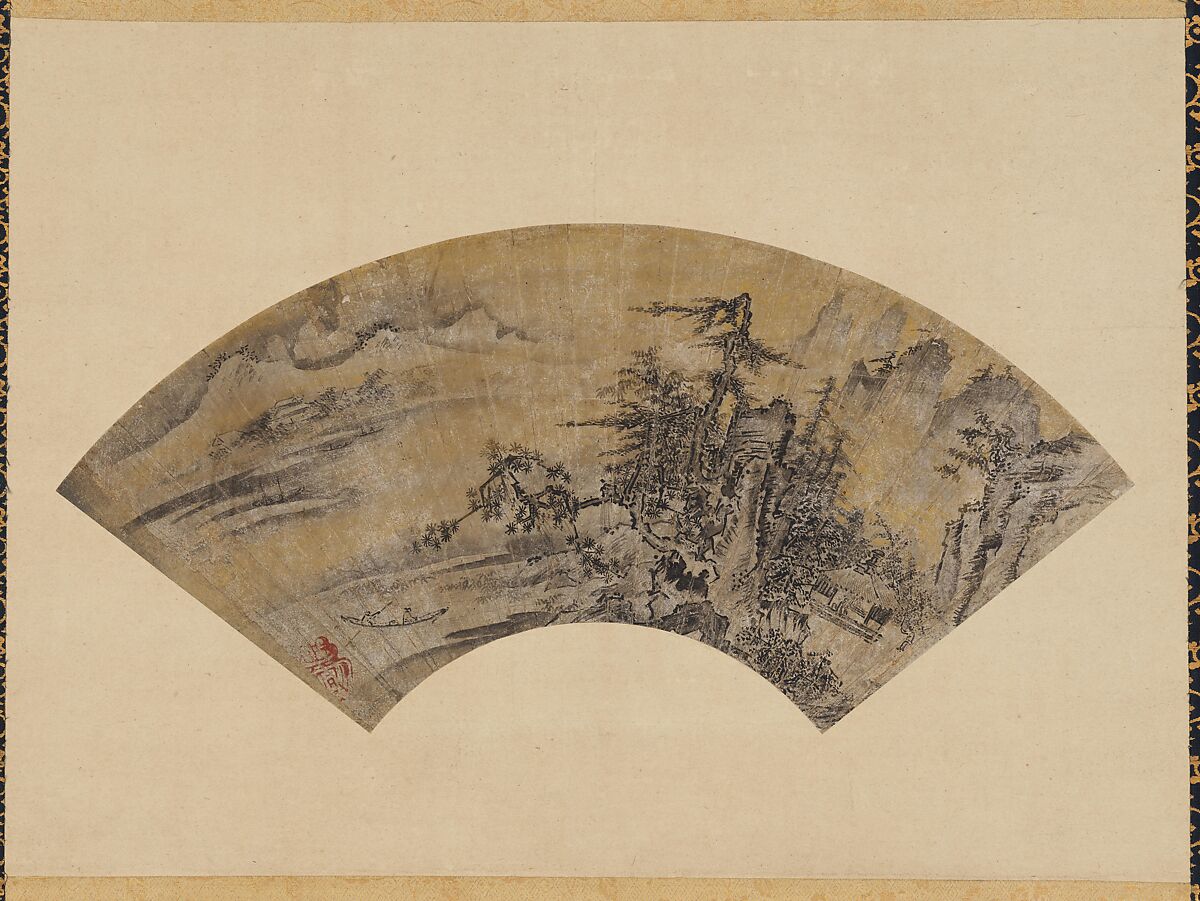
Toki TobunFan mounted as a hanging scroll; ink, gold wash, and mica on paper, 127 x 66 cm | 50 x 26 in
The Metropolitan Museum of Art
In the popular prints of kabuki actors by Toshusai Sharaku, mica was dusted onto the entire background to make the image alive with reflected light. Print publishers often used it to elevate certain editions, making the print more desirable for collectors of the time. Today, conservators handling antique prints treat mica areas with care, as the flakes can be fragile and are sometimes only loosely adhered after centuries of wear.
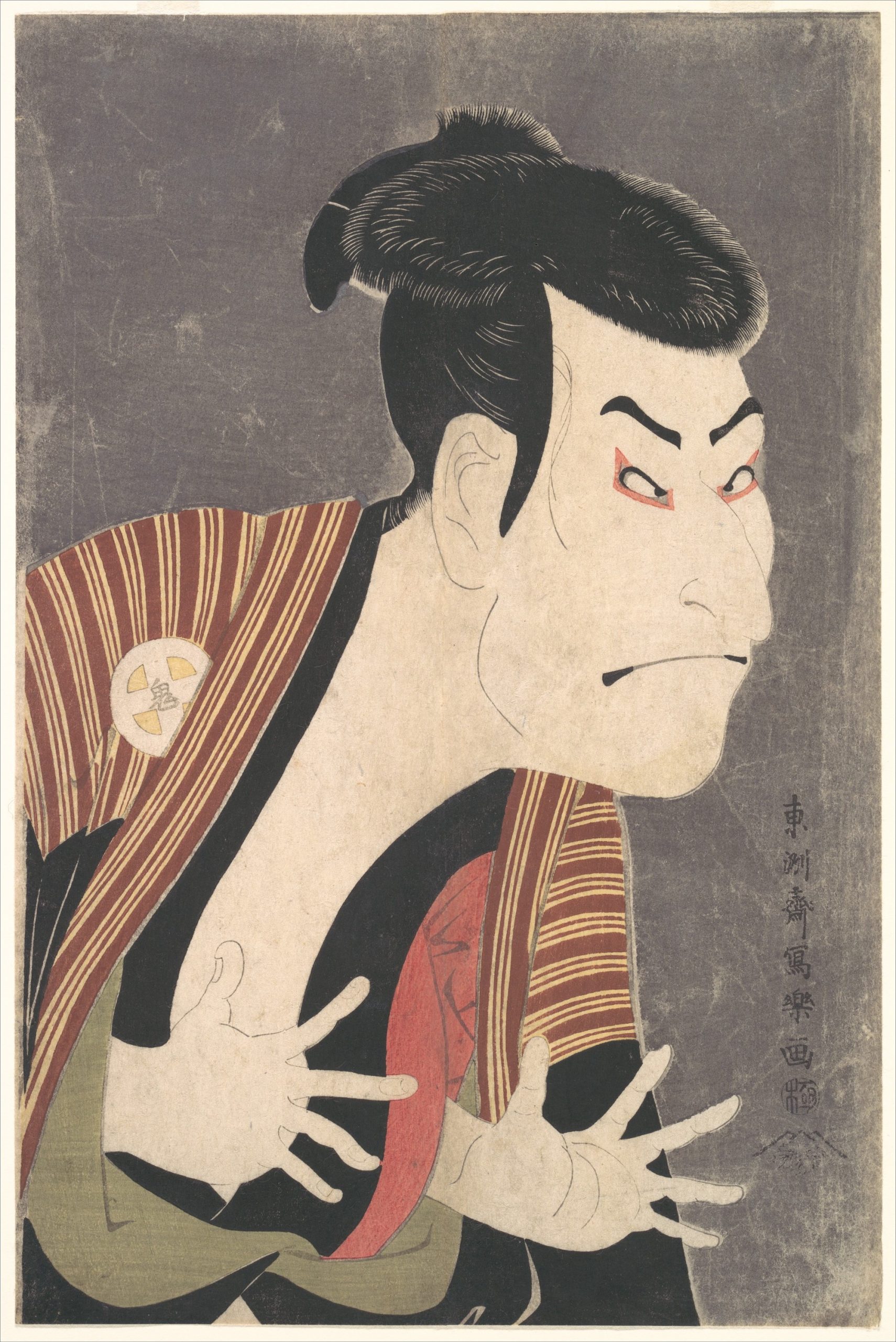
Toshusai Sharaku
Woodblock print; ink, color, and white mica on paper, 38.1 x 25.1 cm | 15 x 9.8 in
Metropolitan Museum of Art
Beyond East Asia, mica has found a place in many other artistic practices. In Indian illuminated manuscripts, for example, it has occasionally been incorporated into pigments or used in decorative details to highlight textiles, jewellery, or divine radiance. Islamic manuscript traditions, too, employed the minerals to bring subtle sparkle to intricate patterns.
The Introduction of Modern Mica Pigments
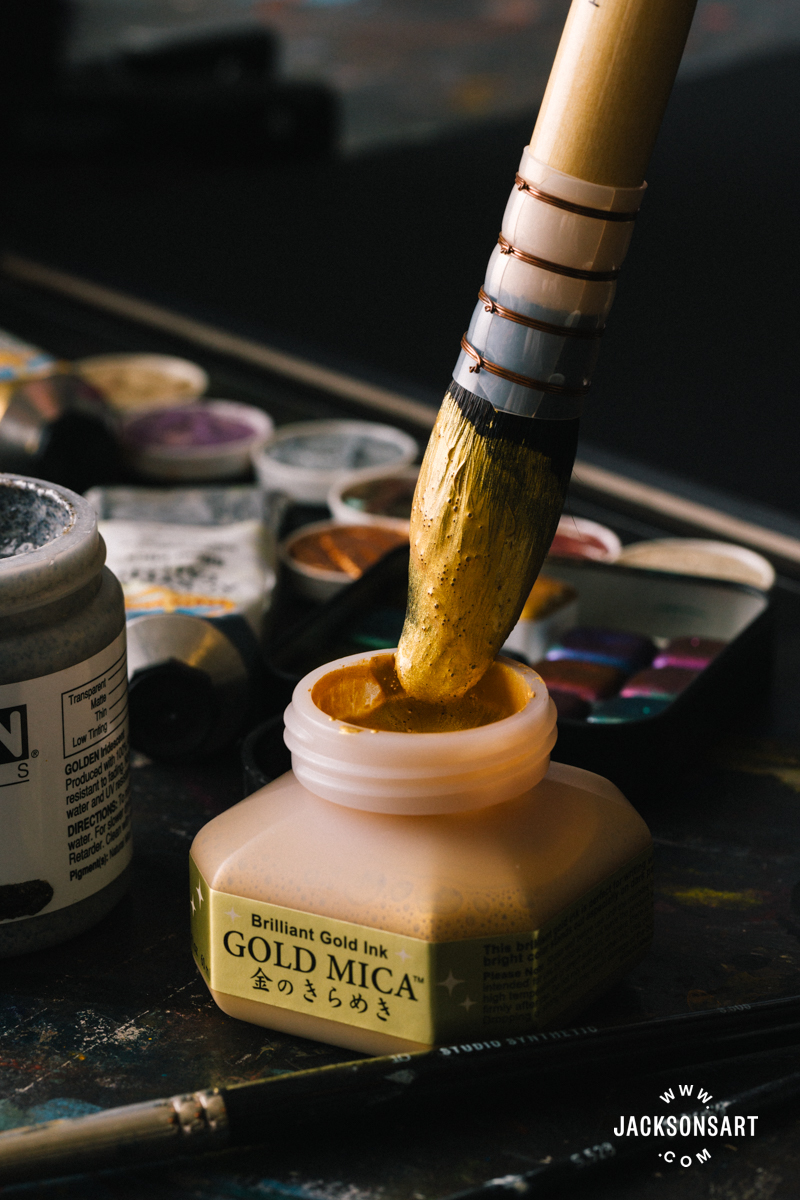
Although mica has been used for millennia, a major shift occurred in the twentieth century. In the 1960s, scientists discovered that coating individual flakes with thin layers of titanium dioxide or iron oxides produced interference colours, an optical effect similar to what creates the iridescence in fish scales or butterfly wings. These engineered pigments, which can be formulated to produce a range of different colours, soon transformed multiple industries.

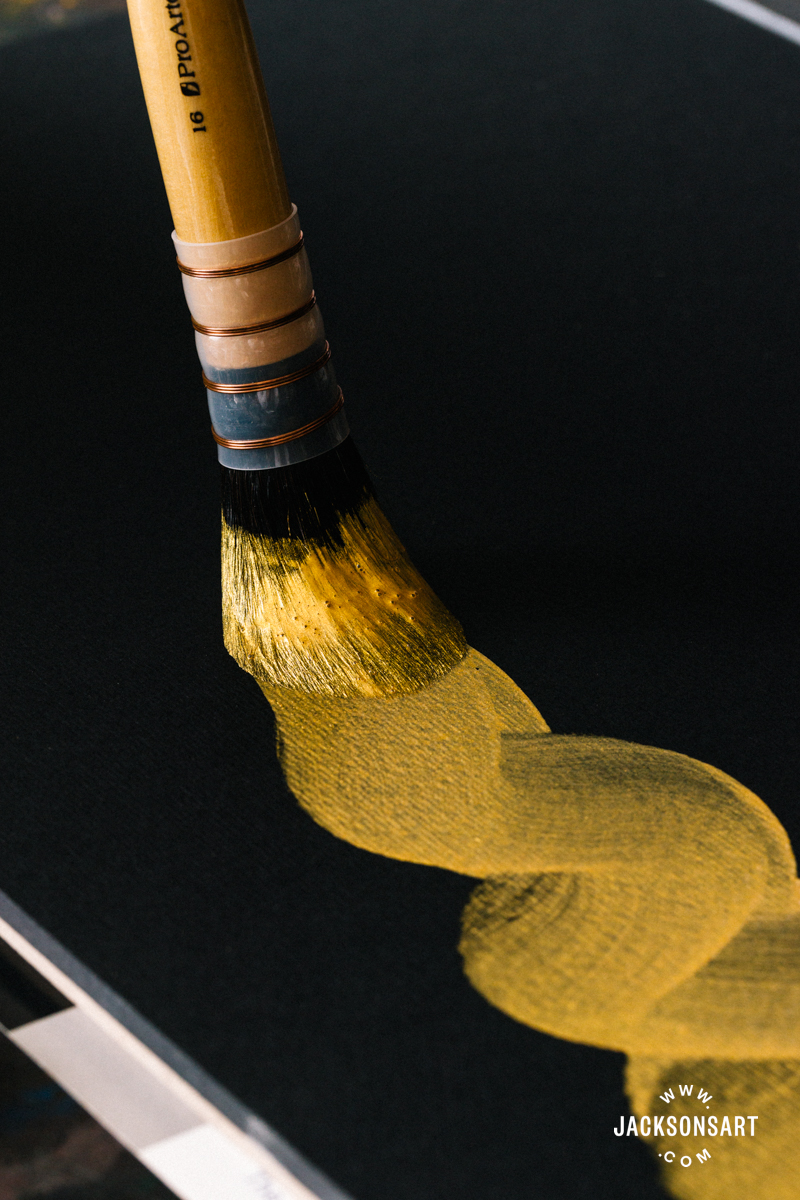
Artists gained access to a range of metallic, luminescent, pearlescent, iridescent, and duochrome paints. These pigments, which seem to glow from within, have become part of the vocabulary of painters, printmakers, and mixed-media artists. Cosmetic companies have adopted mica-based powders to create nail varnishes and eye shadows. Car manufacturers use them to produce automotive paints with depth and sparkle. Mica’s unique structure, combined with modern chemistry, has unlocked possibilities well beyond its ancient uses as a raw mineral.
The Ethics of the Mica Industry
No discussion of mica in art would be complete without acknowledging the ethical challenges surrounding mica mining. In some regions, particularly parts of India and Madagascar, the supply chain has historically been tied to unsafe working conditions and, in the worst cases, child labour. This has prompted many artists to ask where their mica comes from and how it is mined.
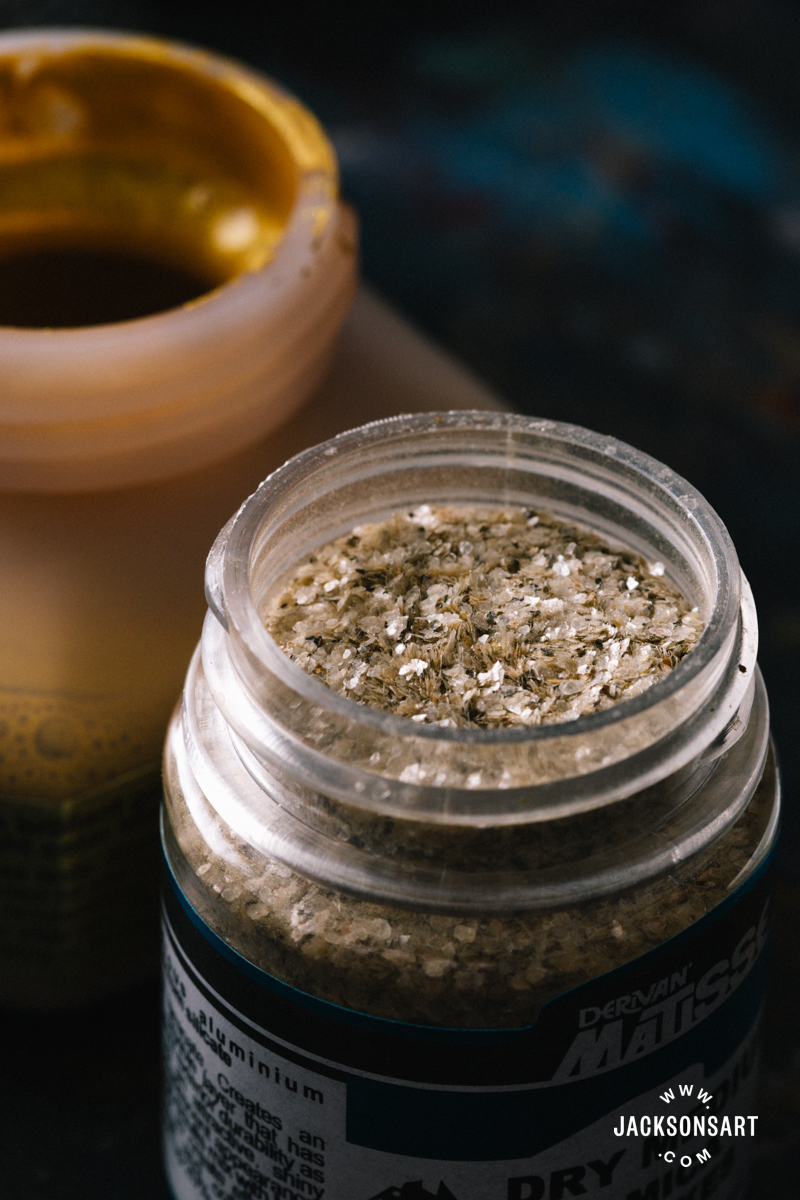
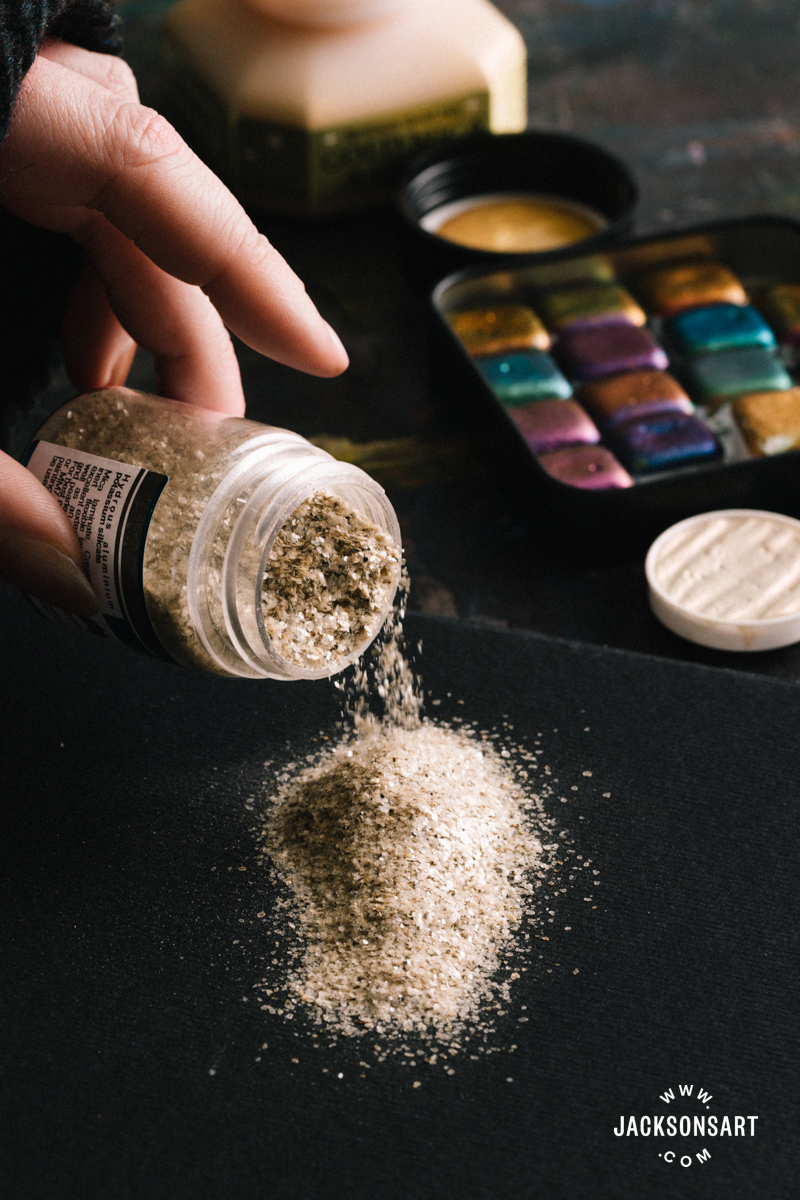
Fortunately, efforts toward responsible sourcing have expanded significantly. Many companies now offer ethically sourced mica, and some makers choose to avoid the natural product entirely, opting instead for synthetic fluorphlogopite. This lab-grown alternative has a consistent structure, is brighter and more uniform than natural mineral, and avoids the environmental and human-rights concerns associated with some mining operations.
For artists seeking to make informed choices, transparency matters. You will find statements from some paint manufacturers regarding their use of mica in this article by Lisa Takahashi.
Why Do We Keep Returning to Mica?
What is it about mica that captivates us? Perhaps, like our fascination with gold, it is simply the wonder of a material that appears to hold light. Mica sits at the intersection of the earthly and the ethereal – it is made in the earth, yet it is capable of producing a glow that feels otherworldly.
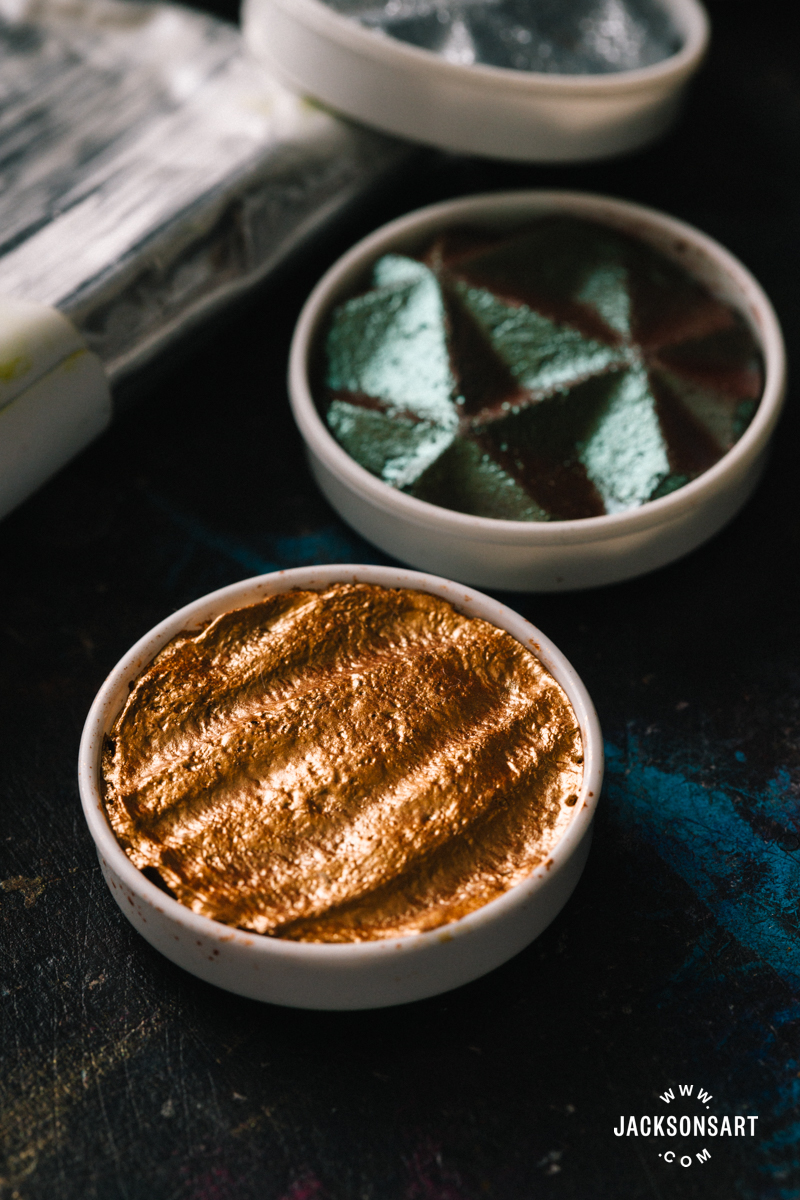
Its story is one of continuity as much as innovation: from cave walls to woodblock prints, from ancient amulets to contemporary pigments. It speaks to a universal artistic instinct to capture light and to imbue an object with radiance.

Discover our Pigment Stories and the world of colour history.
.
Further Reading
Introducing Jackson’s Pigment Stories Book
Mokuhanga: Japanese Woodblock Printmaking
Shop Art Materials on jacksonsart.com