



Sopho Mamaladze won a Guest Judges’ Choice Award selected by Faye Wei Wei in Jackson’s Art Prize this year with her work RUN. In this interview, she discusses drawing inspiration from mythology and vintage objects, pausing to view her practice from a distance, and using symbolism intuitively.
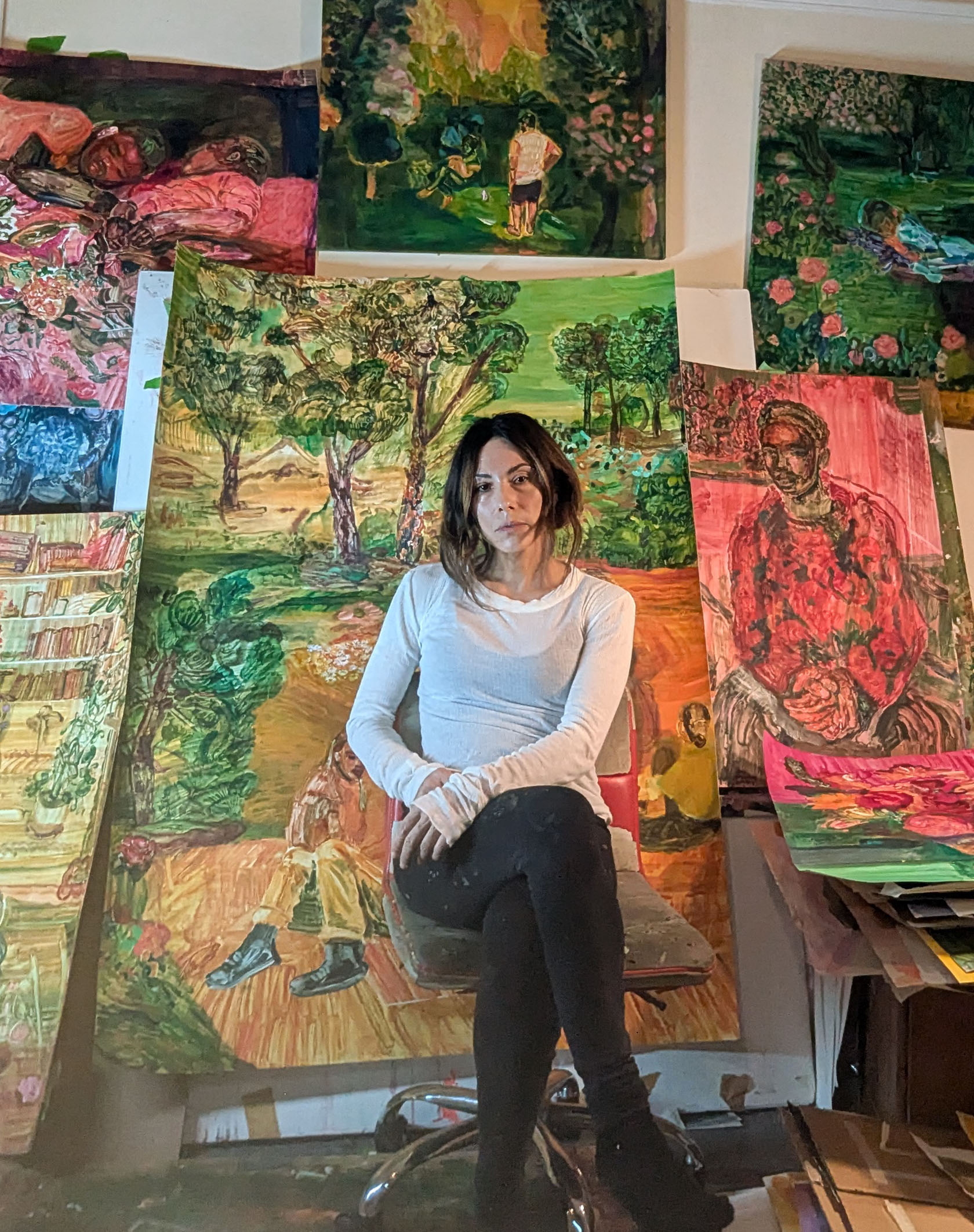
Above image: Portrait of Sopho Mamaladze

Sopho Mamaladze
Oil on canvas, 65 x 85 cm | 25.5 x 33.4 in
Josephine: Could you share the story of how you became an artist and tell us more about your artistic background?
Sopho: Initially, in my childhood, I created a world of clowns using household repair materials and clay. Later, alongside sculpting, I also began drawing. I have always loved experimenting and combining different materials together. I was so drawn to expressing and receiving emotions in this way that it became a central part of my life.
Sopho Mamaladze
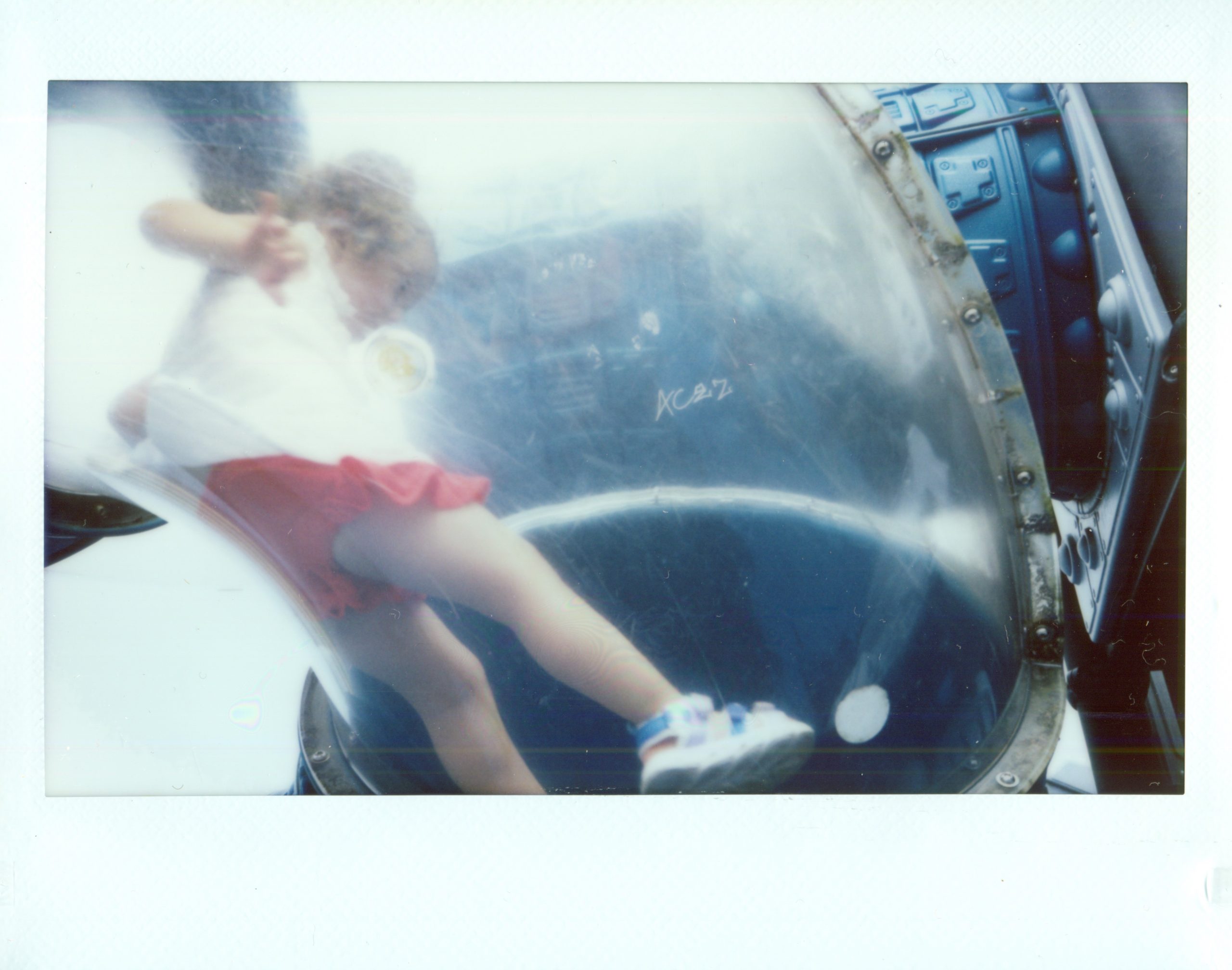
Monochrome polaroid
Josephine: What does a typical working day in the studio look like for you? Do you have any important routines or rituals?
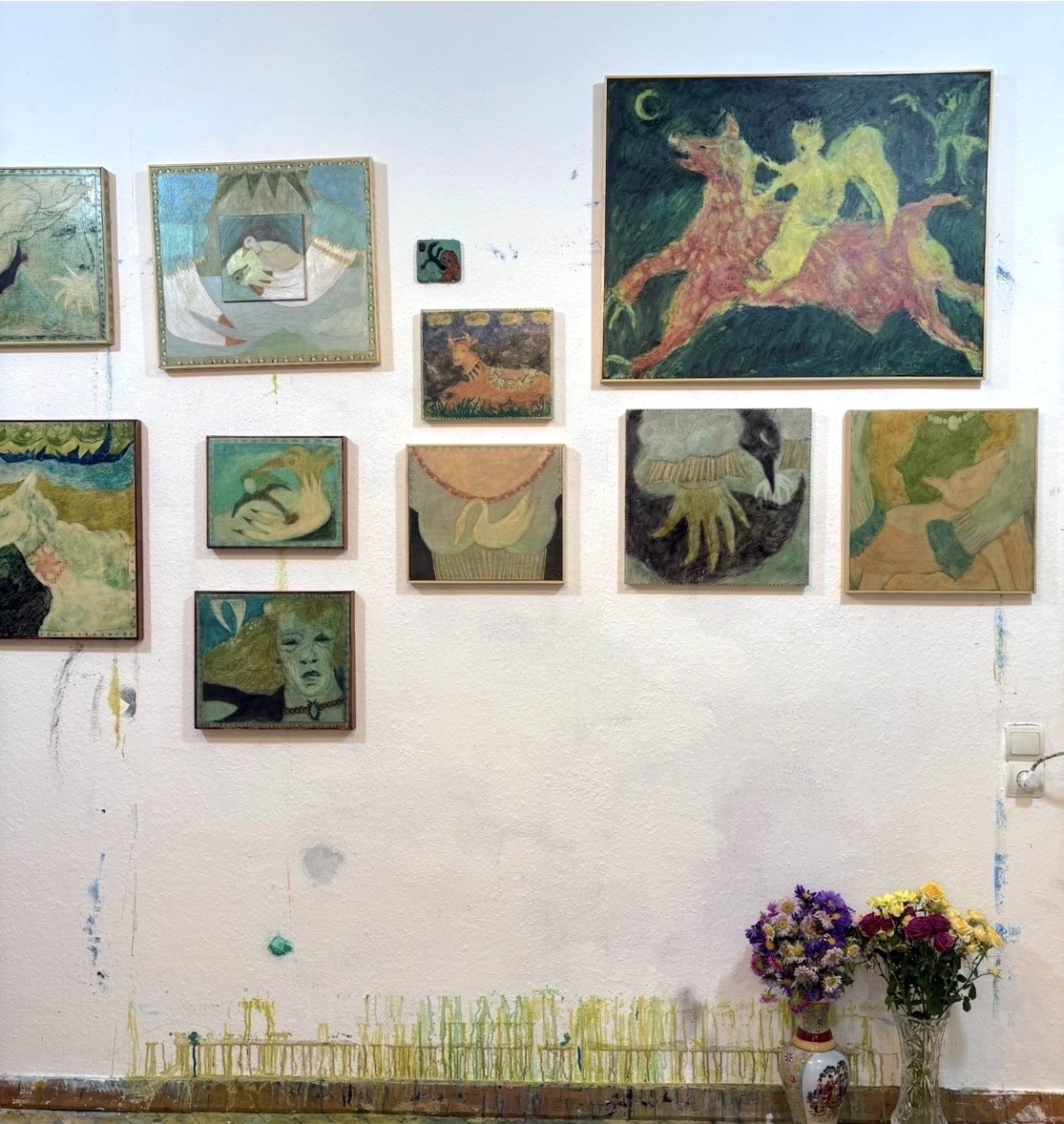
Sopho: A typical working day in my studio is not strictly structured, but rather shaped by where I am in a process. I either continue developing an ongoing series or begin a new body of work once one is completed. Each direction starts with a chosen material and theme, which I explore through research and intuition, often as a way of investigating both the subject itself and my own inner responses and states. For me, the most interesting part is playing with materials and shifting scales.
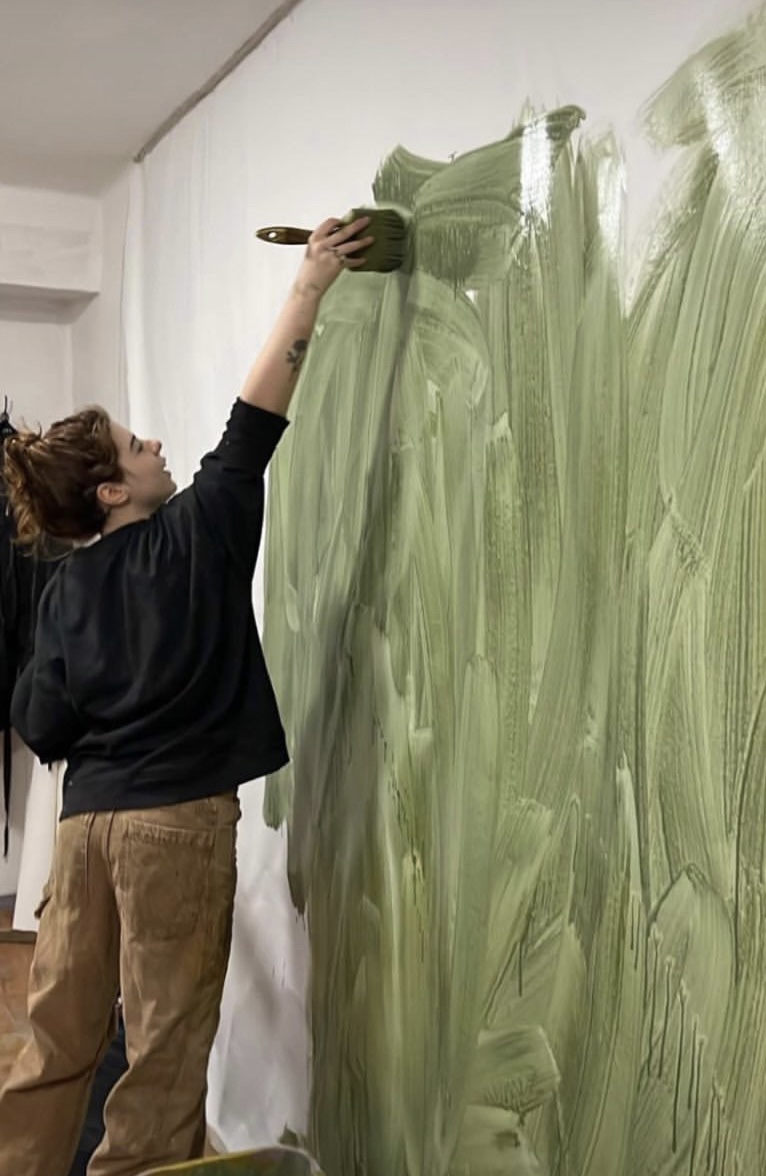
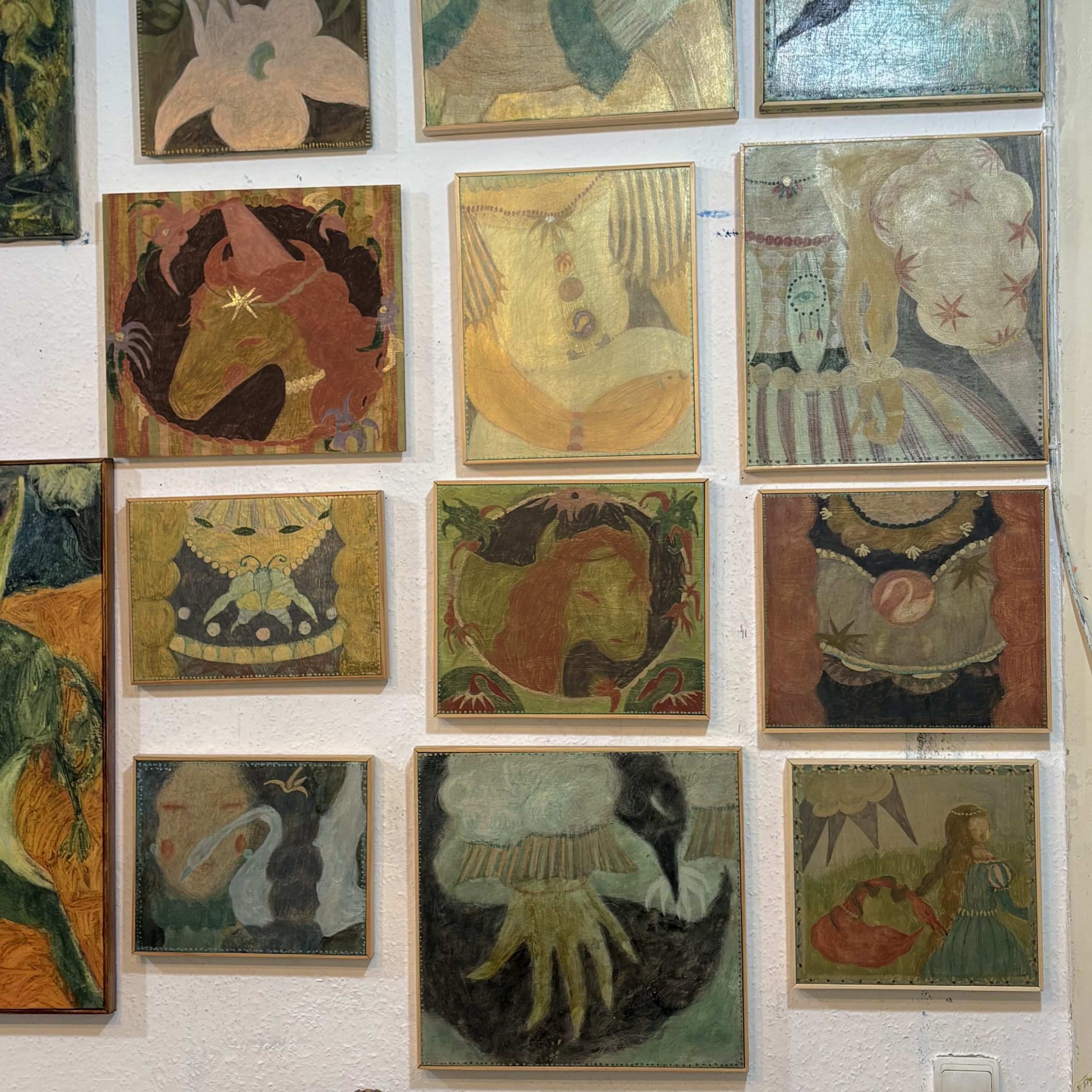
After working on a large canvas with very rough, expressive brushstrokes, I often move to a very small wooden surface and begin working there, allowing the change in format to completely shift my approach. The only constant throughout the process is music.
Josephine: Which materials or tools could you not live without?
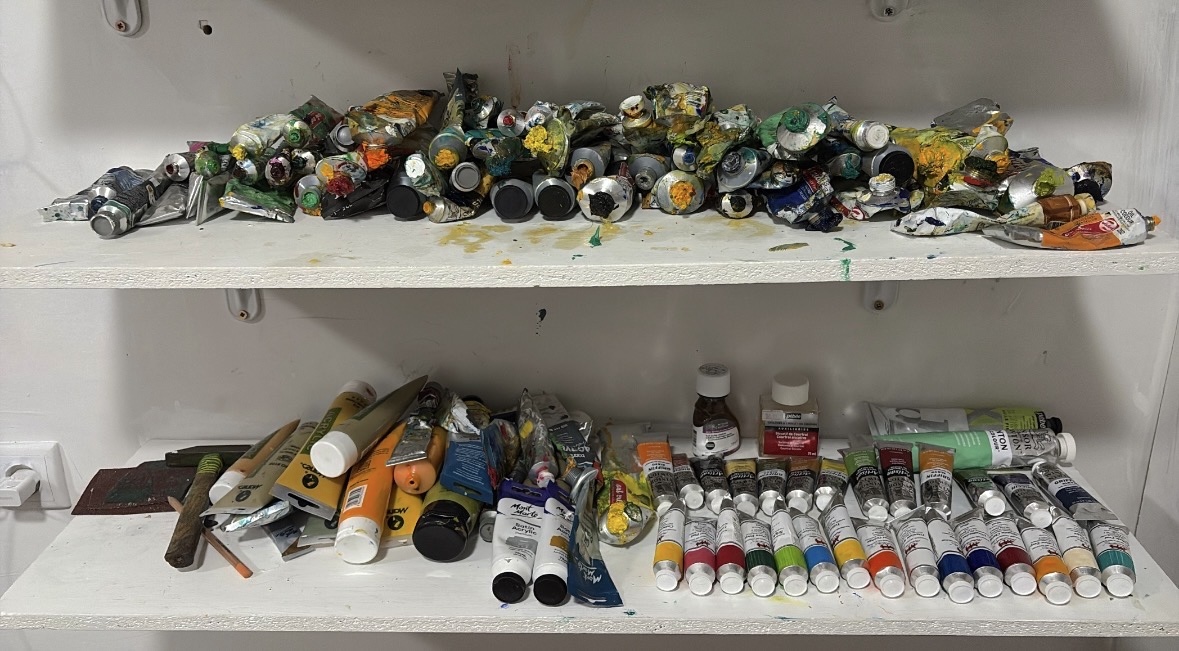
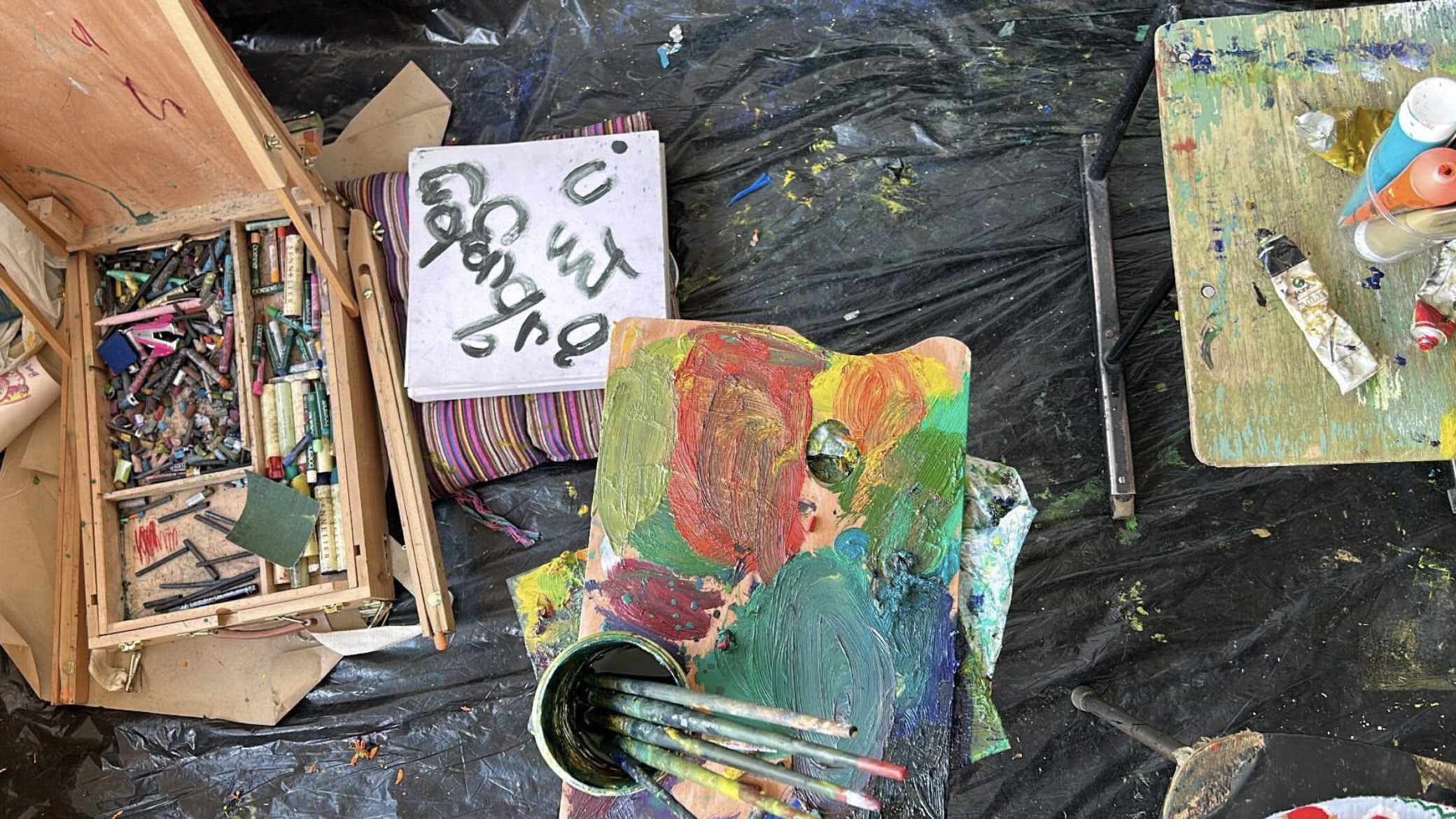
Sopho: Because my working process is divided into stages, I can hardly imagine completing it without or by omitting any of the materials I use. However, it would probably be a large, rough brush, yellow oil paint, and also sandpapers of different strengths, which I constantly use both during painting and in the finishing stages.
Josephine: Do you work from a reference? Tell us more about your process.
Sopho: I would divide my working process into two parts. There are moments when it is intuitive and research-based. Each work begins with a material or a theme, which I explore through experimentation, allowing the process itself to guide the direction and define the outcome. However, there are also, though more rarely, days when I already know exactly what I want to work on. I also often look at old vintage objects and mythological themes, drawing inspiration from them in terms of both form and character.
Josephine: Do you regularly draw or keep a sketchbook? If so, how does this inform your work?
Sopho: I rarely keep sketchbooks. As I mentioned before, my working process and the works themselves are not planned in advance. During the act of painting, forms and characters often shift and evolve, so for me it is more interesting to observe their development in the moment of making.
Josephine: Have you ever had a period of stagnation in creativity? If so, what helped you overcome it?
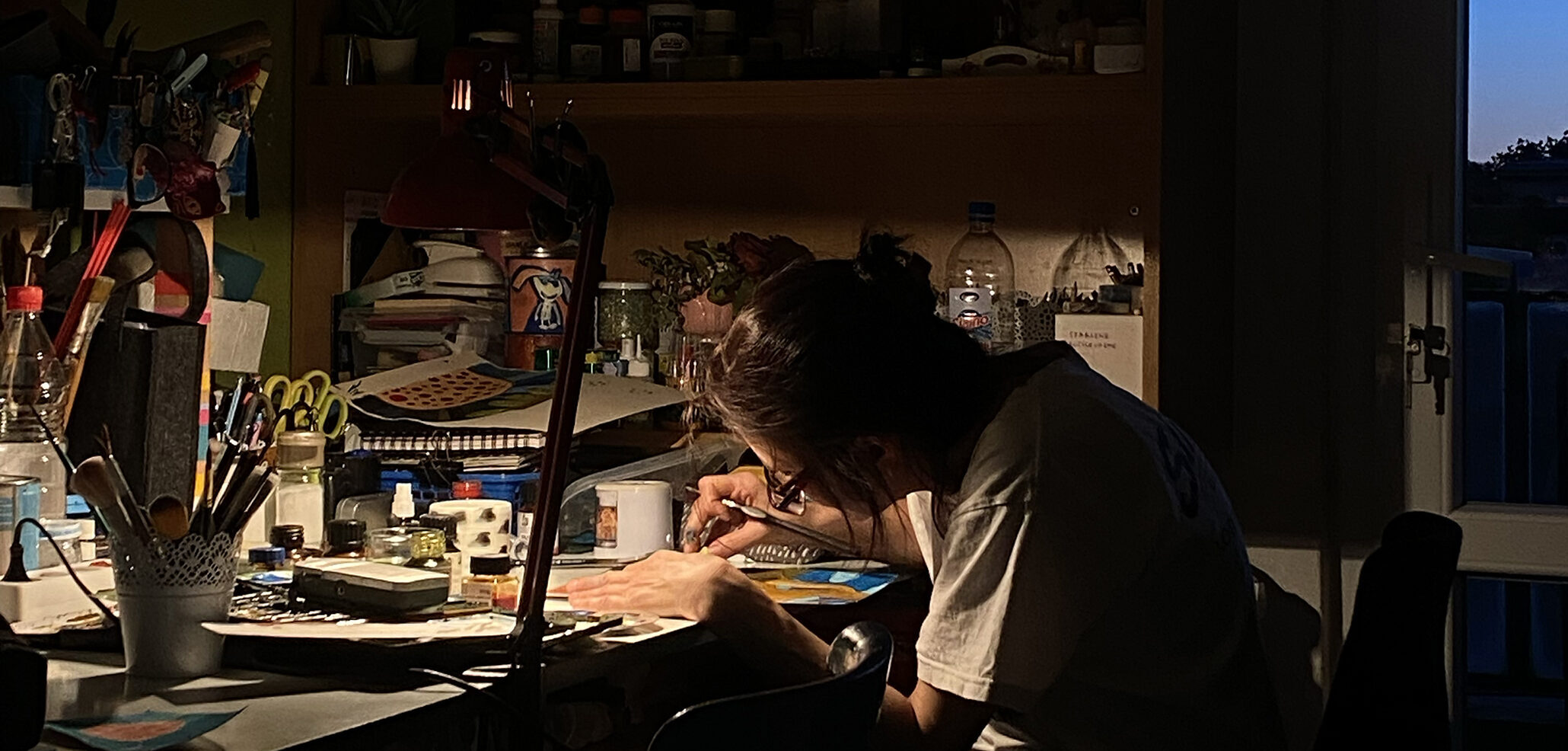
Sopho: Periods when I do not work physically are not very frequent, but they still exist. I see these moments as an important part of the next stage of my process. During this time, I do not force myself to work on something big or significant. I cannot completely stop, but I try to shift my focus to other activities, such as taking Polaroids or making artist books. I have also had moments when I simply stop, although this is only on a physical level; mentally, I am constantly processing themes and ideas.
I believe that without these periods, an artist cannot really develop, as these short pauses create an important shift in thinking and approach. It feels as if everything stops for a moment and allows you to look at your entire practice from a distance, which I find essential and almost vital for growth.
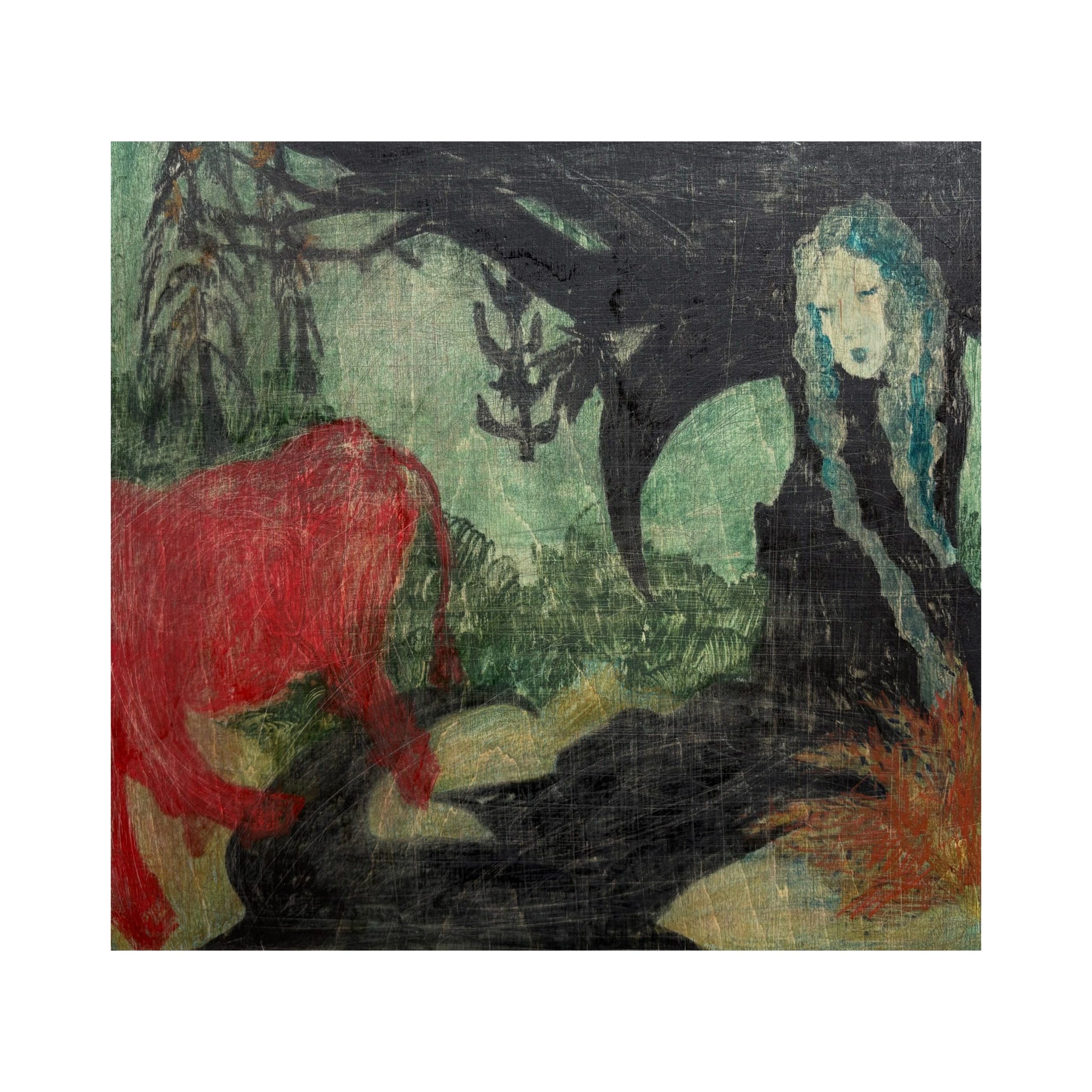
Sopho Mamaladze
Mixed media on wood, 28 x 30 cm | 11 x 11.8 in
Josephine: Are there any specific artists or mentors who have inspired you?
Sopho: Yes, I have been inspired by many artists, both historical and contemporary, although my influences are constantly changing. Rather than focusing on specific names, I tend to draw inspiration from different practices, approaches, and ways of thinking about materials and image-making.
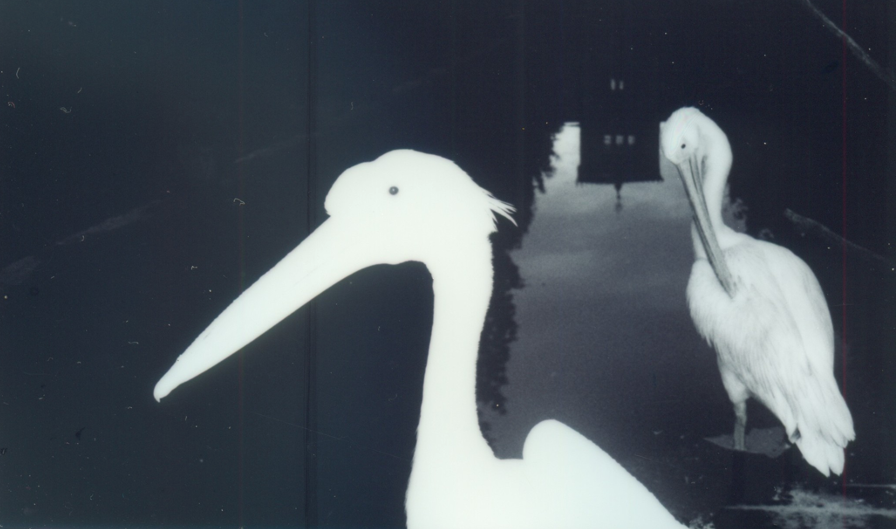
Sopho Mamaladze
Monochrome polaroid
Josephine: What were you thinking about or exploring at the time you made RUN? What inspired it, and how did it come to be?
Sopho: At the time I made RUN, I was thinking about movement, urgency, and inner states of tension. The work came out of a combination of intuition and process, where the material itself started to guide the direction. It was not planned in advance but developed through making, responding to each stage as it unfolded.
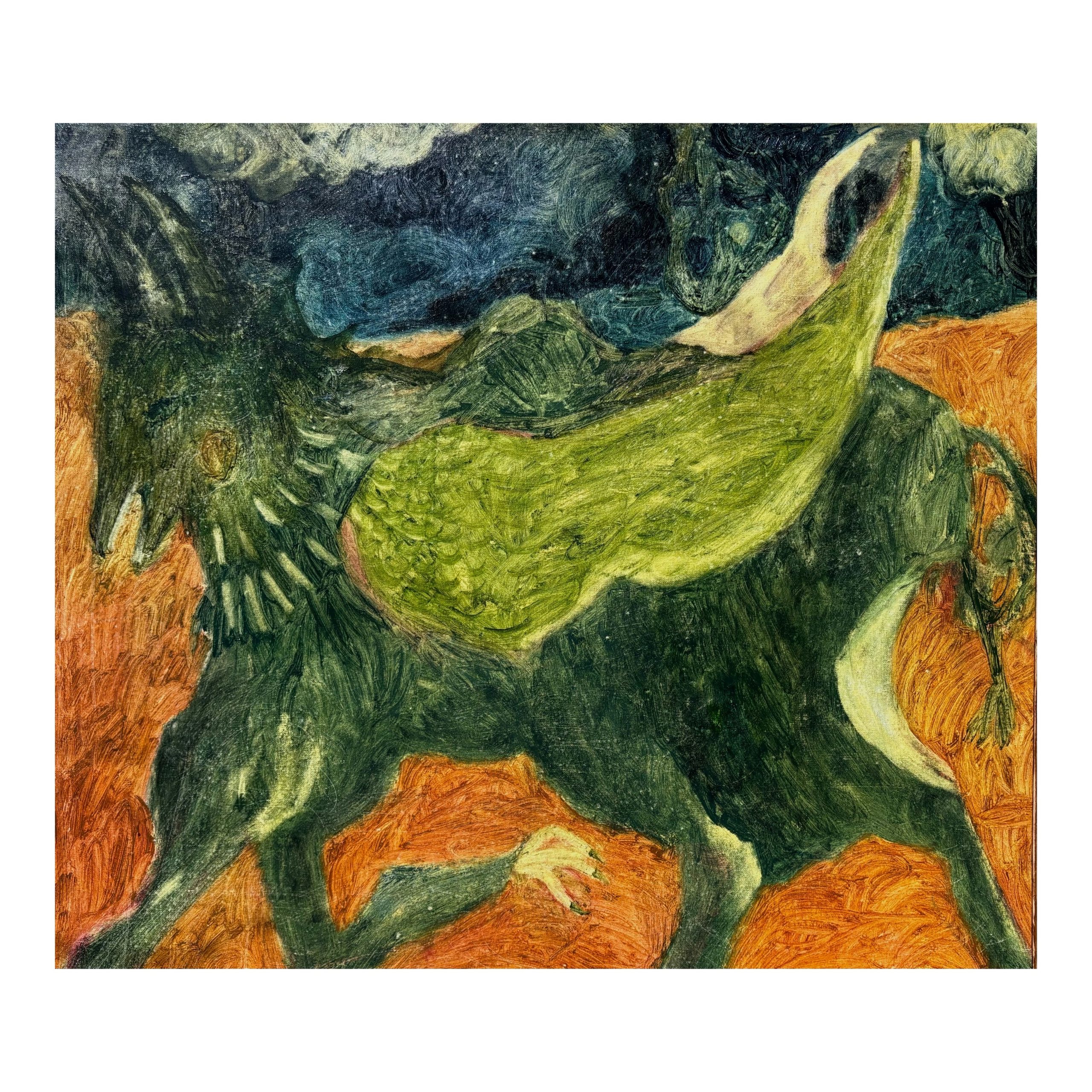
Sopho Mamaladze
Oil on canvas 82 x 72 cm | 32.2 x 28.3 in
Josephine: What made you submit this piece to Jackson’s Art Prize?
Sopho: I felt that this piece carried an honest trace of my process at that time, where intuition and material led the way. I felt a strong connection to the work, and it was important for me to let it exist outside the studio. Submitting it to Jackson’s Art Prize felt like a way of opening that moment of work and sharing it within a wider artistic context.
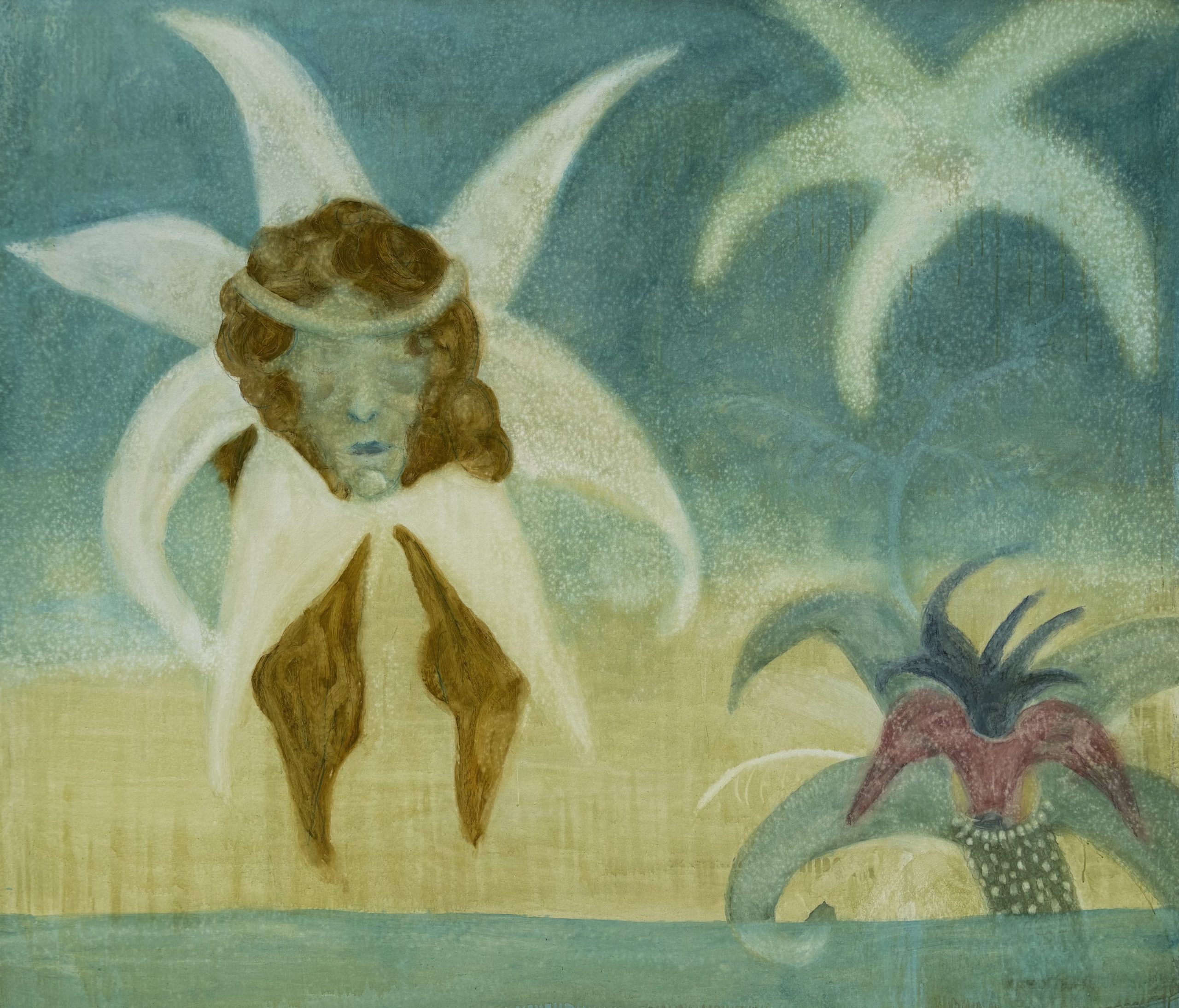
Sopho Mamaladze
Oil on canvas, 165 x 187 cm | 64.9 x 73.6 in
Josephine: Do you use symbolism in your painting practice? If so, does the meaning emerge from the object, or do you begin with a meaning you want to express?
Sopho: Symbolism constantly accompanies my practice. Often, it reveals its own meaning naturally, emerging through the work itself rather than being fully planned in advance. From there, I continue developing it through the act of making, where intuition, material, and process gradually shape it into a finished artwork.
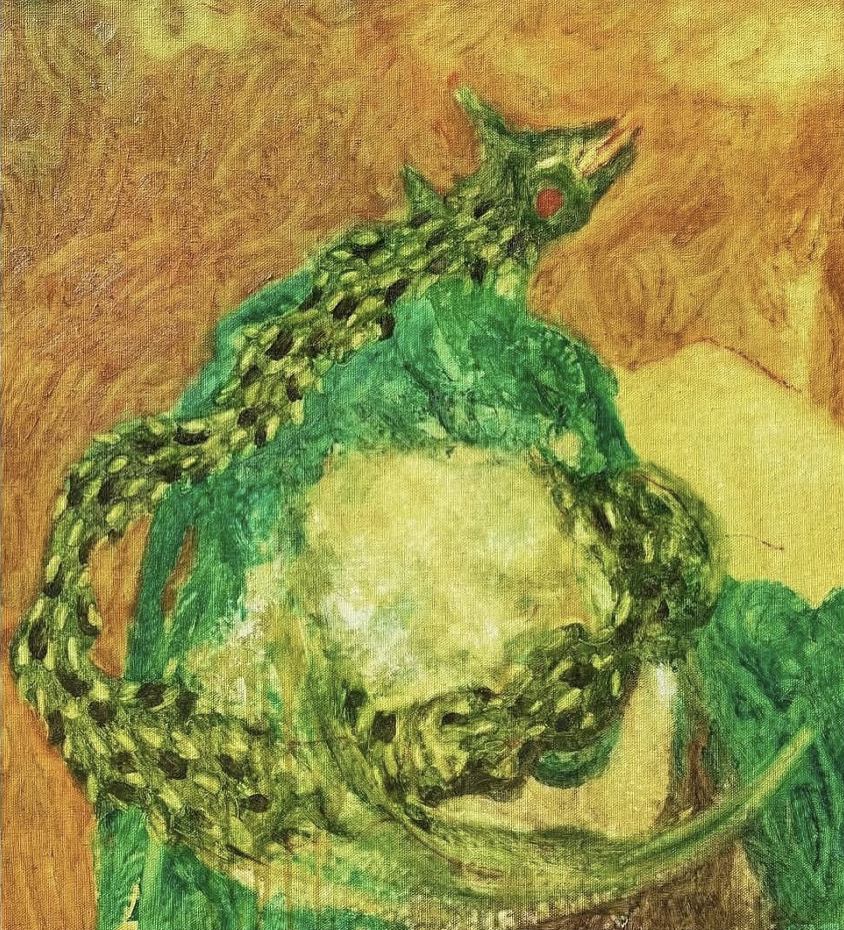
Sopho Mamaladze
Oil on canvas, 68 x 61 cm | 26.7 x 24 in
Josephine: What inspires your palette?
Sopho: My palette is mainly driven by material exploration and the emotional tone of each work. I don’t plan colours in advance; they usually emerge through the process.
I am also greatly inspired by old frescoes and objects that once had bright, vivid colours, but over time have been worn down and faded, leaving them softened, yet still retaining a certain remaining intensity.
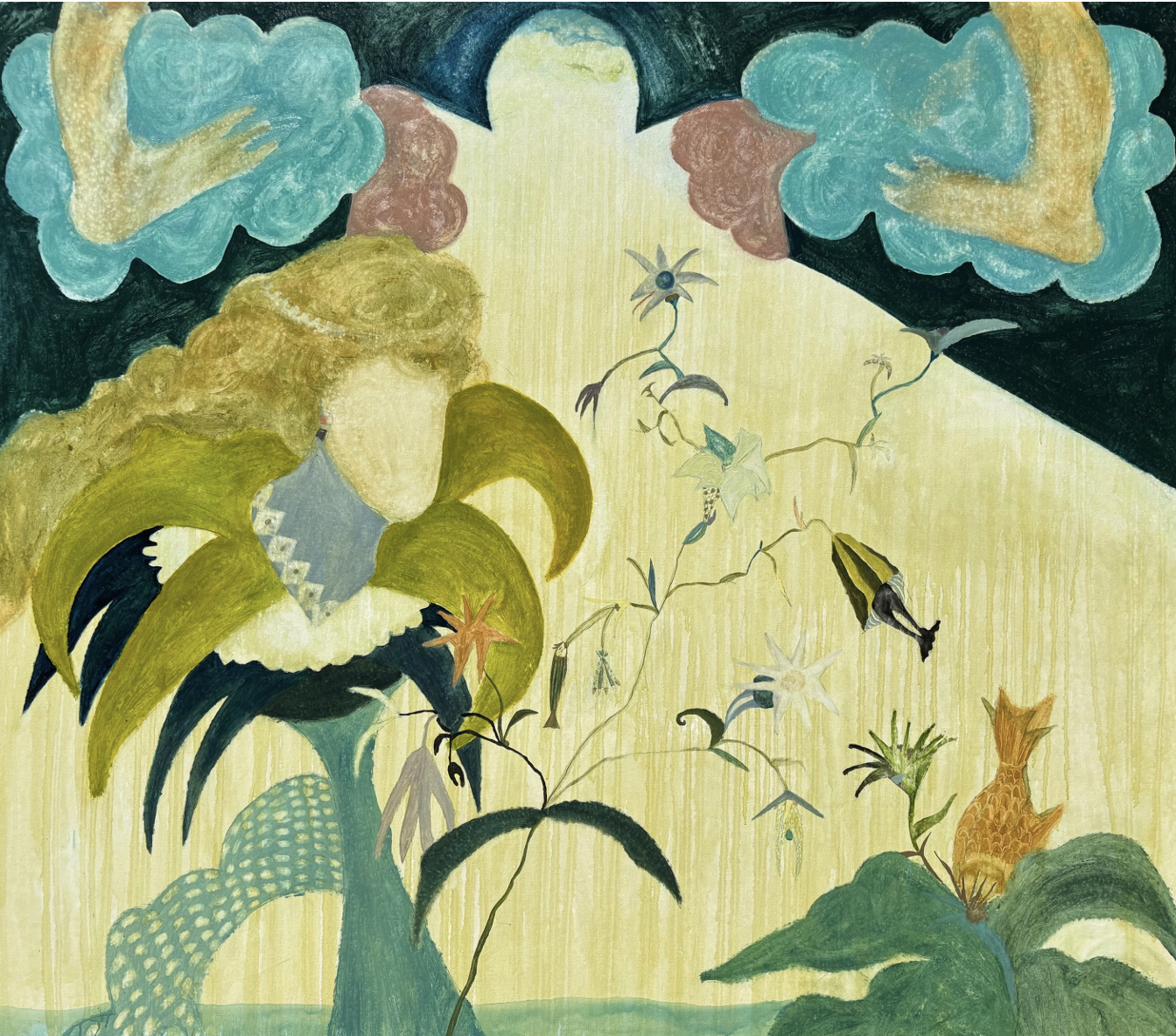
Sopho Mamaladze
Oil on canvas, 170 x 195 cm | 66.9 x 76.7 in
Josephine: Are there any new techniques or ideas you’re excited to explore using the materials from your prize?
Sopho: Yes, I see the materials from the prize as an opportunity to expand my current process. I’m interested in continuing to explore contrasts in scale and texture, and in seeing how new materials might influence the way forms and images evolve.
Josephine: How did it feel to move through the stages of the competition and win Faye Wei Wei’s Choice Award?
Sopho: It was a very positive and encouraging experience to move through the stages of the competition. Each stage helped me gain a clearer understanding of my practice.
Faye Wei Wei is one of the artists I particularly admire, and I really appreciate her work, so receiving her Choice Award was especially meaningful for me.
Josephine: What’s coming up next for you?
Sopho: At the moment I am in a very active working period. I am also planning art fairs and exhibitions both in Georgia and abroad, and continuing to develop new work alongside these preparations. I am focused on expanding my practice and presenting it in different contexts, while allowing new ideas to emerge through the process. I am also continuing to explore themes that are important in my work, including mythology, which often informs the atmosphere and symbolic layer of my practice.
Follow Sopho on Instagram
Visit Sopho’s website
Further Reading
Jackson’s Art Prize 2026 First Prize Winner Announced
Meet Eleanor Johnson, Winner of Jackson’s Art Prize 2025
How We Collaborate With Artists
Expert Advice on Making Your Way as an Artist
Shop Oil Painting on jacksonsart.com


1 thought on “Sopho Mamaladze: An Honest Trace of Process”
Enjoyed reading about your practice, Sopho, over a coffee before heading to my studio. I work alone most of the time and it’s something about knowing there are others doing the same that makes you feel part of a larger thing. I can see you are working on loose canvas battoned on to the wall, I have only just started stapling to the wall but smaller pieces of Khadi cloth. What canvas are you using?
Thanks for starting my day.
Deborah
Comments are closed.