



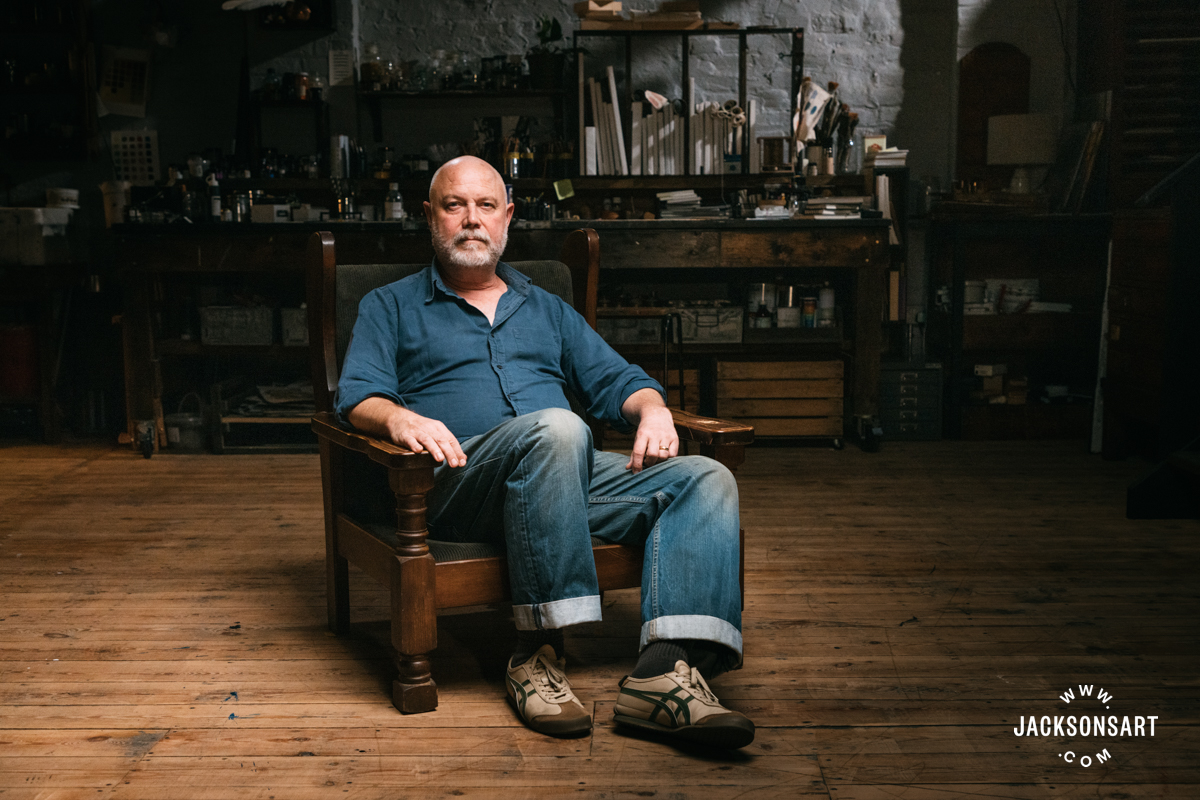
Henry Ward is a London-based artist whose enigmatic paintings sit somewhere between abstraction and representation. His work explores the materiality of painting – experimenting with a wide range of mediums to investigate the process of art-making. In this article, Henry gives us a glimpse inside his sketchbook practice, and discusses the permanence of working in pen, the relationship between sketchbook and studio, and how the accumulation of visual information reflects the creative mind.
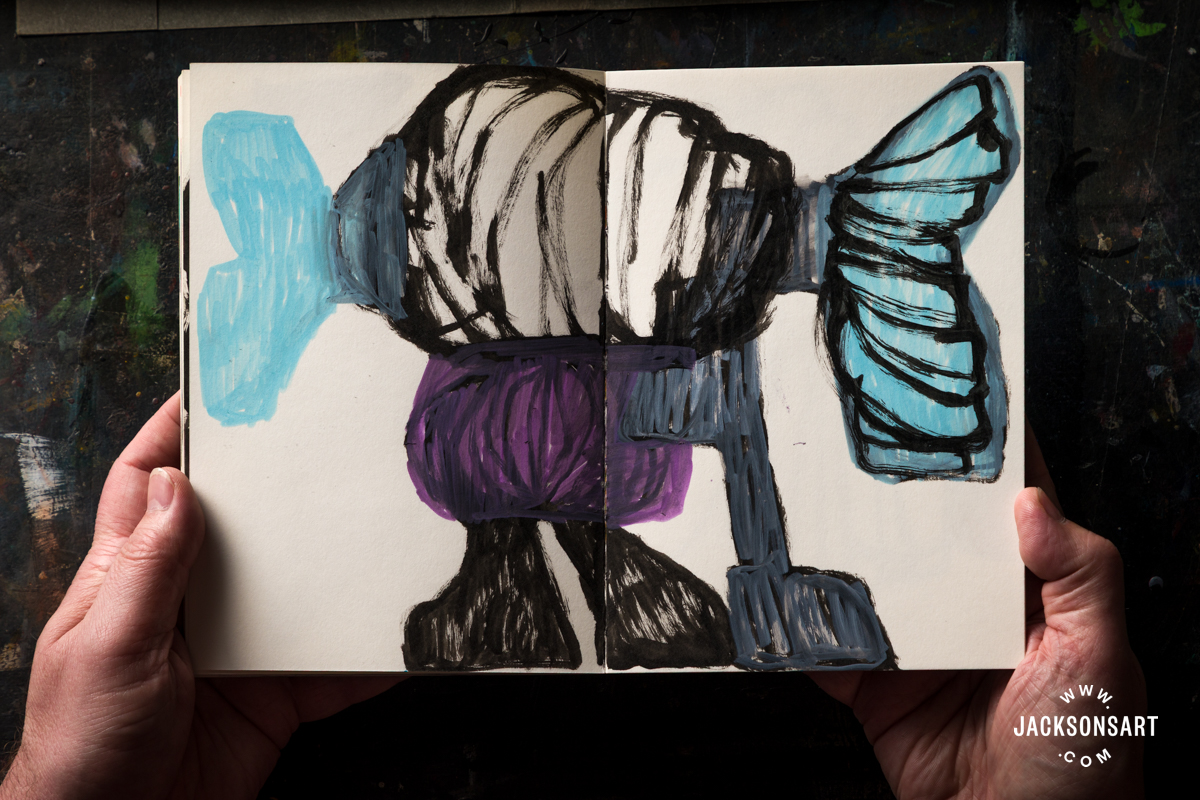
I’ve always kept sketchbooks. While other areas of my practice have fluctuated over the years, and the pressures of everyday life have sometimes made it difficult to get into the studio as regularly as I would like, sketchbooks have remained a constant thread running through everything I do.
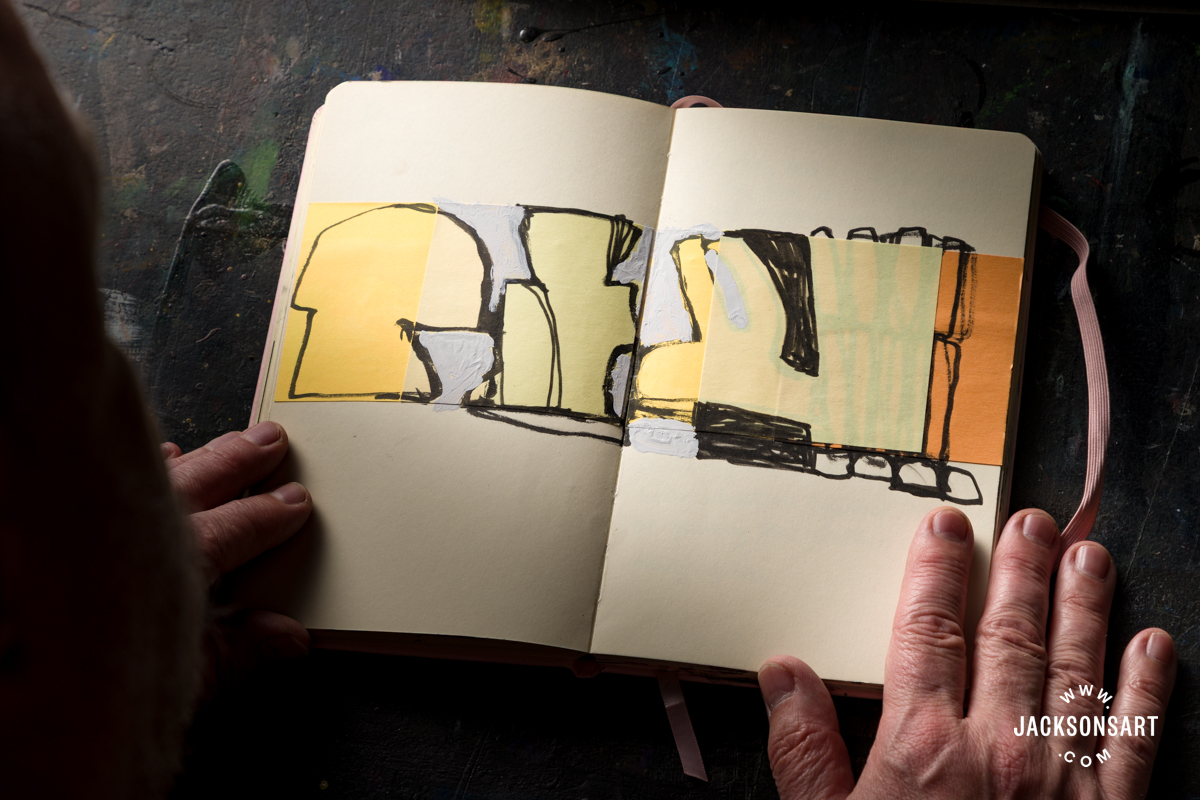
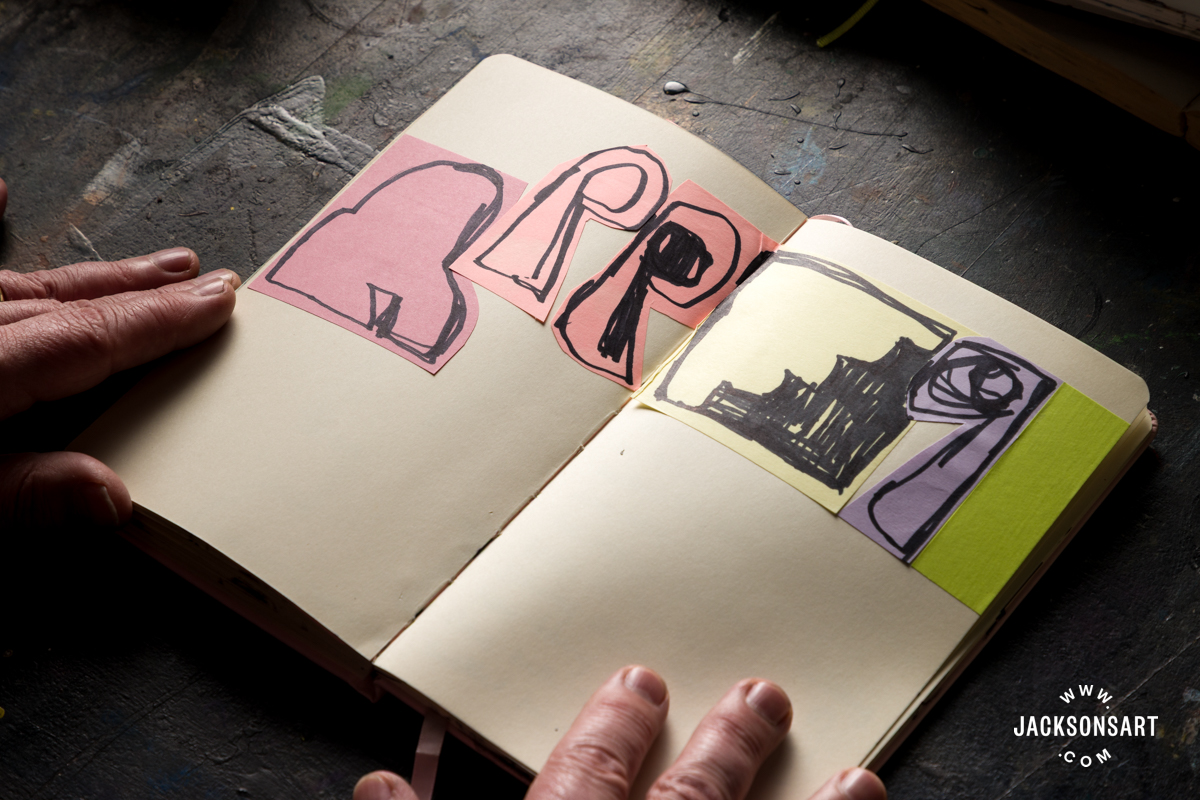
They are probably the most consistent aspect of my practice. I’ve used all sorts of different formats over the years. But my default has always been an A5 portrait-format sketchbook, almost invariably by Seawhite. Over time, this has resulted in a carefully catalogued archive of around 100 sketchbooks completed over the past 25 years or so.
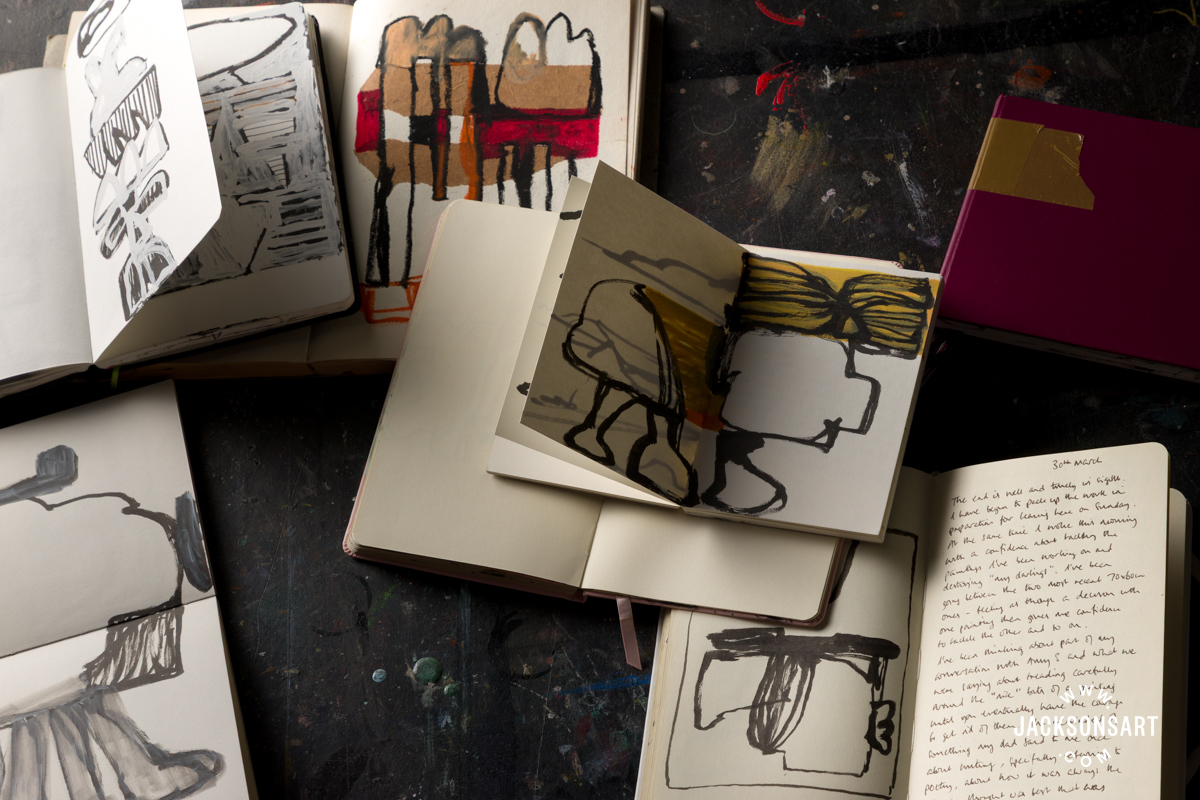
Occasionally, I’ll acquire a different type of sketchbook, often with a particular purpose in mind. Last year, for example, I undertook a residency in Cornwall and took a range of sketchbooks of different sizes and formats with me, intending to work through them during my time there. Sometimes, I find myself drawn to an unfamiliar format and enjoy experimenting with it for a while, but I almost always return to the familiarity of my preferred sketchbook. There is something reassuring about its scale and proportions. And I think that consistency has become an important part of how I work.
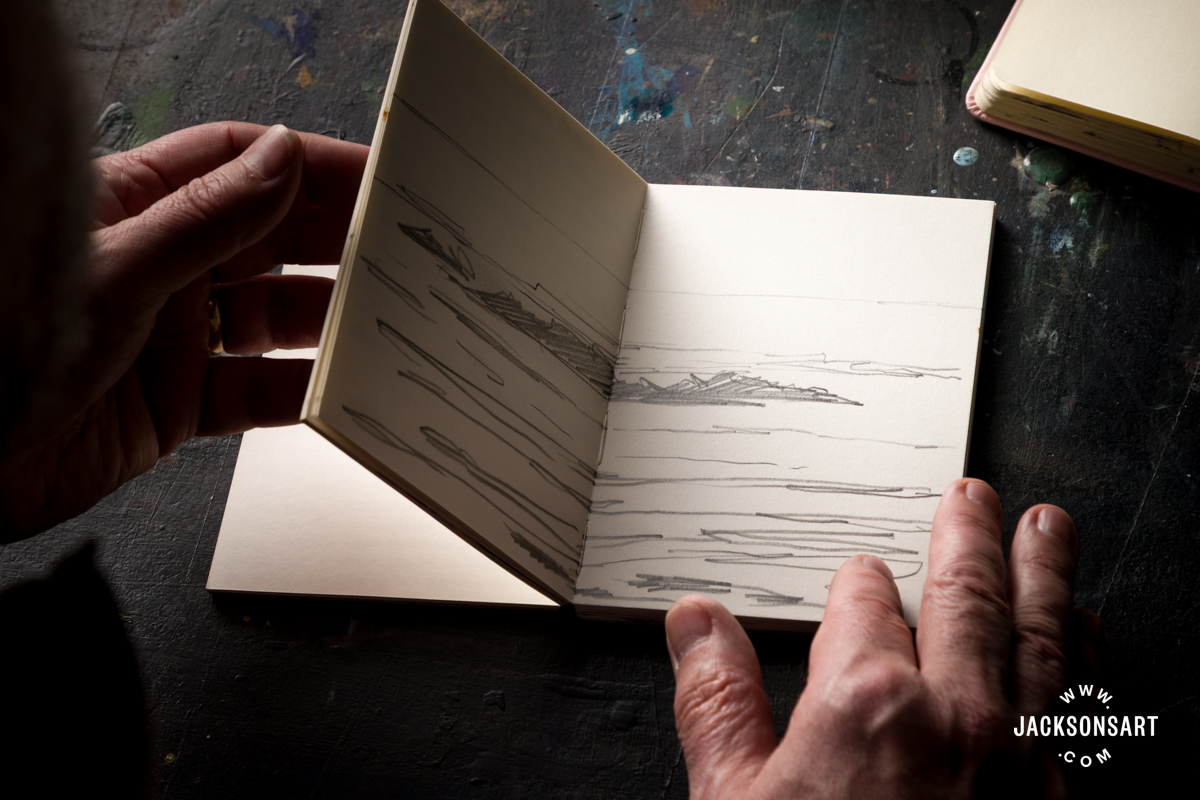
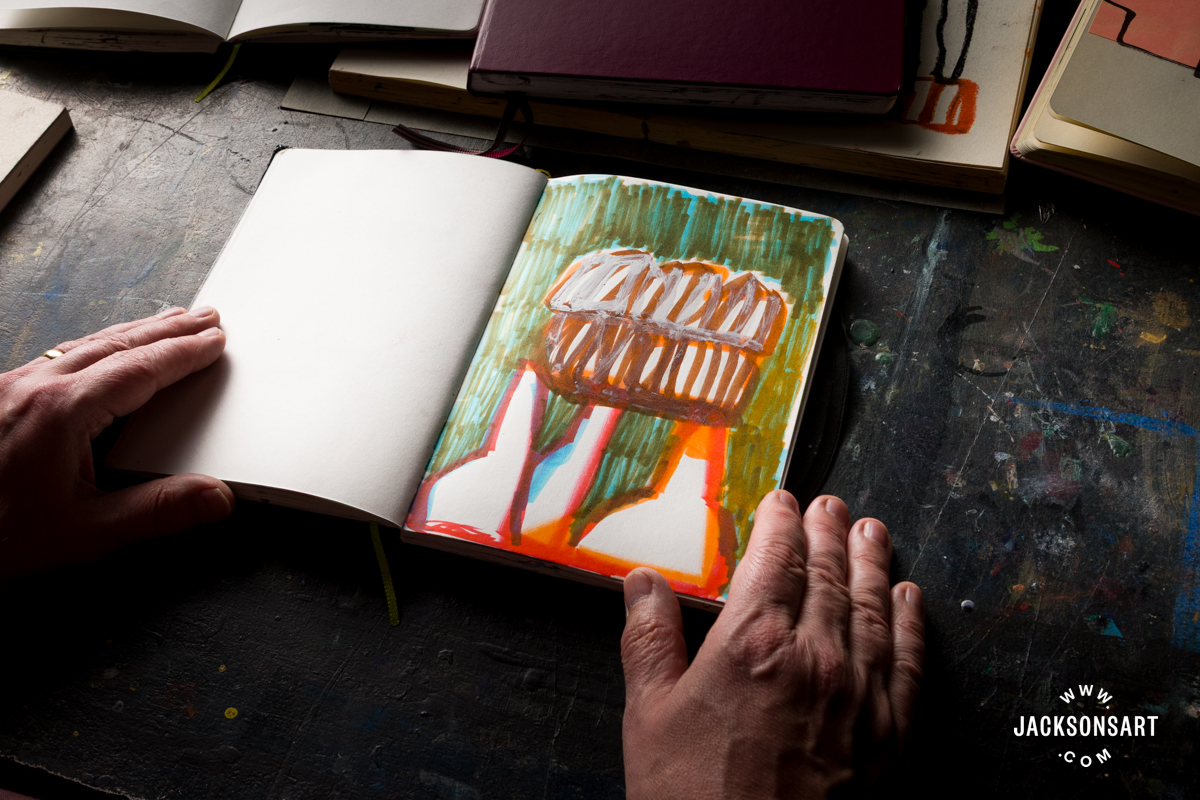
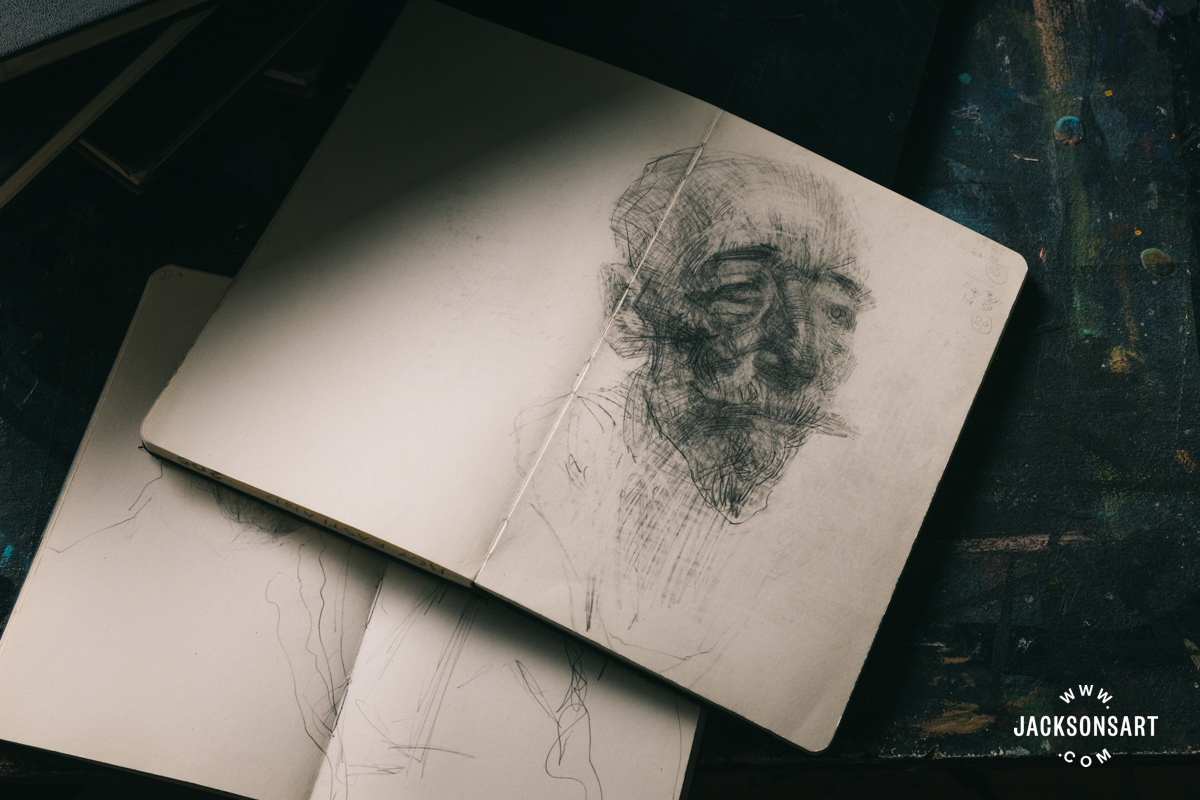
Over the years, I’ve drawn, painted, made collages, and written extensively in my sketchbooks, using a wide variety of materials. At the moment, however, I am working almost entirely with paint markers. They have a quality I really enjoy, allowing me to layer colours and build images that feel closely connected to the paintings I make in the studio. I particularly like working with pen because of the permanence of the marks it creates. There is no easy way to erase or correct a line, and I enjoy negotiating that commitment as part of the process.
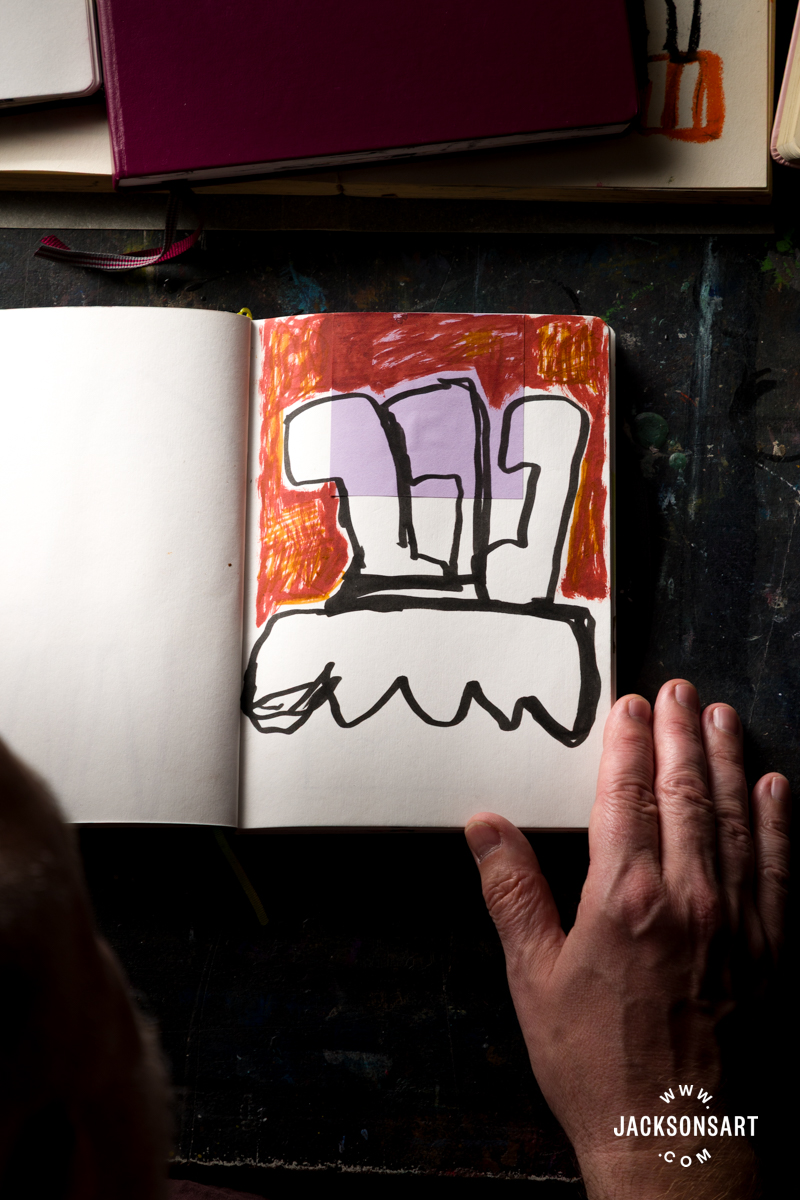
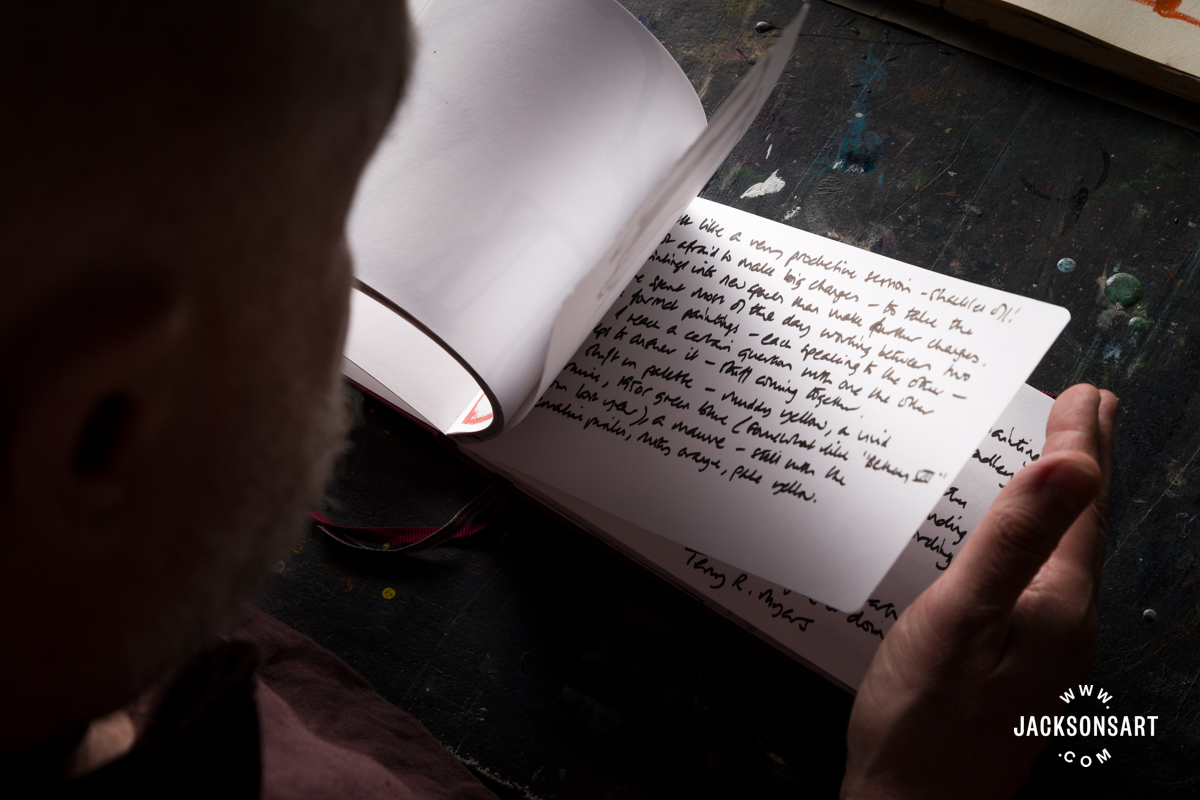
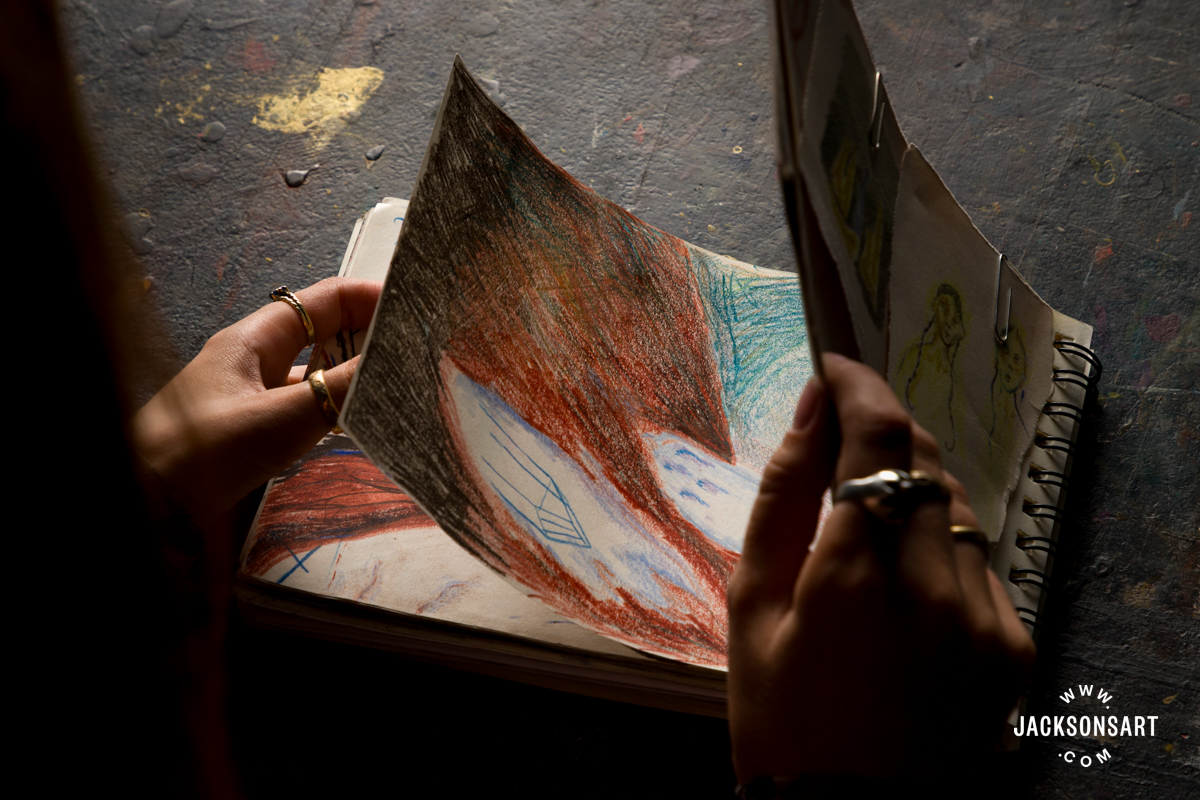
Looking back, I can recognise distinct phases in which certain materials dominated my work. At different times, I have worked extensively with pencil, charcoal, oil pastel, and collage. Writing has always been an important part of my sketchbook practice too, so although the books are predominantly filled with drawings, they also contain regular texts. These written notes might relate directly to paintings I’m making, record observations, capture fleeting thoughts, or simply serve practical purposes such as shopping lists and reminders.
Although I have built up a substantial archive of sketchbooks, I’m not particularly diligent about revisiting them. Every so often, I’ll take a book down from a shelf in my studio and spend some time looking through it, and I’m usually surprised by how productive that experience can be. It often reminds me of ideas and interests that have occupied me for years or reveals avenues of inquiry that I’ve not fully explored. Each time I do this, I tell myself that I should revisit them more often.
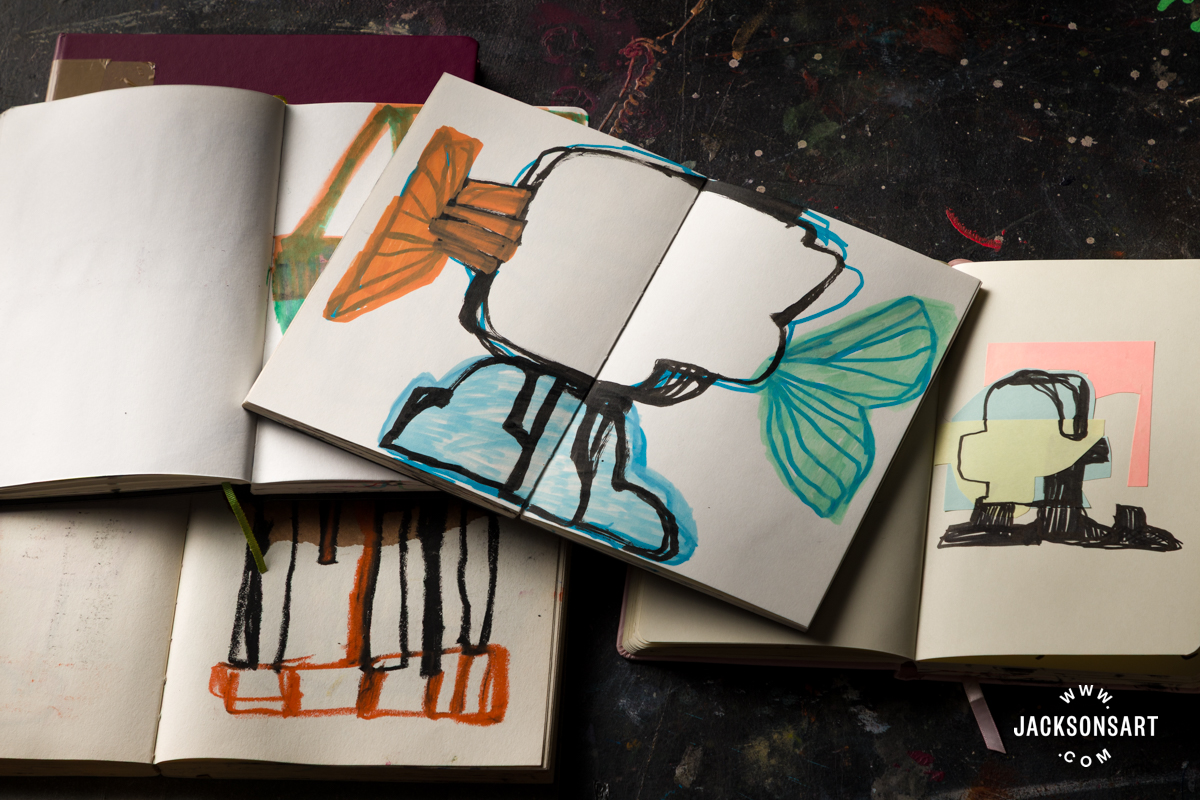
At the same time, I’ve come to realise that perhaps the value of sketchbooks lies not only in their usefulness as a reference tool. There may be something inherently important about the act of collecting itself – gathering drawings, notes, fragments of writing, found materials, and observations together in one place. Perhaps that act of accumulation is enough.
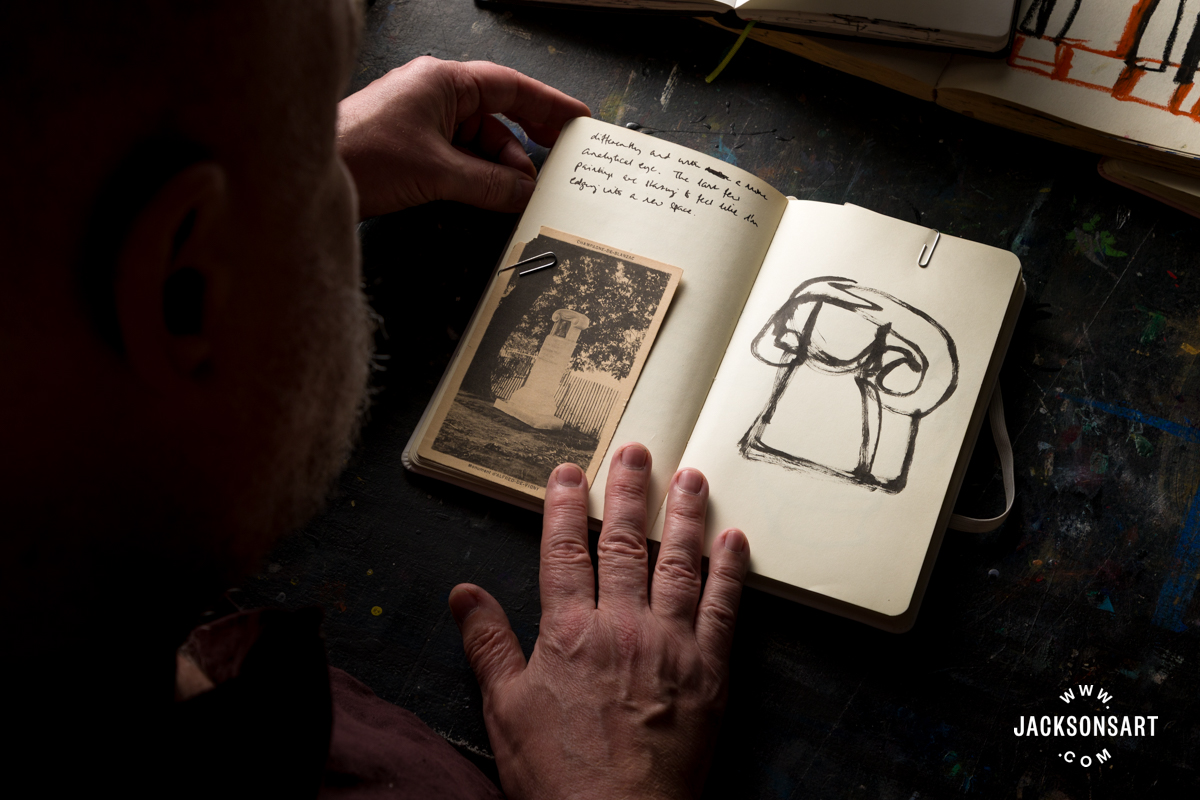
My paintings rarely refer directly to specific sketchbook drawings, and I almost never plan a painting out in advance within their pages. Nevertheless, the sketchbooks undoubtedly inform what happens in the studio.
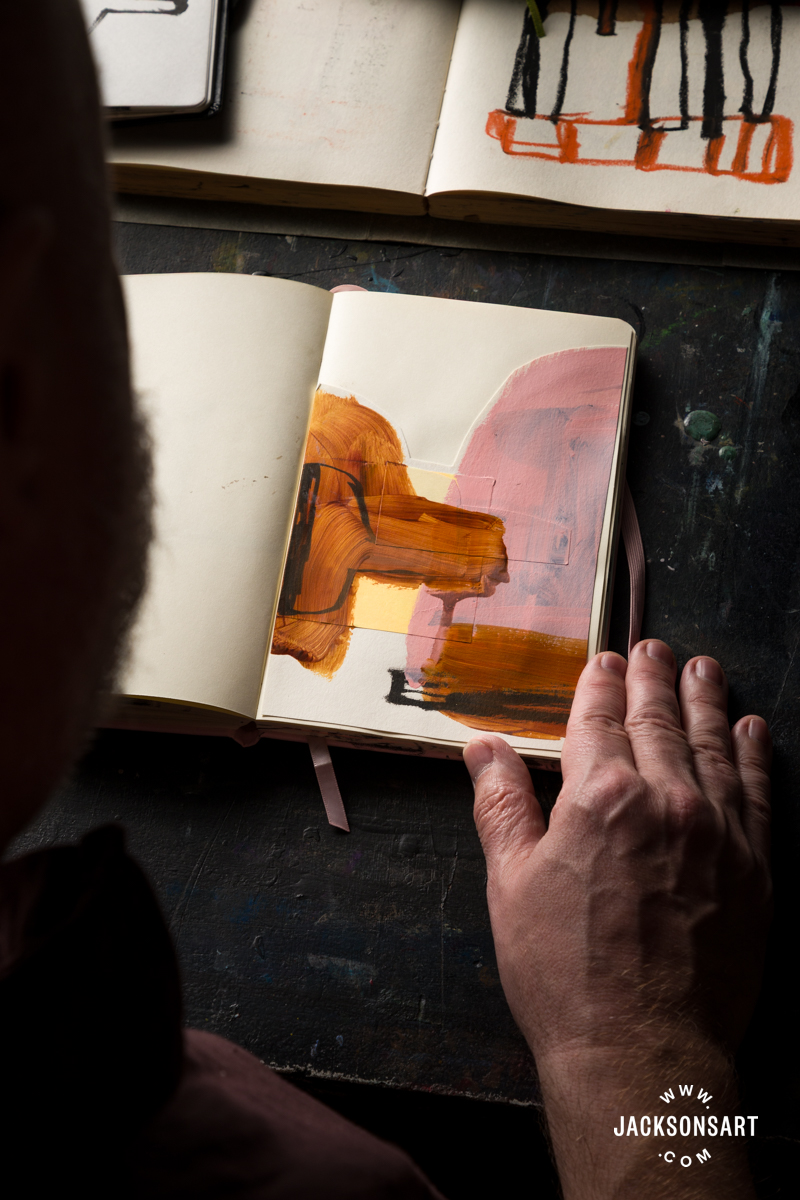
I often make drawings from paintings in progress, using the sketchbook as a way of understanding what I’m doing and working out what’s actually going on. The relationship between the two feels less like a process of translation and more like an ongoing conversation, with ideas moving back and forth in subtle and often unexpected ways.
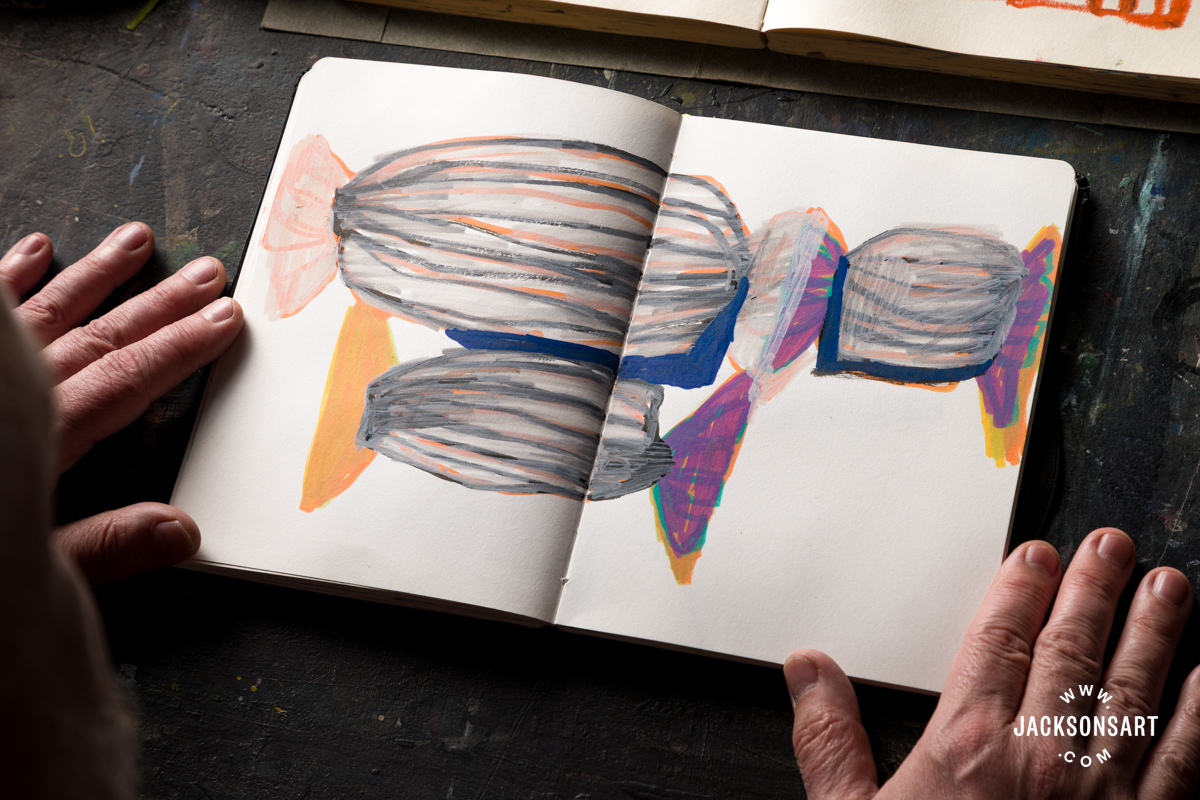
I carry a sketchbook with me almost all the time and would find it difficult to go anywhere without one. They play an important role in this process of collecting and gathering. They provide a way of recording ideas, thoughts, and observations as they occur – things that may or may not eventually surface in a painting.
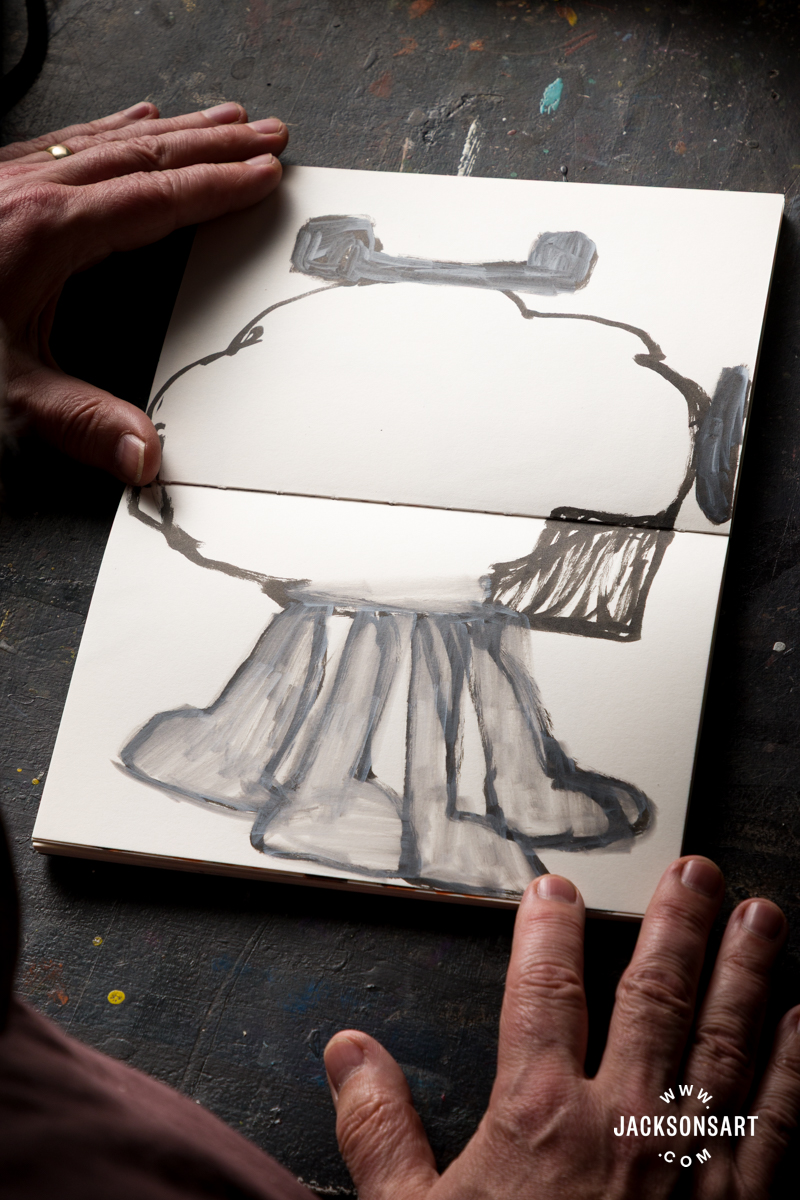
In many ways, they also function as a form of diary. Some years ago, I began dating the pages, and on the rare occasions when I look back through them, I enjoy being able to place events, drawings, and thoughts within a particular moment in time. They allow me to trace connections and understand how ideas have developed and evolved.
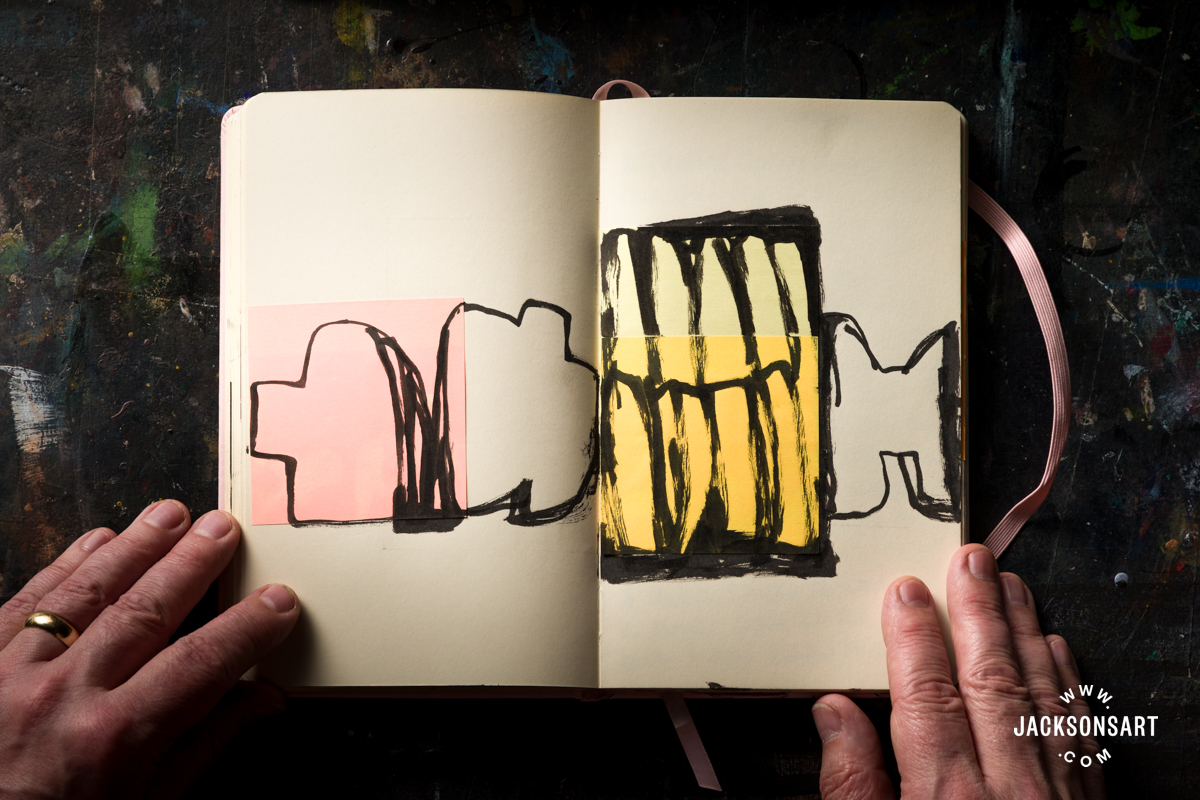
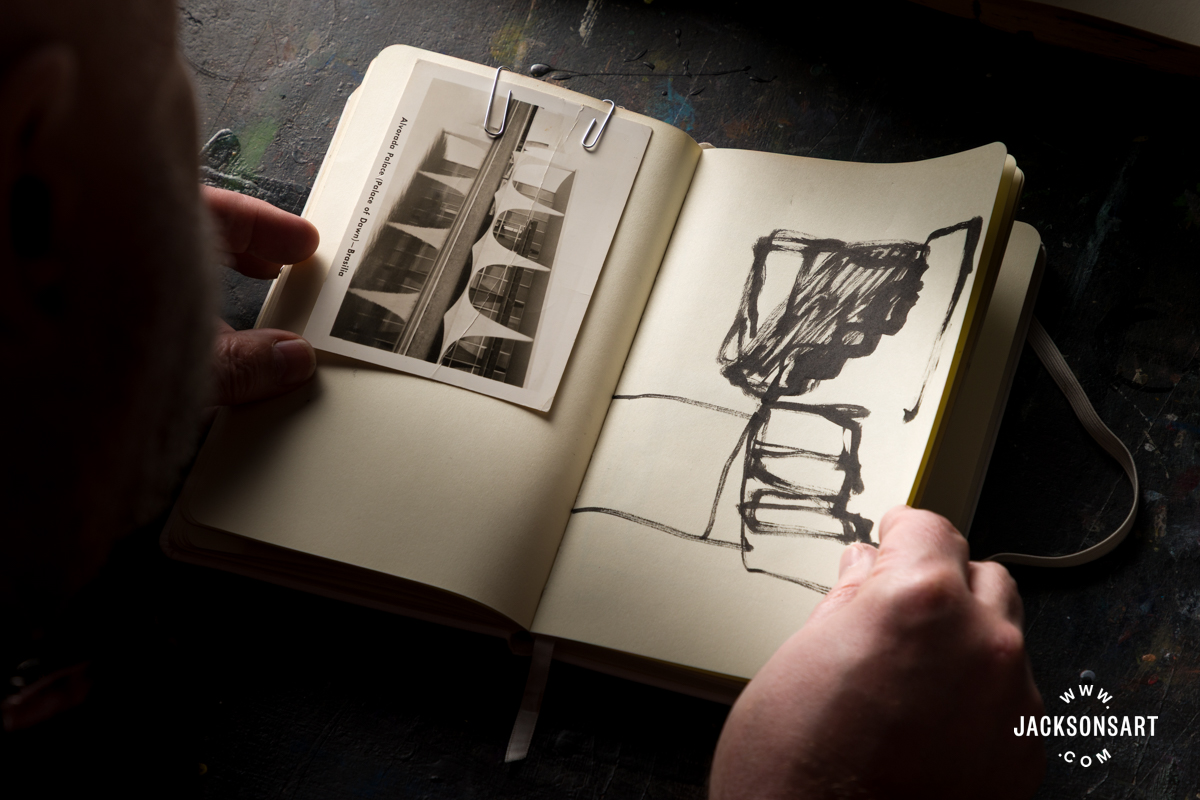
More recently, however, I’ve started to disrupt that sense of chronology. Rather than working through a sketchbook sequentially, I often open it at random and work on whichever page presents itself, while still recording the date. I’m not entirely sure what this change achieves, but it feels surprisingly liberating.
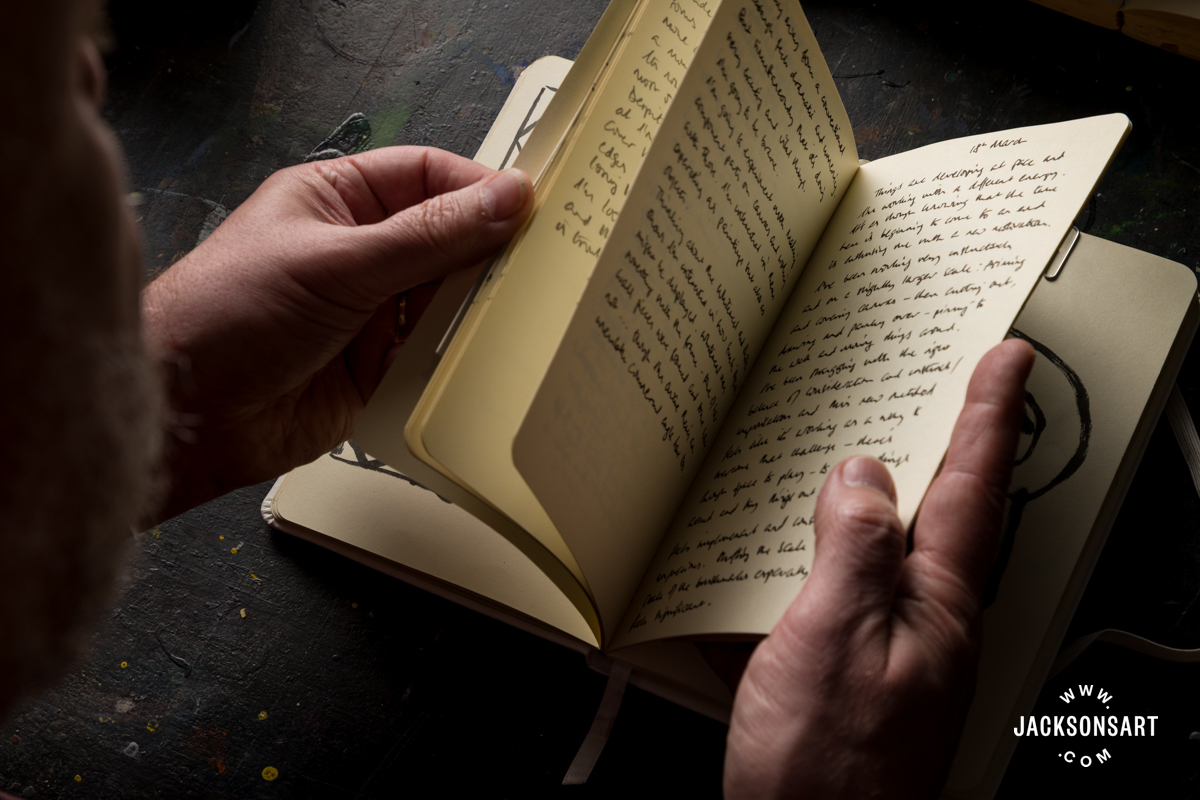
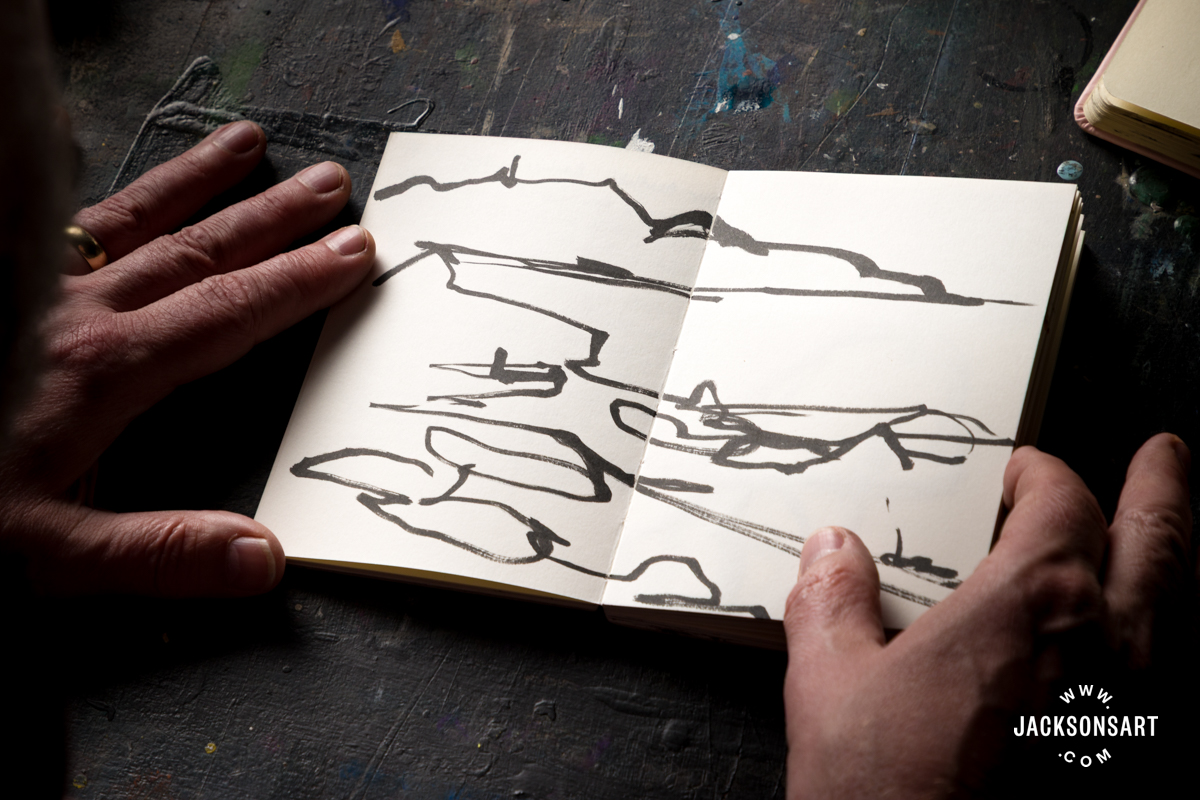
It removes any concern about whether one page relates to the previous one, because the book no longer unfolds in a strictly linear way. Looking back through a completed sketchbook, I find it fascinating to discover unexpected relationships between pages made months apart, and to see how ideas echo across the book without having been consciously connected at the time.
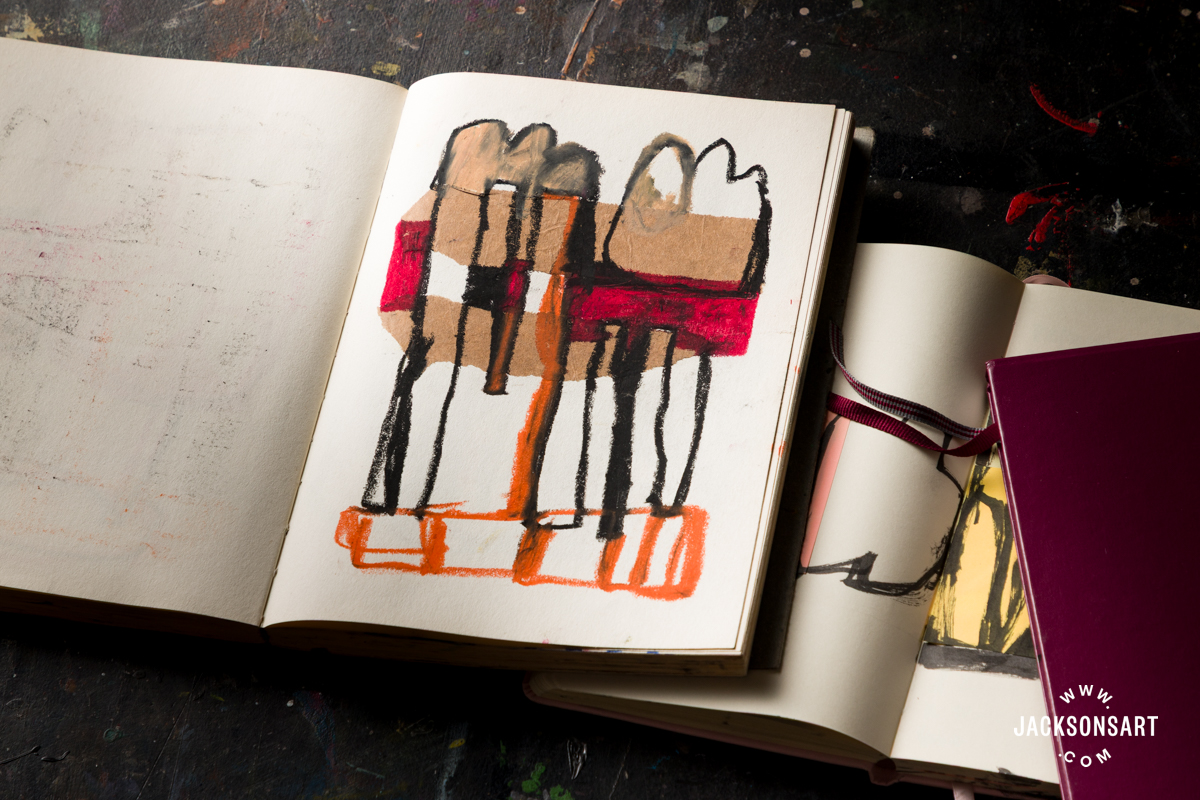
For a long time, I struggled to complete sketchbooks. Whether finishing them is actually important, I’m not entirely sure, but it has always felt significant to me. More importantly, though, I think it is essential not to become too precious about them. Sketchbooks should be places where anything can be put down. They should exist with less pressure than finished work, allowing space for inconsistency, experimentation, and uncertainty. What matters most is simply using them: drawing, writing, collecting, and recording things regularly.
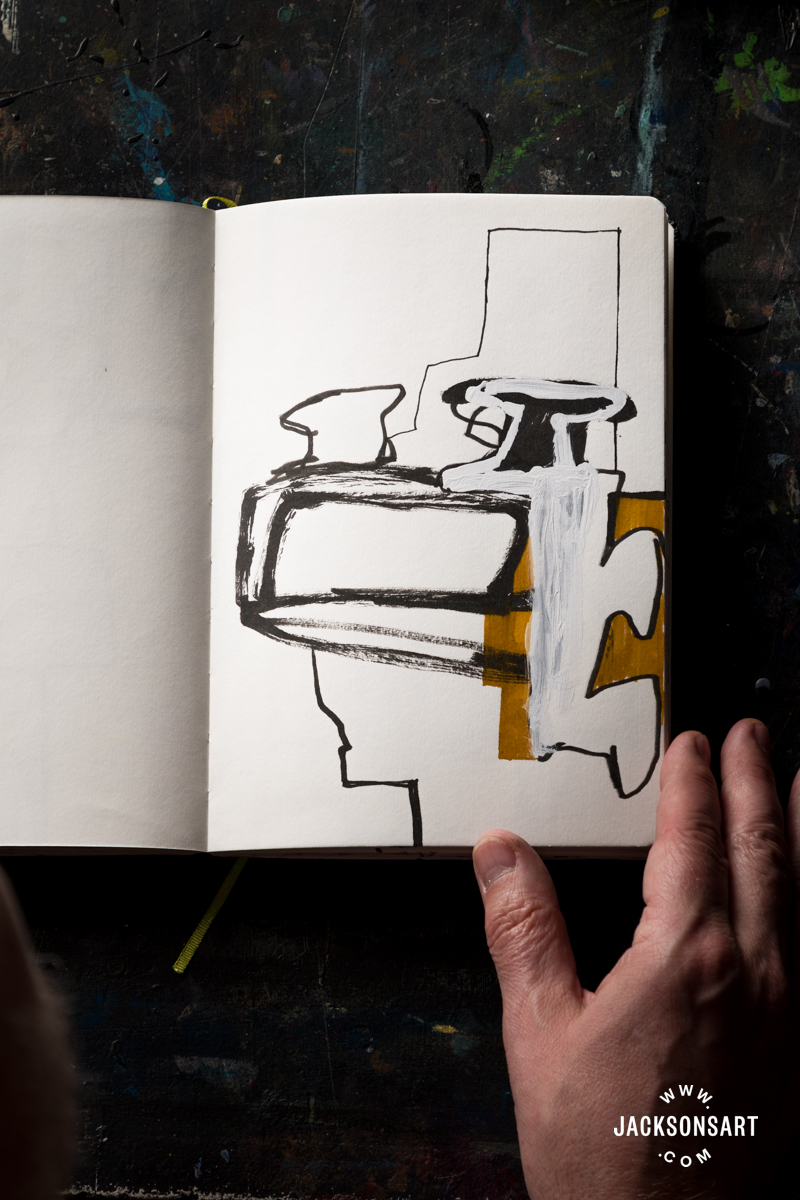
The reason I always carry a sketchbook is that you never know when you might encounter something worth drawing, notice something you want to remember, or have an idea that needs to be written down before it disappears. I love the way pages of drawings can be interrupted by a list of art materials I need to order, a postcard picked up from an exhibition, a quick note to myself, or a stream-of-consciousness piece of writing. Those interruptions feel important. They reflect the reality of daily life and the way ideas actually emerge.
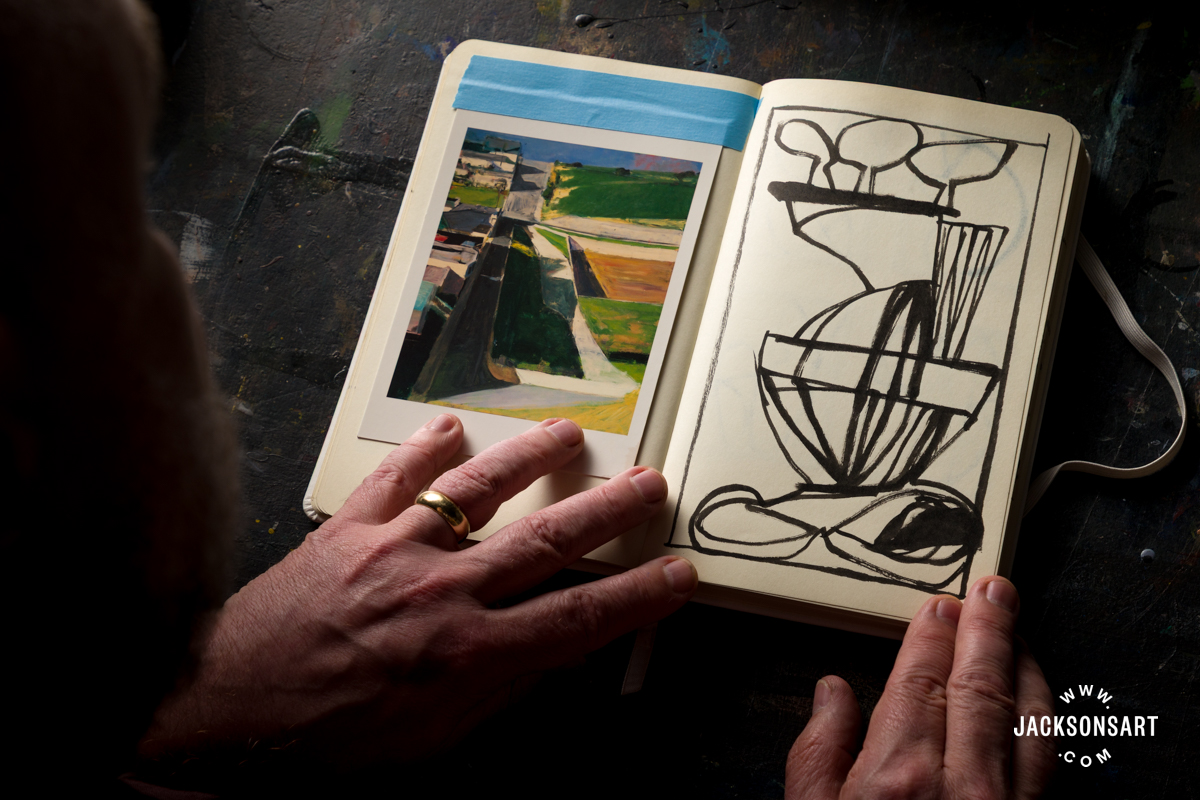
Ultimately, my sketchbooks are an honest reflection of how my mind works. They contain the serious and the mundane, the resolved and the unresolved, the planned and the accidental. They are records of observation, thinking, collecting and making. If I had any advice for other artists, it would simply be to use them. Carry one with you, do things in it regularly, and don’t worry too much about what goes into it. Over time, the sketchbook becomes far more than the sum of its individual pages.
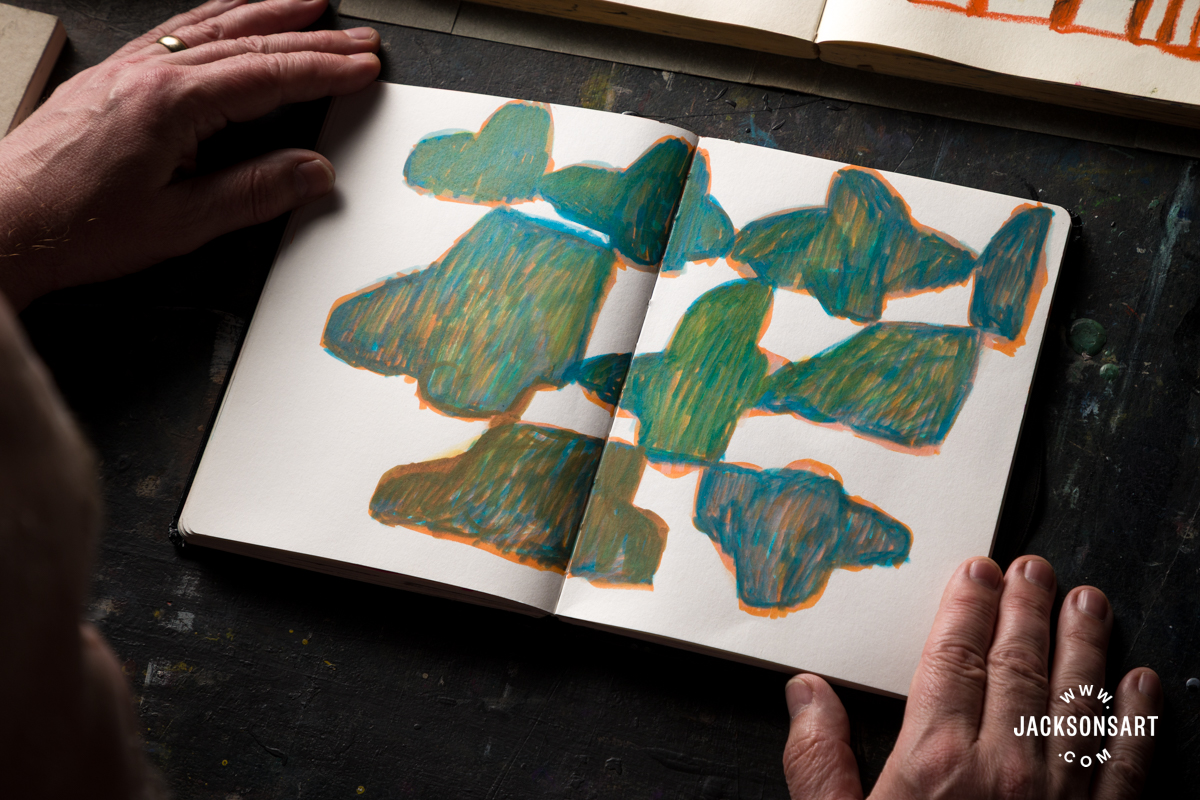
Materials
Sharpie Creative Paint Markers
Pentel Sign Pens
Acrylic paint – whatever I have to hand
Post-it Notes
About Henry Ward
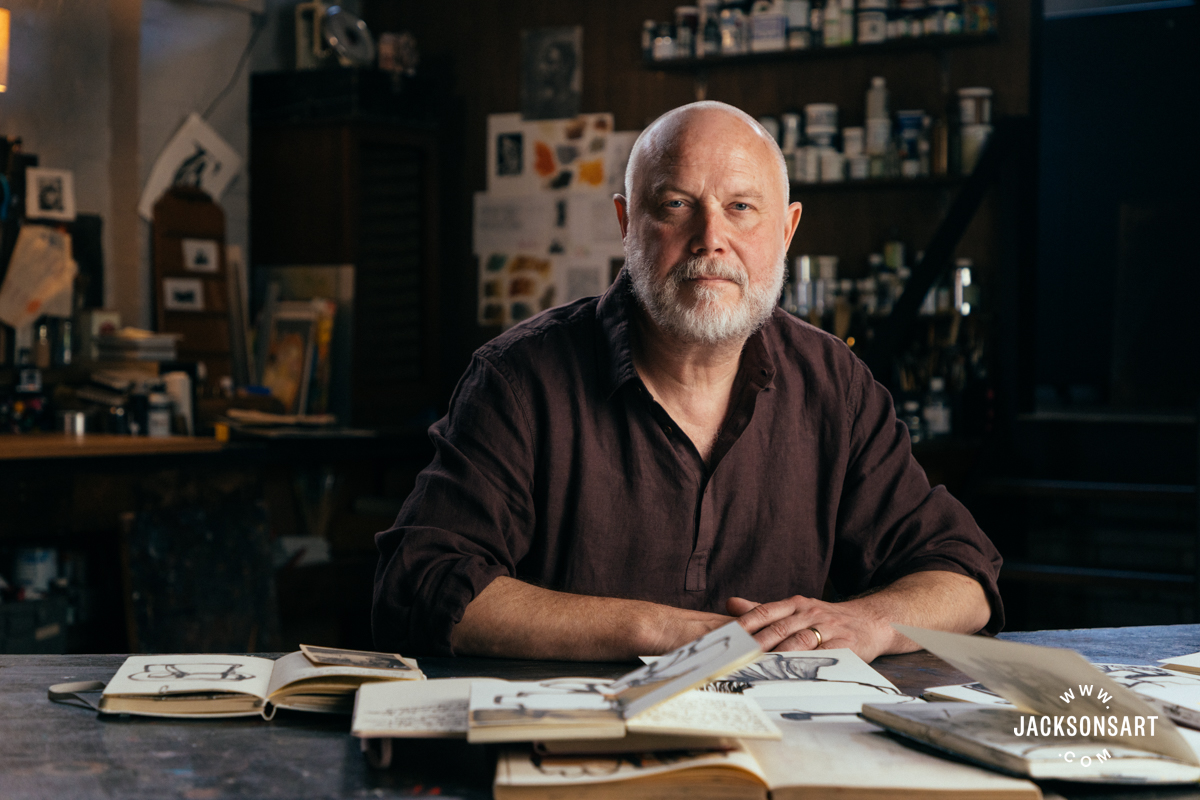
Henry Ward is an artist, living and working in London. Whilst his work is ostensibly abstract, the forms are grounded in the world, in tangible objects and spaces. Inspired by 1970’s children’s book illustrations, the language of cartoons, and the developments in 20th-century painting, Ward is interested in the process of painting and drawing, in allowing an engagement with materials to be the subject of the work. He has worked in art education, alongside painting, for almost 30 years and sees the relationship between making and teaching as an essential and formative one. He works in a studio in Woolwich and in his garden shed.
Further Reading
A Modern Medium: A Brief History of Acrylic Paint
Recreating Philip Guston’s Grimy Pink Palette
A History of the Artist’s Book and How to Make Your Own
Inside the Sketchbook of Katie Eraser
Shop Sketchbooks on jacksonsart.com
1 thought on “Inside the Sketchbook of Henry Ward”
Love that they are all catalogued! Would like to hear more of that!
Comments are closed.