Henri Matisse developed his groundbreaking and iconic approach to picture making, the paper cut-out, when health issues prevented him from painting. Having to spend long stretches of his day in bed, he turned to a collaborative process of cutting out bold shapes from sheets of paper painted by his studio assistants. The resulting works were not only staggeringly plentiful, but each possessed immediacy, imagination, and inventiveness. Despite being over seventy years old when creating many of the works, Matisse’s Cut-Outs seem eternally contemporary and remind us to engage with both our inner child and our creativity.
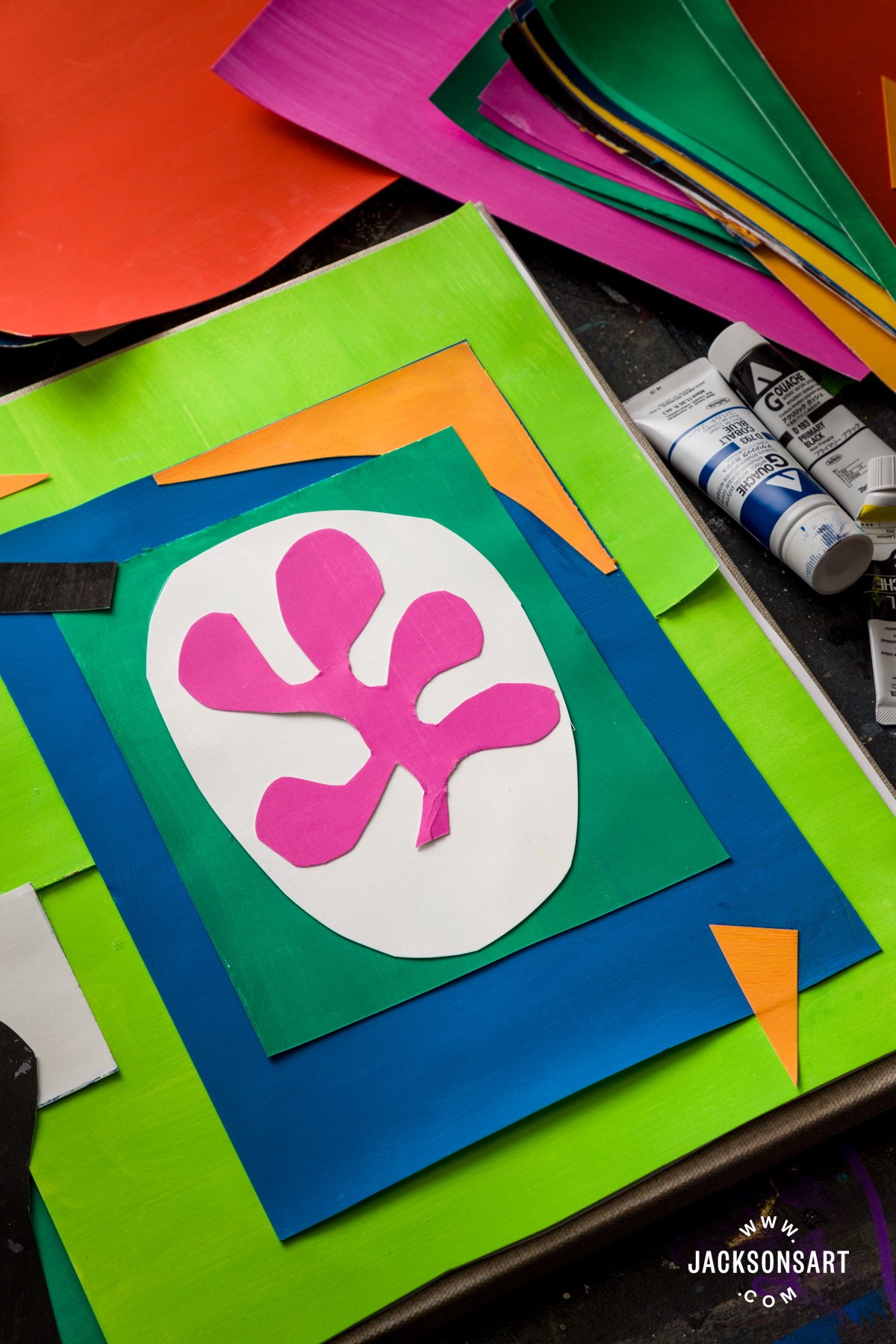
Above image: Matisse inspired cut-out by Lisa Takahashi
Matisse Cut-Outs and What You Can Learn From Them
It was Matisse’s deceptively simple still life paintings that made me want to become an artist as a teenager. And now, over thirty-five years later, I still turn to Matisse for inspiration. It’s his inquisitive mind and fascinated appreciation with the shapes of everyday life and nature that I most admire. And this is most apparent in the works he made in the last chapter of his life.
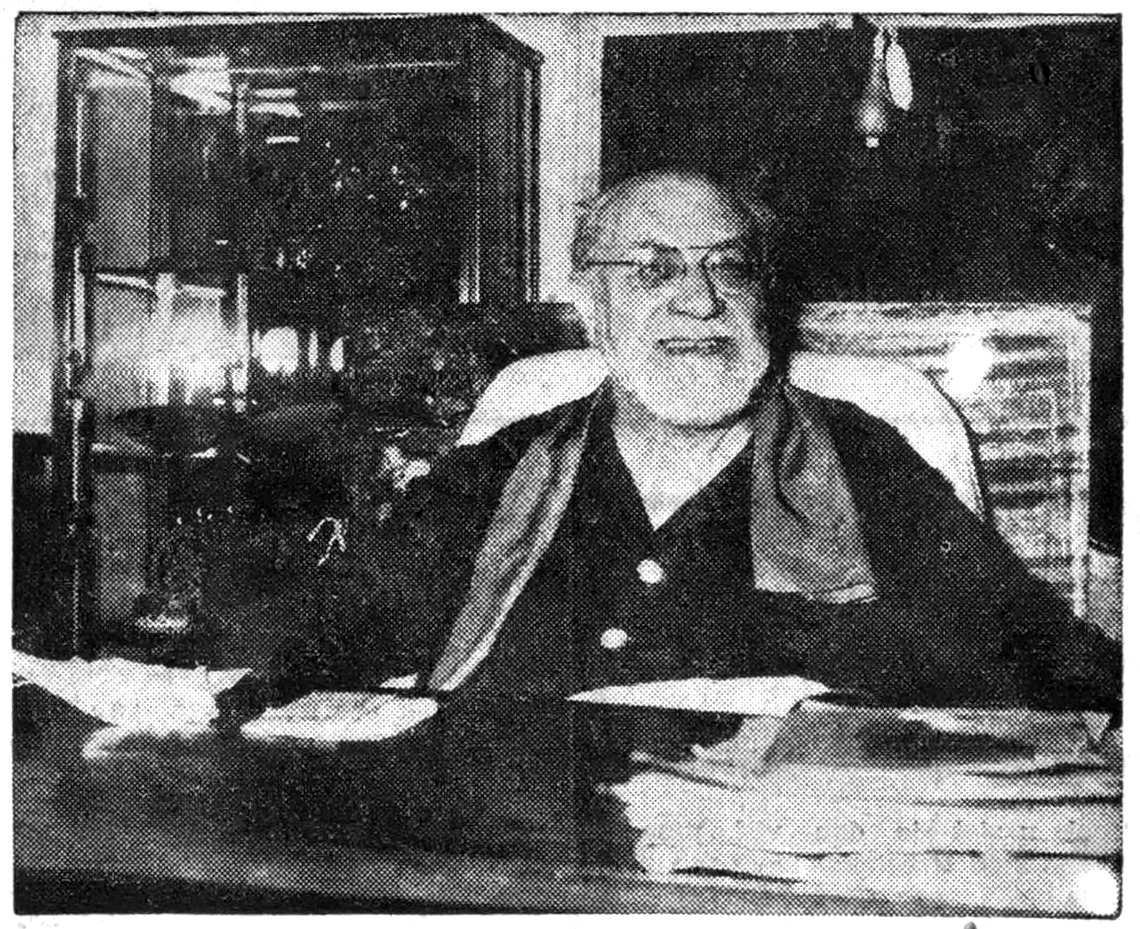
Public Domain
He began making the cut-outs in his sixties and continued to do so until his death aged 84. In short, the process involved instructing his assistant to paint large sheets of paper that he would then cut into shapes inspired by motifs he developed in a sketchbook. He would then spend time arranging the shapes (either himself if the piece was smaller scale, or directing an assistant if it was a larger wall-based work) before securing them in their rightful position using push-pins, or occasionally glue. In an interview given in 1952, he said of his wall-based cut-outs, ‘You see, as I am obliged to remain often in bed because of the state of my health, I have made a little garden all around me where I can walk…’ For Henri Matisse, his cut-outs liberated him from the confines of his bed. And by working with large scissors and sheets of coloured paper, his work took on an even greater immediacy than before, utilising a process that naturally led to a boldness unlike anything else in Modern Art at the time.
Thanks to records, documentation and research, quite a lot is known about the materials Matisse used to make his cut-outs and the way he went about making them. By replicating some of the shapes and coloured papers he worked with, I was able to gain a further understanding of how the process of cutting and arranging could lead to exciting formal discoveries that could become works of art in their own right or the beginnings of ideas that could be taken down new avenues of creativity.
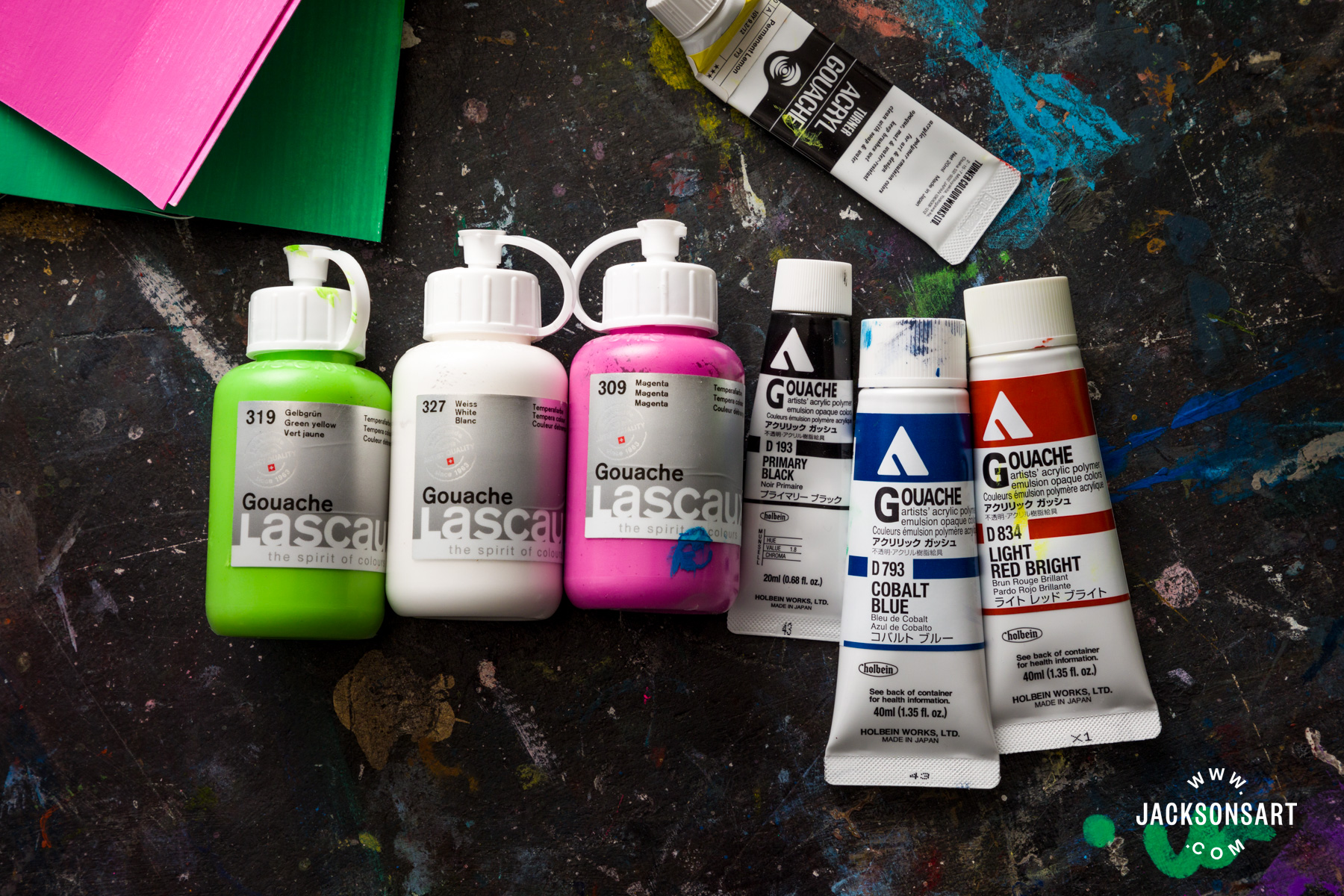
I worked with the following materials for this article:
- Lascaux Gouache White
- Lascaux Gouache Magenta
- Lascaux Gouache Green Yellow
- Turner Acrylic Gouache Permanent Lemon
- Holbein Acryla Gouache Primary Black
- Holbein Acryla Gouache Light Red Bright
- Holbein Acryla Gouache Cobalt Blue
- Jackson’s Snowdon Super Heavyweight A3 cartridge pad
- Belle Arti Linen canvas clear primed 40 x 50 cm
- Golden Acrylic Soft Gel Matt
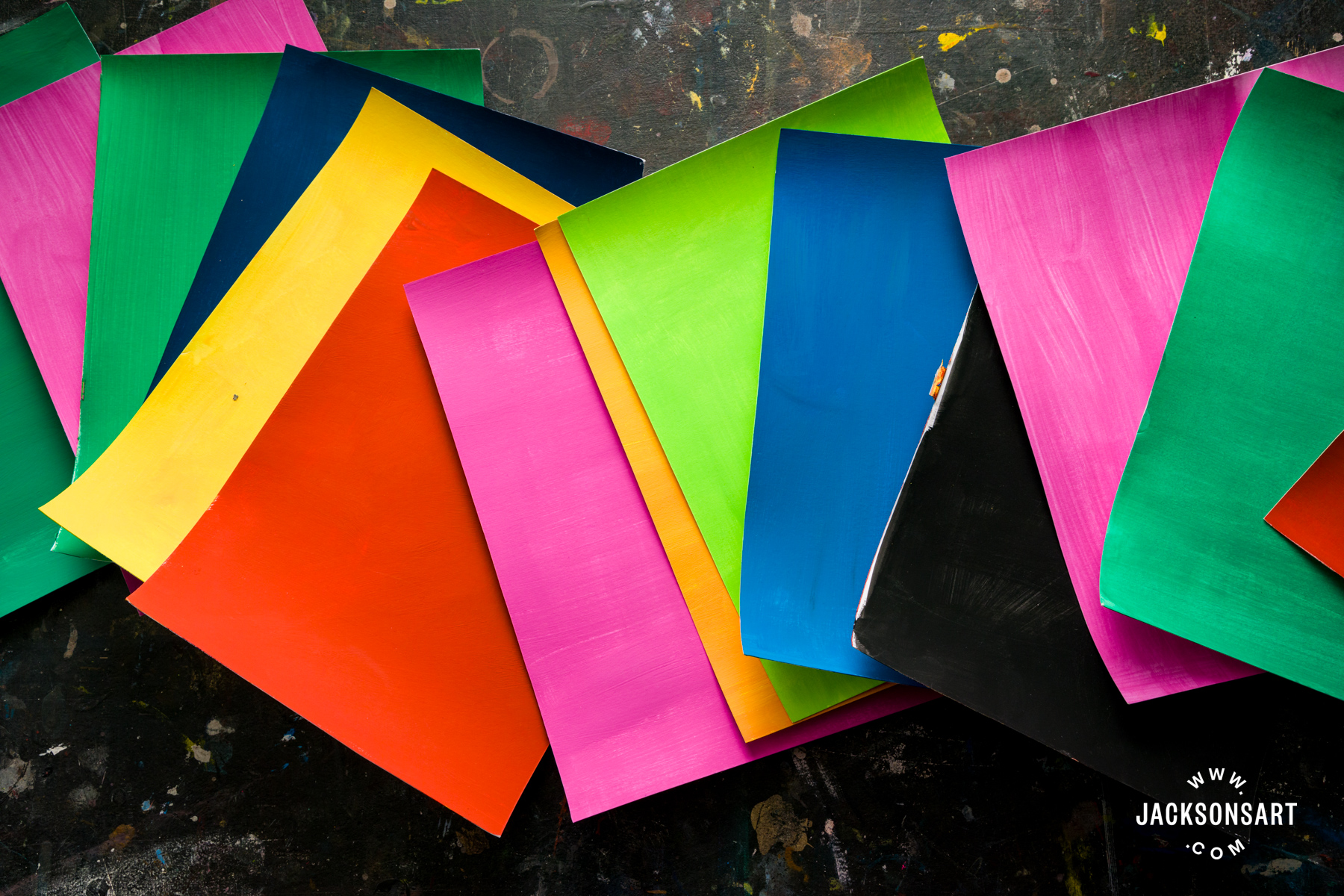
Paper
Matisse worked with a wide variety of papers, including those made by Canson, Arches, Montgolfier, and Barjon Moirans. In the early cut-outs, he was known to work with painted paper alongside writing paper, printer paper samples, and blue wrapping paper. The majority of the papers he used had very little or minimal texture and were either cylinder mould-made (in the case of Arches) or Fourdrinier-made.
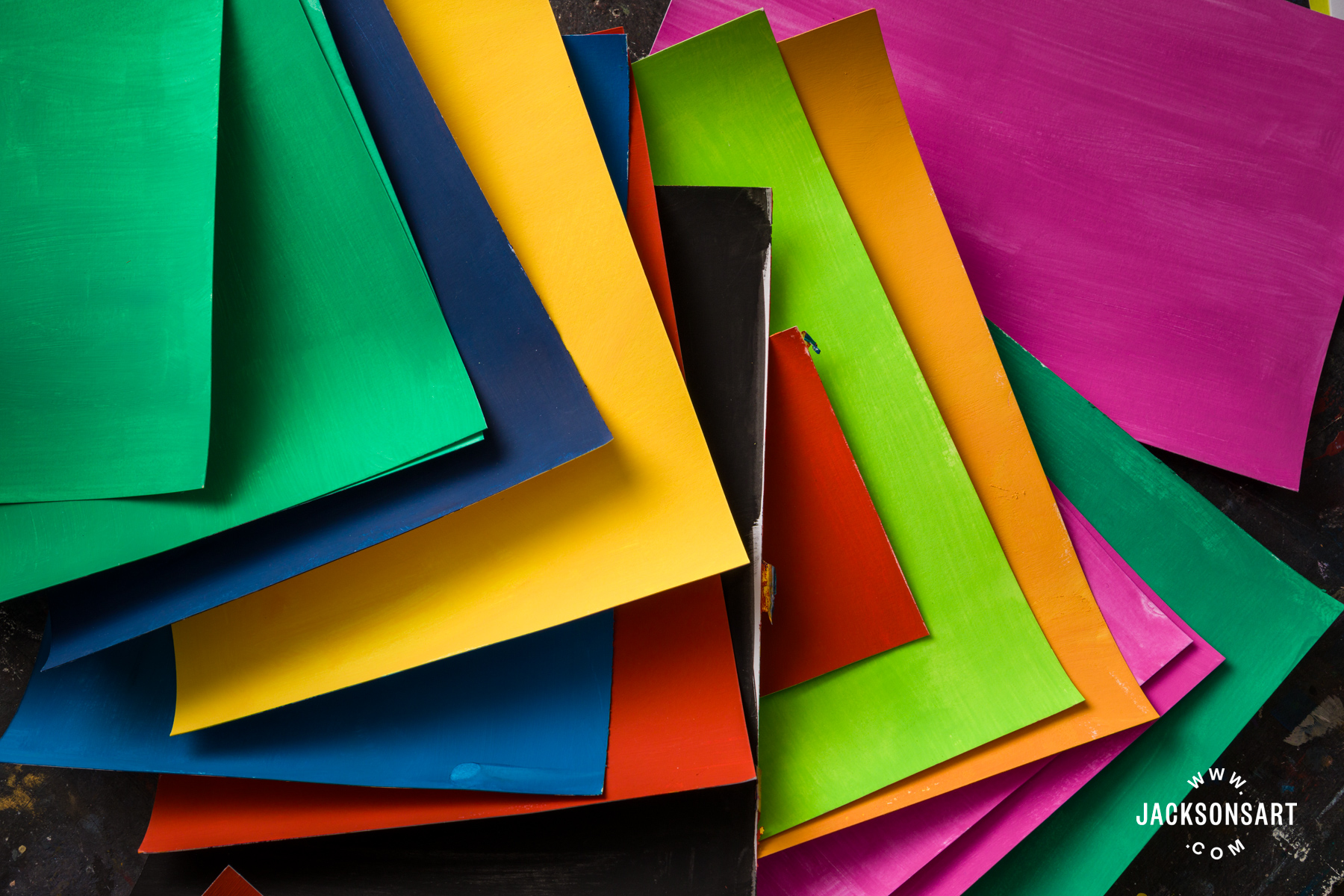
For my own excursions into paper cut-outs, I used Super Heavyweight cartridge paper (Snowdon Jackson’s), and it felt like a good alternative. The Arches paper Matisse used would have been a traditional watercolour paper and so may have been more absorbent than cartridge paper, helping to optimise the luminosity of the colour applied to it. However, the colours appeared beautifully bright on the cartridge paper too. Without stretching the paper it was always going to buckle slightly, but the buckling was only slight, and I feel it adds to the handcrafted feel that I so love about Matisse’s work.
Gouache
Traditional gouache is matt, opaque watercolour paint, which re-wets if it comes into contact with water. Gouache was always Matisse’s preferred paint for the cut-outs. It has a chalky, sometimes velvety texture when dry, and the fact that it is so matt allows it to show off colour brilliance without the reflective qualities of a gloss sheen getting in the way.
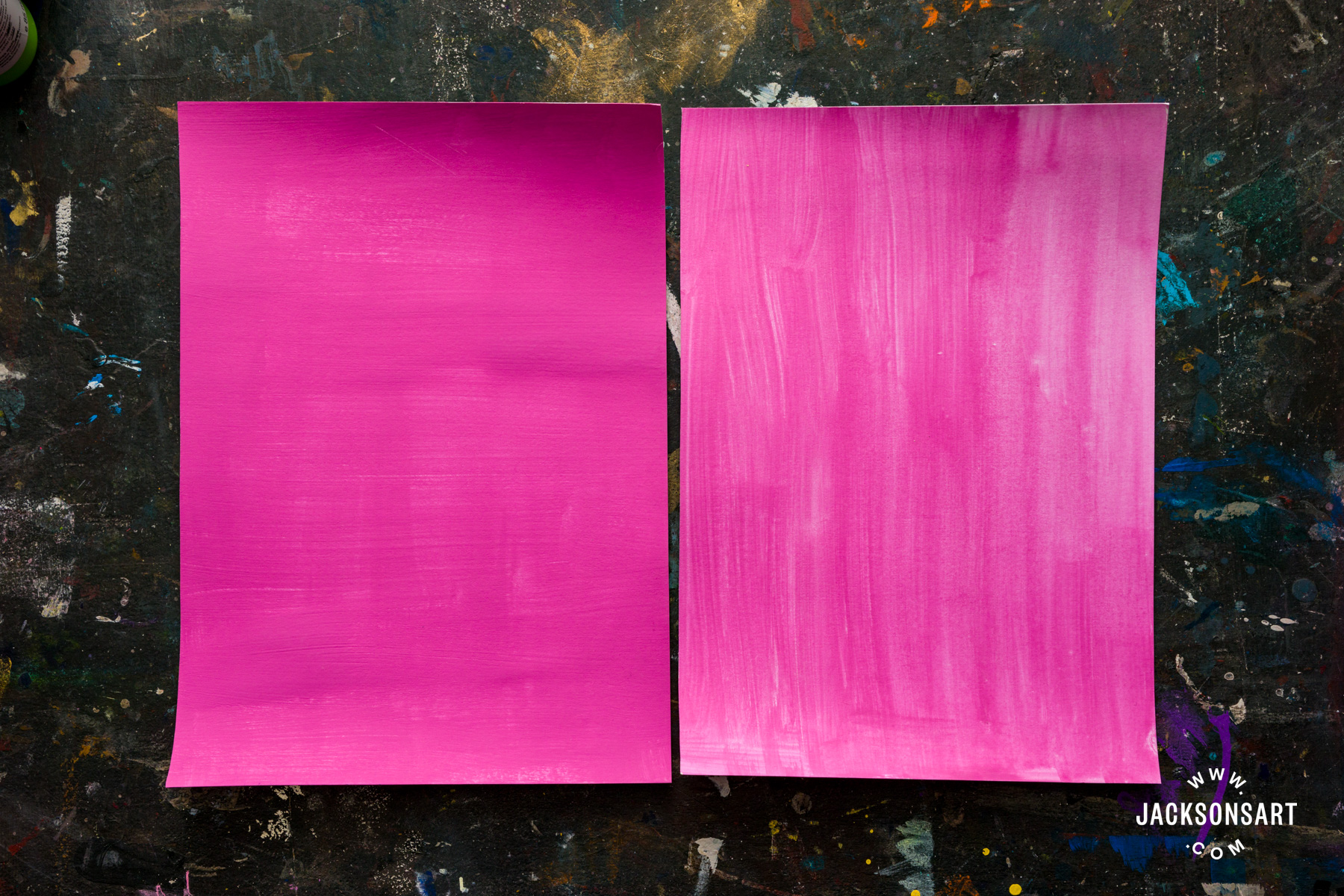
Colour wasn’t just colour for Matisse. He was known to play with the dilution of the paint in order to create some sheets that appeared flat and bold, and others with a lighter tone and visible brushmarks. Sometimes he would work with the colour straight from the tube and at other times he would be known to mix a specific shade.
In 2012, the Conservation Department at The Museum Of Modern Art New York was given seventy-nine gouache-painted paper samples found at Matisse’s studio; this indicates the range of colour that he liked to work with. However, he wasn’t as meticulous as you might expect, and assistants were able to exercise a little creativity when colouring the sheets. One assistant, Paule Caen-Martin, once recalled in an interview, ‘I applied a first top coat, top to bottom, then, with the sheet still wet, I’d turn it around and perform the same operation the other way. I liked dense colours but other assistants, before or after me, left more transparency. Hence we intervened in the creation, in our own ways.’
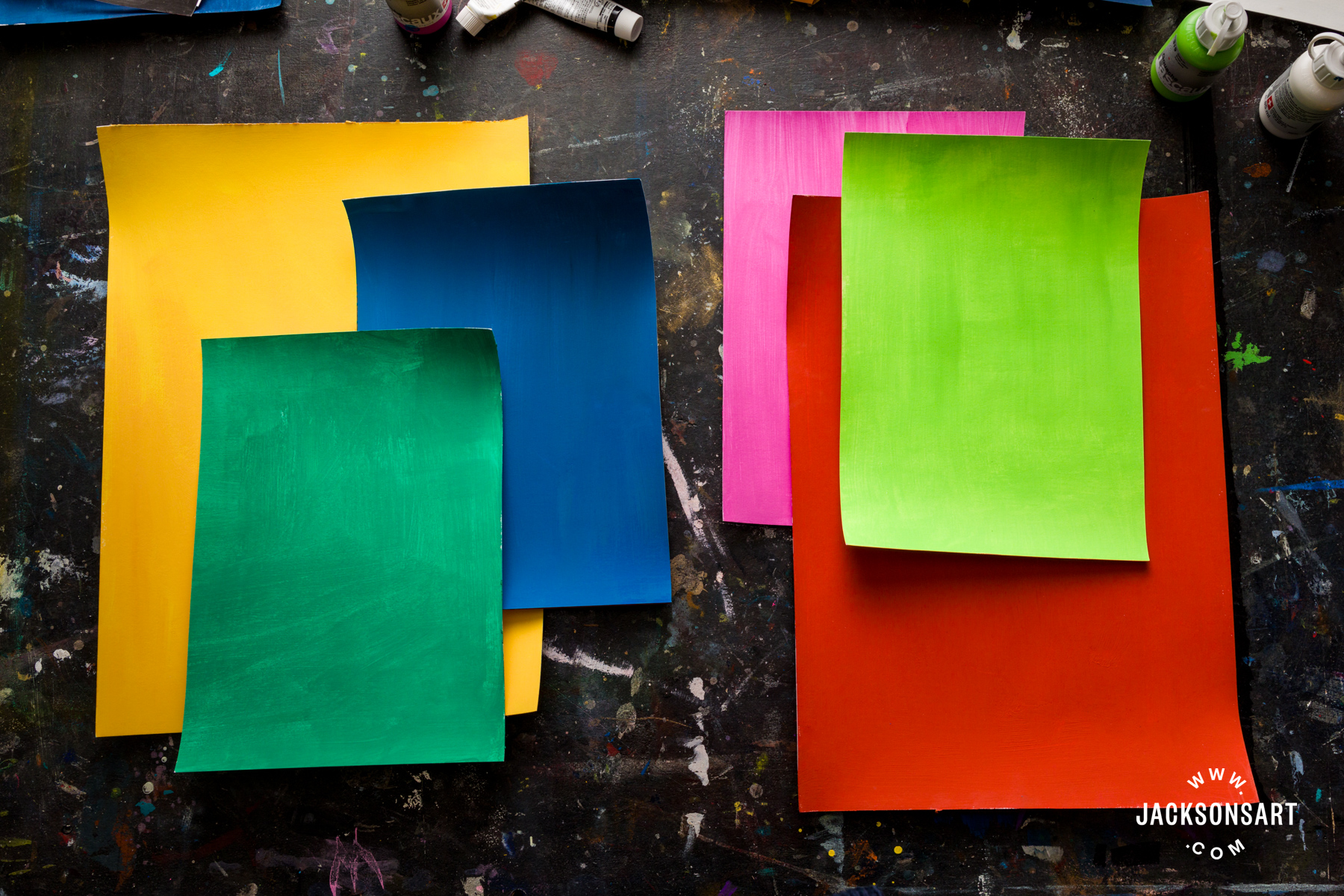
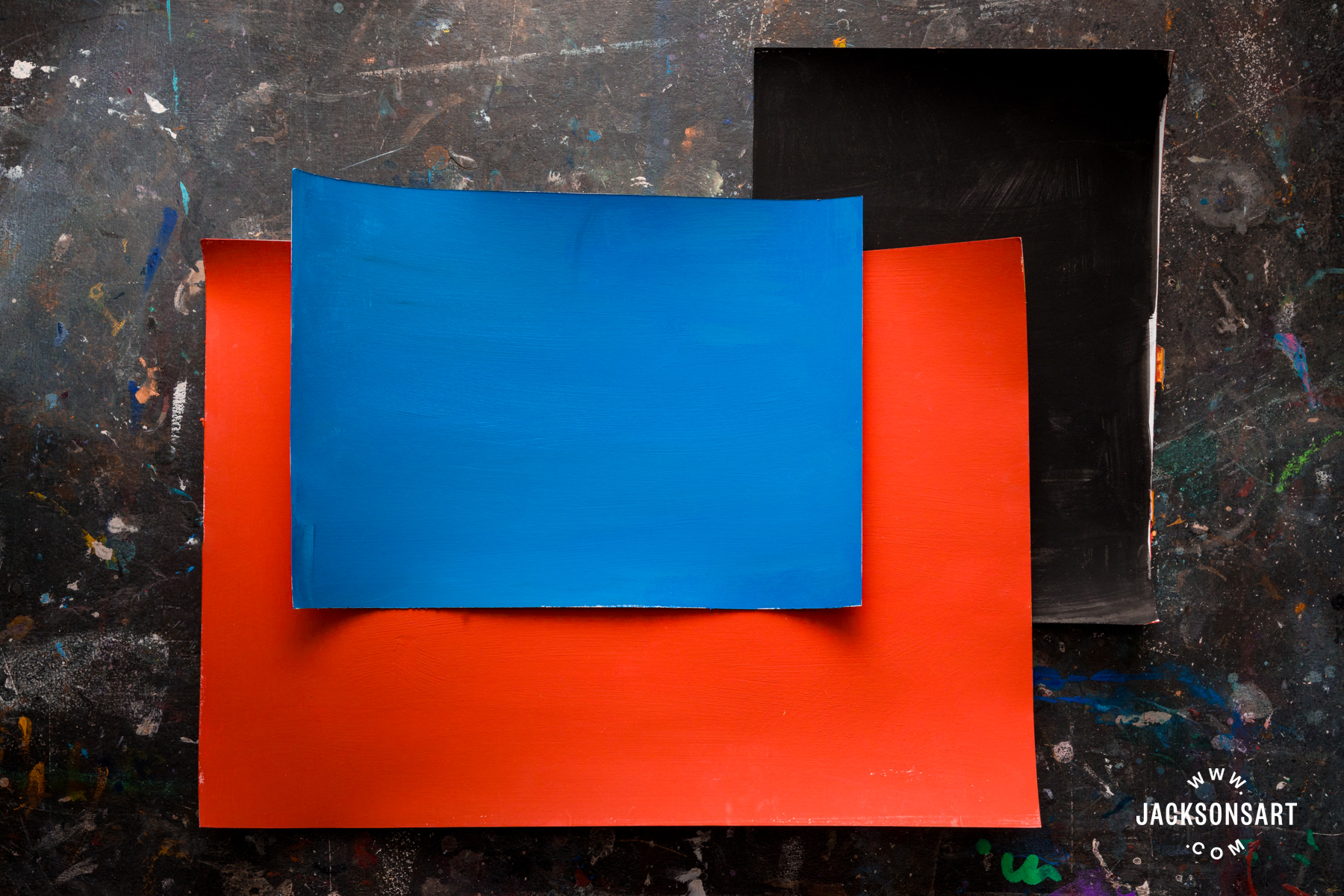
In a similar fashion, I played around with the colour saturation applied to my sheets of paper, by applying multiple layers of paint with some and washing the colour down a little with water on others. While Matisse was known to use Linel traditional gouache by LeFranc & Bourgeois as well as Sennelier gouache, I turned to Lascaux, Holbein, and Turner gouache, with a mix of water-based and acrylic gouaches in use (but not mixed together). As well as other qualities already mentioned, it dries incredibly quickly, which makes the paper preparation relatively speedy.
Once my papers were painted and dry, I played with combining pairs or triplets of colour to begin seeing the impact each of the colours had on the other in their group. It’s fascinating to see how instantaneously certain moods or energies are hinted at by a small group of selected colours. Leaving the cutting element out of this process is a quick and effective way of determining a limited palette for a painting.
Cutting
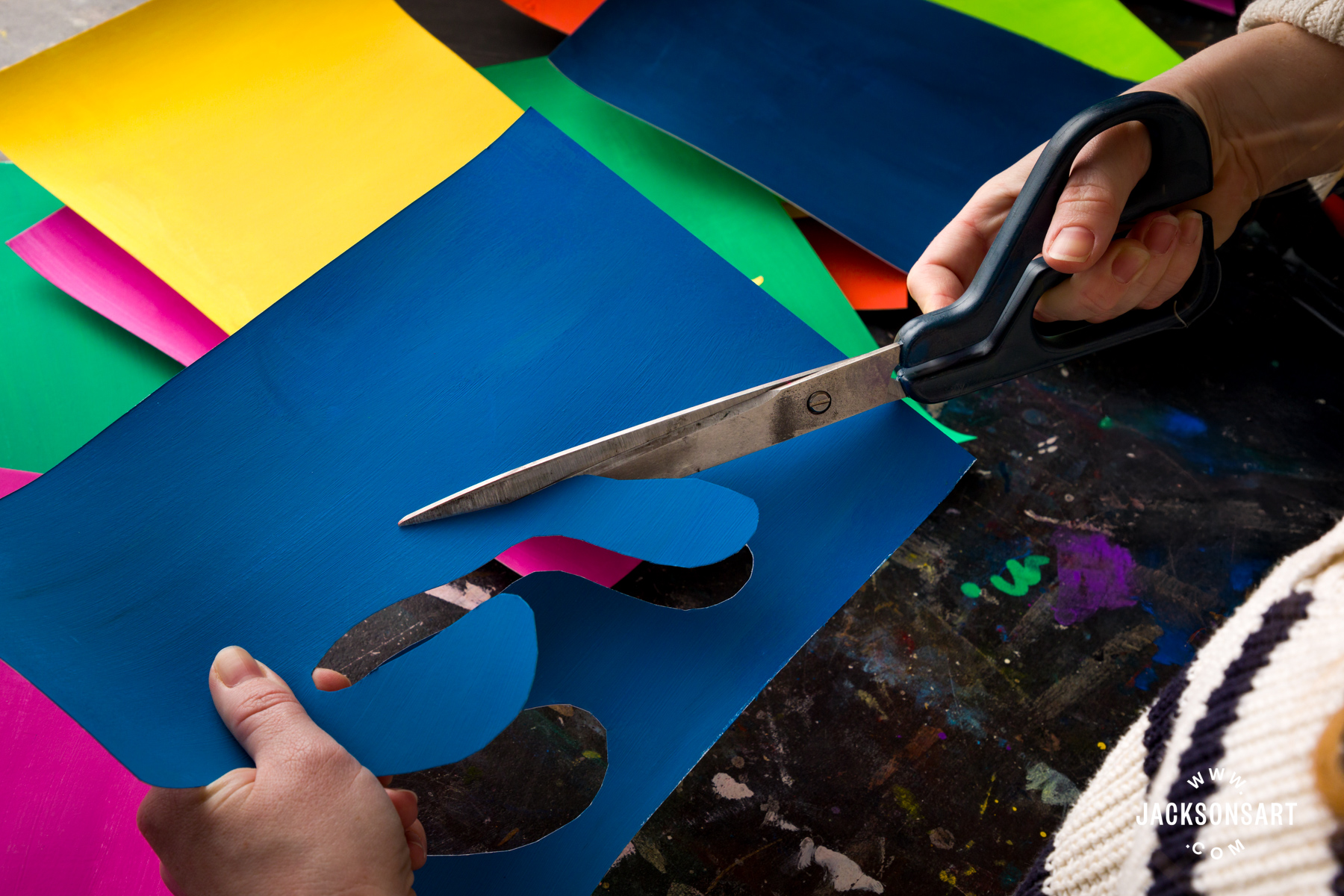
Matisse’s cutting of the paper was usually done with tailoring scissors with very long blades, making a controlled, intricate cut impossible. He would cut the shapes based on motifs developed in a sketchbook, and sometimes drawn from life, but he would never draw a guide on the coloured paper itself, instead choosing to let the tools dictate the outcome of the shapes a little, and occasionally, letting the cut line go in a new direction dictated to by his own intuition. He would sometimes refine shapes once they were cut by re-cutting certain angles or curves, but always using the same big shears – no tiny scalpels for Henri!
I think of his cutting approach as similar to drawing with your non-dominant hand or blind contour drawing. The artist is not fully in control and the process brings its own set of surprises and happy accidents. He was also known to use both the positives and negatives of the shapes he cut, which naturally created conversations between shapes within a composition.
Composing
The advantage of working with cut paper in this way over painting is that it’s quick and easy to move shapes around in order to develop a composition. There’s no danger of refining and amending a composition until colours turn muddy. There’s not really any need to finalise a composition at all! Matisse favoured positioning the shapes on paper or the wall using thumbtacks, which meant he could rearrange the compositions for as long as he wished. However, when the cut-outs were exhibited (notably at the Galerie Berggruen and the Salon de Paris) his assistants would secure the shapes in place using glue on a white paper substrate, which was then lined with Kraft paper and then glued onto stretched linen.
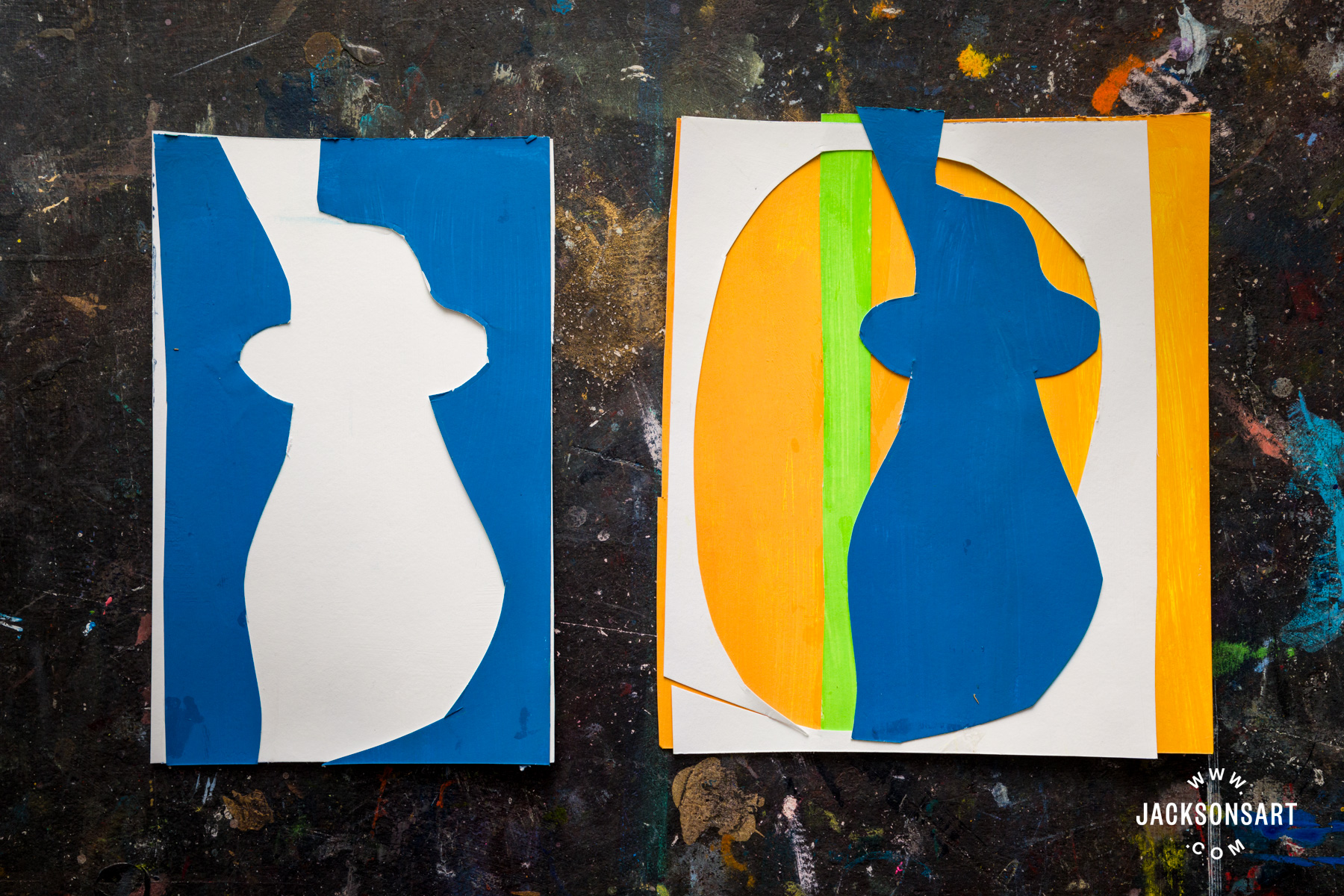
I enjoyed cutting Matisse-inspired motifs and shapes from some of my papers and composing them to make miniature studies. This is a quick and easy way to compose images and a great way to loosen up and start exploring ideas without feeling inhibited.

Longevity
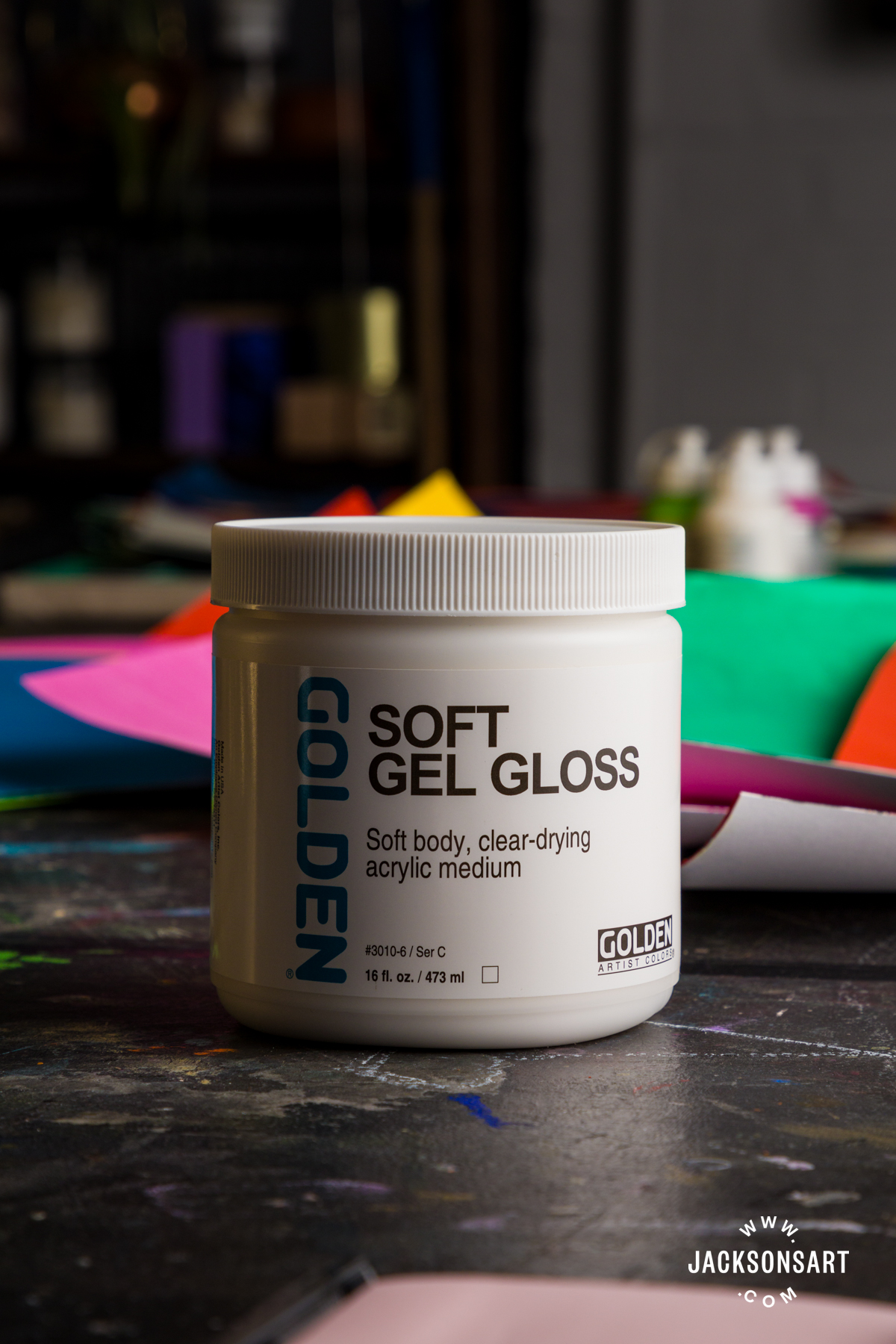
Unfortunately, most likely because of the glues used, many of Matisse’s cut-outs have suffered aging and deterioration, including discolouration of the shapes. Acid leaching from some of the non-artist papers may have also contributed. Today, pH-neutral glues are more readily available, and for my own cut-outs, I used Golden Soft Gel as a collaging glue, which is recommended as an acid-free adhesive that will help to maintain the condition of collages for many years to come.
Matisse is the undeniable master and pioneer of the paper cut-out, but there’s so much to learn from his work that could be taken into an infinite number of directions. Much like handwriting, we all have our own ways of working with large scissors, and so the shapes we cut have the potential to be entirely our own. We also each have our own preferences for colour, texture, and composition. By working with this playful and easily accessible process, we can explore our visual likes and dislikes, and discover new imaginative ways to express ourselves.
Further Reading
Collage for Beginners – What You Need To Get Started
Exploring the Impact of the Victorian Colour Revolution
Recreating Philip Guston’s Grimy Pink Palette
Colour Mixing: Exploring the Zorn Palette
Shop Art Materials on jacksonsart.com