



Glazing is an art technique most often correlated with oil painting because of its rich history within the medium, yet glazing with acrylic paint can be just as visually enriching. I explore a variety of acrylic mediums that help create smooth, seamless, and archival glazes, and demonstrate how to apply them to your artwork. Articles in the Techniques Series define the meaning and context of art making processes and give practical tutorials on how to work with them.
Definition: Glazing is the application of a transparent or semi-transparent layer of paint over a dried underpainting or previous paint layer, which deepens and enriches the colours through layering.
What is the Effect of Acrylic Glazing?
Acrylic paintings that incorporate glazes signify that the maker has an awareness of traditional approaches to painting, adapted for a modern medium. By building up layers of colour, their works can achieve deeper, more complex hues. This creates a sense of visual depth that acrylic paintings made in just a couple of layers of paint may not have. The ability to customise the saturation, sheen, and thickness of acrylic glazes by using mediums allows artists to create both subtle and dramatic lighting effects. Glazes may be used to cast an entire work in a strong green light, or just tinge the edges with a hint of colour. Therefore, successfully using acrylic glazing expands the artist’s repertoire and demonstrates their proficiency in the acrylic medium.
The History of Acrylic Glazing
Glazing emerged as a painting technique in the Renaissance, when artists developed a method of carefully building up layers of translucent oil paint to enhance the naturalism of their subjects and create seamless edges. This allowed them to mix colours optically through successive layers, rather than mixing them directly on the palette – preserving the intensity of their pigments and building rich tonal variety. In the Northern Renaissance, artists pioneered the technique of applying oil glazes over tonal underpaintings, allowing them to create highly finished, naturalistic portraits, as seen here in this example by Rogier van der Weyden.

Rogier van der Weyden
Oil on panel, 38.5 x 28.8 cm | 15.2 x 11.3 in
Art Institute of Chicago
The development of acrylic paints didn’t begin until the 1930s. And they were first distributed as public consumer products in the 1940s by Bocour Artist Colors. One of the company’s founders, Leonard Bocour, was the uncle of Sam Golden, who later co-founded Golden Artist Colors, a leading manufacturer of acrylic paints to this day. You can read more about the history and development of acrylic paint in our article: A Modern Medium: A Brief History of Acrylic Paint.
Over time, acrylic mediums and paints with different consistencies, or ‘bodies’, were developed to expand the versatility of acrylic painting. The body of an acrylic paint affects how easily it can be used for glazing, since different formulas vary in fluidity and thickness. Supplementary acrylic mediums were designed to be mixed with acrylic paints to alter their properties, without weakening the structure of the paint itself. Acrylic mediums maintain the paint’s structure by extending it with similar ingredients used to bind the paints themselves. This ensures that artworks with transparent layers remain stable and archival.
This is unlike glazing or thinning acrylic paint diluted with water – which can actually weaken the integrity of the paint structure when excessive amounts of water are used. It’s a common misconception that acrylic paints are stable no matter how they are applied. For more information on the properties and applications of acrylic painting in general, refer to our Acrylic Paint Guide.
Acrylic glazing mediums are available in a variety of finishes, from matt and satin to gloss – allowing you to choose the final look of your work. Unlike acrylic mediums, diluting paint with water can dull the sheen of the paint, especially when used in excessive amounts. Therefore, glazing acrylic paint with acrylic mediums is preferable to glazing with water. I will demonstrate these differences in the following examples.
Demonstrations of Acrylic Glazing
What Brushes are Best for Acrylic Glazing?
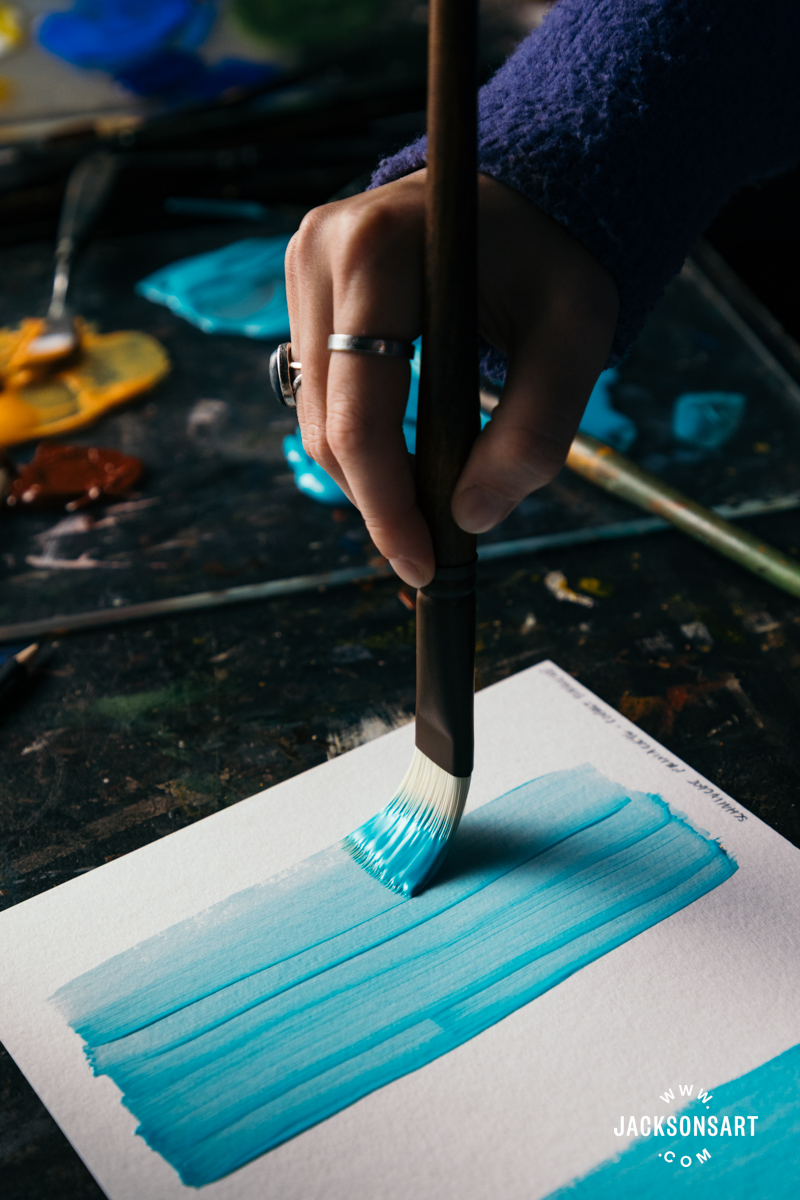
As with glazing in oil, it’s best to choose flat, square brushes that will disperse your glaze as evenly as possible in wide strokes. Avoid brushes with stiff or coarse bristles, since they will leave textured brushmarks in your glaze no matter how smooth the paint is – unless you are intentionally building a textured glaze. Synthetic brushes are preferable, since soft, natural hair brushes can become gummy, split, or misshapen by prolonged use with acrylic paint. Some ideal brushes for acrylic glazing include: Jackson’s White Synthetic Mottler Brushes, Da Vinci Synthetic Mottler Brushes, Royal Talens Amsterdam Paddle Brushes, and Pro Arte Synthetic Varnish Brushes.
How Do You Use an Acrylic Glazing Medium?
To use an acrylic glazing medium, combine your chosen acrylic paint on your palette with the medium using a palette knife. The ratio of paint to medium is variable depending on the desired strength of the glaze you’d like to apply. To create transparent glazes, Golden recommends a ratio no greater than 1 part paint to 10 parts glazing medium. Whilst wet and on the palette, glazing mediums are generally a milky white colour, and will become transparent as they dry. If you feel that your glaze is slightly more opaque than you’d like when wet, give it time to dry completely before assessing the final results.
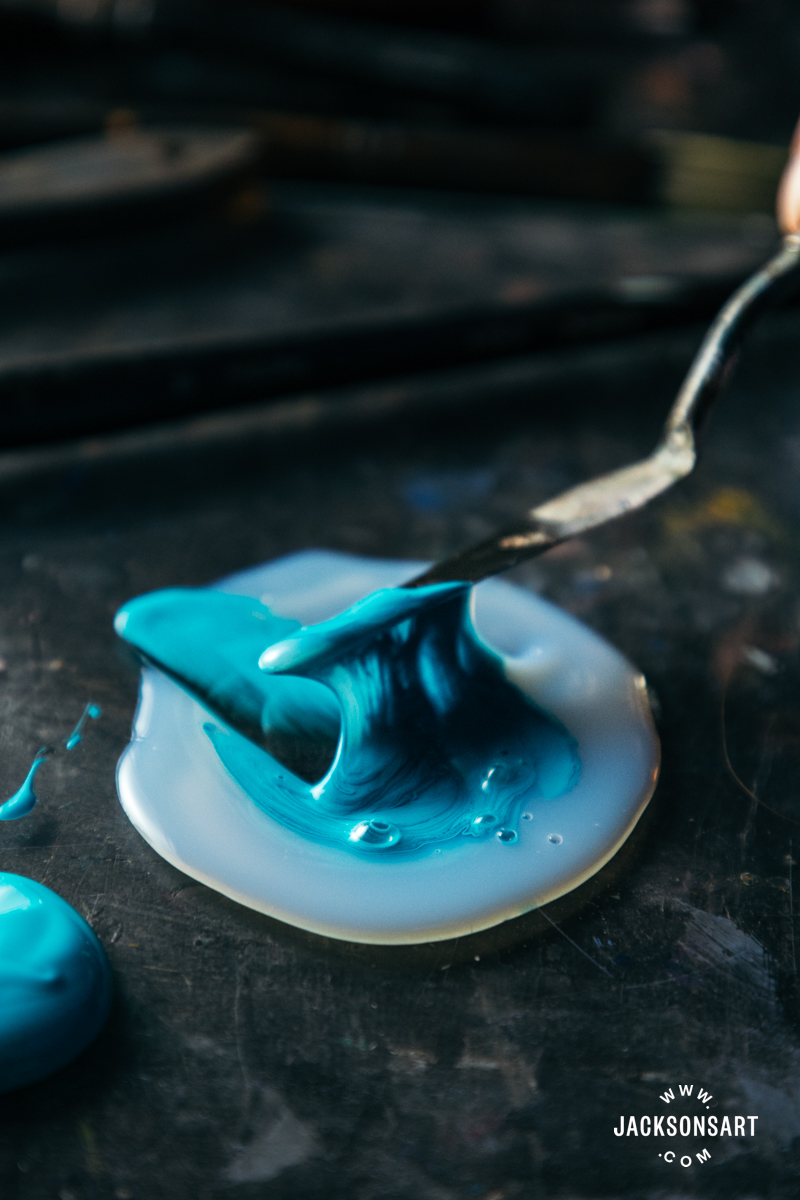
Glazing mediums mixed with acrylic paint should be applied in thin layers, since thick ones will take longer to dry and remain tacky for an unnecessarily long time. To create a stronger, more intense glaze, it’s generally better to build up several thin layers, allowing each to dry in before applying the next, rather than applying a single thick glaze.
Some options for acrylic glazing mediums include:
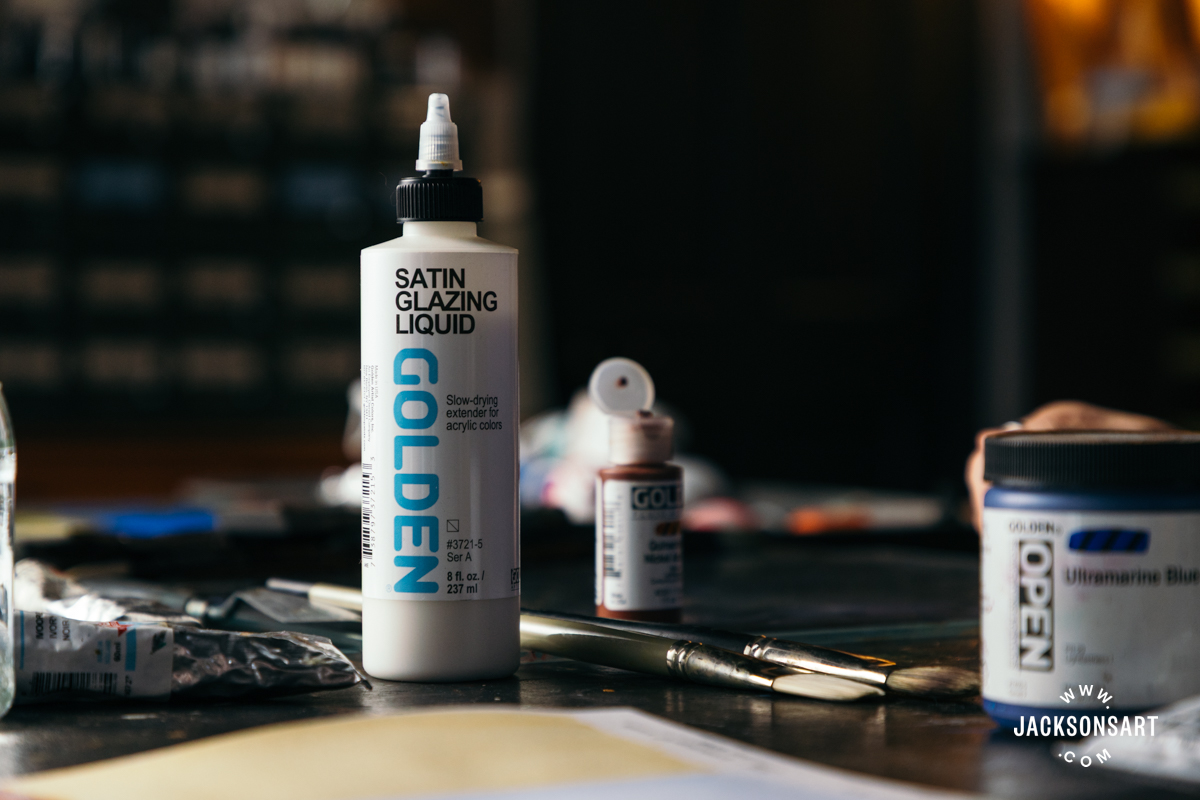
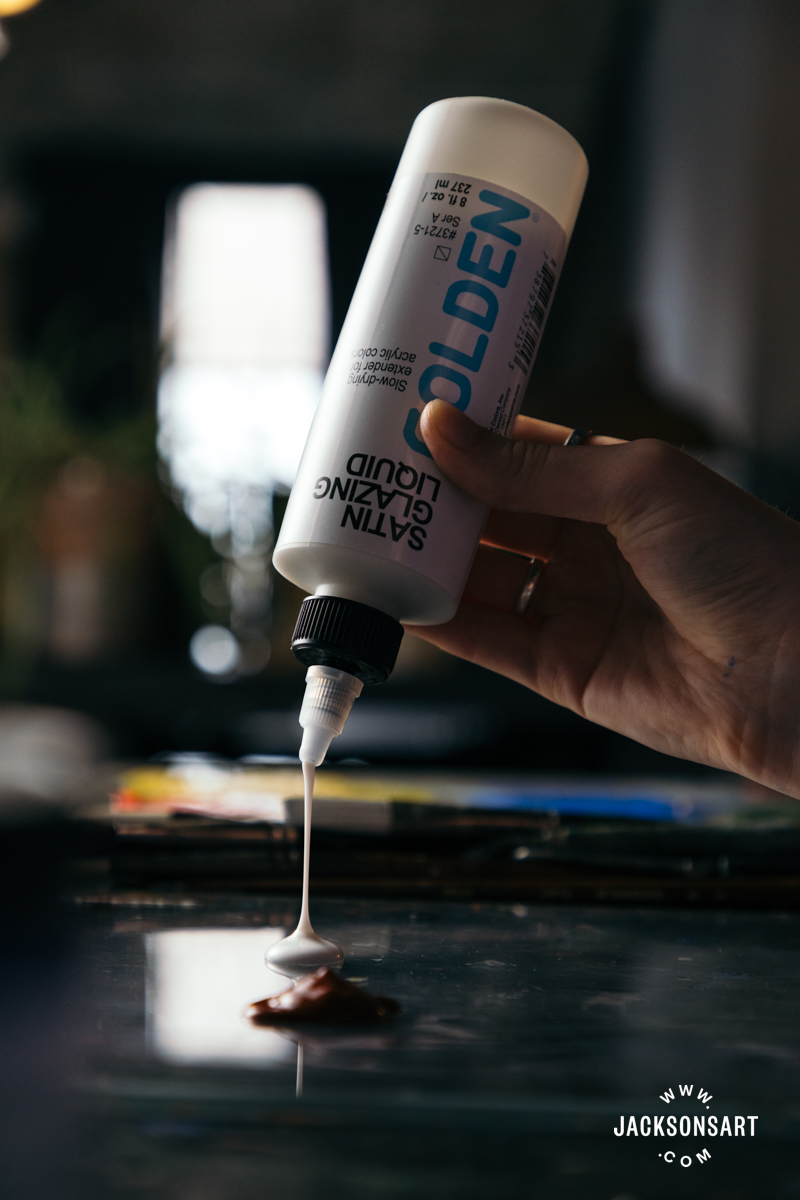
Golden Glazing Liquid Mediums, Lascaux Glazing Medium, Jo Sonja Clear Glaze Medium and Winsor & Newton Professional Glazing Mediums. For the following examples, I used Golden Glazing Liquid in Satin.
Does the Transparency of Acrylic Paint Matter for Glazing?
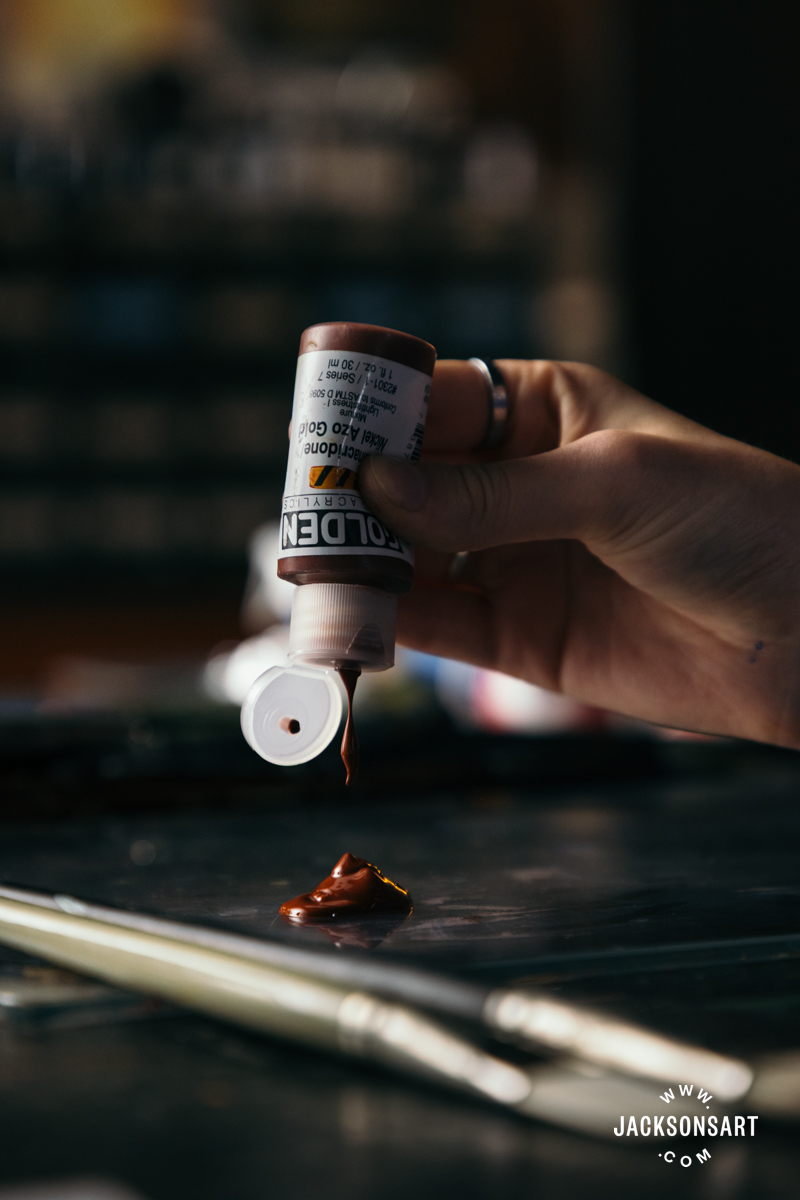
Yes – the transparency of acrylic paint makes some colours more suitable than others for glazing. Transparent and semi-transparent colours are preferable for glazing. Some transparent and semi-transparent fluid acrylics can be successfully glazed over an underpainting without the need for any added acrylic medium or dilution.
To glaze with an opaque colour, you’d need to add much more glazing medium to thin the paint to make it transparent enough to glaze. This is not a very economical approach to painting, which will consume the medium unnecessarily quickly. The transparency of acrylic paints is labelled on each tube, or detailed in individual product descriptions on the Jackson’s website.

Does the ‘Body’ of Acrylic Paint Matter for Glazing?
To be able to choose the best body of acrylic paint for glazing, it’s important to distinguish between them first. Acrylic paints vary in body – referring to their thickness, fluidity, and self-levelling qualities. Heavy Body acrylics are stiffer, hold peaks, and won’t run when wet, making them best for building texture and combining with acrylic texture mediums. Soft Body or Open acrylics have a lighter consistency with a longer drying time that allows for refinement. They have the consistency of yoghurt, which makes them easily spreadable and ideal for glazing and mixing with glazing mediums. Fluid acrylics are the runniest and will drip when wet. They are self-levelling and the most easily dispersed, making them ideal for glazing transparent colours without the need for any medium.
Soft, Open, or Fluid acrylic paints are preferable for glazing, but it is still possible to glaze with Heavy body paints. The major hindrance is that you have to mix more glazing medium into them to make them thin enough to glaze, so it isn’t the most economical option.
Acrylic Glazing with a Medium vs. Water
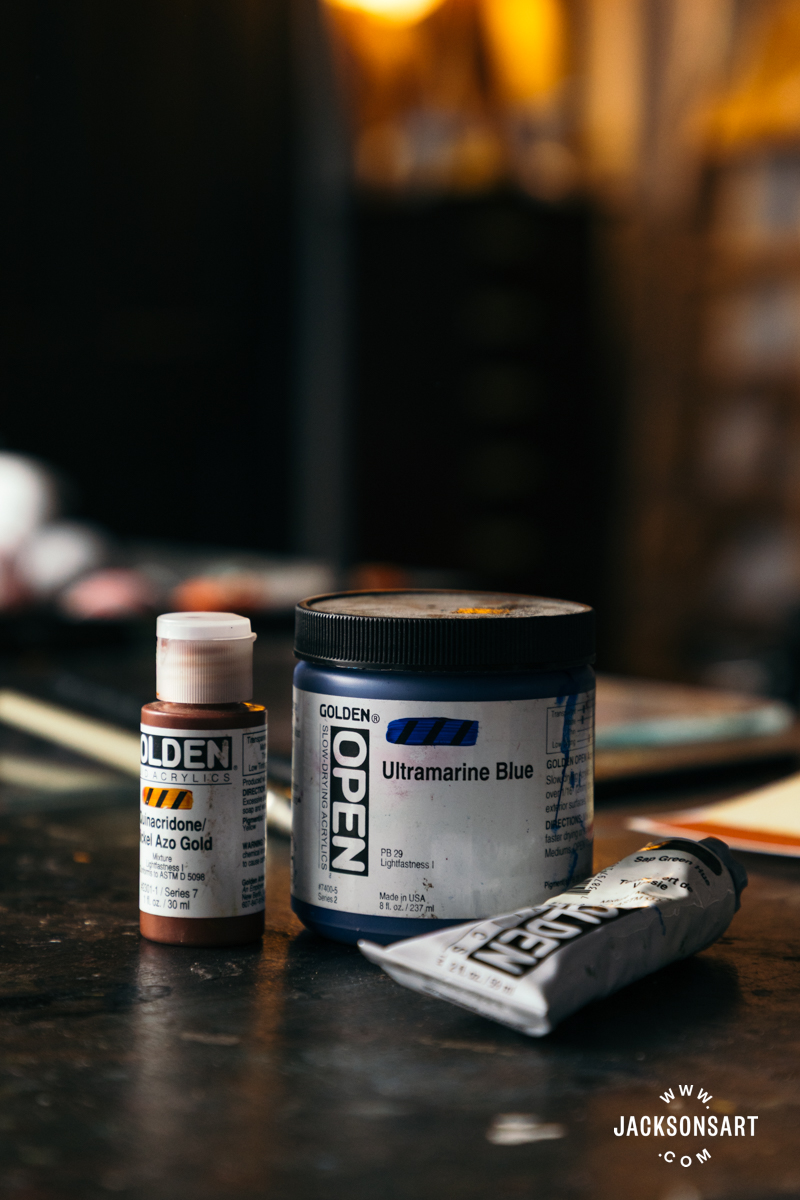
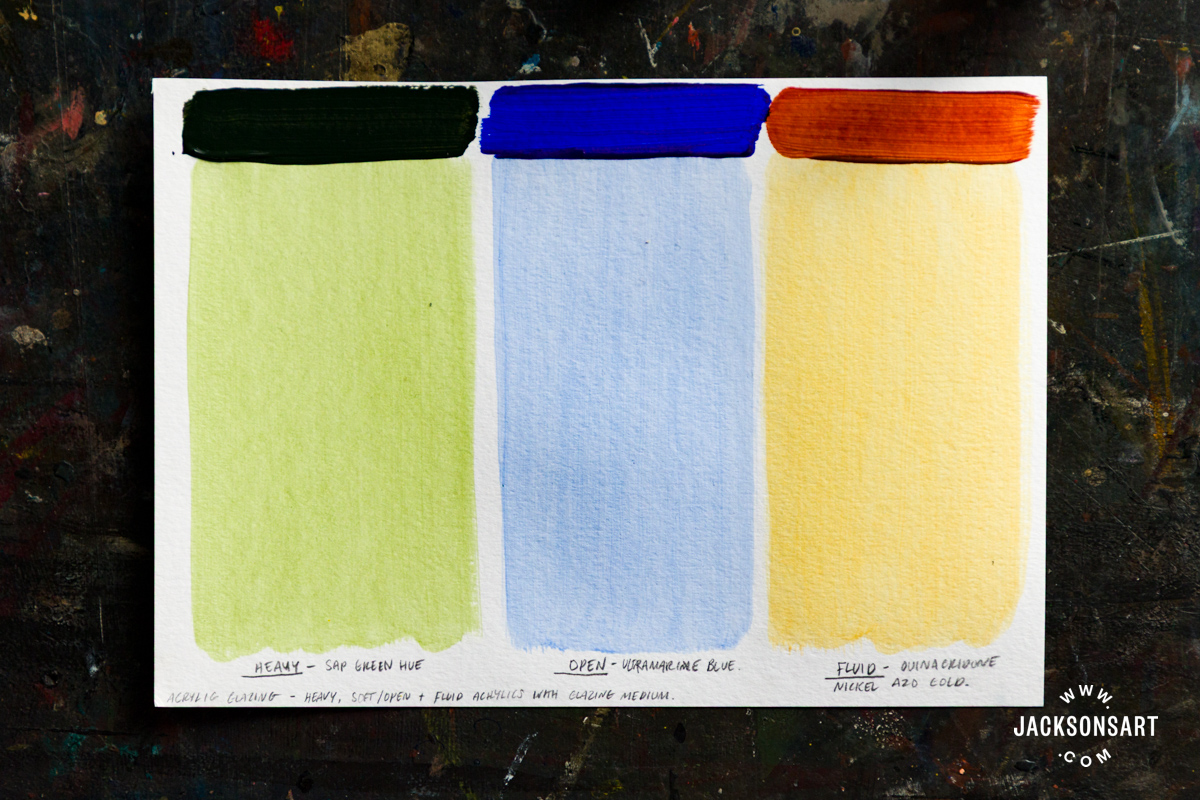
On the following test sheet, I created glazes using three different consistencies of acrylic paint: Heavy Body, Open, and Fluid Acrylics, in Sap Green Hue, Ultramarine Blue, and Quinacridone Nickel Azo Gold. Each colour was combined with Golden Glazing Medium. As you can see, each colour combined with glazing medium has some sheen, dried completely evenly without bristlemarks, and has a consistent finish.
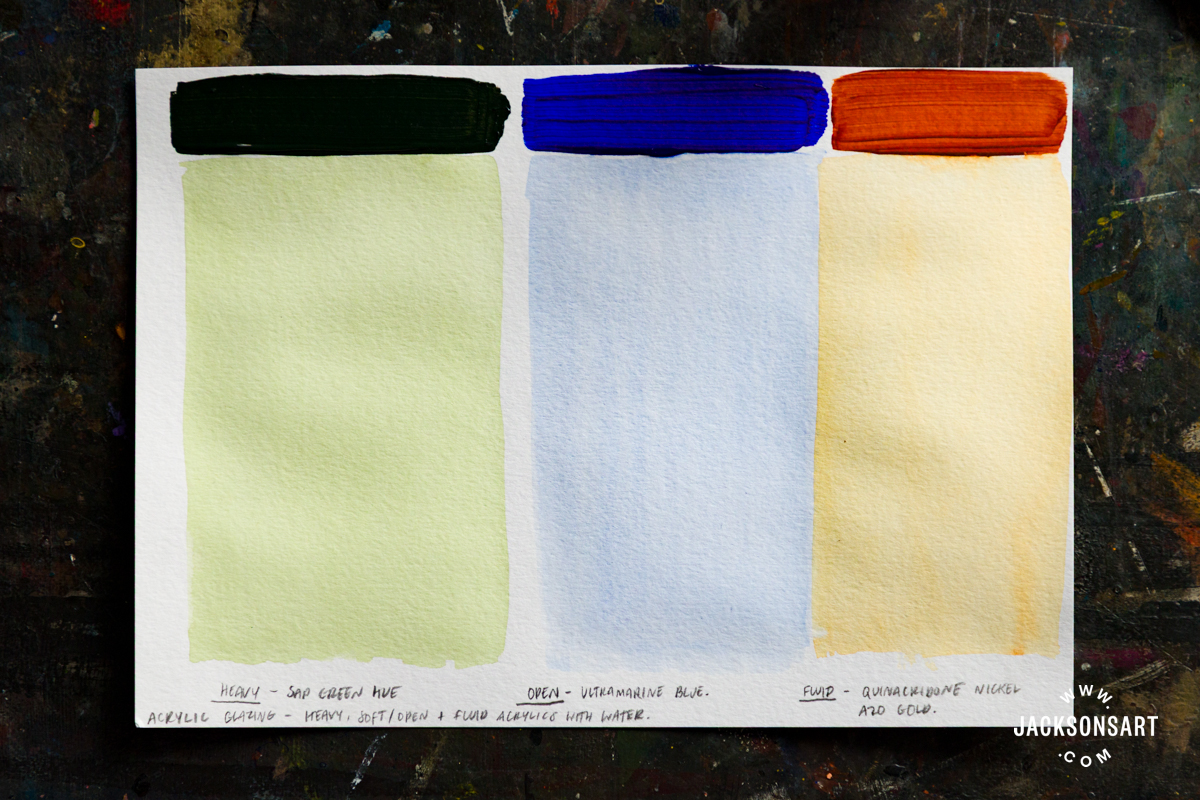
Next, I repeated the experiment by combining the same colours with water. On this sheet, the paint has less sheen, was difficult to disperse completely evenly, and some of the colour pooled. The paper itself also buckled from the moisture required to make the paint as equivalently light as my glazing medium example. Therefore, glazing with acrylic medium rather than water isn’t just preferable for its chemical stability; it also looks and performs much better.
Acrylic Glazing with Different Amounts of Medium
To demonstrate adjusting the hue of an acrylic glaze by changing the ratio of glazing medium to paint, I painted this example sheet with an increasing ratio of medium to paint as I moved across the page. On the far left, I applied Vallejo Studio Acrylic in Azo Yellow Orange straight from the tube over my linear red underpainting. On the far right, my ratio of paint to medium is 1:10.
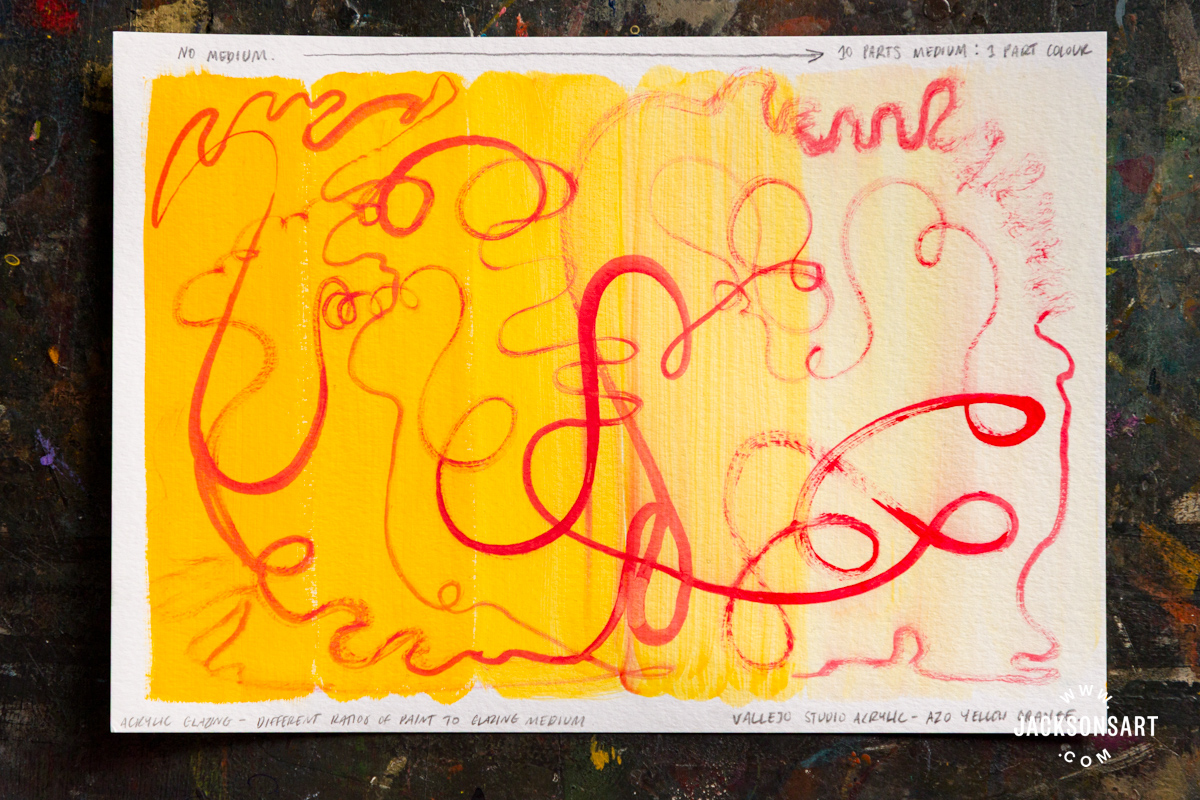
Understanding how to control the saturation and intensity of acrylic glazes is essential to applying them successfully to your work. By adjusting the ratio of paint to medium, you can choose the level of colour intensity that best enhances your painting. If you have a new colour that you haven’t glazed with before, it could be helpful to create a similar test sheet to see how different ratios of colour to medium appear on top of the palette of your underpainting – before you apply it directly to your work.
Can You Use an Acrylic Extender for Glazing?
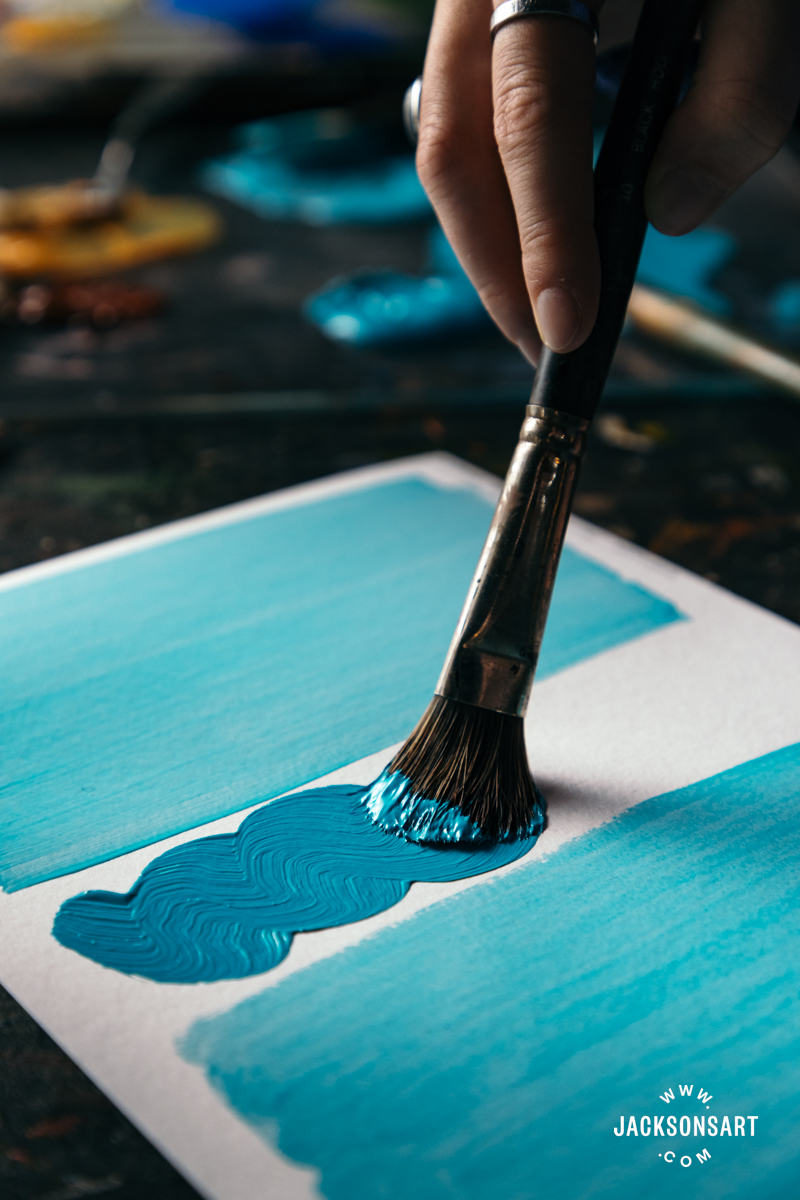
Yes – acrylic extenders are useful for glazing since they also thin the paint without weakening the film, as well as extend the drying time allowing you a longer window to adjust your glaze and make it seamless. On the following sheet, I made a glaze with Golden Glazing Medium, next to a glaze with Liquitex Slow-Dri Blending Medium, using the same acrylic colour: Schmincke Primacryl Professional Acrylic Paint in Cobalt Turquoise. I applied a stroke of the undiluted colour in the centre of the page to show the difference in hue.
Can You Glaze Acrylic Paintings with Gel Mediums?
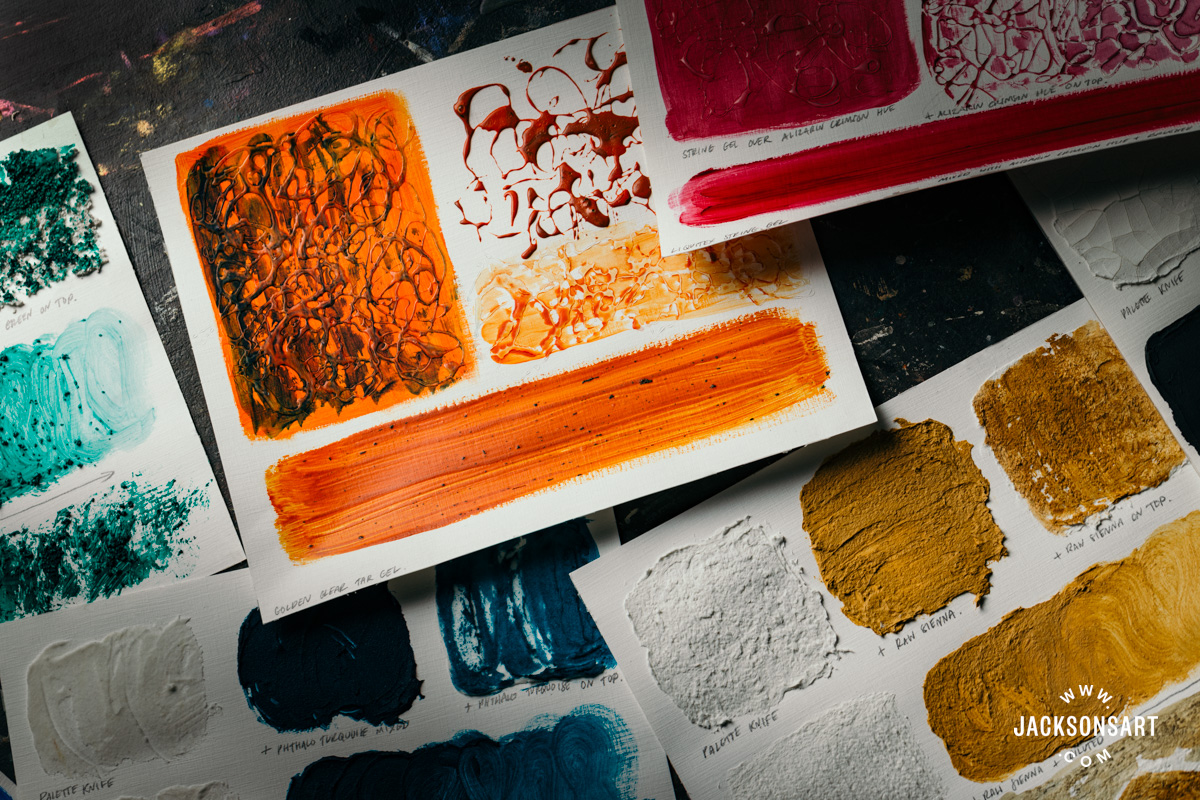
Yes – you can create glazes with gel mediums since they dry transparent, although the consistency of the glaze will generally be thicker than using a glazing medium or extender. They allow artists to build ‘relief’ glazes to create paintings with more physical depth.
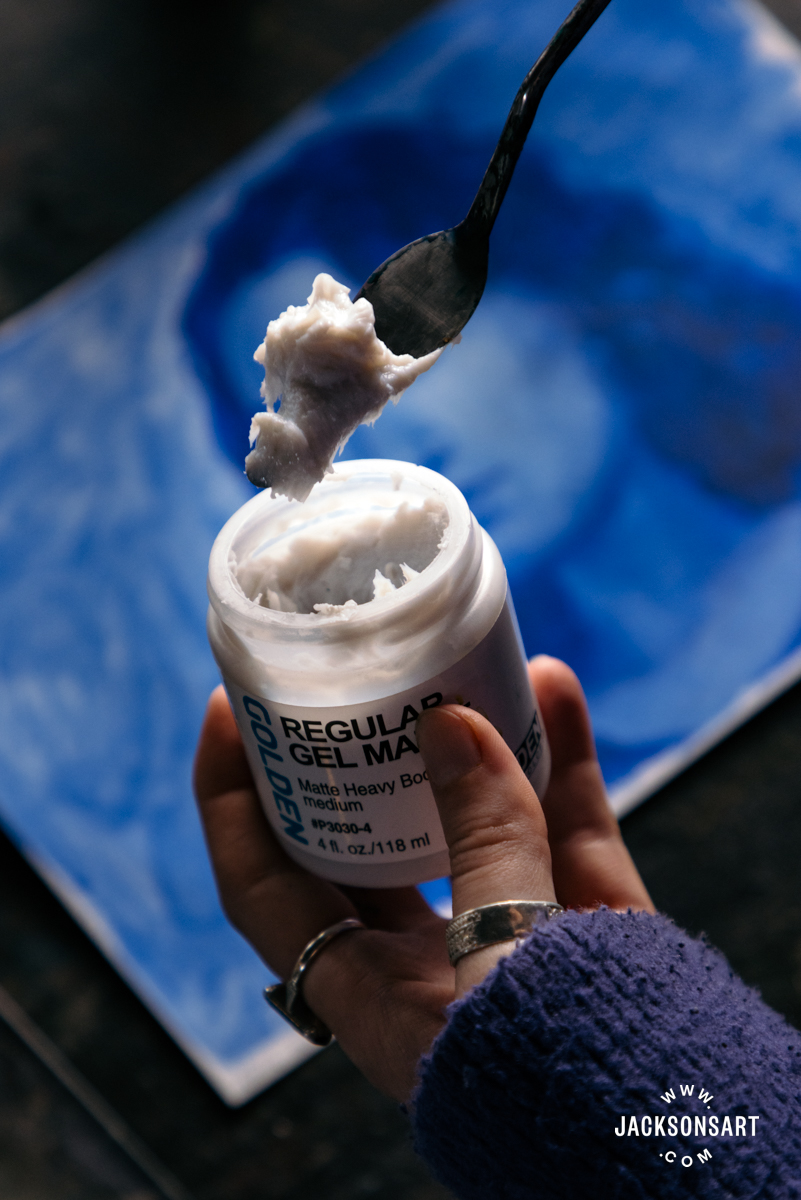
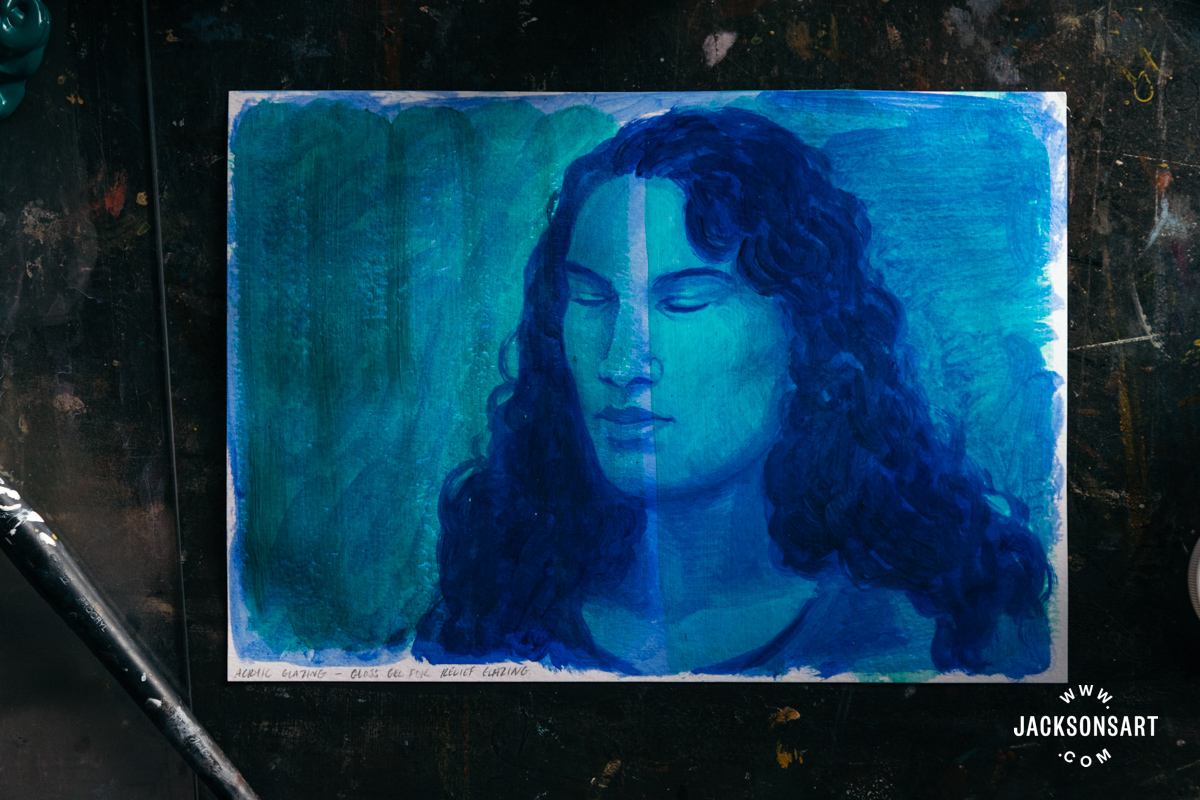
Gel mediums are designed with different finishes, so be mindful to choose matt, satin, or gloss, depending on your preference. On the left side of this example portrait, painted in Jackson’s Studio Acrylic in Ultramarine Blue, I applied a glaze combining Golden Regular Gel Matte with Jackson’s Studio Acrylic in Phthalo Green. This was very stiff to apply, and retained distinct textured brushmarks, but still functions as a transparent glaze.
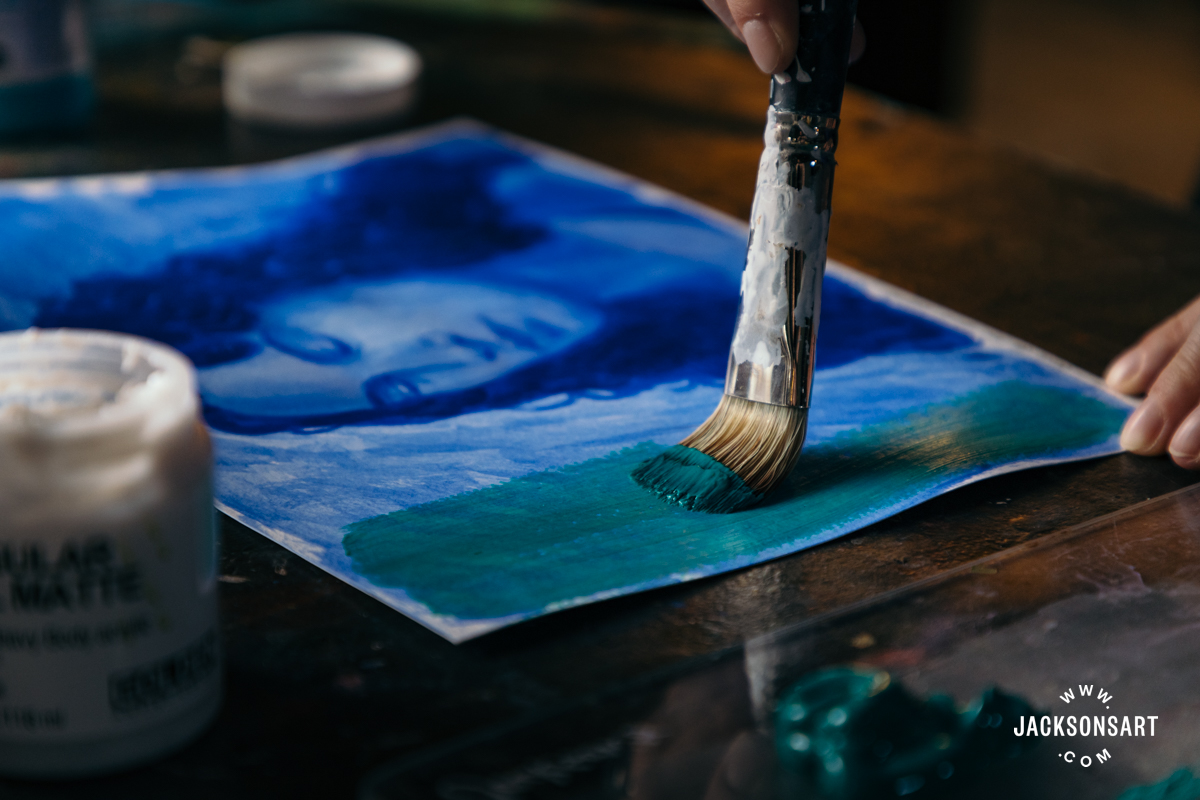
You can also combine gel mediums with acrylic extenders to make glazes that will dry slower and allow more time for refining the finish. For the other half of my portrait, I combined the same colour with Golden Regular Gel Matte and Liquitex Slow-Dry Medium. This side of the example painting applied much more evenly and was easier to disperse, but still retained some of the physical density of the gel medium.
Comparing Each Technique for Acrylic Glazing
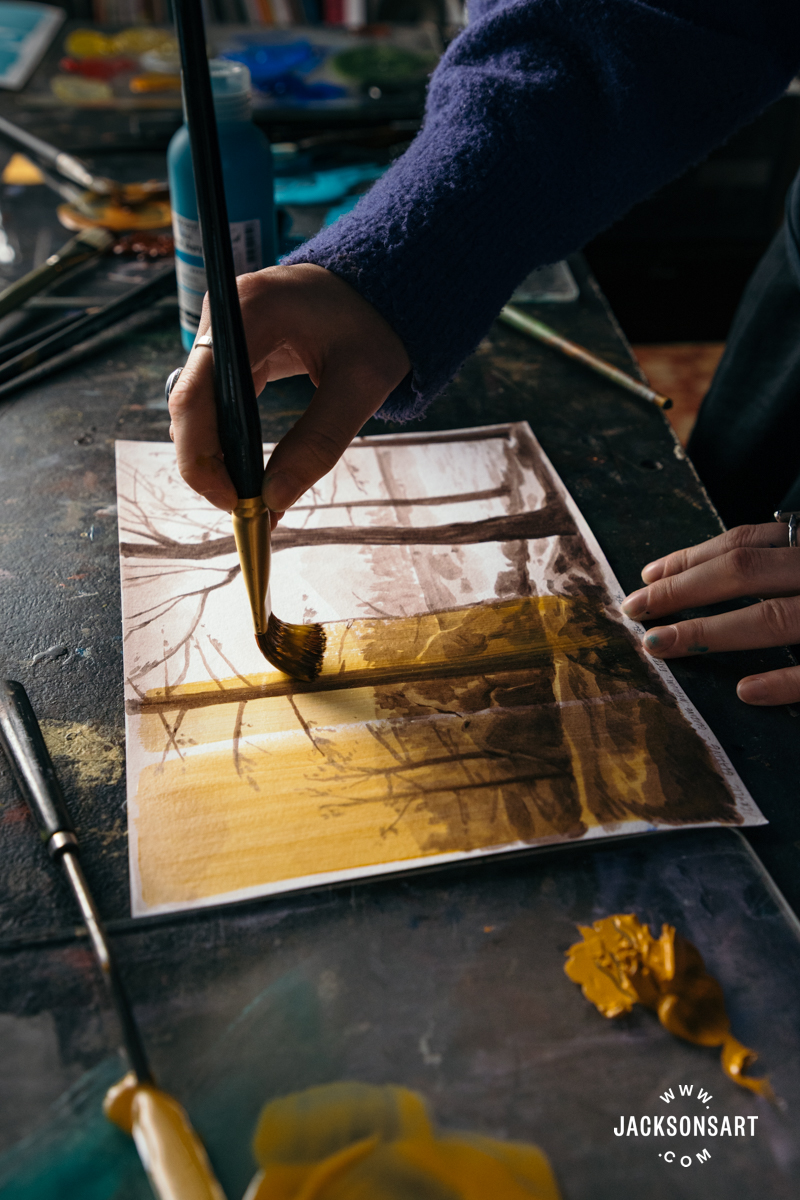
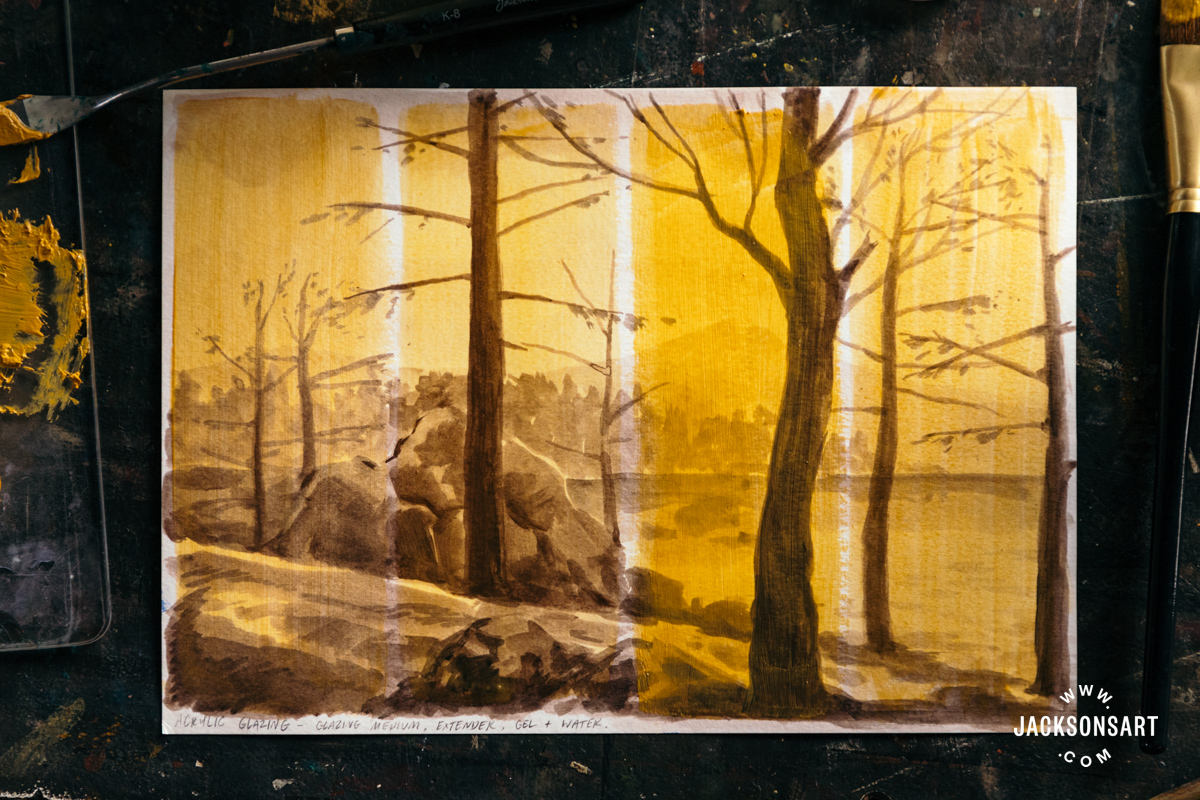
For my final example sheet, I wanted to make a direct visual comparison between the approaches described in this article. I glazed over an underpainting of a forest made in Jackson’s Professional Acrylic Paint in Burnt Umber by combining Jackson’s Professional Acrylic Paint in Yellow Ochre with glazing medium, extender, gel, and water respectively, applied in individual stripes.
Further Reading
Acrylic Painting for Beginners – What You Need to Get Started
Underpainting in Oil and Acrylic
Behind the Movement: Northern Renaissance
Shop Art Supplies at jacksonsart.com



11 thoughts on “Techniques for Glazing with Acrylic Paint”
Very helpful. Thank you
Thank you for such an informative and insightful tutorial. I found it easy to understand and especially appreciated the actual sample pictures included. I was just thinking about glazing in my artwork and up pops this article! Now onto the watercolor glazing article!
excellent commentary on the uses and differences through example of glazing, extender, gel and water. thank you for taking time to share your experiences. Clear, helpful knowledge.
Great article
Thankyou, I learnt alot from this article and will read it a couple of times and make notes.
Very much appreciated
Really helpful and just as I’m exploring this – great timing! Thank you
Well done, very helpful. I am sure it is more work, but it is so nice to have the visuals. In that final painting the glazing medium looks closer to the water and the extender looks most like a good glaze (at least in the photo).
More than helpful together with the example sheets and mentioning relevant Manufakturen. Danke from Germany
Thank you for this useful article. However I have had one problem which you haven’t mentioned. Some times when I add a glaze to my work, the thinner paint lifts the paint underneath even though I have left the first layer to dry for at least a day. Any hints on how to stop this please?
Hi Lois – that’s frustrating, I’m sorry you’ve experienced that in your paintings!
Lifting can happen for a few reasons in acrylic paintings. First, if the paint below has been diluted with too much water, the acrylic polymer binder becomes weakened, and won’t be able adhere the pigment properly to the surface. Glazing on top of a diluted layer may pick up this loosely attached colour. Next, brands add fillers to low-quality cheap paints to make them bulkier, at the cost of them drying with a weaker or brittle film, which may allow for lifting. Also, lifting is more likely when acrylic paint is applied to an unsuitable surface that it can’t properly adhere to. Painting on top of an acrylic gesso may help to prevent lifting. So overall to prevent lifting – make sure not to dilute acrylic paint with too much water, use high quality acrylics, and make sure to prepare the surface properly. I hope that helps, but let us know if not!
Thanks so much for this informative article.
I have worked with oils and oil glazes. I found this information
very helpful so I can work better with my acrylic painting.
Comments are closed.