



For thousands of years, artists have harnessed pigments to articulate ideas and emotions in the form of paintings, drawings, prints, and painted sculpture. Yet many of the same pigments have also been applied to the body to modify or enhance the wearer’s appearance. This article explores some of the pigments that have bridged the worlds of art and cosmetics, tracing their use from antiquity to the present day.
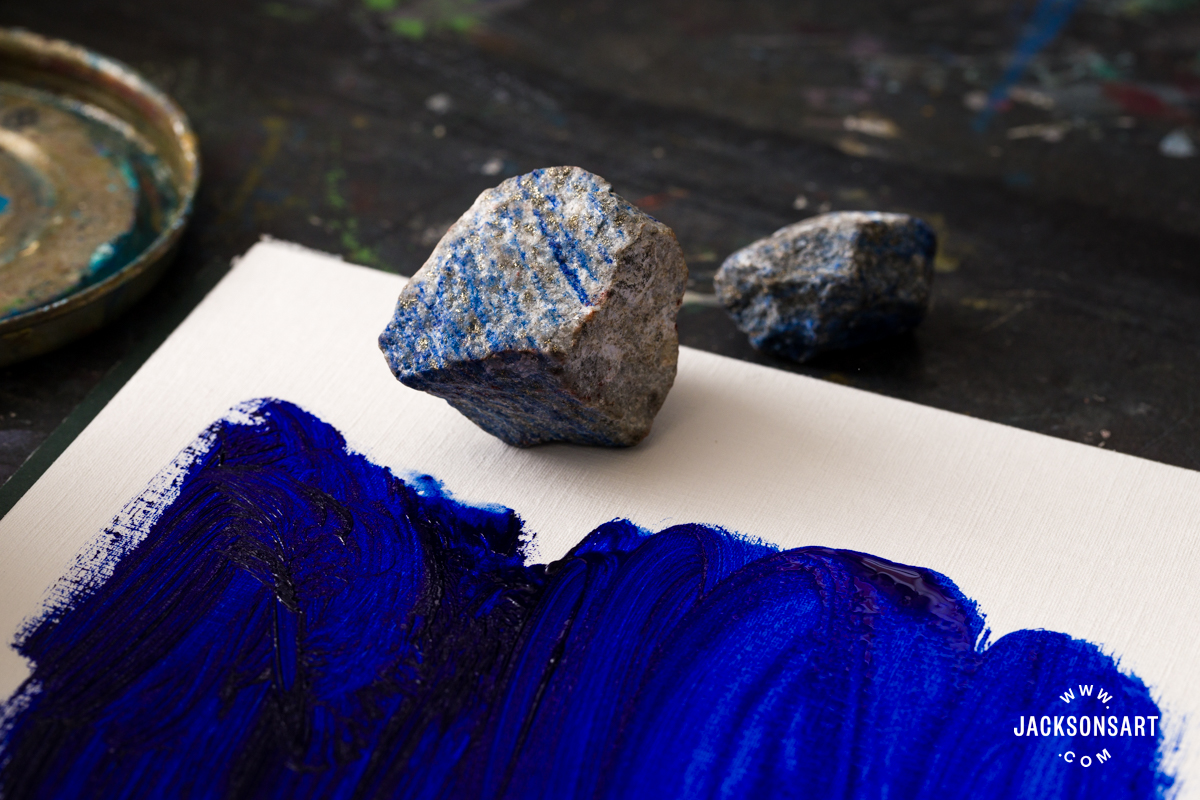
Pigments in the Everyday: Cosmetics
How Long Have Humans Used Cosmetics?
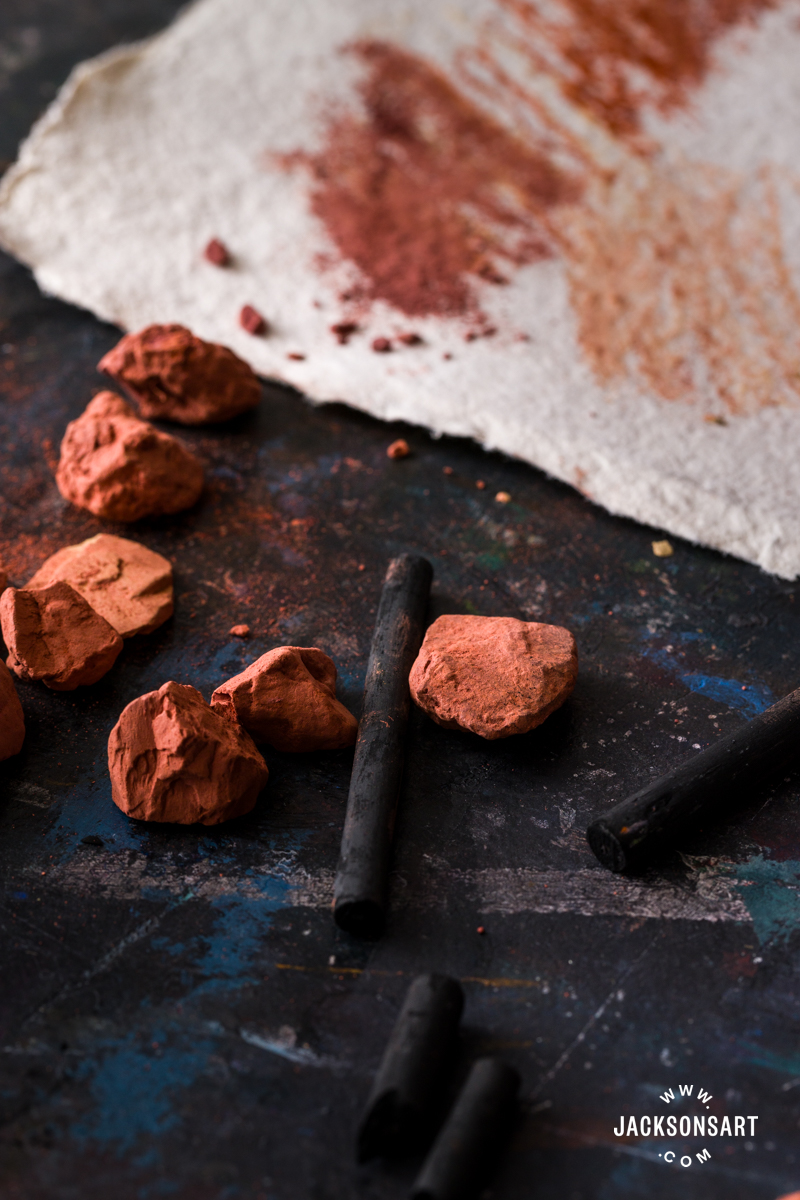
It is difficult to ascertain exactly when early humans began adorning themselves with colour for cosmetic purposes, but rock paintings suggest that it dates to at least the Upper Paleolithic (50,000 to 10,000 years ago). Pigments like charcoal, chalk, and iron oxide-based ochres may have been combined with animal fat and applied to the body to indicate status and identity, or as part of collective ritual. The practice is thought to have been linked to the development of language and abstract thought. Unfortunately, unlike paintings made on rocks, body decoration is archaeologically ‘invisible’, meaning that evidence of it has to be inferred from tools associated with pigment-processing.
Cosmetics in the Ancient World
The first use of cosmetics as we would recognise it – products applied to the face, eyes, lips, and cheeks to enhance the wearer’s beauty – can be traced to Bronze Age civilisations in Egypt and Mesopotamia. Cosmetics in ancient Egypt are particularly well documented. The ancient Egyptians used green Malachite for eyeshadow, black kohl made from the mineral galena to line their eyes, and Red Ochre to colour their cheeks and lips. In Ancient Rome, Red Ochre from Belgium was considered to make the best blusher, but a more poisonous alternative was Cinnabar, a red mercury sulphide pigment that was also used in Roman frescoes.
One of the earliest surviving examples of lipstick was found in Iran and dates from between 1936 and 1687 BCE. It consists of a red iron-oxide pigment and shimmering quartz. Later, Queen Cleopatra (69-30 BCE) was believed to have used lipstick containing ground fish scales that would have made her lips glisten.

Roman Period, from Egypt
Encaustic on wood with gold leaf, 36.5 x 17.8 cm | 14.4 x 7 in
The Metropolitan Museum of Art
In the ancient world, the line between cosmetics and medicine was more blurred than it is today. In ancient Egypt, both men and women would use kohl to line their eyes, and numerous texts describe its medicinal value. It not only elevated the appearance of the wearer but also protected their eyes from the glare of the sun, repelled insects, and prevented or treated eye infections. Some modern research has shown that galena, a lead sulphate mineral widely used in ancient Egyptian kohl, may have triggered a strong immune response that helped the body fight infection. Although any therapeutic benefits have to be weighed against the toxic effects of lead.
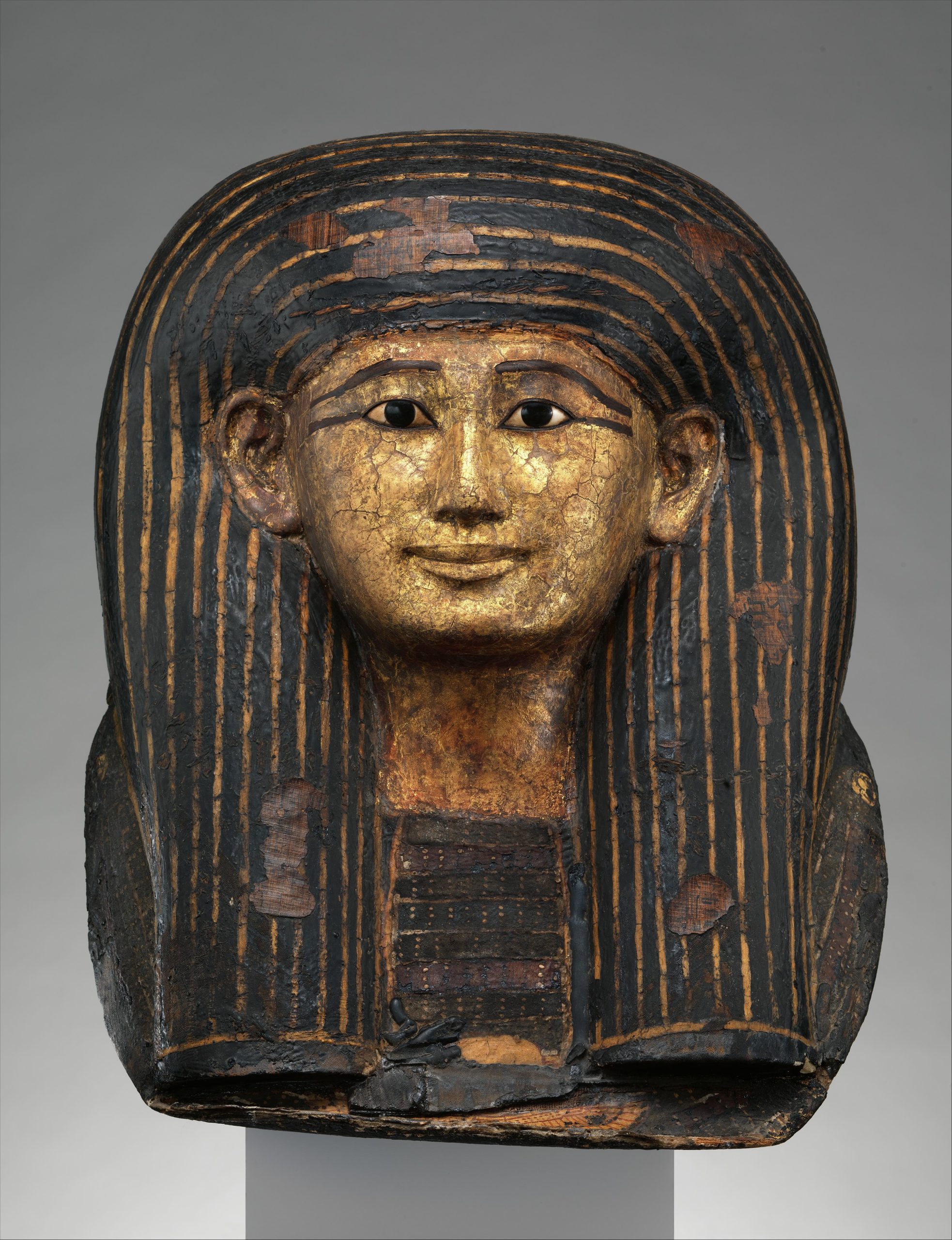
Upper Egypt, Thebes
Cartonnage, paint, 50 x 42 x 45.7 cm | 19.7 x 16.5 x 18 in
The Metropolitan Museum of Art
Dying to be Beautiful?
Lead White is an ancient pigment composed of basic lead carbonate – Rembrandt couldn’t have painted his characteristically gooey impasto highlights without it. However, centuries before it graced the palettes of the Old Masters, it was used in cosmetics. In Northern China, cosmetic containers dating from the 8th century BCE have been found to contain Lead White. Applied to the skin, it would produce a pale, luminous look that showed that the wearer was wealthy, not exposed to the sun during outdoor manual labour. This beauty ideal was also shared by ancient Mediterranean cultures, and later became prevalent in Europe.
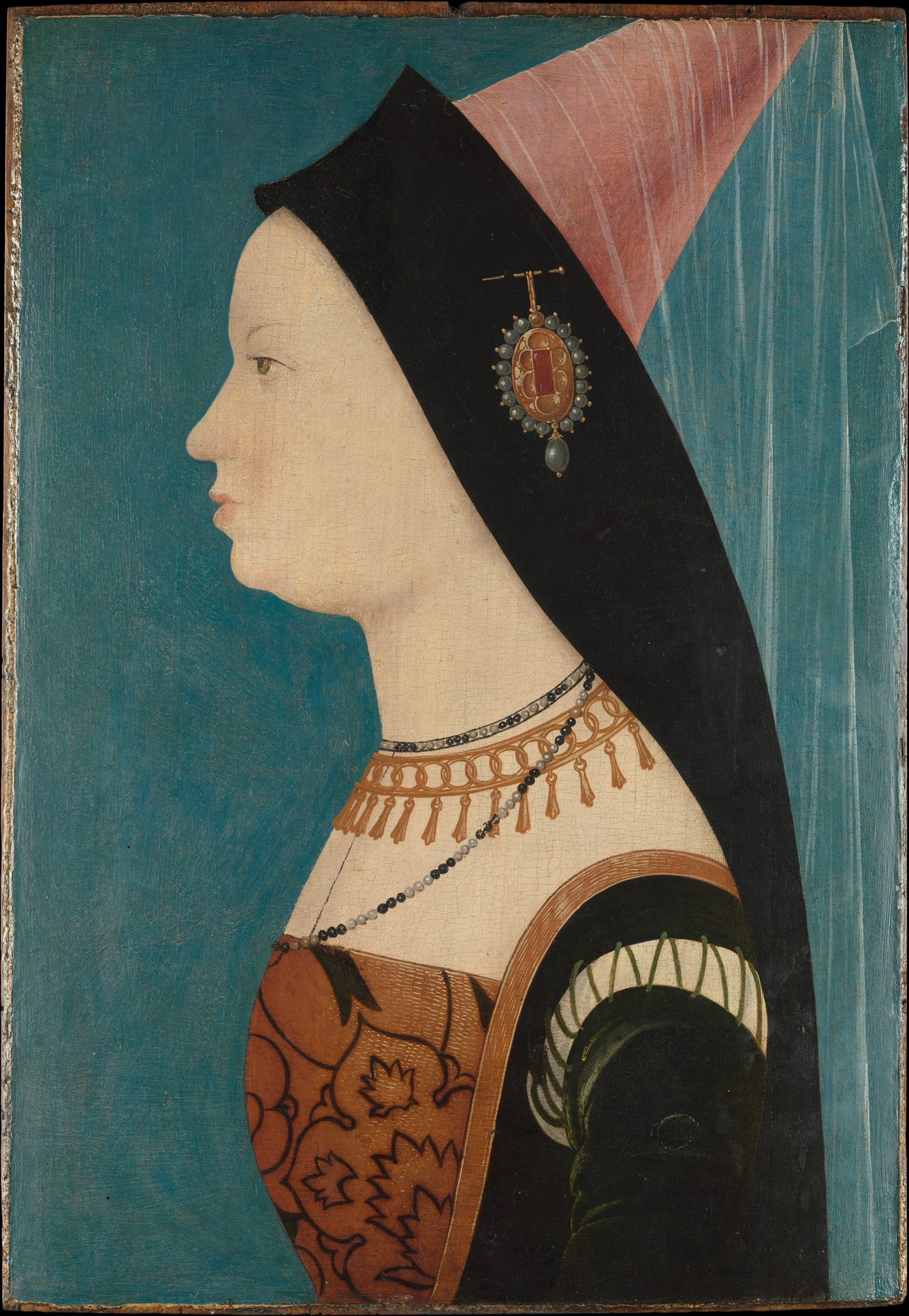
Attributed to Master H.A. or A.H.
Oil on fir panel, 43.9 x 30.5 cm | 17.3 x 12 in
The Metropolitan Museum of Art
Lead White is toxic, and wearers might experience side effects including abdominal pain, confusion, and hair loss. It is also believed that lead exposure made the skin mottled and scarred, only increasing dependence on the poisonous product. The historical figure most notoriously associated with this affliction was Queen Elizabeth I of England. She is widely believed to have used a Lead White cosmetic called Venetian Ceruse to cover scars left by a smallpox infection earlier in her life. A 1600 account described Queen Elizabeth as “continuously painted, not only all over her face, but her very neck and breast also, and that the same was in some places near half an inch thick.”
This image continues to inform how the Tudor Queen is portrayed in popular media – as an ageing monarch wearing a thick layer of white face paint. However, many scholars argue that the account is likely exaggerated and that many other contemporary descriptions do not mention that she was coated in white paint. On top of that, Venetian Ceruse does not appear in her inventory records. However, we can say for certain that she powdered her nose with Vermilion Red, a toxic mercury sulphide pigment. Vermilion was also widely used by painters from antiquity until the 20th century. For example, it is the rich red used by Van Gogh to paint the crimson bedspread in his Bedroom paintings.
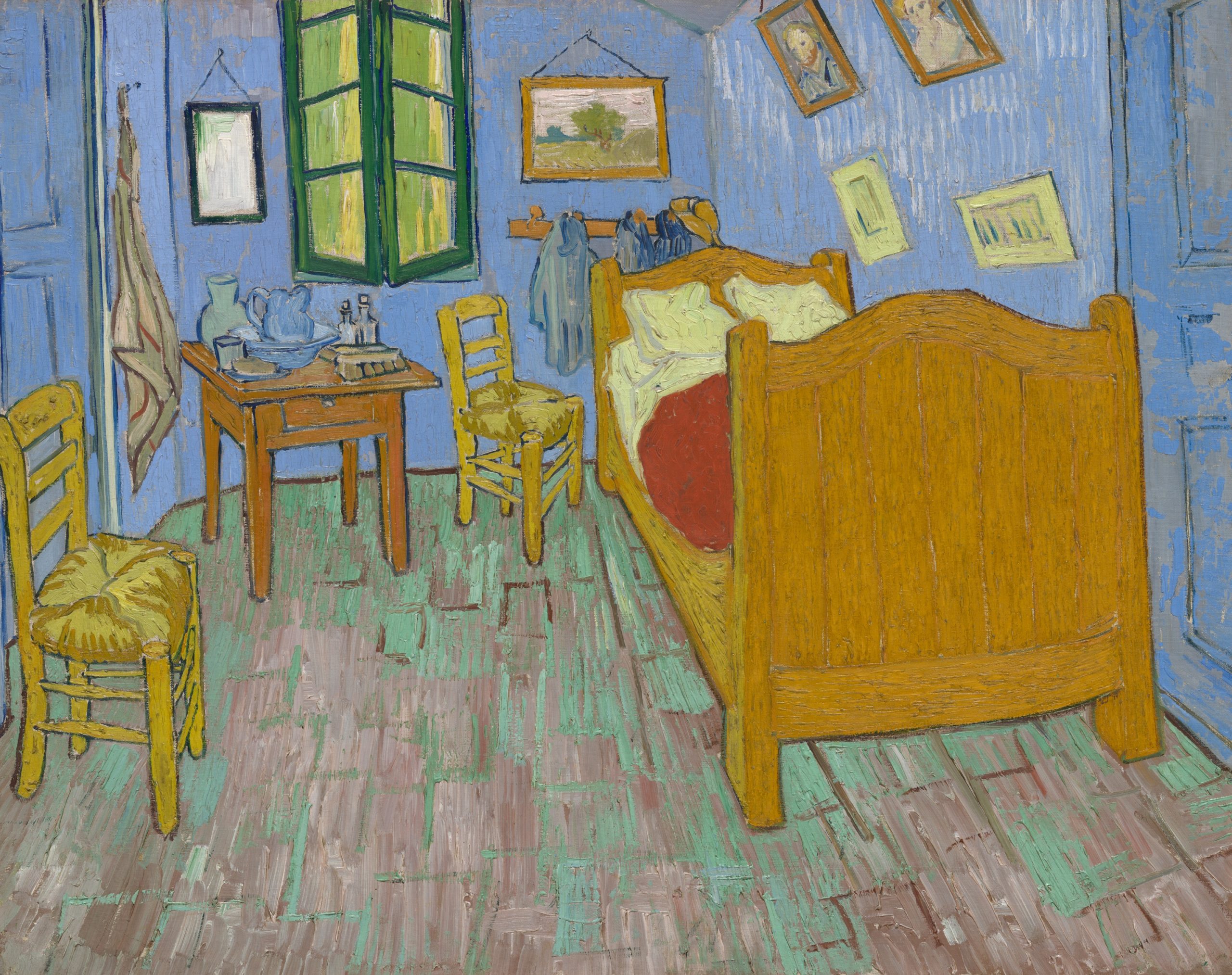
Vincent van Gogh
Oil on canvas, 73.6 x 92.3 cm | 29 x 36.4 in
Art Institute Chicago
Pigments in Modern Cosmetics
Not all pigments used in historical makeup were poisonous. Prussian Blue is a non-toxic blue that can be found in works by artists from Hokusai to Canaletto, and during the eighteenth and nineteenth centuries, it was also used to paint veins onto the face and chest to make the skin look pale and translucent. Prussian Blue is still used today in products like eyeshadows and nail varnishes.
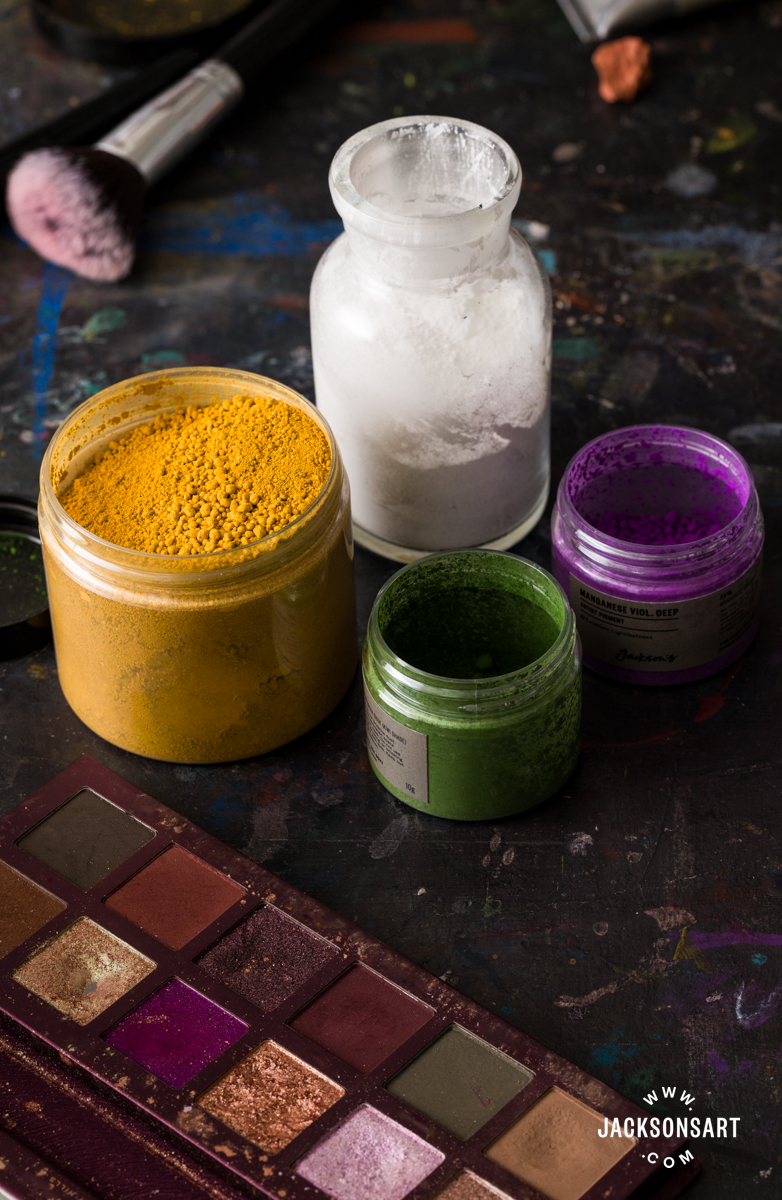
If you wear makeup, you are likely using some of the same pigments on your face as you do in your painting palette. Titanium White, Chromium Oxide Green, and Synthetic Iron Oxides are all commonly found in complexion products like foundation and concealer. Of course, the ingredients used in cosmetics are specially refined and formulated to be safe for use on the skin, and it is not recommended to use artist paints on the body.
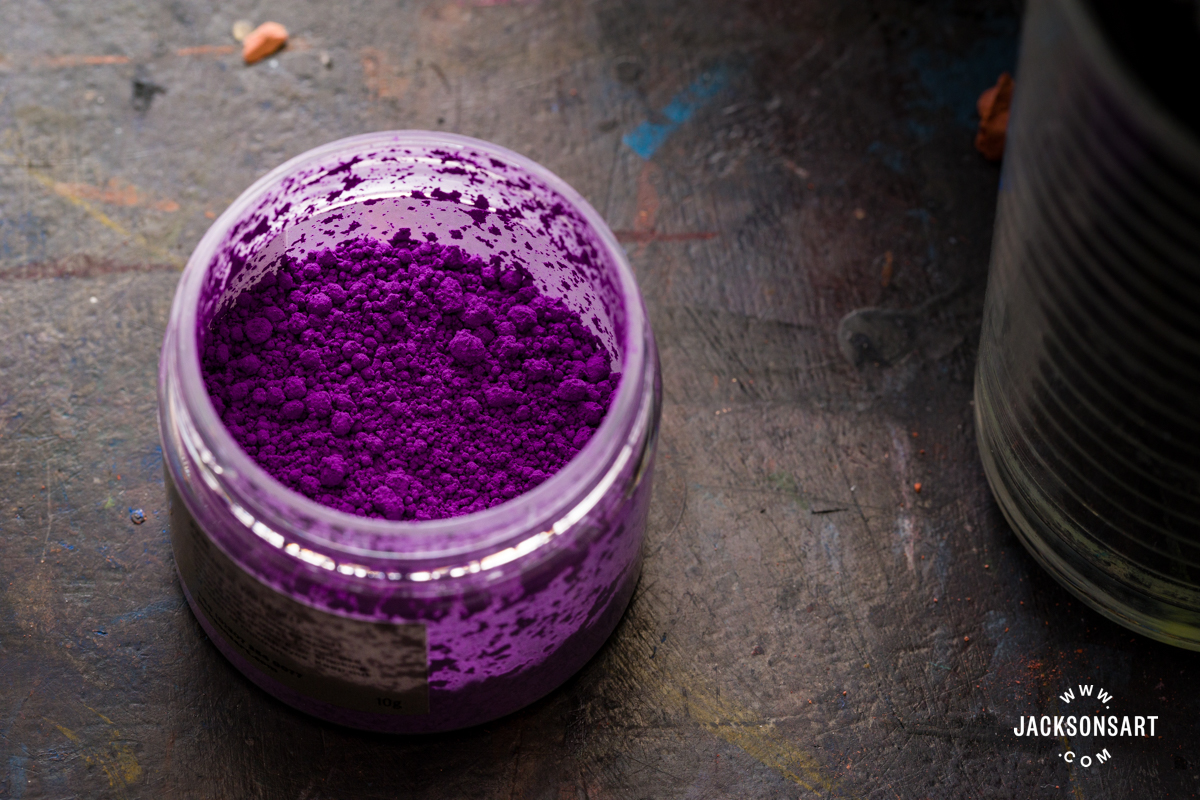
Another frequently used pigment in modern cosmetics is Manganese Violet. Usually found in eyeshadows, this colour was invented in 1868 and was one of the pigments that revolutionised the palettes of nineteenth-century artists. You can see its characteristic reddish hue in the paintings of Claude Monet.
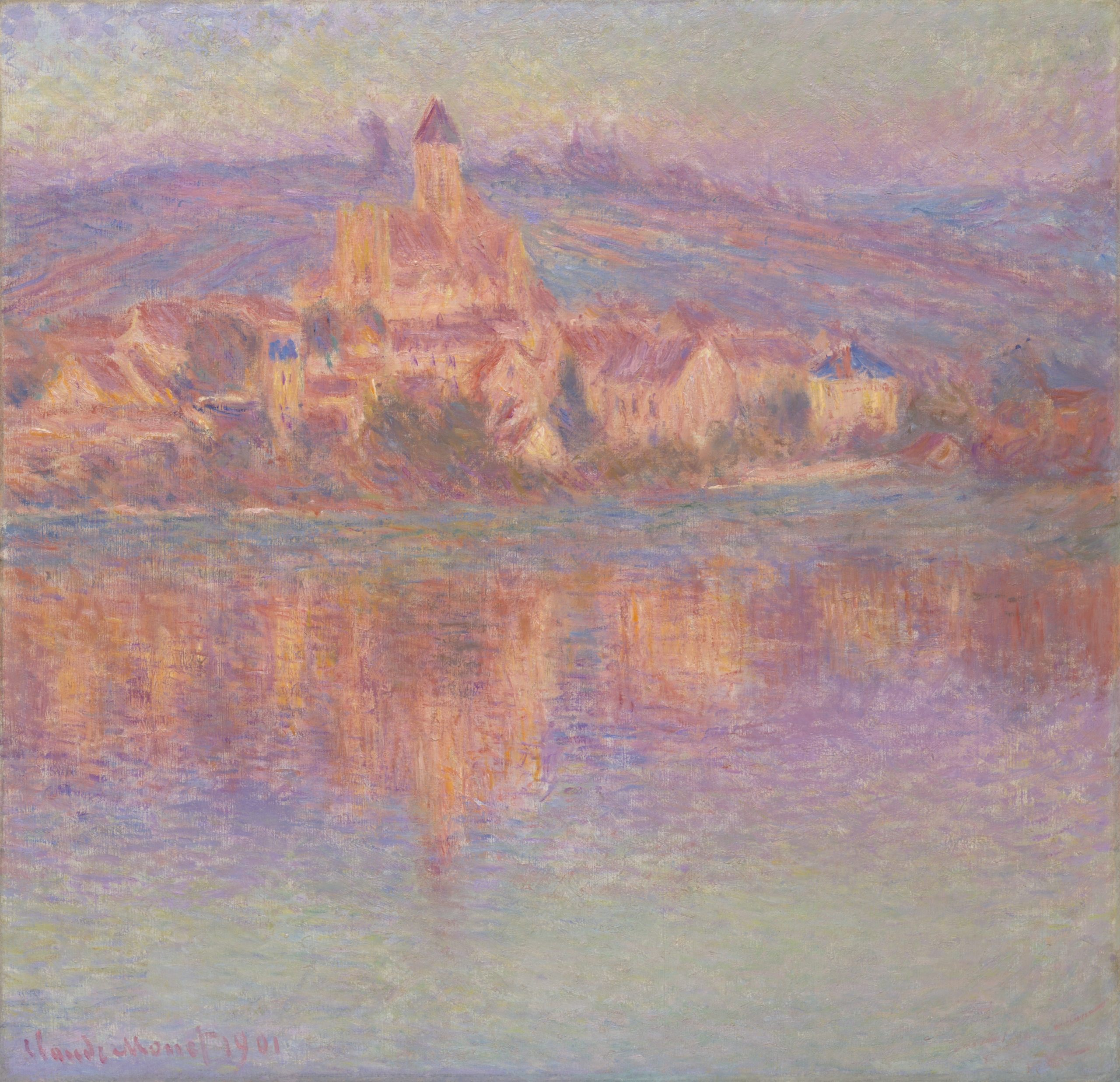
Claude Monet
Oil on canvas, 90 x 93 cm | 35.5 x 36.6 in
Art Institute Chicago
Ultramarine pigments, which can range from blue to violet to pink, are also used in cosmetics. The story of Ultramarine Blue is an extraordinary one – historically, it was made from lapis lazuli, a semi-precious mineral mined primarily in Afghanistan. In Europe, it became the most prized and most expensive blue in artists’ palettes, most famously used to paint the robes of the Virgin Mary.

Lodovico Carracci
Oil on copper, 37.2 x 28.6 cm | 14.65 x 11.25 in
Art Institute Chicago
In the nineteenth century, a process for making synthetic Ultramarine Blue, chemically identical to the natural product, was developed. What was once the most expensive pigment in history became one of the most affordable, and today it can be found in a number of cosmetic products, particularly those used around the eyes. In an intriguing historical parallel, natural Ultramarine Blue made from lapis lazuli was also used in ancient Egyptian eye makeup.
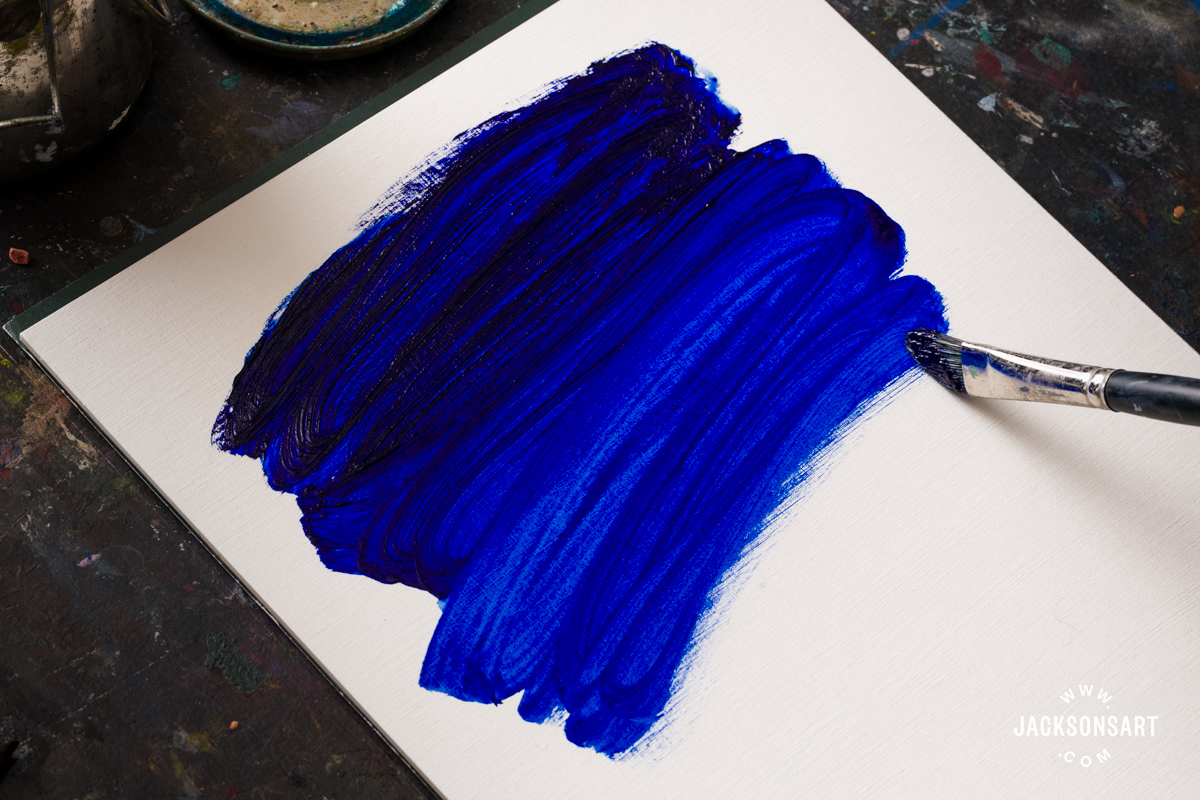
From natural earths to modern synthetic compounds, the worlds of artists’ pigments and cosmetics have long overlapped. Whether applied to the body or to a canvas, colour has always been a way of telling the world who we are, or how we wish to be seen.
Discover our Pigment Stories and the world of colour history.
Further Reading
Introducing Jackson’s Pigment Stories Book
Introducing Jackson’s Artist Pigment Sets
Recreating the Colour Palette of Claude Monet
Shop Art Materials on jacksonsart.com



6 thoughts on “Pigments in the Everyday: Cosmetics”
Really interesting read. Is it a book?
Hi Barbara, I talk about various pigments and their use in cosmetics in Pigment Stories
What an interesting article. I’ve
frequently used lipstick or lip liner and
concealer in sketchbook drawings when
on holiday when I’ve carried only a book
and pencils. The colours are fast and
hold up well!
I’ve always found that lipstick makes a good wax resist for watercolour, perhaps not the most archival choice but fun for sketchbook work!
Such an interesting article, I really enjoyed
reading it….thank you.
Thanks for reading, Lorraine!
Comments are closed.