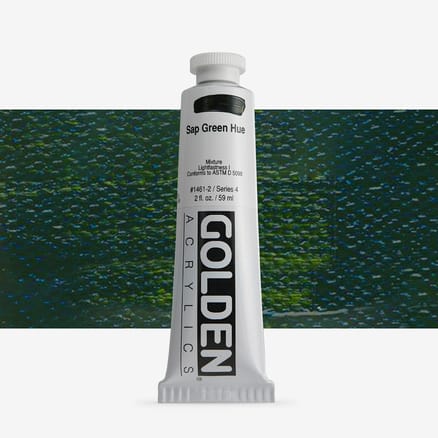

Sap Green
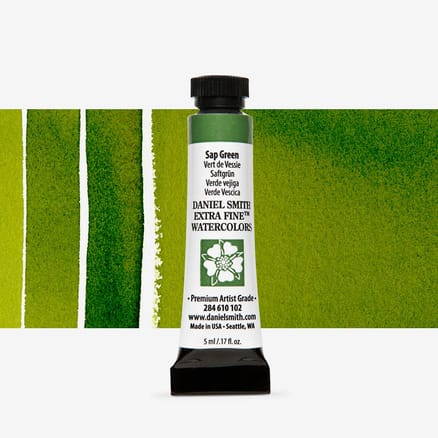
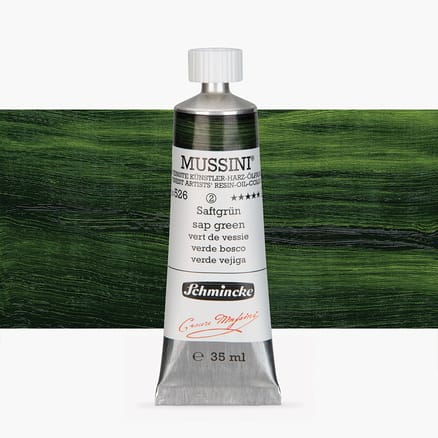
Sap Green is a strong, yellowish-green commonly used in landscapes and botanical work. It has a juicy, leafy character that is transparent and mixes well. Read on to learn more and shop for colours.
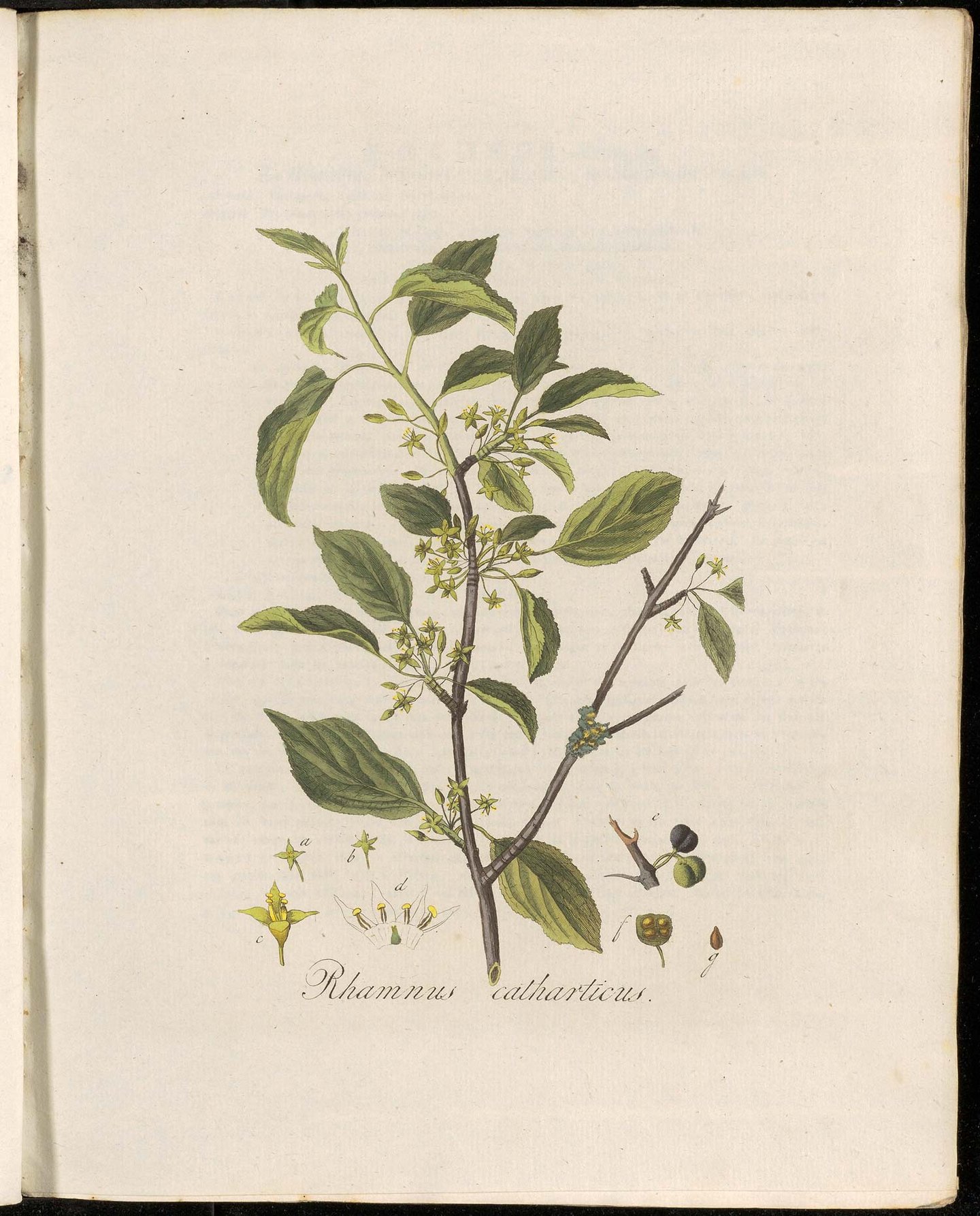
Georgius Jacobus Johannes van Os, Rhamnus Catharticus, 1814, National Library of the Netherlands
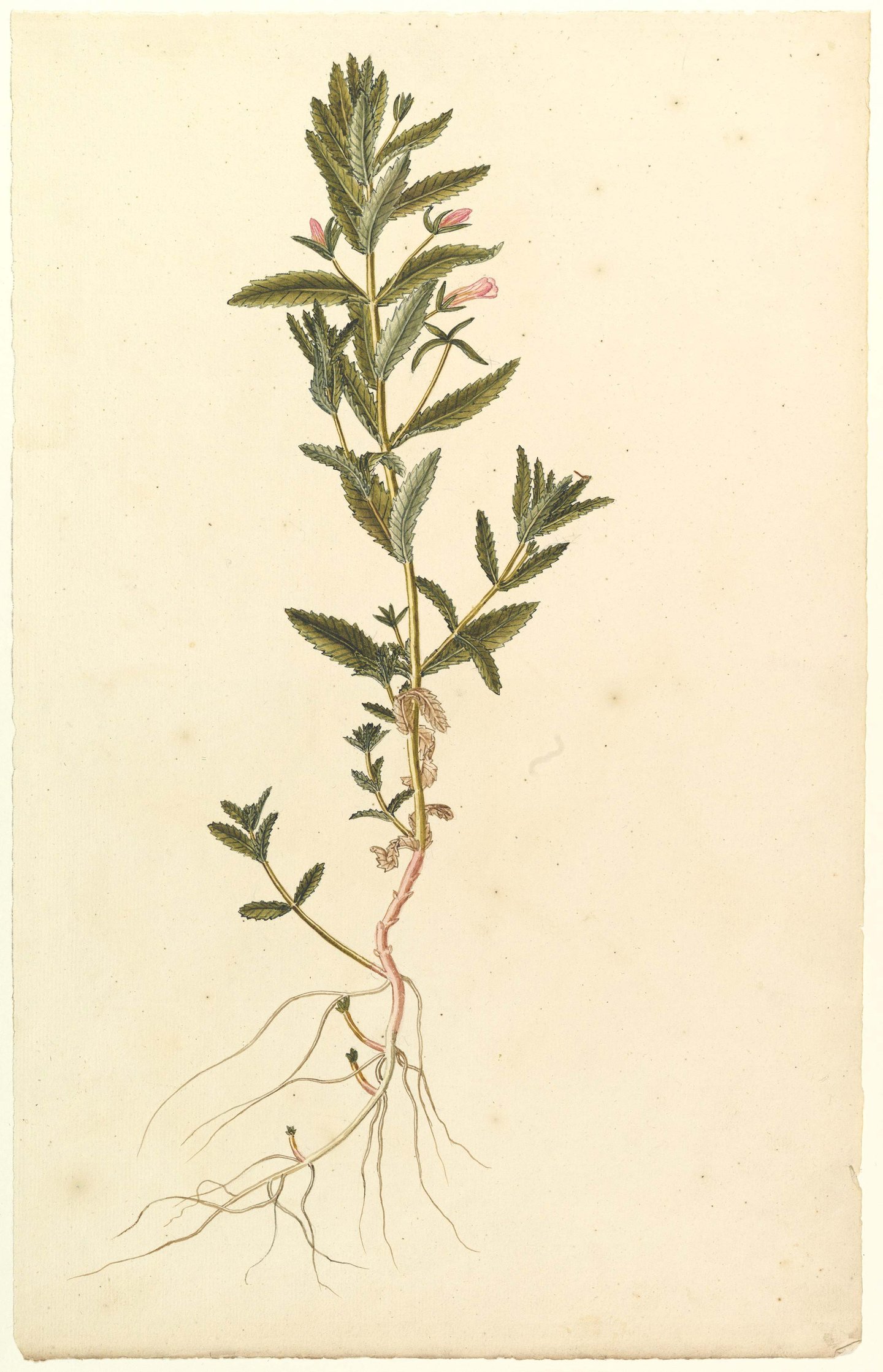
Anonymous, Botanical Study, ca. 1820, watercolour, 49.8 x 31.3cm, 19 5/8 x 12 5/16 in, Anonymous Gift, 1968, The Metropolitan Museum of Art
The history of Sap Green can be traced back to a yellow-green dye extracted from the berries of Buckthorn trees, a genus native to east-Asia and north-Africa, that was used in the Ancient Roman period. Like many plant dyes, it could be laked onto a metallic salt to make an insoluble pigment suitable for artist paints.
The pigment became very popular among European landscape watercolourists of the 17th and 18th centuries, and it is first recorded as being called ‘Sap Green’ in 1758. It is possibly a reference to the fact that the pigment was mixed with gum arabic and sold as a sticky syrup inside a dried pig’s bladder rather than as a dry pigment powder, a fact that also earned it the name ‘Bladder Green’.
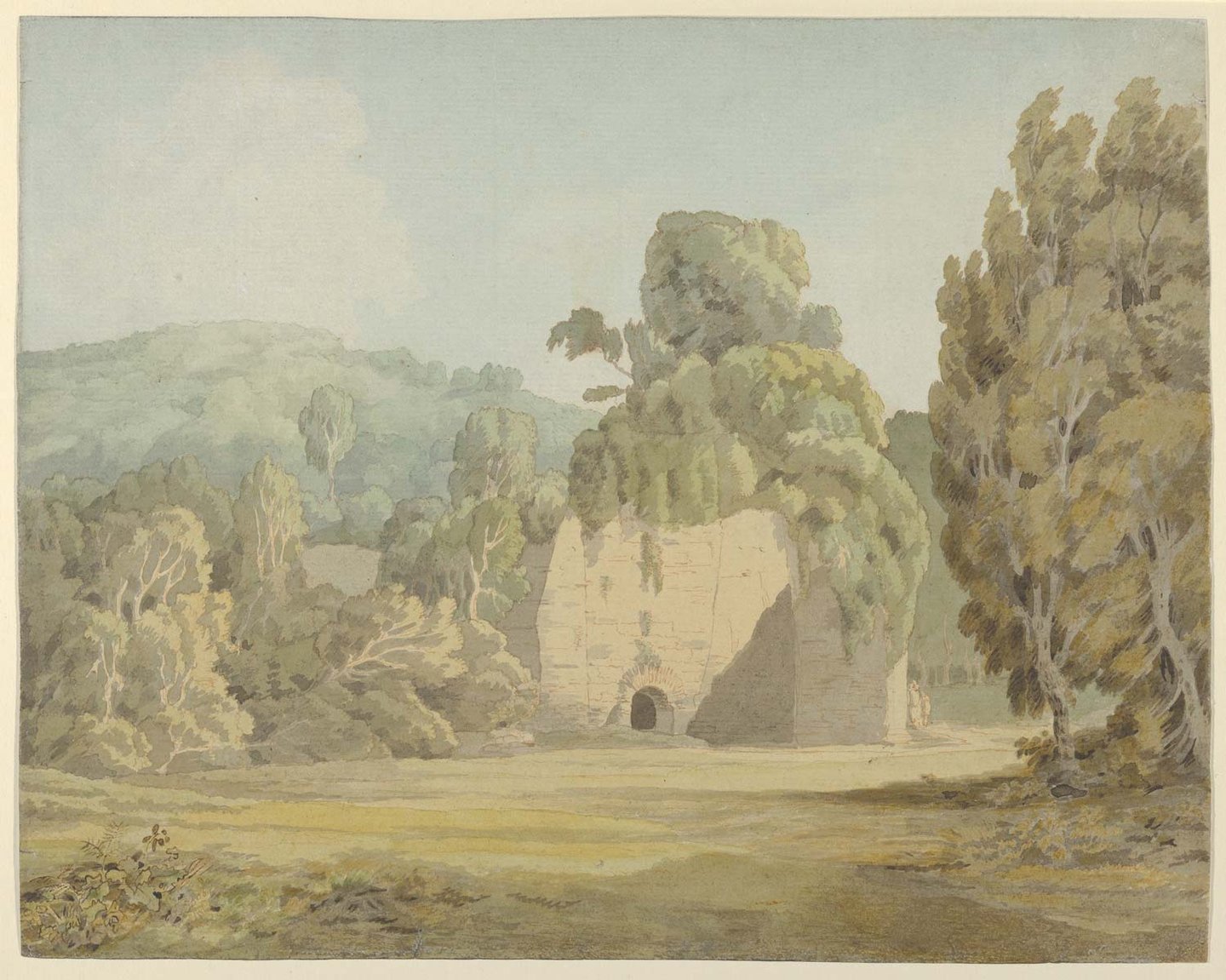
Francis Towne, An ivy covered ruin, late 1780s–early 1790s, watercolour with pen and brown ink with traces of graphite, 20.9 × 26.6 cm, 8 1/4 × 10 1/2in, Gift of Roberta J. M. Olson and Alexander B. V. Johnson, in memory of Laurie Vance Johnson and E. Dudley H. Johnson, 2013, The Metropolitan Museum of Art
Unfortunately, like most other historical lake pigments, genuine Sap Green had very poor lightfastness. Today, Sap Greens are made using more lightfast blends of green, yellow, and earth pigments.

 CA WARNING: This product can expose you to chemicals, which are known to the State of California to cause cancer and birth defects or other reproductive harm. For more information go to www.P65Warnings.ca.gov.
 Products bearing the CL seal of The Art & Creative Materials Institute (“Caution Label”) contain ingredients that are toxic or hazardous, but can still be safely used in controlled environments if directions on the container or packaging are followed.
$22.77