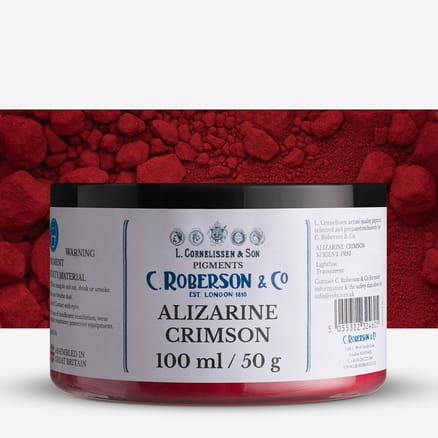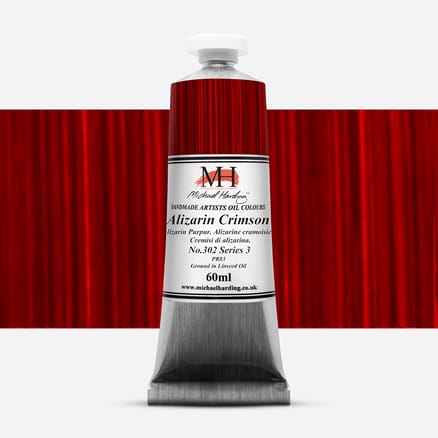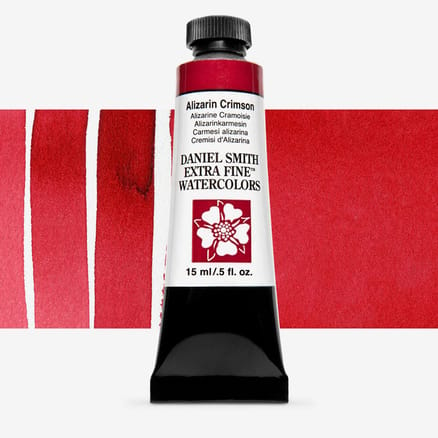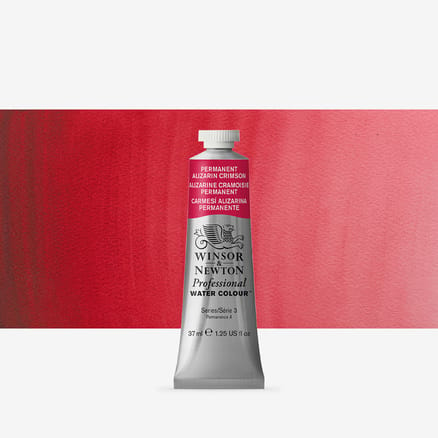
Alizarin Crimson
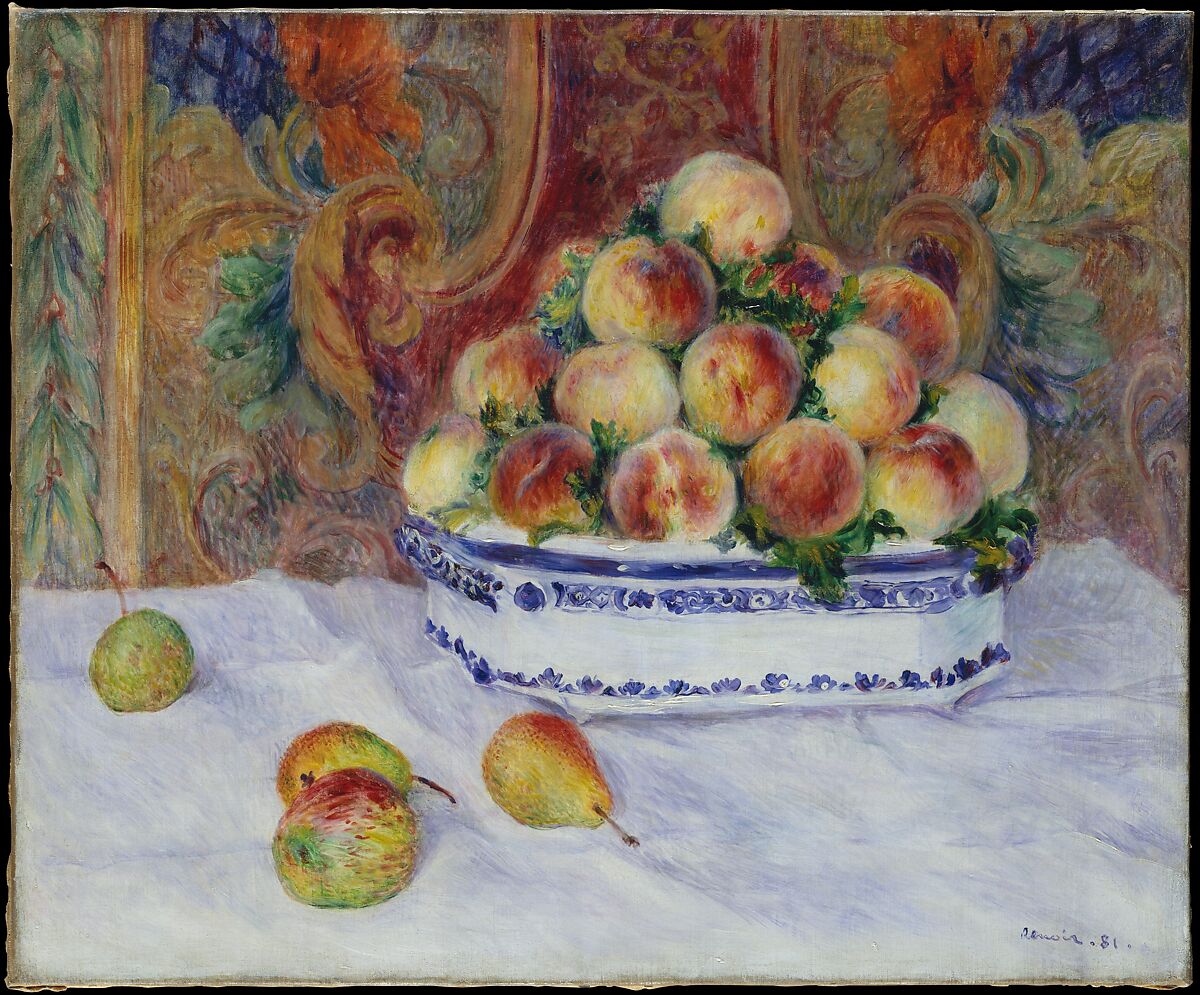
Still Life with Peaches, Auguste Renoir, 1881, Oil on canvas, 21 x 25 1/2 in. (53.3 x 64.8 cm), The Metropolitan Museum of Art, Bequest of Stephen C. Clark, 1960
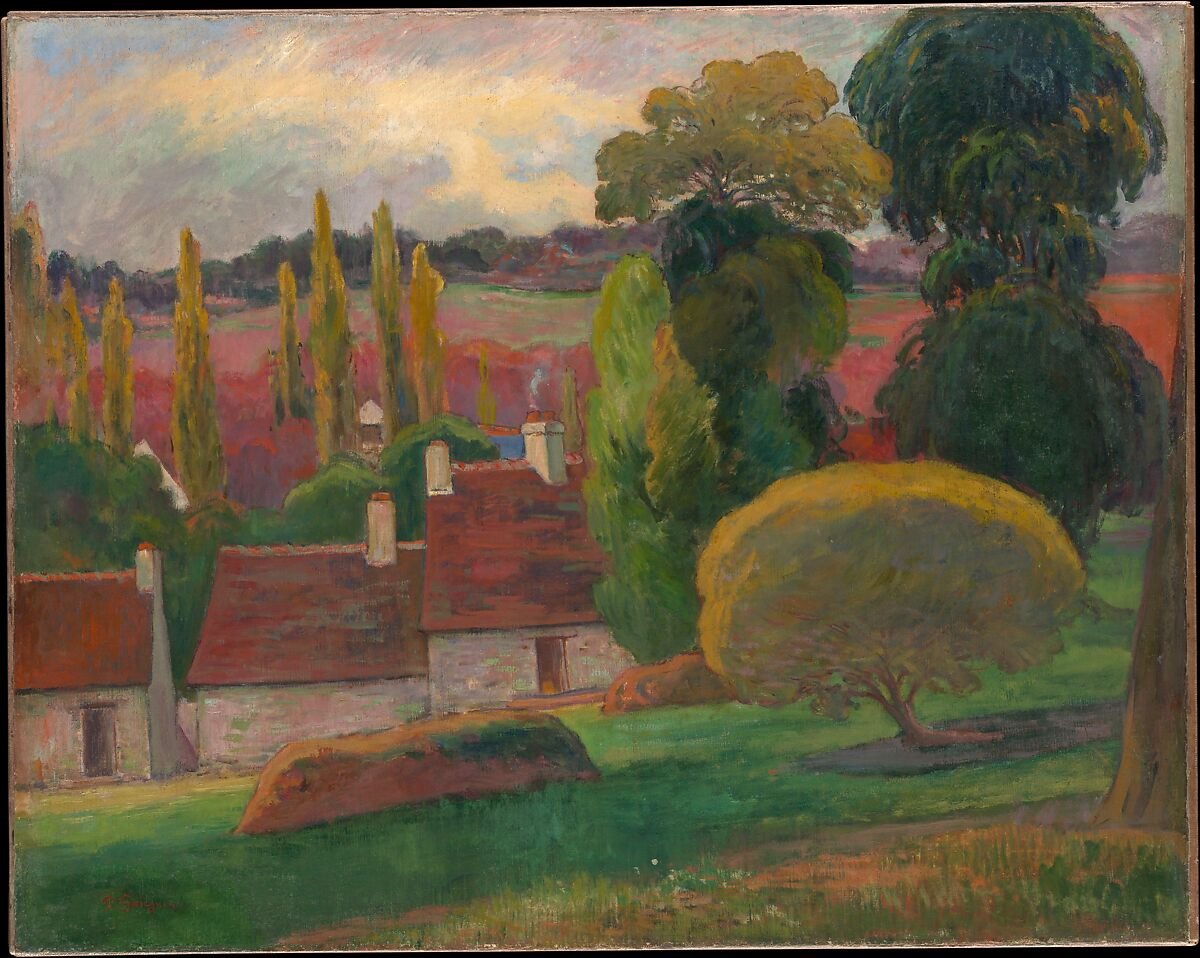
A Farm in Brittany, Paul Gauguin, ca. 1894, Oil on canvas, 28 1/2 x 35 5/8 in. (72.4 x 90.5 cm) The Metropolitan Museum of Art, Bequest of Margaret Seligman Lewisohn, in memory of her husband, Sam A. Lewisohn, 1954
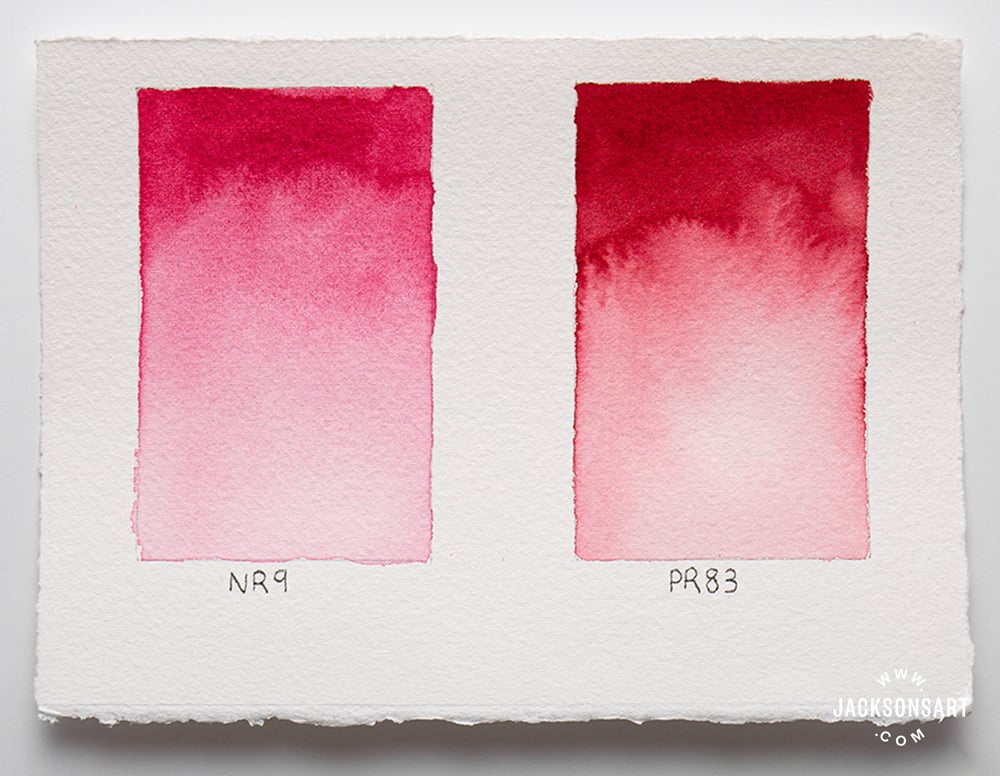
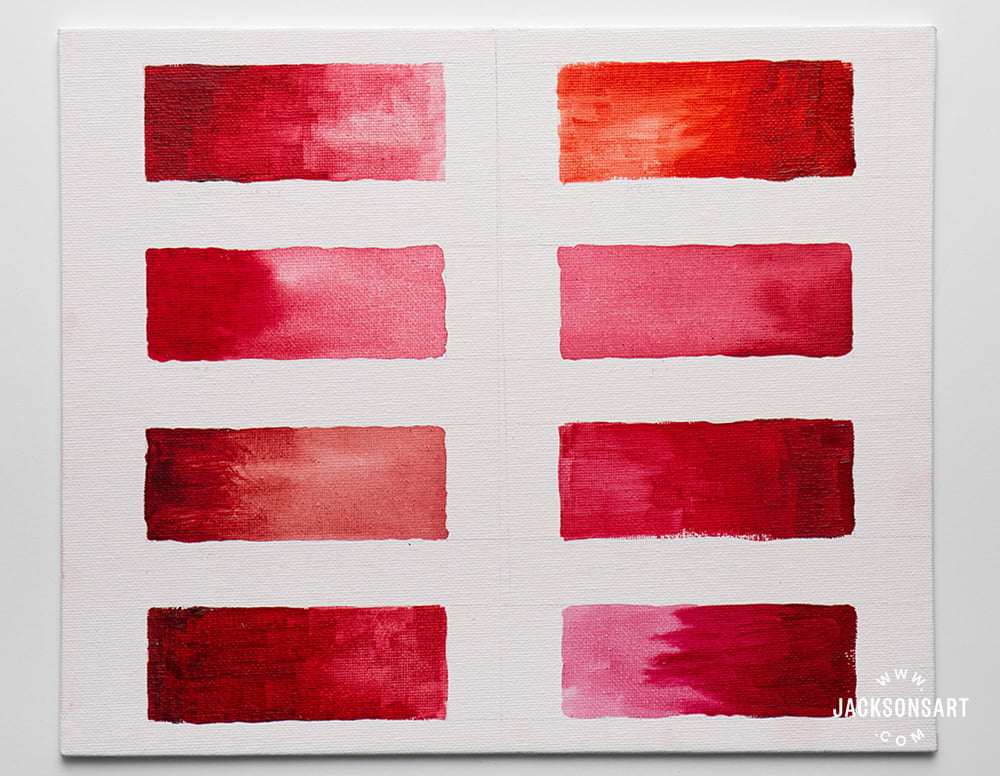
The story of Alizarin Crimson starts with the madder plant, which has been used for over 3,000 years to make textile dyes. Later, it was made into a lake pigment by combining it with metallic salts, creating an insoluble pigment for painting. In the Renaissance, Madder Lake, also known as Rose Madder, was loved for its transparency, which made it perfect for glazing in oil painting.
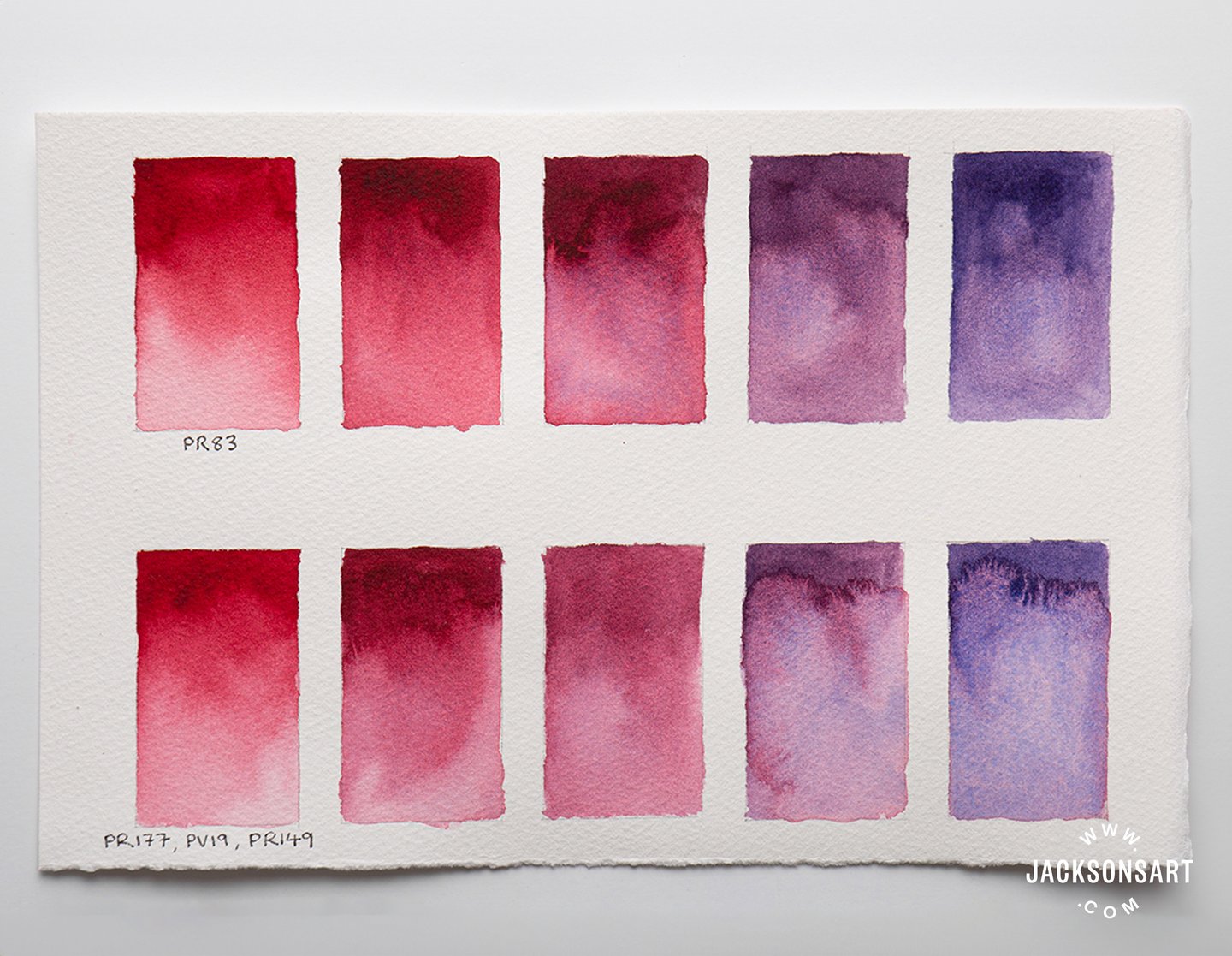
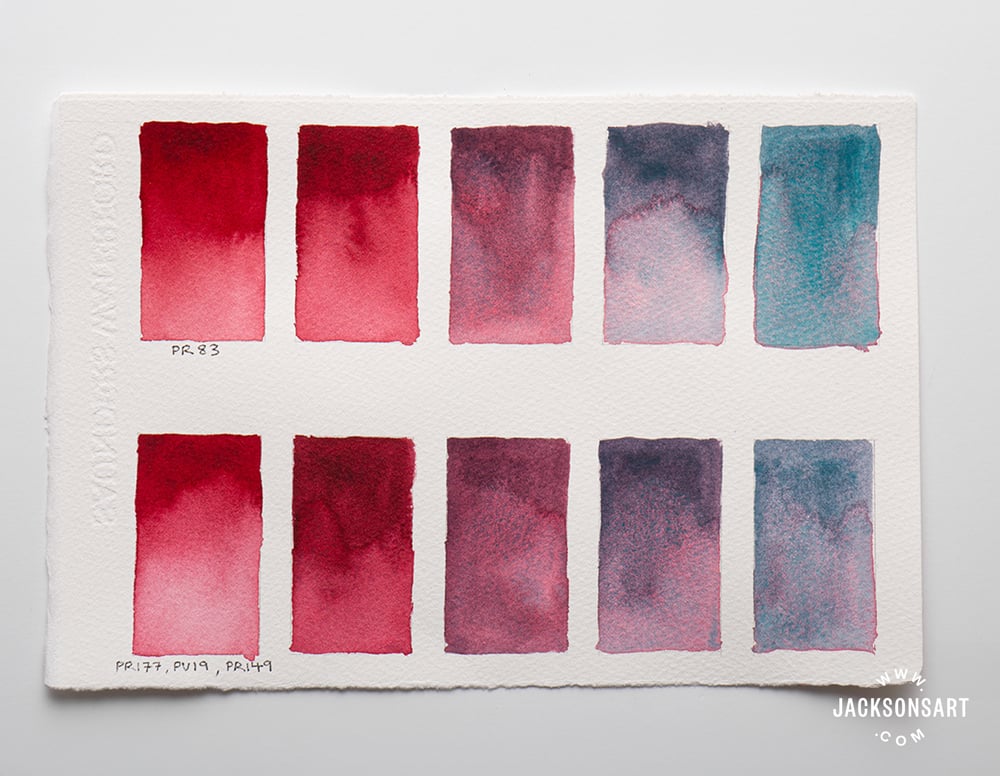
In the 19th century, a synthetic version of madder was developed which became known as Alizarin Crimson. Alizarin Crimson provided artists with stronger tinting power and better resistance to light than the original. However, Alizarin Crimson is not as lightfast as many of the other modern red pigments available today, especially when it is applied in a thin glaze.
Today there are many artists paints labelled as ‘permanent’ Alizarin Crimson. These are made with lightfast modern pigments.
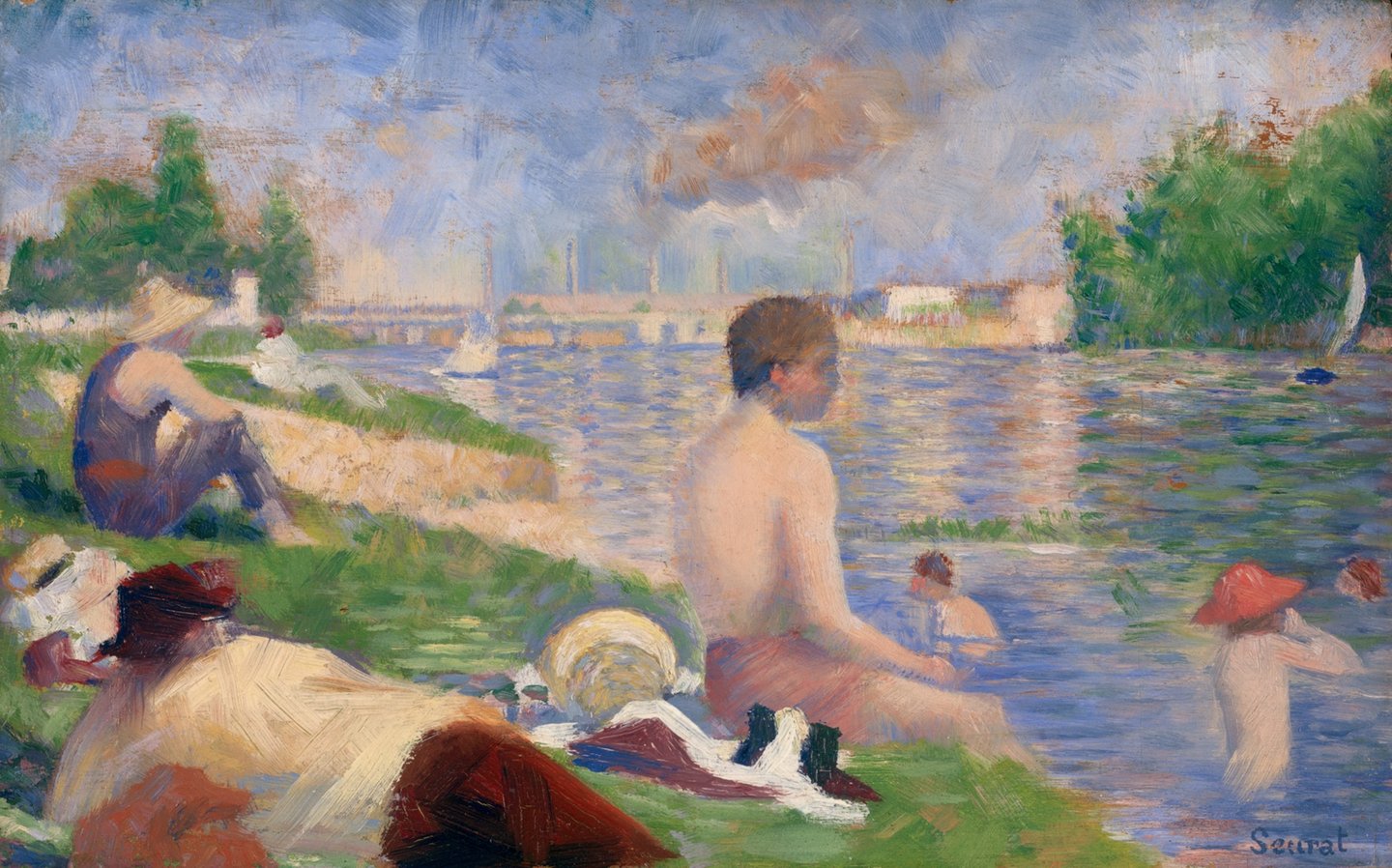
Final Study for 'Bathers at Asnières', Georges Seurat, 1883, Oil on panel,
15.8 × 25.1 cm (6 1/4 × 9 7/8 in.), The Art Institute of Chicago, Gift of the
Adele R. Levy Fund, Inc.the Art Institute of Chicago.
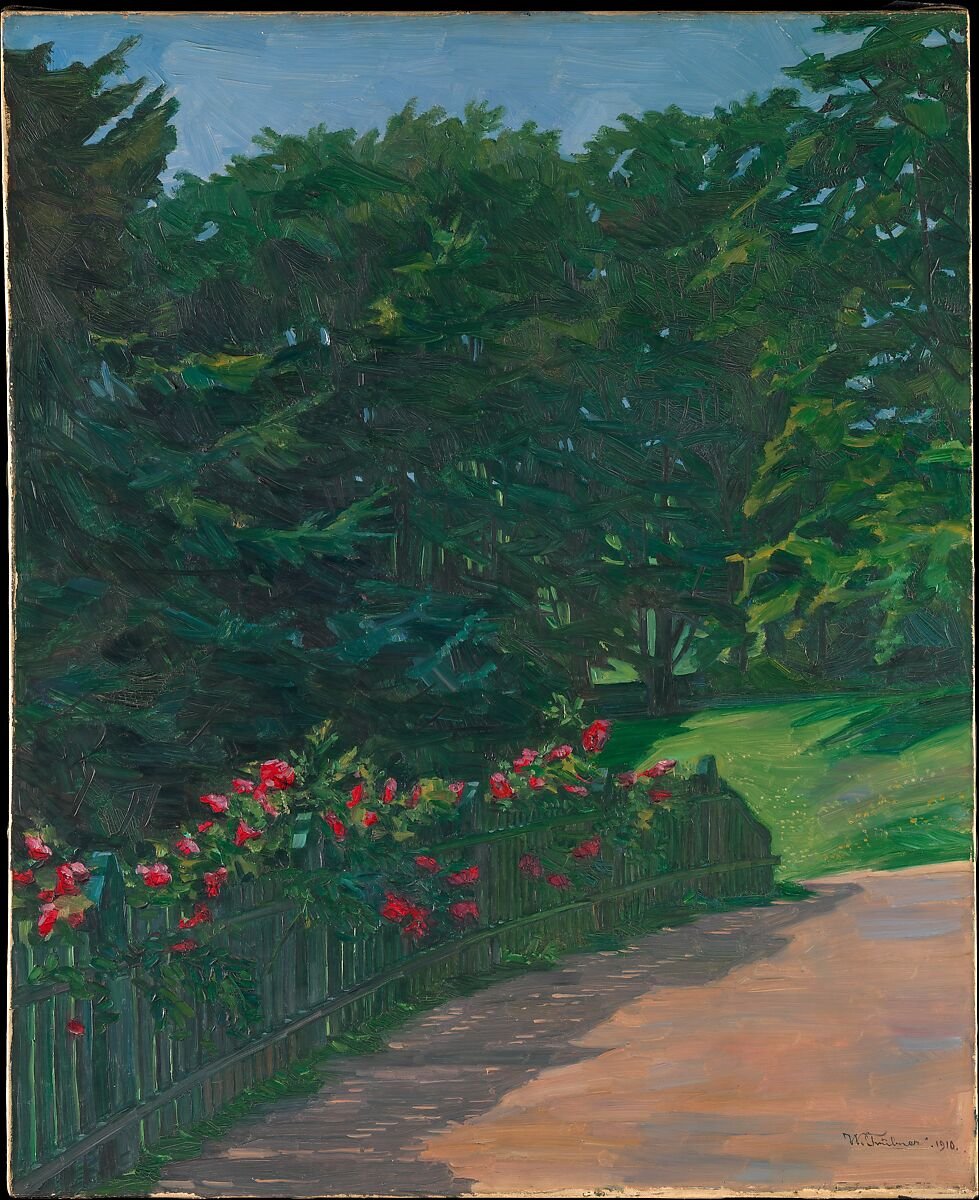
Rose Hedge, Wilhelm Trübner, 1910, Oil on canvas, 75.9 x 61.5 cm | 29 7/8 x 24 1/4 in,
The Metropolitan Museum of Art, Reisinger Fund, 1916
PIGMENT STORIES
Learn about the secrets of pigments
in our short film series.