

Pintura al óleo


Desde 10,27 €


Desde 8,58 €

Desde 11,62 €

Desde 7,38 €

Desde 9,99 €

Desde 13,41 €

Desde 23,61 €


Desde 12,92 €

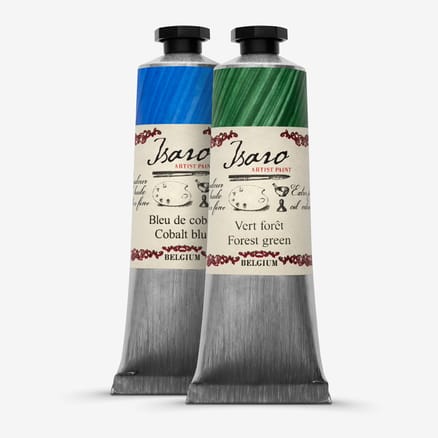


5,86 €
Desde 5,28 €




Traditional Oil Paint: Popular Questions from Artists
What is Traditional Oil Paint?
Traditional oil paint is a classic painting medium made by blending finely ground pigment with a drying oil, such as linseed oil.
Known for its rich pigmentation, vibrant colour palette and smooth texture, traditional oil paint has a long drying time, allowing artists to refine their work over days or weeks. This flexibility makes oil paints ideal for artists looking to achieve complex blends and detailed layers.
For beginner oil painters, our Oil Painting for Beginners Guide is a great introduction to oil painting.
Our in-depth Guide to Oil Painting is an exhaustive resource that provides everything you need to know for oil painting, including expert techniques and tips.
Artists use traditional oil paints for their versatility and unique properties. The slow-drying nature of this oil-based paint allows for extended working times. This enables intricate layering, colour mixing, and seamless blending. These qualities make it a favourite for professionals aiming to create textured or detailed compositions.
‘The reason I love using oil paints is because of the boldness in the colours and the versatility, but mainly because of how forgiving they are. I find that I’m constantly making mistakes throughout my paintings and for that reason, I rely on the paint staying wet for as long as it can. I love that I can leave it, I can come back later that day and rework it.’
- Will Rochfort, Oil Painter, Artist Insights: Will Rochfort
The origins of traditional oil paint can be traced back to the Bamiyan Buddhas in 6th-century Afghanistan. However, oil painting as an art form was not widespread.
During the Middle Ages, European artists experimented with oil-based paints, but tempera (egg-based paint) was more common for panel paintings. The popularity of oil paint soared during the Renaissance, with artists like Jan van Eyck harnessing its potential to achieve remarkable depth and detail.
Later, masters like Titian, Rembrandt, and Velázquez used oil paints to create lifelike portraits, dramatic lighting, and detailed landscapes. In the modern day, oil paints remain a cornerstone of fine art, embodying centuries of tradition and craftsmanship.
At Jackson’s Art Supplies, we offer a curated selection of professional oil paints from leading paintmakers like Michael Harding, Old Holland, and our own Jackson’s Oil Paints. Our range caters to artists of all levels, from those beginning their journey to professionals seeking the finest materials.
With a 4.8-star Trustpilot rating and industry recognition, we’re committed to delivering exceptional quality and service. Read more customer reviews and explore our extensive collection to find the perfect oil paint for your next masterpiece.
Shop Oil Paint for Professional Artists
Ready to bring your vision to life? Start your oil painting journey with Jackson’s by browsing our range of traditional oil paints. Whether you’re looking for individual colours or complete sets, we’ve got you covered.
For assistance, visit our Contact Us and Help & Advice pages. Explore our Guide to Oil Painting to learn all about oil-based paints.
How Can I Apply Traditional Oil Paint?
Traditional oil paint can be applied with brushes of various shapes and sizes. This enables a range of effects from broad strokes to fine details.
Palette knives are another popular tool. They are perfect for creating texture and bold impasto techniques. Jackson’s offers a wide selection of brushes and tools to suit every style.
What Mediums Can Be Used with Oil Paint?
Popular mediums include linseed oil for a smoother consistency and solvents to thin the paint. Adding mediums and solvents gradually lets you achieve the desired texture and drying time. To learn more, visit our Guide to Oil Mediums.
How Long Does Traditional Oil Paint Take to Dry?
Drying times vary depending on paint thickness, medium usage, and environmental factors. While surface drying may take days, it can take weeks or months for oil-based paints to completely cure. Curing in oil paints refers to the process of oxidation and polymerisation through which the paint fully hardens and stabilises over time after drying.
How Are Traditional Oil Paints Different from Acrylic Paints?
Traditional oil paints are oil-based, offering superior blendability and vibrancy. Acrylics are water-based and dry quickly.
The extended drying time of oils provides more flexibility for detailed work. Some acrylic paints offer an extended drying time comparable to oils, such as Golden Open.
Can I Speed Up the Drying Time of Oil Paint?
Yes, using mediums or cobalt driers can accelerate drying. Applying thinner layers of paint can also help speed up the process.
How Can I Make the Texture of My Oil Paint Thinner?
To thin traditional oil paint, use a solvent like turpentine rather than water, as oil and water do not mix. Artists also use low odour or odourless solvents.
For more information, read ‘Which Oil Painting Solvents Are Best for You?’ on Jackson’s Art Blog.
What Is the Fat-Over-Lean Rule in Oil Painting?
This rule ensures that each successive paint layer contains more oil than the layer beneath it. This prevents cracking and maintains the integrity of your artwork.
To learn more, read ‘Creating Oil Paintings That Stand the Test of Time’ on Jackson’s Art Blog.
How Should I Clean My Brushes After Using Oil Paint?
Start by wiping excess paint with a rag. Then, clean brushes thoroughly with a brush cleaner or solvent like turpentine, followed by soap and water for a final rinse.
For more information, read ‘Brush Cleaning Tips For Painters’ on Jackson’s Art Blog.
How Should I Dispose of Oil Paint?
Dispose of oil paint and solvents through local hazardous waste collection services. Avoid pouring them down sinks or drains to prevent environmental harm.