ART AND MENTAL WELLBEING
“I know that when I finish a drawing, my anxiety level decreases. When I draw, it means that something bothers me, but I don’t know what it is. So it is the treatment of anxiety.”
– Louise Bourgeois
Art as a Form of Expression
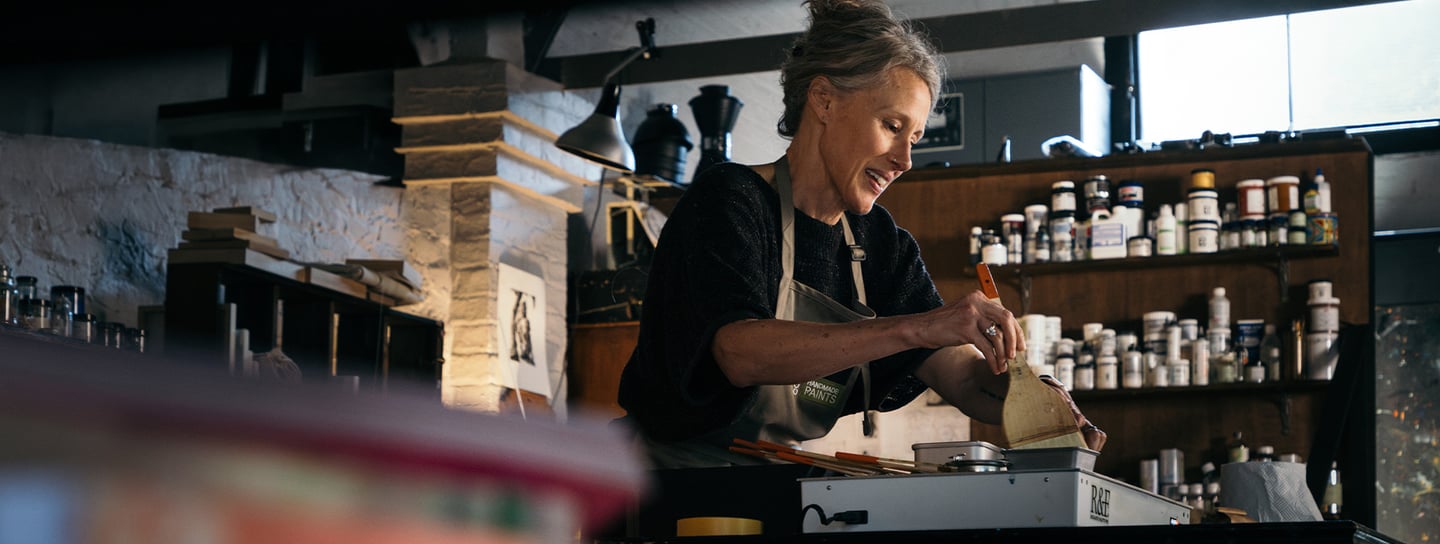
Making art can change the way we see, think, and respond to the world around us. Through painting, drawing, printmaking, sculpture, and other creative practices, art gives us the space to express ideas, explore experiences, and enjoy the simple act of making.
Art has the power to support wellbeing by helping us unwind, focus, have fun, and lose ourselves in the process of making. While this everyday relationship between creativity and wellbeing is distinct from professional art therapy, both recognise the potential of visual expression to help us explore thoughts and feelings that can be difficult to put into words.
What Does Research Tell Us About Art and Wellbeing?
Research suggests that making art may help reduce stress, encourage relaxation, and support emotional wellbeing.
A 2016 study by Drexel University found that 45 minutes of art-making was associated with reduced levels of cortisol, a hormone linked to stress. A major World Health Organization review in 2019 also explored evidence from more than 3,000 studies, highlighting the potential benefits of participating in the arts.
Finding Focus Through Making
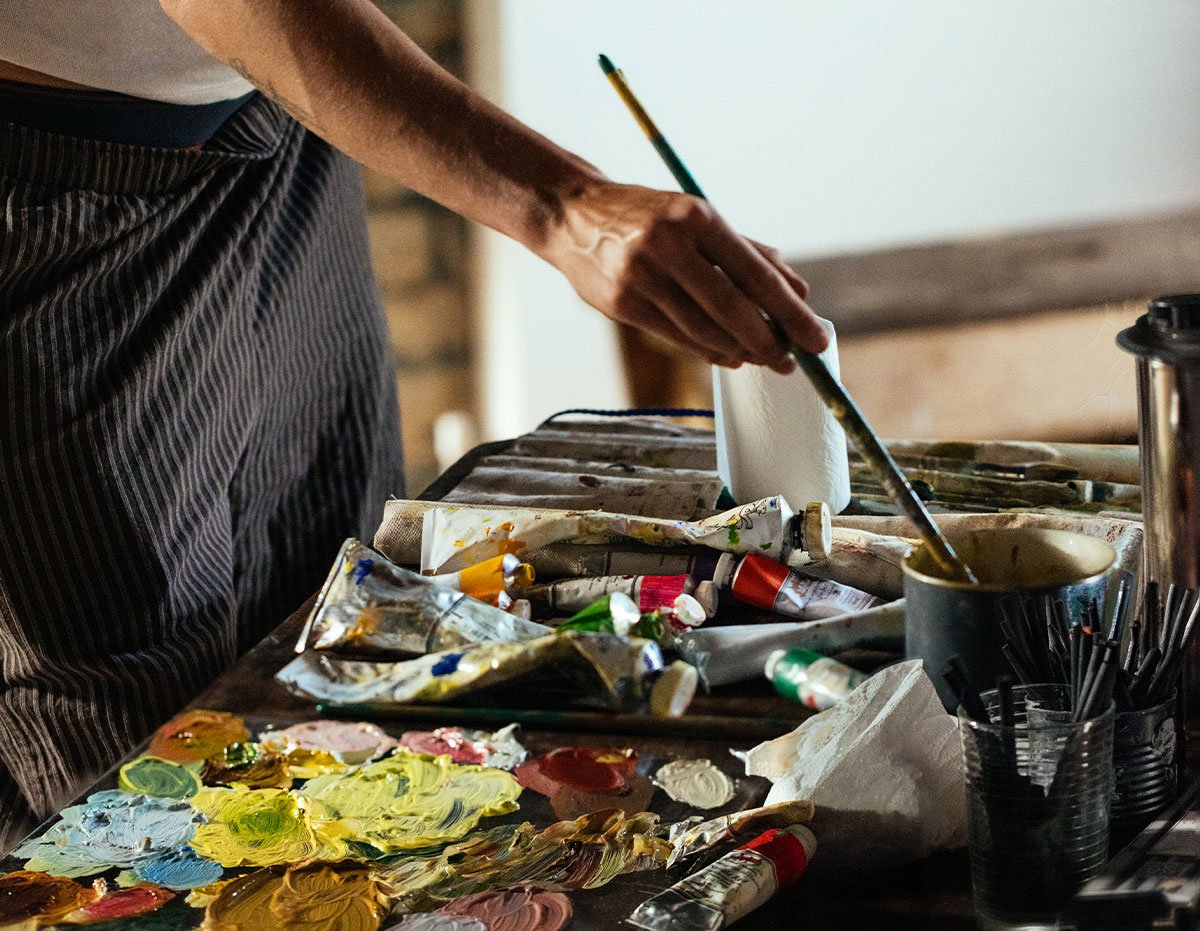
Working with art materials can encourage us to slow down and focus on the present moment. Whether mixing colours, repeating marks, or shaping clay, creative activities offer opportunities to become absorbed in making.
Psychologists call this experience flow, a state of deep concentration often associated with enjoyment. Even a few minutes of creativity can provide a welcome pause from daily pressures.
The Joy of Experimentation
Trying new materials, learning techniques, and exploring ideas can bring a sense of achievement and satisfaction.
Research has explored links between creative activities, confidence, self-esteem, and wellbeing. However, making art doesn't need to result in a finished ‘masterpiece’ to be rewarding. Experimenting with colour, exploring unfamiliar materials, or simply enjoying the process can be just as valuable.
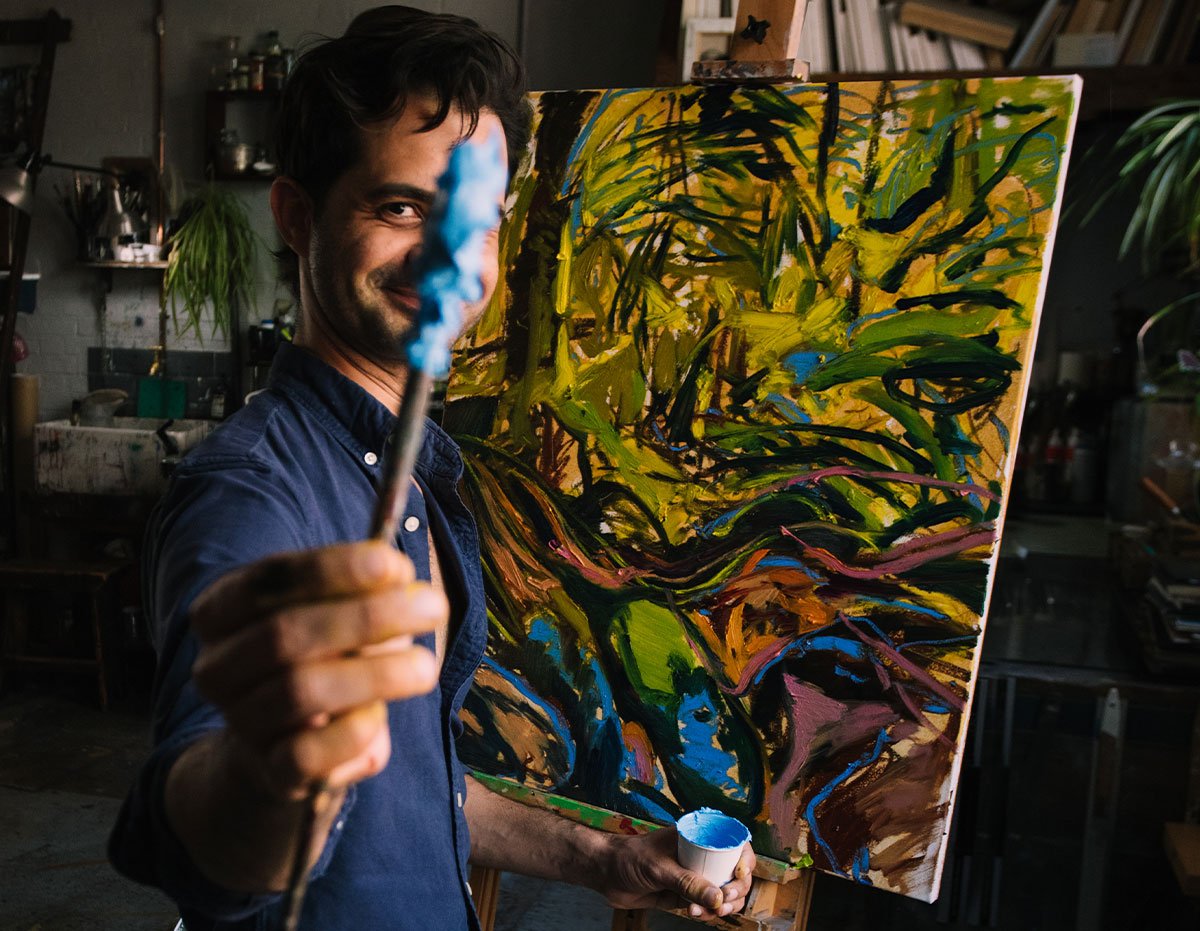
“Art is the greatest asset to mental health I have; it has this amazing ability to go under the radar, and it goes down little pathways which are untrodden and yet it’s still a very legitimate way of thinking and feeling and getting on with your life.”
– Grayson Perry
Drawing for Focus
Drawing allows us to be present in the moment and pay closer attention to the world around us. Whether sketching from observation or experimenting with lines and shapes, the process can offer moments of concentration and reflection. Try drawing an everyday object, focusing on its shapes, textures, and shadows rather than the finished result.
Colouring for Relaxation
Colouring offers an accessible way to enjoy making art without the pressure of starting from a blank page. Choosing colours and filling shapes can encourage relaxation and provide a welcome break from everyday distractions. Try experimenting with different colour combinations using pencils, pens, or markers.
Doodling for Creative Freedom
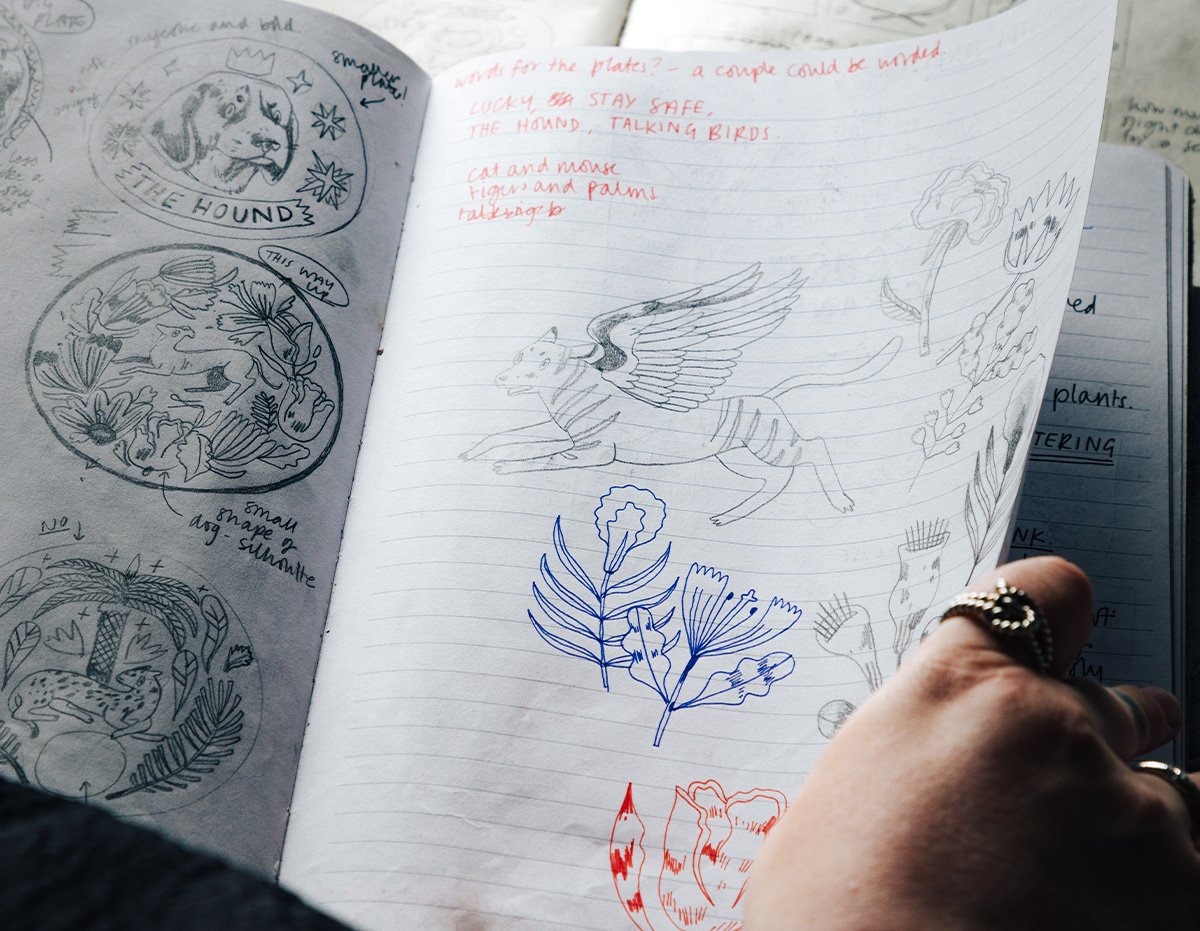
Doodling is a spontaneous way to explore ideas without planning or expectations. Repeating patterns, shapes, and marks can be absorbing while allowing your imagination to wander. Try filling a sketchbook page with whatever comes to mind, without worrying about the outcome.
Embracing the Unexpected in Watercolour
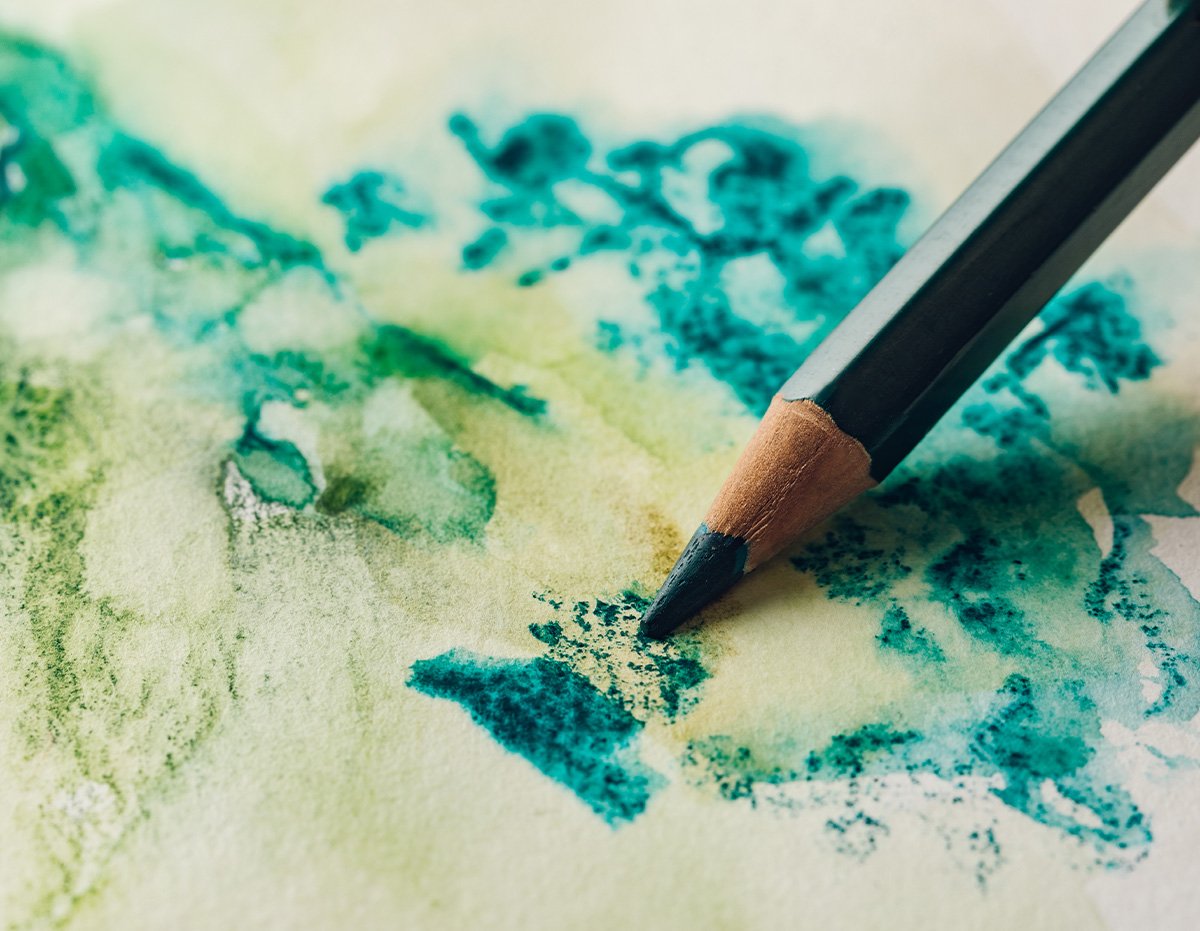
Watercolour's unpredictable nature encourages curiosity, patience, and a willingness to embrace unexpected results. Explore wet-on-wet techniques, layering transparent washes, or letting colours blend freely across the paper. Enjoy discovering what happens when you allow the materials to lead the way.
“Work is good. If I don’t make things, I become ill and depressed. Painting makes me feel like a better human being. It’s what I’m supposed to be doing.”
– Tracey Emin
Alcohol Inks for Play
With their vibrant colours and fluid movement, alcohol inks offer an exciting way to experiment with spontaneous effects. Watch colours spread, merge, and form unexpected patterns as you tilt and move the surface. The process encourages play and discovery without the pressure of a predetermined result.
Clay for Sensory Exploration
The physical experience of working with clay offers a different way to engage with materials. Rolling, pressing, pinching, and shaping encourage attention to texture, movement, and touch. Try making simple forms by hand, focusing on the experience of manipulating the clay rather than creating a perfect finished object.
The Pleasure of Drawing Outdoors
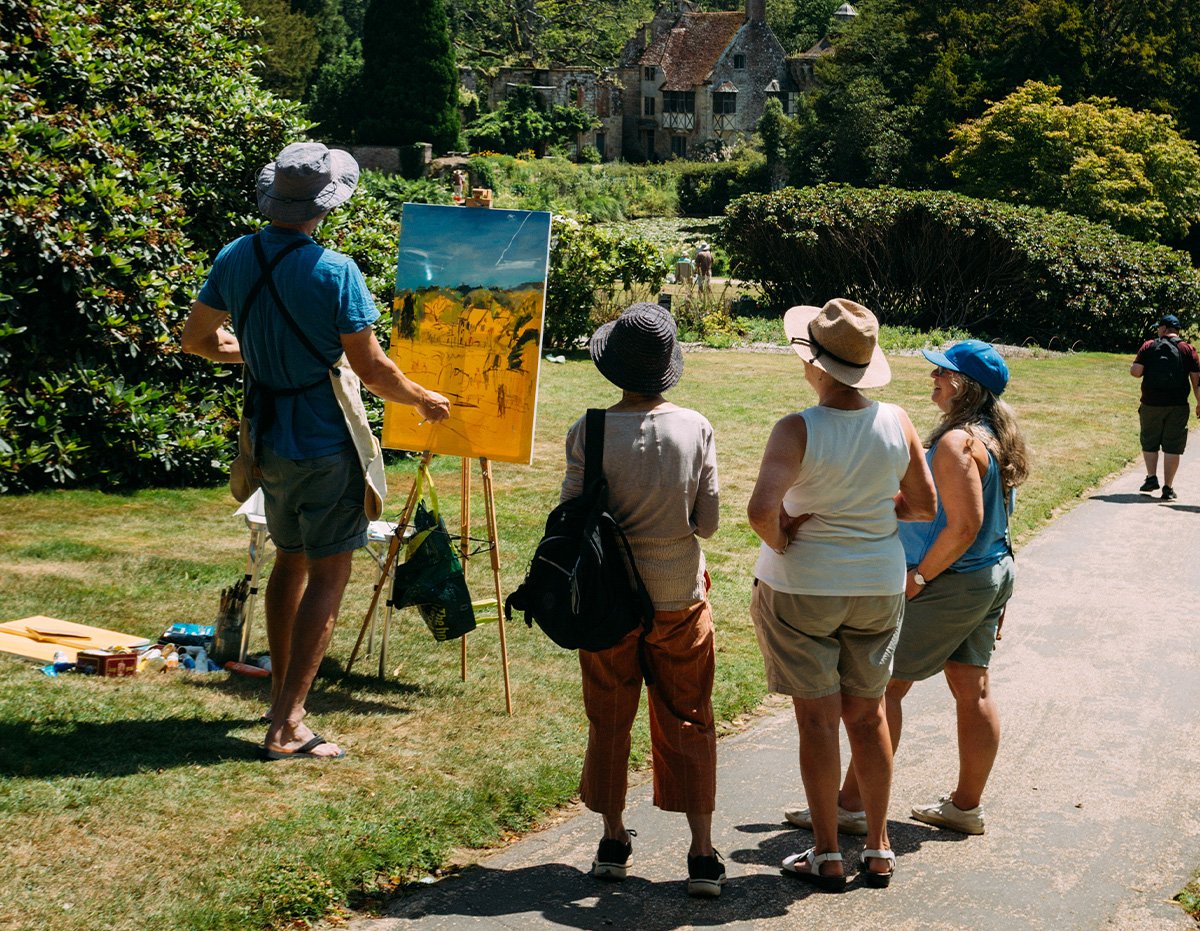
Taking a sketchbook outdoors encourages us to notice details we might otherwise overlook. From changing light and shadows to the shapes of trees and buildings, drawing from observation lets us engage with our surroundings and absorb the moment. Try spending a few minutes sketching somewhere familiar, noticing something new each time.
The Power of Creative Connection
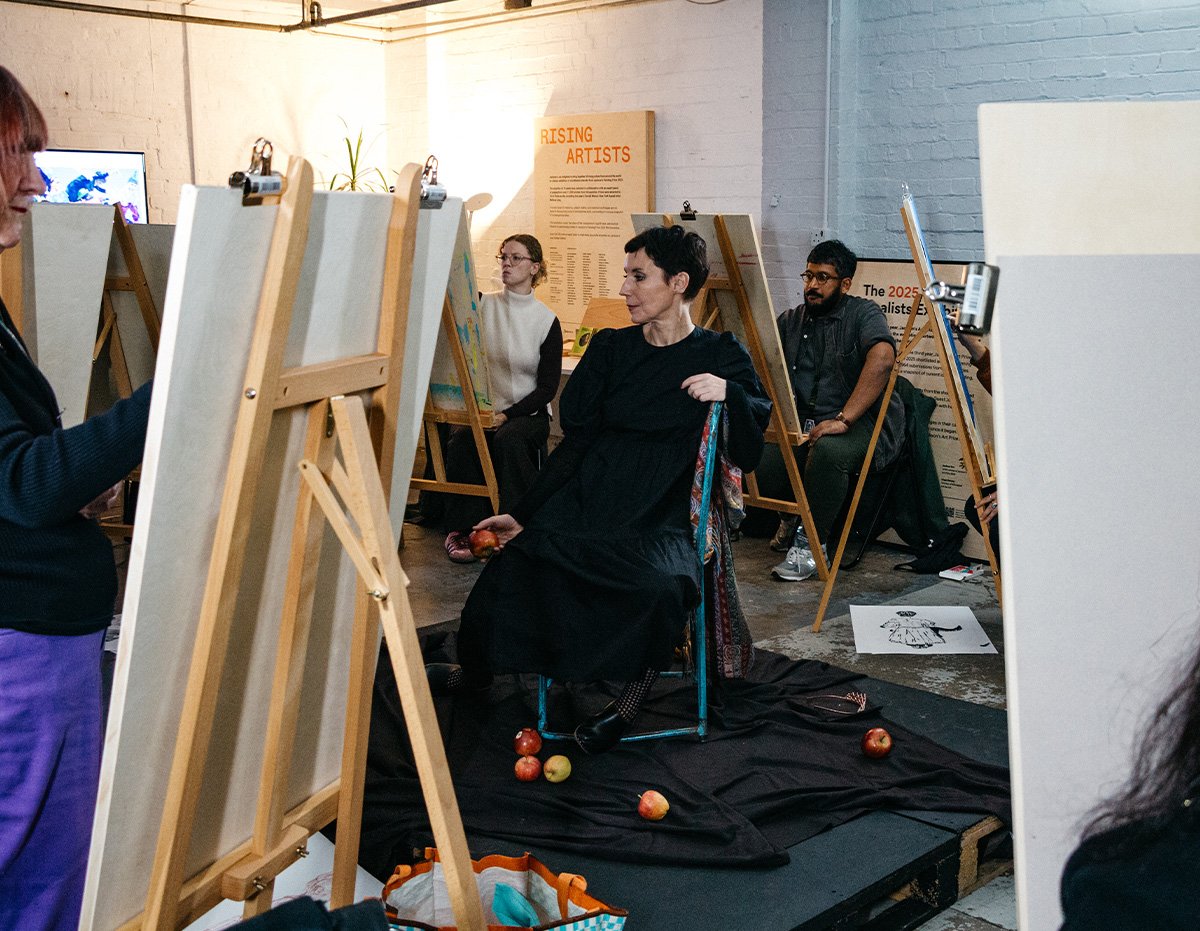
Making art alongside others offers opportunities to share ideas, learn new techniques, and connect through a common interest. Joining a local drawing group, attending a workshop, or participating in an online art community brings people together and encourages a sense of belonging and shared creativity.